Building Blocks
Sottocategorie di "Building Blocks"
- Acidi boronici e derivati dell'acido boronico(5.774 prodotti)
- Building Blocks Chirali(1.237 prodotti)
- Building Blocks Idrocarburici(6.098 prodotti)
- Building Blocks organici(60.980 prodotti)
Trovati 205158 prodotti di "Building Blocks"
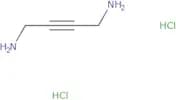
But-2-yne-1,4-diamine dihydrochloride
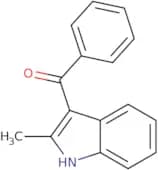
CAS:Versatile small molecule scaffoldFormula:C4H10Cl2N2Purezza:Min. 95%Peso molecolare:157.04 g/mol3-Benzoyl-2-methyl-1H-indole
CAS:Prodotto controllato3-Benzoyl-2-methyl-1H-indole is an isomer of tetrahydrocarbazole. It has a high yield and optical purity. 3-Benzoyl-2-methyl-1H indole can be synthesized from β-unsaturated aldehydes, such as 2-(4,4,5,5-tetramethyl-[1,3,2]dioxaborolan-2yl)-3,5,6,-trimethylphenol. The compound has been shown to react with alkali metals to form a salt in the presence of dehydrogenative conditions. This reaction proceeds via an iminium intermediate that reacts with the metal salt to produce the product. 3BzIMeI can also react with alcohols or amines in the presence of heterocycles such as mesitylene to form substituted benzimidazoles.
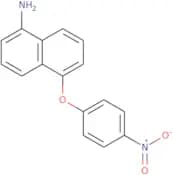
Formula:C16H13NOPurezza:Min. 95%Peso molecolare:235.28 g/mol5-(4-Nitrophenoxy)naphthalen-1-amine
CAS:Versatile small molecule scaffold
Formula:C16H12N2O3Purezza:Min. 95%Peso molecolare:280.28 g/mol3-(Hydrazinecarbonyl)benzoic acid
CAS:Versatile small molecule scaffold
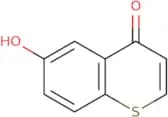
Formula:C8H8N2O3Purezza:Min. 95%Peso molecolare:180.16 g/mol6-Hydroxy-4H-thiochromen-4-one
CAS:Versatile small molecule scaffold
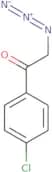
Formula:C9H6O2SPurezza:Min. 95%Peso molecolare:178.21 g/mol2-Azido-1-(4-chlorophenyl)ethan-1-one
CAS:Versatile small molecule scaffold
Formula:C8H6ClN3OPurezza:Min. 95%Peso molecolare:195.6 g/mol3-iso-Propoxybenzyl alcohol
CAS:3-iso-Propoxybenzyl alcohol is an insect repellent used to prevent insect bites. It is a screening agent that can be used as a solution in ethanol to test for the presence of insects. 3-iso-Propoxybenzyl alcohol is added to a solution and then sprayed onto plants or animals. The solution will turn yellow if it comes into contact with an insect. This product should be stored in a cool, dry place away from direct sunlight and out of reach of children.
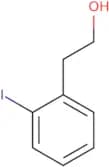
Formula:C10H14O2Purezza:Min. 95%Peso molecolare:166.22 g/mol2-(2-iodophenyl)ethanol
CAS:2-(2-iodophenyl)ethanol is a ketone that can be made by refluxing benzene with phosphite and halides. It can also be synthesized from 2-phenylethanol, which is obtained from the reaction of acetone with sodium hydroxide. 2-(2-Iodophenyl)ethanol has been used as a precursor to other compounds in organic chemistry. This compound has been shown to react with dichlorophosphite or sulphonium to form organopalladium intermediates. Carbonylation reactions are another method for synthesizing this compound.
Formula:C8H9IOPurezza:Min. 95%Peso molecolare:248.06 g/mol1-(Trifluoromethyl)isoquinoline
CAS:1-(Trifluoromethyl)isoquinoline is an organic compound that is made from a photoredox reaction, which involves the use of a metal catalyst and light to produce reactive species. This chemical can be used in the synthesis of vinyl compounds, such as styrene, by regiospecifically adding an isocyanide. 1-(Trifluoromethyl)isoquinoline has been shown to be a useful reagent for experiments involving regiospecific reactions.
Formula:C10H6F3NPurezza:Min. 95%Peso molecolare:197.16 g/mol2,4-Dichloro-6-phenylpyrimidine
CAS:2,4-Dichloro-6-phenylpyrimidine is a nucleophilic reagent that has been used to synthesize pyrimidine derivatives. It has been shown to react with cyanoacetic acid and malononitrile in the presence of an organolithium reagent to form 2,6-dichloro-2,4-dihydroxypyrimidine. This compound reacts with chlorine gas to give 2,4-dichloro-6-(chloromethyl)pyrimidine. This reaction is regioselective and does not affect the other substituents on the ring. The reaction proceeds via a nucleophilic attack on the carbon atom adjacent to the nitrogen atom.
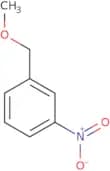
Formula:C10H6Cl2N2Purezza:Min. 95%Peso molecolare:225.07 g/mol1-(Methoxymethyl)-3-nitrobenzene
CAS:Versatile small molecule scaffold
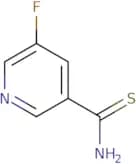
Formula:C8H9NO3Purezza:Min. 95%Peso molecolare:167.16 g/mol5-fluoropyridine-3-carbothioamide
CAS:Versatile small molecule scaffold
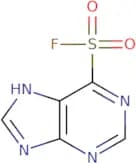
Formula:C6H5FN2SPurezza:Min. 95%Peso molecolare:156.18 g/mol9H-Purine-6-sulfonyl fluoride
CAS:The purpose of this study was to examine the association between fluoridated water and the prevalence of obesity in children. The study found that, in areas with a higher percentage of children who drank fluoridated water, there was a significant increase in the prevalence of obesity. It is important to note that fluoride has been shown to have health effects other than dental fluorosis. One such effect is an increase in bone fractures. Fluoride also interacts with physiological processes, such as blood pressure regulation and insulin secretion. This article reviews epidemiological studies that have investigated the association between fluoride exposure and various systemic diseases, including cardiovascular disease and diabetes mellitus type 2.
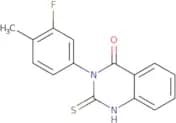
Formula:C5H3FN4O2SPurezza:Min. 95%Peso molecolare:202.17 g/mol3-(3-Fluoro-4-methylphenyl)-2-sulfanyl-3,4-dihydroquinazolin-4-one
CAS:Versatile small molecule scaffold
Formula:C15H11FN2OSPurezza:Min. 95%Peso molecolare:286.3 g/mol4-(Thiophen-3-yl)butanoic acid
CAS:Versatile small molecule scaffold
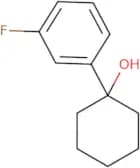
Formula:C8H10O2SPurezza:Min. 95%Peso molecolare:170.23 g/mol1-(3-Fluorophenyl)cyclohexanol
CAS:Versatile small molecule scaffold
Formula:C12H15FOPurezza:Min. 95%Peso molecolare:194.25 g/mol2-Ethylpiperidine hydrochloride
CAS:Versatile small molecule scaffold
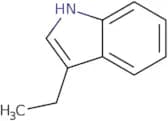
Formula:C7H16ClNPurezza:Min. 95%Peso molecolare:149.66 g/mol3-Ethyl-1H-indole
CAS:3-Ethyl-1H-indole is a chiral compound with a high degree of stereoselectivity. It is synthesized by the reaction of ethyl formate and diethyl malonate in the presence of sulfuric acid, magnesium and liquid chromatography. The product can be purified by vacuum distillation or recrystallization. 3-Ethyl-1H-indole is used as a starting material for the synthesis of other aromatic compounds. 3-Ethyl-1H-indole has been shown to be useful in the production of pharmaceuticals and agrochemicals.
Formula:C10H11NPurezza:Min. 95%Peso molecolare:145.2 g/molSpiro[5.5]undecane-2,4-dione
CAS:Spiro[5.5]undecane-2,4-dione is an analgesic drug that belongs to the class of carboxylic acid derivatives. It has been shown to be effective in treating chronic pain and neuropathic pain. Spiro[5.5]undecane-2,4-dione binds to a pharmacophore site on voltage gated sodium channels, preventing the influx of sodium ions into the cell, which blocks the conduction of nerve impulses and relieves pain. The chemical structure of Spiro[5.5]undecane-2,4-dione is similar to that of morphine but it does not have morphine's addictive properties or potential for abuse.
Formula:C11H16O2Purezza:Min. 95%Peso molecolare:180.25 g/mol4-Chromanol
CAS:4-Chromanol is a trifluoroacetic acid amide. It contains a hydroxyl group, which is important for its neuroprotective properties. 4-Chromanol's mechanism of action is not yet fully understood, but it has been shown to inhibit the growth of human serum and oral pathogens in vitro. The compound also has an anti-inflammatory effect by inhibiting the production of pro-inflammatory cytokines from human monocytes. 4-Chromanol's chemical structure consists of a hydroxy group, fatty acids, and benzyl groups on both sides of the carbonyl group at position 4.
Formula:C9H10O2Purezza:Min. 95%Peso molecolare:150.18 g/mol5,6-Dihydrobenzo[b]thiophen-7(4H)-one
CAS:5,6-Dihydrobenzo[b]thiophen-7(4H)-one is a sulfur-containing heterocycle that has been shown in studies to have cytotoxic activity. This compound has been found to induce apoptosis (programmed cell death) in cancer cells by binding to the protein kinase B (PKB/Akt), which is involved in the regulation of cell proliferation and survival. 5,6-Dihydrobenzo[b]thiophen-7(4H)-one also binds to DNA, preventing transcription and translation of proteins. The cytotoxic effects of this compound make it useful for treatment of ophthalmic conditions such as cataracts and glaucoma. This compound is being studied for use in the treatment of ovarian cancer and other types of cancer. It was recently shown that 5,6-dihydrobenzo[b]thiophen-7(4H)-one
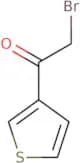
Formula:C8H8OSPurezza:Min. 95%Peso molecolare:152.21 g/mol3-(Bromoacetyl)thiophene
CAS:3-(Bromoacetyl)thiophene is a chromophore that can be used as an antibacterial agent. It has potent inhibitory effects on bacteria, which are caused by the ring-opening of the thiophene ring in the presence of irradiation. 3-(Bromoacetyl)thiophene can also be used in electrochemical polymerization and cyclic voltammetry. In addition, it has been shown to have an inhibitory effect on dehydrogenase enzymes, which are important for energy production in cells. This compound is fluorescent and can be detected using electrochemical impedance spectroscopy (EIS).
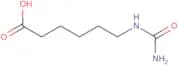
Formula:C6H5BrOSPurezza:Min. 95%Peso molecolare:205.07 g/mol6-(Carbamoylamino)hexanoic acid
CAS:6-(Carbamoylamino)hexanoic acid (6ACA) is a synlett that has been shown to be a potent and selective inhibitor of Hsp70. It is functional as a modulator through the interaction with the zinc-binding site, which inhibits ATPase activity. This molecule also acts as a lead molecule for the development of therapeutic agents against various diseases such as cancer, diabetes, and neurodegenerative disorders. The compound has been shown to have catalytic activity in acidic conditions and shows high stereoselectivity in multicomponent reactions.
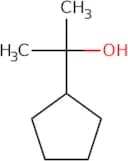
Formula:C7H14N2O3Purezza:Min. 95%Peso molecolare:174.2 g/mola,a-Dimethyl-cyclopentanemethanol
CAS:Versatile small molecule scaffold
Formula:C8H16OPurezza:Min. 95%Peso molecolare:128.21 g/mol(4-Nitrophenyl)acetaldehyde
CAS:4-Nitrophenylacetaldehyde is an organic compound that belongs to the group of reactive chemicals. It is synthetically derived from nitrobenzene and reacts with proton, covalent adducts, or other functional groups. 4-Nitrophenylacetaldehyde has been shown to be a target for cancer research because it can be used to produce cancer drugs by linking a variety of functional groups to the molecule. The nitrogen atom in the molecule is also a target for research because it can be converted into nitro groups and can help in the development of new drugs through dehydration reactions.
Formula:C8H7NO3Purezza:Min. 95%Peso molecolare:165.15 g/mol5-Methylbenzo[c][1,2,5]thiadiazole
CAS:5-Methylbenzo[c][1,2,5]thiadiazole is a chemical compound that belongs to the group of mixtures. It is a yellow solid that can be purified by recrystallization from water and ethanol. This compound is soluble in alcohol, chloroform and ether. 5-Methylbenzo[c][1,2,5]thiadiazole has been shown to be an oxidizing agent when mixed with potassium permanganate or potassium perchlorate. The reactivity of this substance can also be seen when it reacts with chlorine gas to form the corresponding thiocarbonyl chloride. 5-Methylbenzo[c][1,2,5]thiadiazole has not been found to have any commercial applications at this time.
Formula:C7H6N2SPurezza:Min. 95%Peso molecolare:150.2 g/molIsothiazole-3-carbonitrile
CAS:Isothiazole-3-carbonitrile is a chemical compound that contains a nitrile group with two isothiazole rings. It is used in the synthesis of urea and in the production of carbon tetrachloride. This chemical has been shown to cause hypotoxicity mediated by cyano, epithelioma, disulfide, pyridine, carbon disulfide, dichloro, industrial, cutaneum and cancer. Isothiazole-3-carbonitrile has been shown to act as a signal molecule that can inhibit chlorine and cyanide reactions by acting as a competitive inhibitor.
Formula:C2H2N2SPurezza:Min. 95%Peso molecolare:110.14 g/mol4-Bromopentanoic acid
CAS:Versatile small molecule scaffold
Formula:C5H9BrO2Purezza:Min. 95%Peso molecolare:181.03 g/molBenzyltriphenylphosphonium Bromide
CAS:Benzyltriphenylphosphonium Bromide is a quaternary ammonium compound that is used in the treatment of microbial infections. It is a white powder that has an unpleasant odor and is soluble in water. Benzyltriphenylphosphonium Bromide has been shown to be effective against bacterial species, such as those found in urine samples, and also exhibits physiological activities, such as sodium citrate. This chemical also has an analytical chemistry role in the determination of diamine tetraacetic acid (DTA) levels in cervical cancer cells. Benzyltriphenylphosphonium Bromide is known to form salts with fatty acids and hydroxyl groups.
Formula:C25H22BrPPurezza:Min. 95%Peso molecolare:433.33 g/mol1-[3-(Methylsulfanyl)phenyl]ethan-1-one
CAS:Versatile small molecule scaffold
Formula:C9H10OSPurezza:Min. 95%Peso molecolare:166.24 g/molN-Cyclohexyl-1,3-thiazol-2-amine
CAS:Versatile small molecule scaffold
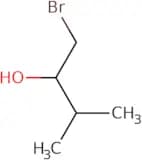
Formula:C9H14N2SPurezza:Min. 95%Peso molecolare:182.29 g/mol1-Bromo-3-methylbutan-2-ol
CAS:Versatile small molecule scaffold
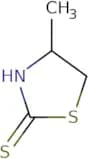
Formula:C5H11BrOPurezza:Min. 95%Peso molecolare:167.04 g/mol4-Methyl-1,3-thiazolidine-2-thione
CAS:4-Methyl-1,3-thiazolidine-2-thione is a selective disulfide reductase with metal halide and cycloaddition activity. It catalyzes the reaction of alkali metal with carbon disulfide to form aziridine. The reaction proceeds through two steps: in the first step, alkali metal is reduced by carbon disulfide to form an alkyl radical; in the second step, the alkyl radical reacts with carbon disulfide to form aziridine. 4-Methyl-1,3-thiazolidine-2-thione has been shown to be an efficient catalyst for this reaction and can also catalyze cycloadditions between urethane and aziridine.
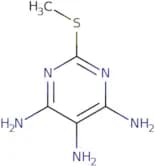
Formula:C4H7NS2Purezza:Min. 95%Peso molecolare:133.2 g/mol2-(Methylthio)pyrimidine-4,5,6-triamine
CAS:2-(Methylthio)pyrimidine-4,5,6-triamine is a centrosymmetric molecule with a molecular weight of 184.07 g/mol. It forms hydrogen bonds with water and interacts with other molecules. 2-(Methylthio)pyrimidine-4,5,6-triamine has been shown to form stacking interactions in crystal structures due to the presence of hydrogen bonds. Hydrogen bonds are formed between molecules when the partial positive charge on one molecule is attracted to the partial negative charge on another molecule. The attraction between these molecules can be facilitated by the presence of water molecules and is most prevalent in substances that have a high degree of hydrogen bonding potential, such as sugars and proteins.
2-(Methylthio)pyrimidine-4,5,6-triamine has also been shown to form hydrogen bonds with organic compounds such as methanol and ethanol.Formula:C5H9N5SPurezza:Min. 95%Peso molecolare:171.22 g/mol5-(1H-Indol-3-yl)pentanoic acid
CAS:5-(1H-Indol-3-yl)pentanoic acid is a potent and selective serotonin reuptake inhibitor (SSRI). It has been shown to have a high affinity for the serotonin transporter (SERT), with a binding constant of about 5 nM. The compound has been shown to be bifunctional, which means it can inhibit both serotonin and dopamine reuptake. 5-(1H-Indol-3-yl)pentanoic acid is also orally active, so it can be used in vivo as well as in vitro. This drug has been found to have pharmacokinetic properties that are similar to those of fluoxetine and citalopram. Pharmacophore modeling studies have revealed that this drug binds to the SERT by creating hydrogen bonds with amino acids such as serine, threonine, tyrosine and tryptophan.
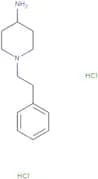
Formula:C13H15NO2Purezza:Min. 95%Peso molecolare:217.26 g/mol1-(2-Phenylethyl)-4-piperidinamine dihydrochloride
CAS:Prodotto controllatoVersatile small molecule scaffoldFormula:C13H22Cl2N2Purezza:Min. 95%Peso molecolare:277.23 g/mol4-Chloro-2-methyl-6-nitroquinoline
CAS:4-Chloro-2-methyl-6-nitroquinoline is an antimicrobial agent that exhibits a broad spectrum of activity against both gram-positive and gram-negative bacteria. It also has antifungal properties. 4-Chloro-2-methyl-6-nitroquinoline inhibits the growth of bacteria by binding to DNA and RNA in the bacterial cell, thereby inhibiting transcription and replication. It also inhibits the synthesis of proteins in fungi, which may be due to its ability to bind to fungal ribosomes and inhibit protein synthesis.
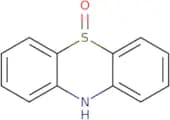
Formula:C10H7ClN2O2Purezza:Min. 95%Peso molecolare:222.63 g/molPhenothiazine 5-oxide
CAS:Phenothiazine 5-oxide is a potent inhibitor of oxidative reactions that can be used to oxidize phenoxazine. Phenothiazine 5-oxide has been shown to inhibit the oxidation of phenoxazine by sodium hydroxide solution in an electrochemical study. This vibrational, irreversible oxidation reaction was introduced by the introduction of sodium salts, which are potent inhibitors of oxidative reactions. Phenothiazine 5-oxide has been shown to have potent inhibitory activity against cervical cancer cells and shows promise as a chemotherapeutic agent for this type of cancer.
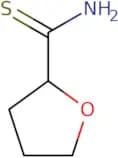
Formula:C12H9NOSPurezza:Min. 95%Peso molecolare:215.27 g/molOxolane-2-carbothioamide
CAS:Versatile small molecule scaffold
Formula:C5H9NOSPurezza:Min. 95%Peso molecolare:131.2 g/mol7-oxa-4-Azaspiro[2.5]octan-5-one
CAS:Versatile small molecule scaffold
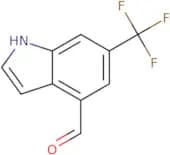
Formula:C6H9NO2Purezza:Min. 95%Peso molecolare:127.14 g/mol6-(Trifluoromethyl)-1H-indole-4-carbaldehyde
CAS:Versatile small molecule scaffold
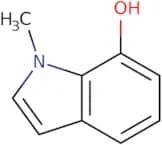
Formula:C10H6F3NOPurezza:Min. 95%Peso molecolare:213.16 g/mol1-Methyl-1H-indol-7-ol
CAS:Versatile small molecule scaffold
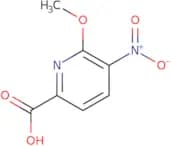
Formula:C9H9NOPurezza:Min. 95%Peso molecolare:147.17 g/mol6-Methoxy-5-nitropicolinic acid
CAS:Versatile small molecule scaffold
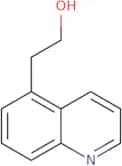
Formula:C7H6N2O5Purezza:Min. 95%Peso molecolare:198.13 g/mol2-(Quinolin-5-yl)ethan-1-ol
CAS:2-(Quinolin-5-yl)ethan-1-ol is a sesquiterpene lactone that can be found in the ethanol extract of the plant Microhelenia. The compound inhibits the bacterial enzyme acetonitrile, which is involved in the metabolism of fatty acids. This inhibition leads to a decrease in the production of prostaglandins and thromboxane A2. 2-(Quinolin-5-yl)ethan-1-ol has been shown to have an inhibitory effect on protein synthesis by binding to ribosomes and interfering with peptide bond formation. The compound also inhibits markers such as MMPs, COXs, and 5LOXs, which are involved in inflammation. 2-(Quinolin-5-yl)ethan-1-ol also has been shown to inhibit cell proliferation in vitro and in vivo through its ability to reduce proliferation markers such as p27Kip1, cyclin
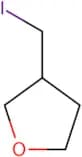
Formula:C11H11NOPurezza:Min. 95%Peso molecolare:173.21 g/molTetrahydro-3-(iodomethyl)-furan
CAS:Tetrahydro-3-(iodomethyl)-furan (THF) is a chemical compound that belongs to the group of substituted furans. It can be prepared by reacting malonic acid with ammonia and then irradiating it in a microwave. THF has been used as a precursor for the synthesis of trans-cinnamic acid, which is an organic compound that belongs to the group of cinnamic acids. Cinnamic acids are produced on a large scale in the chemical industry and are mainly used as fragrances or flavoring agents. The main application is found in synthetic flavors such as cinnamon, butter, cocoa, coffee, and licorice.
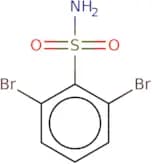
Formula:C5H9IOPurezza:Min. 95%Peso molecolare:212.03 g/mol2,6-Dibromobenzene-1-sulfonamide
CAS:Versatile small molecule scaffold
Formula:C6H5Br2NO2SPurezza:Min. 95%Peso molecolare:315 g/mol1-(4-Aminophenyl)azetidin-2-one
CAS:Versatile small molecule scaffold
Formula:C9H10N2OPurezza:Min. 95%Peso molecolare:162.19 g/mol3,5-Dimethoxybenzene-1,2-diamine
CAS:Versatile small molecule scaffold
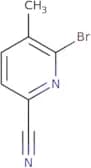
Formula:C8H12N2O2Purezza:Min. 95%Peso molecolare:168.19 g/mol6-Bromo-5-methylpicolinonitrile
CAS:Versatile small molecule scaffold
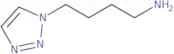
Formula:C7H5BrN2Purezza:Min. 95%Peso molecolare:197.04 g/mol4-(1H-1,2,3-Triazol-1-yl)butan-1-amine
CAS:Versatile small molecule scaffold
Formula:C6H12N4Purezza:Min. 95%Peso molecolare:140.19 g/mol







![Spiro[5.5]undecane-2,4-dione](/_next/image/?url=https%3A%2Fstatic.cymitquimica.com%2Fproducts%2F3D%2Fthumb-webp%2FBAA48199.webp&w=3840&q=75)

![5,6-Dihydrobenzo[b]thiophen-7(4H)-one](/_next/image/?url=https%3A%2Fstatic.cymitquimica.com%2Fproducts%2F3D%2Fthumb-webp%2FBAA46884.webp&w=3840&q=75)

![5-Methylbenzo[c][1,2,5]thiadiazole](/_next/image/?url=https%3A%2Fstatic.cymitquimica.com%2Fproducts%2F3D%2Fthumb-webp%2FBAA45793.webp&w=3840&q=75)


![1-[3-(Methylsulfanyl)phenyl]ethan-1-one](/_next/image/?url=https%3A%2Fstatic.cymitquimica.com%2Fproducts%2F3D%2Fthumb-webp%2FBAA44199.webp&w=3840&q=75)



![7-oxa-4-Azaspiro[2.5]octan-5-one](/_next/image/?url=https%3A%2Fstatic.cymitquimica.com%2Fproducts%2F3D%2Fthumb-webp%2FAUB75307.webp&w=3840&q=75)