Building Blocks
Sottocategorie di "Building Blocks"
- Acidi boronici e derivati dell'acido boronico(5.778 prodotti)
- Building Blocks Chirali(1.243 prodotti)
- Building Blocks Idrocarburici(6.098 prodotti)
- Building Blocks organici(61.042 prodotti)
Trovati 204339 prodotti di "Building Blocks"
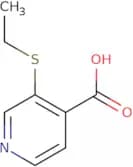
3-(Ethylsulfanyl)pyridine-4-carboxylic acid
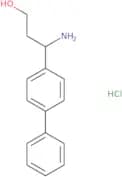
CAS:Versatile small molecule scaffoldFormula:C8H9NO2SPurezza:Min. 95%Peso molecolare:183.23 g/mol(3S)-3-Amino-3-(4-phenylphenyl)propan-1-ol hydrochloride
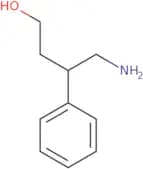
CAS:Versatile small molecule scaffoldFormula:C15H18ClNOPurezza:Min. 95%Peso molecolare:263.8 g/mol4-Amino-3-phenylbutan-1-ol
CAS:Versatile small molecule scaffold
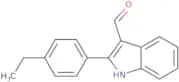
Formula:C10H15NOPurezza:Min. 95%Peso molecolare:165.23 g/mol2-(4-Ethylphenyl)-1H-indole-3-carbaldehyde
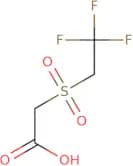
CAS:Versatile small molecule scaffoldFormula:C17H15NOPurezza:Min. 95%Peso molecolare:249.31 g/mol2-(2,2,2-Trifluoroethanesulfonyl)acetic acid
CAS:Trifloxacin is a broad-spectrum antibacterial drug that belongs to the class of formyloxy compounds and the cephalosporin family. It has been shown to be active against both Gram-positive and Gram-negative bacteria, with activity against strains resistant to penicillin, ampicillin, erythromycin, and chloramphenicol. Trifloxacin binds to the bacterial ribosome by displacement of a pyridyl group in the ribosomal RNA, inhibiting protein synthesis. This binding inhibits cell growth by preventing the production of proteins that are vital for cell division.
br>
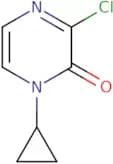
Trifloxacin has also been found to inhibit DNA gyrase and topoisomerase IV in vitro. Trifloxacin's mechanism of action is similar to that of other quinolones such as norfloxacin and ciprofloxacin.Formula:C4H5F3O4SPurezza:Min. 95%Peso molecolare:206.14 g/mol3-Chloro-1-cyclopropyl-1,2-dihydropyrazin-2-one
CAS:Versatile small molecule scaffold
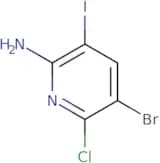
Formula:C7H7ClN2OPurezza:Min. 95%Peso molecolare:170.59 g/mol5-Bromo-6-chloro-3-iodopyridin-2-amine
CAS:Versatile small molecule scaffold
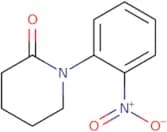
Formula:C5H3BrClIN2Purezza:Min. 95%Peso molecolare:333.35 g/mol2-Piperidinone, 1-(2-nitrophenyl)-
CAS:Versatile small molecule scaffold
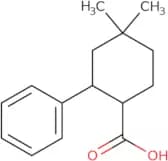
Formula:C11H12N2O3Purezza:Min. 95%Peso molecolare:220.22 g/mol4,4-Dimethyl-2-phenylcyclohexane-1-carboxylic acid
CAS:Versatile small molecule scaffold
Formula:C15H20O2Purezza:Min. 95%Peso molecolare:232.32 g/mol2-Bromo-5-fluoro-4-methoxybenzoic acid
CAS:Versatile small molecule scaffold
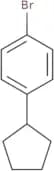
Formula:C8H6BrFO3Purezza:Min. 95%Peso molecolare:249.03 g/mol1-Bromo-4-cyclopentylbenzene
CAS:1-Bromo-4-cyclopentylbenzene (1-BCPB) is a chlorinated aromatic compound that can be synthesized by reacting 1-bromo-4-chlorobenzene and cyclopentylmagnesium bromide. The reaction sequence begins with the addition of hydrochloric acid to the first reactant, followed by magnesium chloride and ether. The mixture is heated to produce a liquid solution of ethylhexyloxy pyridine, which reacts with the second reactant in a sequence that leads to the desired product. 1-BCPB is used as an intermediate in organic synthesis. It has been shown to have moderate interaction with paraldehyde and pyridinium salts at room temperature, but it does not react with cycloalkyls or pyridinium salts at elevated temperatures.
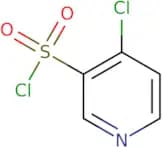
Formula:C11H13BrPurezza:Min. 95%Peso molecolare:225.13 g/mol4-chloropyridine-3-sulfonyl chloride
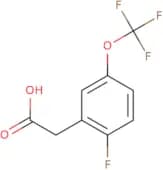
CAS:4-Chloropyridine-3-sulfonyl chloride is a thrombin inhibitor that has been discovered through the use of in vitro screening methods. It is a small molecule with lipophilic properties and oral bioavailability. This compound inhibits thrombin by binding to the active site of the enzyme, which prevents the formation of an enzyme-thrombin complex. The discovery was made using a pharmacophore-based approach and further modifications were made to improve its potency and increase its lipophilicity. This compound also exhibits an acceptable level of bioavailability in vivo, which may be due to its high solubility in water.Formula:C5H3Cl2NO2SPurezza:Min. 95%Peso molecolare:212.1 g/mol2-Fluoro-5-(trifluoromethoxy)phenylacetic acid
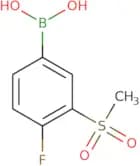
CAS:Versatile small molecule scaffoldFormula:C9H6F4O3Purezza:Min. 95%Peso molecolare:238.14 g/mol4-Fluoro-3-(methanesulfonyl)phenylboronic acid
CAS:Versatile small molecule scaffold
Formula:C7H8BFO4SPurezza:Min. 95%Peso molecolare:218.02 g/moltert-Butyl N-[1-(4-aminophenyl)ethyl]carbamate
CAS:Versatile small molecule scaffold
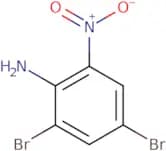
Formula:C13H20N2O2Purezza:Min. 95%Peso molecolare:236.31 g/mol2,4-Dibromo-6-nitroaniline
CAS:2,4-Dibromo-6-nitroaniline is a nitro compound that has been used in the production of dyes. It is also used as a component in the synthesis of other organic compounds. 2,4-Dibromo-6-nitroaniline can be produced by electrolysis of an acid solution containing radical cations and benzene. The radical cations are formed by proton transfer from the acid to the benzene, followed by electron transfer from benzene to the electrode. This process results in the formation of nitro groups on the benzene ring, which undergoes oxidation to form 2,4-dibromo-6-nitroaniline. The cyclic voltammetry shows that this process occurs via two pathways: one with a fast rate and one with a slow rate. The mechanism for this reaction is not yet known.
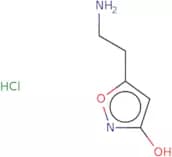
Formula:C6H4Br2N2O2Purezza:Min. 95%Peso molecolare:295.92 g/mol5-(2-Aminoethyl)-1,2-oxazol-3-ol hydrochloride
CAS:Versatile small molecule scaffold
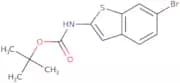
Formula:C5H9ClN2O2Purezza:Min. 95%Peso molecolare:164.6 g/moltert-Butyl N-(6-bromo-1-benzothiophen-2-yl)carbamate
CAS:Versatile small molecule scaffold
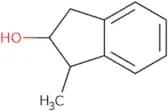
Formula:C13H14BrNO2SPurezza:Min. 95%Peso molecolare:328.23 g/mol1-Methyl-2,3-dihydro-1H-inden-2-ol
CAS:Versatile small molecule scaffold
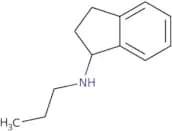
Formula:C10H12OPurezza:Min. 95%Peso molecolare:148.2 g/molN-Propyl-2,3-dihydro-1H-inden-1-amine
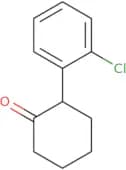
CAS:Prodotto controllatoVersatile small molecule scaffoldFormula:C12H17NPurezza:Min. 95%Peso molecolare:175.27 g/mol2-(2-Chlorophenyl)cyclohexan-1-one
CAS:Versatile small molecule scaffold
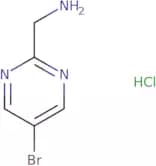
Formula:C12H13ClOPurezza:Min. 95%Peso molecolare:208.68 g/mol(5-bromopyrimidin-2-yl)methanamine hcl
CAS:Versatile small molecule scaffold
Formula:C5H7BrClN3Purezza:Min. 95%Peso molecolare:224.49 g/mol4-(3-Cyclopropyl-1H-1,2,4-triazol-5-yl)aniline
CAS:Versatile small molecule scaffold
Formula:C11H12N4Purezza:Min. 95%Peso molecolare:200.24 g/mol1-(Butane-1-sulfonyl)piperidine-2-carboxylic acid
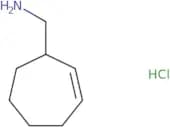
CAS:Versatile small molecule scaffoldFormula:C10H19NO4SPurezza:Min. 95%Peso molecolare:249.33 g/mol(Cyclohept-2-en-1-yl)methanamine hydrochloride
CAS:Versatile small molecule scaffold
Formula:C8H16ClNPurezza:Min. 95%Peso molecolare:161.7 g/moltert-Butyl N-{4-[1-(4-bromophenoxy)ethyl]phenyl}carbamate
CAS:Versatile small molecule scaffold
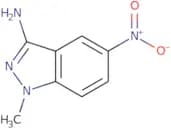
Formula:C19H22BrNO3Purezza:Min. 95%Peso molecolare:392.3 g/mol1-Methyl-5-nitro-1H-indazol-3-amine
CAS:Versatile small molecule scaffold
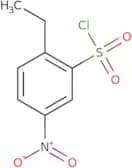
Formula:C8H8N4O2Purezza:Min. 95%Peso molecolare:192.18 g/mol2-Ethyl-5-nitrobenzene-1-sulfonyl chloride
CAS:Versatile small molecule scaffold
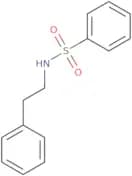
Formula:C8H8ClNO4SPurezza:Min. 95%Peso molecolare:249.67 g/molN-(2-Phenylethyl)benzenesulfonamide
CAS:N-(2-Phenylethyl)benzenesulfonamide is a biodegradable and aerobic catalyst that is used in the production of nitrates. It can be recycled and has a high solubility, which allows for efficient extraction from wastewater effluents. The reactor system can be operated at an aerobic or anaerobic conditions. N-(2-Phenylethyl)benzenesulfonamide is soluble in water and can be hydrolyzed by acids or bases to release ammonia gas. The process can also be sustainable due to the use of renewable energy sources such as solar, wind, tidal, or biomass power.
Formula:C14H15NO2SPurezza:Min. 95%Peso molecolare:261.34 g/mol2-(Pyrrolidin-3-yl)ethanol hydrochloride
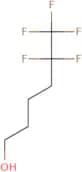
CAS:Versatile small molecule scaffoldFormula:C6H13NO·HClPurezza:Min. 95%Peso molecolare:151.64 g/mol5,5,6,6,6-Pentafluorohexan-1-ol
CAS:Versatile small molecule scaffold
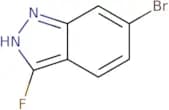
Formula:C6H9F5OPurezza:Min. 95%Peso molecolare:192.13 g/mol6-Bromo-3-fluoro-1H-indazole
CAS:Versatile small molecule scaffold
Formula:C7H4BrFN2Purezza:Min. 95%Peso molecolare:215.02 g/mol3-(Aminomethyl)-2,2-difluoropentane hydrochloride
CAS:Versatile small molecule scaffoldFormula:C6H14ClF2NPurezza:Min. 95%Peso molecolare:173.6 g/mol3-(4-Aminopiperidin-1-yl)propanoic acid dihydrochloride
CAS:Versatile small molecule scaffold
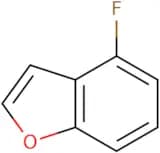
Formula:C8H18Cl2N2O2Purezza:Min. 95%Peso molecolare:245.14 g/mol4-Fluorobenzofuran
CAS:Versatile small molecule scaffold
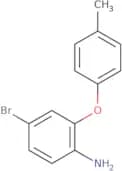
Formula:C8H5FOPurezza:Min. 95%Peso molecolare:136.12 g/mol4-Bromo-2-(4-methylphenoxy)aniline
CAS:Versatile small molecule scaffold
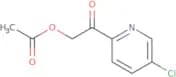
Formula:C13H12BrNOPurezza:Min. 95%Peso molecolare:278.14 g/mol2-(5-Chloropyridin-2-yl)-2-oxoethyl acetate
CAS:Versatile small molecule scaffold
Formula:C9H8ClNO3Purezza:Min. 95%Peso molecolare:213.62 g/mol2-Bromo-3,3,3-trifluoro-1-propene
CAS:Prodotto controllato2-Bromo-3,3,3-trifluoro-1-propene is a chemical compound that has been synthesized in an asymmetric reaction. The reactant is bromopropane and the product is 2,2,2-trifluoropropene. The methylene group on the propene molecule is activated by the nucleophilic attack of a fluoride ion from hydrogen fluoride to form a cavity with a highly strained bond. The kinetic study of this reaction revealed that the activation energy for the reaction is 42 kJ/mol. Palladium-catalyzed coupling reactions are catalyzed by palladium and require nonpolar solvents such as toluene or dichloromethane. This type of reaction has been shown to be exothermic with an isolated yield of 1%.
Formula:C3H2BrF3Purezza:Min. 95%Colore e forma:Colorless PowderPeso molecolare:174.95 g/molPiperyline
CAS:Piperyline is an alkanoic acid that has shown to be effective against skin cancer. It also has antimicrobial properties, which may be due to its ability to bind metal ions and form polymeric compounds. Piperyline inhibits microbial growth by inhibiting the synthesis of proteins and nucleic acids. The antimicrobial activity is related to its cationic polymerization with hydroxyl groups, which forms a structure that can inhibit microbial enzymes and disrupt microbial cell membranes. This compound also interacts with the skin's natural lipids, making it difficult for microorganisms to attach and grow on the skin. Piperyline is synthesized in organic chemistry laboratories as an amide precursor of other pharmaceuticals such as penicillin.
Formula:C16H17NO3Purezza:Min. 95%Peso molecolare:271.31 g/mol


![tert-Butyl N-[1-(4-aminophenyl)ethyl]carbamate](/_next/image/?url=https%3A%2Fstatic.cymitquimica.com%2Fproducts%2F3D%2Fthumb-webp%2FTAB08668.webp&w=3840&q=75)


![tert-Butyl N-{4-[1-(4-bromophenoxy)ethyl]phenyl}carbamate](/_next/image/?url=https%3A%2Fstatic.cymitquimica.com%2Fproducts%2F3D%2Fthumb-webp%2FPZC05838.webp&w=3840&q=75)