Building Blocks
Sottocategorie di "Building Blocks"
- Acidi boronici e derivati dell'acido boronico(5.778 prodotti)
- Building Blocks Chirali(1.243 prodotti)
- Building Blocks Idrocarburici(6.098 prodotti)
- Building Blocks organici(61.036 prodotti)
Trovati 205240 prodotti di "Building Blocks"
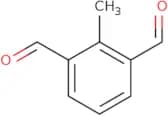
2-Methylbenzene-1,3-dicarbaldehyde
CAS:2-Methylbenzene-1,3-dicarbaldehyde is a divalent hydrocarbon that has an oxidation catalyst. This compound is used as an intermediate in the production of drugs and pharmaceuticals. It has been shown to have cardiovascular disorders, such as vasodilatation and hypotension. The mechanism of action is not fully understood but may be related to its ability to act as a nitrovasodilator by increasing nitric oxide (NO) release. 2-Methylbenzene-1,3-dicarbaldehyde also produces psychotic disorders when long term exposure occurs. This compound has been shown to have neurotoxic effects in animal models with long term exposure.
Formula:C9H8O2Purezza:Min. 95%Peso molecolare:148.16 g/mol1,3-Dioxo-2,3-dihydro-1H-isoindol-2-yl 2-[4-(2-methylpropyl)phenyl]propanoate
CAS:Versatile small molecule scaffold
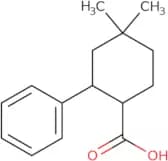
Formula:C21H21NO4Purezza:Min. 95%Peso molecolare:351.4 g/mol4,4-Dimethyl-2-phenylcyclohexane-1-carboxylic acid
CAS:Versatile small molecule scaffold
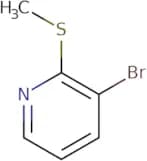
Formula:C15H20O2Purezza:Min. 95%Peso molecolare:232.32 g/mol3-Bromo-2-(methylthio)pyridine
CAS:Versatile small molecule scaffold
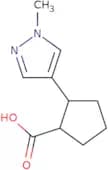
Formula:C6H6BrNSPurezza:Min. 95%Peso molecolare:204.09 g/mol2-(1-Methyl-1H-pyrazol-4-yl)cyclopentane-1-carboxylic acid
CAS:Versatile small molecule scaffold
Formula:C10H14N2O2Purezza:Min. 95%Peso molecolare:194.23 g/mol6-(Aminooxy)hexanoic acid hydrochloride
CAS:Versatile small molecule scaffold
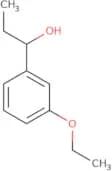
Formula:C6H14ClNO3Purezza:Min. 95%Peso molecolare:183.63 g/mol1-(3-Ethoxyphenyl)propan-1-ol
CAS:Versatile small molecule scaffold
Formula:C11H16O2Purezza:Min. 95%Peso molecolare:180.24 g/moltert-Butyl 4-[(aminocarbamothioyl)amino]piperidine-1-carboxylate
CAS:Versatile small molecule scaffold
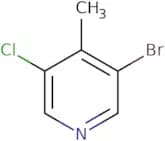
Formula:C11H22N4O2SPurezza:Min. 95%Peso molecolare:274.4 g/mol3-Bromo-5-chloro-4-methylpyridine
CAS:Versatile small molecule scaffold
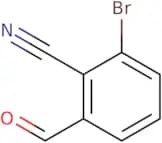
Formula:C6H5BrClNPurezza:Min. 95%Peso molecolare:206.47 g/mol2-Bromo-6-formylbenzonitrile
CAS:Versatile small molecule scaffold
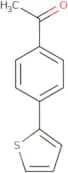
Formula:C8H4BrNOPurezza:Min. 95%Peso molecolare:210.03 g/mol1-(4-Thiophen-2-yl-phenyl)-ethanone
CAS:Versatile small molecule scaffold
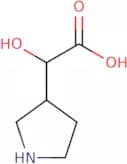
Formula:C12H10OSPurezza:Min. 95%Peso molecolare:202.27 g/mol2-Hydroxy-2-(pyrrolidin-3-yl)acetic acid
CAS:Versatile small molecule scaffold
Formula:C6H11NO3Purezza:Min. 95%Peso molecolare:145.16 g/mol3-Chloro-N-[2-(4-methyl-1,3-thiazol-5-yl)-2-oxoethyl]propanamide
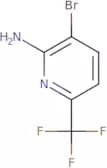
CAS:Versatile small molecule scaffoldFormula:C9H11ClN2O2SPurezza:Min. 95%Peso molecolare:246.71 g/mol2-Amino-3-Bromo-6-trifluoromethylpyridine
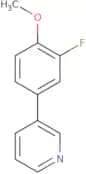
CAS:Versatile small molecule scaffoldFormula:C6H4BrF3N2Purezza:Min. 95%Peso molecolare:241.01 g/mol3-(3-Fluoro-4-methoxyphenyl)pyridine
CAS:Versatile small molecule scaffold
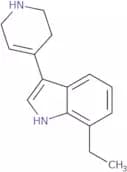
Formula:C12H10FNOPurezza:Min. 95%Peso molecolare:203.21 g/mol7-Ethyl-3-(1,2,3,6-tetrahydropyridin-4-yl)-1H-indole
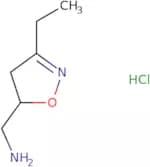
CAS:Versatile small molecule scaffoldFormula:C15H18N2Purezza:Min. 95%Peso molecolare:226.32 g/mol(3-Ethyl-4,5-dihydro-1,2-oxazol-5-yl)methanamine hydrochloride
CAS:Versatile small molecule scaffold
Formula:C6H13ClN2OPurezza:Min. 95%Peso molecolare:164.63 g/mol3-[(4-Bromo-1H-pyrazol-1-yl)methyl]aniline hydrochloride
CAS:Versatile small molecule scaffold
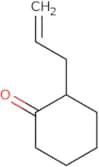
Formula:C10H11BrClN3Purezza:Min. 95%Peso molecolare:288.57 g/mol2-Allylcyclohexanone
CAS:2-Allylcyclohexanone is an unsaturated ketone that is synthesized by the ring-opening of allyl cyclohexane carboxylate with sodium hydroxide. It can be used as a chemical intermediate for the synthesis of other compounds. 2-Allylcyclohexanone can also be used to react with hydroxide solution to produce a salt and an alcohol. The hydroxide solution can act as a base, reducing the carbonyl group in the presence of an acid to form the corresponding alcohol. This reaction is stereoselective because it only occurs when there are two different groups on adjacent carbons.
2-Allylcyclohexanone has been shown to inhibit non-nucleoside reverse transcriptase inhibitors (NNRTIs) such as nevirapine, efavirenz, and delavirdine. In addition, it has been found to have functional groups that are capable of reactingFormula:C9H14OPurezza:Min. 95%Peso molecolare:138.21 g/mol5-Benzo[1,3]dioxol-5-yl-2H-pyrazole-3-carboxylic acid methyl ester
CAS:Versatile small molecule scaffoldFormula:C12H10N2O4Purezza:Min. 95%Peso molecolare:246.22 g/molrac-(2R,3S)-1-{[(9H-Fluoren-9-yl)methoxy]carbonyl}-3-phenylpyrrolidine-2-carboxylic acid
CAS:Rac-1-{[(9H-fluoren-9-yl)methoxy]carbonyl}-3-phenylpyrrolidine-2-carboxylic acid is a chiral, stereospecific, cyclic sulfate that is synthetized by the reaction of glycol with lactam. It has been found to be effective against various types of cancer cells. Rac-1-{[(9H-fluoren-9-yl)methoxy]carbonyl}-3-phenylpyrrolidine 2 carboxylic acid is an enantiopure compound that can be used as an intermediate in the synthesis of antiinflammatory drugs such as kainic acid.
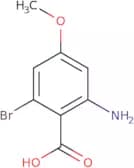
Formula:C26H23NO4Purezza:Min. 95%Peso molecolare:413.5 g/mol2-Amino-6-bromo-4-methoxybenzoic acid
CAS:Versatile small molecule scaffold
Formula:C8H8BrNO3Purezza:Min. 95%Peso molecolare:246.06 g/mol6-bromoimidazo[1,2-a]pyrazin-2-amine
CAS:Versatile small molecule scaffold
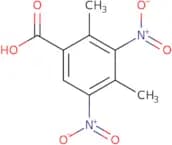
Formula:C6H5BrN4Purezza:Min. 95%Peso molecolare:213 g/mol2,4-Dimethyl-3,5-dinitrobenzoic acid
CAS:Versatile small molecule scaffold
Formula:C9H8N2O6Purezza:Min. 95%Peso molecolare:240.17 g/mol[1-(Fluoromethyl)cyclopropyl]methanesulfonyl chloride
CAS:Versatile small molecule scaffold
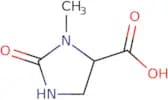
Formula:C5H8ClFO2SPurezza:Min. 95%Peso molecolare:186.63 g/mol3-Methyl-2-oxoimidazolidine-4-carboxylic acid
CAS:Versatile small molecule scaffold
Formula:C5H8N2O3Purezza:Min. 95%Peso molecolare:144.13 g/mol2-(Pyrrolidin-3-yl)ethanol hydrochloride
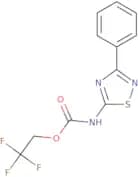
CAS:Versatile small molecule scaffoldFormula:C6H13NO·HClPurezza:Min. 95%Peso molecolare:151.64 g/mol2,2,2-Trifluoroethyl N-(3-phenyl-1,2,4-thiadiazol-5-yl)carbamate
CAS:Versatile small molecule scaffold
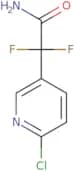
Formula:C11H8F3N3O2SPurezza:Min. 95%Peso molecolare:303.26 g/mol2-(6-Chloropyridin-3-yl)-2,2-difluoroacetamide
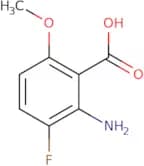
CAS:Versatile small molecule scaffoldFormula:C7H5ClF2N2OPurezza:Min. 95%Peso molecolare:206.58 g/mol2-Amino-3-fluoro-6-methoxybenzoic acid
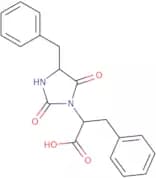
CAS:Versatile small molecule scaffoldFormula:C8H8FNO3Purezza:Min. 95%Peso molecolare:185.15 g/mol2-(4-Benzyl-2,5-dioxoimidazolidin-1-yl)-3-phenylpropanoic acid
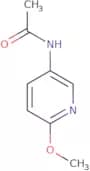
CAS:Versatile small molecule scaffoldFormula:C19H18N2O4Purezza:Min. 95%Peso molecolare:338.4 g/molN-(6-Methoxypyridin-3-yl)acetamide
CAS:Versatile small molecule scaffold
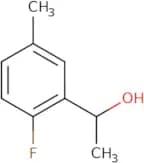
Formula:C8H10N2O2Purezza:Min. 95%Peso molecolare:166.18 g/mol1-(2-Fluoro-5-methylphenyl)ethan-1-ol
CAS:Versatile small molecule scaffoldFormula:C9H11FOPurezza:Min. 95%Peso molecolare:154.18 g/mol6-Ethyl-3-methyl-1-phenyl-1H-pyrazolo[3,4-b]pyridine-4-carboxylic acid
CAS:Versatile small molecule scaffold
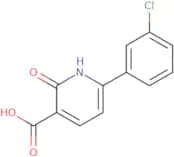
Formula:C16H15N3O2Purezza:Min. 95%Peso molecolare:281.31 g/mol6-(3-Chlorophenyl)-2-oxo-1,2-dihydropyridine-3-carboxylic Acid
CAS:Versatile small molecule scaffoldFormula:C12H8ClNO3Purezza:Min. 95%Peso molecolare:249.65 g/mol3-Hydroxy-5-methylpyridine
CAS:3-Hydroxy-5-methylpyridine (3HMP) is a chemical substance that has been classified as an amine. It is a product of the metabolism of purines, which are nitrogenous bases found in DNA and RNA. 3HMP is produced by aerogenic bacteria (such as Enterobacter), and can be used to estimate the number of these bacteria present in water samples. 3HMP has been shown to have antiviral properties against influenza virus, and can be used as a biomarker for the presence of other viruses in animals. 3HMP also has mineralization properties, which have been studied extensively, particularly with regards to pancreatic disease.
Formula:C6H7NOPurezza:Min. 95%Colore e forma:PowderPeso molecolare:109.13 g/molRef: 3D-FH16174
Prodotto fuori produzione2-Bromo-3,3,3-trifluoro-1-propene
CAS:Prodotto controllato2-Bromo-3,3,3-trifluoro-1-propene is a chemical compound that has been synthesized in an asymmetric reaction. The reactant is bromopropane and the product is 2,2,2-trifluoropropene. The methylene group on the propene molecule is activated by the nucleophilic attack of a fluoride ion from hydrogen fluoride to form a cavity with a highly strained bond. The kinetic study of this reaction revealed that the activation energy for the reaction is 42 kJ/mol. Palladium-catalyzed coupling reactions are catalyzed by palladium and require nonpolar solvents such as toluene or dichloromethane. This type of reaction has been shown to be exothermic with an isolated yield of 1%.
Formula:C3H2BrF3Purezza:Min. 95%Colore e forma:Colorless PowderPeso molecolare:174.95 g/mol4-Chloro-2-hydroxy-6-methylphenylboronic acid
CAS:Versatile small molecule scaffoldFormula:C7H8BClO3Purezza:Min. 95%Peso molecolare:186.4 g/mol4,5-Dihydroxy-2,3-Pentanedione
CAS:4,5-Dihydroxy-2,3-pentanedione is a carbonyl compound that is the product of the oxidation of ascorbic acid. It is used in wastewater treatment and has antimicrobial properties against infectious diseases. This compound has been shown to inhibit protein synthesis by binding to the ribosome and preventing the formation of peptide bonds between amino acids. 4,5-Dihydroxy-2,3-pentanedione has also been shown to bind to plasma proteins, which may be due to its acyl chain structure. 4,5-Dihydroxy-2,3-pentanedione can be synthesized in a catalytic mechanism that involves dehydroascorbic acid and molecular oxygen.
Formula:C5H8O4Purezza:Min. 95%Colore e forma:PowderPeso molecolare:132.11 g/molRef: 3D-FD180770
Prodotto fuori produzionePiperyline
CAS:Piperyline is an alkanoic acid that has shown to be effective against skin cancer. It also has antimicrobial properties, which may be due to its ability to bind metal ions and form polymeric compounds. Piperyline inhibits microbial growth by inhibiting the synthesis of proteins and nucleic acids. The antimicrobial activity is related to its cationic polymerization with hydroxyl groups, which forms a structure that can inhibit microbial enzymes and disrupt microbial cell membranes. This compound also interacts with the skin's natural lipids, making it difficult for microorganisms to attach and grow on the skin. Piperyline is synthesized in organic chemistry laboratories as an amide precursor of other pharmaceuticals such as penicillin.
Formula:C16H17NO3Purezza:Min. 95%Peso molecolare:271.31 g/mol

![1,3-Dioxo-2,3-dihydro-1H-isoindol-2-yl 2-[4-(2-methylpropyl)phenyl]propanoate](/_next/image/?url=https%3A%2Fstatic.cymitquimica.com%2Fproducts%2F3D%2Fthumb-webp%2FQKD88961.webp&w=3840&q=75)

![tert-Butyl 4-[(aminocarbamothioyl)amino]piperidine-1-carboxylate](/_next/image/?url=https%3A%2Fstatic.cymitquimica.com%2Fproducts%2F3D%2Fthumb-webp%2FXAD88015.webp&w=3840&q=75)
![3-Chloro-N-[2-(4-methyl-1,3-thiazol-5-yl)-2-oxoethyl]propanamide](/_next/image/?url=https%3A%2Fstatic.cymitquimica.com%2Fproducts%2F3D%2Fthumb-webp%2FCHC38015.webp&w=3840&q=75)
![3-[(4-Bromo-1H-pyrazol-1-yl)methyl]aniline hydrochloride](/_next/image/?url=https%3A%2Fstatic.cymitquimica.com%2Fproducts%2F3D%2Fthumb-webp%2FKXB48392.webp&w=3840&q=75)
![5-Benzo[1,3]dioxol-5-yl-2H-pyrazole-3-carboxylic acid methyl ester](/_next/image/?url=https%3A%2Fstatic.cymitquimica.com%2Fproducts%2F3D%2Fthumb-webp%2FERB10454.webp&w=3840&q=75)
![rac-(2R,3S)-1-{[(9H-Fluoren-9-yl)methoxy]carbonyl}-3-phenylpyrrolidine-2-carboxylic acid](/_next/image/?url=https%3A%2Fstatic.cymitquimica.com%2Fproducts%2F3D%2Fthumb-webp%2FENC98387.webp&w=3840&q=75)
![6-bromoimidazo[1,2-a]pyrazin-2-amine](/_next/image/?url=https%3A%2Fstatic.cymitquimica.com%2Fproducts%2F3D%2Fthumb-webp%2FDUB86138.webp&w=3840&q=75)
![[1-(Fluoromethyl)cyclopropyl]methanesulfonyl chloride](/_next/image/?url=https%3A%2Fstatic.cymitquimica.com%2Fproducts%2F3D%2Fthumb-webp%2FPCC96395.webp&w=3840&q=75)

![6-Ethyl-3-methyl-1-phenyl-1H-pyrazolo[3,4-b]pyridine-4-carboxylic acid](/_next/image/?url=https%3A%2Fstatic.cymitquimica.com%2Fproducts%2F3D%2Fthumb-webp%2FMMB69138.webp&w=3840&q=75)