Building Blocks
Sottocategorie di "Building Blocks"
- Acidi boronici e derivati dell'acido boronico(5.774 prodotti)
- Building Blocks Chirali(1.237 prodotti)
- Building Blocks Idrocarburici(6.098 prodotti)
- Building Blocks organici(60.970 prodotti)
Trovati 205134 prodotti di "Building Blocks"
2-(2-Hydroxy-5-methoxyphenyl)-2-oxoacetic acid
CAS:Versatile small molecule scaffoldFormula:C9H8O5Purezza:Min. 95%Peso molecolare:196.2 g/mol2-{[(2-Hydroxy-5-methylphenyl)methyl]amino}benzoic acid
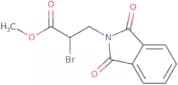
CAS:Versatile small molecule scaffoldFormula:C15H15NO3Purezza:Min. 95%Peso molecolare:257.28 g/molMethyl 2-bromo-3-(1,3-dioxo-2,3-dihydro-1H-isoindol-2-yl)propanoate
CAS:Versatile small molecule scaffoldFormula:C12H10BrNO4Purezza:Min. 95%Peso molecolare:312.12 g/mol6-(1-Pyrrolidinyl)-3-pyridinamine
CAS:Versatile small molecule scaffold
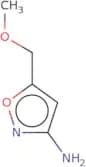
Formula:C9H13N3Purezza:(%) Min. 95%Colore e forma:PowderPeso molecolare:163.22 g/mol5-(Methoxymethyl)-1,2-oxazol-3-amine
CAS:Versatile small molecule scaffold
Formula:C5H8N2O2Purezza:Min. 95%Peso molecolare:128.1 g/mol4-[(Chlorosulfonyl)methyl]benzoic acid
CAS:Versatile small molecule scaffold
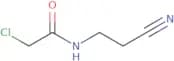
Formula:C8H7ClO4SPurezza:Min. 95%Peso molecolare:234.66 g/mol2-Chloro-N-(2-cyanoethyl)acetamide
CAS:2-Chloro-N-(2-cyanoethyl)acetamide is a potent and selective inhibitor of the protein kinase C (PKC). The PKC protein kinases are enzymes that regulate the activity of cells in response to stimuli. 2-Chloro-N-(2-cyanoethyl)acetamide has been shown to be effective against some viruses and tumor cells, but not against bacteria. It inhibits the growth of some cancer cells and has been shown to inhibit the replication of animal viruses such as influenza virus. This drug is also used for treatment of abdominal infections, hepatitis, pancreatitis, mesenteric adenitis, and animals with cancer. 2-Chloro-N-(2-cyanoethyl)acetamide can act as a noncompetitive inhibitor by binding to a site on the enzyme that is different from ATP binding site.
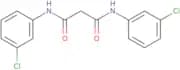
Formula:C5H7ClN2OPurezza:Min. 95%Peso molecolare:146.57 g/molN,N'-Bis(3-chlorophenyl)propanediamide
CAS:Versatile small molecule scaffold
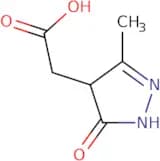
Formula:C15H12Cl2N2O2Purezza:Min. 95%Peso molecolare:323.2 g/mol2-(3-Methyl-5-oxo-4,5-dihydro-1H-pyrazol-4-yl)acetic acid
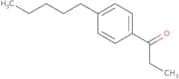
CAS:Versatile small molecule scaffoldFormula:C6H8N2O3Purezza:Min. 95%Peso molecolare:156.14 g/mol1-(4-Pentylphenyl)propan-1-one
CAS:Versatile small molecule scaffold
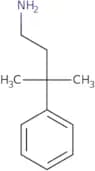
Formula:C14H20OPurezza:Min. 95%Peso molecolare:204.31 g/mol3-Methyl-3-phenylbutan-1-amine
CAS:Versatile small molecule scaffold
Formula:C11H17NPurezza:Min. 95%Peso molecolare:163.26 g/mol1-Azabicyclo[3.2.1]octan-4-one
CAS:Versatile small molecule scaffold
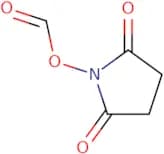
Formula:C7H11NOPurezza:Min. 95%Peso molecolare:125.17 g/mol2,5-Dioxopyrrolidin-1-yl formate
CAS:2,5-Dioxopyrrolidin-1-yl formate is a solubilized ATP analog that has been clinically developed for the treatment of cancer. This drug binds to cell membranes and causes alkylation of the acidic phospholipids in the membrane, leading to increased permeability of the membrane and release of intracellular components. 2,5-Dioxopyrrolidin-1-yl formate also interacts with lysosomes and increases their acidity, which may lead to an increase in lysosomal enzyme activity. This drug has been shown to inhibit tumor growth in a mouse model by binding to erythrocytes while it was being simultaneously administered intravenously. The chemical structures of this drug are closely related to those of phaseolus, which is known for its anticancer effects.
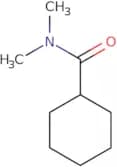
Formula:C5H5NO4Purezza:Min. 95%Peso molecolare:143.1 g/molN,N-Dimethylcyclohexanecarboxamide
CAS:N,N-Dimethylcyclohexanecarboxamide is an acid salt of besylate that is used as a drug for the treatment of hyperglycemia. It has been shown to have a rapid onset and short duration of action. The chemical name for N,N-Dimethylcyclohexanecarboxamide is 1-[2-(2-methoxyethoxy)ethyl]-4-methyl-1,4-dihydropyridine 2,4-dicarboxylic acid methyl ester. This compound inhibits insulin release from the pancreas and stimulates glucagon release from the alpha cells in the pancreas. These effects lead to an increase in blood glucose levels.
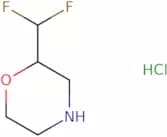
Formula:C9H17NOPurezza:Min. 95%Peso molecolare:155.24 g/mol2-(Difluoromethyl)morpholine hydrochloride
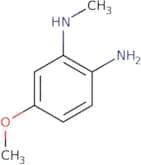
CAS:Versatile small molecule scaffoldFormula:C5H10ClF2NOPurezza:Min. 95%Peso molecolare:173.59 g/mol5-Methoxy-N1-methylbenzene-1,2-diamine
CAS:Versatile small molecule scaffold
Formula:C8H12N2OPurezza:Min. 95%Peso molecolare:152.19 g/mol1-Hydroxycyclopentane-1-carbonitrile
CAS:1-Hydroxycyclopentane-1-carbonitrile is a monomer that is hydrolyzed to form benzoin and cyanohydrins. It can be used in the production of scifinder as a monomer or dimerizer.
Formula:C6H9NOPurezza:Min. 95%Peso molecolare:111.14 g/mol3,6-Dichloropicolinonitrile
CAS:3,6-Dichloropicolinonitrile is a peroxide that is used in the synthesis of organic compounds. It is produced by the reaction of sodium carbonate and hydrochloric acid with nitric acid as a catalyst. 3,6-Dichloropicolinonitrile has been shown to be more selective than other oxidizing agents such as hydrogen peroxide and potassium permanganate. The product can then be purified by adding diacetate, which selectively reacts with the chlorine to form acetyl chloride and glycolic acid. The resulting mixture can then be distilled to produce 3,6-dichloropicolinonitrile in high purity. 3,6-Dichloropicolinonitrile can also be used in electrochemical methods for the synthesis of cyanides or biochemically for virulent products such as pesticides and organic solvents.
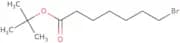
Formula:C6H2Cl2N2Purezza:Min. 95%Peso molecolare:173 g/moltert-Butyl 7-bromoheptanoate
CAS:Versatile small molecule scaffold
Formula:C11H21BrO2Purezza:Min. 95%Peso molecolare:265.19 g/mol4-Chloro-2-hydroxy-6-methylphenylboronic acid
CAS:Versatile small molecule scaffoldFormula:C7H8BClO3Purezza:Min. 95%Peso molecolare:186.4 g/mol

![2-{[(2-Hydroxy-5-methylphenyl)methyl]amino}benzoic acid](/_next/image/?url=https%3A%2Fstatic.cymitquimica.com%2Fproducts%2F3D%2Fthumb-webp%2FSDA84128.webp&w=3840&q=75)

![4-[(Chlorosulfonyl)methyl]benzoic acid](/_next/image/?url=https%3A%2Fstatic.cymitquimica.com%2Fproducts%2F3D%2Fthumb-webp%2FSDA61457.webp&w=3840&q=75)
![1-Azabicyclo[3.2.1]octan-4-one](/_next/image/?url=https%3A%2Fstatic.cymitquimica.com%2Fproducts%2F3D%2Fthumb-webp%2FSAA60477.webp&w=3840&q=75)