Building Blocks
Sottocategorie di "Building Blocks"
- Acidi boronici e derivati dell'acido boronico(5.780 prodotti)
- Building Blocks Chirali(1.241 prodotti)
- Building Blocks Idrocarburici(6.100 prodotti)
- Building Blocks organici(61.029 prodotti)
Trovati 205306 prodotti di "Building Blocks"
5-Methoxy-2-nitrobenzoic acid
CAS:5-Methoxy-2-nitrobenzoic acid is a compound that has been shown to have antiinflammatory properties. It has been found to inhibit the production of inflammatory mediators such as leukotrienes and prostaglandins. 5-Methoxy-2-nitrobenzoic acid also inhibits certain enzymes, such as cyclooxygenase and lipoxygenase, which are involved in the biosynthesis of these mediators. 5-Methoxy-2-nitrobenzoic acid may be useful in the treatment of inflammatory diseases such as arthritis or asthma. This drug can also be used for chemoprevention against cancer. The drug has been shown to inhibit the growth of tumor cells in vivo by oral administration. This is due to its ability to inhibit DNA synthesis and protein synthesis in cells by binding with DNA and inhibiting RNA synthesis through inhibition of ribonucleotide reductase.Formula:C8H7NO5Purezza:90%Colore e forma:PowderPeso molecolare:197.14 g/mol2-Hydroxy-3-methylbenzonitrile
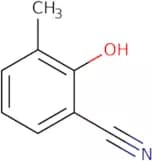
CAS:2-Hydroxy-3-methylbenzonitrile is a high quality chemical that is used as an intermediate in the synthesis of complex compounds. It can be used as a reagent in organic chemistry, and has been shown to be useful for the production of fine chemicals, such as antibiotics. 2-Hydroxy-3-methylbenzonitrile is also a versatile building block for the production of pharmaceuticals and research chemicals. It can be used as a reaction component for the synthesis of speciality chemicals and various building blocks.Formula:C8H7NOPurezza:Min. 95%Colore e forma:PowderPeso molecolare:133.15 g/mol3-Methylbenzophenone
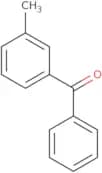
CAS:3-Methylbenzophenone is a fatty acid that has been used as an analytical reagent in organic synthesis. It can be synthesized by acylation of benzoic acid with methylchloroformate. 3-Methylbenzophenone is also a chlorinated derivative of benzophenone, and its structure can be rationalized by the protonation and deprotonation of the chloride ion. The acidic properties of 3-methylbenzophenone are due to the presence of carbonyl group.Formula:C14H12OPurezza:Min. 98 Area-%Colore e forma:PowderPeso molecolare:196.24 g/molMethyl indole-4-carboxylate
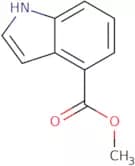
CAS:Methyl indole-4-carboxylate is a synthetic compound that is a potent agonist for cytochrome P450 enzymes. It can be used to study the human cytochrome system, which is responsible for metabolizing drugs and other chemicals. Methyl indole-4-carboxylate has been shown to react with aldehydes, such as formaldehyde, leading to fluorescence. This compound also has the ability to bind to x-ray structures of human cytochrome p450. The addition of methyl indole-4-carboxylate to tissue culture cells leads to an increase in activity of tuberculosis by inhibiting the growth of Mycobacterium tuberculosis and Mycobacterium avium complex.Formula:C10H9NO2Colore e forma:PowderPeso molecolare:175.18 g/molEthyl 4-bromobenzoate
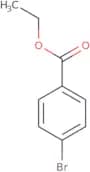
CAS:Ethyl 4-bromobenzoate is a halide that can be synthesized by the cross-coupling reaction with an aryl halide and a boronic acid. This synthesis has been used successfully to prepare benzoates, which are generally more difficult to synthesize than boronic acids. The coupling reaction of ethyl 4-bromobenzoate with an aryl halide and a boronic acid in the presence of copper as catalyst yields ethyl 4-bromobenzoate in high yield. A synergistic interaction occurs between the two reagents, leading to significant cytotoxicity in vitro. This property may be due to the light emission from this compound when it is exposed to ultraviolet light. Ethyl 4-bromobenzoate is also able to inhibit aerobic glycolysis and cancer cell growth in vitro through its ability to inhibit the activity of phosphofructokinase 1 (PFK1Formula:C9H9BrO2Purezza:Min. 97.5 Area-%Colore e forma:Clear LiquidPeso molecolare:229.07 g/molEthyl 4-chlorobenzoate
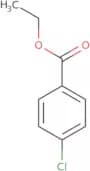
CAS:Ethyl 4-chlorobenzoate is an organic compound that is a colorless liquid with a sweet odor. It has been shown to be genotoxic in the presence of impurities such as palladium-catalyzed coupling and hemolytic activity. The structure of ethyl 4-chlorobenzoate can be determined by spectrometry analyses, which show that it contains an isopropyl group and an ethyl ester group. Ethyl 4-chlorobenzoate can be synthesized efficiently using the cross-coupling reaction between chlorides and aryl halides. This synthesis follows the same mechanism as the palladium catalyzed coupling reaction, but uses chloride ions instead of palladium complexes, which are more readily available.Formula:C9H9ClO2Purezza:Min. 95%Colore e forma:Clear LiquidPeso molecolare:184.62 g/mol4-Chlorophenylurea
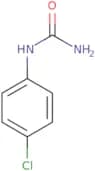
CAS:4-Chlorophenylurea is an urea derivative that has been shown to inhibit the activity of a number of enzymes. It has been used as a chemical intermediate and in the synthesis of other compounds. 4-Chlorophenylurea is stable in dry environments and does not react with air. The enzyme hydrolysis can be inhibited by adding piperonyl butoxide, which prevents the cleavage of the urea ring. The enzyme's activity can also be suppressed by adding acidic compounds such as hydrochloric acid, which increases its activation energy. The chemical structure of 4-Chlorophenylurea contains a carbonyl group and two chloro groups that are responsible for its inhibitory effect on tumour cells. This compound can also be analysed using liquid chromatography methods, which provide structural data about the product being tested.Formula:C7H7ClN2OPurezza:Min. 95%Colore e forma:PowderPeso molecolare:170.6 g/mol7-Methylindole-2-carboxylic acid
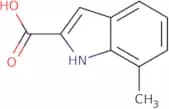
CAS:7-Methylindole-2-carboxylic acid (7MICA) is an indole that can be synthesized by the condensation of phenylhydrazine and pyruvic acid. It has been used as a precursor in the synthesis of styphnates, picrates, and ethyl pyruvate. 7MICA is also known to have antimicrobial activity against gram positive bacteria.Formula:C10H9NO2Purezza:Min. 95%Colore e forma:PowderPeso molecolare:175.18 g/mol3-Amino-2-hydroxybenzonitrile
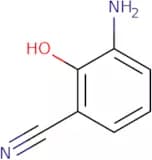
CAS:3-Amino-2-hydroxybenzonitrile is a chemical that can be used as a building block in the synthesis of other compounds. It is also a versatile intermediate for organic synthesis and can be used for the production of pharmaceuticals, agrochemicals, and many other materials. 3-Amino-2-hydroxybenzonitrile is a white solid with a melting point of 203 degrees Celsius. It has high purity, low impurities, and a high quality.
Formula:C7H6N2OPurezza:Min. 95%Colore e forma:PowderPeso molecolare:134.14 g/mol2-Hydroxy-6-methylbenzoic acid
CAS:2-Hydroxy-6-methylbenzoic acid is a natural product that is synthesized by the enzyme p. pastoris. It is a member of the polyketide class of compounds and has shown to have physiological effects such as anti-inflammatory and antioxidant properties. 2-Hydroxy-6-methylbenzoic acid also has been shown to inhibit ATP binding cassette transporter (ABC) proteins, which are involved in drug resistance, from transporting drugs out of cells, making it an attractive candidate for drug discovery.
Formula:C8H8O3Purezza:Min. 95%Colore e forma:PowderPeso molecolare:152.15 g/mol4-Ethoxybenzonitrile
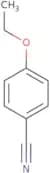
CAS:4-Ethoxybenzonitrile is an organic compound that belongs to the group of nitroalkanes. It is a substrate for reductive amination, which is a reaction in which the nitro group on 4-ethoxybenzonitrile is reduced by an amine to form an amide. This reaction can be facilitated by metal catalysts, such as copper(II) acetate and zinc chloride. The reaction yields high selectivity (>90%) with respect to the product formed and has been shown to be more efficient than other reductive amination reactions. 4-Ethoxybenzonitrile has been used as a building block for various compounds, including dyestuffs, pharmaceuticals, and pesticides. 4-Ethoxybenzonitrile is also resistant to tyrosinase due to its lack of electron donating groups on its aromatic ring.Formula:C9H9NOPurezza:Min. 98 Area-%Colore e forma:PowderPeso molecolare:147.17 g/molThiane-3-carbaldehyde
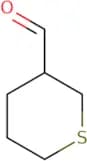
CAS:Thiane-3-carbaldehyde is a fine chemical that is used in research and development as a versatile building block for the synthesis of complex compounds. Thiane-3-carbaldehyde can be used as a reagent, speciality chemical, or useful scaffold for the synthesis of high quality and useful intermediates. This compound has CAS number 61571-06-0.
Formula:C6H10OSPurezza:Min. 95%Peso molecolare:130.21 g/mol4-Chloro-3,5-dimethylbenzoic acid
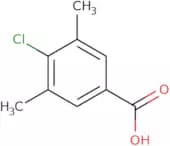
CAS:4-Chloro-3,5-dimethylbenzoic acid (4CMB) is a building block in organic chemistry. It can be used as a reagent, speciality chemical, and research chemical. 4CMB is used to make an intermediate for the synthesis of other chemicals and it can also be used as a reaction component in more complex reactions. CAS No. 90649-78-8
Formula:C9H9ClO2Purezza:Min. 95%Colore e forma:PowderPeso molecolare:184.62 g/mol4-Methoxybenzoic acid hydrazide
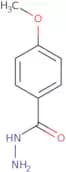
CAS:4-Methoxybenzoic acid hydrazide is a copper complex that binds to the DNA of bacteria, inhibiting the production of proteins. It has been shown to have antimicrobial activity against gram-positive and gram-negative bacteria. 4-Methoxybenzoic acid hydrazide has also been shown to inhibit colorectal carcinoma cells in vitro and in vivo. This compound inhibits the growth of cells by binding to them and disrupting hydrogen bonds. 4-Methoxybenzoic acid hydrazide causes cell death by inhibiting protein synthesis.Formula:C8H10N2O2Purezza:Min. 95%Colore e forma:White PowderPeso molecolare:166.18 g/mol6-(Aminomethyl)-2-naphthol
CAS:Versatile small molecule scaffoldFormula:C11H11NOPurezza:Min. 95%Peso molecolare:173.21 g/molEthyl 4-amino-2-nitrobenzoate
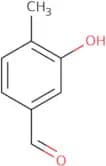
CAS:Ethyl 4-amino-2-nitrobenzoate is a chemical intermediate that is used in the synthesis of other chemicals. It is also a versatile building block with many uses, such as in the production of research chemicals or as a reagent. It has CAS No. 84228-46-6 and can be purchased from various suppliers.Formula:C9H10N2O4Purezza:Min. 95%Colore e forma:PowderPeso molecolare:210.19 g/mol3-Hydroxy-4-methylbenzaldehyde
CAS:3-Hydroxy-4-methylbenzaldehyde is a chemical that is synthesized from 3-hydroxy-4-methylphenol and dimethylformamide. It has been shown to interact with aluminium, which may be due to its ability to form a 1:1 complex with the metal. 3-Hydroxy-4-methylbenzaldehyde also exhibits electrochemical methods and isomers with other aldehydes. This chemical can be used in gas chromatography/mass spectrometry (GCMS) as an internal standard for fatty acid analysis.Formula:C8H8O2Purezza:Min. 95%Colore e forma:White PowderPeso molecolare:136.15 g/molMethyl 5-nitrosalicylate
CAS:Methyl 5-nitrosalicylate is a chemical compound that belongs to the group of 4-hydroxycoumarin derivatives. It is an inhibitor of the reaction between salicylic acid and nitrous acid, inhibiting the formation of 5-nitrosalicylic acid. Methyl 5-nitrosalicylate has shown inhibitory activity against various nitro compounds, including benzofurans. The inhibitory effect on oxidation reactions may be due to its ability to act as a ligand and form coordination complexes with metal ions such as copper, zinc, and iron. Methyl 5-nitrosalicylate also has anti-inflammatory properties that are due to its ability to inhibit prostaglandin synthesis by blocking cyclooxygenase enzyme activity. Methyl 5-nitrosalicylate can be synthesized in a few ways. One method includes reacting methyl salicylate with nitrous acid in the presence of lightFormula:C8H7NO5Purezza:Min. 95%Colore e forma:PowderPeso molecolare:197.14 g/mol3-Methoxybenzoic acid
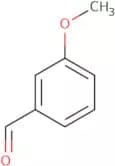
CAS:3-Methoxybenzoic acid is a compound that has two carboxyl groups, one on each of the two benzene rings. It is a white crystalline solid with a melting point of 86°C and a boiling point of 240°C at 1 mmHg. 3-Methoxybenzoic acid can be found in plants such as cranberries and strawberries. It also occurs naturally in animal fat, where it functions as an antioxidant and antimicrobial agent. 3-Methoxybenzoic acid has been shown to have synergistic effects when combined with protocatechuic acid in the treatment of carcinoma cells.Formula:C8H8O3Purezza:Min. 95%Colore e forma:PowderPeso molecolare:152.15 g/mol3-Methoxybenzaldehyde
CAS:3-Methoxybenzaldehyde is a chemical compound that is used as an intermediate in the synthesis of organic compounds. This compound has shown to be a potent inhibitor of several enzymes, including diamine tetraacetic acid (DAT)-dependent aminotransferase, trimethyl amine N-oxide reductase, and hydrochloric acid hydrolases. 3-Methoxybenzaldehyde also inhibits the growth of hepg2 cells and induces apoptosis. The chemical structure of this compound contains a boron nitride group that can form hydrogen bonds with other molecules and fatty acids that can act as a substrate for oxidation reactions.
Formula:C8H8O2Purezza:Min. 98 Area-%Colore e forma:Clear LiquidPeso molecolare:136.15 g/mol