Alcoli
Sottocategorie di "Alcoli"
Trovati 5813 prodotti di "Alcoli"
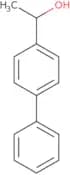
4-Diphenylmethylcarbinol
CAS:4-Diphenylmethylcarbinol is an organic compound that is a primary alcohol. It can be synthesized by the hydrogenolysis of biphenyl. 4-Diphenylmethylcarbinol has been used in the Raney-type process for the production of aluminum from bauxite and as a catalyst in the dehydrating reaction. This compound has also been used as a reagent for the synthesis of enantiomers and as a solvent for acetonitrile. The transfer of 4-diphenylmethylcarbinol to benzene, chlorobenzene, and phenanthrene has been studied.Formula:C14H14OPurezza:Min. 95%Colore e forma:PowderPeso molecolare:198.26 g/mol(22S,23S)-28-Homo brassinolide
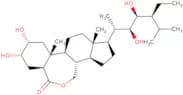
CAS:(22S,23S)-28-Homo brassinolide is a synthetic brassinosteroid that has been shown to have growth-promoting activity in the plant. It is synthesized by the reaction of tetroxide and 28-homobrassinolide. The structure of (22S,23S)-28-Homo brassinolide is stereoselective, with an R configuration at C2 and a S configuration at C3. The hydrogen atoms at C2 and C3 are involved in hydrogen bonds with other molecules. (22S,23S)-28-Homo brassinolide exhibits a conformation that differs from 24-epibrassinolide because it does not contain an intramolecular hydrogen bond between the two rings. This synthetic brassinosteroid also has anti-inflammatory effects due to its ability to inhibit prostaglandins.
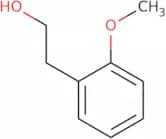
Formula:C29H50O6Colore e forma:PowderPeso molecolare:494.7 g/mol2-(2-Methoxyphenethyl) alcohol
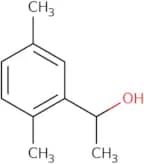
CAS:2-(2-Methoxyphenethyl) alcohol (2MPE) is a ligand that binds to the phenylpropanoid glycosides, which are responsible for the biosynthesis of plant pigments. It has been shown to inhibit tyrosinase and tyrosinase activity in vitro. 2MPE is used in radiopharmaceuticals as a radioactive label. It has also been shown to inhibit melanogenesis and the synthesis of volatile compounds in corncob at high temperatures. 2MPE is found in rhodiola and together with 2-hydroxyphenylacetic acid, it inhibits bacterial growth by inhibiting protein synthesis.Formula:C9H12O2Purezza:Min. 98%Colore e forma:Clear LiquidPeso molecolare:152.19 g/mol2,5-Dimethylphenylmethyl carbinol
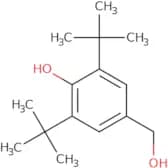
CAS:2,5-Dimethylphenylmethyl carbinol is a reagent that is used in the synthesis of aromatic hydrocarbons and alkenylated products. It reacts with an electron-deficient alkyl compound to form an alkenylated product. 2,5-Dimethylphenylmethyl carbinol is highly selective for electron-deficient alkyl compounds. The reaction rate of 2,5-dimethylphenylmethyl carbinol can be increased by increasing the temperature or adding a base catalyst, such as sodium methoxide or potassium tert-butoxide.Formula:C10H14OPurezza:Min. 95%Colore e forma:Clear LiquidPeso molecolare:150.22 g/mol3,5-Di-tert-butyl-4-hydroxybenzyl alcohol
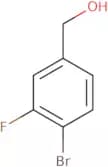
CAS:3,5-Di-tert-butyl-4-hydroxybenzyl alcohol is a fatty acid ester that is used as an analytical reagent and polymerization initiator. It produces a high yield of polymer in the presence of calcium carbonate. The polymerization reaction is initiated by the addition of 2,2'-azobis(2,4-dimethylvaleronitrile) (AADVN). The polymerization reaction has been shown to be pH dependent with a ph optimum at 8.3. 3,5-Di-tert-butyl-4-hydroxybenzyl alcohol has also been shown to have anticorrosive properties at high concentrations and inhibits coagulation factors that are involved in blood clotting.Formula:C15H24O2Purezza:Min. 95%Colore e forma:PowderPeso molecolare:236.35 g/mol4-Bromo-3-fluorobenzyl alcohol
CAS:4-Bromo-3-fluorobenzyl alcohol is an analog of prenylation, a process that is essential for the synthesis of many cellular components. It inhibits farnesyltransferase, an enzyme involved in the process of prenylation. Farnesyltransferase catalyzes the conversion of the 5-carbon farnesol to the 15-carbon geranylgeraniol, which is then converted to a 20-carbon geranylgeranyl pyrophosphate. This reaction generates a molecule with two prenyl groups. The discovery of 4-bromo-3-fluorobenzyl alcohol was made possible by its potent inhibition of farnesyltransferase and it has been shown to have promising results as a potential treatment for cancer.Formula:C7H6BrFOPurezza:Min. 95%Colore e forma:PowderPeso molecolare:205.02 g/mol4-Benzyloxy-2-chlorobenzyl alcohol
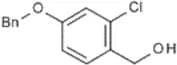
CAS:4-Benzyloxy-2-chlorobenzyl alcohol is an intermediate in the synthesis of a number of complex compounds. It has been found to be useful as a reagent and as a building block in the synthesis of fine chemicals and speciality chemicals. This chemical has also been used as a reaction component in the synthesis of versatile building blocks. CAS No. 219764-60-0, this compound is often used by researchers for its versatility and ability to act as a scaffold.
Formula:C14H13ClO2Purezza:Min. 95%Colore e forma:PowderPeso molecolare:248.7 g/mol3,5-Dimethylbenzyl alcohol
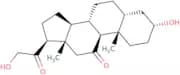
CAS:3,5-Dimethylbenzyl alcohol (3,5-DMB) is an organic solvent that is used as a degreaser and wetting agent for metals. It has been shown to have anticancer properties in vitro, but not in vivo. 3,5-DMB binds to the active site of the enzyme dehydrogenase and prevents it from binding with substrates. This inhibition leads to a decrease in the activity of this enzyme and a decrease in the production of reactive oxygen species. 3,5-DMB has also been shown to be effective against cancer cells both in vitro and in vivo. In addition, 3,5-DMB has been shown to bind tightly to ferula (a dye used for staining), xylene (a hydrocarbon), and hexane (an organic solvent).Formula:C9H12OPurezza:Min. 95%Peso molecolare:136.19 g/mol5beta-Pregnan-3alpha,21-diol-11,20-dione
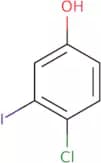
CAS:Prodotto controllato5beta-Pregnan-3alpha,21-diol-11,20-dione (5beta-pregnan) is a fine chemical used in research and development as a building block or intermediate. It has many uses, including as a useful scaffold for complex compounds. This chemical is also an excellent reagent for the synthesis of new organic compounds. It is a versatile building block that can be used in the production of high quality speciality chemicals. 5beta-pregnan may be used to synthesize many different types of building blocks and intermediates that are useful for the synthesis of other compounds.Formula:C21H32O4Purezza:(Tlc) Min. 95.0%Colore e forma:PowderPeso molecolare:348.48 g/mol4-Chloro-3-iodophenol
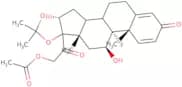
CAS:4-Chloro-3-iodophenol is a reactive chemical substance that can be used as a reagent in the synthesis of diagnostic agents, sunscreens and disinfectants. The reaction rate is increased by the presence of chlorine and other halogens such as iodine or bromine. 4-Chloro-3-iodophenol reacts with triclosan to form chlorinated trihalomethanes, which are more efficient disinfectants than their nonchlorinated counterparts. However, 4-chloro-3-iodophenol can also react with the oxidant hydrogen peroxide to form an unstable intermediate compound that degrades into toxic products like hypochlorous acid and chloramines. This instability makes this substance unsuitable for use in certain applications such as water purification.Formula:C6H4ClIOPurezza:Min. 98 Area-%Colore e forma:PowderPeso molecolare:254.45 g/mol21-(Acetyloxy) triamcinolone acetonide
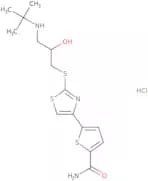
CAS:21-(Acetyloxy) triamcinolone acetonide is a fine chemical that can be used as a versatile building block for the synthesis of complex compounds. It is also an intermediate in the synthesis of pharmaceuticals, research chemicals, and other specialty chemicals. 21-(Acetyloxy) triamcinolone acetonide has been shown to have high quality, making it useful as a reagent in organic synthesis.Formula:C26H33FO7Purezza:Min. 95%Colore e forma:White PowderPeso molecolare:476.53 g/molArotinolol hydrochloride
CAS:Arotinolol hydrochloride is a beta-blocker that, in contrast to propranolol, has a higher selectivity for the β1 receptor. It is used to treat hypertension and angina pectoris. Arotinolol hydrochloride lowers blood pressure by inhibiting the activity of α-adrenergic receptors, which are found in the heart and vascular smooth muscle. This inhibition reduces the release of norepinephrine and causes vasodilation. Arotinolol hydrochloride also has a positive effect on cardiac function as it decreases myocardial oxygen demand and increases coronary flow. Arotinolol hydrochloride has been shown to lower systolic pressure in anesthetized dogs with an intravenous dose of sodium citrate. The drug also lowers diastolic pressure in conscious dogs at doses of 0.5 mg/kg (0.2 mg/lb) or greater when given intravenously or subcutaneously.
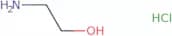
Formula:C15H22ClN3O2S3Purezza:Min. 98%Colore e forma:PowderPeso molecolare:408 g/molEthanolamine hydrochloride
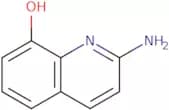
CAS:Ethanolamine hydrochloride is an ethylene diamine salt of ethanolamine. It has been shown to have a receptor activity in amines, such as human serum and monoclonal antibodies. Ethanolamine hydrochloride is used in sample preparation for the detection of proteins by western blotting and immunohistochemistry. It is also used for the production of monoclonal antibodies, which are used to detect antigens on cells.Formula:C2H7NO·HClPurezza:Min. 98%Colore e forma:PowderPeso molecolare:97.54 g/mol2-Amino-8-hydroxyquinoline
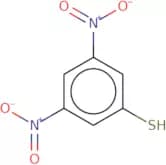
CAS:2-Amino-8-hydroxyquinoline is a molecule that has been shown to have optical properties. 2-Amino-8-hydroxyquinoline has also been shown to be reactive in vitro and inhibit the growth of cancer cells. It is thought that this inhibition may be due to its ability to bind to the active site of DNA polymerase, preventing DNA replication. 2-Amino-8-hydroxyquinoline has also been shown in vitro studies and vivo studies to have potent inhibition activity against human serum albumin (HSA). The molecules that are used as linkers to attach 2-amino 8 hydroxyquinoline to other molecules are thermodynamically stable. The isomers of 2 amino 8 hydroxyquinoline have also been studied by X-ray crystallography and nuclear magnetic resonance spectroscopy, which provides information about the structure of the molecule. Finally, 2 amino 8 hydroxyquinoline has been found to be an odorantFormula:C9H8N2OPurezza:Min. 98%Colore e forma:Off-White PowderPeso molecolare:160.17 g/mol3,5-Dinitrobenzenethiol
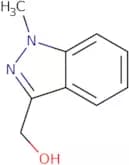
CAS:3,5-Dinitrobenzenethiol is a chemical that has been used as a building block for the synthesis of other fine chemicals. 3,5-Dinitrobenzenethiol is an intermediate used in the synthesis of research chemicals, such as pharmaceuticals and pesticides. It can also be used as a reaction component or reagent in organic synthesis. 3,5-Dinitrobenzenethiol is an excellent chemical with high quality because it has no impurities and is readily available.Formula:C6H4N2O4SPurezza:Min. 95%Colore e forma:PowderPeso molecolare:200.17 g/mol(1-Methyl-1H-indazol-3-yl)methanol
CAS:Prodotto controllato(1-Methyl-1H-indazol-3-yl)methanol is a heterocyclic compound with a chemical formula of CHN. It is a colorless liquid that reacts violently with water or alcohols. The compound has been shown to form lithium aluminum hydride and aluminum hydride, which react vigorously with water. (1-Methyl-1H-indazol-3-yl)methanol also forms acetylated amines in the presence of thionyl chloride. This reaction is used as an example of a translation reaction in chemistry, where one molecule is converted into another through the addition of other molecules.Formula:C9H10N2OPurezza:Min. 95%Peso molecolare:162.19 g/molBromophenol Red Free acid
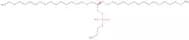
CAS:Bromophenol Red Free Acid is a synthetic substrate used in microbial infection and wastewater treatment. It has a pH of 2.0-3.0, which is acidic enough to disrupt the integrity of cellular membranes and cause cell lysis. Bromophenol Red Free Acid can be used as a lysing agent for human serum or cells in culture. This product is not soluble in water, so it must be dissolved in an organic solvent before it can be used. Bromophenol Red Free Acid reacts with hydrochloric acid to produce chemiluminescence that can be measured by luminometry, which is a quantitative technique for measuring light emission from chemical reactions. The hydroxyl group on the molecule reacts with the bromophenol group to form a bromohydrin intermediate, which reacts with hydrogen peroxide to produce chemiluminescence.Formula:C19H12Br2O5SPurezza:Min. 95%Peso molecolare:512.17 g/mol1,2-O-Dihexadecyl-sn-glycero-3-phosphoethanolamine
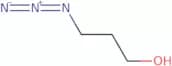
CAS:1,2-O-Dihexadecyl-sn-glycero-3-phosphoethanolamine (DHEPE) is a lipid used as a fluorescent probe for the detection of carbohydrates. It has been shown to bind to high-mannose type oligosaccharides and to be stable in complex with them. DHEPE has been shown to form complexes with cell nuclei, which may be due to hydrogen bonding interactions between the sugar and phosphate head groups on the glycerol backbone. These interactions are thought to be responsible for the selectivity of DHEPE for mannose residues in cells. DHEPE also forms complexes with x-ray diffraction data, which is indicative of intermolecular hydrogen bonding between this molecule and other hydrophobic molecules. DHEPE's reaction mechanism is not clear, but it has been proposed that it reacts with proteins by reacting with amino groups on these proteins.Formula:C37H78NO6PPurezza:Min. 95%Colore e forma:SolidPeso molecolare:663.99 g/mol1-Azidopropan-3-ol
CAS:Azidopropan-3-ol is a reactive chemical that has functional groups such as hydroxyl, amino, and carboxylic acid. It can be used to synthesize polymers with azides. Azidopropan-3-ol is not toxic to cells in culture and does not affect the glycosidation process. Azidopropan-3-ol is also an excellent solvent for glycols, which are commonly used as solvents for organic synthesis. Azidopropan-3-ol can also be used as a transport agent in the lungs or kidneys because of its low viscosity and low surface tension. Azidopropan-3-ol has been shown to have anti-cancer properties by inducing apoptosis in cancer cells and inhibiting the growth of colorectal adenocarcinoma cells. This compound also has high solubility in water, which makes it suitable for use as a solvent forFormula:C3H7N3OPurezza:Min. 95%Colore e forma:Colorless Clear LiquidPeso molecolare:101.11 g/mol17α-Estradiol 17-valerate
CAS:Please enquire for more information about 17α-Estradiol 17-valerate including the price, delivery time and more detailed product information at the technical inquiry form on this pageFormula:C23H32O3Purezza:Min. 95%Colore e forma:PowderPeso molecolare:356.5 g/mol(R)-1-[3,5-Bis(trifluoromethyl)phenyl]ethan-1-ol
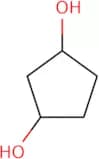
CAS:(R)-1-[3,5-Bis(trifluoromethyl)phenyl]ethan-1-ol is a triazolinone that has been shown to be an efficient contactor for the removal of organic pollutants from water. It is activated by potassium t-butoxide and immobilized on silicone gels. This compound is also active against a broad range of bacteria and fungi.Formula:C10H8F6OPurezza:Min. 98%Colore e forma:White PowderPeso molecolare:258.16 g/mol1,3-Cyclopentanediol
CAS:1,3-Cyclopentanediol is a synthetic chemical with a variety of applications. It is an intermediate in the production of polyester polymers. It also functions as an additive for plastics, paints and coatings, and as a solvent for pharmaceuticals. The reaction rate of 1,3-cyclopentanediol is dependent on the feedstock used and reaction temperatures. 1,3-Cyclopentanediol has been shown to inhibit tyrosine kinases in vitro, which could make it a potential drug target for cancer treatment.
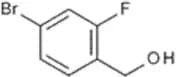
Formula:C5H10O2Purezza:Min. 95%Peso molecolare:102.13 g/mol4-Bromo-2-fluorobenzyl alcohol
CAS:4-Bromo-2-fluorobenzyl alcohol is a high quality chemical that is used as an intermediate to produce other useful chemicals. It is also a reagent, useful in the production of complex compounds. 4-Bromo-2-fluorobenzyl alcohol has a CAS No. 188582-62-9 and can be used as a building block for producing speciality chemicals. This compound can be used as a versatile building block for the production of new products and it is often used as a reaction component in organic synthesis.
Formula:C7H6BrFOPurezza:Min. 95%Colore e forma:PowderPeso molecolare:205.02 g/mol4-Nitrocinnamyl alcohol
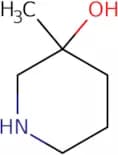
CAS:4-Nitrocinnamyl alcohol is an antiarrhythmic agent that is structurally related to the nitro group. It is produced by a synthetic process, and it has been shown to be mediated by piperidine. This compound is prepared by catalytic chlorinating of primary alcohols in the presence of hydrotalcite or catalysis with tosylates.Formula:C9H9NO3Purezza:Min. 95%Colore e forma:PowderPeso molecolare:179.17 g/mol3-Methylpiperidin-3-ol
CAS:3-Methylpiperidin-3-ol is a chemical compound that has been found to be useful as a building block for the synthesis of various complex compounds. This product is used in research and as a reagent. 3-Methylpiperidin-3-ol is also known by the CAS number 473730-88-0.Formula:C6H13NOPurezza:Min. 95%Colore e forma:Yellow solid.Peso molecolare:115.17 g/molStyrenated phenol
CAS:2,4,6-Tris-(1-phenyl-ethyl)phenol is a phenolic compound that is used to manufacture polyvinyl chloride. It has been shown to be an effective antioxidant and can be used in treatments of polyvinyl chloride products. 2,4,6-Tris-(1-phenyl-ethyl)phenol is hydrophobic and can be used as a coating agent for surfaces that are exposed to water or moisture. 2,4,6-Tris-(1-phenyl-ethyl)phenol has been shown to inhibit the enzymatic reaction between chlorine and hydrophobic compounds. This chemical also has optical properties that are sensitive to changes in pH levels and temperature.
Formula:C30H30OPurezza:Min. 95%Peso molecolare:406.56 g/mol3,4-Dihydro-2(1H)-Quinolinone
CAS:3,4-Dihydro-2(1H)-quinolinone is a potent inhibitor of dopamine β-hydroxylase and is used as a model system to study the pharmacokinetic properties of carbostyril. It has been shown that 3,4-dihydro-2(1H)-quinolinone binds to the chloride ion in the active site of dopamine β-hydroxylase. This binding prevents the formation of a complex with the enzyme's substrate, which is required for catalysis. 3,4-Dihydro-2(1H)-quinolinone also interacts with the alkynyl group on dopamine and competitively inhibits its metabolism by monoamine oxidase (MAO).Formula:C9H9NOPurezza:Min. 95%Colore e forma:PowderPeso molecolare:147.17 g/mol4-Chloro-2-methylbenzyl alcohol
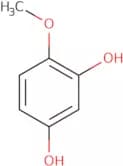
CAS:4-Chloro-2-methylbenzyl alcohol is an organic compound that has a sensor and hydroxyl group. It is used in pest control as an insecticide. 4-Chloro-2-methylbenzyl alcohol has been shown to be effective against ants, cockroaches, and other insects. There are multiple instabilities of this compound, including low oxygen stability when exposed to air, which may lead to the degradation of this chemical. Impurities in 4-chloro-2-methylbenzyl alcohol may also lead to its instability as it reacts with alkali metals at high temperatures. The instability of 4-chloro-2-methylbenzyl alcohol can be reduced by storing it at low temperatures or by adding cryogenic substances such as liquid nitrogen or carbon dioxide gas.Formula:C8H9ClOPurezza:Min. 95%Peso molecolare:156.61 g/mol4-Methoxyresorcinol
CAS:4-Methoxyresorcinol is a chemical compound that has the molecular formula CHNO. It has a hydroxyl group in the 4-position and a methyl group on the 8-position. The intramolecular hydrogen of this molecule is denatured by heating to about 220°C. This process converts it into resorcinol, which is structurally similar but has different properties. 4-Methoxyresorcinol can be used as a polymerization initiator for polycarboxylic acid or quinoline derivatives, and its analytical methods are used in determining its structure.Formula:C7H8O3Purezza:Min. 95%Colore e forma:PowderPeso molecolare:140.14 g/mol15,16-Bis-nor-LABD-11-En-13-on-8-ol
15,16-bis-nor-LABD-11-En-13-on-8-ol is a fine chemical that is useful as a building block for research chemicals and as a reagent in the synthesis of speciality chemicals. This compound has been found to be an intermediate for the synthesis of various other compounds, including complex compounds and versatile building blocks. 15,16-bis-nor-LABD-11-En-13-on-8--ol is also a versatile scaffold due to its ability to undergo reactions with various functional groups.Formula:C18H30O2Purezza:Min. 95%Peso molecolare:278.43 g/mol4-Methyl-5-nonanol
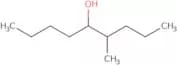
CAS:4-Methyl-5-nonanol is a synthetic pheromone that is used in the analytical methods of weevil traps. The odorant binding proteins on the surface of the weevil are attracted to this chemical, which binds to them through hydrophobic interactions. This trap is stereoselective, as it only attracts male weevils. 4-Methyl-5-nonanol has been shown to have a high specificity and sensitivity as an analytical tool for weevil traps, with no cross reactivity with other insects such as beetles or ants.
Formula:C10H22OPurezza:Min. 95%Colore e forma:Clear LiquidPeso molecolare:158.28 g/mol2-Methoxy-4-vinylphenol
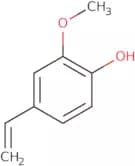
CAS:2-Methoxy-4-vinylphenol is a chlorogenic acid that has been shown to inhibit the growth of Candida glabrata. It binds to ferulic acid and caffeic acids, which are natural compounds found in plants. The optimum concentration at which 2-methoxy-4-vinylphenol inhibits the growth of C. glabrata is between 0.5 and 1 mM. This compound can be readily analyzed using an analytical method with high selectivity for chlorogenic acids, such as liquid chromatography coupled with mass spectrometry (LC/MS). The binding of 2-methoxy-4-vinylphenol to ferulic acid and caffeic acid may also have implications for its use as an anti-inflammatory agent.Formula:C9H10O2Purezza:Min. 98%Colore e forma:Clear LiquidPeso molecolare:150.17 g/mol4-Methylthiophenol
CAS:4-Methylthiophenol is a colorless liquid that is soluble in water. It has a molecular weight of 98.12 and an empirical formula of C6H7O2S. 4-Methylthiophenol is used as an analytical reagent, solvent, and chemical intermediate. It exhibits hydrogen bonding interactions with sodium carbonate and trifluoroacetic acid and forms a salt with sodium carbonate. The molecule's stability increases when it interacts with amines and the presence of nucleophiles such as water or alcohols. 4-Methylthiophenol has been shown to be effective at enhancing the fluorescence signal emitted by amines, which makes it useful for laser ablation mass spectrometry (LA-MS). 4-Methylthiophenol can also be used for kinetic energy measurements using FTIR spectroscopy because it will absorb infrared light at 1680 cm−1 from the CO2 laser beam.Formula:C7H8SPurezza:Min. 95%Colore e forma:White PowderPeso molecolare:124.2 g/mol2-Hydroxy-3-methoxybenzyl alcohol
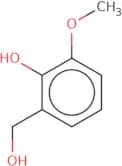
CAS:2-Hydroxy-3-methoxybenzyl alcohol is a phenolic compound that belongs to the class of mandelonitrile. It is an envenomation agent that has been shown to have a molecular weight of 146, and is synthesized by reacting 2-hydroxy-4-methoxybenzaldehyde with formic acid. This drug also has been shown to have high binding affinity for the androgen receptor, which allows it to be used as an antihormone therapy. 2-Hydroxyl-3-methoxybenzyl alcohol binds to hormone receptors in cells and prevents them from binding with the hormones needed for transcription. The hydroxyl group on this molecule allows it to act as an acceptor for other molecules in reactions involving formylation and hydroxylation reactions.
Formula:C8H10O3Purezza:Min. 95%Colore e forma:PowderPeso molecolare:154.16 g/mol5-Hydroxyisoquinoline
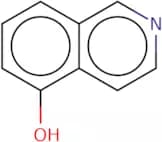
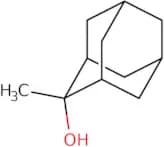
CAS:5-Hydroxyisoquinoline is a quinoline derivative that is synthesized from aziridine. It has been shown to be a potent insulin sensitizing agent in mice with type 2 diabetes mellitus. 5-Hydroxyisoquinoline has been shown to inhibit the activity of purified enzymes preparations and show high selectivity for chloride channels, which are responsible for the transport of chloride ions across cell membranes. This inhibition leads to an influx of protons into the cell, which may lead to a change in the redox potential and changes in the molecular structure of the molecule. The reaction mechanism involves substitution at position 5 of the isoquinoline ring by hydroxy groups (OH).Formula:C9H7NOPurezza:Min. 95%Colore e forma:Yellow PowderPeso molecolare:145.16 g/mol2-Methyl-2-adamantanol
CAS:2-Methyl-2-adamantanol is a chemical compound with the molecular formula CH(CH)COOH. It is a colorless liquid that boils at 109°C and freezes at -78°C. This compound has been used as an additive to gasoline, in cosmetics, as a solvent for polymers, and as a fuel. 2-Methyl-2-adamantanol is synthesized by the reaction of 1-adamantanol with hydrogen chloride gas in the presence of dimethylformamide. The product can be purified by recrystallizing it from methanol or chloroform. The structure of this compound was determined using X-ray crystallography. 2-Methyl-2-adamantanol is an alicyclic molecule that contains two methyl groups (-CH3) on adjacent carbons (C). It also has a hydrogen bond between the two methyl groups on C1 and C2. This compound has been
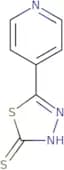
Formula:C11H18OPurezza:Min. 95%Colore e forma:PowderPeso molecolare:166.1 g/mol5-Pyridin-4-yl-1,3,4-thiadiazole-2-thiol
CAS:5-Pyridin-4-yl-1,3,4-thiadiazole-2-thiol is a molecule that is used as an immunosuppressant. It inhibits the production of cytokines and chemokines by inhibiting the activation of nuclear factor kappa B (NF-κB). This leads to less inflammation and a decrease in the ability of immune cells to proliferate. 5-Pyridin-4-yl-1,3,4-thiadiazole-2-thiol has been shown to have synergistic effects with other drugs, such as antifungal agents.
Formula:C7H5N3S2Purezza:Min. 95%Colore e forma:PowderPeso molecolare:195.27 g/mol1,12-Dodecanediol
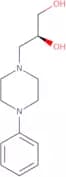
CAS:1,12-Dodecanediol is a polymeric matrix that has been shown to be effective in inhibiting the growth of microorganisms. The antimicrobial activity of 1,12-dodecanediol is primarily due to its ability to form hydrogen bonds. This polymer can be used as a film-forming polymer for hydrophobic and lipophilic compounds. It also has chemical properties that include an intramolecular hydrogen bond, which provides stabilization and protection from degradation by enzymes. This chemical compound also has the ability to bind with fatty acids and phosphodiesterase activity (which may account for its anti-inflammatory activities).Formula:C12H26O2Purezza:Min. 95%Colore e forma:White PowderPeso molecolare:202.33 g/mol(S)-3-(4-Phenyl-1-piperazinyl)-1,2-propanediol
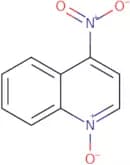
CAS:(S)-3-(4-Phenyl-1-piperazinyl)-1,2-propanediol is a synthetic compound that has been shown to have antiinflammatory activity in rat urine and human bronchial tissue. The antiinflammatory effect of (S)-3-(4-Phenyl-1-piperazinyl)-1,2-propanediol may be due to its ability to inhibit the release of leukotrienes and prostaglandins. The drug is currently being tested as a treatment for chronic cough in children. This drug has not been approved by the FDA for use in children under 12 years old.Formula:C13H20N2O2Purezza:Min. 95%Colore e forma:White To Off-White SolidPeso molecolare:236.31 g/mol4-Nitroquinoline-N-oxide
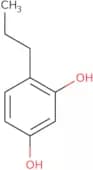
CAS:4-Nitroquinoline-N-oxide is a polymerase chain reaction (PCR) inhibitor that blocks the activity of methyltransferases, which are enzymes involved in DNA replication and repair. The mechanism of action has been shown to be due to the inhibition of the activities of these enzymes in cancer tissues. The efficacy of 4-Nitroquinoline-N-oxide has been demonstrated using an experimental model system composed of cells from Candida glabrata and other cancers, as well as a model system for carcinogenesis in vitro. This compound also shows antiinflammatory activity and can be used as a natural compound for chemotherapy. Chromatographic analysis has revealed that 4-Nitroquinoline-N-oxide is not toxic to wild type strains, but it is toxic to cancer cells with mutations in their DNA repair mechanisms.Formula:C9H6N2O3Purezza:Min. 95%Colore e forma:PowderPeso molecolare:190.16 g/mol4-Propylresorcinol
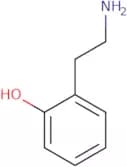
CAS:4-Propylresorcinol is a potent tyrosinase inhibitor that has been shown to inhibit the activity of this enzyme in a synergistic interaction with metal chelators. The binding of 4-propylresorcinol to the active site of the enzyme inhibits the hydroxylation of L-tyrosine, preventing melanin production. This drug also inhibits the production of melanin by other pathways, such as by modulating cellular transcription. The inhibition of tyrosinase activity by 4-propylresorcinol has been shown to be specific and reversible.Formula:C9H12O2Purezza:Min. 95%Colore e forma:Off-White PowderPeso molecolare:152.19 g/mol2-(2-Aminoethyl)phenol
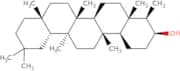
CAS:2-(2-Aminoethyl)phenol is a monoamine oxidase inhibitor. It is a biogenic amine that is found in animals and plants. 2-(2-Aminoethyl)phenol has been found to have anti-inflammatory properties and can be used to treat mongolism.Formula:C8H11NOPurezza:Min. 95 Area-%Colore e forma:PowderPeso molecolare:137.18 g/molEpifriedelanol
CAS:Prodotto controllatoEpifriedelanol is a sesquiterpene lactone that belongs to the group of natural compounds. This molecule is produced by the plant B. dracunculifolia and has shown anti-inflammatory properties in vitro. Epifriedelanol has been shown to inhibit mitochondrial membrane potential and activity index, which are important for cancer cell growth and survival. Epifriedelanol also has anticancer effects on colorectal adenocarcinoma cells as well as skin cancer cells. It may also be used for urinary tract infections due to its inhibition of bacterial growth.Purezza:Min. 95%Colore e forma:Powder(17α)-6-Fluorocholest-5-en-3-ol
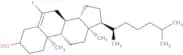
CAS:Prodotto controllato(17alpha)-6-Fluorocholest-5-en-3-ol is a fluorinated cholesterol derivative that inhibits the cholesterol acyltransferase enzyme, which is responsible for the enzymatic esterification of cholesterol to form cholesteryl esters. This product has been shown to inhibit cellular growth and may be useful in treating bacterial infections. (17alpha)-6-Fluorocholest-5-en-3-ol has also been shown to inhibit the growth of bacteria by binding to the hmg coa reductase enzyme, which is involved in cholesterol metabolism. This product has been found to increase membrane fluidity and promote cell growth. It also prevents the formation of foam cells by inhibiting cholesterol uptake from peripheral tissues into macrophages.Formula:C27H45FOPurezza:Min. 95%Peso molecolare:404.64 g/molFmoc-Cysteinol(Trt)
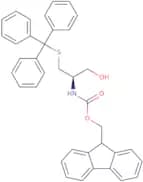
CAS:Fmoc-Cysteinol(Trt) is a versatile building block that can be used in the production of complex compounds and research chemicals. This compound is a high quality, useful building block that is used to synthesize many other compounds. It can also be used as a reagent or speciality chemical. Fmoc-Cysteinol(Trt) has been classified as a CAS No. 215954-72-6 and is a useful scaffold for chemical reactions.Formula:C37H33NO3SPurezza:Min. 95%Colore e forma:PowderPeso molecolare:571.73 g/mol4-Bromo-3-methylphenol
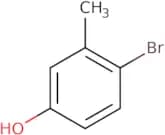
CAS:4-Bromo-3-methylphenol is a hydrochloride salt of 4-bromo-3-methylphenol that has acidic properties. It can be used as a reagent to prepare samples for phosphotungstic acid and ligand desorption techniques. It can also be used in the reduction of sulfoxides by means of hydrogen gas in an efficient method, which is suitable for on-line analysis. 4-Bromo-3-methylphenol is soluble in water and easily prepared from chlorobenzene. This compound has been extensively studied for its use in liquid phase electroosmotic techniques, which are based on the principle that the movement of ions is influenced by an electric field applied to a liquid medium.Formula:C7H7BrOPurezza:Min. 95%Colore e forma:PowderPeso molecolare:187.03 g/mol2-[2-[2-(2-Hydroxyethoxy)ethoxy]ethoxy]-1-(p-toluenesulfonyl)-ethanol
CAS:2-[2-[2-(2-Hydroxyethoxy)ethoxy]ethoxy]-1-(p-toluenesulfonyl)-ethanol is a PEG polymer categorised as monofunctional (OH-PEG-X). Used as a linker, 2-[2-[2-(2-hydroxyethoxy)ethoxy]ethoxy]-1-(p-toluenesulfonyl)-ethanol is used to attached PEG to proteins, peptides, oligonucleotides, nanoparticles and small molecules via pegylation, a bioconjugation technique.Formula:C13H20O6SPurezza:Min. 95%Colore e forma:PowderPeso molecolare:304.36 g/mol6-[4-(1-Cyclohexyl-1H-tetrazol-5-yl)butoxy]-3,4-dihydro-2(1H)-quinolinone
CAS:Cilostazol is a drug that binds to ATP-binding cassette (ABC) transporters, which are proteins that transport molecules across membranes. It decreases the production of cyclic nucleotides and phosphodiesterase, which are important in the regulation of blood vessel tone. Cilostazol has been shown to be effective in treating heart failure and atherosclerosis. Cilostazol also inhibits cyclase activity, an enzyme involved in the synthesis of cyclic nucleotides, which leads to vasodilation by increasing the concentration of cAMP. The drug is available in both immediate-release and controlled-release preparations. Cilostazol can have serious side effects such as congestive heart failure or stroke if it is taken with other drugs that inhibit platelet aggregation such as aspirin or warfarin.Formula:C20H27N5O2Purezza:Min. 95%Colore e forma:White PowderPeso molecolare:369.46 g/mol2,5-Dimethylresorcinol
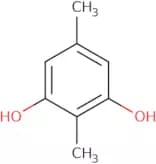
CAS:2,5-Dimethylresorcinol is a natural organic compound that has been shown to have the ability to inhibit the formation of reactive oxygen species. It is used in wastewater treatment and as an antioxidant. 2,5-Dimethylresorcinol has been shown to exhibit an inhibitory effect on lipid hydroperoxides and hydroxyl group binding. This compound can also be used as a substrate or product in catalytic domains. 2,5-Dimethylresorcinol is found in the form of usnic acid and orsellinic acid. The use of this compound as a catalyst for oxidation reactions has been studied extensively. It has also been shown to be an effective inhibitor for catalytic domains with a range of different metal ions.
Formula:C8H10O2Purezza:Min. 95%Colore e forma:PowderPeso molecolare:138.16 g/mol4-Pregnen-20-alpha-ol-3-one
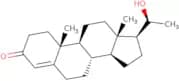
CAS:Prodotto controllatoProgesterone is a hormone that regulates the menstrual cycle and plays a key role in pregnancy. It is produced by the corpus luteum, the placenta, and the ovaries. Progesterone is also involved in regulating other functions such as cell growth, fat metabolism, blood clotting, and water balance. The level of progesterone in urine has been shown to be a good indicator of follicular growth during ovulation. In women with metabolic disorders or lactogenic hormone deficiencies, low levels of progesterone can lead to infertility.Formula:C21H32O2Purezza:Min. 95%Colore e forma:White PowderPeso molecolare:316.48 g/mol3-Nitro-4-(trifluoromethyl)phenol
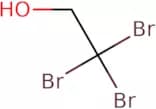
CAS:3-Nitro-4-(trifluoromethyl)phenol is an amino acid that has been found in fossils of the proterozoic era. It is believed to have played a role in evolution and the onset of life because it was resistant to damage by oxygen free radicals. 3-Nitro-4-(trifluoromethyl)phenol has been shown to be damaging to mesenchymal cells, which are cells that form cartilage and bone, leading to cell death. The chemical damages mesenchymal stem cells, which can lead to diseases such as osteoarthritis or rheumatoid arthritis. Researchers believe that this chemical may have played a role in the orogeny, or mountain formation, that occurred during the late Proterozoic Era.Formula:C7H4F3NO3Purezza:Min. 95%Colore e forma:PowderPeso molecolare:207.11 g/mol2,2,2-Tribromoethanol
CAS:Prodotto controllato2,2,2-tribromoethanol or TBE derives from ethanol, where the hydrogen atoms from one carbon are substituted by bromine. 2,2,2-tribromoethanol is frequently used as initiator for synthesising functionalised polymers with end hydroxyl groups. In addition, 2,2,2-tribromoethanol is also often used in a labroatory setting to anaethetise mice.
Formula:C2H3Br3OPurezza:Min. 98 Area-%Colore e forma:PowderPeso molecolare:282.76 g/mol2-(3-Hydroxyphenyl)ethyl alcohol
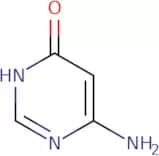
CAS:2-(3-Hydroxyphenyl)ethyl alcohol is a reactive compound that can form an adduct with the tyrosinase enzyme, which catalyzes the conversion of tyrosine to dopa and dopaquinone. 2-(3-Hydroxyphenyl)ethyl alcohol also has been shown to inhibit tyrosinase activity in vitro. This compound has been found in natural compounds such as catechins and flavones.Formula:C8H10O2Purezza:Min. 95%Colore e forma:Clear LiquidPeso molecolare:138.16 g/mol6-Aminopyrimidin-4-ol
CAS:6-Aminopyrimidin-4-ol is an intermediate in the synthesis of orotic acid. It is also a precursor to 6-chloropurine, which is used in the manufacture of orotic acid and 6-aminopurine. 6-Aminopyrimidin-4-ol can be prepared by benzannulation of phosphorus oxychloride with orotic acid or by hydrolysis of 6-chloropurine with thiourea. The latter method is preferred because it results in less waste.
6-Aminopyrimidin-4-ol is labile and must be stored under an inert gas at low temperature to prevent decomposition. It undergoes inactivating reactions with strong oxidizing agents, such as chlorine dioxide, peracetic acid, hydrogen peroxide, and potassium permanganate.
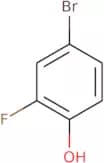
It also reacts with nucleophiles such as ammonia or amines to form stable tautFormula:C4H5N3OPurezza:Min. 95%Colore e forma:PowderPeso molecolare:111.1 g/mol4-Bromo-2-fluorophenol
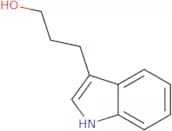
CAS:4-Bromo-2-fluorophenol is a mesomorphic substance that has a helical structure. It has been shown to have ferroelectric properties and light emission, as well as being spontaneously polar. 4-Bromo-2-fluorophenol is a dipole molecule with two hydrogen bonds on each side of the molecule. The fluorine atom in 4-bromo-2-fluorophenol interacts with chlorine atoms through an intramolecular hydrogen bond.Formula:C6H4BrFOPurezza:Min. 95%Colore e forma:Clear LiquidPeso molecolare:191 g/molIndole-3-propanol
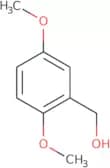
CAS:Indole-3-propanol is a reversible inhibitor of the enzyme dihydrofolate reductase that blocks the synthesis of purine nucleotides. It has been shown to have a regulatory effect on bacterial growth and may be used as an antimicrobial agent. Indole-3-propanol is an inhibitor of the enzyme dihydrofolate reductase, which catalyzes the reduction of dihydrofolic acid to tetrahydrofolic acid. This conversion is essential for DNA synthesis and repair in bacteria. Indole-3-propanol inhibits this reaction reversibly by binding to the hydroxy group in the active site of the enzyme, thereby blocking access to substrate analogues such as phosphoribosyl pyrophosphate (PRPP). The compound also inhibits human serum proteins, such as albumin, which are involved in metabolizing drugs. Molecular modeling studies suggest that indole-3-propanol binds to two lFormula:C11H13NOPurezza:Min. 95%Colore e forma:Clear LiquidPeso molecolare:175.23 g/mol2,5-Dimethoxybenzyl alcohol
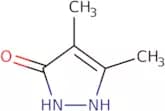
CAS:2,5-Dimethoxybenzyl alcohol is a monoterpene compound that is chemically related to menthol and thymol. It has been shown to have cytotoxic effects against cancer cells in culture. The mechanism of action is not fully understood, but it has been proposed that 2,5-dimethoxybenzyl alcohol may be an allelopathic compound. This means that it inhibits the growth of plants by releasing substances into the soil that inhibit the growth of other plants nearby. 2,5-Dimethoxybenzyl alcohol has also been shown to reduce blood pressure in rats. This effect is due to its ability to inhibit angiotensin I-converting enzyme (ACE) as well as increase vasodilation through nitric oxide release. A kinetic study on human urine showed that 2,5-dimethoxybenzyl alcohol undergoes a stepwise reaction with carbinols and methoxy groups. Further research is needed to determineFormula:C9H12O3Purezza:Min. 95%Colore e forma:Clear LiquidPeso molecolare:168.19 g/mol3,4-Dimethyl-1H-pyrazol-5-ol
CAS:3,4-Dimethyl-1H-pyrazol-5-ol is a fine chemical that belongs to the category of research chemicals. It has many uses as a reagent and as a speciality chemical. 3,4-Dimethyl-1H-pyrazol-5-ol is also a versatile building block and can be used as an intermediate or scaffold in complex reactions. The CAS number for this compound is 4344-72-3.
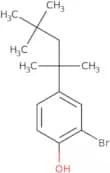
Formula:C5H8N2OPurezza:Min. 95%Colore e forma:PowderPeso molecolare:112.13 g/mol2-Bromo-4-tert-octylphenol
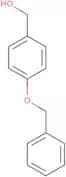
CAS:2-Bromo-4-tert-octylphenol is a high quality chemical that can be used in research. It is an organic compound that reacts as a building block to create other complex compounds. 2-Bromo-4-tert-octylphenol is also a versatile building block, useful intermediate, and useful building block for the creation of speciality chemicals. This reagent has been shown to be effective as a reaction component in the synthesis of reagents, such as with the synthesis of 1,3-bis(2,4,6-trimethylbenzoyl)benzene.Formula:C14H21BrOPurezza:Min. 95 Area-%Colore e forma:Clear LiquidPeso molecolare:285.22 g/mol4-Benzyloxybenzyl alcohol
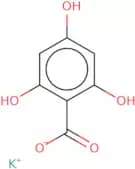
CAS:4-Benzyloxybenzyl alcohol is a potent inhibitor of CXCR4, a receptor for chemokines that is involved in the trafficking of immune cells. It binds to CXCR4 and blocks its activation by HIV-1 gp120. 4-Benzyloxybenzyl alcohol inhibits both CXCR4-dependent and -independent chemotaxis. This compound also has a hydroxy group which can be used for the synthesis of β-amino acids or p-hydroxybenzoic acid. 4-Benzyloxybenzyl alcohol also has a monoclonal antibody that recognizes it, which can be used as an immunogen to raise antibodies against this molecule. The disulfide bond in 4-Benzyloxybenzyl alcohol prevents oxidation, which makes it stable at high temperatures.Formula:C14H14O2Purezza:Min. 95%Colore e forma:PowderPeso molecolare:214.26 g/molPotassium phloroglucinol carboxylate
CAS:Potassium phloroglucinol carboxylate is a fine chemical that can be used as a versatile building block, complex compound, research chemical, reagent, speciality chemical and useful intermediate. It is also a useful scaffold for the synthesis of other compounds. Potassium phloroglucinol carboxylate has been shown to react with a wide variety of functional groups and has been used in the preparation of new compounds. The CAS number for potassium phloroglucinol carboxylate is 91313-55-2.
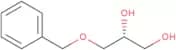
Formula:C7H5O5·KPurezza:Min. 95%Colore e forma:PowderPeso molecolare:208.21 g/mol(R)-(+)-3-Benzyloxy-1,2-propanediol
CAS:(R)-(+)-3-Benzyloxy-1,2-propanediol is a biologically active compound. It has been shown to have the ability to inhibit tumor growth and enhance the activity of certain anticancer drugs. (R)-(+)-3-Benzyloxy-1,2-propanediol is an enantiomer that has been found to be more potent than its counterpart. The biological function of (R)-(+)-3-Benzyloxy-1,2-propanediol is not entirely clear, but it may be involved in the metabolism of fatty acids and fatty acid esters. This compound can also increase levels of ATP in cells.
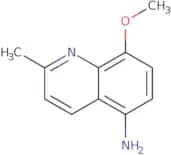
Formula:C10H14O3Purezza:Min. 98%Colore e forma:PowderPeso molecolare:182.22 g/mol8-Methoxy-2-methylquinolin-5-amine monohydrochloride
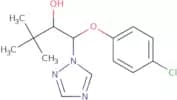
CAS:8-Methoxy-2-methylquinolin-5-amine monohydrochloride is a fine chemical that is used as a versatile building block in the synthesis of complex compounds. 8-Methoxy-2-methylquinolin-5-amine monohydrochloride is an intermediate for the production of research chemicals and pharmaceuticals. It can be used to synthesize speciality chemicals, useful scaffolds, and reagents. It also has a wide range of applications as a reaction component in synthetic organic chemistry. 8-Methoxy-2-methylquinolin-5-amine monohydrochloride has high purity and quality.Formula:C11H12N2O•HClPurezza:Min. 95 Area-%Colore e forma:PowderPeso molecolare:224.73 g/molTriadimenol
CAS:Triadimenol is a fungicide for cereals, beet and brassicas used to control a range of diseases including powdery mildew, rusts, bunts and smuts. It is a xenobiotic metabolite and an antifungal agrochemical.
Formula:C14H18ClN3O2Purezza:Min. 95%Colore e forma:White PowderPeso molecolare:295.76 g/mol(R)-BoroLeu-(+)-pinanediol-trifluoroacetate
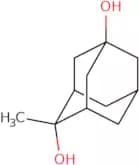
CAS:(R)-BoroLeu-(+)-pinanediol-trifluoroacetate is a complex compound with CAS No. 179324-87-9 and can be used as a reagent, useful intermediate, or fine chemical. It is a versatile building block that can be used in the synthesis of speciality chemicals, research chemicals, and reaction components. This compound has been reported to be a useful scaffold for the synthesis of novel compounds that could have applications in medicine, such as anti-cancer drugs and antibiotics.Formula:C17H29BF3NO4Colore e forma:White Off-White PowderPeso molecolare:379.22 g/mol5-Hydroxy-2-methyl-2-adamantanol
CAS:5-Hydroxy-2-methyl-2-adamantanol is a fine chemical that is used as a building block in research and development of various products. It can be used to make other substances, such as pharmaceuticals and cosmetics. 5-Hydroxy-2-methyl-2-adamantanol is also a versatile intermediate in the synthesis of complex molecules, such as peptides and polymers. This product is soluble in water and has a high quality standard. It is also an excellent reagent for many reactions, such as condensation, esterification, nitration, oxidation, reduction, and decarboxylation.Formula:C11H18O2Purezza:Min. 95%Peso molecolare:182.26 g/mol5-Bromopentan-1-ol
CAS:5-Bromopentan-1-ol is a chemical that is used in the synthesis of other organic compounds. It has been found to be a good solvent for many organic substances, and it is also used as an intermediate in organic synthesis. 5-Bromopentan-1-ol can be acetylated with acetic anhydride, which leads to the formation of 1,5-diacetoxybutane. The reaction between 5-bromopentan-1-ol and copper oxide in chlorine gas leads to the formation of 1,5 dibromohexane. This reaction product can then be hydrolyzed to produce malonic acid.
The structural formula for 5-bromopentan-1-ol consists of two carbon atoms connected by a single bond and three hydrogen atoms bonded to one carbon atom. The other carbon atom is bonded to two oxygen atoms (one by a double bond) and one hydrogen atom. TheFormula:C5H11BrOPurezza:Min. 95%Colore e forma:Clear LiquidPeso molecolare:167.04 g/molAllylestrenol
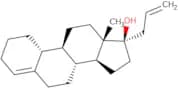
CAS:Prodotto controllatoAllylestrenol is a synthetic steroid hormone that is used as a contraceptive. It works by preventing ovulation and thickening the cervical mucus to prevent sperm from reaching the egg. Allylestrenol has been shown to have a statistically significant effect on infectious diseases of the ovary, such as endometritis, pelvic inflammatory disease, and salpingitis. Allylestrenol also inhibits ovarian enzyme activity, which may lead to autoimmune diseases. This drug has not been studied for its toxicity or pharmacokinetics in humans, but it has been found to be highly toxic in animals with levels of allylestrenol that are 100 times higher than those found in humans. A polymer composition was developed to control the release of allylestrenol in vivo.
Formula:C21H32OPurezza:Min. 95%Colore e forma:White To Off-White SolidPeso molecolare:300.48 g/mol5β-Pregnan-3α-ol-20-one
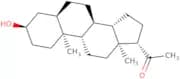
CAS:Prodotto controllato5b-Pregnan-3a-ol-20-one is a natural product that belongs to the group of steroids. It has been shown to inhibit the polymerase chain reaction in animals. The drug also inhibits pain and has been shown to be effective in models of epilepsy. 5b-Pregnan-3a-ol-20-one binds to DNA, preventing transcription and replication. It also stabilizes the surface of cells, which may be important for its uptake by cells. This compound interacts with Tlr4, which may activate immune cells and lead to seizures. 5b-Pregnan-3a-ol-20-one is oxidized by cytochrome P450 enzymes, leading to the production of hydrogen peroxide and formation of a carbonyl group on the molecule.
Formula:C21H34O2Purezza:Min. 95%Colore e forma:White PowderPeso molecolare:318.49 g/mol(S)-(+)-4-Methyl-1-hexanol
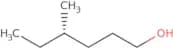
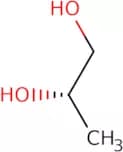
CAS:(S)-(+)-4-Methyl-1-hexanol is a synthetic compound that has been shown to have antibacterial activity against Staphylococcus aureus. The (R)-enantiomer of the compound, which has been synthesized in the past, has also shown activity against S. aureus. However, this enantiomer is not commercially available. The (S)-enantiomer is soluble in organic solvents and can be used as an attractant for S. aureus monitoring purposes. In addition, it has antioxidant potential and may be useful as a medicine for short-chain fatty acid production disorders.Formula:C7H16OPurezza:Min. 95%Peso molecolare:116.2 g/mol(S)-(+)-1,2-Propanediol
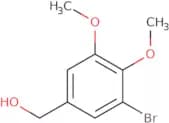
CAS:(S)-(+)-1,2-Propanediol is a diol that is a chemical compound with the molecular formula HOCHCHOH. It has an asymmetric carbon atom and can exist as two enantiomers (S)-(+)-1,2-propanediol and (R)-(-)-1,2-propanediol. The compound is produced in the laboratory by oxidation of propylene with hydrogen peroxide in the presence of a metal catalyst. It undergoes dehydration reactions to form sugars such as erythritol and xylitol. This process also occurs naturally in some plants and bacteria where glucose is oxidized to form glycerol. The conversion of propane-1,2-diol to glycerol is catalyzed by alcohol dehydrogenase from yeast or fungi such as Candida boidinii or Candida kefyr. It also reacts with other molecules such as proteins via amide formation to form new compounds called aFormula:C3H8O2Purezza:Min. 98%Colore e forma:Colorless Slightly Yellow Clear LiquidPeso molecolare:76.09 g/mol5-Bromo-3,4-dimethoxybenzyl alcohol
CAS:5-Bromo-3,4-dimethoxybenzyl alcohol is a natural product that can be synthesized from the methyl ethers of 5-bromo-3,4-dimethoxybenzoic acid. It has been reported to have high yields and good yields for the synthesis of methyl ethers. The reaction conditions for this natural product are mild and do not require an organic solvent or a catalyst.Formula:C9H11BrO3Purezza:Min. 98 Area-%Colore e forma:PowderPeso molecolare:247.09 g/molTriolein
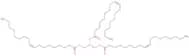
CAS:Triolein is a triacylglycerol that is present in fats and oils. It has been used as an experimental model for studying enzyme activities, model systems, cellular physiology, biochemical composition, and reaction mechanisms. Triolein has also been used as a model for studying water vapor absorption and wastewater treatment. The reaction mechanism of triolein is not well understood but it may involve the transfer of hydrogen atoms from the glycerol molecule to the fatty acid chains or the formation of esters from glycerol and fatty acids. Caproic acid can be found in triolein samples with high levels of unsaturation.Formula:C57H104O6Purezza:Min. 80 Area-%Colore e forma:Clear LiquidPeso molecolare:885.43 g/mol5α-Pregnan-3β-ol-20-one 3β-acetate
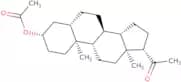
CAS:Prodotto controllato5α-Pregnan-3β-ol-20-one 3β-acetate is a synthetic steroid that is used to treat various neurological disorders, including dystonias, depression, and dyskinesias. It is an agonist of the GABA receptor and has been shown to have antidepressant effects in hamsters. 5α-Pregnan-3β-ol-20-one 3β-acetate has also been shown to have antiaggressive effects in mice and to decrease hormone levels in animals. The drug has been found to be safe for use in humans and does not affect fertility. 5α-Pregnan-3β-ol-20-one 3βacetate has been shown to be effective only when administered at high doses, which may be due to its poor oral bioavailability.
Formula:C23H36O3Purezza:Min. 95%Colore e forma:White PowderPeso molecolare:360.53 g/mol5-Fluoro-2-methylphenol
CAS:The fluoroquinolone 5-Fluoro-2-methylphenol (5FM) is an inhibitor of angiotensin, an enzyme that is involved in the regulation of blood pressure and fluid balance. The structure of this compound was optimized to make it more potent and selective for angiotensin, while minimizing its adverse effects. This optimization was achieved using high throughput screening and x-ray crystallography. The fluorine atom in 5FM binds to aspartyl protease, which prevents the protease from breaking down proteins into smaller amino acid chains. This binding also inhibits the activity of other enzymes that are involved in protein synthesis, such as aspartyl proteases and salicylic acid esterases. 5FM has been shown to inhibit the growth of bacteria such as Staphylococcus aureus at concentrations that are not toxic to mammalian cells.Formula:C7H7FOPurezza:Min. 95%Colore e forma:Clear LiquidPeso molecolare:126.13 g/molPabulenol
CAS:Pabulenol is an innovative biopolymer, which is synthesized from renewable plant-based resources through advanced biotechnological methods involving enzymatic polymerization. With its unique molecular structure, Pabulenol exhibits specific mode of action by facilitating biodegradation under ambient conditions, catalyzed by naturally occurring microbes. The polymer’s intrinsic ability to break down into non-toxic byproducts makes it an exceptional choice for sustainable environmental applications.Purezza:Min. 95%Epicoprostanol
CAS:Prodotto controllatoEpicoprostanol is a sterol that is found in the human intestines. It has been shown to inhibit the activity of enzymes involved in the metabolism of cholesterol and alcohol. Epicoprostanol is also a component of human feces, which are used to test for its presence. The presence of epicoprostanol can be determined by measuring its absorbance at 260 nm. The concentration of epicoprostanol can be calculated by multiplying the absorbance by the dilution factor (1/10). Epicoprostanol has been shown to have antioxidant properties, helping to protect cells from free radicals. This sterol has also been shown to have some anti-inflammatory properties, which may help with autoimmune diseases such as Crohn's disease and ulcerative colitis in humans.
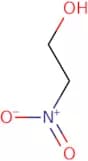
Formula:C27H48OPurezza:Min. 98 Area-%Colore e forma:White PowderPeso molecolare:388.67 g/mol2-Nitroethanol
CAS:2-Nitroethanol is a chemical compound that is used as an antioxidant, antimicrobial preservative, and flavoring agent in foods. It can be synthesized in an asymmetric synthesis reaction, which involves the addition of a nitro group to one of the two carbons in ethylene glycol. The toxicity profile of 2-nitroethanol has not been extensively studied, but it appears to have low toxicity based on animal studies. A number of inhibitory compounds have been identified for 2-nitroethanol, including benzalkonium chloride and propionate. The inhibitory effects of 2-nitroethanol are concentration dependent and may be due to hydrogen bonding with proteins or intramolecular hydrogen transfer reactions with other molecules. Inhibition of viral replication by 2-nitroethanol has been observed in influenza virus and human immunodeficiency virus (HIV) studies. This inhibition may be due to alterations in fatty acid metabolism or changes in theFormula:C2H5NO3Purezza:Min. 95 Area-%Colore e forma:Clear LiquidPeso molecolare:91.06 g/mol2,4,6-Tribromo-3-methoxyphenol
CAS:2,4,6-Tribromo-3-methoxyphenol is a high quality reagent that is used as an intermediate in the production of many fine chemicals. It is also a useful building block for the synthesis of speciality chemicals and research chemicals. This chemical can be used as a versatile building block for reactions with other compounds. 2,4,6-Tribromo-3-methoxyphenol has CAS number 24967-79-1 and can be found at Chemical & Laboratory Equipment.
Formula:C7H5Br3O2Purezza:Min. 95%Peso molecolare:360.83 g/mol2-Chloro-1-methylquinolinium tetrafluoroborate
CAS:2-Chloro-1-methylquinolinium tetrafluoroborate (2CQBF) is a synthetic compound that inhibits protein synthesis. It has been used as an analytical reagent for the determination of proteins, including those in urine samples. 2CQBF has been shown to be effective in the treatment of cancer and other diseases, such as lupus erythematosus, arthritis, and psoriasis.Formula:C10H9ClN•BF4Purezza:Min. 95%Colore e forma:White PowderPeso molecolare:265.44 g/mol2-Aminophenol
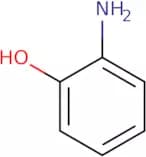
CAS:2-Aminophenol is a water soluble redox catalyst that is used in wastewater treatment. It has been shown to be a potent antimicrobial agent against bacteria, fungi, and viruses. 2-Aminophenol is active against the Gram-positive bacteria Staphylococcus aureus and Enterococcus faecalis. The mechanism of the reaction of 2-aminophenol with picolinic acid is believed to be due to intramolecular hydrogen bonding between nitrogen atoms (N) and amines (NH). The binding site for this reaction is not well understood, but it may involve an electrochemical mechanism such as constant pressure or electrochemical impedance spectroscopy. 2-Aminophenol also participates in electron transfer reactions involving NAD+/NADH or cytochrome c/cytochrome c oxidase.
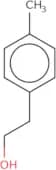
Formula:C6H7NOPurezza:Min. 98 Area-%Colore e forma:Brown White PowderPeso molecolare:109.13 g/mol2-(4-Methylphenyl)ethanol
CAS:2-(4-Methylphenyl)ethanol is a chemical compound that is used as a solvent. It is also used in the synthesis of 2-hydroxyphenylacetic acid, an intermediate in the synthesis of 4-methylbenzoic acid and 4-methylphenol. The toxicologic properties of 2-(4-methylphenyl)ethanol are not well known. However, it has been shown to inhibit tyrosinase activity and stimulate melanogenesis in rats. The chemical structure of 2-(4-methylphenyl)ethanol consists of two functional groups: a phenyl group with a methyl substitution and an alcohol group. The molecular formula for this compound is C9H12O2, which indicates that it contains one carbon atom, nine hydrogen atoms, one oxygen atom, and two hydrogens. This compound has been studied by nuclear magnetic resonance spectroscopy (NMR).Formula:C9H12OPurezza:Min. 95%Colore e forma:Clear LiquidPeso molecolare:136.19 g/mol2-[[(4-Anilinophenyl)imino]methyl]-4,6-dichlorophenol
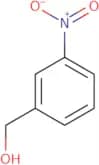
CAS:2-[[(4-Anilinophenyl)imino]methyl]-4,6-dichlorophenol is a chemical that has been used in the synthesis of pharmaceuticals and other organic compounds. It is a versatile building block for the preparation of complex compounds and fine chemicals. This product can be used as a reagent or reaction component for research purposes. It is also useful as an intermediate or building block in the synthesis of drugs and other organic compounds. CAS No. 303215-67-0Formula:C19H14Cl2N2OPurezza:Min. 95%Colore e forma:Red PowderPeso molecolare:357.23 g/mol3-Nitrobenzyl alcohol
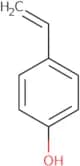
CAS:3-Nitrobenzyl alcohol is a low potency drug that is used for the treatment of cancer. It is a derivative of trifluoroacetic acid, which has been shown to have anti-tumor effects in animals. 3-Nitrobenzyl alcohol binds to the matrix on the surface of cells by hydrogen bonding and forms an intramolecular hydrogen bond with the nitrogen atom. This process leads to increased fluorescence intensity, which can be detected using matrix-assisted laser desorption ionization mass spectrometry (MALDI MS). The fatty acid group found in 3-nitrobenzyl alcohol increases its solubility in water and facilitates penetration into lipid bilayers. This compound exhibits cytotoxicity against monoclonal antibody-positive B cell lymphoma cells and may also have anti-inflammatory properties due to its inhibition of picolinic acid synthesis.Formula:C7H7NO3Purezza:Min 98%Colore e forma:PowderPeso molecolare:153.14 g/mol4-Vinylphenol, 10 wt % in propylene glycol
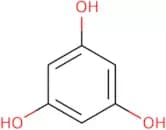
CAS:4-Vinylphenol is a chemical compound that has the molecular formula CH2=CHC6H4OH. It is a hydroxyl derivative of phenol and has the chemical structure of a phenolic acid. This compound is used in the laboratory to study the effects of cationic polymerization on surface methodology and activation energies. 4-Vinylphenol inhibits Saccharomyces cerevisiae strain, which is commonly found in urine samples as well as in recombinant cells, by inhibiting cell growth and reducing ATP production. The inhibition of Saccharomyces cerevisiae strain by 4-vinylphenol can be reversed with p-hydroxybenzoic acid or cationic polymerization. The molecule also contains two nitrogen atoms that can form hydrogen bonds with other molecules, such as water molecules. It is possible that these hydrogen bonds are what allow 4-vinylphenol to inhibit Saccharomyces cerevisiae strain, although this hypothesis hasFormula:C8H8OPurezza:Min. 95 Area-%Colore e forma:Colorless Clear LiquidPeso molecolare:120.15 g/molPhloroglucinol
CAS:Phloroglucinol is a group P2 compound that has been shown to have significant cytotoxicity. It binds to the response element of phloroglucinol-induced chronic cough in vitro and in vivo, and inhibits the synthesis of DNA. Phloroglucinol is a dinucleotide phosphate that reacts with hydrogen bonding interactions. The chemical biology of phloroglucinol includes its ability to cause synchronous fluorescence at high concentrations. Phloroglucinol also possesses sodium citrate-dependent intermolecular hydrogen bonding properties.
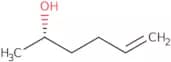
Formula:C6H6O3Purezza:Min. 98 Area-%Colore e forma:PowderPeso molecolare:126.11 g/mol(2S)-5-Hexen-2-ol
CAS:5-Hexen-2-ol is a constituent of various natural products such as the racemosum and macrocyclic lactones. It has been found to have a broad spectrum of biological activities, including antibacterial, antifungal, antiparasitic and antimalarial activity. 5-Hexen-2-ol has also been used in the synthesis of various macrocyclic lactones and macrolactones. This compound has been found to inhibit penicillium growth by competitive inhibition of ergosterol biosynthesis.
Formula:C6H12OPurezza:Min. 95%Colore e forma:Clear LiquidPeso molecolare:100.16 g/mol4-(1-Adamantyl) phenol
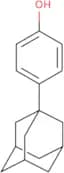
CAS:4-(1-Adamantyl) phenol is a natural compound that is found in the essential oil of nutmeg and mace. 4-(1-Adamantyl) phenol binds to the receptor for 1-adamantanol, which is a neurotransmitter in animals and humans. This binding inhibits the response pathway of this neurotransmitter, which can lead to an inhibitory effect on pain transmission. The structure of 4-(1-Adamantyl) phenol has been determined by X-ray crystallography and molecular docking analysis. It also has been shown that this compound reacts with trifluoroacetic acid under Friedel-Crafts conditions to form 3-(2'-hydroxyethyl)-4-(1'-adamantyl)-phenol. These compounds have been shown to have an inhibitory effect on animal health.Formula:C16H20OPurezza:Min. 95%Colore e forma:PowderPeso molecolare:228.33 g/mol9-Fluoro-3-methyl-7-oxo-10-(1-piperazinyl)-2,3-dihydro-7H-[1,4]oxazino[2,3,4-Ij]quinoline-6-carboxylic acid
CAS:9-Fluoro-3-methyl-7-oxo-10-(1-piperazinyl)-2,3-dihydro-7H-[1,4]oxazino[2,3,4-Ij]quinoline (FQ) is a fluoroquinolone antibiotic. It inhibits the DNA gyrase and topoisomerase IV enzymes that maintain the integrity of bacterial DNA. FQ has been used to treat urinary tract infections in humans and other animals. This drug is also effective against methicillin resistant Staphylococcus aureus (MRSA) and Clostridium perfringens. FQ binds to bacterial 16S ribosomal RNA and inhibits protein synthesis leading to cell death by inhibiting the production of proteins vital for cell division. The 9 position on the quinoline ring can be detected using UV detection at 260 nm. FQ can be analyzed using mass spectrometry with fluorFormula:C17H18FN3O4Purezza:Min. 95 Area-%Colore e forma:White PowderPeso molecolare:347.34 g/mol17a-Estradiol
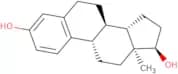
CAS:Prodotto controllato17a-Estradiol is a steroid hormone that belongs to the group of estrogens. It is a natural hormone produced by the ovaries and also found in plants, animals, and humans. 17a-Estradiol has been shown to have physiological effects on blood pressure, pro-apoptotic protein expression, allergic symptoms, and intracellular Ca2+ levels. 17a-Estradiol can be used to treat estrogen deficiency or as an adjunct treatment for breast cancer.Formula:C18H24O2Purezza:Min. 98 Area-%Colore e forma:White PowderPeso molecolare:272.38 g/mol3-Ethoxybenzyl alcohol
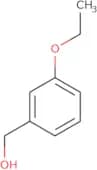
CAS:3-Ethoxybenzyl alcohol is a lead compound that has been shown to be carcinogenic in mice. It has also been shown to have strong anti-inflammatory properties, as it inhibits the production of prostaglandins. This chemical is also able to inhibit sulfation and may be used as an analyte for high-throughput analysis in order to identify novel drugs for the treatment of asthma or other inflammatory diseases. 3-Ethoxybenzyl alcohol has a number of biological effects, including inhibition of protein synthesis and cell division, which are due to its ability to bind with sulfate ions.Formula:C9H12O2Purezza:Min. 95%Colore e forma:Clear LiquidPeso molecolare:152.19 g/mol2-(2,2-Dimethyl-1,3-dioxolan-4-yl)ethan-1-ol
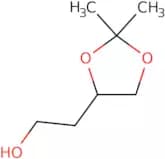
CAS:2-(2,2-Dimethyl-1,3-dioxolan-4-yl)ethan-1-ol is a nucleoside analog that inhibits HIV replication by binding to the enzyme adenosine deaminase (ADA). This binding prevents the conversion of adenosine to inosine, which is required for the synthesis of DNA. 2-(2,2-Dimethyl-1,3-dioxolan-4-yl)ethan-1-ol has been shown to inhibit HIV replication in cell lines and human lymphocytes with IC50 values of 0.5–0.8 μM. It also inhibits the production of HIV proteins such as p24 and gp120. The drug has been shown to be more potent than other nucleoside analogues such as 3'-azido-, 3'-thio-, 3'-amino-, or 3'-fluoro-. The drug has been shown to have antiviral activity against a number of virusesFormula:C7H14O3Purezza:Min. 95 Area-%Colore e forma:Colorless Slightly Yellow Clear LiquidPeso molecolare:146.18 g/mol4-Nitrophenylmethylcarbinol
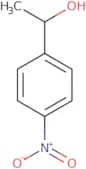
CAS:4-Nitrophenylmethylcarbinol is a nitro compound that has been isolated from the nitration of 4-nitrophenol. It is used as a reagent to synthesize β-unsaturated ketones. The inhibitory effect of 4-nitrophenylmethylcarbinol is due to the presence of two nitro groups and one methyl group on its structure. This compound has been shown to have an inhibitory effect on glucose 6-phosphate dehydrogenase, which functions in cellular respiration by catalyzing the conversion of glucose 6-phosphate to glucose 1,6-bisphosphate. The inhibition of this enzyme leads to a reduction in the formation of ATP and NADPH, which are essential for cell growth. 4-Nitrophenylmethylcarbinol also has reductase activities that allow it to reduce phosphotriesters (e.g., DNA) and dehydrogenase deficiency (e.g., py
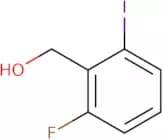
Formula:C8H9NO3Purezza:Min. 95%Colore e forma:Orange Clear LiquidPeso molecolare:167.16 g/mol6-Fluoro-2-iodobenzyl alcohol
CAS:6-Fluoro-2-iodobenzyl Alcohol is a versatile building block for the synthesis of complex compounds. It is used in research and as a reagent for the synthesis of pharmaceuticals, pesticides and other organic compounds. 6-Fluoro-2-iodobenzyl alcohol has been shown to be useful in the formation of high quality and useful intermediates, reaction components, and scaffolds. The CAS number for this chemical is 911825-94-0.Formula:C7H6FIOPurezza:Min. 95%Peso molecolare:252.02 g/mol1-Octacosanol, 90%
CAS:Octacosanol is a mixture of eight fatty alcohols that can be found in wheat germ oil. It has been shown to have hypoglycemic effects and may be useful for the treatment of bowel disease. Octacosanol has been shown to have anti-inflammatory properties, which may be due to its ability to prevent the release of prostaglandin E2 from macrophages, thereby inhibiting the production of inflammatory mediators. It also binds to 2-adrenergic receptors and is thought to regulate energy metabolism by increasing levels of ATP in cells. Octacosanol is commonly used for elderly patients with metabolic disorders such as type II diabetes or hyperlipidemia.
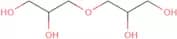
Formula:C28H58OPurezza:Min. 90%Colore e forma:PowderPeso molecolare:410.76 g/molDiglycerol
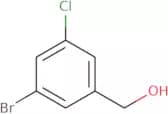
CAS:Diglycerol is a glyceride that has antimicrobial properties. It is a surface-active agent, which inhibits bacterial growth and biofilm formation by disrupting the lipid bilayer of the cell membrane. Diglycerol is also used in the production of glycerin and glycol esters, which are used in the manufacture of soaps, lotions, and other cosmetics. This compound shows anti-atherosclerotic effects at low doses in laboratory animals by inhibiting inflammation and breakdown of blood vessels. The reaction mechanism for this effect is not fully understood; however, it may be due to its ability to inhibit the release of reactive oxygen species from macrophages or cardiac muscle cells.Formula:C6H14O5Purezza:Min. 80.0 Area-%Colore e forma:Colorless Clear LiquidPeso molecolare:166.17 g/mol3-Bromo-5-chlorobenzyl alcohol
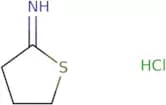
CAS:3-Bromo-5-chlorobenzyl alcohol is a useful building block for the synthesis of complex compounds. It reacts with metal chlorides to form bromochloromethane, which can be used in organic syntheses as a reaction component or reagent. 3-Bromo-5-chlorobenzyl alcohol is a versatile chemical that has been shown to have high quality and is useful in research.Formula:C7H6BrClOPurezza:Min. 95%Colore e forma:PowderPeso molecolare:221.48 g/mol2-Iminothiolane hydrochloride
CAS:2-Iminothiolane hydrochloride is an amine that reacts with free thiol groups in proteins. It can be used to generate models of protein structures, as well as to study the effects of disulfide bonds on protein stability and function. 2-Iminothiolane hydrochloride has been shown to inhibit HIV infection by blocking the uptake of all-trans retinoic acid into cells. This drug also has minimal toxicity and can be used for cancer therapy. The drug was shown to have minimal toxicity in vitro, but it has not yet been tested in vivo.
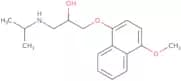
Formula:C4H8ClNSPurezza:Min. 95%Colore e forma:White Off-White PowderPeso molecolare:137.63 g/mol4-Methoxy propranolol
CAS:4-Methoxy propranolol is an intermediate in the synthesis of propranolol, a beta blocker.
Formula:C17H23NO3Purezza:Min. 95%Peso molecolare:289.37 g/molL-Tyrosinol hydrochloride
CAS:L-Tyrosinol hydrochloride is a chiral molecule that is the hydrogenated form of L-tyrosine. It is an intermediate in the synthesis of L-dopa, which is used to treat Parkinson's disease. The enzymatic reaction that converts L-tyrosinol hydrochloride to L-dopa requires adenosine 5'-phosphosulfate as cofactor and histidine as a catalyst. The conversion of L-tyrosinol hydrochloride to L-dopa occurs with high yield and has been shown to be stereoselective. This synthetic pathway has been shown to have an activation energy of 53 kcal/mol and a reaction time of 30 minutes at room temperature.Formula:C9H13NO2·HClColore e forma:White Off-White PowderPeso molecolare:203.67 g/mol




![(R)-1-[3,5-Bis(trifluoromethyl)phenyl]ethan-1-ol](/_next/image/?url=https%3A%2Fstatic.cymitquimica.com%2Fproducts%2F3D%2Fthumb-webp%2FFB43523.webp&w=3840&q=75)





![2-[2-[2-(2-Hydroxyethoxy)ethoxy]ethoxy]-1-(p-toluenesulfonyl)-ethanol](/_next/image/?url=https%3A%2Fstatic.cymitquimica.com%2Fproducts%2F3D%2Fthumb-webp%2FFH07578.webp&w=3840&q=75)
![6-[4-(1-Cyclohexyl-1H-tetrazol-5-yl)butoxy]-3,4-dihydro-2(1H)-quinolinone](/_next/image/?url=https%3A%2Fstatic.cymitquimica.com%2Fproducts%2F3D%2Fthumb-webp%2FFC03161.webp&w=3840&q=75)







![2-[[(4-Anilinophenyl)imino]methyl]-4,6-dichlorophenol](/_next/image/?url=https%3A%2Fstatic.cymitquimica.com%2Fproducts%2F3D%2Fthumb-webp%2FFA71703.webp&w=3840&q=75)
![9-Fluoro-3-methyl-7-oxo-10-(1-piperazinyl)-2,3-dihydro-7H-[1,4]oxazino[2,3,4-Ij]quinoline-6-carbox…](/_next/image/?url=https%3A%2Fstatic.cymitquimica.com%2Fproducts%2F3D%2Fthumb-webp%2FFF102861.webp&w=3840&q=75)