Alcoli
Sottocategorie di "Alcoli"
Trovati 5817 prodotti di "Alcoli"
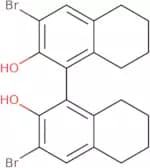
(S)-3,3'-Dibromo-5,5',6,6',7,7',8,8'-octahydro-1,1'-binaphthalene-2,2'-diol
CAS:(S)-3,3'-Dibromo-5,5',6,6',7,7',8,8'-octahydro-1,1'-binaphthalene-2,2'-diol is a synthetic compound that has been prepared by a Diels-Alder reaction. It is used as an asymmetric synthesis catalyst for the production of optically active compounds. The ligands are catalysts for the reaction and can be easily replaced with different ligands to produce different products. This compound has been researched for its potential use in the production of pharmaceuticals and other chemicals.Formula:C20H20Br2O2Purezza:Min. 95%Colore e forma:White To Yellow SolidPeso molecolare:452.18 g/mol5-Nitro-2-aminophenol
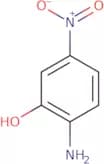
CAS:5-Nitro-2-aminophenol is an aminophenol that has been shown to be a carcinogen in animal studies. It can cause allergic reactions and has been shown to have oxidative DNA damage, which can lead to cancer. 5-Nitro-2-aminophenol is used as a chemical intermediate in the preparation of other chemicals and pharmaceuticals. This chemical has been studied extensively for its analytical properties and is used as a reagent in chromatography. The coordination geometry of 5-nitro-2-aminophenol is octahedral, with nitro groups occupying one axial site each. The toxicity of this compound in animals has been studied extensively, including carcinogenic potential and mutagenicity studies, and it has been shown to inhibit the growth of cultured cells at high concentrations.Formula:C6H6N2O3Purezza:Min. 95%Peso molecolare:154.12 g/mol3-Piperidin-1-ylpropan-1-ol
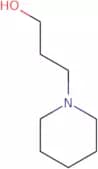
CAS:3-Piperidin-1-ylpropan-1-ol is a substance that is structurally related to biperiden and has affinity for the H3 receptor. It has been shown to have a high affinity for the H3 receptor, which is found in high concentration in the rat brain. 3-Piperidin-1-ylpropan-1-ol has been shown to have antagonistic activity against neuropathic pain in rats, by inhibiting the release of norepinephrine from nerve endings. This substance also has antihistaminic properties, which may be due to its ability to inhibit histamine release. 3-Piperidin-1-ylpropan-1-ol is an enantiomer of piperidine, with a slightly higher affinity for the H3 receptor than its mirror image. The racemic mixture isomeric form (i.e., both enantiomers) inhibits the H3 receptor with an equal potency,Formula:C8H17NOPurezza:Min. 95%Colore e forma:Colorless Clear LiquidPeso molecolare:143.23 g/mol6,6-Dimethyl-1-heptene-4-yn-3-ol
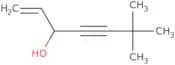
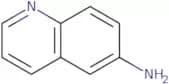
CAS:6,6-Dimethyl-1-heptene-4-yn-3-ol is a chlorinating agent that is used in the production of epidermophyton. It also has antifungal properties and can be used as an antimycotic. 6,6-Dimethyl-1-heptene-4-yn-3-ol can be added to hydrochloric acid or magnesium chloride to form an acetylide. This agent has been shown to have selective chlorination activity at temperatures below 10°C. It is also capable of minimizing organometallic chloride catalysts and has been shown to reduce microsporum gypseum and microsporum titinium at pH 2.5.Formula:C9H14OPurezza:Min. 95%Colore e forma:Colourless To Yellow LiquidPeso molecolare:138.21 g/mol6-Aminoquinoline
CAS:6-Aminoquinoline is a chemical compound that is used as an intermediate in the synthesis of other compounds. It has been found to be effective in inhibiting the growth of human cancer cells and cell lines by binding to amines, which are important for cell proliferation. 6-Aminoquinoline also inhibits epidermal growth factor (EGF) and its receptor, which may be due to its ability to inhibit the transfer of phosphate groups from ATP to EGF. 6-Nitroquinoline, which is derived from 6-aminoquinoline, has been shown to have antiinflammatory activity.
Formula:C9H8N2Purezza:Min. 95%Colore e forma:Yellow PowderPeso molecolare:144.17 g/mol1-O-Hexadecyl-sn-glycerol
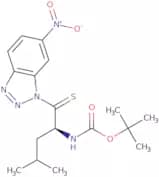
CAS:1-O-Hexadecyl-sn-glycerol is a glycol ether that is used as a surfactant and emulsifier in cosmetic products. It has been shown to have minimal toxicity, and to not be carcinogenic or teratogenic. 1-O-Hexadecyl-sn-glycerol has been shown to increase the stability of proteins in rat liver microsomes, and it also prevents the hydrolysis of carbohydrates. The surface glycoprotein adsorbed by 1-O-Hexadecyl-sn-glycerol may play an important role in the binding of monoclonal antibodies. This compound affects cellular calcium levels, with high concentrations resulting in increased cytosolic calcium concentrations. Zirconium oxide can replace calcium ions in 1-O-Hexadecyl-sn-glycerol for this purpose, although this substitution reduces enzyme activity.Formula:C19H40O3Purezza:Min. 95%Peso molecolare:316.52 g/molBoc-Thionoleu-1-(6-nitro)benzotriazolide
CAS:Please enquire for more information about Boc-Thionoleu-1-(6-nitro)benzotriazolide including the price, delivery time and more detailed product information at the technical inquiry form on this pageFormula:C17H23N5O4SPurezza:Min. 95%Peso molecolare:393.46 g/mol2-Bromo-1-indanol
CAS:2-Bromo-1-indanol is an industrial solvent used in the production of dyes, pigments, perfumes, pharmaceuticals, and other organic compounds. It is a chiral compound with two stereoisomers (R and S) that have different properties. The R isomer has a hydroxyl group on the 2 position of the indane ring, while the S isomer does not. The industrial process involves recycling of 2-bromo-1-indanol from the reaction mixture. This process can be monitored using mass spectrometric detection for bromine and hydrogen ions released during hydrolysis. 2-Bromo-1-indanol can be used to synthesize methoxybenzaldehyde with high regioselectivity, which can then be used to make some drugs such as amphetamine and methamphetamine.Formula:C9H9BrOPurezza:Min. 95%Colore e forma:PowderPeso molecolare:213.07 g/mol8-Quinolinesulfonyl chloride
CAS:8-Quinolinesulfonyl chloride (8QSC) is a quinoline derivative that has been shown to have anticancer activity. 8QSC binds to the receptor site of cells and inhibits the production of amines, which are important for cell growth and proliferation. It also binds to hydrogen bonds, which may be involved in the cytotoxicity observed in pancreatic cancer cells. 8QSC shows significant cytotoxicity against Panc-1 cells, but not against NIH 3T3 cells. This may be due to its ability to form supramolecular aggregates with copper ions and quinoline derivatives.Purezza:Min. 95%4-Fluoromethyl-alpha-methylbenzyl alcohol
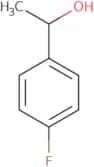
CAS:4-Fluoromethyl-alpha-methylbenzyl alcohol is a nonclassical molecule that has been synthesized. This molecule has been modeled computationally and the results indicate that it exhibits a planar geometry with a diastereomeric ratio of 1:1. The theoretical calculations show that the reaction of 4-fluoromethyl-alpha-methylbenzyl alcohol with water is exothermic, which would result in the formation of an intermediate hydroxide ion. Kinetic studies have shown that this molecule can undergo transfer reactions and dehydrogenation reactions, both of which are possible mechanisms for its reactivity.
Formula:C8H9FOPurezza:Min. 95%Peso molecolare:140.15 g/molZ-His(Z)-OH ethanol solvate
Please enquire for more information about Z-His(Z)-OH ethanol solvate including the price, delivery time and more detailed product information at the technical inquiry form on this pageFormula:C22H21N3O6Purezza:Min. 95%Peso molecolare:423.42 g/mol7-Fluoro-2-methylquinoline
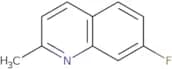
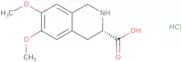
CAS:7-Fluoro-2-methylquinoline is a multistep synthetic compound that belongs to the family of quinoxalines. It has been shown to have potent antibacterial activity against a wide range of bacteria, including methicillin-resistant Staphylococcus aureus (MRSA) and Mycobacterium tuberculosis. 7-Fluoro-2-methylquinoline was developed as an analog of the natural product quinoxaline. The key step in its synthesis is the reaction between an aldehyde and hydroxyalkylating reagent in the presence of iron catalyst. This process results in the formation of functional groups such as hydroxyls, alkoxy, or halogens.Formula:C10H8FNPurezza:Min. 95%Colore e forma:White PowderPeso molecolare:161.18 g/mol(S)-(-)-6,7-Dimethoxy-1,2,3,4-tetrahydroisoquinoline-3-carboxylic acid hydrochloride
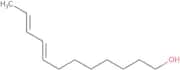
CAS:(S)-(-)-6,7-Dimethoxy-1,2,3,4-tetrahydroisoquinoline-3-carboxylic acid hydrochloride is a synthetic chiral compound that is used to study the role of glyoxylate in biochemical reactions. This drug is an enolate and alkylating agent that can react with nucleophiles such as amines and thiols. It has been shown to be effective against perchlorates by hydrolyzing them into chlorine and oxygen gas. This drug has also been shown to inhibit the growth of Rhodobacter sphaeroides by inhibiting glyoxylate metabolism.Formula:C12H15NO4·HClPurezza:Min. 95%Colore e forma:White PowderPeso molecolare:273.71 g/mol(8E,10E)-Dodeca-8,10-dien-1-ol
CAS:Codlemone is a pheromone that is secreted by the female codling moth (Cydia pomonella) to attract males for mating. This compound has been shown to have pesticidal activity against various insect species, including codling moths, fruit flies, and aphids. Codlemone is an odorant that binds to olfactory receptors in insects and mammals. It has been shown to bind to the OR1 receptor in mammalian cells and may be involved in physiological functions such as reproduction, stress response, and sexual behavior. The biosynthesis of codlemone starts with the conversion of fatty acid into fatty acid esters by means of transfer reactions with alcohols or alkyl halides. These esters are then converted into dienols by the action of aldehyde oxidase. The dienols are then converted into the final product by means of a palladium-catalyzed coupling reaction with acetaldehyde.
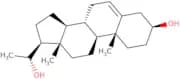
Formula:C12H22OPurezza:90%MinColore e forma:Clear LiquidPeso molecolare:182.3 g/mol20b-Dihydro pregnenolone
CAS:Prodotto controllatoPregnenolone is a steroid hormone that is synthesized from cholesterol and secreted into the blood. It can be converted to other steroids such as progesterone, testosterone, and estradiol. Pregnenolone sulfate (PS) is a metabolite of pregnenolone that is produced by the enzyme steroid sulfatase. PS is an endogenous steroid hormone that has been shown to have potentiating effects on memory. This drug also inhibits the activity of sulfatase enzymes, which are responsible for breaking down steroids in the body.Formula:C21H34O2Purezza:Min. 95%Colore e forma:PowderPeso molecolare:318.49 g/molTriglycerol monolaurate
CAS:Triglycerol monolaurate (GLA) is a fatty acid that can be synthesized by reacting glycerol with lauric acid. It has been shown to have antimicrobial properties, inhibiting the growth of fungi such as flavus and staphylococcus. GLA also inhibits the production of lipase and protease, enzymes that are required for the digestion of dietary fats. GLA has been used in infant formulas to inhibit the growth of bacteria, such as p. aeruginosa, which may cause infantile diarrhea. Triglycerol monolaurate is also used as dietary supplement to treat eczema due to its inhibitory effect on inflammatory cytokines such as tumor necrosis factor-α (TNF-α).
Formula:C21H42O8Purezza:Min. 95%Peso molecolare:422.55 g/mol5-glutinen-3-ol
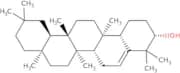
CAS:Prodotto controllato5-Glutinen-3-ol is an antiinflammatory compound that belongs to the group of bioactive phenolic compounds. It has significant cytotoxicity and can be used in cancer therapy. 5-Glutinen-3-ol has been shown to inhibit the proliferation of cervical cancer cells by inducing apoptosis through a mechanism involving the activation of gamma-aminobutyric acid (GABA) receptors. This compound also inhibits oxidative stress induced by reactive oxygen species and protects cells from DNA damage, which may protect against cancer. 5-Glutinen-3-ol also has antioxidant properties, which can help prevent or alleviate metabolic disorders such as diabetes mellitus and atherosclerosis.Formula:C30H50OPurezza:Min. 95%Peso molecolare:426.72 g/mol4-Methylaminophenol sulfate
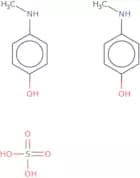
CAS:4-Methylaminophenol sulfate is an enzyme substrate that is used in the analytical method for determining the concentration of potassium dichromate. It is prepared by reacting 4-methylaminophenol with sulfuric acid, and its optimum concentration is 0.2 mM. The linear calibration curve was obtained at a pH range of 2 to 5.4 and a temperature range of 25 to 37°C. The analytical method can be applied to human serum samples and has been shown to be applicable for studies on autoimmune diseases and anthelmintics.Formula:C7H9NO•(H2O4S)0Purezza:Min. 95%Colore e forma:White PowderPeso molecolare:344.39 g/mol(3R,5S)-5-(Hydroxymethyl)pyrrolidin-3-ol hydrochloride
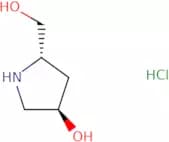
CAS:Please enquire for more information about (3R,5S)-5-(Hydroxymethyl)pyrrolidin-3-ol hydrochloride including the price, delivery time and more detailed product information at the technical inquiry form on this pagePurezza:Min. 95%12-Fluorododecan-1-ol
CAS:12-Fluorododecan-1-ol is a volatile chemical compound that is found in the exoskeleton of termites. It has been shown to be a major component of the termiticide, FluoroCitrate. 12-fluorododecan-1-ol can be used to control the growth of insect populations by interfering with their ability to synthesize fatty acids and alcohols. It also has an effect on protein synthesis and inhibits the activity of citrate synthase, which is an enzyme involved in glycolate metabolism. This compound is also toxic to some species of insects such as Rhinotermitidae. 12-fluorododecan-1-ol can be used as a marker for Reticulitermes flavipes (a type of wood eating cockroach) and it can be used to distinguish between different species or strains of termites.Formula:C12H25FOPurezza:Min. 95%Colore e forma:Clear LiquidPeso molecolare:204.32 g/mol4-(2-Oxiranylmethoxy)benzeneethanol
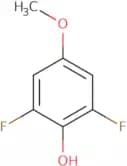
CAS:Please enquire for more information about 4-(2-Oxiranylmethoxy)benzeneethanol including the price, delivery time and more detailed product information at the technical inquiry form on this pageFormula:C11H14O3Purezza:Min. 95%Peso molecolare:194.23 g/mol2,6-Difluoro-4-methoxyphenol
CAS:Please enquire for more information about 2,6-Difluoro-4-methoxyphenol including the price, delivery time and more detailed product information at the technical inquiry form on this page
Formula:C7H6F2O2Purezza:Min. 95%Colore e forma:PowderPeso molecolare:160.12 g/mol7-[(2S,3R)-3-Amino-2-methyl-azetidin-1-yl]-1-(2,4-difluorophenyl)-6-fluoro-4-oxo-quinoline-3-carboxylic acid
CAS:7-[(2S,3R)-3-Amino-2-methyl-azetidin-1-yl]-1-(2,4-difluorophenyl)-6-fluoro-4-oxo-quinoline-3-carboxylic acid (ABT) is a drug that binds to bacterial enzymes and inhibits their ability to synthesize proteins. ABT is a conjugate of fluoroquinolone and an amino acid. As the drug is degradable by hydrolysis, it has been shown to be less toxic in Sprague Dawley rats than other fluoroquinolones. This drug has been used in diagnostic tests as a ligand for affinity ligands, but has not been approved for human use. The drug also possesses functional groups that are important for binding to reconstituted enzymes.br>br>ABT's ester linkages are degradable by hydrolysis and can beFormula:C20H16F3N3O3Purezza:Min. 95%Peso molecolare:403.35 g/mol1-Oleoyl-2-docosahexaenoyl phosphatidylcholine
CAS:1-Oleoyl-2-docosahexaenoyl phosphatidylcholine is a fatty acid derived from the biogenesis of phosphatidylcholine, which is an important component of all cell membranes.Formula:C48H82NO8PPurezza:Min. 95%Peso molecolare:832.14 g/mol10-Fluorodecan-1-Ol
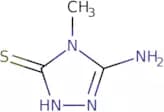
CAS:Please enquire for more information about 10-Fluorodecan-1-Ol including the price, delivery time and more detailed product information at the technical inquiry form on this pageFormula:C10H21FOPurezza:Min. 95%Peso molecolare:176.27 g/mol5-Amino-4-methyl-4H-1,2,4-triazole-3-thiol
CAS:Please enquire for more information about 5-Amino-4-methyl-4H-1,2,4-triazole-3-thiol including the price, delivery time and more detailed product information at the technical inquiry form on this pageFormula:C3H6N4SPurezza:Min. 95%Peso molecolare:130.17 g/mol(4S)-3,4-Dihydro-2-(3-methoxypropyl)-2H-thieno[3,2-e]-1,2-thiazin-4-ol 1,1-dioxide
CAS:Please enquire for more information about (4S)-3,4-Dihydro-2-(3-methoxypropyl)-2H-thieno[3,2-e]-1,2-thiazin-4-ol 1,1-dioxide including the price, delivery time and more detailed product information at the technical inquiry form on this page
Formula:C10H15NO4S2Purezza:Min. 95%Peso molecolare:277.36 g/mol2-[(Ethylamino)methyl]-4-aminophenol dihydrochloride
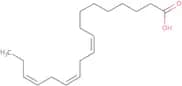
CAS:Please enquire for more information about 2-[(Ethylamino)methyl]-4-aminophenol dihydrochloride including the price, delivery time and more detailed product information at the technical inquiry form on this pageFormula:C9H14N2O•(HCl)2Purezza:Min. 95%Colore e forma:PowderPeso molecolare:239.14 g/molLinolenic acid - 85%
CAS:Linolenic acid is a polyunsaturated fatty acid that is found in plants, animals, and human cells. Linolenic acid has been shown to suppress the growth of cancer cells by inhibiting the production of linoleic acid, which can stimulate the growth of cancer cells. Linolenic acid has also been shown to cause skin reactions such as erythema and pruritus when applied topically or taken orally. Linolenic acid may be used for the treatment of ovarian follicles. In addition, linolenic acid has been shown to have an allergic response in humans when it is injected into the vein. It is important to note that linolenic acid can inhibit T-cell proliferation and cytokine production in a dose-dependent manner. Furthermore, linolenic acid inhibits lipopolysaccharide-induced acute lung injury in mice by reducing inflammatory cell infiltration and neutrophil activation.Formula:C18H30O2Purezza:Min. 95%Peso molecolare:278.43 g/mol5,5'-(1-Methylethylidene)-bis-[1,1'-(bisphenyl)-2-ol]
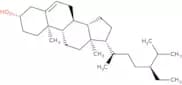
CAS:5,5'-(1-Methylethylidene)-bis-[1,1'-(bisphenyl)-2-ol] (BPE) is an organic compound that is used in coatings. BPE has a high thermal expansion coefficient and can be used as a plasticizer to make polymers more flexible. BPE hydrolyzes under acidic conditions to produce mercaptoacetic acid, which is corrosive and toxic. It also reacts with proteins, like albumin, at pH 7.4. In wastewater treatment systems, BPE can react with chlorine at a rate of 3% per day to form chlorobenzene, which is known to cause cancer in humans. The use of BPE in the bioreactor process leads to the release of reactive functional groups that are not easily degraded by microbes. In addition, it has been shown that this chemical binds to nuclear hormone receptors and has estrogenic effects on animals.Formula:C27H24O2Purezza:Min. 98 Area-%Colore e forma:PowderPeso molecolare:380.48 g/mol(3b,24S)-Stigmast-5-En-3-Ol
CAS:Prodotto controllato(3b,24S)-Stigmast-5-En-3-Ol is a natural compound that belongs to the group of beta-sitosterols. It is used in cosmetics, as well as in water vapor treatments for skin tumors. This compound has antiinflammatory activity and cholesterol lowering effects. It also has a protective effect on the liver against hepatotoxicity induced by p-hydroxybenzoic acid and other compounds. (3b,24S)-Stigmast-5-En-3-Ol can be found in wastewater treatment plants where it binds with heavy metals such as lead and zinc. The toxicity of this compound has been studied extensively and it is not toxic to cells at concentrations below 1mM.Formula:C29H50OPurezza:Min. 95%Colore e forma:PowderPeso molecolare:414.71 g/mol2-Hydroxyamino-3-methyl-3H-imidazo[4,5-f]quinoline
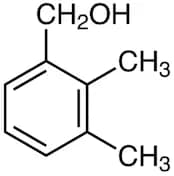
CAS:2-Hydroxyamino-3-methyl-3H-imidazo[4,5-f]quinoline (2HAIQ) is a reactive compound that binds to DNA. It has been shown to be a potent inhibitor of the enzyme cytosolic protein kinase C, which plays an important role in regulating cellular metabolism. 2HAIQ also inhibits the activity of enzymes such as hydroxylases and polymerases. The binding of 2HAIQ to DNA is thought to inhibit transcription by preventing RNA polymerase from transcribing DNA. 2HAIQ may also inhibit replication by binding to the dinucleotide phosphate molecule, which is essential for DNA synthesis.Formula:C11H10N4OPurezza:Min. 95%Peso molecolare:214.22 g/mol2,3-Dimethylbenzyl Alcohol
CAS:Formula:C9H12OPurezza:>98.0%(GC)Colore e forma:White to Orange to Green powder to crystalPeso molecolare:136.194-Amino-2-methyl-1-butanol
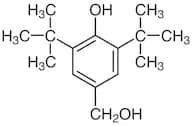
CAS:Formula:C5H13NOPurezza:>98.0%(GC)(T)Colore e forma:Colorless to Almost colorless clear liquidPeso molecolare:103.172,6-Di-tert-butyl-4-hydroxymethylphenol
CAS:Formula:C15H24O2Purezza:>97.0%(GC)Colore e forma:White to Yellow to Orange powder to crystalPeso molecolare:236.362,2-Dimethyl-1-propanol
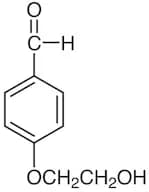
CAS:Formula:C5H12OPurezza:>98.0%(GC)Colore e forma:White to Almost white powder to lumpPeso molecolare:88.154-(2-Hydroxyethoxy)benzaldehyde
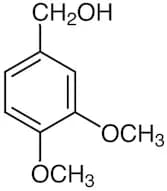
CAS:Formula:C9H10O3Purezza:>98.0%(GC)Colore e forma:White to Light yellow to Light orange powder to crystalPeso molecolare:166.18Veratryl Alcohol
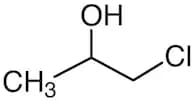
CAS:Formula:C9H12O3Purezza:>98.0%(GC)Colore e forma:Colorless to Light yellow clear liquidPeso molecolare:168.191-Chloro-2-propanol (contains ca. 25% 2-Chloro-1-propanol)
CAS:Formula:C3H7ClOPurezza:>70.0%(GC)Colore e forma:Colorless to Light yellow clear liquidPeso molecolare:94.543-Hydroxy-1-methylpiperidine
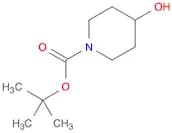
CAS:Formula:C6H13NOPurezza:95%+Colore e forma:LiquidPeso molecolare:115.1735N-BOC-4-Hydroxypiperidine
CAS:Formula:C10H19NO3Purezza:98%Colore e forma:SolidPeso molecolare:201.2628Ref: IN-DA00342I
Prodotto fuori produzionecis-2-Nonen-1-ol
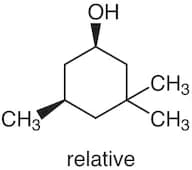
CAS:Formula:C9H18OPurezza:>95.0%(GC)Colore e forma:Colorless to Light yellow clear liquidPeso molecolare:142.24cis-3,3,5-Trimethylcyclohexanol
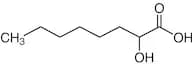
CAS:Formula:C9H18OPurezza:>96.0%(GC)Colore e forma:White or Colorless to Almost white or Almost colorless powder to lump to clear liquidPeso molecolare:142.242-Hydroxy-n-octanoic Acid
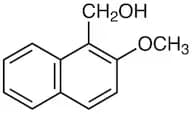
CAS:Formula:C8H16O3Purezza:>98.0%(T)Colore e forma:White to Almost white powder to crystalPeso molecolare:160.212-Methoxy-1-naphthalenemethanol
CAS:Formula:C12H12O2Purezza:>98.0%(GC)Colore e forma:White to Light yellow to Dark green powder to crystalPeso molecolare:188.232-(Aminooxy)ethanol
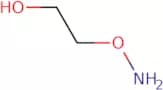
CAS:2-(Aminooxy)ethanol is an organic compound that has the chemical formula CH3NOCH2CH2OH. It belongs to the group of cyclic ketones and is a colorless liquid with a boiling point of 78°C. This substance can be produced by dehydrogenation of ethylene oxide or by reaction of formamide with sodium hydroxide and hydrochloric acid. The product can also be prepared from 2-hydroxyethanol, which reacts with ethylene in presence of HCl. The reaction time for this process is around 1 hour at room temperature. The chemical formula for 2-(Aminooxy)ethanol is C4H11NO2O.
Formula:C2H7NO2Purezza:Min. 95%Colore e forma:Clear LiquidPeso molecolare:77.08 g/molSumaresinolic acid
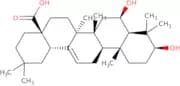
CAS:Prodotto controllatoSumaresinolic acid is a naturally occurring triterpenoid compound, which is typically isolated from certain plant species, such as those belonging to the Sumac (Rhus) family. This compound is characterized by its complex molecular structure that endows it with various biochemical activities. Sumaresinolic acid acts primarily through anti-inflammatory and antioxidant pathways, influencing cellular signaling and modulating enzymatic activity related to inflammation and oxidative stress.
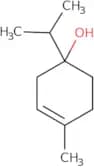
Formula:C30H48O4Purezza:Min. 95 Area-%Colore e forma:PowderPeso molecolare:472.7 g/molrac-Terpinen-4-ol
CAS:Terpinen-4-ol is a natural compound that is found in essential oils such as tea tree oil. It has been shown to have antimicrobial activity against Gram positive bacteria, such as Staphylococcus aureus and Streptococcus pneumoniae. Terpinen-4-ol has been shown to inhibit the production of proinflammatory cytokines and chemokines, which reduces inflammation and disease activity. The antimicrobial activity of terpinen-4-ol was evaluated by its ability to inhibit the growth of Hl-60 cells. This substance also inhibits the synthesis of DNA and protein by binding to penicillin-binding proteins (PBP) on the bacterial ribosome. Terpinen-4-ol has also been shown to be an effective inhibitor of cancer cell growth in a model system for squamous cell carcinoma.
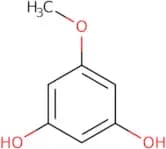
Formula:C10H18OPurezza:Min. 95 Area-%Colore e forma:Colorless Clear LiquidPeso molecolare:154.25 g/mol5-Methoxyresorcinol
CAS:5-Methoxyresorcinol is a plant product that has been shown to inhibit protein synthesis. It was found to have a second-order rate constant of 0.079 M-1s-1 at pH 7, which is much lower than the first order rate constant for urea hydrolysis (0.71 M-1s-1). 5-Methoxyresorcinol has also been shown to demethylate methyl glycosides and synthesize cell cultures. This product inhibits the replication of herpes simplex virus by inhibiting the synthesis of viral proteins in infected cells and blocking the maturation of progeny virus particles.
Formula:C7H8O3Purezza:Min. 95%Colore e forma:Slightly Yellow PowderPeso molecolare:140.14 g/molRef: 3D-FM61771
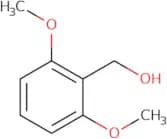
Prodotto fuori produzione2,6-Dimethoxybenzyl alcohol
CAS:2,6-Dimethoxybenzyl alcohol is a synthetic compound that is a peroxidase substrate. It is used as an alternative for papaverine in the synthesis of penicillin and cephalosporin antibiotics. 2,6-Dimethoxybenzyl alcohol reacts with Mn2+ ions to form hydronium and hydrogen peroxide. This reaction has been shown to be more efficient than the decomposition of hydrogen peroxide by catalases or superoxide dismutases. 2,6-Dimethoxybenzyl alcohol also forms a reactive congener with erythrocytes and plasma proteins that can cause vasoconstriction in the blood vessels. The dimethoxybenzyl group (DMB) is a monosubstituted phenol group that binds to the active site of enzymes such as cytochrome P450s and glutathione reductase.
Formula:C9H12O3Purezza:Min. 95%Peso molecolare:168.19 g/molRef: 3D-FD67333
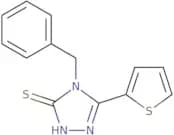
Prodotto fuori produzione4-benzyl-5-(2-thienyl)-1,2,4-triazole-3-thiol
CAS:4-Benzyl-5-(2-thienyl)-1,2,4-triazole-3-thiol (BTT) is a molecule that belongs to the class of thiourea derivatives. It has been used as an anti-inflammatory agent in animal models and has shown promising results for the treatment of human inflammatory diseases. BTT is a thiol which can reversibly bind to proteins by forming a covalent bond with the sulfur atom. This interaction inhibits the production of proinflammatory cytokines such as IL-6 and TNFα by inhibiting NFκB activation. The functional theory for BTT is based on its ability to prevent the formation of reactive oxygen species by inhibiting lipid peroxidation induced by ROS. In addition, BTT may suppress inflammation through inhibition of histamine release from mast cells.
Purezza:Min. 95%2,5-Dimethylresorcinol
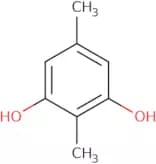
CAS:2,5-Dimethylresorcinol is a natural organic compound that has been shown to have the ability to inhibit the formation of reactive oxygen species. It is used in wastewater treatment and as an antioxidant. 2,5-Dimethylresorcinol has been shown to exhibit an inhibitory effect on lipid hydroperoxides and hydroxyl group binding. This compound can also be used as a substrate or product in catalytic domains. 2,5-Dimethylresorcinol is found in the form of usnic acid and orsellinic acid. The use of this compound as a catalyst for oxidation reactions has been studied extensively. It has also been shown to be an effective inhibitor for catalytic domains with a range of different metal ions.
Formula:C8H10O2Purezza:Min. 95%Colore e forma:PowderPeso molecolare:138.16 g/molCetearyl alcohol
CAS:Cetearyl alcohol is a type of fatty alcohol, which is derived from natural sources like coconut oil or palm kernel oil. It is a combination of cetyl and stearyl alcohols. This compound functions primarily through its emulsifying properties, allowing oil and water to mix effectively and form stable emulsions. It does this by reducing surface tension, thus facilitating the blending of disparate ingredients.
Formula:C18H38O·C16H34OPurezza:Min. 95%Colore e forma:White PowderPeso molecolare:512.93 g/mol3-Benzyloxybenzyl alcohol
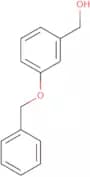
CAS:3-Benzyloxybenzyl alcohol is a condensation product of benzaldehyde and acetone. Hydration leads to the formation of an intramolecular hydrogen bond between the carbonyl group and the hydroxyl group. The ammonium salt is formed by reaction with ammonium chloride in water, which then undergoes a cyclization to form bicyclic ring system. 3-Benzyloxybenzyl alcohol has been shown to have antihistamine properties, as it inhibits histamine release from mast cells.
Formula:C14H14O2Purezza:Min. 98 Area-%Colore e forma:PowderPeso molecolare:214.26 g/molQuinolin-4-ylboronic acid
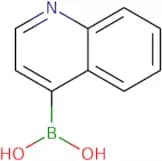
CAS:Quinolin-4-ylboronic acid is a heterocyclic compound with two nitrogen atoms that are attached to the ring by means of carbonyl groups. This compound is a precursor in the synthesis of the drug dorsomorphin, which is used for pain relief. It also has an important role in pharmacokinetics because it can be used as a marker for estimating blood levels of other drugs. Quinolin-4-ylboronic acid yields an active form, quinolin-4-yl boronic acid, when reacted with piperazine in basic conditions. The drug ldn-193189 is a derivative of this active form and has been evaluated as a potential drug for treating osteoporosis and cancer.
Formula:C9H8BNO2Purezza:Min. 95 Area-%Colore e forma:PowderPeso molecolare:172.98 g/molIsohexanol
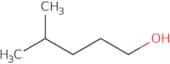
CAS:Isohexanol is a chemical cross-linking agent that reacts with amines to form amide bonds. It is used in the synthesis of polyvinylpyrrolidone, which is an important component of pharmaceutical preparations. Isohexanol has been shown to react with glycol ethers to form ether adducts and has been used as a kinetic study reagent. The chemical reactions of isohexanol depend on its pH level, which can range from acidic (pH 2) to neutral (pH 7). At lower pH ranges, isohexanol will undergo side-chain cleavage to form methyl myristate, which is a fatty acid. Higher pH levels result in the formation of methyl ethyl and other volatile products.
Formula:C6H14OPurezza:Min. 97%Colore e forma:Colorless Clear LiquidPeso molecolare:102.17 g/mol8-Fluoroquinoline
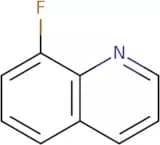
CAS:8-Fluoroquinoline is a quinoline derivative that has been shown to have in vitro anticancer activity against colon adenocarcinoma cells. It is a chiral molecule that can exist as two stereoisomers, (R)-8-fluoroquinoline and (S)-8-fluoroquinoline. These isomers may have different interactions with the tumorigenic cells, but both of them have anticancer activity. 8-Fluoroquinoline also interacts with cytochrome P450 enzymes, enhancing their ability to metabolize carcinogens.
Formula:C9H6FNPurezza:Min. 95%Peso molecolare:147.15 g/molRef: 3D-FF54377
Prodotto fuori produzione3-Amino-1-adamantanol
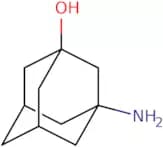
CAS:Intermediate in the synthesis of vildagliptin
Purezza:Min. 95%Colore e forma:PowderPeso molecolare:167.25 g/mol4-Bromo-2,6-difluorobenzyl alcohol
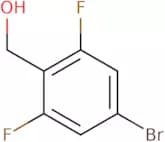
CAS:4-Bromo-2,6-difluorobenzyl alcohol (4BDFA) is a molecule that has been shown to be able to produce magnetic resonance images. It can be used in tumor diagnosis as well as in the imaging of tumors. 4BDFA is synthesized by coupling 2,6-difluoroaniline with bromoacetaldehyde diethyl acetal. The syntheses are carried out under phase transfer catalysis conditions and the reaction is monitored by thin layer chromatography.
The synthesis of 4BDFA starts with the preparation of 2,6-difluoroaniline via a Grignard reaction between aniline and magnesium metal. The Grignard reagent is then added to bromoacetaldehyde diethyl acetal in dichloromethane followed by addition of triethylamine dropwise to maintain pH neutrality. The product is then extracted from the organic solution using ethyl etherFormula:C7H5BrF2OPurezza:Min. 95%Colore e forma:PowderPeso molecolare:223.01 g/molRef: 3D-FB69822
Prodotto fuori produzione5-Methyl-2-nitrophenol
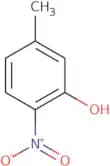
CAS:5-Methyl-2-nitrophenol is a phytotoxic chemical that is used as a synthetic intermediate in organic chemistry. It has been shown to have a high bioconcentration factor and can be found in wastewater. The major use of 5-methyl-2-nitrophenol is the synthesis of 2,4,6-trinitrophenylhydrazine (TNP) which is used as an analytical reagent for the determination of nitrates. The reaction mechanism of 5-methyl-2-nitrophenol involves intramolecular hydrogen transfer from the methylene group to the nitro group and subsequent elimination of HCl. This reaction product can be found by using analytical methods such as gas chromatography, mass spectrometry, or nuclear magnetic resonance spectroscopy. Functional groups on the reactant include phenols and nitro groups with the following endpoints: hydrochloric acid (HCl), kinetic method, and vapor pressure
Formula:C7H7NO3Purezza:Min. 95%Colore e forma:PowderPeso molecolare:153.14 g/molRef: 3D-FM70455
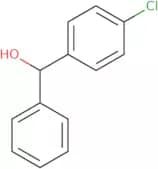
Prodotto fuori produzione4-Chlorodiphenylcarbinol
CAS:The asymmetric synthesis of 4-chlorodiphenylcarbinol is an efficient method that uses a simple, inexpensive, and environmentally friendly reagent. The reaction proceeds in the presence of hydrochloric acid and sodium hydroxide solution. The reaction mechanism is the same as for the preparation of other chiral alcohols. The stereoselective preparation method is based on the use of glycol esters or trifluoroacetic acid to produce enantiomerically pure 4-chlorodiphenylcarbinol, which can be used as a precursor for pharmaceuticals, pesticides, and dyes.
Formula:C13H11ClOPurezza:Min. 95%Colore e forma:PowderPeso molecolare:218.68 g/molDeoxypyridinoline chloride 3HCl
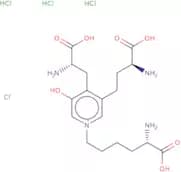
CAS:Deoxypyridinoline chloride 3HCl is a fine chemical that is used as a building block in the synthesis of organic compounds. Deoxypyridinoline chloride 3HCl can be used as a reagent and speciality chemical in research laboratories, as well as in the manufacture of pharmaceuticals and other organic molecules. Deoxypyridinoline chloride 3HCl is also versatile, serving as an intermediate to produce other chemicals, or as a reaction component to produce complex products with specialized properties. The compound has been registered by the Chemical Abstracts Service (CAS) under CAS No. 204074-56-6.
Formula:C18H32Cl4N4O7Purezza:Min. 95%Colore e forma:PowderPeso molecolare:558.28 g/molRef: 3D-FD21063
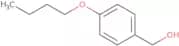
Prodotto fuori produzione4-Butoxybenzyl alcohol
CAS:4-Butoxybenzyl alcohol is a primary alcohol that is used as a solvent and reagent. It has been shown to disrupt the architecture of bacterial cell walls by destabilizing the molybdenum cofactor, which is essential for the enzyme xylose reductase. The destabilization of this cofactor leads to inhibition of cell wall synthesis and subsequent death of bacteria. 4-Butoxybenzyl alcohol also has antibacterial properties and can be used to inhibit the growth of Gram-positive bacteria such as Staphylococcus aureus and Enterococcus faecalis. This compound may also act by inhibiting amide formation or by binding to magnesium, aluminium, or amides in the bacterial cell wall.
Formula:C11H16O2Purezza:Min. 95%Colore e forma:PowderPeso molecolare:180.24 g/molRef: 3D-FB64450
Prodotto fuori produzione2-Mercaptoethanol
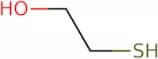
CAS:2-Mercaptoethanol, also known as β-mercaptoethanol or β-ME, is a disulfide reducing agent used in the reduction of disulfide bridges in proteins. β-ME is conveniently inexpensive, water-soluble and must be used in excess in order to drive the reduction to completion.
Formula:C2H6SOPurezza:Min. 98 Area-%Colore e forma:Clear LiquidPeso molecolare:78.13 g/molRef: 3D-FM46173
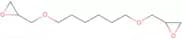
Prodotto fuori produzione1,6-Hexanediol diglycidylether
CAS:1,6-Hexanediol diglycidylether is a reactive functional group that has been used in the production of polyurethane elastomers. It is also used as a cross-linking agent and polymerization initiator. The reactive functional group has been shown to form intramolecular hydrogen bonds, which are important for the formation of polyurethanes. 1,6-Hexanediol diglycidylether is an exothermic compound that reacts with deionized water, forming carbon dioxide and hydrogen gas. This product has been shown to cause allergic reactions in clinical studies.
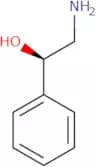
Formula:C12H22O4Colore e forma:Clear LiquidPeso molecolare:230.3 g/mol(R)-2-Amino-1-phenylethanol
CAS:(R)-2-Amino-1-phenylethanol is a molecule that has antimicrobial activity. It binds to the active site of bacterial enzymes, such as those involved in the synthesis of cell walls, and inhibits the growth of bacteria through competitive inhibition. This molecule also has a dihedral angle that is similar to that of other molecules with antibacterial activity. (R)-2-Amino-1-phenylethanol is an enantiomer, which means it can be synthesized from either (S)- or (R)-1-phenylethanol. The racemic form is more active than any individual enantiomer.
Formula:C8H11NOPurezza:Min. 95%Colore e forma:PowderPeso molecolare:137.18 g/molTriglycerol
CAS:Triglycerides are a type of lipid that is composed of glycerol and three fatty acids. They are the main component of animal fats, vegetable oils, and butter. Triglycerids can be made by the reaction of glycerol with three molecules of fatty acid in the presence or absence of a catalyst. Triglycerols are also found naturally in many foods such as milk, meat, and eggs. The toxicity studies on triglycerides have shown that they are not toxic when ingested orally or intravenously at doses up to 500 mg/kg body weight. The reaction mechanism for the production of monolaurate from triglycerides is not well understood but it may involve the addition of hydroxyl groups to the fatty acid chains. This reaction is catalyzed by enzymes such as lipase, esterase, and alcohol oxidase. Triglycerides serve as an important source of energy for humans because they contain more than twice as much energy per gram than carbohydrates or proteins
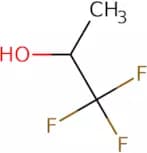
Formula:C9H20O7Purezza:Min. 60 Area-%Colore e forma:Clear LiquidPeso molecolare:240.25 g/mol1,1,1-Trifluoro-2-propanol
CAS:1,1,1-Trifluoro-2-propanol (TFHP) is a molecule that contains three hydrogen atoms and two fluorine atoms. It has a frequency shift of 0.00116 cm−1 in the infrared spectrum due to the conformational properties of its hydroxyl group, which causes the OH stretching vibration to be shifted. TFHP is a weak acid that reacts with sodium trifluoroacetate to form trifluoroacetic acid and hydroxyl ions. TFHP has been shown to have biological properties in bacteria, such as inhibiting bacterial growth and suppressing protein synthesis. The molecular structure of TFHP is made up of a hydrogen atom on each nitrogen atom, which is then bonded to an intramolecular hydrogen bond and an intermolecular hydrogen bond with other TFHP molecules. The deuterium isotope can also be found in this compound, which will cause a shift in IR frequency from 0.00116 cm
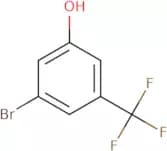
Formula:C3H5F3OPurezza:Min. 95%Colore e forma:Clear LiquidPeso molecolare:114.07 g/mol3-Bromo-5-(trifluoromethyl)phenol
CAS:3-Bromo-5-(trifluoromethyl)phenol is a versatile building block that is used as a scaffold for synthesis of complex compounds. It can be used as a reaction component in the synthesis of valuable chemical products, such as fine chemicals and research chemicals. 3-Bromo-5-(trifluoromethyl)phenol is also useful for the production of speciality chemicals. This chemical has been shown to have high quality and can be used as a reagent in organic synthesis.
Formula:C7H4BrF3OPurezza:Min. 95%Colore e forma:Colorless Clear LiquidPeso molecolare:241.01 g/molRef: 3D-FB105856
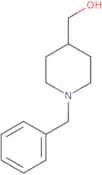
Prodotto fuori produzione(1-Benzyl-4-piperidyl)methanol
CAS:1-Benzyl-4-piperidyl)methanol is a linker molecule that can be used to connect a variety of heterocycles with the ability to modulate their biological activities. This molecule has been shown to be a potent inhibitor of 5-HT receptor activity and has been used in molecular modeling studies. 1-Benzyl-4-piperidyl)methanol also has the potential for use as an environmental pollutant, which may be due to its reactivity with naphthalene compounds. The modifications that are possible on this molecule include introducing substituents on the benzene ring or amide groups, which can provide potent inhibitory activity.
Formula:C13H19NOPurezza:Min. 95 Area-%Colore e forma:Clear LiquidPeso molecolare:205.3 g/molRef: 3D-FB71821
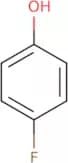
Prodotto fuori produzione4-Fluorophenol
CAS:4-Fluorophenol is the organic compound with the formula CHFOH. It is a phenolic compound and has been used in the manufacture of other chemicals such as trifluoroacetic acid, sodium carbonate and creatinine sulfate. The hydroxyl group of 4-Fluorophenol is capable of donating a proton to hydrogen fluoride to form the intramolecular hydrogen bond, which is an important factor in its chemical reactivity. This reaction mechanism can be seen using electrochemical impedance spectroscopy on bacterial strains.
4-Fluorophenol has been shown to be effective for wastewater treatment due to its ability to react with oxygen nucleophiles such as creatinine sulfate and p-hydroxybenzoic acid.Formula:C6H5FOPurezza:Min. 95%Colore e forma:White PowderPeso molecolare:112.1 g/molRef: 3D-FF31943
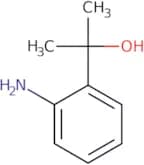
Prodotto fuori produzione2-Amino-α,α-dimethylbenzyl alcohol
CAS:2-Amino-α,α-dimethylbenzyl alcohol is a reagent that is useful in the synthesis of complex compounds. It is also a fine chemical and can be used as an intermediate for other compounds. 2-Amino-α,α-dimethylbenzyl alcohol has been shown to be reactive and can be used as a speciality chemical. This chemical is used as a reaction component for chemical reactions, such as Heck reactions, Suzuki couplings, and Sonogashira couplings. 2-Amino-α,α-dimethylbenzyl alcohol is versatile and can be used in many different reactions due to its high quality.
Formula:C9H13NOPurezza:Min. 95%Colore e forma:Clear LiquidPeso molecolare:151.21 g/molRef: 3D-FA66431
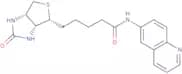
Prodotto fuori produzioneBiotinyl-6-aminoquinoline
CAS:Biotinyl-6-aminoquinoline is a synthetic chemical that has been shown to inhibit the growth of cancer cells in laboratory mice. It was synthesized to be a substrate for the enzyme quinolinate synthase, which is involved in the synthesis of nicotinic acid. Biotinyl-6-aminoquinoline is an analytical method that has been used in urinary samples from patients with bladder cancer as well as healthy individuals. The sequences of each individual were determined and analyzed using an algorithm that performs logistic regression, which can predict whether or not the patient has bladder cancer.
Formula:C19H22N4O2SPurezza:Min. 95 Area-%Colore e forma:PowderPeso molecolare:370.47 g/mol







![7-[(2S,3R)-3-Amino-2-methyl-azetidin-1-yl]-1-(2,4-difluorophenyl)-6-fluoro-4-oxo-quinoline-3-carbo…](/_next/image/?url=https%3A%2Fstatic.cymitquimica.com%2Fproducts%2F3D%2Fthumb-webp%2FFA30404.webp&w=3840&q=75)


![(4S)-3,4-Dihydro-2-(3-methoxypropyl)-2H-thieno[3,2-e]-1,2-thiazin-4-ol 1,1-dioxide](/_next/image/?url=https%3A%2Fstatic.cymitquimica.com%2Fproducts%2F3D%2Fthumb-webp%2FFD21960.webp&w=3840&q=75)
![2-[(Ethylamino)methyl]-4-aminophenol dihydrochloride](/_next/image/?url=https%3A%2Fstatic.cymitquimica.com%2Fproducts%2F3D%2Fthumb-webp%2FFE23131.webp&w=3840&q=75)
![5,5'-(1-Methylethylidene)-bis-[1,1'-(bisphenyl)-2-ol]](/_next/image/?url=https%3A%2Fstatic.cymitquimica.com%2Fproducts%2F3D%2Fthumb-webp%2FFM29711.webp&w=3840&q=75)
![2-Hydroxyamino-3-methyl-3H-imidazo[4,5-f]quinoline](/_next/image/?url=https%3A%2Fstatic.cymitquimica.com%2Fproducts%2F3D%2Fthumb-webp%2FFH24305.webp&w=3840&q=75)