


Alcoli
Gli alcoli sono una vasta gamma di molecole organiche derivate dagli idrocarburi che contengono uno o più gruppi idrossilici (gruppo OH). Questi composti sono essenziali in varie reazioni chimiche e sono ampiamente utilizzati in laboratorio per la sintesi, come solventi e in chimica analitica. Da CymitQuimica, offriamo alcoli di alta qualità preparati per l'uso in laboratorio, supportando le tue ricerche e applicazioni industriali con prodotti affidabili ed efficaci. La nostra selezione garantisce che tu abbia gli alcoli giusti per le tue esigenze specifiche, sia per il lavoro di laboratorio di routine che per progetti di ricerca specializzati.
Sottocategorie di "Alcoli"
Trovati 5814 prodotti di "Alcoli"
Ordinare per
Purezza (%)
0
100
|
0
|
50
|
90
|
95
|
100
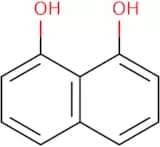
Naphthalene-1,8-diol
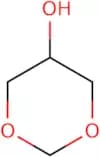
CAS:<p>Naphthalene-1,8-diol is a compound that belongs to the class of polycyclic aromatic hydrocarbons. It has been shown to inhibit polymerase chain reactions (PCR) in a nuclear DNA template. Naphthalene-1,8-diol also inhibits the production of melanin and reduces the number of skin lesions in the wild-type strain of Galleria mellonella. Naphthalene-1,8-diol is an antioxidant compound that has been shown to protect against radiation and dermatitis. This molecule contains a hydroxyl group that can form hydrogen bonds with other molecules. This property may account for its anti-inflammatory effects.</p>Formula:C10H8O2Purezza:Min. 95%Colore e forma:Slightly Brown PowderPeso molecolare:160.17 g/molGlycerol formal
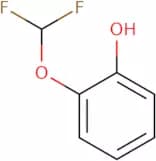
CAS:<p>Glycerol formal is a glycol ether that contains two hydroxyl groups. It is a non-polymeric pharmacological agent with inhibitory properties against group P2 bacteria. The reaction mechanism of glycerol formal is the same as that of other glycol ethers and it is an antimicrobial agent. Glycerol formal has been shown to be effective against Escherichia coli, Staphylococcus aureus, and Salmonella typhi. This compound has also been used in injection solutions and as a solvent for fatty acids.</p>Formula:C4H8O3Purezza:Min. 95%Colore e forma:Clear LiquidPeso molecolare:104.1 g/mol2-(Difluoromethoxy)Phenol
CAS:<p>2-(Difluoromethoxy)Phenol is a purine derivative and pyrimidine derivative. It has been shown to inhibit the growth of cancer cells in vitro and in vivo. 2-(Difluoromethoxy)phenol inhibits multidrug resistance by inhibiting the transport of drugs into cells and thereby preventing their accumulation. As a result, it suppresses inflammatory diseases and autoimmune diseases. The hydroxyl group in this compound can be replaced with fluorine or nitro groups to generate new derivatives with different properties. Piperidine can also be added to this molecule to create an analogue that is more potent than 2-(difluoromethoxy)phenol and has a longer duration of action.</p>Formula:C7H6F2O2Purezza:Min. 95%Peso molecolare:160.12 g/mol(Ala6,D-Trp8,L-alaninol15)-Galanin (1-15)
CAS:<p>Please enquire for more information about (Ala6,D-Trp8,L-alaninol15)-Galanin (1-15) including the price, delivery time and more detailed product information at the technical inquiry form on this page</p>Formula:C81H114N20O18Purezza:Min. 95%Peso molecolare:1,655.9 g/mol7,9-Dimethoxycarbonyl-2-ethoxycarbonyl-1H-pyrrolo-[2,3-f]quinoline-4,5-dione
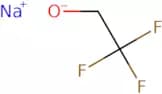
CAS:<p>7,9-Dimethoxycarbonyl-2-ethoxycarbonyl-1H-pyrrolo-[2,3-f]quinoline-4,5-dione is a chemical compound that is used as an intermediate for research chemicals. It has a CAS number of 80721-47-7 and is classified as a fine chemical with the Chemical Abstracts Service (CAS) classification code of 3272. This compound is a versatile building block that can be used in the synthesis of other compounds. 7,9-Dimethoxycarbonyl-2-ethoxycarbonyl-1H-pyrrolo-[2,3f]quinoline 4,5dione can be used to produce high quality products.</p>Formula:C18H14N2O8Purezza:Min. 95%Colore e forma:Orange PowderPeso molecolare:386.31 g/molSodium 2,2,2-trifluoroethanolate
CAS:<p>Sodium 2,2,2-trifluoroethanolate is a fluorinated alcohol. It is used as an animal health drug and has been shown to have a significant inhibitory effect on the growth of bacteria. The reaction intermediate for this compound is trifluoroacetic acid, which can be formed from sodium and hydrogen fluoride in the presence of ethylene glycol. This molecule also reacts with nitrosyl chloride to form a nitrogen-containing product. Sodium 2,2,2-trifluoroethanolate has been shown to be active against both Gram-positive and Gram-negative bacteria. The FTIR spectra for this compound shows that it has two sets of absorption bands at 3,200 cm−1 (due to C–H stretching) and 3,000 cm−1 (due to C=C stretching).</p>Formula:C2H2F3NaOPurezza:Min. 95%Colore e forma:PowderPeso molecolare:122.02 g/mol5-Bromo-2-fluorophenol
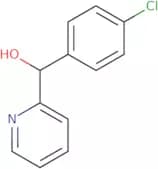
CAS:<p>5-Bromo-2-fluorophenol is an organic solvent that is used in hydrotalcite to extract biphenyl. 5-Bromo-2-fluorophenol has been shown to have a high affinity for the cavity of hydrotalcite, which is a desorption technique. It can also be used to extract supramolecular systems and biomolecules, such as proteins and nucleic acids. The nature of 5-bromo-2-fluorophenol is an aromatic compound with a density of 1.40 g/mL at 20°C and a boiling point of 221°C. 5-Bromo-2-fluorophenol can be eluted using isopropyl alcohol or ethyl acetate, and the transfer rate depends on the nature of the solvent used in elution.</p>Formula:C6H4BrFOPurezza:Min. 95%Colore e forma:PowderPeso molecolare:191 g/mol4-Chlorophenyl-2-pyridinylmethanol
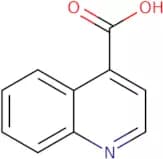
CAS:<p>Please enquire for more information about 4-Chlorophenyl-2-pyridinylmethanol including the price, delivery time and more detailed product information at the technical inquiry form on this page</p>Formula:C12H10ClNOPurezza:Min. 95%Peso molecolare:219.67 g/molQuinoline-4-carboxylic acid
CAS:<p>Quinoline-4-carboxylic acid is a natural compound that is derived from the amino acid tryptophan. It has been shown to have antiinflammatory activity and to be an inhibitor of prostaglandin synthesis. Quinoline-4-carboxylic acid inhibits the growth of carcinoma cells in culture by inducing apoptosis, which is mediated by inhibition of protein synthesis. Quinoline-4-carboxylic acid also has pharmacokinetic properties, including a low volume of distribution, low clearance rate and high bioavailability.</p>Formula:C10H7NO2Purezza:Min. 97 Area-%Peso molecolare:173.17 g/mol3-Bromo-4-fluorophenol
CAS:<p>3-Bromo-4-fluorophenol is a synthetic, water soluble, and stable compound with a variety of applications. It yields white crystals that are soluble in water, acetone, ethanol, ether, benzene, chloroform, and carbon tetrachloride. 3-Bromo-4-fluorophenol has been shown to have a number of structural modifications that may be advantageous for therapeutic purposes. The most prominent modification is the methylation of the phenolic hydroxyl group (functionalisation). This modification prevents the drug from reacting with nucleophilic sites on proteins and other biological molecules. 3-Bromo-4-fluorophenol interacts with methyltransferase enzymes in cancer cells to inhibit their activity. These methyltransferase enzymes are involved in cellular proliferation and proliferation signalling pathways that may lead to cancer cell death.</p>Formula:C6H4BrFOPurezza:Min. 95%Colore e forma:PowderPeso molecolare:191 g/mol4-Alkoxybenzyl alcohol resin (100-200 mesh)
CAS:<p>4-Alkoxybenzyl alcohol resin is a fine chemical that has been shown to be useful as a scaffold for the synthesis of complex compounds. It is soluble in common organic solvents, such as ethanol and acetone, and can be used as a reaction component for the synthesis of speciality chemicals. This product is also an intermediate for research chemicals, which can be synthesized by reacting 4-alkoxybenzyl alcohol with different reagents. The high quality of this product makes it ideal for use in the synthesis of other compounds and reactions.</p>Colore e forma:Powder3-Bromopyridin-4-ol
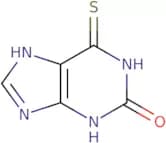
CAS:<p>3-Bromopyridin-4-ol is a pyrrole that can be used as a cancer therapy. It inhibits the growth of cancer cells by binding to the mkn-45 on the surface of the cell, which prevents it from binding to other proteins and initiating cell proliferation. 3-Bromopyridin-4-ol also inhibits 2-amino-4-hydroxypyridine aminations, which are reactions that produce compounds that promote cancer. This compound class has inhibitory activity against the growth of cancer cells in vitro and in vivo. 3-Bromopyridin-4-ol is an oxindole and amide with a hydroxy group on its side chain. It can be synthesized from 3-bromo-5 hydroxypyridine by reacting it with ammonia or methylamine. The synthesis of this compound can be achieved by reacting 2 chloroacetaldehyde with nitroethane in presence</p>Formula:C5H4BrNOPurezza:Min. 95%Colore e forma:PowderPeso molecolare:174 g/mol6-Mercapto-9H-purin-2-ol
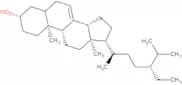
CAS:<p>6-Mercapto-9H-purin-2-ol (6MP) is a purine nucleoside that is used as an antimicrobial agent. It inhibits the enzyme adenosine deaminase, which converts adenosine to inosine, and therefore prevents the production of purines. 6MP has been shown to be effective against inflammatory bowel disease and bowel disease in animal models. At high concentrations, it has been shown to inhibit subcutaneous tumors in mice. 6MP also inhibits the metabolism of certain drugs such as rifampicin and phenytoin, thereby increasing their plasma concentration. 6MP has been shown to be effective against resistant mutants for some bacteria such as Salmonella enterica serovar Typhimurium and Escherichia coli through inhibition of beta-lactamases. The mechanism of action for 6MP is similar to that of β-lactams antibiotics, which are inhibitors of bacterial cell wall synthesis</p>Formula:C5H4N4OSPurezza:Min. 95%Colore e forma:Off-White PowderPeso molecolare:168.18 g/molStigmast-7-enol
CAS:Prodotto controllato<p>Stigmast-7-enol is a naturally occurring compound found in plants such as Oroxylum indicum and Carthamus tinctorius. It was first isolated from the plant Stigmasta crispa. The chemical composition of stigmast-7-enol includes a hydroxyl group, a carboxylic acid group, and an ester bond. It has been shown to have hypoglycemic effects in animal models. This compound is stable at acidic pH levels, but is unstable at physiological pH levels. Stigmast-7-enol also binds to the mitochondrial membrane potential and inhibits the synthesis of p-hydroxybenzoic acid in cells.</p>Formula:C29H50OPurezza:Min. 95%Peso molecolare:414.71 g/mol2-Aminoresorcinol
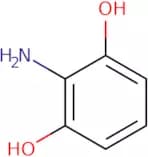
CAS:<p>2-Aminoresorcinol is a synthetic chemical compound that inhibits the reaction of amines with chlorine atoms. It is used as an intermediate in the production of resorcinol and 2-aminophenol. The reaction mechanism involves the formation of a chloramine (chlorine atom attached to an amine) which, in turn, reacts with malonic acid to produce an intermediate that undergoes intramolecular hydrogen transfer. This reaction results in the formation of a chloroform molecule. A second step involves hydroxylation by hydrochloric acid, which leads to the formation of chloral hydrate. In this way, 2-aminoresorcinol can be used for the synthesis of both resorcinol and 2-aminophenol. 2-Aminoresorcinol is also known for its inhibitory effects on certain reactions involving amines and sulfur compounds such as thiourea and carbonyl compounds such as malonic acid.</p>Formula:C6H7NO2Purezza:Min. 95%Colore e forma:White To Dark Brown SolidPeso molecolare:125.13 g/molL-allo-Threoninol
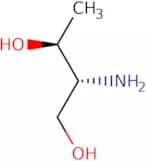
CAS:<p>Please enquire for more information about L-allo-Threoninol including the price, delivery time and more detailed product information at the technical inquiry form on this page</p>Formula:C4H11NO2Purezza:Min. 95%Colore e forma:Colourless To Pale Yellow LiquidPeso molecolare:105.14 g/mol8-Benzyloxy-5-((R)-2-bromo-1-hydroxyethyl)-1H-quinolinone
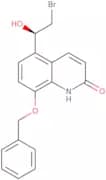
CAS:<p>8-Benzyloxy-5-((R)-2-bromo-1-hydroxyethyl)-1H-quinolinone is a potassium channel blocker. It binds to the central cavity of the channel pore and blocks potassium ion flux, inhibiting the function of potassium channels. 8-Benzyloxy-5-(2-(R)-bromo-1,3-dihydroxypropyl)quinolinone has been shown to inhibit voltage gated channels in a number of different tissues, including cardiomyocytes from rat hearts.</p>Formula:C18H16BrNO3Purezza:Min. 95%Peso molecolare:374.23 g/mol1-[(3,3-Diphenylpropyl)methylamino]-2-methyl-2-propanol
CAS:<p>1-[(3,3-Diphenylpropyl)methylamino]-2-methyl-2-propanol is an epoxy that can be synthesized from benzene and lercanidipine. It has been used in the production of cinnamic acid and other molecules. This molecule can be prepared by reacting cinnamic acid with chloromethyl methyl ether in a ring-opening reaction. The chloride ion is utilized as a nucleophile to react with the amide nitrogen atom of the cinnamic acid molecule to form the amide bond. The large-scale production of 1-[(3,3-diphenylpropyl)methylamino]-2-methyl-2-propanol utilizes refluxing to remove water and other byproducts that are formed during the process.</p>Formula:C20H27NOPurezza:Min. 95%Peso molecolare:297.43 g/mol2-(4-Methyl-2-phenyl-1-piperazinyl)-3-pyridinemethanol
CAS:<p>2-(4-Methyl-2-phenyl-1-piperazinyl)-3-pyridinemethanol is an impurity in hexane that is generated during the reaction of pyridine with acetonitrile. The impurity is removed by crystallizing it from methanol. 2-(4-Methyl-2-phenyl-1-piperazinyl)-3-pyridinemethanol has a high efficiency, and can be used to synthesize hexamethyldisiloxane. This product can be used as a metal catalyst for reactions involving alkali metals or metal halides. It can also be used as an alcohol solvent, but not hydrogenated.</p>Formula:C17H21N3OPurezza:Min. 95%Colore e forma:White to off white powderPeso molecolare:283.37 g/molDiphenolic acid
CAS:<p>Diphenolic acid is a reactive compound that is used as a solid catalyst. It has a hydroxyl group and a fatty acid, which makes it soluble in organic solvents. The methyl ethyl ester of diphenolic acid can be obtained from the reaction of diphenolic acid with methanol, ethanol or ethylene glycol. Diphenolic acid can also be obtained by reacting dibenzalacetone with an alcohol.<br>Diphenolic acid has been used to synthesize monoclonal antibodies and linear calibration curves for electrochemical impedance spectroscopy. The hydroxyl group on diphenolic acid allows it to undergo reactions that are not possible for other compounds such as phenols, leading to its use in surface methodology and flow systems.</p>Formula:C17H18O4Colore e forma:White PowderPeso molecolare:286.32 g/mol


![7,9-Dimethoxycarbonyl-2-ethoxycarbonyl-1H-pyrrolo-[2,3-f]quinoline-4,5-dione](/_next/image/?url=https%3A%2Fstatic.cymitquimica.com%2Fproducts%2F3D%2Fthumb-webp%2FFD22201.webp&w=3840&q=75)



![1-[(3,3-Diphenylpropyl)methylamino]-2-methyl-2-propanol](/_next/image/?url=https%3A%2Fstatic.cymitquimica.com%2Fproducts%2F3D%2Fthumb-webp%2FFD22513.webp&w=3840&q=75)

