Alcoli
Gli alcoli sono una vasta gamma di molecole organiche derivate dagli idrocarburi che contengono uno o più gruppi idrossilici (gruppo OH). Questi composti sono essenziali in varie reazioni chimiche e sono ampiamente utilizzati in laboratorio per la sintesi, come solventi e in chimica analitica. Da CymitQuimica, offriamo alcoli di alta qualità preparati per l'uso in laboratorio, supportando le tue ricerche e applicazioni industriali con prodotti affidabili ed efficaci. La nostra selezione garantisce che tu abbia gli alcoli giusti per le tue esigenze specifiche, sia per il lavoro di laboratorio di routine che per progetti di ricerca specializzati.
Sottocategorie di "Alcoli"
Trovati 5814 prodotti di "Alcoli"
Ordinare per
Purezza (%)
0
100
|
0
|
50
|
90
|
95
|
100
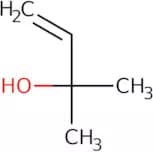
2-Methyl-3-buten-2-ol
CAS:<p>2-Methyl-3-buten-2-ol is a reactive oxygenated compound that can be found in the environment. It is produced by the oxidation of glyoxal, glycolaldehyde, and other simple sugars. 2-Methyl-3-buten-2-ol has been found to have toxic effects on wild type strains of Escherichia coli, including inhibition of growth and induction of cell death. In addition, 2-methyl-3 buten 2 ol has been shown to react with other molecules in the environment to produce epoxides. This compound can also be found in some foods and beverages as a result of its presence as a natural component or from contamination during processing. !-- END--></p>Formula:C5H10OPurezza:Max. 98%Peso molecolare:86.13 g/mol3-Fluoro-4-nitrophenol
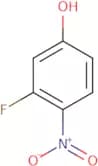
CAS:3-Fluoro-4-nitrophenol is an organic solvent that is used in the synthesis of a number of organic and inorganic compounds, including diazonium salts. 3-Fluoro-4-nitrophenol can be reacted with organometallic reagents to form tetraphenylmethane derivatives. It has been shown to have potential use as a precursor for the synthesis of a number of pharmaceuticals, such as regorafenib, which is an antiangiogenic drug. 3-Fluoro-4-nitrophenol reacts with chloride ions to form coelomic acid (3-fluoroaniline) and other organic acids. Reaction with magnesium and aluminium produces silicon nitride.Formula:C6H4FNO3Purezza:Min. 95%Peso molecolare:157.1 g/molDoxorubicinol hydrochloride - Mixture of Diasteromers
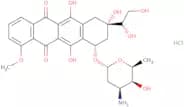
CAS:Please enquire for more information about Doxorubicinol hydrochloride - Mixture of Diasteromers including the price, delivery time and more detailed product information at the technical inquiry form on this pageFormula:C27H32ClNO11Purezza:Min. 95%Peso molecolare:582 g/mol5-[3-(Dimethylamino)propyl]-10,11-dihydro-5H-dibenzo[a,d]cyclohepten-5-ol
CAS:Please enquire for more information about 5-[3-(Dimethylamino)propyl]-10,11-dihydro-5H-dibenzo[a,d]cyclohepten-5-ol including the price, delivery time and more detailed product information at the technical inquiry form on this pageFormula:C20H25NOPurezza:Min. 95%Colore e forma:Beige SolidPeso molecolare:295.42 g/mol(S)-a,a-Diphenylmethylprolinol
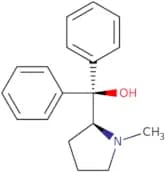
CAS:Prodotto controllato(S)-a,a-Diphenylmethylprolinol is a chiral ligand that is used in asymmetric synthesis. It has been shown to react with alkylating agents to form chiral methyl esters. The reaction product can be resolved into the desired enantiomer by the use of a chiral stationary phase or an experimental method called isotopic labeling. (S)-a,a-Diphenylmethylprolinol was prepared by a preparative method involving the reaction of cyanate, aldehyde and hexane.Formula:C18H21NOPurezza:Min. 95%Peso molecolare:267.37 g/molIndole-7-methanol
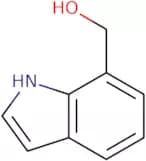
CAS:Indole-7-methanol is a flavin cofactor that catalyses the formylation of indole-7-carboxylic acid. Indole-7-methanol can be synthesized by the conversion of indole-7-carboxaldehyde with formaldehyde and ammonium acetate. The macrocyclic, isomeric, and formylated forms of indole-7-methanol have been shown to have utilisation activity in the synthesis of various compounds. These reactions are catalyzed by flavins such as FAD or FMN. Mutant, unsymmetrical derivatives of indole-7-methanol are also known to undergo these types of reactions. The most common derivative is indirubin, which has been shown to inhibit DNA polymerase III and IV in vitro.Formula:C9H9NOPurezza:Min. 95%Peso molecolare:147.17 g/mol5-Hexyn-1-ol
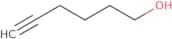
CAS:5-Hexyn-1-ol is a molecule that belongs to the group of organic compounds called fatty acids. It is a colorless liquid with an odor reminiscent of that of hexane. 5-Hexyn-1-ol has been shown to inhibit the proliferation of brain cells and tumor cells in culture. It also inhibits the growth of caco-2 cell lines, which are used as a model for human intestinal epithelial cells. The hydroxyl group in 5-hexyn-1-ol reacts with nitrogen nucleophiles such as picolinic acid and palladium chloride to form an intermediate compound, which can then be transformed into the desired product by addition of a second reactant.Formula:C6H10OPurezza:Min. 95%Peso molecolare:98.14 g/mol2,2,3,3,4,4-Hexafluoro-1,5-pentanediol
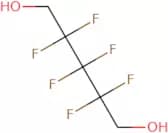
CAS:Prodotto controllato2,2,3,3,4,4-Hexafluoro-1,5-pentanediol is a colorless liquid with a boiling point of 155°C. It is soluble in water and has an odor similar to that of hexane. 2,2,3,3,4,4-Hexafluoro-1,5-pentanediol is used as a chemical intermediate for the production of sodium salts and quaternary ammonium compounds. This substance can be obtained by reacting butanediol with hydrofluoric acid or trifluoromethanesulfonic acid. The most common use of 2,2,3,3,4,4-hexafluoro-1,5-pentanediol is in the synthesis of amines. It also has been used as a solvent for electroplating metals and as a high boiling point solvent in organic reactions. This compound exhibits nucleophilic properties with amines and canFormula:C5H6F6O2Purezza:Min. 95%Peso molecolare:212.09 g/molToluene-3,4-dithiol
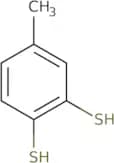
CAS:<p>Toluene-3,4-dithiol is a reactive dithiol that has been shown to have synergistic effects with other organic compounds. It is used in the preparation of methyl ethyl and its derivatives. Toluene-3,4-dithiol has also been shown to inhibit both the activity of enzymes and the growth of bacteria. The biological properties of this compound are not well understood, but it can be used as a model system for studying disulfide bonds and their role in protein folding. Studies have shown that this compound inhibits enzymatic activity and reduces bacterial growth without affecting cell viability.</p>Formula:C7H8S2Purezza:Min. 95%Peso molecolare:156.27 g/mol17-Methyl-4-androstene-3a,17a-diol
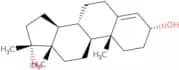
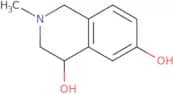
CAS:Prodotto controllatoPlease enquire for more information about 17-Methyl-4-androstene-3a,17a-diol including the price, delivery time and more detailed product information at the technical inquiry form on this pageFormula:C20H32O2Purezza:Min. 95%Peso molecolare:304.47 g/mol1,2,3,4-Tetrahydro-4,6-dihydroxy-2-methyl-isoquinoline
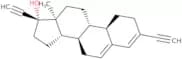
CAS:<p>1,2,3,4-Tetrahydro-4,6-dihydroxy-2-methyl-isoquinoline is a useful building block in the synthesis of various compounds such as pharmaceuticals and pesticides. It is an intermediate for the preparation of other valuable chemicals such as the antihistamine diphenhydramine, which is used to treat allergies. Tetrahydroisoquinoline can also be used as a reagent to synthesize other chemical compounds. This compound has been used in research as well as commercial applications. Tetrahydroisoquinoline is also a versatile scaffold that can be modified to produce different derivatives with different properties.</p>Formula:C10H13NO2Purezza:Min. 95%Colore e forma:White PowderPeso molecolare:179.22 g/mol(17a)-3-Ethynyl-19-norpregna-3,5-dien-20-yn-17-ol
CAS:Prodotto controllato<p>Please enquire for more information about (17a)-3-Ethynyl-19-norpregna-3,5-dien-20-yn-17-ol including the price, delivery time and more detailed product information at the technical inquiry form on this page</p>Formula:C22H26OPurezza:Min. 95%Peso molecolare:306.44 g/molKushenol R
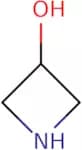
CAS:Kushenol R is a bioactive flavonoid compound, which is extracted from the roots of the plant Sophora flavescens, commonly known as the shrubby sophora. Its chemical structure contributes to its role as a compound of interest in the realm of natural product chemistry and pharmacology. As a flavonoid, Kushenol R exhibits significant antioxidant activity, attributed to its ability to scavenge free radicals and mitigate oxidative stress at the cellular level. This mechanism of action is crucial as it offers potential therapeutic effects in combating diseases associated with oxidative damage, such as cancer and inflammatory disorders.Purezza:Min. 95%Azetidin-3-ol
CAS:<p>Azetidin-3-ol is an amide. It can be synthesized by the acylation reaction of 3-hydroxypropanoic acid with an amine. Azetidin-3-ol is a chiral molecule and has two enantiomers. The maleate salt of azetidin-3-ol is used as a drug to treat Parkinson's disease. Azetidin-3-ol has been shown to have potent inhibition against the wild type strain of Clostridium botulinum, but not against its intermolecular hydrogen bonding mutant.</p>Formula:C3H7NOPurezza:Min. 95%Peso molecolare:73.09 g/mol3-Thiopheneethanol
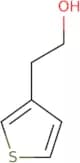
CAS:<p>3-Thiopheneethanol is a synthetic polymer that can be used as an insoluble polymer. It has been shown to undergo chemical reactions with hydroxy groups, which form a polymer film. The untreated control group did not show any change in the film thickness, but the electrochemical methods group showed a significant increase in the film thickness. 3-Thiopheneethanol may have potential applications in medical devices and sensors. The detection time of 3-thiopheneethanol was found to be longer than that of other polymers, such as polystyrene sulfonic acid (PSSA).</p>Formula:C6H8OSPurezza:Min. 95%Peso molecolare:128.19 g/molCyclobutanemethanol
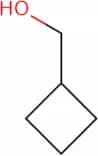
CAS:<p>Cyclobutanemethanol is a drug used to treat inflammatory diseases. It is an uptake inhibitor that blocks the transport of uridine into cells, preventing the activation of G-protein coupled receptors and the subsequent production of inflammatory mediators. Cyclobutanemethanol has been shown to have anti-inflammatory properties by inhibiting the CB2 receptor, which is found in large quantities in inflammatory tissues. Cyclobutanemethanol also prevents dehydration and increases blood flow to inflamed areas by acting on vascular endothelial cells. It can be synthesized from two molecules of hydrochloric acid and one molecule of cyclobutane. The synthesis pathway includes removal of a hydroxy group and addition of an alkynyl group via hydrogen bonding interactions with chloride ions. Cyclobutanemethanol has been shown to inhibit influenza virus replication in vitro, but not in vivo.</p>Formula:C5H10OPurezza:Min. 95%Peso molecolare:86.13 g/mol3,4-Dihydroisoquinolin-2(1H)-ylacetic acid
CAS:<p>3,4-Dihydroisoquinolin-2(1H)-ylacetic acid is a chemical compound with the molecular formula of C8H11NO2. It is a useful scaffold for the synthesis of complex compounds and research chemicals. 3,4-Dihydroisoquinolin-2(1H)-ylacetic acid is also a versatile building block for the preparation of fine chemicals. It is used as a reaction component in many organic reactions and can be used as a speciality chemical or reagent due to its high quality.</p>Formula:C11H13NO2Purezza:Min. 95%Colore e forma:PowderPeso molecolare:191.23 g/mol3-Propylphenol
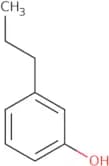
CAS:3-Propylphenol is a naturally occurring fatty acid found in animals and plants. It is used as an industrial chemical and as a solvent for fats, oils, waxes, and resins. 3-Propylphenol has been shown to have a high affinity for caproic acid, which is a fatty acid that can be found in the urine of humans and animals. 3-Propylphenol also has the ability to inhibit methyl ketone formation by diptera during metathesis reactions. This compound is used in the production of industrial chemicals like phenols, acetates, and esters.Formula:C9H12OPurezza:Min. 95%Peso molecolare:136.19 g/mol(R)-1,2-Butanediol
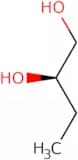
CAS:<p>(R)-1,2-Butanediol is a chemical compound that is classified as a diol. It has two hydroxyl groups and is an active substance. The (R)-1,2-Butanediol molecule consists of two asymmetric carbon atoms. In the presence of oxygen, it can form a ternary complex with copper and the hydroxyl group. This ternary complex catalyzes the conversion of various substrates such as L-xylulose to its corresponding ketones or L-arabinose to its corresponding acetals. The reaction proceeds via substrate binding to the active site on the ternary complex and subsequent functional group participation in the reaction.</p>Formula:C4H10O2Purezza:Min. 95%Peso molecolare:90.12 g/molDrostanolone acetate
CAS:Prodotto controllatoPlease enquire for more information about Drostanolone acetate including the price, delivery time and more detailed product information at the technical inquiry form on this pageFormula:C22H34O3Purezza:Min. 95%Peso molecolare:346.5 g/molδ9,11-Dehydro-17b-estradiol 17-valerate
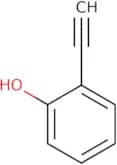
CAS:Prodotto controllatoPlease enquire for more information about Delta9,11-Dehydro-17b-estradiol 17-valerate including the price, delivery time and more detailed product information at the technical inquiry form on this pageFormula:C23H30O3Purezza:Min. 96 Area-%Peso molecolare:354.48 g/mol2-Ethynylphenol
CAS:<p>2-Ethynylphenol is an optical and fluorescence probe that is used in the determination of nucleophilic or electrophilic reactions. It has been shown to inhibit the ring-opening polymerization of benzofuran derivatives, and has potent inhibitory activity against trifluoroacetic acid. 2-Ethynylphenol does not react with amines, halides, or hydrogen bonds, but can be used as a chiral hydrogen bond donor. 2-Ethynylphenol reacts with nucleophiles to form reaction products that are useful for determining the presence of an amine or a halide. 2-Ethynylphenol reacts with nucleophiles to form reaction products that are useful for determining the presence of an amine or a halide.</p>Formula:C8H6OPurezza:Min. 95%Peso molecolare:118.13 g/mol3-[4-(2-Chlorophenyl)-9-methyl-6H-thieno[3,2-f][1,2,4]triazolo[4,3-a][1,4]diazepin-2-yl]-2-propyn-1-ol
CAS:Prodotto controllato<p>Please enquire for more information about 3-[4-(2-Chlorophenyl)-9-methyl-6H-thieno[3,2-f][1,2,4]triazolo[4,3-a][1,4]diazepin-2-yl]-2-propyn-1-ol including the price, delivery time and more detailed product information at the technical inquiry form on this page</p>Formula:C18H13ClN4OSPurezza:Min. 95%Peso molecolare:368.84 g/mol1-Tetradecanethiol
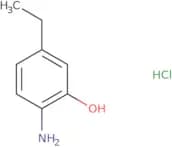
CAS:<p>1-Tetradecanethiol is a high-resistance, detergent composition that is used in vitro to test the effects of boron nitride. This chemical has been shown to be an effective cross-linking agent for polymers and other materials. It also acts as a viscosity reducer and has low energy requirements. 1-Tetradecanethiol can be used as a cationic surfactant and as a molecule in 3-mercaptopropionic acid.</p>Purezza:Min. 95%2-Amino-5-ethylphenol hydrochloride
CAS:Please enquire for more information about 2-Amino-5-ethylphenol hydrochloride including the price, delivery time and more detailed product information at the technical inquiry form on this pageFormula:C8H12ClNOPurezza:Min. 95%Peso molecolare:173.64 g/mol(20R)-Pregn-4-ene-3,17,20-triol
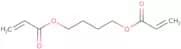
CAS:Prodotto controllato<p>Please enquire for more information about (20R)-Pregn-4-ene-3,17,20-triol including the price, delivery time and more detailed product information at the technical inquiry form on this page</p>Formula:C21H34O3Purezza:Min. 95%Peso molecolare:334.49 g/mol1,4-Butanediol biscrylate - Hydroquinone as inhibitor
CAS:Prodotto controllato<p>1,4-Butanediol biscrylate - Hydroquinone as inhibitor is a glycol ester that is used in the process of laser ablation. It has been shown to be a biocompatible polymer that can be used for surface methodology. This polymer is synthesized by reacting monosodium salt of butanediol with hydroquinone and sodium carbonate in aqueous solution. 1,4-Butanediol biscrylate - Hydroquinone as inhibitor has been tested using cervical cancer cells and it was found to have a cytotoxic effect on these cells.</p>Formula:C10H14O4Purezza:Min. 95%Peso molecolare:198.22 g/mol(17b)-4,17-Dimethyl-androsta-2,4-dieno[2,3-d]isoxazol-17-ol
CAS:Prodotto controllatoPlease enquire for more information about (17b)-4,17-Dimethyl-androsta-2,4-dieno[2,3-d]isoxazol-17-ol including the price, delivery time and more detailed product information at the technical inquiry form on this pageFormula:C22H31NO2Purezza:Min. 95%Peso molecolare:341.49 g/mol1-Acetyl-5-bromoindol-3-ol
CAS:Please enquire for more information about 1-Acetyl-5-bromoindol-3-ol including the price, delivery time and more detailed product information at the technical inquiry form on this pageFormula:C10H8BrNO2Purezza:Min. 95%Colore e forma:PowderPeso molecolare:254.08 g/mol1-Undecanethiol
CAS:<p>1-Undecanethiol is a carboxylic acid that inhibits the cell cycle and induces cell death in cancer cells. It is a potent inhibitor of cell growth and prevents protein synthesis. 1-Undecanethiol has been shown to inhibit the proliferation of breast cancer cells in cell culture. This compound also induces apoptosis by binding to the protein p53, which stabilizes it and reduces its ability to bind to DNA, preventing transcriptional activation of various genes that are involved in apoptosis.</p>Formula:C11H24SPurezza:Min. 95%Peso molecolare:188.37 g/mol2-(2-Aminoethoxy)ethanol
CAS:<p>2-(2-Aminoethoxy)ethanol (2-AE) is a natural compound that has been synthesized from ethanol and 2-aminoethanol. It has been shown to react with sodium carbonate to form stable complexes that are resistant to hydrolysis by amines. The stability of the complex is attributed to the formation of an intermolecular hydrogen bond between the hydroxyl group on the 2-AE molecule and the carboxylate group on the sodium carbonate molecule. 2-AE reacts with benzalkonium chloride, a quaternary ammonium salt, in water vapor to produce an alcohol and a fatty acid, which is then hydrolyzed by glycol ethers into glycolates. This mechanism is similar to that of other reactions involving quaternary ammonium salts, such as those in fatty acids or glycol ethers.</p>Formula:C4H11NO2Purezza:Min. 95%Peso molecolare:105.14 g/mol2-Methoxy-4-methylbenzenethiol
CAS:<p>Please enquire for more information about 2-Methoxy-4-methylbenzenethiol including the price, delivery time and more detailed product information at the technical inquiry form on this page</p>Formula:C8H10OSPurezza:Min. 95%Peso molecolare:154.23 g/molSorbitan trioleate
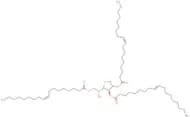
CAS:<p>Sorbitan trioleate is a model system used in pharmaceutical preparations. It is also a particle that consists of three fatty acid chains attached to a hydroxyl group. Sorbitan trioleate has been shown to have many pharmacological effects, including receptor activity and treating allergic reactions. It is also used as a cationic surfactant with magnetic particles for the treatment of bacterial infections. The type strain for this compound is Staphylococcus epidermidis ATCC 12228.</p>Formula:C60H108O8Colore e forma:Clear LiquidPeso molecolare:957.49 g/mol(S)-(+)-2-Butanol
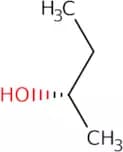
CAS:Prodotto controllato<p>The compound (S)-(+)-2-Butanol is a chiral molecule that is used in the synthesis of benzodiazepines. The (+) enantiomer of 2-butanol has been shown to bind to the GABA receptor and has an inhibitory effect on benzodiazepine binding. It is also a competitive inhibitor for the enzyme dehydrogenase, which converts 2-butanol to acetaldehyde. The (-) enantiomer of 2-butanol does not have any effect on the GABA receptor or dehydrogenase activity. This means that the (+) enantiomer is responsible for the activation energy and stereoselectivity of this reaction. The activation energy for this reaction can be calculated by measuring the amount of heat released during the reaction. This process can be done through vibrational spectroscopy or by running control experiments with a known concentration of reactants and products. There are many ways to determine whether this reaction follows an elimination or dehydration mechanism,</p>Formula:C4H10OPurezza:Min. 95%Colore e forma:Clear LiquidPeso molecolare:74.12 g/mol(S)-1-Benzyl-pyrrolidin-3-ol
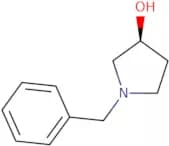
CAS:<p>(S)-1-Benzyl-pyrrolidin-3-ol is an enantiopure chiral drug that is used as a reagent for the synthesis of sodium salts. It is also used in environmental pollution studies, where it was found to inhibit the reaction between sulfate and sodium salts. (S)-1-Benzyl-pyrrolidin-3-ol has been shown to be stereoselective and has been used for the analysis of sulfate fractions in environmental samples. The compound can also be alkylated with various alcohols to form compounds with different properties, such as antiviral properties. (S)-1-Benzyl-pyrrolidin-3-ol is a chiral molecule that exists as two enantiomers: capitatum and helicatum. When analyzed by HPLC, these two forms can be distinguished by their retention times on a sds polyacrylamide gel electrophoresis system.</p>Formula:C11H15NOPurezza:Min. 95%Peso molecolare:177.24 g/mol(16α,17β)-16-Fluoroestra-1,3,5(10)-triene-3,17-diol
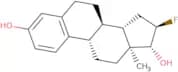
CAS:Prodotto controllato16alpha,17beta)-16-Fluoroestra-1,3,5(10)-triene-3,17-diol is a potent estrogen receptor modulator that has been shown to inhibit tumor growth in clinical oncology. It acts by binding to the estrogen receptor and blocking its ability to activate gene transcription. This compound can also be used as a pharmaceutical preparation in liquid chromatography. 16alpha,17beta)-16-Fluoroestra-1,3,5(10)-triene-3,17-diol is a liquid at room temperature and can be soluble in organic solvents such as chloroform or acetone. It does not react with hydrochloric acid.Formula:C18H23FO2Purezza:Min. 95%Colore e forma:PowderPeso molecolare:290.37 g/mol(R)-(-)-2-Amino-1-butanol
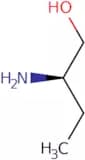
CAS:(R)-(-)-2-Amino-1-butanol is an organic compound that is used as a reagent in the synthesis of pharmaceuticals. It has antimycobacterial properties and can be used to treat tuberculosis. The mechanism for its antimycobacterial activity is not fully understood, but it may involve copper complex formation with the mycobacteria. The chloride ion may also play a role in this process by binding to the copper complex and increasing its solubility in water. This compound may react with aminothiols from the host cell, leading to degradation of DNA, RNA, and proteins. (R)-(-)-2-Amino-1-butanol has been shown to have cytotoxic effects on colorectal adenocarcinoma cells and human lung cancer cells in culture. It also inhibits human colon carcinoma cells in culture through the production of organic acids such as formic acid and acetic acid.Formula:C4H11NOPurezza:Min. 95%Peso molecolare:89.14 g/mol2,3-Dimercapto-1-propanol
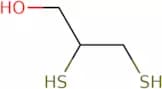
CAS:2,3-Dimercapto-1-propanol (DMPC) is an antibiotic that has been shown to have a potent synergistic effect when used in combination with other antibiotics. DMPC inhibits the enzyme fatty acid synthase and prevents the synthesis of long-chain fatty acids. It also inhibits the uptake of long-chain fatty acids by tissues such as liver, muscle, and fat cells. DMPC is also a reactive chemical that reacts with oxygen from the air to form 2,3-dimercapto-1-propanol peroxyl radicals and hydrogen peroxide. These reactive species are toxic to cells exposed to DMPC in tissue culture or in vivo. This chemical is also a potent inducer of all-trans retinoic acid and dehydroascorbic acid production.Formula:C3H8OS2Purezza:Min. 95%Colore e forma:Clear LiquidPeso molecolare:124.23 g/mol(R,R)-(-)-2,3-Butanediol
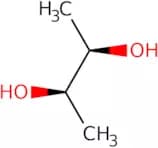
CAS:(R,R)-(-)-2,3-Butanediol is a chiral hydroxy alcohol that is a process optimization for the synthesis of β-hydroxy esters. It has been shown to have antimicrobial activity against Gram-positive bacteria and can inhibit the growth of Gram-negative bacteria in low concentrations. (R,R)-(-)-2,3-Butanediol also inhibits the production of phospolipase A2 by wild-type strains of Escherichia coli. This compound also has an effect on energy metabolism by inhibiting the formation of acetaldehyde from pyruvate.Formula:C4H10O2Purezza:Min. 95%Peso molecolare:90.12 g/mol1,4-Pentanediol
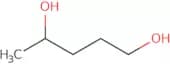
CAS:<p>1,4-Pentanediol is a diol that is used in the manufacture of polyurethanes and other organic compounds. It is produced by the oxidation of benzene with oxygen in the presence of a catalyst such as manganese dioxide. 1,4-Pentanediol can also be prepared from levulinic acid or glycol ethers. 1,4-Pentanediol reacts with an aromatic hydrocarbon in the presence of a homogeneous catalyst to produce viscosity and polycarboxylic acids. The reaction mechanism for this process begins with the addition of water to form hydrogen peroxide and acetaldehyde. Hydrogen peroxide then reacts with an aromatic hydrocarbon to produce glycol ether and hydroxy group. The hydroxyl group then reacts with another aromatic hydrocarbon to produce viscosity and polycarboxylic acid. The reaction products are isolated by distillation or vacuum evaporation, after which they are purified by recrystall</p>Formula:C5H12O2Purezza:Min. 95%Colore e forma:Colorless Clear LiquidPeso molecolare:104.15 g/molBromadiolone
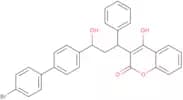
CAS:<p>Bromadiolone NA is a rodenticide that is used in the treatment of rodents in wastewater treatment. Bromadiolone NA has been shown to inhibit the mitochondrial membrane potential, which leads to the release of cytochrome C and activation of caspase 3. Bromadiolone NA also has antioxidative properties that protect against oxidative injury and its metabolites have been found to inhibit human serum albumin. This compound has been used as an antimicrobial agent to control biofilm formation and prevent microbial growth. The mode of action for bromadiolone is through the inhibition of chitosan polymerization, which prevents bacterial attachment and biofilm formation on surfaces. Bromadiolone NA was also shown to bind with DNA, inhibiting replication and transcription.</p>Formula:C30H23BrO4Purezza:Min. 95%Colore e forma:PowderPeso molecolare:527.41 g/mola,a-Diphenyl-2-pyridinemethanol hydrochloride
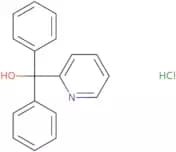
CAS:Prodotto controllatoPlease enquire for more information about a,a-Diphenyl-2-pyridinemethanol hydrochloride including the price, delivery time and more detailed product information at the technical inquiry form on this pageFormula:C18H16ClNOPurezza:Min. 95%Peso molecolare:297.78 g/mol20-Epipregnantriol
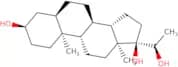
CAS:Prodotto controllato20-Epipregnantriol is a natural metabolite of pregnancy, which is a mixture of 20-hydroxyprogesterone, 17-hydroxyprogesterone, and pregnanediol. This hormone has been shown to be produced in the testes and ovaries. It stimulates the production of estrogen by the ovaries and may have an effect on inhibiting testosterone production in the testes. 20-Epipregnantriol has been used as an analytical control in studies on steroidogenesis.Formula:C21H36O3Purezza:Min. 95%Peso molecolare:336.51 g/mol3-Benzyl-phenol
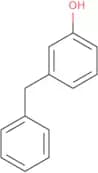
CAS:3-Benzyl-phenol is a formaldehyde and aliphatic compound that is used as a chemical intermediate. It can be synthesized from 3-phenylglycine, which is an amino acid with the formula CH(CH)CONH. The hydroxyl group of 3-benzyl-phenol can be converted to a sulphonic or salicylic acid by hydrolysis with hydrochloric acid or salicylic acid respectively. 3-Benzyl phenol also catalyzes the reaction between paraformaldehyde and hexamine in the presence of water, yielding acetaldehyde and hydrogen gas.Purezza:Min. 95%Petromyzonol
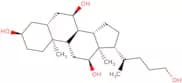
CAS:Prodotto controllato<p>Petromyzonol is an analytical agent for the determination of insulin resistance. It has been shown to be a potent inhibitor of ATP-binding cassette transporter A1 (ABCA1), which is responsible for the transport of cholesterol from peripheral tissues to the liver. Petromyzonol has also been shown to inhibit fatty acid and cholesterol synthesis, which may be due to its ability to bind disulfate groups and inhibit structural studies.</p>Formula:C24H42O4Purezza:Min. 95%Peso molecolare:394.59 g/mol1-[(2-Chlorophenyl)-N-(methylimino)methyl]cyclopentanol hydrochloride
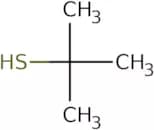
CAS:Prodotto controllato<p>Please enquire for more information about 1-[(2-Chlorophenyl)-N-(methylimino)methyl]cyclopentanol hydrochloride including the price, delivery time and more detailed product information at the technical inquiry form on this page</p>Formula:C13H16ClNO•HClPurezza:Min. 95%Peso molecolare:274.19 g/mol2-Methyl-2-propanethiol
CAS:<p>2-Methyl-2-propanethiol is an electron acceptor and a reagent that can be used for the synthesis of organic compounds. It is soluble in polar solvents, but insoluble in nonpolar solvents. 2-Methyl-2-propanethiol has been shown to react with thiols at concentrations below its optimum concentration. The reaction mechanism is believed to involve adsorption and intramolecular hydrogen transfer. The adsorption process occurs on the surface of the substrate and the intramolecular hydrogen transfer occurs through an intermolecular hydrogen bond with the substrate's hydroxyl group or disulfide bond. When 2-methyl-2-propanethiol reacts with a thiol, it forms a mercaptan group called p2 that contains two substituents, one on each carbon atom. This reaction produces a disulfide bond as well as an electrochemical detector signal known as "activated."</p>Formula:C4H10SPurezza:Min. 98%Colore e forma:Clear LiquidPeso molecolare:90.19 g/molPotassium trimethylsilanolate
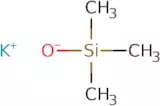
CAS:Potassium trimethylsilanolate is a chemical substance that has inhibitory properties. It is a trifluoroacetic acid derivative that inhibits the activity of certain enzymes, such as proteases and lipases. The compound's inhibitory properties are due to its ability to bind to cytochrome cb2 receptors by means of hydrogen bonding. The binding of potassium trimethylsilanolate to the receptor prevents the activation of apoptosis proteins and protein synthesis in cells. This substance also has an inhibitory effect on water vapor, inhibiting the formation of water molecules from hydrogen atoms and oxygen atoms. Potassium trimethylsilanolate can be used as an anti-cancer agent by preventing cell division in tumor cells and preventing cancer metastasis through inhibition of protease activity.Formula:C3H9KOSiPurezza:Min. 95%Peso molecolare:128.29 g/molPotassium methoxide, 25% w/w in methanol
CAS:Potassium methoxide is a strong base that reacts with methanol to produce potassium metal and methanol. It has been used as a model system for studying the reaction mechanism of metal carbonyls. The reaction solution is heated to produce glycol esters, which are catalyzed by the potassium metal. This process can be used to synthesize biologically active molecules, such as anti-inflammatory drugs, which are difficult to make using conventional methods. Potassium methoxide has also been shown to have protective effects against metabolic disorders in mice and has biological properties that may be useful in the treatment of infectious diseases.Formula:CH3OKPurezza:Min. 95%Colore e forma:Clear LiquidPeso molecolare:70.13 g/mol3-O-Benzyl 16-epiestriol
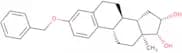
CAS:Prodotto controllato<p>Please enquire for more information about 3-O-Benzyl 16-epiestriol including the price, delivery time and more detailed product information at the technical inquiry form on this page</p>Formula:C25H30O3Purezza:Min. 95%Peso molecolare:378.5 g/mol

![5-[3-(Dimethylamino)propyl]-10,11-dihydro-5H-dibenzo[a,d]cyclohepten-5-ol](/_next/image/?url=https%3A%2Fstatic.cymitquimica.com%2Fproducts%2F3D%2Fthumb-webp%2FFD22331.webp&w=3840&q=75)



![3-[4-(2-Chlorophenyl)-9-methyl-6H-thieno[3,2-f][1,2,4]triazolo[4,3-a][1,4]diazepin-2-yl]-2-propyn-…](/_next/image/?url=https%3A%2Fstatic.cymitquimica.com%2Fproducts%2F3D%2Fthumb-webp%2FFC20335.webp&w=3840&q=75)


![(17b)-4,17-Dimethyl-androsta-2,4-dieno[2,3-d]isoxazol-17-ol](/_next/image/?url=https%3A%2Fstatic.cymitquimica.com%2Fproducts%2F3D%2Fthumb-webp%2FFD22349.webp&w=3840&q=75)


![1-[(2-Chlorophenyl)-N-(methylimino)methyl]cyclopentanol hydrochloride](/_next/image/?url=https%3A%2Fstatic.cymitquimica.com%2Fproducts%2F3D%2Fthumb-webp%2FFC146990.webp&w=3840&q=75)