Alcoli
Gli alcoli sono una vasta gamma di molecole organiche derivate dagli idrocarburi che contengono uno o più gruppi idrossilici (gruppo OH). Questi composti sono essenziali in varie reazioni chimiche e sono ampiamente utilizzati in laboratorio per la sintesi, come solventi e in chimica analitica. Da CymitQuimica, offriamo alcoli di alta qualità preparati per l'uso in laboratorio, supportando le tue ricerche e applicazioni industriali con prodotti affidabili ed efficaci. La nostra selezione garantisce che tu abbia gli alcoli giusti per le tue esigenze specifiche, sia per il lavoro di laboratorio di routine che per progetti di ricerca specializzati.
Sottocategorie di "Alcoli"
Trovati 5814 prodotti di "Alcoli"
Ordinare per
Purezza (%)
0
100
|
0
|
50
|
90
|
95
|
100
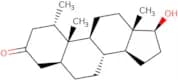
11α-Methylandrostan-17β-ol-3-one
CAS:Prodotto controllato<p>11alpha-Methylandrostan-17beta-ol-3-one is a pharmacological agent that belongs to the group of androgens. It is an oral preparation and has been used in the treatment of infectious diseases, autoimmune diseases, and metabolic disorders. It has also been used as a matrix effect control in biological samples. The biological effects of 11alpha-Methylandrostan-17beta-ol-3-one are mediated by its direct action on cells or through conversion to testosterone or dihydrotestosterone (DHT). These effects include increasing protein synthesis, promoting bone formation, lowering cholesterol levels, stimulating the production of red blood cells, and decreasing fat deposition. The main side effects are acne vulgaris, male pattern baldness, prostate enlargement, increased risk for prostate cancer, and increased risk for developing breast cancer.</p>Formula:C20H32O2Purezza:Min. 95%Colore e forma:PowderPeso molecolare:304.47 g/mol1-(2-Nitrophenyl)-1,2-ethanediol
CAS:<p>1-(2-Nitrophenyl)-1,2-ethanediol is a chemical that has been shown to inhibit the glutamate-induced increase in cytosolic Ca2+ concentration. It also prevents the loss of membrane integrity and protects against cell death by inhibiting apoptosis. 1-(2-Nitrophenyl)-1,2-ethanediol also inhibits amp-activated protein kinase activity and increases ATP production. These effects may be due to its ability to reduce intracellular Ca2+ levels and prevent Ca2+ overload in mitochondria. 1-(2-Nitrophenyl)-1,2-ethanediol has been shown to have a protective effect on isolated heart cells and ventricular myocytes from hypoxia/reoxygenation injury and is an effective model system for investigating biochemical properties of glutamate excitotoxicity.</p>Formula:C8H9NO4Purezza:Min. 95%Colore e forma:PowderPeso molecolare:183.16 g/mol1H-Pyrazol-4-ol
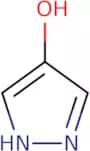
CAS:<p>1H-Pyrazol-4-ol is a molecule that has been shown to have antibacterial properties by inhibiting the growth of bacteria. It was also found to be effective in inhibiting the activity of dopamine β-hydroxylase, which is an enzyme that catalyzes the conversion of dopamine to norepinephrine. 1H-Pyrazol-4-ol has been shown to inhibit nitrite ion reductase, which converts nitrite ions into nitric oxide. Nitric oxide is a potent vasodilator and can cause hypotension. 1H-Pyrazol-4-ol also inhibits the formation of nitro groups from diazonium salts, which are used in many industrial processes, including dyeing and photography. 1H-Pyrazol-4-ol is activated by UV light and reacts with epididymal adipose tissue (fatty tissue) in rats to generate pyrazole derivatives with cytotoxic effects on liver</p>Formula:C3H4N2OPurezza:Min. 95%Peso molecolare:84.08 g/mol1-Pentadecanethiol
CAS:<p>1-Pentadecanethiol is a monocarboxylic acid that has been used as a polymerization initiator for the production of polyethylene. It reacts with aliphatic hydrocarbons, such as n-hexane and caproic acid, to form polymers. 1-Pentadecanethiol is also used in the synthesis of contactors and chromatographic science. The surface of metals can be converted to hydrophilic by reacting with 1-pentadecanethiol. The optical properties of 1-pentadecanethiol are similar to those of water, which makes it useful in studying water surface structures.</p>Purezza:Min. 95%4-Nitro-1H-imidazole-1-ethanol
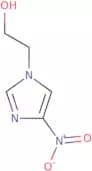
CAS:<p>Please enquire for more information about 4-Nitro-1H-imidazole-1-ethanol including the price, delivery time and more detailed product information at the technical inquiry form on this page</p>Formula:C5H7N3O3Purezza:Min. 95%Colore e forma:Beige PowderPeso molecolare:157.13 g/mol2-Methyl-2-propyl-1,3-propanediol
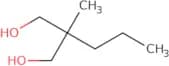
CAS:<p>Propanediol is a chemical compound that is a diol, or a molecule containing two hydroxyl groups. The propanediol molecule contains two alcohol functional groups. It is an organic solvent with a sweet odor and a slightly viscous consistency. Propanediol can be found in cosmetics, pharmaceuticals, and food products as an inactive ingredient and solute. Propanediol has been shown to have anti-allergic properties in experimental studies. This drug also has the ability to modify the properties of other compounds that are mixed with it, such as glycol esters, which are used in pharmaceuticals and cosmetics. 2-Methyl-2-propyl-1,3-propanediol is soluble in water and readily dissolves in most organic solvents at room temperature. It has been shown to be reactive with oxalyl chloride, forming 2-(2-methylpropyl)oxirane chloride: CH3(CHOH)CH(</p>Formula:C7H16O2Purezza:Min. 95%Peso molecolare:132.2 g/mol(17a)-3-Ethynyl-19-norpregna-3,5-dien-20-yn-17-ol
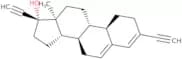
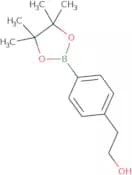
CAS:Prodotto controllato<p>Please enquire for more information about (17a)-3-Ethynyl-19-norpregna-3,5-dien-20-yn-17-ol including the price, delivery time and more detailed product information at the technical inquiry form on this page</p>Formula:C22H26OPurezza:Min. 95%Peso molecolare:306.44 g/mol2-(4-(4,4,5,5-Tetramethyl-l.3,2-dioxaborolan-2-yl)phenyl)ethanol
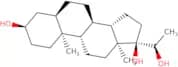
CAS:<p>2-(4-(4,4,5,5-Tetramethyl-l,3,2-dioxaborolan-2-yl)phenyl)ethanol is a fine chemical that has been used as a reagent and as a building block for the synthesis of complex compounds. It is also an intermediate in organic reactions and has been used as a reaction component in the synthesis of various drugs and agrochemicals. 2-(4-(4,4,5,5-Tetramethyl-l,3,2-dioxaborolan-2-yl)phenyl)ethanol is useful as a scaffold in organic synthesis. This compound can be converted to other useful chemicals such as tetrahydropyranones and dibenzalacetone derivatives. 2-(4-(4,4,5,5-Tetramethyl-l,3,2-dioxaborolan-2-yl)phenyl)ethanol</p>Formula:C14H21BO3Purezza:Min. 95%Colore e forma:White PowderPeso molecolare:248.13 g/mol20-Epipregnantriol
CAS:Prodotto controllato<p>20-Epipregnantriol is a natural metabolite of pregnancy, which is a mixture of 20-hydroxyprogesterone, 17-hydroxyprogesterone, and pregnanediol. This hormone has been shown to be produced in the testes and ovaries. It stimulates the production of estrogen by the ovaries and may have an effect on inhibiting testosterone production in the testes. 20-Epipregnantriol has been used as an analytical control in studies on steroidogenesis.</p>Formula:C21H36O3Purezza:Min. 95%Peso molecolare:336.51 g/molL-Phenylalaninol 2-chlorotrityl resin
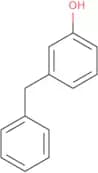
<p>Please enquire for more information about L-Phenylalaninol 2-chlorotrityl resin including the price, delivery time and more detailed product information at the technical inquiry form on this page</p>Purezza:Min. 95%3-Benzyl-phenol
CAS:<p>3-Benzyl-phenol is a formaldehyde and aliphatic compound that is used as a chemical intermediate. It can be synthesized from 3-phenylglycine, which is an amino acid with the formula CH(CH)CONH. The hydroxyl group of 3-benzyl-phenol can be converted to a sulphonic or salicylic acid by hydrolysis with hydrochloric acid or salicylic acid respectively. 3-Benzyl phenol also catalyzes the reaction between paraformaldehyde and hexamine in the presence of water, yielding acetaldehyde and hydrogen gas.</p>Purezza:Min. 95%Petromyzonol
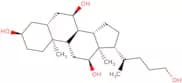
CAS:Prodotto controllato<p>Petromyzonol is an analytical agent for the determination of insulin resistance. It has been shown to be a potent inhibitor of ATP-binding cassette transporter A1 (ABCA1), which is responsible for the transport of cholesterol from peripheral tissues to the liver. Petromyzonol has also been shown to inhibit fatty acid and cholesterol synthesis, which may be due to its ability to bind disulfate groups and inhibit structural studies.</p>Formula:C24H42O4Purezza:Min. 95%Peso molecolare:394.59 g/molKushenol W
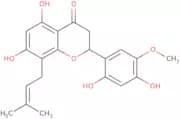
CAS:<p>Kushenol W is a flavonoid compound, which is derived from the root of the Sophora flavescens plant. This plant, commonly known as "Kushen," is an important component in traditional Chinese medicine. The mode of action of Kushenol W involves multiple biological pathways, primarily exerting its effects through anti-inflammatory and anti-tumor activities. It interacts with various molecular targets, modulating pathways associated with oxidative stress and cell proliferation.</p>Purezza:Min. 95%1-Phenylcyclohexanol
CAS:Prodotto controllato<p>1-Phenylcyclohexanol (1-PC) is an organic compound that is used as a reagent in the synthesis of other compounds. It is a colorless liquid with a pleasant odor. 1-PC has been shown to have synergic effects when reacted with various types of oxidizing agents, such as magnesium and boron trichloride. The reaction products are cyclohexanol, dehydration, and modifiers. When 1-PC reacts with phenylcyclohexene, it forms the antigen hemiketal.</p>Formula:C12H16OPurezza:Min. 95%Peso molecolare:176.25 g/molp,a,a-Trimethylbenzyl alcohol
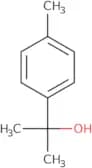
CAS:<p>p,a,a-Trimethylbenzyl alcohol is a naturally occurring compound that is found in the essential oils of plants. It has been shown to have an antifungal effect on Streptococcus faecalis and Candida glabrata. p,a,a-Trimethylbenzyl alcohol also inhibits the growth of bacteria by binding to fatty acids. The mechanism of action for this inhibition is unknown but may be due to its ability to interfere with various enzymatic reactions that are necessary for lipid synthesis. This alcohol has been shown to be a potent inhibitor of bacterial growth with minimal inhibitory concentrations below 1ug/ml and has also been shown to have anti-inflammatory effects in animal studies.</p>Formula:C10H14OPurezza:Min. 90%Colore e forma:Colorless Clear LiquidPeso molecolare:150.22 g/mol4-(Decyloxy)butan-1-ol
CAS:Prodotto controllato<p>Please enquire for more information about 4-(Decyloxy)butan-1-ol including the price, delivery time and more detailed product information at the technical inquiry form on this page</p>Formula:C14H30O2Purezza:Min. 95%Peso molecolare:230.39 g/mol1-[(2-Chlorophenyl)-N-(methylimino)methyl]cyclopentanol hydrochloride
CAS:Prodotto controllato<p>Please enquire for more information about 1-[(2-Chlorophenyl)-N-(methylimino)methyl]cyclopentanol hydrochloride including the price, delivery time and more detailed product information at the technical inquiry form on this page</p>Formula:C13H16ClNO•HClPurezza:Min. 95%Peso molecolare:274.19 g/mol4-Amino-2-(1,3-benzoxazol-2-yl)phenol
CAS:<p>4-Amino-2-(1,3-benzoxazol-2-yl)phenol (4APB) is a fluorescent compound that has been used to study the fungal cell wall. It has shown to cause morphological changes in the conidia of some fungi, including transfer and swelling of the contents. 4APB has also been used to study the transfer mechanism of conidia by fluorescence microscopy and epifluorescence microscopy. This chemical can be stained with tosylates, which are reagents used for staining proteins and other molecules that contain sulfur atoms.</p>Formula:C13H10N2O2Purezza:Min. 95%Peso molecolare:226.23 g/mol1,2,3,4-Tetrahydro-4,6-dihydroxy-2-methyl-isoquinoline
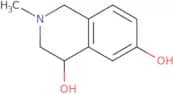
CAS:<p>1,2,3,4-Tetrahydro-4,6-dihydroxy-2-methyl-isoquinoline is a useful building block in the synthesis of various compounds such as pharmaceuticals and pesticides. It is an intermediate for the preparation of other valuable chemicals such as the antihistamine diphenhydramine, which is used to treat allergies. Tetrahydroisoquinoline can also be used as a reagent to synthesize other chemical compounds. This compound has been used in research as well as commercial applications. Tetrahydroisoquinoline is also a versatile scaffold that can be modified to produce different derivatives with different properties.</p>Formula:C10H13NO2Purezza:Min. 95%Colore e forma:White PowderPeso molecolare:179.22 g/mol2-Octyldodecan-1-ol
CAS:<p>2-Octyldodecan-1-ol is a fatty alcohol that is used as a lubricant and surfactant in cosmetic products. It has been shown to have surface coating properties, which may be due to its ability to form hydrogen bonds with hydroxyl groups at the surface of the skin. 2-Octyldodecan-1-ol is also known for its biological effects, such as anti-inflammatory and anti-bacterial properties. This compound has been shown to inhibit bacterial growth by inhibiting membrane synthesis and by binding to fatty acids in the cell wall. It also has an effect on sodium carbonate, p-hydroxybenzoic acid, alcohol residue, hydroxyl group, glycol ether, particle, and inorganic acid.</p>Formula:C20H42OPurezza:Min. 95%Peso molecolare:298.55 g/mol1,4-Bis[3,4-dihydro-2(1H)-quinolinon-7-oxy]butane
CAS:Prodotto controllato<p>Please enquire for more information about 1,4-Bis[3,4-dihydro-2(1H)-quinolinon-7-oxy]butane including the price, delivery time and more detailed product information at the technical inquiry form on this page</p>Formula:C22H24N2O4Purezza:Min. 95%Peso molecolare:380.44 g/mol3-Methyl-1-pentyn-3-ol
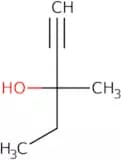
CAS:Prodotto controllato<p>3-Methyl-1-pentyn-3-ol is a chemical that has been shown to have interactive effects on the metabolism of urea nitrogen and low light. 3-Methyl-1-pentyn-3-ol has been shown to produce a depressant effect in animals, which may be due to its ability to inhibit the production of acetylcholine by blocking the enzyme cholinesterase. This chemical has also been shown to react with hydroxyl groups, producing a pharmacological agent. The reaction mechanism for 3-methyl pentynol is via hydrolysis by hydrochloric acid or pentobarbital sodium.</p>Formula:C6H10OPurezza:Min. 95%Peso molecolare:98.14 g/mol(1S,2S)-(+)-2-Amino-1-phenyl-1,3-propanediol
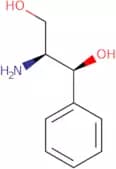
CAS:<p>(1S,2S)-(+)-2-Amino-1-phenyl-1,3-propanediol is a synthetic compound that has been synthesized and studied as an amide. It has a hydroxy group on the skeleton of the molecule. The enantiomer of this compound is (1R,2R)-(-)-2-amino-1-phenyl-1,3-propanediol. This compound contains two chiral centers and four stereoisomers. These stereoisomers are not mirror images of each other. (1S,2S)-(+)-2-Amino-1-phenyl-1,3-propanediol has been shown to be effective against cryptococcus neoformans in cell culture experiments.</p>Formula:C9H13NO2Purezza:Min. 95%Peso molecolare:167.21 g/mol3-Phenyl-1,2,4-oxadiazol-5-ol
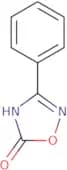
CAS:<p>3-Phenyl-1,2,4-oxadiazol-5-ol is a thione that has been shown to be conjugated with DNA and RNA. It is also able to form complexes with metal ions. This compound is spectroscopically active and can be used for the evaluation of biomolecules in vitro. 3-Phenyl-1,2,4-oxadiazol-5-ol can be used as an alternative to ethidium bromide for the detection of nucleic acids in agarose gel electrophoresis. It has been shown to inhibit protein synthesis in bacteria by binding to ribosomes and inhibiting protein synthesis.</p>Formula:C8H6N2O2Purezza:Min. 95%Peso molecolare:162.15 g/molrac 1,2-dioleoyl-3-chloropropanediol
CAS:<p>Rac-1,2-dioleoyl-3-chloropropanediol is a fatty acid and can be used for the preparation of isotopically labelled fatty acids. Rac-1,2-dioleoyl-3-chloropropanediol has been used as an internal standard in the quantification of fatty acid esters in plant oils. The use of rac 1,2-dioleoyl-3-chloropropanediol was found to be appropriate for calibrating liquid chromatography with a quadrupole mass spectrometer.</p>Formula:C39H71ClO4Purezza:Min. 95%Peso molecolare:639.43 g/molL-Alaninol-2-chlorotrityl resin
<p>Please enquire for more information about L-Alaninol-2-chlorotrityl resin including the price, delivery time and more detailed product information at the technical inquiry form on this page</p>Purezza:Min. 95%Allopurinol-d2
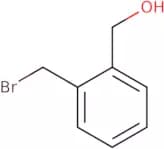
CAS:<p>Allopurinol-d2 is an inhibitor of xanthine oxidase, which is an enzyme that catalyzes the conversion of hypoxanthine to xanthine and then to uric acid. Allopurinol-d2 is used for the treatment of gout and hyperuricemia. The compound was expressed in Escherichia coli and purified by electrospray ionization mass spectrometry. It has been shown to inhibit methyltransferase activity, thereby decreasing the production of urate. Allopurinol-d2 has also been shown to decrease disease activity in animal models of colitis and ulcerative colitis.</p>Formula:C5H2D2N4OPurezza:Min. 95%Peso molecolare:138.12 g/mol(2-(Bromomethyl)phenyl)methanol
CAS:<p>(2-(Bromomethyl)phenyl)methanol is an acceptor of a palladium complex. It is used in the synthesis of amides and other functional groups, as well as in catalysis. 2-(Bromomethyl)phenyl)methanol can be quaternized with methyl iodide to form a bromoalkylamine. The reaction proceeds via an amide group on the bromoalkylamine and a hydrogen atom from the alkyl halide. This process is known as "supramolecular" or "intermolecular" hydrogen bonding. It has been found that 2-(Bromomethyl)phenyl)methanol forms complexes with palladium through intermolecular hydrogen bonding, which are more stable than those formed by other ligands such as phosphines and cyanides.</p>Formula:C8H9BrOPurezza:95%NmrPeso molecolare:201.06 g/mol2-Methyl-2-propanethiol
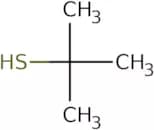
CAS:<p>2-Methyl-2-propanethiol is an electron acceptor and a reagent that can be used for the synthesis of organic compounds. It is soluble in polar solvents, but insoluble in nonpolar solvents. 2-Methyl-2-propanethiol has been shown to react with thiols at concentrations below its optimum concentration. The reaction mechanism is believed to involve adsorption and intramolecular hydrogen transfer. The adsorption process occurs on the surface of the substrate and the intramolecular hydrogen transfer occurs through an intermolecular hydrogen bond with the substrate's hydroxyl group or disulfide bond. When 2-methyl-2-propanethiol reacts with a thiol, it forms a mercaptan group called p2 that contains two substituents, one on each carbon atom. This reaction produces a disulfide bond as well as an electrochemical detector signal known as "activated."</p>Formula:C4H10SPurezza:Min. 98%Colore e forma:Clear LiquidPeso molecolare:90.19 g/molPotassium trimethylsilanolate
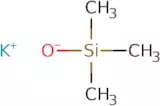
CAS:<p>Potassium trimethylsilanolate is a chemical substance that has inhibitory properties. It is a trifluoroacetic acid derivative that inhibits the activity of certain enzymes, such as proteases and lipases. The compound's inhibitory properties are due to its ability to bind to cytochrome cb2 receptors by means of hydrogen bonding. The binding of potassium trimethylsilanolate to the receptor prevents the activation of apoptosis proteins and protein synthesis in cells. This substance also has an inhibitory effect on water vapor, inhibiting the formation of water molecules from hydrogen atoms and oxygen atoms. Potassium trimethylsilanolate can be used as an anti-cancer agent by preventing cell division in tumor cells and preventing cancer metastasis through inhibition of protease activity.</p>Formula:C3H9KOSiPurezza:Min. 95%Peso molecolare:128.29 g/mol(3b,5a,17a)-19-Norpregnane-3,17-diol
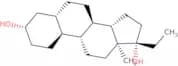
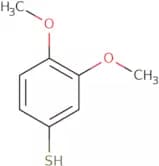
CAS:Prodotto controllato<p>Please enquire for more information about (3b,5a,17a)-19-Norpregnane-3,17-diol including the price, delivery time and more detailed product information at the technical inquiry form on this page</p>Formula:C20H34O2Purezza:Min. 95%Peso molecolare:306.48 g/mol3,4-Dimethoxythiophenol
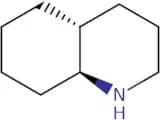
CAS:<p>3,4-Dimethoxythiophenol is a chemical compound that is used as a fluorescence probe to study biological functions in cells. It reacts with hydroxyl groups and other reactive sites on proteins, including sulfhydryl groups, thiols, and amines. 3,4-Dimethoxythiophenol has been shown to inhibit the viability of cancer cells (e.g., prostate cancer cells) by interfering with the function of dehydrogenase enzymes. 3,4-Dimethoxythiophenol also inhibits growth of microglia (cells that protect neurons) in vitro. This inhibition is due to the production of reactive oxygen species by the microglial cells. The chemical structure of this compound includes a hydroxyl group and two methoxy groups.</p>Formula:C8H10O2SPurezza:Min. 95%Colore e forma:Clear LiquidPeso molecolare:170.23 g/moltrans-Decahydroquinoline
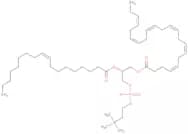
CAS:<p>Trans-decahydroquinoline is a chiral compound that can be synthesized by an asymmetric synthesis. It is an amide with a carbonyl group and a dialkylamino group. Trans-decahydroquinoline can be used to synthesize different compounds, such as enantiopure drugs, pharmaceuticals, and agrochemicals. The synthesis of trans-decahydroquinoline can be accomplished through the aldol cyclization or the addition of an acid to the carbonyl group. The magnetic resonance spectroscopy (NMR) and molecular modeling techniques have been used to study its structure and properties.</p>Formula:C9H17NPurezza:Min. 95%Peso molecolare:139.24 g/mol1-Docosahexaenoin-2-oleoyl 3-phosphocholine
CAS:<p>1-Docosahexaenoin-2-oleoyl 3-phosphocholine is a phospholipid compound that has shown promising potential in cancer research. This compound belongs to the steroid family and has been studied for its diagnostic capabilities in detecting breast cancer. It has also been investigated for its antiviral properties, particularly against HIV-1. Additionally, 1-Docosahexaenoin-2-oleoyl 3-phosphocholine has been researched for its use in diabetes management, with studies exploring its effects on insulin secretion and glucose metabolism. This compound has also been evaluated as a potential therapeutic agent for certain types of tumors due to its ability to inhibit tumor growth.</p>Formula:C48H82NO8PPurezza:Min. 95%Peso molecolare:832.14 g/molPotassium methoxide, 25% w/w in methanol
CAS:<p>Potassium methoxide is a strong base that reacts with methanol to produce potassium metal and methanol. It has been used as a model system for studying the reaction mechanism of metal carbonyls. The reaction solution is heated to produce glycol esters, which are catalyzed by the potassium metal. This process can be used to synthesize biologically active molecules, such as anti-inflammatory drugs, which are difficult to make using conventional methods. Potassium methoxide has also been shown to have protective effects against metabolic disorders in mice and has biological properties that may be useful in the treatment of infectious diseases.</p>Formula:CH3OKPurezza:Min. 95%Colore e forma:Clear LiquidPeso molecolare:70.13 g/mol3-O-Benzyl estriol
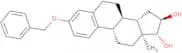
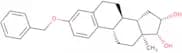
CAS:Prodotto controllato<p>3-O-Benzyl estriol is a synthetic estrogen that is used to treat menopausal symptoms. This drug has been shown to have a high affinity for the estrogen receptor, and it is also able to activate the estrogen receptor in cells. 3-O-Benzyl estriol has been shown to be more potent than other estrogens such as estrone or estriol and has been shown to increase the synthesis of proteins by increasing RNA synthesis. 3-O-Benzyl estriol is conjugated with glucuronic acid and excreted in the bile. It also has a number of metabolic transformations, including pyrolysis, which produces cyanamid and triethylamine.</p>Formula:C25H30O3Purezza:Min. 95%Peso molecolare:378.5 g/mol3-O-Benzyl 16-epiestriol
CAS:Prodotto controllato<p>Please enquire for more information about 3-O-Benzyl 16-epiestriol including the price, delivery time and more detailed product information at the technical inquiry form on this page</p>Formula:C25H30O3Purezza:Min. 95%Peso molecolare:378.5 g/molEupalinolide A
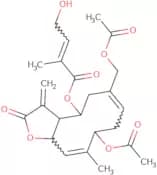
CAS:<p>Eupalinolide A is a sesquiterpene lactone that is extracted from Eupatorium. It has been shown to have anti-inflammatory and antioxidant properties, as well as the ability to activate caspase-9 in cells. This drug also inhibits the production of reactive oxygen species (ROS) by inhibiting mitochondrial membrane potential, which leads to cell death. Eupalinolide A also has the ability to inhibit collagen synthesis and can be used for the treatment of chronic bronchitis, hepatitis, and liver cirrhosis.</p>Formula:C24H30O9Purezza:Min. 95%Peso molecolare:462.49 g/mol2-Cyclopentyl-4-chlorophenol
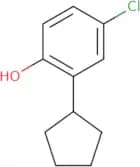
CAS:<p>2-Cyclopentyl-4-chlorophenol is a synthetic fatty acid that is used as an antiviral agent. It inhibits the synthesis of fatty acids by inhibiting the conversion of 2,4-dienoyl CoA to 3-hydroxyacyl CoA. 2-Cyclopentyl-4-chlorophenol has been shown to be effective against a number of test organisms, including bacteria such as staphylococcus and virus such as herpes simplex virus. 2-Cyclopentyl-4-chlorophenol inhibits viral protein synthesis by blocking the action of host enzymes required for this process. The target cell for this drug is the host cell infected with a virus. This drug also has antihelminthic properties and can be used to treat parasitic infections caused by schistosoma haematobium and clonorchis sinensis worms. 2CPCP's structural formula is shown below:</p>Formula:C11H13ClOPurezza:Min. 95%Peso molecolare:196.67 g/mol3-Buten-1-ol
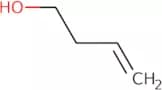
CAS:<p>3-Buten-1-ol is a reactive, anhydrous alcohol that can be used as a model system for hydrogen bonding. It can also be used to demonstrate the uptake of hydrochloric acid and hydroxyl group substitution reactions. 3-Buten-1-ol is soluble in organic solvents such as benzene and chloroform, but insoluble in water. The structural analysis of 3-buten-1-ol has been performed using spectroscopic techniques such as laser ablation and x-ray diffraction to determine its molecular formula. The reaction solution of 3-buten-1-ol with zirconium oxide has been shown to produce intramolecular hydrogen bonds and solid catalysts.</p>Formula:C4H8OPurezza:Min. 95%Colore e forma:Clear LiquidPeso molecolare:72.11 g/mol1,2-O-Dioctadecyl-sn-glycerol
CAS:<p>1,2-O-Dioctadecyl-sn-glycerol is a hydrogenated glycerol that can be used as an advance in synthetic chemistry. It can be hydrogenolyzed to produce choline and cyclic phosphatidylglycerols. The catalytic properties of 1,2-O-dioctadecyl-sn-glycerol are due to its ability to react with chloride or cadmium chloride to form dialkyl glycerols. This product is also used in the synthesis of cadmium.</p>Formula:C39H80O3Purezza:Min. 95%Peso molecolare:597.05 g/mol4-[(2,4-Dimethylbenzyl)oxy]butan-1-ol
CAS:Prodotto controllato<p>Please enquire for more information about 4-[(2,4-Dimethylbenzyl)oxy]butan-1-ol including the price, delivery time and more detailed product information at the technical inquiry form on this page</p>Formula:C13H20O2Purezza:Min. 95%Peso molecolare:208.3 g/mol2-(2-Methyl-1H-imidazol-1-yl)ethanol
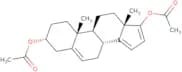
CAS:<p>2-(2-Methyl-1H-imidazol-1-yl)ethanol is a synthetic intermediate that has been used to synthesize antibiotics and antiviral agents. It has a terminal half-life of about 2 days and its pharmacokinetics are linear with an oral dose range from 10 to 100 mg/kg. The fruit extract of Camptotheca acuminata contains alkaloids, which can be converted into 2-(2-methyl-1H-imidazol-1-yl)ethanol by alkalization. 2-(2-Methyl-1H-imidazol-1-yl)ethanol is effective against hordeolum, acne, and infectious diseases caused by viruses such as herpes simplex. This drug has antibacterial properties and can be used in the treatment of bacterial infections such as staphylococcal skin infections, streptococcal throat infections, or gonorrhea. Dehydration is an</p>Formula:C6H10N2OPurezza:Min. 95%Peso molecolare:126.16 g/mol3,17-Di-O-acetyl androsta-5,14,16-triene-3b,17-diol
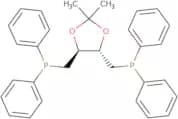
CAS:Prodotto controllato<p>Please enquire for more information about 3,17-Di-O-acetyl androsta-5,14,16-triene-3b,17-diol including the price, delivery time and more detailed product information at the technical inquiry form on this page</p>Formula:C23H30O4Purezza:Min. 95%Peso molecolare:370.48 g/mol(2S,3S)-(+)-1,4-Bis(diphenylphosphino)-2,3-O-isopropylidene-2,3-butanediol
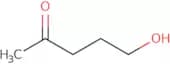
CAS:<p>(2S,3S)-(+)-1,4-Bis(diphenylphosphino)-2,3-O-isopropylidene-2,3-butanediol is a chiral phosphine ligand. It has been used as an optical catalyst for styrene polymerization and as a homogeneous catalyst for the electrochemical oxidation of cyclic aldehydes. This compound has also been used in preparative voltammetric studies of phosphines and diphosphines. (2S,3S)-(+)-1,4-Bis(diphenylphosphino)-2,3-O-isopropylidene-2,3-butanediol can be obtained by reduction of bis-(diphenylphosphine)ethane with lithium aluminum hydride or sodium borohydride. This compound is soluble in solvents such as benzene and chloro</p>Formula:C31H32O2P2Purezza:Min. 95%Peso molecolare:498.53 g/mol3-Acetyl-1-propanol
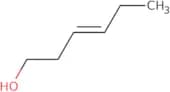
CAS:<p>3-Acetyl-1-propanol is a chemical substance that contains a hydroxy group and a hydrogen chloride molecule. The kinetic data for the reaction of 3-acetyl-1-propanol with water vapor has been found to be constant. This reaction is a nucleophilic attack on the C=O bond, which is followed by an intramolecular hydrogen transfer from one of the OH groups to the other. The product of this reaction is 3-hydroxypropanoic acid, which can be converted back to 3-acetyl propanol by hydrolysis. Hydrochloric acid is used as a catalyst in this process.</p>Formula:C5H10O2Purezza:Min. 95%Colore e forma:Colourless To Light (Or Pale) Yellow To Red-Brown LiquidPeso molecolare:102.13 g/molβ-γ Hexenol
CAS:<p>b-Gamma hexenol is a chemical compound that belongs to the group of odorants. It is a volatile compound that has been identified as an important component in the fragrance of many flowers, such as roses and lavender. b-Gamma hexenol has been found to have significant binding affinity for proteins and enzymes, which may be due to its ability to form soluble complexes at the interface between organic phases and aqueous solutions. b-Gamma hexenol is used in vitro assays as a pharmacological agent that blocks acetylcholine release from nerve endings, thereby reducing pain sensation. In addition, it is also used as an anion radical scavenger due to its high resistance against acid hydrolysis. !--</p>Formula:C6H12OPurezza:Min. 95%Colore e forma:Clear LiquidPeso molecolare:100.16 g/molRITA
CAS:<p>RITA is a novel compound that has been shown to have anticancer activity in vivo in a rat model. RITA is a small molecule with high potency and low toxicity. It binds selectively to the α subunit of the enzyme topoisomerase II, which is involved in DNA replication and repair. RITA has been shown to induce apoptosis in cancer cells by pro-apoptotic proteins such as Bax and Bak. These proteins are known for their ability to induce apoptosis by increasing mitochondrial membrane permeability, inhibiting mitochondrial functions, or destabilizing the mitochondrial membrane potential. The compound class of RITA is not yet known, but it has been shown to be chemically stable at physiological pH levels and does not require metabolic activation for its cytotoxicity. The pharmacokinetics of this drug have also been studied in human liver cells and humans, indicating that this drug may be able to cross the blood-brain barrier.</p>Formula:C14H12O3S2Purezza:Min. 95%Peso molecolare:292.38 g/mol5α-Androst-16-en-3α-ol
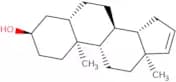
CAS:Prodotto controllato<p>5alpha-Androst-16-en-3alpha-ol is a pheromone that is produced by the human body. It has been shown to be a potent inducer of transcriptional activation in mammalian cells. 5alpha-Androst-16-en-3alpha-ol also has biological properties that are similar to those of androstenol, another pheromone produced by the human body. 5alpha-Androstenol binds to the androgen receptor, which then regulates gene transcription and protein synthesis in target cells. This process can lead to changes in cell metabolism, proliferation, or apoptosis. It has been shown that 5alpha-androstenol can increase testosterone levels in humans as well as other primates such as rhesus monkeys. The odorant binding site of 5alpha-androstenol is unknown; however, it may be able to bind with odorant receptors through hydrophobic interactions.</p>Formula:C19H30OPurezza:Min. 98 Area-%Colore e forma:White PowderPeso molecolare:274.44 g/mol1-Fluoro-5a-androst-2-en-17b-ol acetate
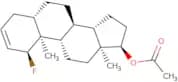
CAS:Prodotto controllato<p>Please enquire for more information about 1-Fluoro-5a-androst-2-en-17b-ol acetate including the price, delivery time and more detailed product information at the technical inquiry form on this page</p>Formula:C20H28FO2Purezza:Min. 95%Peso molecolare:319.43 g/mol





![1-[(2-Chlorophenyl)-N-(methylimino)methyl]cyclopentanol hydrochloride](/_next/image/?url=https%3A%2Fstatic.cymitquimica.com%2Fproducts%2F3D%2Fthumb-webp%2FFC146990.webp&w=3840&q=75)


![1,4-Bis[3,4-dihydro-2(1H)-quinolinon-7-oxy]butane](/_next/image/?url=https%3A%2Fstatic.cymitquimica.com%2Fproducts%2F3D%2Fthumb-webp%2FFB18792.webp&w=3840&q=75)




![4-[(2,4-Dimethylbenzyl)oxy]butan-1-ol](/_next/image/?url=https%3A%2Fstatic.cymitquimica.com%2Fproducts%2F3D%2Fthumb-webp%2FFD131280.webp&w=3840&q=75)