Alcoli
Sottocategorie di "Alcoli"
Trovati 5817 prodotti di "Alcoli"
Carboxyethylsilanetriol sodium salt - 25% in water
CAS:Carboxyethylsilanetriol sodium salt - 25% in water is a reagent that is used to form complex compounds. It can be used as a reaction component or a building block to create more complex compounds, such as new medicines. Carboxyethylsilanetriol sodium salt - 25% in water has been shown to be an efficient and versatile scaffold for the production of fine chemicals and research chemicals. CAS No. 18191-40-7 is a speciality chemical that can react with other organic compounds to form new compounds for research purposes. Carboxyethylsilanetriol sodium salt - 25% in water is a useful intermediate and building block for various synthetic reactions because it can easily react with other organics to form new compounds which are useful in pharmaceuticals, agrochemicals, and other industries.
Formula:C3H6Na2O5SiPurezza:Approximately 25%Colore e forma:Clear LiquidPeso molecolare:196.14 g/mol2-Oxo-1,2,3,4-tetrahydroquinoline-4-carboxylic acid
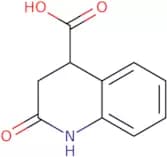
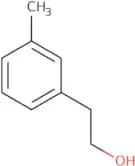
CAS:2-Oxo-1,2,3,4-tetrahydroquinoline-4-carboxylic acid is a carboxylic acid that is an intermediate in the chemical synthesis of 2H and 3H tetrahydroquinolines. It can be synthesized by the oxidation of 2-(N,N-dimethylamino)benzaldehyde with hydrogen peroxide in methanol. The compound has been used to label animals for use in mass spectrometry studies and as a reactant in electron and nuclear magnetic resonance (NMR) spectroscopy experiments. In addition, 2-oxo-1,2,3,4-tetrahydroquinoline-4-carboxylic acid has been used to study equilibrium and reversible reactions as well as to identify the abundances of different spectral peaks. 2-Oxo-1,2,3,4-tetrahydroquinoline-4Formula:C10H9NO3Purezza:Min. 95%Peso molecolare:191.18 g/mol2-(3-Methylphenyl)ethanol
CAS:2-(3-Methylphenyl)ethanol is a benzene derivative that has been shown to be toxic at high doses. It is used as a solvent in dermatology and as an intermediate in the production of other chemicals. 2-(3-Methylphenyl)ethanol has been shown to have dermatologic effects such as erythema, scaling, and dryness. This compound also has a low degree of acute toxicity from ingestion or inhalation and is safe for use. The chemical structure consists of a benzene ring with two methyl groups on it, making it a primary alcohol.
2-(3-Methylphenyl)ethanol belongs to the class of alcohols. Alcohols are organic compounds containing one hydroxyl group attached to an alkyl or substituted alkyl radical. Alcohols can be classified according to their structure into primary, secondary, and tertiary alcohols, depending on how many carbon atoms are attached to the hydroxyl groupFormula:C9H12OPurezza:Min. 95%Colore e forma:Clear LiquidPeso molecolare:136.19 g/mol2,6-Dimethoxybenzyl alcohol
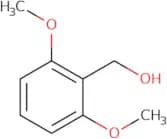
CAS:2,6-Dimethoxybenzyl alcohol is a synthetic compound that is a peroxidase substrate. It is used as an alternative for papaverine in the synthesis of penicillin and cephalosporin antibiotics. 2,6-Dimethoxybenzyl alcohol reacts with Mn2+ ions to form hydronium and hydrogen peroxide. This reaction has been shown to be more efficient than the decomposition of hydrogen peroxide by catalases or superoxide dismutases. 2,6-Dimethoxybenzyl alcohol also forms a reactive congener with erythrocytes and plasma proteins that can cause vasoconstriction in the blood vessels. The dimethoxybenzyl group (DMB) is a monosubstituted phenol group that binds to the active site of enzymes such as cytochrome P450s and glutathione reductase.
Formula:C9H12O3Purezza:Min. 95%Peso molecolare:168.19 g/molRef: 3D-FD67333
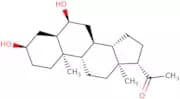
Prodotto fuori produzione5β-Pregnan-3α,6α-diol-20-one
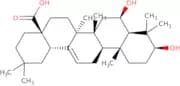
CAS:Prodotto controllato5β-Pregnan-3α,6α-diol-20-one is an anticoagulant that inhibits the action of thrombin. It has been shown to inhibit the inflammatory response in a number of autoimmune diseases and inflammatory disorders. This drug also has a nitro group, which can be reduced to an hydroxyl group by reaction with sodium nitrite or other reducing agents. The antimicrobial properties of 5β-pregnan-3α,6α-diol-20-one are thought to be due to its ability to form particle aggregates with magnetic particles. These aggregates have an inhibitory effect on bacterial growth.Formula:C21H34O3Purezza:Min. 95%Colore e forma:PowderPeso molecolare:334.49 g/molSumaresinolic acid
CAS:Prodotto controllatoSumaresinolic acid is a naturally occurring triterpenoid compound, which is typically isolated from certain plant species, such as those belonging to the Sumac (Rhus) family. This compound is characterized by its complex molecular structure that endows it with various biochemical activities. Sumaresinolic acid acts primarily through anti-inflammatory and antioxidant pathways, influencing cellular signaling and modulating enzymatic activity related to inflammation and oxidative stress.
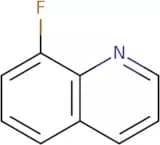
Formula:C30H48O4Purezza:Min. 95 Area-%Colore e forma:PowderPeso molecolare:472.7 g/mol8-Fluoroquinoline
CAS:8-Fluoroquinoline is a quinoline derivative that has been shown to have in vitro anticancer activity against colon adenocarcinoma cells. It is a chiral molecule that can exist as two stereoisomers, (R)-8-fluoroquinoline and (S)-8-fluoroquinoline. These isomers may have different interactions with the tumorigenic cells, but both of them have anticancer activity. 8-Fluoroquinoline also interacts with cytochrome P450 enzymes, enhancing their ability to metabolize carcinogens.
Formula:C9H6FNPurezza:Min. 95%Peso molecolare:147.15 g/molRef: 3D-FF54377
Prodotto fuori produzione1-Palmitoyl-2-oleoyl-rac-glycerol
CAS:1-Palmitoyl-2-oleoyl-rac-glycerol is a fatty acid that is made in the mitochondria and is an intermediate in the production of diacylglycerol. It has been shown to have a linear response with cellular protein levels, and it has been shown to be involved in the genetic mechanisms of cells. 1-Palmitoyl-2-oleoyl-rac-glycerol has been found to have a number of protein targets, including phosphatidylinositide 3 kinase, PKC, and Akt. This molecule also has been used as an analytical method for measuring fatty acids in tissue samples and has been shown to alter enzyme levels, such as those found in prostaglandin synthase 2. 1-Palmitoyl-2-oleoyl-rac-glycerol can be synthesized by laser ablation or chromatographic science methods.
Formula:C37H70O5Purezza:Min. 95%Colore e forma:Solidified MassPeso molecolare:594.95 g/molRef: 3D-FP159222
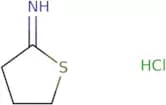
Prodotto fuori produzione2-Iminothiolane hydrochloride
CAS:2-Iminothiolane hydrochloride is an amine that reacts with free thiol groups in proteins. It can be used to generate models of protein structures, as well as to study the effects of disulfide bonds on protein stability and function. 2-Iminothiolane hydrochloride has been shown to inhibit HIV infection by blocking the uptake of all-trans retinoic acid into cells. This drug also has minimal toxicity and can be used for cancer therapy. The drug was shown to have minimal toxicity in vitro, but it has not yet been tested in vivo.
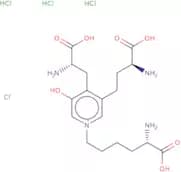
Formula:C4H8ClNSPurezza:Min. 95%Colore e forma:White Off-White PowderPeso molecolare:137.63 g/molDeoxypyridinoline chloride 3HCl
CAS:Deoxypyridinoline chloride 3HCl is a fine chemical that is used as a building block in the synthesis of organic compounds. Deoxypyridinoline chloride 3HCl can be used as a reagent and speciality chemical in research laboratories, as well as in the manufacture of pharmaceuticals and other organic molecules. Deoxypyridinoline chloride 3HCl is also versatile, serving as an intermediate to produce other chemicals, or as a reaction component to produce complex products with specialized properties. The compound has been registered by the Chemical Abstracts Service (CAS) under CAS No. 204074-56-6.
Formula:C18H32Cl4N4O7Purezza:Min. 95%Colore e forma:PowderPeso molecolare:558.28 g/molRef: 3D-FD21063
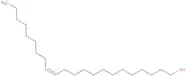
Prodotto fuori produzionecis-13-Docosenol
CAS:cis-13-Docosenol is a fatty acid that is biodegradable and is used in the production of film-forming polymers. It has been shown to have disinfectant properties, which may be due to its ability to break down hydrogen chloride. The molecular formula for cis-13-docosenol is C18H38O2. cis-13-Docosenol has not been assigned an IUPAC name and has a viscosity of 0.3 mPa·s at 25°C.
Formula:C22H44OPurezza:Min. 95%Colore e forma:PowderPeso molecolare:324.58 g/mol1,7-Heptanediol
CAS:1,7-Heptanediol is a fatty acid that is used as a solvent and coating agent. It has been shown to inhibit leukemia cells in vitro. 1,7-Heptanediol has been shown to bind to the dna binding domains of transcription factors in vitro and may act as an anticancer agent by inhibiting the synthesis of proteins involved in biochemical pathways. 1,7-Heptanediol also inhibits tumor xenografts in vivo and induces apoptosis through hydrogen bond formation with DNA. It has been demonstrated to have detergent properties and can be used for biochemical reactions, such as the synthesis of chemical substances.
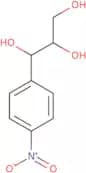
Formula:C7H16O2Purezza:min 98%Colore e forma:Colorless Clear LiquidPeso molecolare:132.2 g/mol1-(4-Nitrophenyl)glycerol
CAS:1-(4-Nitrophenyl)glycerol has been shown to inhibit the growth of Gram-positive bacteria, including Streptococcus faecalis, and Gram-negative bacteria, including Pseudomonas aeruginosa. It is also used as a sample preparation for antimicrobial resistance testing.
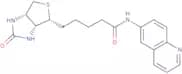
Formula:C9H11NO5Purezza:Min. 97 Area-%Colore e forma:Off-White PowderPeso molecolare:213.19 g/molBiotinyl-6-aminoquinoline
CAS:Biotinyl-6-aminoquinoline is a synthetic chemical that has been shown to inhibit the growth of cancer cells in laboratory mice. It was synthesized to be a substrate for the enzyme quinolinate synthase, which is involved in the synthesis of nicotinic acid. Biotinyl-6-aminoquinoline is an analytical method that has been used in urinary samples from patients with bladder cancer as well as healthy individuals. The sequences of each individual were determined and analyzed using an algorithm that performs logistic regression, which can predict whether or not the patient has bladder cancer.
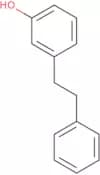
Formula:C19H22N4O2SPurezza:Min. 95 Area-%Colore e forma:PowderPeso molecolare:370.47 g/mol3-Phenethyl-phenol
CAS:3-Phenethylphenol is a hydrophobic, sterically-interacting compound that binds to molybdenum. It has been shown to inhibit the growth of fungi such as Poria and Coriolus. 3-Phenethylphenol also has functionalities such as peroxide, acetonitrile, and nature. This compound is not soluble in water and must be dissolved in solvents such as acetonitrile or polyvinyl acetate before use. 3-Phenethylphenol has been shown to have chromatographic properties, allowing it to be used as an adsorbent for the separation of organic compounds.
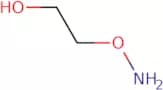
Formula:C14H14OPurezza:Min. 95%Colore e forma:PowderPeso molecolare:198.26 g/mol2-(Aminooxy)ethanol
CAS:2-(Aminooxy)ethanol is an organic compound that has the chemical formula CH3NOCH2CH2OH. It belongs to the group of cyclic ketones and is a colorless liquid with a boiling point of 78°C. This substance can be produced by dehydrogenation of ethylene oxide or by reaction of formamide with sodium hydroxide and hydrochloric acid. The product can also be prepared from 2-hydroxyethanol, which reacts with ethylene in presence of HCl. The reaction time for this process is around 1 hour at room temperature. The chemical formula for 2-(Aminooxy)ethanol is C4H11NO2O.
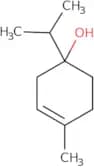
Formula:C2H7NO2Purezza:Min. 95%Colore e forma:Clear LiquidPeso molecolare:77.08 g/molrac-Terpinen-4-ol
CAS:Terpinen-4-ol is a natural compound that is found in essential oils such as tea tree oil. It has been shown to have antimicrobial activity against Gram positive bacteria, such as Staphylococcus aureus and Streptococcus pneumoniae. Terpinen-4-ol has been shown to inhibit the production of proinflammatory cytokines and chemokines, which reduces inflammation and disease activity. The antimicrobial activity of terpinen-4-ol was evaluated by its ability to inhibit the growth of Hl-60 cells. This substance also inhibits the synthesis of DNA and protein by binding to penicillin-binding proteins (PBP) on the bacterial ribosome. Terpinen-4-ol has also been shown to be an effective inhibitor of cancer cell growth in a model system for squamous cell carcinoma.
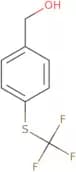
Formula:C10H18OPurezza:Min. 95 Area-%Colore e forma:Colorless Clear LiquidPeso molecolare:154.25 g/mol4-(Trifluoromethylthio)benzyl alcohol
CAS:4-(Trifluoromethylthio)benzyl alcohol (4TFABA) is a chemical that is used as a reagent in organic synthesis. It can be used to synthesize a variety of compounds, including pharmaceuticals and agrochemicals. 4TFABA has been found to be an excellent building block for the synthesis of complex molecules. It is also widely used as a reaction component in high-quality research chemicals, such as chiral ligands and heteroaryl ligands.
Formula:C8H7F3OSPurezza:Min. 95%Colore e forma:PowderPeso molecolare:208.2 g/mol2,4,6-Tribromo-3-methoxyphenol
CAS:2,4,6-Tribromo-3-methoxyphenol is a high quality reagent that is used as an intermediate in the production of many fine chemicals. It is also a useful building block for the synthesis of speciality chemicals and research chemicals. This chemical can be used as a versatile building block for reactions with other compounds. 2,4,6-Tribromo-3-methoxyphenol has CAS number 24967-79-1 and can be found at Chemical & Laboratory Equipment.
Formula:C7H5Br3O2Purezza:Min. 95%Peso molecolare:360.83 g/molRef: 3D-FT67256
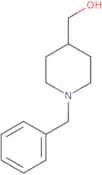
Prodotto fuori produzione(1-Benzyl-4-piperidyl)methanol
CAS:1-Benzyl-4-piperidyl)methanol is a linker molecule that can be used to connect a variety of heterocycles with the ability to modulate their biological activities. This molecule has been shown to be a potent inhibitor of 5-HT receptor activity and has been used in molecular modeling studies. 1-Benzyl-4-piperidyl)methanol also has the potential for use as an environmental pollutant, which may be due to its reactivity with naphthalene compounds. The modifications that are possible on this molecule include introducing substituents on the benzene ring or amide groups, which can provide potent inhibitory activity.
Formula:C13H19NOPurezza:Min. 95 Area-%Colore e forma:Clear LiquidPeso molecolare:205.3 g/molRef: 3D-FB71821
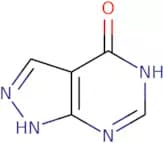
Prodotto fuori produzioneAllopurinol
CAS:Allopurinol is a drug that is used in the treatment of gout and other disorders caused by excessive production of uric acid. It functions as an inhibitor of xanthine oxidase, which is the enzyme responsible for converting hypoxanthine to xanthine, and xanthine to uric acid. Allopurinol blocks the conversion of these compounds, thereby reducing the formation of uric acid. Allopurinol has been shown to be effective for treating inflammatory bowel disease such as ulcerative colitis and Crohn's disease. This drug also inhibits nuclear DNA synthesis, antioxidant vitamins (e.g., vitamin E), and brain functions. Allopurinol has been shown to be effective in protecting neurons against oxidative injury that may lead to neurodegenerative diseases such as Parkinson's disease.
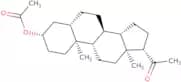
Formula:C5H4N4OPurezza:Min. 95%Colore e forma:White PowderPeso molecolare:136.11 g/mol5α-Pregnan-3β-ol-20-one 3β-acetate
CAS:Prodotto controllato5α-Pregnan-3β-ol-20-one 3β-acetate is a synthetic steroid that is used to treat various neurological disorders, including dystonias, depression, and dyskinesias. It is an agonist of the GABA receptor and has been shown to have antidepressant effects in hamsters. 5α-Pregnan-3β-ol-20-one 3β-acetate has also been shown to have antiaggressive effects in mice and to decrease hormone levels in animals. The drug has been found to be safe for use in humans and does not affect fertility. 5α-Pregnan-3β-ol-20-one 3βacetate has been shown to be effective only when administered at high doses, which may be due to its poor oral bioavailability.
Formula:C23H36O3Purezza:Min. 95%Colore e forma:White PowderPeso molecolare:360.53 g/molRef: 3D-FP67983
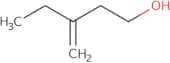
Prodotto fuori produzione3-Buten-3-ethyl-1-ol
CAS:3-Buten-3-ethyl-1-ol is a versatile building block that can be used as a reagent for chemical synthesis. It is a complex compound that can be used as a reaction component or intermediate in organic synthesis. 3-Buten-3-ethyl-1-ol has been shown to have antiinflammatory properties, which may be due to the inhibition of prostaglandin synthesis.
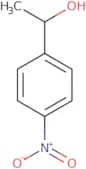
Formula:C6H12OPurezza:Min. 95%Colore e forma:Clear LiquidPeso molecolare:100.16 g/mol4-Nitrophenylmethylcarbinol
CAS:4-Nitrophenylmethylcarbinol is a nitro compound that has been isolated from the nitration of 4-nitrophenol. It is used as a reagent to synthesize β-unsaturated ketones. The inhibitory effect of 4-nitrophenylmethylcarbinol is due to the presence of two nitro groups and one methyl group on its structure. This compound has been shown to have an inhibitory effect on glucose 6-phosphate dehydrogenase, which functions in cellular respiration by catalyzing the conversion of glucose 6-phosphate to glucose 1,6-bisphosphate. The inhibition of this enzyme leads to a reduction in the formation of ATP and NADPH, which are essential for cell growth. 4-Nitrophenylmethylcarbinol also has reductase activities that allow it to reduce phosphotriesters (e.g., DNA) and dehydrogenase deficiency (e.g., py
Formula:C8H9NO3Purezza:Min. 95%Colore e forma:Orange Clear LiquidPeso molecolare:167.16 g/mol4-[[4-(4-Chlorophenyl)-2-thiazolyl]amino]phenol
CAS:4-[[4-(4-Chlorophenyl)-2-thiazolyl]amino]phenol is a chemical that has been used in analytical and in vitro methods to study the cellular physiology of cells. It was found to inhibit sphingosine kinase, which is an enzyme that is involved in the synthesis of sphingosine. The inhibition of this enzyme leads to decreased levels of sphingosine and the effect on the cell. 4-[[4-(4-Chlorophenyl)-2-thiazolyl]amino]phenol can also affect mitochondrial membrane potential and cyclase activity, which may be useful for treating hyperproliferative diseases such as breast cancer.Formula:C15H11ClN2OSPurezza:Min. 95%Peso molecolare:302.78 g/mol3-Nitrophenol
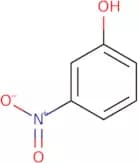
CAS:3-Nitrophenol is an organic compound that is used in wastewater treatment, specifically to remove nitrogenous compounds from the water. It reacts with a hydroxyl group and a nitro group to form a molecule with three nitro groups. The presence of this molecule in wastewater can lead to population growth, which may be reduced by thermal expansion. 3-Nitrophenol is also used as an electrode for gravimetric analysis of metals and as a reagent for the detection of sodium ions. This compound has been shown to have a ph optimum of 7.5, but will react with hydrogen bonds at any ph value.
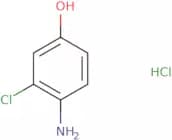
Formula:C6H5NO3Purezza:Min. 95%Colore e forma:PowderPeso molecolare:139.11 g/mol4-Amino-3-chlorophenol hydrochloride
CAS:Intermediate in the synthesis of lenvatinibFormula:C6H7Cl2NOPurezza:Min. 95%Colore e forma:PowderPeso molecolare:180.03 g/molIsohexanol
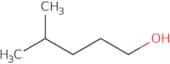
CAS:Isohexanol is a chemical cross-linking agent that reacts with amines to form amide bonds. It is used in the synthesis of polyvinylpyrrolidone, which is an important component of pharmaceutical preparations. Isohexanol has been shown to react with glycol ethers to form ether adducts and has been used as a kinetic study reagent. The chemical reactions of isohexanol depend on its pH level, which can range from acidic (pH 2) to neutral (pH 7). At lower pH ranges, isohexanol will undergo side-chain cleavage to form methyl myristate, which is a fatty acid. Higher pH levels result in the formation of methyl ethyl and other volatile products.
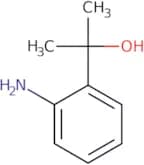
Formula:C6H14OPurezza:Min. 97%Colore e forma:Colorless Clear LiquidPeso molecolare:102.17 g/mol2-Amino-α,α-dimethylbenzyl alcohol
CAS:2-Amino-α,α-dimethylbenzyl alcohol is a reagent that is useful in the synthesis of complex compounds. It is also a fine chemical and can be used as an intermediate for other compounds. 2-Amino-α,α-dimethylbenzyl alcohol has been shown to be reactive and can be used as a speciality chemical. This chemical is used as a reaction component for chemical reactions, such as Heck reactions, Suzuki couplings, and Sonogashira couplings. 2-Amino-α,α-dimethylbenzyl alcohol is versatile and can be used in many different reactions due to its high quality.
Formula:C9H13NOPurezza:Min. 95%Colore e forma:Clear LiquidPeso molecolare:151.21 g/molRef: 3D-FA66431
Prodotto fuori produzione1,10-Decanediol
CAS:1,10-Decanediol is an organic compound that belongs to the group of glycols. It has a melting point of 117°C and a boiling point of 285°C. 1,10-Decanediol is an asymmetric molecule with two different stereoisomers: cis-1,10-decanediol and trans-1,10-decanediol. The melting point for cis-1,10-decanediol is higher than that for trans-1,10-decanediol. This indicates that the cis form is more stable at room temperature than the trans form. 1,10-Decanediol can be used in the synthesis of fatty acids and dna duplexes. It has also been shown to inhibit the replication of HIV by binding to its reverse transcriptase enzyme and preventing it from functioning properly.
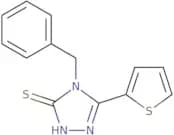
Formula:C10H22O2Purezza:Min. 98 Area-%Colore e forma:White PowderPeso molecolare:174.28 g/mol4-benzyl-5-(2-thienyl)-1,2,4-triazole-3-thiol
CAS:4-Benzyl-5-(2-thienyl)-1,2,4-triazole-3-thiol (BTT) is a molecule that belongs to the class of thiourea derivatives. It has been used as an anti-inflammatory agent in animal models and has shown promising results for the treatment of human inflammatory diseases. BTT is a thiol which can reversibly bind to proteins by forming a covalent bond with the sulfur atom. This interaction inhibits the production of proinflammatory cytokines such as IL-6 and TNFα by inhibiting NFκB activation. The functional theory for BTT is based on its ability to prevent the formation of reactive oxygen species by inhibiting lipid peroxidation induced by ROS. In addition, BTT may suppress inflammation through inhibition of histamine release from mast cells.
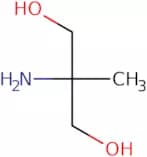
Purezza:Min. 95%AMPD
CAS:AMPD, also known as 2-Amino-2-methyl-1,3-propanediol, is a buffer solution with a pH range of 7.8-9.7 and a pKa of 8.8. This chemical buffer is used in molecular biology, protein studies, enzyme assays, and separation techniques such as isatachophoresis (ITP) and SDS-gradient gel electrophoresis.
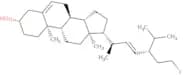
Formula:C4H11NO2Purezza:Min. 95%Colore e forma:PowderPeso molecolare:105.14 g/mol(3β,22E)-29-Fluorostigmasta-5,22-dien-3-ol
CAS:Prodotto controllato3β,22E)-29-Fluorostigmasta-5,22-dien-3-ol is a plant growth regulator that belongs to the group of fatty alcohols. It is found in the horticultural and tissue culture industries and is used as an additive in bioassays. 3β,22E)-29-Fluorostigmasta-5,22-dien-3-ol enhances the growth rate of nematodes and has been shown to be a potent inhibitor of benzoate degradation. This compound also has hormone effects that are similar to those of furostanols or steroids.
Formula:C29H47FOPurezza:Min. 95%Peso molecolare:430.68 g/mol3-Amino-1-adamantanol
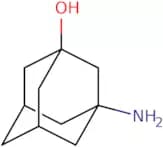
CAS:Intermediate in the synthesis of vildagliptin
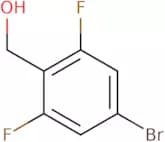
Purezza:Min. 95%Colore e forma:PowderPeso molecolare:167.25 g/mol4-Bromo-2,6-difluorobenzyl alcohol
CAS:4-Bromo-2,6-difluorobenzyl alcohol (4BDFA) is a molecule that has been shown to be able to produce magnetic resonance images. It can be used in tumor diagnosis as well as in the imaging of tumors. 4BDFA is synthesized by coupling 2,6-difluoroaniline with bromoacetaldehyde diethyl acetal. The syntheses are carried out under phase transfer catalysis conditions and the reaction is monitored by thin layer chromatography.
The synthesis of 4BDFA starts with the preparation of 2,6-difluoroaniline via a Grignard reaction between aniline and magnesium metal. The Grignard reagent is then added to bromoacetaldehyde diethyl acetal in dichloromethane followed by addition of triethylamine dropwise to maintain pH neutrality. The product is then extracted from the organic solution using ethyl etherFormula:C7H5BrF2OPurezza:Min. 95%Colore e forma:PowderPeso molecolare:223.01 g/molRef: 3D-FB69822
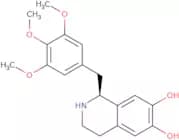
Prodotto fuori produzioneTretoquinol
CAS:Prodotto controllatoTretoquinol is a bronchodilator, which is synthesized from specific chemical reactions involving quinoline derivatives. It functions primarily as a beta-adrenergic agonist, stimulating beta-2 adrenergic receptors. This activation leads to the relaxation of bronchial smooth muscle, resulting in widened air passages and improved airflow. Tretoquinol's mechanism of action involves enhancing cyclic adenosine monophosphate (cAMP) levels, which then promotes the relaxation of the bronchial and vascular musculature.
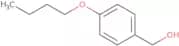
Formula:C19H23NO5Purezza:Min. 95%Peso molecolare:345.39 g/mol4-Butoxybenzyl alcohol
CAS:4-Butoxybenzyl alcohol is a primary alcohol that is used as a solvent and reagent. It has been shown to disrupt the architecture of bacterial cell walls by destabilizing the molybdenum cofactor, which is essential for the enzyme xylose reductase. The destabilization of this cofactor leads to inhibition of cell wall synthesis and subsequent death of bacteria. 4-Butoxybenzyl alcohol also has antibacterial properties and can be used to inhibit the growth of Gram-positive bacteria such as Staphylococcus aureus and Enterococcus faecalis. This compound may also act by inhibiting amide formation or by binding to magnesium, aluminium, or amides in the bacterial cell wall.
Formula:C11H16O2Purezza:Min. 95%Colore e forma:PowderPeso molecolare:180.24 g/molRef: 3D-FB64450
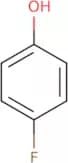
Prodotto fuori produzione4-Fluorophenol
CAS:4-Fluorophenol is the organic compound with the formula CHFOH. It is a phenolic compound and has been used in the manufacture of other chemicals such as trifluoroacetic acid, sodium carbonate and creatinine sulfate. The hydroxyl group of 4-Fluorophenol is capable of donating a proton to hydrogen fluoride to form the intramolecular hydrogen bond, which is an important factor in its chemical reactivity. This reaction mechanism can be seen using electrochemical impedance spectroscopy on bacterial strains.
4-Fluorophenol has been shown to be effective for wastewater treatment due to its ability to react with oxygen nucleophiles such as creatinine sulfate and p-hydroxybenzoic acid.Formula:C6H5FOPurezza:Min. 95%Colore e forma:White PowderPeso molecolare:112.1 g/molRef: 3D-FF31943
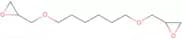
Prodotto fuori produzione1,6-Hexanediol diglycidylether
CAS:1,6-Hexanediol diglycidylether is a reactive functional group that has been used in the production of polyurethane elastomers. It is also used as a cross-linking agent and polymerization initiator. The reactive functional group has been shown to form intramolecular hydrogen bonds, which are important for the formation of polyurethanes. 1,6-Hexanediol diglycidylether is an exothermic compound that reacts with deionized water, forming carbon dioxide and hydrogen gas. This product has been shown to cause allergic reactions in clinical studies.
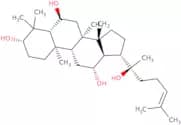
Formula:C12H22O4Colore e forma:Clear LiquidPeso molecolare:230.3 g/mol20S-Protopanaxatriol
CAS:Prodotto controllato20S-Protopanaxatriol is a drug that has been shown to have anticancer effects in human HL60 cells. It inhibits the expression of cytokines and inflammatory mediators, such as tumor necrosis factor-α (TNF-α), interleukin-6 (IL-6), and IL-8. 20S-protopanaxatriol also has anti-inflammatory properties due to its ability to inhibit toll-like receptor 4 (TLR4) activity. The drug may also be used for the treatment of chronic inflammation, arthritis, and other diseases related to TLR4 activation. This compound is an active ingredient found in ginseng and ginsenosides. These natural compounds are thought to work by binding to a response element on DNA and regulating the transcription of genes involved in immune responses or cell growth.
Formula:C30H52O4Purezza:Min. 95%Colore e forma:White PowderPeso molecolare:476.73 g/mol2,4,5-Trimethoxybenzyl alcohol
CAS:2,4,5-Trimethoxybenzyl alcohol is a metabolite that is produced by the p. pastoris strain. It has been shown to be active against the enzyme glyceraldehyde-3-phosphate dehydrogenase and has been expressed heterologously in yeast. 2,4,5-Trimethoxybenzyl alcohol also has been shown to inhibit peroxidases and may have biochemical applications in pharmaceuticals as an inhibitor of lipid peroxidation.
Formula:C10H14O4Purezza:Min. 95%Colore e forma:White PowderPeso molecolare:198.22 g/molRef: 3D-FT70910
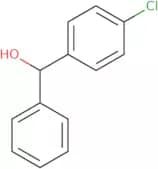
Prodotto fuori produzione4-Chlorodiphenylcarbinol
CAS:The asymmetric synthesis of 4-chlorodiphenylcarbinol is an efficient method that uses a simple, inexpensive, and environmentally friendly reagent. The reaction proceeds in the presence of hydrochloric acid and sodium hydroxide solution. The reaction mechanism is the same as for the preparation of other chiral alcohols. The stereoselective preparation method is based on the use of glycol esters or trifluoroacetic acid to produce enantiomerically pure 4-chlorodiphenylcarbinol, which can be used as a precursor for pharmaceuticals, pesticides, and dyes.
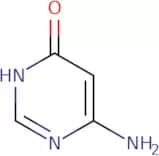
Formula:C13H11ClOPurezza:Min. 95%Colore e forma:PowderPeso molecolare:218.68 g/mol6-Aminopyrimidin-4-ol
CAS:6-Aminopyrimidin-4-ol is an intermediate in the synthesis of orotic acid. It is also a precursor to 6-chloropurine, which is used in the manufacture of orotic acid and 6-aminopurine. 6-Aminopyrimidin-4-ol can be prepared by benzannulation of phosphorus oxychloride with orotic acid or by hydrolysis of 6-chloropurine with thiourea. The latter method is preferred because it results in less waste.
6-Aminopyrimidin-4-ol is labile and must be stored under an inert gas at low temperature to prevent decomposition. It undergoes inactivating reactions with strong oxidizing agents, such as chlorine dioxide, peracetic acid, hydrogen peroxide, and potassium permanganate.
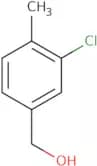
It also reacts with nucleophiles such as ammonia or amines to form stable tautFormula:C4H5N3OPurezza:Min. 95%Colore e forma:PowderPeso molecolare:111.1 g/mol3-Chloro-4-methylbenzyl alcohol - Technical grade
CAS:3-Chloro-4-methylbenzyl alcohol is a building block chemical that is used in the synthesis of a variety of organic compounds. It is a versatile chemical that can be used as a reagent, reaction component, and intermediate. 3-Chloro-4-methylbenzyl alcohol has been found to be useful in the synthesis of complex compounds, such as 4-chloromethoxybenzoic acid and 3-(3,5-dimethoxyphenyl)acetic acid. This chemical can also be used to produce speciality chemicals, such as 3-(2-(2,4-dichlorophenoxy)ethyl)benzonitrile.
Formula:C8H9ClOPurezza:Min. 95%Colore e forma:Colorless PowderPeso molecolare:156.61 g/molRef: 3D-FC70227
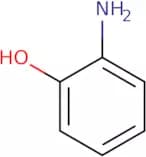
Prodotto fuori produzione2-Aminophenol
CAS:2-Aminophenol is a water soluble redox catalyst that is used in wastewater treatment. It has been shown to be a potent antimicrobial agent against bacteria, fungi, and viruses. 2-Aminophenol is active against the Gram-positive bacteria Staphylococcus aureus and Enterococcus faecalis. The mechanism of the reaction of 2-aminophenol with picolinic acid is believed to be due to intramolecular hydrogen bonding between nitrogen atoms (N) and amines (NH). The binding site for this reaction is not well understood, but it may involve an electrochemical mechanism such as constant pressure or electrochemical impedance spectroscopy. 2-Aminophenol also participates in electron transfer reactions involving NAD+/NADH or cytochrome c/cytochrome c oxidase.
Formula:C6H7NOPurezza:Min. 98 Area-%Colore e forma:Brown White PowderPeso molecolare:109.13 g/molRef: 3D-FA71182
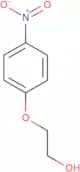
Prodotto fuori produzione2-(4-Nitrophenoxy)ethanol
CAS:2-(4-Nitrophenoxy)ethanol (NPEO) is a water soluble, synthetic compound that has been shown to have anti-tumor properties. NPEO was found to be toxic to tumor cells in vitro and inhibits the growth of tumor cells in vivo. NPEO also inhibits the synthesis of DNA and RNA, which are important for cell division. This inhibitory effect may lead to the death of cancer cells by interfering with their ability to grow and divide.
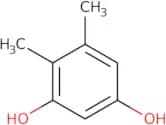
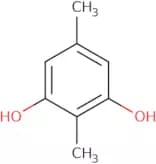
Formula:C8H9NO4Purezza:Min. 95%Colore e forma:PowderPeso molecolare:183.16 g/mol4,5-Dimethylresorcinol
CAS:4,5-Dimethylresorcinol is a decarboxylated form of resorcinol that has been extracted from the acetate extract of an endophytic fungus. It has been shown to have anti-inflammatory properties and can be used for the treatment of symptoms such as diarrhea. 4,5-Dimethylresorcinol is produced by a series of enzymatic reactions in which resorcinol is first decarboxylated and then hydroxylated to produce 4,5-dimethylresorcinol. There are two isomers of this compound: the alpha-isomer and beta-isomer. The alpha-isomer has been shown to have more potent anti-inflammatory activity than the beta-isomer. 4,5-Dimethylresorcinol has also been found to be effective in treating intestinal disorders such as Crohn's disease and ulcerative colitis in clinical trials.
Formula:C8H10O2Purezza:Min. 95%Colore e forma:PowderPeso molecolare:138.16 g/mol2,5-Dimethylresorcinol
CAS:2,5-Dimethylresorcinol is a natural organic compound that has been shown to have the ability to inhibit the formation of reactive oxygen species. It is used in wastewater treatment and as an antioxidant. 2,5-Dimethylresorcinol has been shown to exhibit an inhibitory effect on lipid hydroperoxides and hydroxyl group binding. This compound can also be used as a substrate or product in catalytic domains. 2,5-Dimethylresorcinol is found in the form of usnic acid and orsellinic acid. The use of this compound as a catalyst for oxidation reactions has been studied extensively. It has also been shown to be an effective inhibitor for catalytic domains with a range of different metal ions.
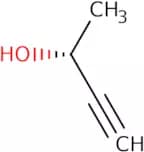
Formula:C8H10O2Purezza:Min. 95%Colore e forma:PowderPeso molecolare:138.16 g/mol(R)-(+)-3-Butyn-2-ol
CAS:(R)-(+)-3-Butyn-2-ol is a chiral alcohol that can be used as a substrate for the synthesis of antibiotics. It has been shown to inhibit phosphatases in vivo and can be used as an inhibitor for phosphatases. (R)-(+)-3-Butyn-2-ol can also be used to synthesize glyoxylate, which is an intermediate for the production of antibiotics. This compound has been shown to have optical activity and stereoselectivity. The synthesis of (R)-(+)-3-butyn-2-ol starts with the alkylation reaction between acetylene and formaldehyde, followed by a cross-coupling reaction with bromoethane and lithium aluminum hydride. The final step is the hydrolysis of furfural using water or lipase, yielding (R)-(+)-3-butyn-2-ol.
Formula:C4H6OPurezza:Min. 98 Area-%Colore e forma:Clear LiquidPeso molecolare:70.09 g/molRef: 3D-FB05622
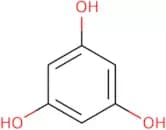
Prodotto fuori produzionePhloroglucinol
CAS:Phloroglucinol is a group P2 compound that has been shown to have significant cytotoxicity. It binds to the response element of phloroglucinol-induced chronic cough in vitro and in vivo, and inhibits the synthesis of DNA. Phloroglucinol is a dinucleotide phosphate that reacts with hydrogen bonding interactions. The chemical biology of phloroglucinol includes its ability to cause synchronous fluorescence at high concentrations. Phloroglucinol also possesses sodium citrate-dependent intermolecular hydrogen bonding properties.
Formula:C6H6O3Purezza:Min. 98 Area-%Colore e forma:PowderPeso molecolare:126.11 g/mol





![4-[[4-(4-Chlorophenyl)-2-thiazolyl]amino]phenol](/_next/image/?url=https%3A%2Fstatic.cymitquimica.com%2Fproducts%2F3D%2Fthumb-webp%2FFC137468.webp&w=3840&q=75)