Alcoli
Sottocategorie di "Alcoli"
Trovati 5817 prodotti di "Alcoli"
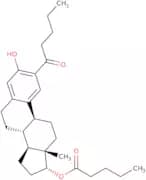
2-Valeryl-17'-estradiol 17-valerate
CAS:Prodotto controllatoPlease enquire for more information about 2-Valeryl-17'-estradiol 17-valerate including the price, delivery time and more detailed product information at the technical inquiry form on this page
Formula:CHOPurezza:Min. 95%Ref: 3D-FV165157
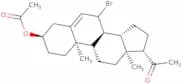
Prodotto fuori produzione7-Bromo-3-O-acetyl pregnenolone
CAS:Prodotto controllatoPlease enquire for more information about 7-Bromo-3-O-acetyl pregnenolone including the price, delivery time and more detailed product information at the technical inquiry form on this page
Formula:C23H33BrO3Purezza:Min. 95%Peso molecolare:437.41 g/mol4-[(2,4-Dimethylbenzyl)oxy]butan-1-ol
CAS:Prodotto controllatoPlease enquire for more information about 4-[(2,4-Dimethylbenzyl)oxy]butan-1-ol including the price, delivery time and more detailed product information at the technical inquiry form on this page
Formula:C13H20O2Purezza:Min. 95%Peso molecolare:208.3 g/molRef: 3D-FD131280
Prodotto fuori produzione11-Heneicosanol
CAS:Please enquire for more information about 11-Heneicosanol including the price, delivery time and more detailed product information at the technical inquiry form on this page
Formula:C21H44OPurezza:Min. 95%Peso molecolare:312.57 g/moltrans-4-Aminocyclohexanol
CAS:Trans-4-aminocyclohexanol is a cell signaling molecule that belongs to the class of heterocyclic compounds. It has been shown to have an anti-inflammatory effect and inhibit the production of pro-inflammatory cytokines in vitro. Trans-4-aminocyclohexanol also inhibits cyclooxygenase (COX) activity, which is responsible for the conversion of arachidonic acid into prostaglandins. This inhibition leads to decreased inflammation and pain. Trans-4-aminocyclohexanol is orally bioavailable and can be detected in the blood plasma within one hour after administration. The compound has been shown to bind to the enzyme protein kinase C, which is involved in cell signaling pathways, and inhibit its activity.
Formula:C6H13NOPurezza:Min. 95%Colore e forma:PowderPeso molecolare:115.17 g/molRef: 3D-FA14743
Prodotto fuori produzione3-[(4-Aminopiperidin-1-yl)methyl]phenol
CAS:Please enquire for more information about 3-[(4-Aminopiperidin-1-yl)methyl]phenol including the price, delivery time and more detailed product information at the technical inquiry form on this page
Formula:C12H18N2OPurezza:Min. 95%Peso molecolare:206.28 g/molRef: 3D-FA116167
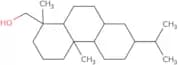
Prodotto fuori produzioneTetrahydroabietyl alcohol
CAS:Prodotto controllatoTetrahydroabietyl alcohol is a colorless liquid that is soluble in water and has a molecular weight of 150. It belongs to the group of hydroxy-substituted monomers. Tetrahydroabietyl alcohol can be used as a raw material for polyesters, polyurethanes, and other industrial chemicals. It can be produced by the reaction of an aromatic hydrocarbon with phosphite followed by hydrolysis. The product can also be synthesized from hexane fatty alcohols or acid catalysts, such as monocarboxylic acids. This compound is used for stabilizing ester compounds and terpene esters. Tetrahydroabietyl alcohol can also be obtained by hydrogenation of terpenes and their derivatives under high pressure and temperature conditions in the presence of metal catalysts, such as palladium or platinum.
Formula:C20H36OPurezza:Min. 95%Peso molecolare:292.5 g/molRef: 3D-FT162576
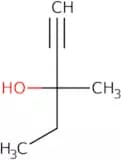
Prodotto fuori produzione3-Methyl-1-pentyn-3-ol
CAS:Prodotto controllato3-Methyl-1-pentyn-3-ol is a chemical that has been shown to have interactive effects on the metabolism of urea nitrogen and low light. 3-Methyl-1-pentyn-3-ol has been shown to produce a depressant effect in animals, which may be due to its ability to inhibit the production of acetylcholine by blocking the enzyme cholinesterase. This chemical has also been shown to react with hydroxyl groups, producing a pharmacological agent. The reaction mechanism for 3-methyl pentynol is via hydrolysis by hydrochloric acid or pentobarbital sodium.
Formula:C6H10OPurezza:Min. 95%Peso molecolare:98.14 g/molRef: 3D-FM35088
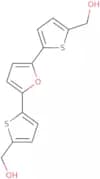
Prodotto fuori produzioneRITA
CAS:RITA is a novel compound that has been shown to have anticancer activity in vivo in a rat model. RITA is a small molecule with high potency and low toxicity. It binds selectively to the α subunit of the enzyme topoisomerase II, which is involved in DNA replication and repair. RITA has been shown to induce apoptosis in cancer cells by pro-apoptotic proteins such as Bax and Bak. These proteins are known for their ability to induce apoptosis by increasing mitochondrial membrane permeability, inhibiting mitochondrial functions, or destabilizing the mitochondrial membrane potential. The compound class of RITA is not yet known, but it has been shown to be chemically stable at physiological pH levels and does not require metabolic activation for its cytotoxicity. The pharmacokinetics of this drug have also been studied in human liver cells and humans, indicating that this drug may be able to cross the blood-brain barrier.
Formula:C14H12O3S2Purezza:Min. 95%Peso molecolare:292.38 g/molTriethanolamine hydrochloride
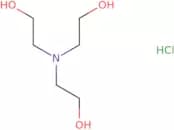
CAS:Prodotto controllatoTriethanolamine hydrochloride, widely known as TEA-HCl, is a buffer used in biochemistry to maintain a stable pH in the range of 7.3 to 8.3 during processes like protein extraction and purification. They are also used in enzyme assays.
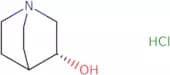
Formula:C6H15NO3·HClPurezza:Min. 95%Colore e forma:PowderPeso molecolare:185.65 g/molR-(-)-3-Quinuclininol HCl
CAS:Prodotto controllatoPlease enquire for more information about R-(-)-3-Quinuclininol HCl including the price, delivery time and more detailed product information at the technical inquiry form on this page
Purezza:Min. 95%Ref: 3D-FQ03212
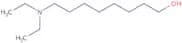
Prodotto fuori produzione8-(N,N-Diethylamino)octan-1-ol
CAS:Please enquire for more information about 8-(N,N-Diethylamino)octan-1-ol including the price, delivery time and more detailed product information at the technical inquiry form on this page
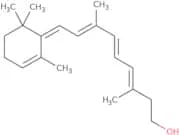
Formula:C12H27NOPurezza:Min. 95%Peso molecolare:201.35 g/molall-trans-Retro retinol
CAS:All-trans-retinol is a form of vitamin A that is found in many animal tissues and some plant oils. It acts as a hormone, binding to the retinoic acid receptors (RARs) in the nucleus and activating gene transcription. All-trans-retinol has been shown to be effective against hyperproliferative diseases such as cancer, both by inducing apoptosis and by inhibiting cell growth. All-trans-retinol may also have therapeutic potential for other diseases, such as intestinal cancers and prostatic hypertrophy. This compound has been shown to induce messenger RNA (mRNA) production in cells that express RARs.
Formula:C20H30OPurezza:Min. 95%Peso molecolare:286.45 g/molRef: 3D-FR59825
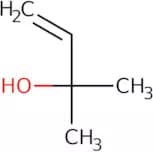
Prodotto fuori produzione2-Methyl-3-buten-2-ol
CAS:2-Methyl-3-buten-2-ol is a reactive oxygenated compound that can be found in the environment. It is produced by the oxidation of glyoxal, glycolaldehyde, and other simple sugars. 2-Methyl-3-buten-2-ol has been found to have toxic effects on wild type strains of Escherichia coli, including inhibition of growth and induction of cell death. In addition, 2-methyl-3 buten 2 ol has been shown to react with other molecules in the environment to produce epoxides. This compound can also be found in some foods and beverages as a result of its presence as a natural component or from contamination during processing. !-- END-->
Formula:C5H10OPurezza:Max. 98%Peso molecolare:86.13 g/mol(2-Iodophenyl)(2,3,6,7-tetrahydro-1H,5H-benzo[ij]quinolizin-9-yl)methanone
2-Iodophenyl)(2,3,6,7-tetrahydro-1H,5H-benzo[ij]quinolizin-9-yl)methanone is a high quality reagent that can be used as a useful intermediate and building block in the synthesis of complex compounds.
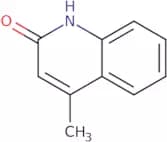
Formula:C19H18INOPurezza:Min. 95 Area-%Peso molecolare:403.26 g/mol2-Hydroxy-4-methylquinoline
CAS:2-Hydroxy-4-methylquinoline is an organic compound that has a chelate ring. It is soluble in deionized water and reacts with metal ions to form a fluorescent product. The molecule also has antibacterial activity, which may be due to its ability to inhibit the growth of bacteria by acting as a metal ion chelator. 2-Hydroxy-4-methylquinoline can react with halides and ammonium persulfate to form isomeric products, such as 4,5-dihydroxyquinoline, which have been shown to have antimicrobial properties. 2-Hydroxy-4-methylquinoline can also react with phosphorus oxychloride and alkylating agents such as chloroethane or chloroform to form substituted derivatives.
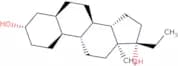
Formula:C10H9NOPurezza:Min. 95%Colore e forma:PowderPeso molecolare:159.18 g/mol(3β,5β,17α)-19-Norpregnane-3,17-diol
CAS:Prodotto controllatoPlease enquire for more information about (3β,5β,17α)-19-Norpregnane-3,17-diol including the price, delivery time and more detailed product information at the technical inquiry form on this page
Formula:C20H34O2Purezza:Min. 95%Colore e forma:PowderPeso molecolare:306.48 g/molRef: 3D-FN26473
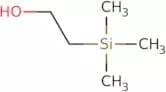
Prodotto fuori produzione2-(Trimethylsily)ethanol
CAS:2- (Trimethylsily)ethanol is a hdac inhibitor that is used in the synthesis of other chemical substances. It inhibits HDAC activity by binding to the hydroxyl group on the histone and prevents acetylation of lysine residues, preventing gene transcription. 2-(Trimethylsily)ethanol has been shown to inhibit oxidation reactions in biological systems, such as those caused by trifluoroacetic acid or trichloroacetic acid. In addition, this reagent can be used to prepare functional groups through a synthetic method with an activation energy of 15 kcal/mol and a reaction rate constant of 0.04 M-1 s-1. 2-(Trimethylsily)ethanol has also been used for preparative methods with cleavage products including sulfamoyl chloride.
Formula:C5H14OSiPurezza:95%NmrColore e forma:PowderPeso molecolare:118.25 g/molPotassium methoxide, 25% w/w in methanol
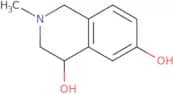
CAS:Potassium methoxide is a strong base that reacts with methanol to produce potassium metal and methanol. It has been used as a model system for studying the reaction mechanism of metal carbonyls. The reaction solution is heated to produce glycol esters, which are catalyzed by the potassium metal. This process can be used to synthesize biologically active molecules, such as anti-inflammatory drugs, which are difficult to make using conventional methods. Potassium methoxide has also been shown to have protective effects against metabolic disorders in mice and has biological properties that may be useful in the treatment of infectious diseases.Formula:CH3OKPurezza:Min. 95%Colore e forma:Clear LiquidPeso molecolare:70.13 g/mol1,2,3,4-Tetrahydro-4,6-dihydroxy-2-methyl-isoquinoline
CAS:1,2,3,4-Tetrahydro-4,6-dihydroxy-2-methyl-isoquinoline is a useful building block in the synthesis of various compounds such as pharmaceuticals and pesticides. It is an intermediate for the preparation of other valuable chemicals such as the antihistamine diphenhydramine, which is used to treat allergies. Tetrahydroisoquinoline can also be used as a reagent to synthesize other chemical compounds. This compound has been used in research as well as commercial applications. Tetrahydroisoquinoline is also a versatile scaffold that can be modified to produce different derivatives with different properties.
Formula:C10H13NO2Purezza:Min. 95%Colore e forma:White PowderPeso molecolare:179.22 g/molAllopurinol-d2
CAS:Allopurinol-d2 is an inhibitor of xanthine oxidase, which is an enzyme that catalyzes the conversion of hypoxanthine to xanthine and then to uric acid. Allopurinol-d2 is used for the treatment of gout and hyperuricemia. The compound was expressed in Escherichia coli and purified by electrospray ionization mass spectrometry. It has been shown to inhibit methyltransferase activity, thereby decreasing the production of urate. Allopurinol-d2 has also been shown to decrease disease activity in animal models of colitis and ulcerative colitis.
Formula:C5H2D2N4OPurezza:Min. 95%Peso molecolare:138.12 g/molRef: 3D-FA162226
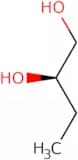
Prodotto fuori produzione(R)-1,2-Butanediol
CAS:(R)-1,2-Butanediol is a chemical compound that is classified as a diol. It has two hydroxyl groups and is an active substance. The (R)-1,2-Butanediol molecule consists of two asymmetric carbon atoms. In the presence of oxygen, it can form a ternary complex with copper and the hydroxyl group. This ternary complex catalyzes the conversion of various substrates such as L-xylulose to its corresponding ketones or L-arabinose to its corresponding acetals. The reaction proceeds via substrate binding to the active site on the ternary complex and subsequent functional group participation in the reaction.
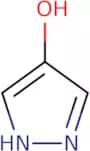
Formula:C4H10O2Purezza:Min. 95%Peso molecolare:90.12 g/mol1H-Pyrazol-4-ol
CAS:1H-Pyrazol-4-ol is a molecule that has been shown to have antibacterial properties by inhibiting the growth of bacteria. It was also found to be effective in inhibiting the activity of dopamine β-hydroxylase, which is an enzyme that catalyzes the conversion of dopamine to norepinephrine. 1H-Pyrazol-4-ol has been shown to inhibit nitrite ion reductase, which converts nitrite ions into nitric oxide. Nitric oxide is a potent vasodilator and can cause hypotension. 1H-Pyrazol-4-ol also inhibits the formation of nitro groups from diazonium salts, which are used in many industrial processes, including dyeing and photography. 1H-Pyrazol-4-ol is activated by UV light and reacts with epididymal adipose tissue (fatty tissue) in rats to generate pyrazole derivatives with cytotoxic effects on liver
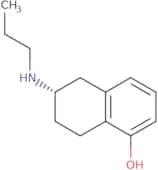
Formula:C3H4N2OPurezza:Min. 95%Peso molecolare:84.08 g/mol(6S)-5,6,7,8-Tetrahydro-6-(propylamino)-1-naphthalenol
CAS:Prodotto controllatoRotigotine is a drug that is used to treat Parkinson's disease. It is a dopamine agonist that stimulates the release of dopamine in the brain. Rotigotine has been shown to be effective in controlling symptoms of Parkinson's disease, such as tremors and stiffness, and improving motor skills. This drug has also been shown to have a good tolerability profile, with few side effects reported. Rotigotine is rapidly absorbed from the gastrointestinal tract and metabolized by CYP2D6 into desalkyl rotigotine, which are pharmacologically inactive compounds. The mean terminal half-life for rotigotine is about 2 hours.
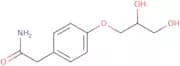
Formula:C13H19NOPurezza:Min. 95%Peso molecolare:205.3 g/molDes(isopropylamino) atenolol diol
CAS:Des(isopropylamino) atenolol diol is a synthetic, high-performance liquid chromatography (HPLC) analyte with an absorbance maximum of 254 nm. It is a white/off-white solid that is soluble in water and has a molecular weight of 187.5 g/mol. This compound can be analyzed using multichannel or liquid chromatographic techniques. Des(isopropylamino) atenolol diol can be used to measure the concentration of various compounds, such as impurities, by elution from the column. The elution profile has been shown to be dependent on the type of sample and technique used for analysis.
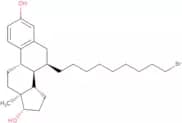
Formula:C11H15NO4Purezza:Min. 95%Peso molecolare:225.24 g/mol(7a,17beta)-7-(9-Bromononyl)estra-1,3,5(10)-triene-3,17-diol
CAS:Prodotto controllatoPlease enquire for more information about (7a,17beta)-7-(9-Bromononyl)estra-1,3,5(10)-triene-3,17-diol including the price, delivery time and more detailed product information at the technical inquiry form on this page
Formula:C27H41BrO2Purezza:Min. 95%Peso molecolare:477.52 g/molRef: 3D-FB152400
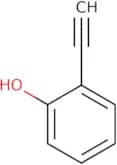
Prodotto fuori produzione2-Ethynylphenol
CAS:2-Ethynylphenol is an optical and fluorescence probe that is used in the determination of nucleophilic or electrophilic reactions. It has been shown to inhibit the ring-opening polymerization of benzofuran derivatives, and has potent inhibitory activity against trifluoroacetic acid. 2-Ethynylphenol does not react with amines, halides, or hydrogen bonds, but can be used as a chiral hydrogen bond donor. 2-Ethynylphenol reacts with nucleophiles to form reaction products that are useful for determining the presence of an amine or a halide. 2-Ethynylphenol reacts with nucleophiles to form reaction products that are useful for determining the presence of an amine or a halide.
Formula:C8H6OPurezza:Min. 95%Peso molecolare:118.13 g/molRef: 3D-FE10608
Prodotto fuori produzione2-[(4-Methylbenzenesulfonyl)oxy]ethan-1-ol
CAS:2-[(4-Methylbenzenesulfonyl)oxy]ethan-1-ol is a compound that contains a benzene ring and an ethyl chain. It has the following chemical structure: It is structurally related to benzodiazepine, but with an amide group instead of a diazepine ring. 2-[(4-Methylbenzenesulfonyl)oxy]ethan-1-ol is a membrane stabilizer that inhibits thrombin and can be used as an anticoagulant. This compound also has growth factor activity and can be used in the synthesis of heterocyclic compounds.
Formula:C9H12O4SPurezza:Min. 95%Colore e forma:Clear LiquidPeso molecolare:216.26 g/molQuinoline-6-sulfonyl chloride
CAS:Please enquire for more information about Quinoline-6-sulfonyl chloride including the price, delivery time and more detailed product information at the technical inquiry form on this page
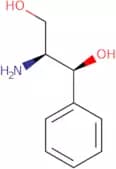
Formula:C9H6ClNO2SPurezza:Min. 95%Peso molecolare:227.67 g/mol(1S,2S)-(+)-2-Amino-1-phenyl-1,3-propanediol
CAS:(1S,2S)-(+)-2-Amino-1-phenyl-1,3-propanediol is a synthetic compound that has been synthesized and studied as an amide. It has a hydroxy group on the skeleton of the molecule. The enantiomer of this compound is (1R,2R)-(-)-2-amino-1-phenyl-1,3-propanediol. This compound contains two chiral centers and four stereoisomers. These stereoisomers are not mirror images of each other. (1S,2S)-(+)-2-Amino-1-phenyl-1,3-propanediol has been shown to be effective against cryptococcus neoformans in cell culture experiments.
Formula:C9H13NO2Purezza:Min. 95%Peso molecolare:167.21 g/molRef: 3D-FA37317
Prodotto fuori produzioneNaphthalen-2-ethanol
CAS:Naphthalen-2-ethanol is a primary alcohol that has been synthesized and immobilized onto boron nitride. It can be used as a synthetic reaction rate indicator. Naphthalen-2-ethanol is soluble in organic solvents such as methanol, which can be used to determine the concentration of methanol in solution by observing the change in absorbance at 230 nm. This compound has functional groups such as carbinols, which are characterized by their high reactivity and ability to form esters, ethers, amides, or nitriles. Naphthalen-2-ethanol also reacts with lipases to produce polyamines and with chromatography to produce substitutive nomenclature.
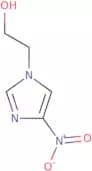
Formula:C12H12OPurezza:Min. 95%Peso molecolare:172.22 g/mol4-Nitro-1H-imidazole-1-ethanol
CAS:Please enquire for more information about 4-Nitro-1H-imidazole-1-ethanol including the price, delivery time and more detailed product information at the technical inquiry form on this page
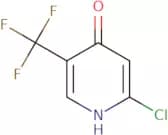
Formula:C5H7N3O3Purezza:Min. 95%Colore e forma:Beige PowderPeso molecolare:157.13 g/mol2-Chloro-5-(trifluoromethyl)pyridin-4-ol
CAS:Please enquire for more information about 2-Chloro-5-(trifluoromethyl)pyridin-4-ol including the price, delivery time and more detailed product information at the technical inquiry form on this page
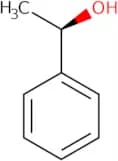
Formula:C6H3ClF3NOPurezza:Min. 95%Peso molecolare:197.54 g/mol(R)-1-Phenylethanol
CAS:(R)-1-Phenylethanol is an organic compound that belongs to the class of aldehydes. It has an optimal redox potential and is used as a reactive intermediate in surface methodology. The kinetic data for this compound have been reported, including its reaction solution, kinetic, and stereoselective properties. (R)-1-Phenylethanol can be used to synthesize aromatic hydrocarbons with acyl chains or amines, using enzymatic reactions. It can also be used as an asymmetric synthesis reagent for the preparation of chiral alcohols and amines.
Formula:C8H10OPurezza:Min. 95%Colore e forma:Colourless To Yellow LiquidPeso molecolare:122.16 g/molRef: 3D-FP32250
Prodotto fuori produzione2-Amino-1-(2,3-dihydro-benzofuran-5-yl)-ethanol
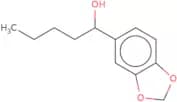
CAS:Prodotto controllatoPlease enquire for more information about 2-Amino-1-(2,3-dihydro-benzofuran-5-yl)-ethanol including the price, delivery time and more detailed product information at the technical inquiry form on this pageFormula:C10H13NO2Purezza:Min. 95%Peso molecolare:179.22 g/mola-Butylpiperonyl alcohol
CAS:Prodotto controllatoa-Butylpiperonyl alcohol is a chiral molecule that is used in the synthesis of esters. It can be produced by microbial fermentation and low-temperature chemical reactions. This compound has been shown to inhibit the growth of Gram-positive bacteria, such as Staphylococcus aureus and Streptococcus pneumoniae. The biosynthetic pathway for a-butylpiperonyl alcohol is not yet well understood, but it has been hypothesized that this compound is synthesized from an intermediate, acetic acid. The enzyme responsible for this conversion is unknown, but it may be catalysed by an acylase or acetate kinase. A study on the genome sequence of Coelicolor revealed that this organism produces a-butylpiperonyl alcohol from the intermediate 3-hydroxypropanoic acid.
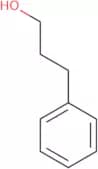
Formula:C12H16O3Purezza:Min. 95%Peso molecolare:208.25 g/mol3-Phenyl-1-propanol
CAS:3-Phenyl-1-propanol is an organic compound that belongs to the class of trifluoroacetic acids. It has a molecular weight of 134.24 and a molecular formula of C8H12O2F3. 3-Phenyl-1-propanol is a reactive compound that reacts with germinating seeds, causing them to stop growing. The reaction products are fatty acid esters, which may be responsible for the inhibition of seed germination. 3-Phenyl-1-propanol can be prepared by reacting phenylacetaldehyde with trifluoroacetic acid in the presence of potassium hydroxide at high temperature and pressure. This method also produces 4-vinylbenzyl alcohol as a side product, which is used in the production of polymers and plastics.
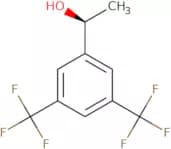
Formula:C9H12OPurezza:Min. 95%Peso molecolare:136.19 g/mol(S)-3',5'-Bis(trifluoromethyl)-1-phenethanol
CAS:(S)-3',5'-Bis(trifluoromethyl)-1-phenethanol is a choline derivative that is used in the treatment of liver cancer. It has been shown to increase the permeability of cell membranes and to suppress the growth of tumor cells by inhibiting protein synthesis. (S)-3',5'-Bis(trifluoromethyl)-1-phenethanol can be used as a surfactant and a hydrophobic solvent for optimization of reaction parameters. This chemical also has been shown to be active against Gram-positive bacteria such as Staphylococcus aureus and Enterococcus faecalis, but not against Gram-negative bacteria such as Escherichia coli or Pseudomonas aeruginosa. The mechanism of this effect is mediated by chloride ions that act as bioreductive agents on cellular membranes, leading to increased permeability and cell death.
Formula:C10H8F6OPurezza:Min. 95%Peso molecolare:258.16 g/molRef: 3D-FB18756
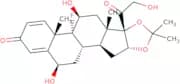
Prodotto fuori produzione6b-Hydroxy triamcinolone acetonide
CAS:Please enquire for more information about 6b-Hydroxy triamcinolone acetonide including the price, delivery time and more detailed product information at the technical inquiry form on this page
Formula:C24H31FO7Purezza:(%) Min. 95%Colore e forma:White Off-White PowderPeso molecolare:450.5 g/molRef: 3D-FH24149
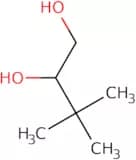
Prodotto fuori produzione3,3-Dimethyl-1,2-butanediol
CAS:3,3-Dimethyl-1,2-butanediol is a dioxolane with a constant boiling point of 110°C. This compound is synthesized from the reaction between acetone and formaldehyde, which produces a dioxolane ring. The reaction products can be profiled using gas chromatography to determine the ratio of each product. 3,3-Dimethyl-1,2-butanediol has been shown to have enantiomeric purity of greater than 99%. It has also been used as a chiral building block for the synthesis of carbohydrates with stereospecificity. 3,3-Dimethyl-1,2-butanediol's enzyme catalysis is used in the production of polyesters and polyurethanes.
Formula:C6H14O2Purezza:Min. 90.0 Area-%Colore e forma:PowderPeso molecolare:118.17 g/molTrichloroethanol
CAS:Trichloroethanol is an alkanoic acid that is used as a solvent and a laboratory reagent. It is also a potential bioactive compound. Trichloroethanol has been shown to have neurotoxic effects in rats, causing histological changes in the trigeminal nerve, which may be due to its inhibition of mitochondrial energy metabolism. Trichloroethanol has been shown to inhibit the activity of matrix metalloproteinase-9 (MMP-9) in human serum and the α1 subunit of Toll-like receptor (TLR) 4 in human monocytes. This compound has also been shown to be toxic to rat liver microsomes at high concentrations.
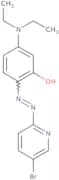
Formula:C2H3Cl3OPurezza:Min. 98.5%Colore e forma:Clear LiquidPeso molecolare:149.4 g/mol2-(5-Bromo-2-pyridylazo)-5-(diethylamino)phenol
CAS:2-(5-Bromo-2-pyridylazo)-5-(diethylamino)phenol is a chemical that is used for the detection of hydrochloric acid in water vapor. It reacts with zirconium oxide, which generates a red fluorescing complex. The reaction can be detected by using a fluorescence spectrometer with a test sample. 2-(5-Bromo-2-pyridylazo)-5-(diethylamino)phenol is also used to detect the presence of nitrogen atoms and sodium citrate in samples by reacting with them. This chemical reacts with an acid complex to form stable complexes. The analytical method is based on measuring the redox potential of this reaction. The flow system of this technique allows for dehydration of dehydroascorbic acid (DHA).
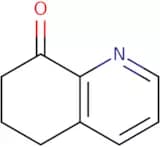
Formula:C15H17BrN4OPurezza:Min. 95%Colore e forma:PowderPeso molecolare:349.23 g/mol6,7-Dihydro-5H-quinolin-8-one
CAS:6,7-Dihydro-5H-quinolin-8-one is a quinoline derivative that can be used to treat cancer. It is an inhibitor of topoisomerase II, which is an enzyme that catalyzes the formation of single stranded breaks in DNA and then reseals them. The inhibition of topoisomerase II leads to the accumulation of single strand breaks, which causes cell death. 6,7-Dihydro-5H-quinolin-8-one has been shown to have inhibitory activity against cancer cells in laboratory tests and also inhibits the growth of breast cancer cells in mice. This compound also has a number of other biological effects including being a ligand for some receptors and amine oxidases as well as having antihistamine properties.
Formula:C9H9NOPurezza:Min. 95%Colore e forma:White PowderPeso molecolare:147.17 g/molMethallyl alcohol
CAS:Methallyl alcohol is a reactive hydroxide solution that is used as an intermediate in the industrial synthesis of polycarboxylic acids, glycol ethers, and other compounds. It reacts with hydrogen chloride to form methallyl chloride, which can be used to produce polymers. Methallyl alcohol can also be used as a reagent for the synthesis of various esters, amides, and other organic compounds. The enzyme inhibitors it produces inhibit reactions involving fatty acid and aliphatic hydrocarbon oxidation. Methallyl alcohol is produced by the reaction of methanol with allyl chloride. This reaction occurs in vivo under acidic conditions.
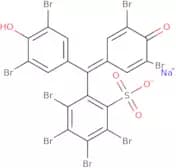
Formula:C4H8OPurezza:Min. 98 Area-%Colore e forma:Colorless Clear LiquidPeso molecolare:72.11 g/molTetrabromophenol blue sodium salt
CAS:Tetrabromophenol blue sodium salt is a dye that is used as an additive in the production of vinyl alcohol polymer films. Tetrabromophenol blue sodium salt can be used to measure albumin concentration and postexposure by adding phenyl groups to the molecule. The color of tetrabromophenol blue sodium salt changes upon exposure to radiation, which makes it useful for diagnostic purposes. It also has a hydrocarbon group that transforms into an insoluble form when exposed to evaporation, making it useful for titration methods. Tetrabromophenol blue sodium salt is relatively stable and labile in nature, making it susceptible to techniques such as pyrolysis, oxidation, or reduction.
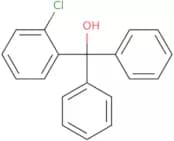
Formula:C19H5Br8NaO5SPurezza:Min. 95%Peso molecolare:1,007.53 g/mol(2-Chlorophenyl)diphenylmethanol
CAS:2-Chlorophenyl)diphenylmethanol is an antifungal drug that blocks the function of a calcium ionophore in fungal cells. It has been shown to be effective against a variety of filamentous fungi, including Aspergillus fumigatus, Candida albicans, and Trichosporon cutaneum. This drug is used as a topical antifungal agent for treatment of skin infections caused by these fungi. 2-Chlorophenyl)diphenylmethanol has been shown to have anti-inflammatory properties in animal models of kidney fibrosis and cell binding. Clinical data suggests that it can be used for the prevention or treatment of stem cell transplantation complications such as graft versus host disease and leukemia.
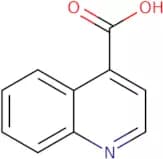
Formula:C19H15ClOPurezza:Min. 95%Colore e forma:PowderPeso molecolare:294.77 g/molQuinoline-4-carboxylic acid
CAS:Quinoline-4-carboxylic acid is a natural compound that is derived from the amino acid tryptophan. It has been shown to have antiinflammatory activity and to be an inhibitor of prostaglandin synthesis. Quinoline-4-carboxylic acid inhibits the growth of carcinoma cells in culture by inducing apoptosis, which is mediated by inhibition of protein synthesis. Quinoline-4-carboxylic acid also has pharmacokinetic properties, including a low volume of distribution, low clearance rate and high bioavailability.
Formula:C10H7NO2Purezza:Min. 97 Area-%Peso molecolare:173.17 g/mol2-Dimethylaminoethanol (+)-bitartrate salt
CAS:Prodotto controllato2-Dimethylaminoethanol (+)-bitartrate salt is a potent, reversible inhibitor of protein synthesis that binds reversibly to the 50S ribosomal subunit. It is used in regulatory toxicology and clinical pathology as a positive control for the study of chronic toxicity and long-term effects. 2-Dimethylaminoethanol (+)-bitartrate salt has shown no treatment effect on ovary weight or estrous cycle length in female Sprague-Dawley rats after chronic exposure and long-term exposure at doses up to 1,000 mg/kg/day. This drug has also shown no effect on rat fertility or reproductive performance, indicating it does not cause reproductive toxicity.
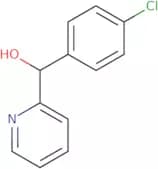
Formula:C4H11NO·C4H6O6Colore e forma:White Off-White PowderPeso molecolare:239.22 g/mol4-Chlorophenyl-2-pyridinylmethanol
CAS:Please enquire for more information about 4-Chlorophenyl-2-pyridinylmethanol including the price, delivery time and more detailed product information at the technical inquiry form on this page
Formula:C12H10ClNOPurezza:Min. 95%Peso molecolare:219.67 g/mol5-Chloro-8-hydroxyquinoline
CAS:5-Chloro-8-hydroxyquinoline (5-CQ) is a quinoline derivative that has been used as an anticancer agent. It binds to DNA and inhibits the synthesis of RNA and proteins, leading to cell death. 5-CQ has been shown to be cytotoxic against skin cells in vitro by inhibiting mitochondrial oxidative phosphorylation and decreasing the mitochondrial membrane potential. This compound also has genotoxic effects on cultured choroidal neovascularization cells through the inhibition of DNA synthesis.
5-CQ binds to DNA via hydrogen bonds with nitrogen atoms in the purine ring of nucleobases. The overall geometry is that of a distorted octahedron with two faces, each containing six nitrogens in square planar coordination geometry. The binding constants are low for purines but high for pyrimidines, which is why 5-CQ preferentially targets purine rich regions of the genome.Formula:C9H6ClNOPurezza:Min. 95%Colore e forma:Green To Grey SolidPeso molecolare:179.6 g/molRef: 3D-FC40563
Prodotto fuori produzione

![4-[(2,4-Dimethylbenzyl)oxy]butan-1-ol](/_next/image/?url=https%3A%2Fstatic.cymitquimica.com%2Fproducts%2F3D%2Fthumb-webp%2FFD131280.webp&w=3840&q=75)


![3-[(4-Aminopiperidin-1-yl)methyl]phenol](/_next/image/?url=https%3A%2Fstatic.cymitquimica.com%2Fproducts%2F3D%2Fthumb-webp%2FFA116167.webp&w=3840&q=75)
![(2-Iodophenyl)(2,3,6,7-tetrahydro-1H,5H-benzo[ij]quinolizin-9-yl)methanone](/_next/image/?url=https%3A%2Fstatic.cymitquimica.com%2Fproducts%2F3D%2Fthumb-webp%2FI-7660.webp&w=3840&q=75)


![2-[(4-Methylbenzenesulfonyl)oxy]ethan-1-ol](/_next/image/?url=https%3A%2Fstatic.cymitquimica.com%2Fproducts%2F3D%2Fthumb-webp%2FFM171828.webp&w=3840&q=75)