Alcoli
Sottocategorie di "Alcoli"
Trovati 5818 prodotti di "Alcoli"
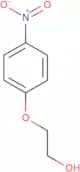
2-(4-Nitrophenoxy)ethanol
CAS:2-(4-Nitrophenoxy)ethanol (NPEO) is a water soluble, synthetic compound that has been shown to have anti-tumor properties. NPEO was found to be toxic to tumor cells in vitro and inhibits the growth of tumor cells in vivo. NPEO also inhibits the synthesis of DNA and RNA, which are important for cell division. This inhibitory effect may lead to the death of cancer cells by interfering with their ability to grow and divide.
Formula:C8H9NO4Purezza:Min. 95%Colore e forma:PowderPeso molecolare:183.16 g/molIsostearylalcohol
CAS:18 carbon branched aliphatic alcohol mixture; component of cosmetic formulationsFormula:C18H38OPurezza:Min 95%Colore e forma:Clear LiquidPeso molecolare:270.49 g/mol2,4-Dihydroxyquinoline
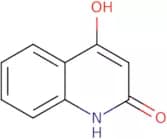
CAS:2,4-Dihydroxyquinoline is a malonic acid derivative that is used as an antimicrobial agent. It is a diazonium salt that can be synthesized from 2-chloro-4-nitrobenzene and malonic acid. The reaction mechanism for this compound involves the formation of a diazo intermediate, which reacts with the amine to form a quinoline. This compound has been shown to have antibiotic properties and is able to inhibit the growth of bacteria such as Salmonella typhi, Mycobacterium tuberculosis, Escherichia coli, and Staphylococcus aureus. 2,4-Dihydroxyquinoline has also been shown to have anticancer activity in vitro on human liver cells (HepG2) and human hepg2 cells.Formula:C9H7NO2Purezza:Min. 95%Colore e forma:White PowderPeso molecolare:161.16 g/mol2,2'-(Methylimino)diquinolin-8-ol
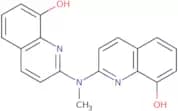
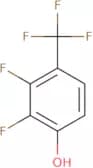
CAS:Please enquire for more information about 2,2'-(Methylimino)diquinolin-8-ol including the price, delivery time and more detailed product information at the technical inquiry form on this pageFormula:C19H15N3O2Purezza:Min. 95%Peso molecolare:317.34 g/mol2,3-Difluoro-4-(trifluoromethyl)phenol
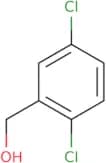
CAS:2,3-Difluoro-4-(trifluoromethyl)phenol is a useful scaffold for the synthesis of complex compounds. The compound is a useful intermediate in the synthesis of research chemicals and speciality chemicals. It is also used as a reaction component in chemical reactions to produce fine chemicals, such as pharmaceuticals.Formula:C7H3F5OPurezza:Min. 95%Colore e forma:PowderPeso molecolare:198.09 g/mol2,5-Dichlorobenzyl alcohol
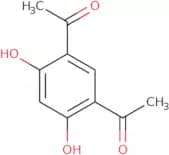
CAS:2,5-Dichlorobenzyl alcohol is a lacteous compound that is used as a herbicide. It inhibits the growth of plants by inhibiting the activity of enzymes that are involved in the biosynthesis of amino acids and fatty acids. 2,5-Dichlorobenzyl alcohol is also used to produce polychlorinated compounds and has significant effects on weed science. 2,5-Dichlorobenzyl alcohol may be used as a linker molecule in chemical reactions. This compound can be catalysed by dioxygenation to produce chlorobenzal or benzaldehyde.Formula:C7H6Cl2OPurezza:Min. 95%Colore e forma:PowderPeso molecolare:177.03 g/mol4,6-Diacetylresorcinol
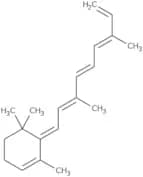
CAS:4,6-Diacetylresorcinol is a tetradentate ligand that can be used for the palladium-catalyzed hydrogenation of phenols. The compound has been shown to have anticancer activity and was found to be selective against cancer cell lines. It also inhibits the growth of staphylococcus bacteria in biological studies. 4,6-Diacetylresorcinol is thermodynamically stable and has a high binding affinity with nitrogen nucleophiles such as amines and anilines. Molecular modeling studies show that the nitrogen atoms are located near the center of the molecule, making them accessible for intramolecular hydrogen transfer reactions.Formula:C10H10O4Purezza:Min. 95%Colore e forma:PowderPeso molecolare:194.18 g/molall-trans-Anhydro retinol
CAS:All-trans-Anhydro retinol is a retinoid that is biologically active as an antioxidant, with reactive properties. It has been shown to be photodecomposable in the presence of light, and it reacts rapidly with nucleophiles. All-trans-Anhydro retinol can be used as a model system for biological studies on the mechanisms of mitochondrial membrane potential and transfer reactions. All-trans-Anhydro retinol has been shown to decrease mitochondrial membrane potential in rat liver microsomes and inhibit fatty acid synthesis in liver cells, while also being a synthetic analog of all-trans retinoic acid.
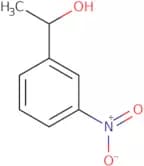
Formula:C20H28Purezza:Min. 90%Colore e forma:Yellow To Light (Or Pale) Orange SolidPeso molecolare:268.44 g/mol3-Nitrophenylmethylcarbinol
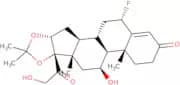
CAS:3-Nitrophenylmethylcarbinol (3NP) is a chiral molecule that is used as a versatile catalyst in organic synthesis. It has been shown to be an efficient and reusable nucleophile, which can be used for the hydrothiolation of enones. 3NP also has been shown to have high activity in asymmetric oxidation reactions, such as the conversion of alcohols to ketones or aldehydes. 3NP has been shown to be an excellent reagent for the conversion of carbinols into alkenes, due to its high oxidation potential.Formula:C8H9NO3Purezza:Min. 95%Colore e forma:PowderPeso molecolare:167.16 g/molFlurandrenolide
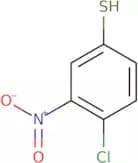
CAS:Flurandrenolide is a corticosteroid that is used for the treatment of bowel disease and autoimmune diseases. Flurandrenolide reduces inflammation by inhibiting the production of effector proteins, such as cytokines, chemokines, and eicosanoids. Flurandrenolide has been shown to have low potency in the treatment of lymphocyte transformation. This corticosteroid also inhibits the growth of various carcinoma cell lines. The mechanism of action of flurandrenolide is not fully understood, but it may be due to its ability to interfere with enzymes involved in cellular signaling pathways or to inhibit transcription factors. It has been found that flurandrenolide has a biocompatible polymer that can be used for sample preparation and analytical method.Formula:C24H33FO6Purezza:Min. 95%Colore e forma:White PowderPeso molecolare:436.51 g/mol4-Chloro-3-nitrobenzenethiol
CAS:4-Chloro-3-nitrobenzenethiol (4CNBT) is a micropet that is used as a radiotracer to measure the uptake of serotonin in the brain. This compound has been shown to bind to the serotonin transporter, which is responsible for reuptake of serotonin from the synapse. The radiolabeled 4CNBT can be used for positron emission tomography (PET) scanning and postinjection autoradiography. 4CNBT has also been used as a ligand in pharmacological studies on serotonin transporters.
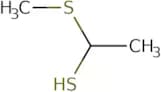
Formula:C6H4ClNO2SPurezza:Min. 95%Colore e forma:White PowderPeso molecolare:189.62 g/mol1-(Methylthio)ethanethiol
CAS:1-(Methylthio)ethanethiol (MTET) is a highly volatile, naphthenic compound that has been shown experimentally to be a sulfide and ethanal precursor. It is also an ethyl cinnamate solvent. MTET is soluble in organic solvents such as chloroform and benzene. MTET has been used to produce polymers by coating sensor surfaces with polymer film and evaporating the solvent. The fluorescence of MTET increases in the presence of oxygen, which may be due to its oxidation by air.Formula:C3H8S2Purezza:Min. 95%Colore e forma:PowderPeso molecolare:108.23 g/mol3-Cyclohexyl-1-[4-[2-(7-methoxy -4,4-dimethyl-1,3-dioxo-isoquinolin -2-yl)ethyl]phenyl]sulfonyl-urea
CAS:3-Cyclohexyl-1-[4-[2-(7-methoxy -4,4-dimethyl-1,3-dioxo-isoquinolin -2-yl)ethyl]phenyl]sulfonyl-urea is a drug that inhibits the enzyme DPPIV, which breaks down the incretin hormone glucagon-like peptide (GLP)-1. It may be used to treat diabetes by regulating blood glucose levels. This drug has been shown to reduce postprandial blood glucose levels in patients with type 2 diabetes. 3CYCSU is also capable of reducing body weight and food intake in mice. The mechanism of action of this drug is not fully understood, but it appears to have an effect on the cytosolic calcium ion concentration and may reduce inflammatory responses in cells. 3CYCSU is a promising potential treatment for infectious diseases such as Hepatitis C virus (HCV).Formula:C27H33N3O6SColore e forma:PowderPeso molecolare:527.63 g/mol3-Phenethyl-phenol
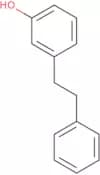
CAS:3-Phenethylphenol is a hydrophobic, sterically-interacting compound that binds to molybdenum. It has been shown to inhibit the growth of fungi such as Poria and Coriolus. 3-Phenethylphenol also has functionalities such as peroxide, acetonitrile, and nature. This compound is not soluble in water and must be dissolved in solvents such as acetonitrile or polyvinyl acetate before use. 3-Phenethylphenol has been shown to have chromatographic properties, allowing it to be used as an adsorbent for the separation of organic compounds.
Formula:C14H14OPurezza:Min. 95%Colore e forma:PowderPeso molecolare:198.26 g/molXanthinol nicotinate
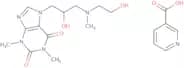
CAS:Prodotto controllatoXanthinol nicotinate is a fat-soluble compound that is found in the form of nicotinic acid. It has been shown to decrease inflammation, inhibit tumor growth and improve blood flow. Xanthinol nicotinate has been shown to be effective for the treatment of chronic pulmonary disease, cranial cavity disease, maternal blood clotting disorders, congestive heart failure, cancer, and tissue culture. This drug has also been shown to regulate transcriptional activity and coordinate complex formation. The use of this drug has also been shown to be beneficial for women with diabetes mellitus or pancreatitis.Formula:C13H21N5O4·C6H5NO2Purezza:Min. 95%Colore e forma:White Off-White PowderPeso molecolare:434.45 g/mol5-Hydroxy-2-methyl-2-adamantanol
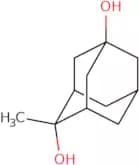
CAS:5-Hydroxy-2-methyl-2-adamantanol is a fine chemical that is used as a building block in research and development of various products. It can be used to make other substances, such as pharmaceuticals and cosmetics. 5-Hydroxy-2-methyl-2-adamantanol is also a versatile intermediate in the synthesis of complex molecules, such as peptides and polymers. This product is soluble in water and has a high quality standard. It is also an excellent reagent for many reactions, such as condensation, esterification, nitration, oxidation, reduction, and decarboxylation.Formula:C11H18O2Purezza:Min. 95%Peso molecolare:182.26 g/mol1,12-Dodecanediol
CAS:1,12-Dodecanediol is a polymeric matrix that has been shown to be effective in inhibiting the growth of microorganisms. The antimicrobial activity of 1,12-dodecanediol is primarily due to its ability to form hydrogen bonds. This polymer can be used as a film-forming polymer for hydrophobic and lipophilic compounds. It also has chemical properties that include an intramolecular hydrogen bond, which provides stabilization and protection from degradation by enzymes. This chemical compound also has the ability to bind with fatty acids and phosphodiesterase activity (which may account for its anti-inflammatory activities).Formula:C12H26O2Purezza:Min. 95%Colore e forma:White PowderPeso molecolare:202.33 g/mol5-Chlorovanillyl alcohol
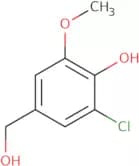
CAS:5-Chlorovanillyl alcohol is a useful building block. It is a fine chemical that can be used as a research chemical, reagent, or speciality chemical. This compound is versatile and can be used as a reaction component or scaffold for complex compounds. 5-Chlorovanillyl alcohol has CAS number 20624-92-4.Formula:C8H9ClO3Purezza:Min. 95%Colore e forma:PowderPeso molecolare:188.61 g/molPhenol red sodium salt
CAS:Phenol red is a pH indicator that finds broad applications from chemistry to microbiology. Colour varies from yellow at pH<6.8 (lmax 443nm) through to light red/pink at 6.8<pH<8.2 (lmax 570 nm) to vivid purple/red at pH>8.2. It is widely used in cell culture to monitor pH and for colorimetric titration. For example, phenol red can be used to quantify Br- content in sea or fresh water. It is added to VTM as pH indicator, at the concentration of 10mg/ml, maintaining a pink colour at neutral pH.
Formula:C19H13NaO5SColore e forma:Slightly Brown Red PowderPeso molecolare:376.36 g/mol8-Hydroxyquinoline-2-carboxylic acid
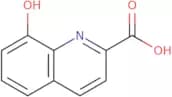
CAS:8-Hydroxyquinoline-2-carboxylic acid is a 3-hydroxyanthranilic acid derivative that is often used as a biomarker of urine. The 8OHQA can be synthesized from 3-hydroxyanthranilic acid by the action of xanthine oxidase and hydrogen peroxide, and it has been shown to be an inhibitor of protein synthesis. This inhibition may be due to its ability to form hydrogen bonds with the hydroxyl group on the ribose side chain and its ability to coordinate with metals. 8OHQA has been shown to have anti-inflammatory effects in bladder cancer cells, which may be due to its ability to inhibit prostaglandin synthesis.
Formula:C10H7NO3Purezza:Min. 95%Colore e forma:PowderPeso molecolare:189.17 g/mol


![3-Cyclohexyl-1-[4-[2-(7-methoxy -4,4-dimethyl-1,3-dioxo-isoquinolin -2-yl)ethyl]phenyl]sulfonyl-ur…](/_next/image/?url=https%3A%2Fstatic.cymitquimica.com%2Fproducts%2F3D%2Fthumb-webp%2FFG40551.webp&w=3840&q=75)