Alcoli
Sottocategorie di "Alcoli"
Trovati 5818 prodotti di "Alcoli"
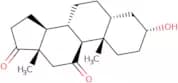
11-Oxo etiocholanolone
CAS:Prodotto controllato11-Oxo etiocholanolone is a steroid hormone that is produced in the adrenal gland. It is a precursor of cortisol and has been shown to have an anti-inflammatory effect, which may be due to its ability to block pro-inflammatory cytokines. 11-Oxo etiocholanolone has also been shown to increase the concentration of cortisol in the blood, which can help treat stress and promote muscle growth. The measurement of 11-oxo etiocholanolone levels in urine and saliva samples may be used as an experimental infection or dietary supplement for women.
Formula:C19H28O3Purezza:Min. 95%Colore e forma:PowderPeso molecolare:304.42 g/molStyrenated phenol
CAS:2,4,6-Tris-(1-phenyl-ethyl)phenol is a phenolic compound that is used to manufacture polyvinyl chloride. It has been shown to be an effective antioxidant and can be used in treatments of polyvinyl chloride products. 2,4,6-Tris-(1-phenyl-ethyl)phenol is hydrophobic and can be used as a coating agent for surfaces that are exposed to water or moisture. 2,4,6-Tris-(1-phenyl-ethyl)phenol has been shown to inhibit the enzymatic reaction between chlorine and hydrophobic compounds. This chemical also has optical properties that are sensitive to changes in pH levels and temperature.
Formula:C30H30OPurezza:Min. 95%Peso molecolare:406.56 g/mol3-[2-(Ethylhexyl)oxyl]-1,2-propandiol
CAS:3-[2-(Ethylhexyl)oxyl]-1,2-propandiol is an organic compound that belongs to the group of sodium salts. It is used as an antimicrobial agent and preservative in cosmetic products. 3-[2-(Ethylhexyl)oxyl]-1,2-propandiol has been shown to have a synergistic effect with benzalkonium chloride, which is another antimicrobial agent. It has also been found to be effective against skin cells that are infected with the bacteria Staphylococcus aureus. 3-[2-(Ethylhexyl)oxyl]-1,2-propandiol has been shown to have an inhibitory effect on fatty acid synthesis in skin cells and may be useful for treating acne.Formula:C11H24O3Purezza:Min. 95%Colore e forma:Colorless Clear LiquidPeso molecolare:204.31 g/molN-(6-Hydroxyhexyl)trifluoroacetamide
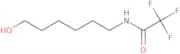
CAS:6-(Trifluoroacetylamino)-1-Hexanol is a magnetic compound that has been shown to bind to liposomes and hydrophobic membranes. It is also amphipathic, meaning it contains both hydrophilic and hydrophobic properties. This compound can be used for the diagnosis of certain diseases, such as cancer, by detecting gadolinium ions in the body. 6-(Trifluoroacetylamino)-1-Hexanol is also an imidazolide ligand that binds to ribonucleotides and nucleic acid matrix proteins. This allows it to be used as a contrast agent in magnetic resonance imaging (MRI).Formula:C8H14F3NO2Purezza:Min. 95%Colore e forma:PowderPeso molecolare:213.2 g/mol2-Fluoro-4-methoxyphenol
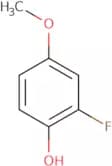
CAS:2-Fluoro-4-methoxyphenol is a white crystalline solid with a melting point of 100°C. It is soluble in water, ethanol and ether and insoluble in chloroform. The compound has been shown to be an intermediate for the synthesis of other organic compounds, such as 2-fluoro-4-(2,2,2-trifluoroethoxy)benzaldehyde, 2-fluoro-4-(3,3,3-trifluoropropoxy)benzaldehyde and 4-(2,2,2-trifluoroethoxy)-3'-nitroacetophenone. 2-Fluoro-4-methoxyphenol can also be used as a building block for speciality chemicals including research chemicals.Formula:C7H7FO2Purezza:Min. 95%Colore e forma:Clear LiquidPeso molecolare:142.13 g/mol4-Methyl-5-nonanol
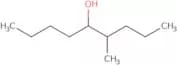
CAS:4-Methyl-5-nonanol is a synthetic pheromone that is used in the analytical methods of weevil traps. The odorant binding proteins on the surface of the weevil are attracted to this chemical, which binds to them through hydrophobic interactions. This trap is stereoselective, as it only attracts male weevils. 4-Methyl-5-nonanol has been shown to have a high specificity and sensitivity as an analytical tool for weevil traps, with no cross reactivity with other insects such as beetles or ants.
Formula:C10H22OPurezza:Min. 95%Colore e forma:Clear LiquidPeso molecolare:158.28 g/mol1,2-Dioleoyl-sn-glycero-3-phosphocholine
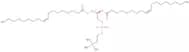
CAS:1,2-Dioleoyl-sn-glycero-3-phosphocholine is a phospholipid that has been shown to have antimicrobial activity. It has been observed to inhibit the growth of bacteria by disrupting cell membrane systems and inhibiting protein synthesis. 1,2-Dioleoyl-sn-glycero-3-phosphocholine is able to permeate membranes and enter cells, where it interacts with the cell nuclei and inhibits DNA synthesis. This compound is also found in biological studies as a growth factor for neutrophils and as a model system for studying the mechanism of action of antimicrobial peptides. The phase transition temperature of this compound is low, making it useful for studies in chemical biology.
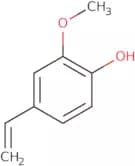
Formula:C44H84NO8PPurezza:Min. 95%Colore e forma:PowderPeso molecolare:786.11 g/mol2-Methoxy-4-vinylphenol
CAS:2-Methoxy-4-vinylphenol is a chlorogenic acid that has been shown to inhibit the growth of Candida glabrata. It binds to ferulic acid and caffeic acids, which are natural compounds found in plants. The optimum concentration at which 2-methoxy-4-vinylphenol inhibits the growth of C. glabrata is between 0.5 and 1 mM. This compound can be readily analyzed using an analytical method with high selectivity for chlorogenic acids, such as liquid chromatography coupled with mass spectrometry (LC/MS). The binding of 2-methoxy-4-vinylphenol to ferulic acid and caffeic acid may also have implications for its use as an anti-inflammatory agent.Formula:C9H10O2Purezza:Min. 98%Colore e forma:Clear LiquidPeso molecolare:150.17 g/mol1-Hexadecanethiol
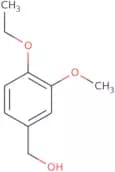
CAS:1-Hexadecanethiol (1-HDT) is a chemical substance that is used in the synthesis of polymers and as a reagent for surface modification. It has been shown to be an effective cationic surfactant with antimicrobial properties. 1-HDT has also been used to pattern surfaces and is found in water vapor, where it can react with oxygen to form 3-mercaptopropionic acid. 1-HDT reacts with thiols, alcohols, amines, and amino acids to form sulfides. In vitro assays have shown that 1-HDT can inhibit the growth of carboxy terminal protein polymer films. Chemical stability is dependent on the chemical species, which can be predicted by examining chemical structure and reactivity.Formula:C16H34SPurezza:Min. 95%Colore e forma:PowderPeso molecolare:258.5 g/mol4-Ethoxy-3-methoxybenzyl alcohol
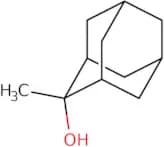
CAS:4-Ethoxy-3-methoxybenzyl alcohol is a metabolite of the drug benzocaine. It is formed by hydrolysis of the ester linkages in benzocaine and is then further metabolized to form 4-hydroxy-3-methoxybenzyl alcohol. 4-Ethoxy-3-methoxybenzyl alcohol has been shown to have antinociceptive effects in rats, which may be due to its ability to inhibit pain signals from the peripheral nerves.Formula:C10H14O3Purezza:Min. 95%Colore e forma:PowderPeso molecolare:182.22 g/mol2-Methyl-2-adamantanol
CAS:2-Methyl-2-adamantanol is a chemical compound with the molecular formula CH(CH)COOH. It is a colorless liquid that boils at 109°C and freezes at -78°C. This compound has been used as an additive to gasoline, in cosmetics, as a solvent for polymers, and as a fuel. 2-Methyl-2-adamantanol is synthesized by the reaction of 1-adamantanol with hydrogen chloride gas in the presence of dimethylformamide. The product can be purified by recrystallizing it from methanol or chloroform. The structure of this compound was determined using X-ray crystallography. 2-Methyl-2-adamantanol is an alicyclic molecule that contains two methyl groups (-CH3) on adjacent carbons (C). It also has a hydrogen bond between the two methyl groups on C1 and C2. This compound has been
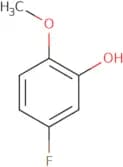
Formula:C11H18OPurezza:Min. 95%Colore e forma:PowderPeso molecolare:166.1 g/mol5-Fluoro-2-methoxyphenol
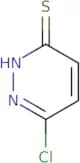
CAS:5-Fluoro-2-methoxyphenol is a heterodimeric natural product that consists of anisoles and acetanilides. It has been shown to induce liver microsomes in rats, as well as hypervalent organometallic complexes with methoxy groups. 5-Fluoro-2-methoxyphenol also exhibits vinylic shift and product synthesis abilities. This compound is useful for the synthesis of acetanilides and other compounds with a methoxy group. Reagents such as phenyllithium, butyllithium, and lithium diisopropylamide are used in this synthesis.Formula:C7H7FO2Purezza:Min. 95%Colore e forma:Clear LiquidPeso molecolare:142.13 g/mol6-Chloropyridazine-3-thiol
CAS:6-Chloropyridazine-3-thiol is a potent inhibitor of platelet aggregation. This drug binds to the active site of the enzyme ADP-thrombin, thereby blocking the conversion of ADP to thrombin. 6-Chloropyridazine-3-thiol has been shown to have a high affinity for human liver microsomes, and is metabolized by conjugation with glutathione or glucuronide. 6CpT also inhibits the activation of factor V and factor VIII, which are involved in blood clotting. It is hypothesized that this inhibition may be due to its ability to bind to reactive chlorine atoms found on these proteins. 6-Chloropyridazine-3-thiol is a potent inhibitor of platelet aggregation, but it does not show any antiplatelet activity when used at low doses.
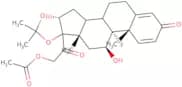
Formula:C4H3ClN2SPurezza:Min. 95%Colore e forma:White PowderPeso molecolare:146.6 g/mol21-(Acetyloxy) triamcinolone acetonide
CAS:21-(Acetyloxy) triamcinolone acetonide is a fine chemical that can be used as a versatile building block for the synthesis of complex compounds. It is also an intermediate in the synthesis of pharmaceuticals, research chemicals, and other specialty chemicals. 21-(Acetyloxy) triamcinolone acetonide has been shown to have high quality, making it useful as a reagent in organic synthesis.Formula:C26H33FO7Purezza:Min. 95%Colore e forma:White PowderPeso molecolare:476.53 g/mol1,2-Dimyristoyl-rac-glycerol
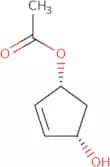
CAS:1,2-Dimyristoyl-rac-glycerol (1,2-DMG) is a monomolecular fatty acid that has been found to inhibit the replication of herpes simplex virus. It binds to the surface glycoprotein and inhibits the release of diacylglycerol from the lipid membrane. 1,2-DMG also inhibits the activity of acyl chain enzymes, which are necessary for the synthesis of fatty acids in trypanosomes. This inhibition prevents the growth and proliferation of lung fibroblasts and may be beneficial in treating cancer. The ionisation mass spectrum shows that 1,2-DMG has a molecular weight of 270 Da. The binding affinity between 1,2-DMG and water is 9 x 10 M at room temperature.Formula:C31H60O5Purezza:Min. 90%Colore e forma:White PowderPeso molecolare:512.81 g/mol(1S,4R)-cis-4-Acetoxy-2-cyclopenten-1-ol
CAS:Chiral building block for synthesis of functionalised nucleosides
Formula:C7H10O3Purezza:Min. 98 Area-%Colore e forma:White PowderPeso molecolare:142.15 g/mol(R)-2-((4-Aminophenethyl)amino)-1-phenylethanol hydrochloride
CAS:Intermediate in the synthesis of mirabegronFormula:C16H20N2O·HClPurezza:Min. 95%Colore e forma:PowderPeso molecolare:292.8 g/mol2,6-Dimethoxy-4-methylbenzyl alcohol
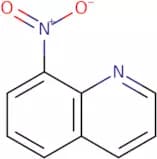
CAS:2,6-Dimethoxy-4-methylbenzyl alcohol is a high quality, versatile building block that is used as a reagent. The chemical has been shown to be a useful intermediate in the production of fine chemicals and speciality chemicals. 2,6-Dimethoxy-4-methylbenzyl alcohol can be used as a reaction component in the production of research chemicals and versatile building blocks. This compound can be found on CAS registry number 875664-51-0.Formula:C10H14O3Purezza:Min. 95%Colore e forma:PowderPeso molecolare:182.22 g/mol8-Nitroquinoline
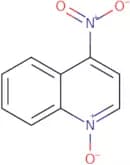
CAS:8-Nitroquinoline is a nitrogenous compound that has been used as an inhibitor of Leishmania, a parasite that causes leishmaniasis. 8-Nitroquinoline inhibits the growth of Leishmania by inhibiting the enzyme hepg2, which is involved in the synthesis of lipids and cholesterol. The inhibition of this enzyme leads to the accumulation of malonic acid, which inhibits the production of ATP. This inhibition may lead to cell death or inhibitory effects on other enzyme activities. 8-Nitroquinoline has been shown to be effective against Leishmania parasites in vivo.Formula:C9H6N2O2Purezza:Min. 95%Colore e forma:PowderPeso molecolare:174.16 g/mol4-Nitroquinoline-N-oxide
CAS:4-Nitroquinoline-N-oxide is a polymerase chain reaction (PCR) inhibitor that blocks the activity of methyltransferases, which are enzymes involved in DNA replication and repair. The mechanism of action has been shown to be due to the inhibition of the activities of these enzymes in cancer tissues. The efficacy of 4-Nitroquinoline-N-oxide has been demonstrated using an experimental model system composed of cells from Candida glabrata and other cancers, as well as a model system for carcinogenesis in vitro. This compound also shows antiinflammatory activity and can be used as a natural compound for chemotherapy. Chromatographic analysis has revealed that 4-Nitroquinoline-N-oxide is not toxic to wild type strains, but it is toxic to cancer cells with mutations in their DNA repair mechanisms.Formula:C9H6N2O3Purezza:Min. 95%Colore e forma:PowderPeso molecolare:190.16 g/mol

![3-[2-(Ethylhexyl)oxyl]-1,2-propandiol](/_next/image/?url=https%3A%2Fstatic.cymitquimica.com%2Fproducts%2F3D%2Fthumb-webp%2FFE151191.webp&w=3840&q=75)