Alcoli
Sottocategorie di "Alcoli"
Trovati 5818 prodotti di "Alcoli"
N-Methyl-5-tetrazolethiol
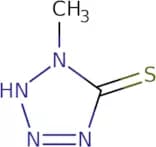
CAS:N-Methyl-5-tetrazolethiol is a vitamin B6 (pyridoxine) analog that inhibits bacterial growth by competitively inhibiting enzymes involved in the synthesis of folate. It has been shown to be toxic for animals and humans at high doses, but the toxicity of this compound has not been studied extensively. N-Methyl-5-tetrazolethiol has been shown to inhibit the activity of enzymes such as methionine synthase, cytochrome C reductase, and nitroreductase in vitro. This drug is used as a treatment for infectious diseases such as malaria and toxoplasmosis. The mechanism of action of N-methyl tetrazolethiol is not known, but it is believed to be related to its ability to inhibit enzyme activity.Formula:C2H4N4SPurezza:Min. 95 Area-%Colore e forma:PowderPeso molecolare:116.15 g/mol(S)-(-)-3-tert-Butylamino-1,2-propanediol
CAS:(S)-(-)-3-tert-Butylamino-1,2-propanediol is a hydrophobic liquid that has been used as a stationary phase in chromatography. It interacts with nonaromatic compounds and has been used for the validation of high performance liquid chromatography (HPLC) detection sensitivity. It is also used as a ligand for ternary complexes and as an anion in chromatographic science. This compound's interactions are studied using evaporative light scattering, which can be used to determine the molecular weight of the compound.
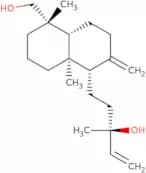
Formula:C7H17NO2Purezza:Min. 95%Peso molecolare:147.22 g/molLABD-8(17),14-dien-13,19-diol
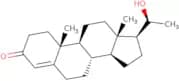
CAS:The active substances in LABD-8(17),14-dien-13,19-diol are hexane and diacetate. This product is analysed to be a decidua extract. Alcohols, coniferous extracts, oplodiol, epimanool and ozonization can also be found in this product. Structural analysis reveals that glycerides are the major component of this substance. A variety of other components were also detected in this substance such as methyl ester, aldehydes and diterpenes.Formula:C20H34O2Purezza:Min. 95%Peso molecolare:306.48 g/mol4-Pregnen-20-alpha-ol-3-one
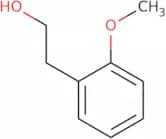
CAS:Prodotto controllatoProgesterone is a hormone that regulates the menstrual cycle and plays a key role in pregnancy. It is produced by the corpus luteum, the placenta, and the ovaries. Progesterone is also involved in regulating other functions such as cell growth, fat metabolism, blood clotting, and water balance. The level of progesterone in urine has been shown to be a good indicator of follicular growth during ovulation. In women with metabolic disorders or lactogenic hormone deficiencies, low levels of progesterone can lead to infertility.Formula:C21H32O2Purezza:Min. 95%Colore e forma:White PowderPeso molecolare:316.48 g/mol2-(2-Methoxyphenethyl) alcohol
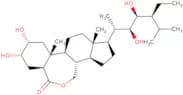
CAS:2-(2-Methoxyphenethyl) alcohol (2MPE) is a ligand that binds to the phenylpropanoid glycosides, which are responsible for the biosynthesis of plant pigments. It has been shown to inhibit tyrosinase and tyrosinase activity in vitro. 2MPE is used in radiopharmaceuticals as a radioactive label. It has also been shown to inhibit melanogenesis and the synthesis of volatile compounds in corncob at high temperatures. 2MPE is found in rhodiola and together with 2-hydroxyphenylacetic acid, it inhibits bacterial growth by inhibiting protein synthesis.Formula:C9H12O2Purezza:Min. 98%Colore e forma:Clear LiquidPeso molecolare:152.19 g/mol(22S,23S)-28-Homo brassinolide
CAS:(22S,23S)-28-Homo brassinolide is a synthetic brassinosteroid that has been shown to have growth-promoting activity in the plant. It is synthesized by the reaction of tetroxide and 28-homobrassinolide. The structure of (22S,23S)-28-Homo brassinolide is stereoselective, with an R configuration at C2 and a S configuration at C3. The hydrogen atoms at C2 and C3 are involved in hydrogen bonds with other molecules. (22S,23S)-28-Homo brassinolide exhibits a conformation that differs from 24-epibrassinolide because it does not contain an intramolecular hydrogen bond between the two rings. This synthetic brassinosteroid also has anti-inflammatory effects due to its ability to inhibit prostaglandins.
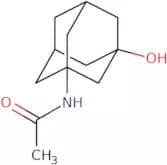
Formula:C29H50O6Colore e forma:PowderPeso molecolare:494.7 g/mol3-Acetylamino-1-adamantanol
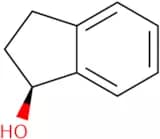
CAS:3-Acetylamino-1-adamantanol is a fluorescent, non-ionic dye that is used in the preparation of coatings and optical elements. It can also be used as an oxidation catalyst for alcohols. This compound has been shown to have excellent alkaline hydrolysis and high yield in the acetonitrile process. 3-Acetylamino-1-adamantanol has been shown to react with nitro groups to form a fluorescent product. This reaction is important because it allows for the identification of explosives. 3-Acetylamino-1-adamantanol has also been found to be useful as a hologram developer or photoresist for optical discs and lenses.Formula:C12H19NO2Purezza:Min. 95%Colore e forma:White/Off-White SolidPeso molecolare:209.28 g/mol(S)-(+)-1-Indanol
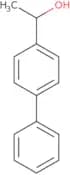
CAS:(S)-(+)-1-Indanol is a substrate for the human liver alcohol dehydrogenase and can be used to study the enzyme. The molecule has two phenyl groups that are capable of forming hydrogen bonds with other molecules. The hydrogen bond is a relatively weak, noncovalent interaction between two polar molecules. It can be formed by the donation of a lone pair of electrons from one side of an oxygen atom in one molecule to a lone pair of electrons on another oxygen atom in another molecule. This type of bond is responsible for many important biological processes, including DNA replication and protein folding. The (S)-(+)-1-Indanol can also undergo carbonyl reduction, which is the conversion of an organic compound containing a carbonyl group into a corresponding hydrocarbon derivative containing hydroxyl groups. The (S)-(+)-1-Indanol contains both hydroxyl and carbonyl functionalities that make it suitable for this process. (S)-Formula:C9H10OPurezza:Min. 95%Colore e forma:PowderPeso molecolare:134.18 g/mol4-Diphenylmethylcarbinol
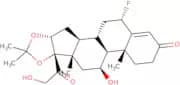
CAS:4-Diphenylmethylcarbinol is an organic compound that is a primary alcohol. It can be synthesized by the hydrogenolysis of biphenyl. 4-Diphenylmethylcarbinol has been used in the Raney-type process for the production of aluminum from bauxite and as a catalyst in the dehydrating reaction. This compound has also been used as a reagent for the synthesis of enantiomers and as a solvent for acetonitrile. The transfer of 4-diphenylmethylcarbinol to benzene, chlorobenzene, and phenanthrene has been studied.Formula:C14H14OPurezza:Min. 95%Colore e forma:PowderPeso molecolare:198.26 g/molFlurandrenolide
CAS:Flurandrenolide is a corticosteroid that is used for the treatment of bowel disease and autoimmune diseases. Flurandrenolide reduces inflammation by inhibiting the production of effector proteins, such as cytokines, chemokines, and eicosanoids. Flurandrenolide has been shown to have low potency in the treatment of lymphocyte transformation. This corticosteroid also inhibits the growth of various carcinoma cell lines. The mechanism of action of flurandrenolide is not fully understood, but it may be due to its ability to interfere with enzymes involved in cellular signaling pathways or to inhibit transcription factors. It has been found that flurandrenolide has a biocompatible polymer that can be used for sample preparation and analytical method.Formula:C24H33FO6Purezza:Min. 95%Colore e forma:White PowderPeso molecolare:436.51 g/mol4-Bromo-3,5-dimethoxybenzyl alcohol
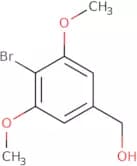
CAS:4-Bromo-3,5-dimethoxybenzyl alcohol is a bromoarene that can be used as a ligand in coupling reactions. It has been shown to be an efficient coupling partner for the synthesis of triphylla, featuring a skeleton of chelating 4-bromo-3,5-dimethoxybenzyl alcohol.Formula:C9H11BrO3Purezza:Min. 95%Colore e forma:PowderPeso molecolare:247.09 g/mol2,6-Dimethylphenylmethyl carbinol
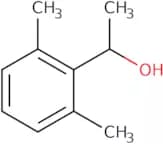
CAS:2,6-Dimethylphenylmethyl carbinol is a high quality chemical that is useful as a reagent in the synthesis of complex compounds. It can be used as an intermediate for the production of fine chemicals and speciality chemicals, such as research chemicals and versatile building blocks. This compound has been used in several chemical reactions to produce various compounds with different functional groups.Formula:C10H14OPurezza:Min. 95%Colore e forma:PowderPeso molecolare:150.22 g/mol2,6-Dimethyl-4-iodophenol
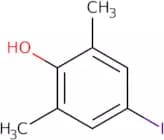
CAS:2,6-Dimethyl-4-iodophenol is a small organic molecule that has been shown to be an inhibitor of the virus SARS coronavirus. 2,6-Dimethyl-4-iodophenol inhibits the virus in a specific test for inhibition activity against SARS coronavirus. The compound binds to the viral membrane and blocks a hydrogen bonding interaction with the viral envelope protein. This binding prevents the formation of an active complex with the enzyme RNA polymerase, which is required for transcription of viral RNA. 2,6-Dimethyl-4-iodophenol has also been shown to inhibit other viruses in addition to SARS coronavirus, such as influenza A virus and poliovirus.Formula:C8H9IOPurezza:Min. 95%Colore e forma:PowderPeso molecolare:248.06 g/mol6b-Hydroxy-7a-(thiomethyl) spironolactone
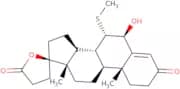
CAS:6b-Hydroxy-7a-(thiomethyl) spironolactone is a drug that is metabolized in the liver and excreted in the bile. It has been found to be safe and effective for the treatment of ascites due to cirrhosis. The pharmacokinetics of 6b-hydroxy-7a-(thiomethyl) spironolactone are linear, with a plasma elimination rate of 0.3 mg/kg/h. The elimination half-life for 6b-hydroxy-7a-(thiomethyl) spironolactone is about 3 hours. 6b-Hydroxy-7a-(thiomethyl) spironolactone has been found to be eliminated from the body at a constant rate, regardless of age, gender or weight. The population studied was healthy adult males who ingested 6b-hydroxy-7a-(thiomethFormula:C23H32O4SPurezza:Min. 95%Colore e forma:PowderPeso molecolare:404.56 g/mol9-Fluoro-10,13,17-Trimethyl-2,3,4,5,6,7,8,11,12,14,15,16-Dodecahydro-1H-Cyclopenta[a]Phenanthrene-3,11,17-Triol
CAS:Prodotto controllato9-Fluoro-10,13,17-Trimethyl-2,3,4,5,6,7,8,11,12,14,15,16-Dodecahydro-1H-Cyclopenta[a]Phenanthrene-3,11,17-Triol is a synthetic nucleic acid molecule that can be used for diagnostic purposes. It has been shown to bind to the nucleic acid of human cells. This nucleic acid binds to the antibodies in order to detect and identify different types of RNA sequences. 9F18TMTD has also been shown to target specific sites on the DNA molecule and can be used as a probe for detecting specific sequences of DNA. The synthetic process starts by reacting an aromatic compound with methanol in the presence of a base catalyst to form an intermediate product. The intermediate is then oxidized with nitric acid and hydrogen peroxide in order form the final product.Formula:C20H33FO3Purezza:Min. 95%Peso molecolare:340.47 g/mol2-Phenoxybenzyl alcohol
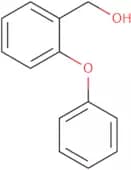
CAS:2-Phenoxybenzyl alcohol is an active compound that is a diarylamine with a phenoxy group. It has photochemistry activity, which can be used to form methanes and polyhalogenated phenoxy compounds. 2-Phenoxybenzyl alcohol has been found to react with amides and carbonyl groups in nature. This chemical also has the ability to undergo transfer and shift reactions.
Formula:C13H12O2Purezza:Min. 95%Colore e forma:Clear LiquidPeso molecolare:200.23 g/mol(R)-(+)-Diphenyl-2-pyrrolidinemethanol
CAS:Prodotto controllato(R)-(+)-Diphenyl-2-pyrrolidinemethanol is a chiral reagent that is used to catalyze the hydrogenolysis of esters and amides. This reaction yields a mixture of the corresponding alcohol and acid. The reagent can also be used to deprotonate azides, yielding diphenylprolinol. The product can then be hydrolyzed with an alkaline solution to form a methyl ester or an ester hydrochloride. This process is useful for the preparation of chiral alcohols and amines.Formula:C17H19NOPurezza:Min. 95%Colore e forma:White PowderPeso molecolare:253.34 g/mol4-Bromo-2-fluorophenol
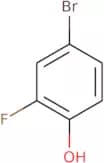
CAS:4-Bromo-2-fluorophenol is a mesomorphic substance that has a helical structure. It has been shown to have ferroelectric properties and light emission, as well as being spontaneously polar. 4-Bromo-2-fluorophenol is a dipole molecule with two hydrogen bonds on each side of the molecule. The fluorine atom in 4-bromo-2-fluorophenol interacts with chlorine atoms through an intramolecular hydrogen bond.Formula:C6H4BrFOPurezza:Min. 95%Colore e forma:Clear LiquidPeso molecolare:191 g/molIndole-3-propanol
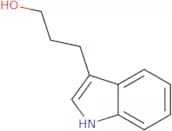
CAS:Indole-3-propanol is a reversible inhibitor of the enzyme dihydrofolate reductase that blocks the synthesis of purine nucleotides. It has been shown to have a regulatory effect on bacterial growth and may be used as an antimicrobial agent. Indole-3-propanol is an inhibitor of the enzyme dihydrofolate reductase, which catalyzes the reduction of dihydrofolic acid to tetrahydrofolic acid. This conversion is essential for DNA synthesis and repair in bacteria. Indole-3-propanol inhibits this reaction reversibly by binding to the hydroxy group in the active site of the enzyme, thereby blocking access to substrate analogues such as phosphoribosyl pyrophosphate (PRPP). The compound also inhibits human serum proteins, such as albumin, which are involved in metabolizing drugs. Molecular modeling studies suggest that indole-3-propanol binds to two lFormula:C11H13NOPurezza:Min. 95%Colore e forma:Clear LiquidPeso molecolare:175.23 g/molMedioresinol
CAS:Medioresinol is a secondary metabolite found in plants belonging to the family Pinaceae. It is a fluorescent compound that can be seen with nmr spectroscopic data and has been identified as a fatty acid. Medioresinol has been studied for its effects on bacteria, fungi, and cancer cells. This compound has shown to inhibit the growth of the bladder cancer cell line 5637A and inhibit the growth of human leukemia cells by blocking protein synthesis. The mechanism of action of medioresinol is not yet well understood, but it may involve an interaction with p-hydroxybenzoic acid or secoisolariciresinol. Medioresinol is also known to have strong anti-inflammatory properties, which may be due to its ability to inhibit prostaglandin synthesis.Formula:C21H24O7Purezza:Min. 95%Colore e forma:White PowderPeso molecolare:388.41 g/mol


![9-Fluoro-10,13,17-Trimethyl-2,3,4,5,6,7,8,11,12,14,15,16-Dodecahydro-1H-Cyclopenta[a]Phenanthrene-…](/_next/image/?url=https%3A%2Fstatic.cymitquimica.com%2Fproducts%2F3D%2Fthumb-webp%2FFF103008.webp&w=3840&q=75)