Ammine
Le ammine sono un insieme di molecole contenenti un gruppo funzionale amminico (derivato dall'ammoniaca). Questa categoria include ammine a qualsiasi livello di sostituzione: primarie, secondarie, terziarie e sali di ammonio. Le ammine sono fondamentali nella sintesi organica e sono ampiamente utilizzate in prodotti farmaceutici, agrochimici e scienze dei materiali. Da CymitQuimica, offriamo una selezione completa di ammine per soddisfare le tue esigenze di ricerca e industriali. La nostra gamma garantisce l'accesso a diverse ammine per vari processi chimici e ricerche innovative.
Sottocategorie di "Ammine"
- Nitrosamine(2.605 prodotti)
- Ammine primarie(30.947 prodotti)
- Cationi di ammonio quaternario(1.100 prodotti)
- Ammine secondarie(20.886 prodotti)
- Ammine terziarie(17.193 prodotti)
Trovati 8780 prodotti di "Ammine"
Ordinare per
Purezza (%)
0
100
|
0
|
50
|
90
|
95
|
100
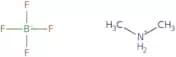
Dimethylammonium tetrafluoroborate
CAS:Prodotto controllatoDimethylammonium tetrafluoroborate is a reagent that is used in organic chemistry. It is a solid with a melting point of -56°C and can be synthesized by the reaction of ethyl amine and hexafluoro-2-butyne. This reagent has been used to synthesize quaternary ammonium salts, anions, and aliphatic hydrocarbons. Dimethylammonium tetrafluoroborate is also employed as a solvent for some devices due to its physicochemical properties, including its low boiling point and high dielectric constant.Formula:C2H8BF4NPurezza:Min. 95%Peso molecolare:132.9 g/mol4-Amino-5-aminomethyl-2-methylpyrimidine dihydrochloride
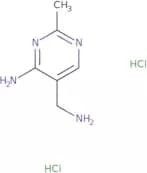
CAS:4-Amino-5-aminomethyl-2-methylpyrimidine dihydrochloride is a vitamin B1 derivative that is biosynthesized by marine algal cells. It is active at high concentrations, and has been shown to have an interaction with the active site residues of hydrogen chloride. This analog has been used in genomic analyses and can be detected by mass spectrometry. It also has the ability to inhibit the growth of phytoplankton, which are microscopic plants living near the surface of water. The concentration of 4-amino-5-aminomethyl-2-methylpyrimidine dihydrochloride in seawater can be determined using a constant scaling factor based on plankton biomass.Formula:C6H10N4•(HCl)2Purezza:Min. 95%Colore e forma:Slightly Yellow PowderPeso molecolare:211.09 g/mol2,5-Dimethoxy-4-methylphenethylamine hydrochloride
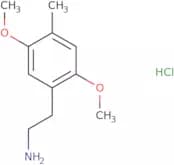
CAS:Prodotto controllatoPlease enquire for more information about 2,5-Dimethoxy-4-methylphenethylamine hydrochloride including the price, delivery time and more detailed product information at the technical inquiry form on this pageFormula:C11H18ClNO2Purezza:Min. 98 Area-%Peso molecolare:231.72 g/mol2-(3,5-Dimethyl-1H-pyrazol-1-yl)quinolin-8-amine
CAS:2-(3,5-Dimethyl-1H-pyrazol-1-yl)quinolin-8-amine is a fine chemical that belongs to the group of versatile building blocks. It can be used as a reagent or as a speciality chemical in research and development. 2-(3,5-Dimethyl-1H-pyrazol-1-yl)quinolin-8-amine is also a useful scaffold for the synthesis of complex compounds and has been shown to be an effective inhibitor of protein tyrosine kinases.Formula:C14H14N4Purezza:Min. 95%Colore e forma:PowderPeso molecolare:238.29 g/molPyrilamine maleate
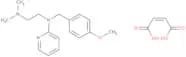
CAS:Pyrilamine maleate salt is a reagent used for optical rotation measurements. It is also known to be an antihistamine that has been shown to have mutagenic effects on Salmonella typhimurium and other bacteria. Pyrilamine maleate salt inhibits potassium ion transport across the cell membrane, which can lead to hyperpolarization of the cell membrane and inhibition of the uptake of sodium ions. This inhibition leads to an increase in intracellular sodium concentrations, which in turn leads to decreased ATP production.Formula:C17H23N3O•C4H4O4Purezza:Min. 95%Colore e forma:PowderPeso molecolare:401.46 g/mol(1R,2R)-(+)-1,2-Diaminocyclohexane-N,N'-bis(2'-diphenylphosphinobenzoyl)
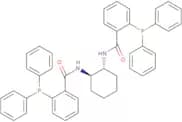
CAS:(+)-1,2-Diaminocyclohexane-N,N'-bis(2'-diphenylphosphinobenzoyl) is an important chemical building block and intermediate that can be used in a wide range of organic synthesis. This compound is a versatile building block with high quality and has been shown to be useful for the synthesis of complex compounds. (+)-1,2-Diaminocyclohexane-N,N'-bis(2'-diphenylphosphinobenzoyl) can be used as a reagent in many reactions. CAS No. 138517-61-0 is a fine chemical that has been widely used in research laboratories around the world.Formula:C44H40N2O2P2Purezza:Min. 95%Colore e forma:White PowderPeso molecolare:690.75 g/mol6-Methoxygramine
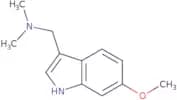
CAS:Prodotto controllato<p>6-Methoxygramine is a mitochondrial oxidase inhibitor, which is used in animal models of Parkinson's disease. It has been shown to be selective for the mitochondria and not to penetrate the blood-brain barrier. 6-Methoxygramine binds to an active site that is specific for oxidases, such as monoamine oxidase (MAO). This binding prevents the oxidation of dopamine, leading to its accumulation in the brain. 6-Methoxygramine also has been shown to inhibit MAO type A in rat brains.</p>Formula:C12H16N2OPurezza:Min. 95%Colore e forma:PowderPeso molecolare:204.27 g/mol[3-(2-Methoxyethoxy)benzyl]amine
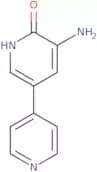
CAS:<p>[3-(2-Methoxyethoxy)benzyl]amine is a high-quality chemical that can be used as an intermediate in the synthesis of complex compounds. It is also a useful scaffold for the synthesis of other chemicals, such as pharmaceuticals and pesticides. This compound also has many uses in research, such as being a versatile building block and reaction component.</p>Formula:C10H15NO2Purezza:Min. 95%Colore e forma:PowderPeso molecolare:181.23 g/mol5-Amino-(3,4'-bipyridin)-6(1H)-one
CAS:<p>Phosphodiesterase type 3 inhibitor; positive inotropic agent; vasodilatory</p>Formula:C10H9N3OPurezza:Min. 95%Colore e forma:PowderPeso molecolare:187.2 g/molAmmonium metatungstate hydrate
CAS:<p>Ammonium metatungstate hydrate is a catalyst that is used for the efficient production of fatty acids from vegetable oils. It has been shown to be an effective catalyst in the reaction of deionized water and particle at various reaction temperatures. The cationic surfactant, optical properties, and morphology of the fatty acid are all dependent on the type of carbon source used in the reaction. Ammonium metatungstate hydrate is also used as a photocatalyst for gas sensors.</p>Formula:(H4N)6•H2O40W12•(H2O)xPurezza:Min. 85%Colore e forma:PowderPeso molecolare:2,956.3 g/mol(R)-N-Methyl-3-(1-naphthoxy)-3-(2-thienyl)propylamine hydrochloride
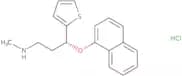
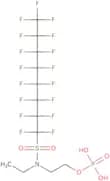
CAS:Prodotto controllato(R)-N-Methyl-3-(1-naphthoxy)-3-(2-thienyl)propylamine hydrochloride is a nonsteroidal anti-inflammatory drug that has been shown to be effective for the treatment of osteoarthritis, rheumatoid arthritis, ankylosing spondylitis, and chronic low back pain. This drug can also be used for other inflammatory conditions such as psoriasis and Crohn's disease. The mechanism of action of (R)-N-Methyl-3-(1-naphthoxy)-3-(2-thienyl)propylamine hydrochloride is not fully understood. It may work by blocking the synthesis of prostaglandins in the body. This drug is metabolized in the liver to its active form, which binds to cyclooxygenase 1 and 2 enzymes to inhibit the production of prostaglandins. It also inhibits human serum x-rayFormula:C18H19NOS•HClPurezza:Min. 95%Colore e forma:White To Off-White SolidPeso molecolare:333.88 g/molAzane; 2-(Ethyl-(1,1,2,2,3,3,4,4,5,5,6,6,7,7,8,8,8-Heptadecafluorooctylsulfonyl)Amino)Ethyl Dihydrogen Phosphate
CAS:Prodotto controllatoAzane is a tyrosinase inhibitor that is used in the treatment of dental plaque, expressed as Streptococcus mutans. Azane is also an anti-inflammatory agent and has been shown to inhibit the growth of spirochetes and viscosa. This drug has been sequenced and the sequences have been submitted to GenBank. Azane inhibits the activity of Streptococcus mutans by binding to its enzyme, tyrosinase, which catalyzes the conversion of tyrosine to L-DOPA, an important precursor for melanin synthesis. Azane inhibits microflora by binding to bacterial 16S ribosomal RNA and inhibiting protein synthesis, leading to cell death by inhibiting the production of proteins vital for cell division. It has also shown anti-inflammatory properties.Formula:C12H11F17NO6PSPurezza:Min. 95%Peso molecolare:651.23 g/mol[(2-Methylimidazo[2,1-b][1,3,4]thiadiazol-6-yl)methyl]amine dihydrochloride
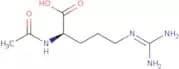
CAS:[(2-Methylimidazo[2,1-b][1,3,4]thiadiazol-6-yl)methyl]amine dihydrochloride is a high quality reagent with many uses. It is a complex compound that is used as an intermediate in the synthesis of many other compounds. This chemical has been shown to be useful as a scaffold for drug design and development. It also has been found to be a valuable building block for the synthesis of speciality chemicals and pharmaceuticals. This chemical can be used in reactions as a versatile building block and reaction component.Formula:C6H8N4S·2HClPurezza:Min. 95%Colore e forma:White PowderPeso molecolare:241.14 g/mol(2R)-2-Acetamido-5-(Diaminomethylideneazaniumyl)Pentanoate
CAS:(2R)-2-Acetamido-5-(Diaminomethylideneazaniumyl)Pentanoate is an insoluble, acylase inhibitor. It is obtained from the reaction of histidine with acetaldehyde and ammonia in refluxed ethanol. This product has two optical isomers, one being (2R)-2-acetamido-5-(diaminomethylideneazaniumyl)pentanoic acid and the other being (2S)-2-acetamido-5-(diaminomethylideneazaniumyl)pentanoic acid. The former is more active than the latter against acetylesterase. The product also inhibits lysine decarboxylase and d-alanine racemase to a lesser extent. The enzyme activity of this compound can be increased by adding l-amino acid or dl-alanine.Formula:C8H16N4O3Purezza:Min. 95%Colore e forma:PowderPeso molecolare:216.24 g/mol2,3-Diaminobenzamide
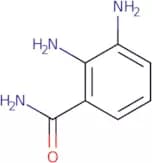
CAS:<p>2,3-Diaminobenzamide is a synthetic aromatic compound that is used as a radiation stabilizer. It is also an effective antimicrobial agent with reactive properties against bacteria and fungi. 2,3-Diaminobenzamide has been shown to have anti-cancer properties and can be used to treat inflammatory diseases such as rheumatoid arthritis or ulcerative colitis. The intramolecular hydrogen bond between the amide group and the benzene ring in 2,3-diaminobenzamide contributes to its stability and biological activity.</p>Formula:C7H9N3OPurezza:Min. 95%Colore e forma:PowderPeso molecolare:151.17 g/mol(2-Aminophenyl)-N-((3,4-dimethoxyphenyl)methyl)formamide
CAS:Please enquire for more information about (2-Aminophenyl)-N-((3,4-dimethoxyphenyl)methyl)formamide including the price, delivery time and more detailed product information at the technical inquiry form on this pageFormula:C16H18N2O3Purezza:Min. 95%Colore e forma:PowderPeso molecolare:286.33 g/mol[4-(2-Aminoethoxy)phenyl](phenyl)methanone HCl
CAS:<p>[4-(2-Aminoethoxy)phenyl](phenyl)methanone HCl is a fine chemical that belongs to the group of versatile building blocks. It can be used as a reagent, speciality chemical, useful building block, high quality research chemical, or useful intermediate. The CAS registry number is 1185504-45-3.</p>Formula:C15H15NO2·HClPurezza:Min. 95%Colore e forma:White PowderPeso molecolare:277.75 g/mol1-Boc-amino-3,6,9-trioxaundecanyl-11-ol
CAS:1-Boc-amino-3,6,9-trioxaundecanyl-11-ol is a PEG polymer categorised as monofunctional (OH-PEG-X). Used as a linker, 1-boc-amino-3,6,9-trioxaundecanyl-11-ol is used to attached PEG to proteins, peptides, oligonucleotides, nanoparticles and small molecules via pegylation, a bioconjugation technique.Formula:C13H27NO6Purezza:Min. 95%Colore e forma:Clear LiquidPeso molecolare:293.36 g/molp-Amino-N,N-diethylaniline sulfate
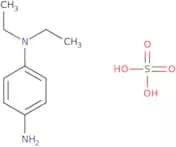
CAS:<p>p-Amino-N,N-diethylaniline sulfate (ADESA) is an organic compound that has been used as a reagent in analytical chemistry. ADESA is used to measure the concentration of 5-hmf, a metabolite of vitamin C, and it is also used to analyze the concentration of hydrogen chloride and hydrogen sulfate in water samples. ADESA is prepared by mixing hydrochloric acid with ethylene diamine and then adding diethaniline. It can be purified by chromatography or electrochemical methods. ADESA is an oxidant that can be used for analytical purposes because it reacts with potassium dichromate to form a colorless complex. This reaction has been shown to be useful for analyzing antioxidants in food products, such as pomegranate juice.</p>Formula:C10H18N2O4SColore e forma:White PowderPeso molecolare:262.33 g/mol4-Dimethylaminostilbene
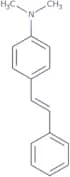
CAS:4-Dimethylaminostilbene is a stilbene derivative that is used in the laboratory as an inhibitor of protein synthesis. 4-Dimethylaminostilbene inhibits the activity of enzymes such as acid conjugates, which are enzymes that catalyze reactions involving the addition of an acid to a molecule. This drug has been shown to inhibit sarcoma cells and to be active against animals. 4-Dimethylaminostilbene reacts with proteins by forming adducts with amino groups on the side chains of lysine or arginine residues in proteins, thereby inhibiting their function. The reaction products are excreted from the body through urine and bile. 4-Dimethylaminostilbene can be administered orally, but it must be taken with acidic foods or drinks to prevent its destruction.Formula:C16H17NPurezza:95%NmrPeso molecolare:223.31 g/mol2-[3-[N-(4-tert-Butylbenzyl)-N-(pyridin-3-ylsulfonyl)aminomethyl]phenoxy]acetic acid
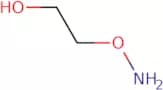
CAS:2-[3-[N-(4-tert-Butylbenzyl)-N-(pyridin-3-ylsulfonyl)aminomethyl]phenoxy]acetic acid is a synthetic chemical compound, which is derived from organic synthesis processes involving aromatic compounds. It functions primarily through the modulation of specific biochemical pathways, likely involving interactions with enzymatic or receptor targets due to its structural characteristics. This compound is particularly noteworthy for its potential applications in biomedical research, where it may serve as a lead or active molecule in the development of new pharmaceutical agents. Its unique structure, featuring both aromatic and sulfonyl groups, allows for versatile interactions with biological targets, opening possibilities for its use in therapeutic development. Further research into its exact mechanisms and potential therapeutic uses could yield significant advancements in the treatment of various ailments.Formula:C25H28N2O5SPurezza:Min. 98 Area-%Colore e forma:PowderPeso molecolare:468.57 g/mol2-(Aminooxy)ethanol
CAS:<p>2-(Aminooxy)ethanol is an organic compound that has the chemical formula CH3NOCH2CH2OH. It belongs to the group of cyclic ketones and is a colorless liquid with a boiling point of 78°C. This substance can be produced by dehydrogenation of ethylene oxide or by reaction of formamide with sodium hydroxide and hydrochloric acid. The product can also be prepared from 2-hydroxyethanol, which reacts with ethylene in presence of HCl. The reaction time for this process is around 1 hour at room temperature. The chemical formula for 2-(Aminooxy)ethanol is C4H11NO2O.</p>Formula:C2H7NO2Purezza:Min. 95%Colore e forma:Clear LiquidPeso molecolare:77.08 g/molPurmorphamine
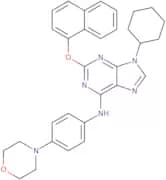
CAS:<p>Purmorphamine is a cell factor that belongs to the group of morphogens. It is structurally related to dopamine and has been shown to be effective in the treatment of Parkinson's disease. Purmorphamine is involved in the regulation of neuronal survival, differentiation, proliferation, and axon guidance. Purmorphamine binds to a receptor on neurons called the cholinergic receptor, which stimulates a G-protein linked signal transduction pathway. This leads to an increase in intracellular calcium levels and activation of protein kinase C. Purmorphamine also has anti-inflammatory effects and can inhibit leukemia inhibitory factor (LIF). It has been shown to be effective against LPS-induced inflammatory responses by inhibiting protein synthesis. Purmorphamine also inhibits cancer cells through its ability to stimulate growth factor-β1 (GF-β1) gene expression.</p>Formula:C31H32N6O2Purezza:Min. 95%Colore e forma:PowderPeso molecolare:520.63 g/mol4-Amino isoquinoline
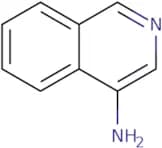
CAS:<p>4-Amino isoquinoline is a synthetic chemical that has a pyridine ring and chlorine atom. It can be synthesized by reacting 2,4-dichlorobenzene with acetaldehyde and hydrochloric acid. 4-Amino isoquinoline binds to the receptor that it interacts with, such as the ligand, dimethyl acetylenedicarboxylate, or taraxasterol acetate. This binding process can be used for treatment purposes. The ligand is usually introduced into the body through injection or ingestion of a drug. The ligand can also be attached to an antibody in order to target specific cells. The ligand has shown efficacy in treating cancerous tumors and other diseases like Parkinson's disease and Alzheimer's disease.</p>Formula:C9H8N2Purezza:Min. 95%Colore e forma:White To Brown SolidPeso molecolare:144.17 g/molFmoc-4-(Boc-amino)-D-phenylalanine
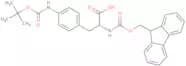
CAS:Fmoc-4-(Boc-amino)-D-phenylalanine is a versatile building block and a useful intermediate in organic synthesis. It is used as a reaction component in the synthesis of pharmaceuticals, antibiotics, herbicides, pesticides and other organic compounds. Fmoc-4-(Boc-amino)-D-phenylalanine is also used as an additive for the production of polyurethane foams. This compound has a high quality and purity level and can be used as a reagent for chemical reactions.Formula:C29H30N2O6Purezza:Min. 98 Area-%Colore e forma:White Off-White PowderPeso molecolare:502.56 g/mol1-(Methylbenzyl)amine sulphate
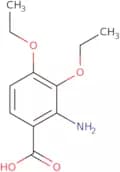
1-(Methylbenzyl)amine sulphate is a high quality chemical that is an intermediate to the production of many useful compounds. It can be used in research as a building block for new compounds, or as a versatile building block for reactions. 1-(Methylbenzyl)amine sulphate has many uses, including being a reagent for the synthesis of complex compounds with high purity and usefulness as a speciality chemical in fine chemicals and research chemicals. CAS No.: 1026-97-3Formula:C8H11NSO4Purezza:Min. 95%Colore e forma:PowderPeso molecolare:217.00 g/mol2-Amino-3,4-diethoxybenzoic acid
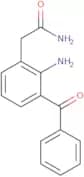
CAS:<p>2-Amino-3,4-diethoxybenzoic acid is a high quality chemical with a CAS No. 61948-72-9. It is an organic compound that belongs to the class of aromatic carboxylic acids and has a molecular weight of 174.2 g/mol. 2DHB is a useful intermediate in the synthesis of fine chemicals, research chemicals, and speciality chemicals like pharmaceuticals, pesticides, and dyes. It can also be used as a building block in the synthesis of many other compounds. The versatility of 2DHB makes it an important component in reactions involving nucleophilic substitution or addition reactions.</p>Formula:C11H15NO4Purezza:Min. 95%Colore e forma:PowderPeso molecolare:225.24 g/mol2-Amino-3-benzoylbenzeneacetamide
CAS:2-Amino-3-benzoylbenzeneacetamide is an ophthalmic drug that has significant cytotoxicity. It is used to treat inflammation of the retina and macula, as well as other diseases of the eye such as uveitis. 2-Amino-3-benzoylbenzeneacetamide is a nonsteroidal anti-inflammatory drug (NSAID) that inhibits prostaglandin synthesis by blocking cyclooxygenase. This agent has been shown to be effective in reducing pain and inflammation in animal models, but there are no studies on its side effects or analytical methods for detection. There are also no studies on the effectiveness of this drug for treating uveitis.Formula:C15H14N2O2Purezza:Min. 95%Colore e forma:PowderPeso molecolare:254.28 g/mol2-[[(Heptadecafluorooctyl)Sulphonyl]Methylamino]Ethyl Methacrylate
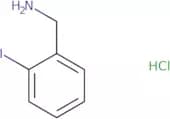
CAS:Prodotto controllato<p>2-[[(Heptadecafluorooctyl)Sulphonyl]Methylamino]Ethyl Methacrylate is a substance that belongs to the group of substances. It is a chemical substance with a molecular formula of CH2=C(COOCH2CF3SO2)-N(CH3)2. 2-[[(Heptadecafluorooctyl)Sulphonyl]Methylamino]Ethyl Methacrylate is used as an additive in paints, adhesives and sealants to improve their resistance to water, oil and acid. This substance also has a sulfonate group, which makes it soluble in organic solvents.</p>Formula:C15H12F17NO4SPurezza:Min. 95%Peso molecolare:625.3 g/mol2-Iodobenzylamine HCl
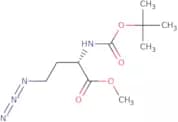
CAS:2-Iodobenzylamine HCl is an imine that is used in the synthesis of carboxamides. It can be produced by carbonylation of alkylamines with formaldehyde and hydrogen peroxide. In the presence of palladium, 2-iodobenzylamine HCl undergoes deprotection to give the desired carboxamide. 2-Iodobenzylamine HCl has been shown to react intramolecularly with amines to produce imines, which are useful intermediates in organic synthesis.Formula:C7H8IN·HClPurezza:Min. 95%Colore e forma:PowderPeso molecolare:269.51 g/mol(2S)-N-Boc-2-amino-4-azido-butanoic acid methyl ester
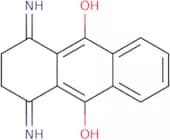
CAS:<p>(2S)-N-Boc-2-amino-4-azido-butanoic acid methyl ester is a high quality, reagent, complex compound, useful intermediate, fine chemical that is used as a building block in the synthesis of speciality chemicals.</p>Formula:C10H18N4O4Purezza:Min. 95%Colore e forma:PowderPeso molecolare:258.27 g/mol1,4-Diamino-2,3-dihydroanthraquinone
CAS:<p>1,4-Diamino-2,3-dihydroanthraquinone is an impurity found in the manufacture of the drug dermatan sulfate. It can be used as a chromatographic method for the detection of skin tumor cells. This compound has been shown to have neurodevelopmental and environmental effects. The liquid chromatography methods for this compound are based on its fluorescence properties, but it can also be detected by optical absorbance or by nmr spectroscopy. 1,4-Diamino-2,3-dihydroanthraquinone has been shown to cause cytotoxicity and morphological changes in liver cells in vitro.</p>Formula:C14H12N2O2Purezza:Min. 95%Colore e forma:Green PowderPeso molecolare:240.26 g/mol3-Nitro-5-(trifluoromethyl)benzene-1,2-diamine
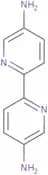
CAS:3-Nitro-5-(trifluoromethyl)benzene-1,2-diamine is a chemical compound that can be used as a reaction component or reagent in research. It is a useful scaffold and building block for complex compounds. 3-Nitro-5-(trifluoromethyl)benzene-1,2-diamine has CAS No. 2078-01-5 and is classified as a speciality chemical. This chemical is versatile because it has many uses in both organic chemistry and biology, including use as an intermediate or building block for more complex compounds.Formula:C7H6F3N3O2Purezza:Min. 95%Colore e forma:PowderPeso molecolare:221.14 g/mol5,5'-Diamino-2,2'-bipyridine
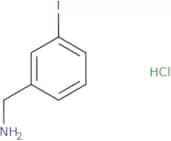
CAS:<p>5,5'-Diamino-2,2'-bipyridine is an acidic metalloporphyrin that has been shown to react with epoxides to form nucleophilic adducts. This compound can be used as a ligand for lanthanide ions and reacts with aminopyridine to form bromoethane. 5,5'-Diamino-2,2'-bipyridine has been shown to have carcinogenic properties and may induce bromoethane mutagenicity in the liver. This compound is also mutagenic when added to propylene carbonate. 5,5'-Diamino-2,2'-bipyridine is luminescent in air or water when exposed to UV light.</p>Formula:C10H10N4Purezza:Min. 97 Area-%Colore e forma:PowderPeso molecolare:186.21 g/mol3-Iodobenzylamine hydrochloride
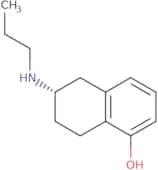
CAS:3-Iodobenzylamine HCl is a weak anion that has a moderate affinity for the adenosine A3 receptor. 3-Iodobenzylamine HCl is used in the analysis of adenosine, d-xylose and other compounds. The binding of 3-iodobenzylamine to the A3 receptor causes an increase in cyclic AMP levels and an increase in intracellular Ca2+ levels, leading to cell signaling. 3-Iodobenzylamine HCl also acts as a competitive antagonist at the A3 receptor. This drug can also act as an agonist at the A3 receptor, with binding affinities for this site comparable to those of adenosine. This drug is able to inhibit cyanamide catalysis due to its ability to bind with fluorine atoms on the acceptor site of this enzyme.Formula:C7H8IN•HClPurezza:Min. 95%Colore e forma:PowderPeso molecolare:269.51 g/mol(6S)-5,6,7,8-Tetrahydro-6-(propylamino)-1-naphthalenol
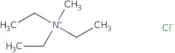
CAS:Prodotto controllato<p>Rotigotine is a drug that is used to treat Parkinson's disease. It is a dopamine agonist that stimulates the release of dopamine in the brain. Rotigotine has been shown to be effective in controlling symptoms of Parkinson's disease, such as tremors and stiffness, and improving motor skills. This drug has also been shown to have a good tolerability profile, with few side effects reported. Rotigotine is rapidly absorbed from the gastrointestinal tract and metabolized by CYP2D6 into desalkyl rotigotine, which are pharmacologically inactive compounds. The mean terminal half-life for rotigotine is about 2 hours.</p>Formula:C13H19NOPurezza:Min. 95%Peso molecolare:205.3 g/molTriethylmethylammonium chloride
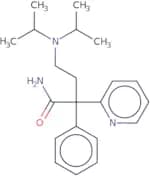
CAS:<p>Triethylmethylammonium chloride is a disulfide bond forming agent that reacts with 4-benzoyloxybenzoic acid to produce an inorganic acid. It also reacts with the substrate film to form a nitrogen atom. This product has been used as a phase transition temperature indicator and as a probe for investigating the effects of thermal expansion on electrochemical impedance spectroscopy measurements. Triethylmethylammonium chloride has also been shown to cause acid formation from sodium carbonate, which can be used in the production of hydroxyl groups, amides or fatty acids.</p>Formula:C7H18ClNPurezza:Min. 95%Colore e forma:PowderPeso molecolare:151.68 g/molDisopyramid
CAS:Prodotto controllato<p>a-[2-(Diisopropylamino)ethyl]-a-phenyl-2-pyridineacetamide is a hydrogen bond donor. It has been shown to have cytotoxicity in vitro, with parameters that can be used for accurate prediction of descriptors. These descriptors are informative and insightful, which can be used for regression analyses and linear regression methods. The pharmacokinetic properties of a-[2-(Diisopropylamino)ethyl]-a-phenyl-2-pyridineacetamide have been studied in humans and have shown linearity between dose and plasma concentration.</p>Formula:C21H29N3OColore e forma:White PowderPeso molecolare:339.47 g/molL-α-Aminoadipic acid
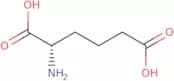
CAS:<p>L-alpha-Aminoadipic acid is a metabolite of the amino acid L-lysine. It is an intermediate in the synthesis of polyamines, which are essential for cell growth and replication. L-alpha-Aminoadipic acid has been shown to be important in energy metabolism and has also been found to have neuroprotective properties, which may be due to its ability to inhibit glutamate excitotoxicity by blocking neuronal death pathways. This amino acid is not active against most bacteria, but it inhibits the growth of pathogenic strains such as Escherichia coli and Clostridium difficile.</p>Formula:C6H11NO4Purezza:Min. 95%Colore e forma:White PowderPeso molecolare:161.16 g/mol2-Amino-4-methyl benzoic acid
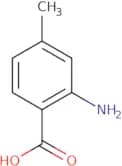
CAS:<p>2-Amino-4-methyl benzoic acid (AMBA) is a methyltransferase inhibitor. It has been shown to inhibit the enzyme in the methyl group transfer process, which is important for the synthesis of anthranilic acid, an intermediate of choline. AMBA inhibits acetylcholine production by blocking the enzyme that converts choline to acetylcholine. In addition, this compound has been shown to be a potent anticancer agent and a chemical biology tool that can be used to study protein function.</p>Formula:C8H9NO2Purezza:Min. 95%Colore e forma:PowderPeso molecolare:151.16 g/molDimethyldistearylammonium chloride
CAS:<p>Dimethyldistearylammonium chloride is a chemical compound that is used as an antimicrobial agent. It is a cationic quaternary ammonium salt that functions by forming a covalent bond with the sulfhydryl group of cysteine residues in proteins, which disrupts the disulfide bonds in the protein's tertiary or quaternary structure. Dimethyldistearylammonium chloride has been shown to have high antimicrobial activity against gram-positive bacteria and fungi but low activity against gram-negative bacteria. The optimum concentration for this compound is 0.2%. Dimethyldistearylammonium chloride has been used as a model system to study the effect of molecular weight on transfer reactions and polymer compositions, and it has also been used to study the biological properties of human immunoglobulin G (IgG).</p>Formula:C38H80ClNColore e forma:PowderPeso molecolare:586.5 g/mol3-Amino-3'-nitrobiphenyl hydrochloride
CAS:<p>3-Amino-3'-nitrobiphenyl hydrochloride is a versatile intermediate that can be used in the synthesis of complex compounds. It is a white crystalline solid with a melting point of 178 °C. This product is soluble in water, methanol, ethanol, acetone and chloroform. 3-Amino-3'-nitrobiphenyl hydrochloride has many applications including research chemicals and speciality chemicals.</p>Formula:C12H10N2O2·HClPurezza:Min. 95%Colore e forma:PowderPeso molecolare:250.68 g/mol6-Amino-4-hydroxy-2-mercaptopyrimidine monohydrate
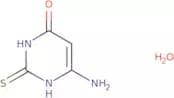
CAS:<p>6-Amino-4-hydroxy-2-mercaptopyrimidine monohydrate (6AP) is a chemical compound that has been shown to have potent antibacterial activity against Gram-positive bacteria. It is also effective at inhibiting the growth of S. aureus, both in vitro and in vivo. 6AP can be used as an alternative treatment for cancer, where it inhibits the growth of tumor cells by blocking ferrocene, which plays an important role in cancer cell proliferation and survival. The efficacy of 6AP against bacterial infections has been demonstrated in vitro with a variety of Gram-positive pathogens, including S. aureus, Streptococcus pneumoniae, Enterococcus faecalis, and Bacillus anthracis.</p>Formula:C4H5N3OS•H2OPurezza:Min. 95%Colore e forma:PowderPeso molecolare:161.18 g/mol3-Aminoisoxazole
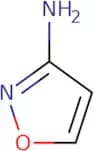
CAS:<p>3-Aminoisoxazole is a chemical compound that belongs to the class of quinoline derivatives. It has potent antitumor activity and has been shown to inhibit the growth of cancer cells in vitro. 3-Aminoisoxazole is also an inhibitor of inflammatory disease, and has been shown to inhibit the production of cytokines (e.g., TNF-α) and nitric oxide, which are key mediators of inflammation. The mechanism by which 3-aminoisoxazole inhibits the production of inflammatory cytokines and nitric oxide may be due to its ability to react with nucleophilic groups on proteins and deactivate them, or by inhibiting the formation of reactive oxygen species through chemical reactions.</p>Formula:C3H4N2OPurezza:Min. 95%Colore e forma:Light (Or Pale) Yellow LiquidPeso molecolare:84.08 g/mol2-Amino-4-(methylsulfonyl)butanoic acid
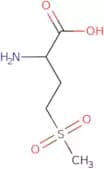
CAS:2-Amino-4-(methylsulfonyl)butanoic acid is a nonsteroidal anti-inflammatory drug that belongs to the group of sulfonamides. It is a prodrug that is hydrolyzed in vivo to its active form, 4-(methylsulfonyl)butanamide. 2-Amino-4-(methylsulfonyl)butanoic acid has been shown to be effective in the treatment of pain and inflammation in animal models. The mechanism of action has not been fully elucidated, but it may be due to its ability to inhibit prostaglandin synthesis by blocking the enzyme cyclooxygenase. This drug also inhibits glutamate release and may have epigenetic modulating effects on gene expression. 2-Amino-4-(methylsulfonyl)butanoic acid has been found to have matrix effect on physiological effects such as blood pressure, heart rate, and respiration. This drug also bindsFormula:C5H11NO4SPurezza:Min. 95%Colore e forma:PowderPeso molecolare:181.21 g/mol3-Amino-2,5,6-trifluorobenzoic acid
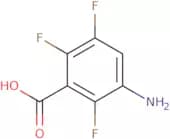
CAS:<p>3-Amino-2,5,6-trifluorobenzoic acid is a pharmaceutical agent that can be used in the synthesis of dyestuffs and as a matrix for laser desorption/ionization (LDI) mass spectrometry. 3-Amino-2,5,6-trifluorobenzoic acid has been shown to form crystals that are insoluble in water or organic solvents. The crystal morphology was determined by using XRD and FTIR. 3-Amino-2,5,6-trifluorobenzoic acid also has high concentrations of impurities such as 2,4,6-trichloroaniline and 2-(3,4 dichlorophenyl) ethyl amine.</p>Formula:C7H4F3NO2Purezza:Min. 95%Colore e forma:PowderPeso molecolare:191.11 g/molColumbamine chloride
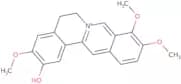
CAS:<p>Columbamine chloride is an alkaloid compound, which is a synthetic derivative known for its relevance in biochemical and pharmacological research. This compound is derived from plant sources, primarily found in specific species within the Berberidaceae family. It functions by interacting with cellular pathways, influencing various cellular processes through its effects on signaling pathways and enzyme activity.</p>Formula:C20H20NO4•ClPurezza:Min. 98%Colore e forma:PowderPeso molecolare:373.83 g/mol4-[2-[[3-(4-Hydroxyphenyl)-1-methylpropyl]amino]ethyl]-1,2-benzenediol hydrochloride
CAS:<p>Dobutamine is a beta-adrenergic agonist that causes the heart to contract and increase blood pressure. It is used for pharmacological treatment of congestive heart failure and ventricular arrhythmias, as well as during angiography of the coronary arteries. Dobutamine stimulates dopamine receptors in the heart, which increases the systolic pressure. Dobutamine has been shown to be effective in improving myocardial contractility, left ventricle function, and cardiac output in patients with chronic congestive heart failure. This drug also improves left ventricular regional wall motion, papillary muscle function, and mitral valve regurgitation. Dobutamine may cause side effects such as nausea, vomiting, headache, or chest pain.</p>Formula:C18H24ClNO3Purezza:Min. 95%Colore e forma:PowderPeso molecolare:337.84 g/molSulfur trioxide triethylamine complex
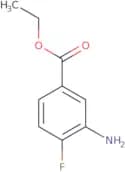
CAS:<p>Sulfur trioxide triethylamine complex is a second-order rate constant for the reaction of ester hydrochloride with carbapenem. It has been shown to have anti-inflammatory properties, which may be due to its inhibition of prostaglandin synthesis. Sulfur trioxide triethylamine complex has also been shown to be an effective inhibitor of pyrazoles and chromatographic analysis at nmr spectra. It has been found to act as a substrate for hydroxyl group, fetal bovine serum, and metabolic disorders in urine samples. Disulfate is a byproduct of this reaction.</p>Formula:C6H15N·SO3Purezza:Min. 95%Colore e forma:White PowderPeso molecolare:181.25 g/mol3-Amino-4-fluorobenzoic acid ethyl ester
CAS:<p>3-Amino-4-fluorobenzoic acid ethyl ester is a linker that is used to attach a drug molecule to the tautomycin, an analgesic. It has been shown to have nontoxic properties in animals and does not react with intestinal contents. The 3-Amino-4-fluorobenzoic acid ethyl ester also reacts with azide, phosphatase, and hydrocarbons. It is stable in the presence of aromatic hydrocarbons and can be used as a photolabeling agent for introducing a fluorescent group into a molecule.</p>Formula:C9H10FNO2Purezza:Min. 95%Colore e forma:PowderPeso molecolare:183.18 g/mol3-(Methylamino)propiophenone hydrochloride
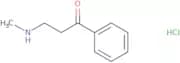
CAS:3-(Methylamino)propiophenone hydrochloride is a synthetic compound that can be used as an alternative to fluoxetine in microwave irradiation. It has similar effects to the drug, including advances in neurodegenerative diseases. 3-(Methylamino)propiophenone hydrochloride has been shown to improve the effects of radiation therapy on cancer cells, by inhibiting the production of reactive oxygen species and improving cell survival.Formula:C10H13NO•HClPurezza:Min. 95%Colore e forma:PowderPeso molecolare:199.68 g/mol3-((2-bromophenyl)amino)-5-phenylcyclohex-2-en-1-one
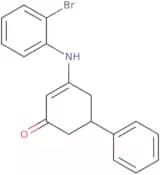
CAS:Please enquire for more information about 3-((2-bromophenyl)amino)-5-phenylcyclohex-2-en-1-one including the price, delivery time and more detailed product information at the technical inquiry form on this pagePurezza:Min. 95%4-Aminobenzoic acid sodium salt
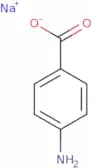
CAS:4-Aminobenzoic acid sodium salt is an aminobenzoic acid that is used as a pharmaceutical intermediate. It is soluble in water and alcohol and has a pH of 4.5. The compound has been shown to inhibit the growth of bacteria by binding to enzymes involved in fatty acid synthesis, which prevents the formation of fatty acids and results in cell death. The compound also inhibits allergic reactions through its inhibition of histamine release from mast cells. 4-Aminobenzoic acid sodium salt has been found to have anti-inflammatory properties, which may be due to its ability to bind to epidermal growth factor receptors on the surface of keratinocytes, leading to increased cell proliferation and less inflammation.Formula:C7H6NO2NaPurezza:Min. 95%Colore e forma:PowderPeso molecolare:159.12 g/molKetorolac tromethamine
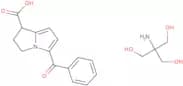
CAS:<p>Ketorolac tromethamine salt is a nonsteroidal anti-inflammatory drug used to treat pain and inflammation. It is often administered intravenously or intramuscularly. Ketorolac tromethamine salt may interact with other drugs, such as monoethyl ethers or benzalkonium chloride, which can result in adverse effects. The polymerase chain reaction (PCR) method was used to detect the presence of ketorolac and its metabolite, ketorolac tromethamine in neural cells. The PCR method has been shown to be a statistically reliable method for detecting these substances.</p>Formula:C15H13NO3•C4H11NO3Purezza:Min. 98 Area-%Colore e forma:PowderPeso molecolare:376.4 g/molp-Aminophenyldichloroarsine hydrochloride
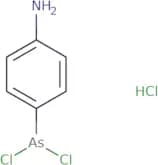
CAS:<p>p-Aminophenyldichloroarsine hydrochloride (APD) is a reversible alkylating agent that binds to sulphydryls and reversibly inhibits the activity of nicotinic acetylcholine receptors. It is also an arsenical that has been shown to react with other proteins, such as acetylcholine receptor subunits. When it reacts with the acetylcholine receptor, it forms stable complexes and irreversible bonds. This prevents the receptor from functioning normally and leads to paralysis of muscles. The APD also binds to the reactive sites on DNA and blocks rRNA synthesis, leading to cell death.<br>APD is active against many bacteria, including Mycobacterium tuberculosis, but not against Gram-positive bacteria such as staphylococci or streptococci. It is also active against some fungi and protozoa but not against viruses.</p>Formula:C6H7AsCl3NPurezza:Min. 95%Colore e forma:PowderPeso molecolare:274.41 g/molSolvent Blue 63
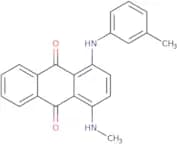
CAS:1-[2,(3)-Methylanilino]-4-(methylamino)anthraquinone is a diazo dye that emits light when irradiated with UV-A or UV-B radiation. It is used as a fluorescent stain in electron microscopy to detect and identify the presence of metals and metal oxides in films. The compound is also used in polyvinyl chloride (PVC) films to increase thermal expansion and viscosity. 1-[2,(3)-Methylanilino]-4-(methylamino)anthraquinone may be used as a substrate film for the production of polyurethane foam for furniture cushions and automotive components. The compound can be acylated with fatty acids such as p-hydroxybenzoic acid to give it desirable properties such as lower viscosity, better adhesion, or improved light emission. This reaction can be catalyzed by heat or radiation.Formula:C22H18N2O2Purezza:Min. 95%Colore e forma:PowderPeso molecolare:342.39 g/mol2,3-Dimethyl-1H-indol-7-amine
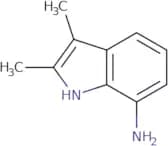
CAS:<p>2,3-Dimethyl-1H-indol-7-amine is an organic compound that belongs to the group of ethyl acetoacetate esters. It is a colorless liquid with a sweet odor and can be used as a solvent and in the manufacture of other compounds such as dibenzoylmethane. 2,3-Dimethyl-1H-indol-7-amine reacts with acetylacetone to form acetoacetic acid, which is then catalyzed by alcohol dehydrogenase to form oxaloacetate. This reaction also produces acetoacetate, which is oxidized by the enzyme dibenzoylmethane to form benzaldehyde.</p>Formula:C10H12N2Purezza:Min. 95%Colore e forma:PowderPeso molecolare:160.22 g/molPhentolamine
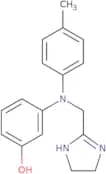
CAS:Phentolamine is a cyclase inhibitor and a drug that is used to treat high blood pressure. It is also used in the diagnosis of primary pulmonary hypertension. Phentolamine blocks the conversion of l-phenylalanine to tyrosine, which prevents the production of catecholamines such as dopamine, epinephrine, and norepinephrine. This drug has been shown to improve brain functions when administered to rats with Parkinson's disease. Phentolamine is prepared by reacting phenylmethylsulfonyl fluoride with phentolamine mesylate. The reaction produces phentolamine mesylate sodium salt.Formula:C17H19N3OPurezza:Min. 95%Colore e forma:PowderPeso molecolare:281.36 g/molN-Nitrosodiisopropylamine
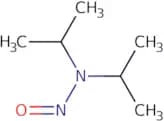
CAS:<p>N-Nitrosodiisopropylamine is an alkylating agent that binds to DNA and inhibits the synthesis of proteins, leading to cell death. It has been shown to be carcinogenic in animal studies, where it caused bladder cancer in Sprague-Dawley rats. N-Nitrosodiisopropylamine is also a reactive chemical compound that reacts with other chemicals in the body. It is often found as a contaminant in urine samples of smokers who are exposed to nitrites and other nitrogen oxides and can be detected using gas chromatography mass spectrometry (GC-MS/MS) methods. The most common method for sample preparation is liquid–liquid extraction followed by hydrolysis with hydroxide solution.</p>Formula:C6H14N2OPurezza:Min. 95 Area-%Colore e forma:Off-White PowderPeso molecolare:130.19 g/mol2,4-Diamino-6-hydroxypyrimidine
CAS:<p>2,4-Diamino-6-hydroxypyrimidine is a potent antitumor agent that has been shown to have potent cytotoxicity against tubule cells in the kidney. It binds to DNA and inhibits transcription by interfering with polymerase chain reaction. This drug also inhibits protein synthesis and has been shown to be effective in treating diabetic patients. 2,4-Diamino-6-hydroxypyrimidine has been found to be useful in detecting high levels of c-reactive protein (CRP) in serum, which can help diagnose inflammation or myocardial infarct. 2,4-Diamino-6-hydroxypyrimidine is also used as a fluorescent probe for determining low levels of hydrogen bonds between polymers or proteins.</p>Formula:C4H6N4OPurezza:Min. 95%Colore e forma:White PowderPeso molecolare:126.12 g/mol5(6)-Carboxytetramethylrhodamine succinimidyl ester - Mixture of 2 isomers
CAS:<p>5(6)-Carboxytetramethylrhodamine succinimidyl ester is a chemical that can be used as a research chemical, speciality chemical, or a building block in the synthesis of other compounds. It is a high quality product and has been shown to be useful in the synthesis of complex compounds. This compound reacts with amines to form N-hydroxysuccinimide esters and is an excellent reagent for the production of fluorescamine derivatives. 5(6)-Carboxytetramethylrhodamine succinimidyl ester is also an excellent scaffold for the production of other chemicals such as peptides, proteins, and drugs. CAS No: 246256-50-8</p>Formula:C29H25N3O7Purezza:Min. 95%Colore e forma:Red PowderPeso molecolare:527.52 g/molMethyl 5-amino-2-methylbenzoate
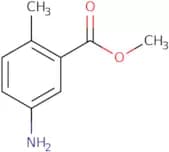
CAS:Methyl 5-amino-2-methylbenzoate is a potent inhibitor of the B-Raf protein, which is involved in cell proliferation and differentiation. Methyl 5-amino-2-methylbenzoate has been shown to inhibit the growth of cancer cells in vitro and in vivo. Methyl 5-amino-2-methylbenzoate inhibits the activity of b-Raf (a protein that plays a role in cell proliferation and differentiation) by binding to its ATP site and blocking phosphorylation. This inhibition leads to decreased cellular activity, resulting in tumor regression. Methyl 5-amino-2-methylbenzoate also shows efficacy against other proteins, such as BclxL, HSP90, and NF1. It does this by inhibiting their ATP sites and preventing them from functioning properly. For these reasons, methyl 5-amino-2-methylbenzoate is considered a promising drug for fighting cancer.Formula:C9H11NO2Purezza:Min. 95%Colore e forma:PowderPeso molecolare:165.19 g/molN-(2-Aminoethyl)aminomethyl polystyrene resin, cross-linked with 1% DVB, 50-100mesh, loading 3.1-3.5mmol/g
<p>N-(2-Aminoethyl)aminomethyl polystyrene resin, cross-linked with 1% DVB, 50-100mesh, loading 3.1-3.5mmol/g is a fine chemical that can be used to synthesize complex compounds. This resin is a versatile building block that can be used as a reagent or reaction component in chemical synthesis. It is also useful as a scaffold for drug discovery and as a building block for the synthesis of complex molecules. N-(2-Aminoethyl)aminomethyl polystyrene resin, cross-linked with 1% DVB, 50-100mesh, loading 3.1-3.5mmol/g is available in high quality and is supplied with CAS No., which makes it an ideal research chemical for use in laboratories.</p>Purezza:Min. 95%5-Carbomethoxytryptamine hydrochloride
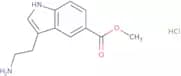
CAS:<p>5-Carbomethoxytryptamine hydrochloride is a chemical building block that can be used as a reaction component for organic synthesis. It is a versatile intermediate and can be used in the production of fine chemicals, such as pharmaceuticals, dyestuffs, and pesticides. 5-Carbomethoxytryptamine hydrochloride is also an important reagent in both organic synthesis and analytical chemistry. The compound belongs to the group of indole alkaloids, which are found in plants of the Apocynaceae family. CAS No.: 74884-81-4.</p>Formula:C12H14N2O2·HClPurezza:Min. 95%Colore e forma:PowderPeso molecolare:254.71 g/mol2-(1H-Benzoimidazol-2-yl)-ethylamine
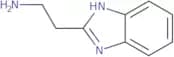
CAS:2-(1H-Benzoimidazol-2-yl)-ethylamine is a metal complex that has energies of 2.8 and 2.6 eV. It is an equimolar mixture of the two compounds pyridoxal, pyridoxamine, or their derivatives with a molecular weight of 214.2 g/mol. The crystal structure of this compound was determined by single-crystal x-ray diffraction analysis to be [C(NCH)NH][Mn(OH)(HO)]. This compound has been shown to have an X-ray crystallographic structure that is consistent with the molecular structure and electronic properties reported in the literature.Formula:C9H11N3Purezza:Min. 95%Colore e forma:PowderPeso molecolare:161.2 g/molEthyl 6-aminoveratrate
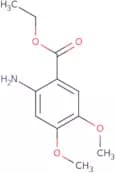
CAS:<p>Ethyl 6-aminoveratrate (EAOV) is a urea derivative that has been shown to have analgesic effects in vitro and in vivo. EAOV was found to be more potent than morphine, but with less side effects. EAOV's antinociceptive effects are due to its ability to inhibit the activity of protein kinase C and phosphorylate the extracellular signal-regulated kinases ERK1/2. EAOV also showed metabolic stability and chemical stability, which may be due to its lack of reactive functional groups. The low potency of EAOV makes it an attractive candidate for research into the development of a new generation of painkillers.</p>Formula:C11H15NO4Purezza:Min. 95%Colore e forma:PowderPeso molecolare:225.24 g/mol4-Aminosalicylic acid hydrazide
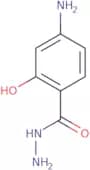
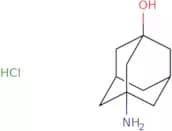
CAS:<p>4-Aminosalicylic acid hydrazide is a reactive functional group that is used as an intermediate in organic synthesis. It has a structural formula of C6H7N3O2 and is a white solid. 4-Aminosalicylic acid hydrazide has been shown to be highly resistant to mycobacterium avium, and can be used for the treatment of tuberculosis. The reactivity of this compound was studied by gravimetric analysis. This reaction is also degradable due to the presence of chloride ions and amido groups.</p>Formula:C7H9N3O2Purezza:Min. 95%Colore e forma:PowderPeso molecolare:167.17 g/mol3-Amino-1-adamantanol hydrochloride
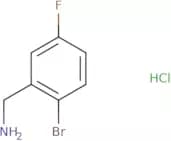
CAS:3-Amino-1-adamantanol hydrochloride (3AAAH) is a versatile building block that can be used for the synthesis of complex compounds. It has been shown to have a high quality and is useful as a reagent, research chemical, speciality chemical, or useful scaffold in organic synthesis.Formula:C10H17NO·HClPurezza:Min. 95%Peso molecolare:203.71 g/mol2-Bromo-5-fluorobenzylamine hydrochloride
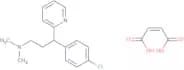
CAS:2-Bromo-5-fluorobenzylamine hydrochloride is a high quality, reagent, complex compound that is useful as an intermediate for the synthesis of fine chemicals, speciality chemicals and research chemicals. This chemical can be used as a versatile building block in the synthesis of various compounds with different functional groups. 2-Bromo-5-fluorobenzylamine hydrochloride is also a useful scaffold for the synthesis of new organic compounds. It has been shown to react with other chemical compounds to produce a wide range of products that are useful in industry and research.Formula:C7H7BrFN•HClPurezza:Min. 95%Colore e forma:PowderPeso molecolare:240.5 g/molChlorpheniramine maleate
CAS:<p>Histamine (H1) antagonist; used to treat allergies</p>Formula:C16H19ClN2•C4H4O4Purezza:Min. 95%Colore e forma:White PowderPeso molecolare:390.86 g/mol3-[(Aminocarbonyl)amino]-5-[4-(morpholin-4-ylmethyl)phenyl]thiophene-2-carboxamide
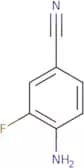
CAS:<p>3-[(Aminocarbonyl)amino]-5-[4-(morpholin-4-ylmethyl)phenyl]thiophene-2-carboxamide is a chemical inhibitor that inhibits the activity of kinases. It has been shown to be cytotoxic against cancer cells and to induce apoptosis through a number of different mechanisms. 3-[(Aminocarbonyl)amino]-5-[4-(morpholin-4-ylmethyl)phenyl]thiophene-2-carboxamide binds to DNA and induces DNA repair, which can lead to cell death. This drug also has an anti-inflammatory effect, which may be due to its ability to inhibit pro-inflammatory cytokines such as TNFα and IL1β.</p>Formula:C17H20N4O3SPurezza:Min. 95%Colore e forma:PowderPeso molecolare:360.43 g/mol4-Amino-3-fluorobenzonitrile
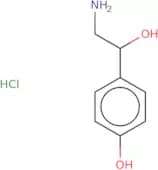
CAS:<p>4-Amino-3-fluorobenzonitrile is an agonist of the DPP-4 enzyme. It has been shown to decrease blood glucose levels in a rat model. 4-Amino-3-fluorobenzonitrile binds to the active site of DPP-4, increasing its activity and inhibiting the breakdown of incretin hormones such as glucagon-like peptide 1 (GLP1) and glucose-dependent insulinotropic polypeptide (GIP). 4-Amino-3-fluorobenzonitrile inhibits glucagon secretion from pancreatic alpha cells, which leads to a decrease in blood glucose levels. The compound also inhibits GLP1 secretion from intestinal L cells, leading to decreased appetite and weight loss. 4-Amino-3-fluorobenzonitrile has been shown to be an agonist with biphenyl, which may explain its agonistic activity.</p>Formula:C7H5FN2Purezza:Min. 95%Colore e forma:PowderPeso molecolare:136.13 g/molrac Octopamine hydrochloride
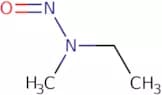
CAS:Prodotto controllato<p>Rac octopamine hydrochloride is an alkyl alkyl amine. It is used as a diagnostic agent and has been shown to be a substrate for the enzyme dopamine β-hydroxylase in human blood serum. Rac octopamine hydrochloride is also metabolized by enzymes such as monoamine oxidase, which may lead to toxicological effects. The metabolic rate of rac octopamine hydrochloride has been shown to be increased in patients with cardiac disease or undergoing chemotherapeutic treatment.</p>Formula:C8H12ClNO2Purezza:Min. 95%Colore e forma:SolidPeso molecolare:189.64 g/molN-Nitrosoethylmethylamine
CAS:<p>N-Nitrosoethylmethylamine (NMMA) is a nitrosamine that can be found in water vapor. It has been shown to cause cell lysis and has been detected by LC-MS/MS using an in vitro assay. NMMA is readily soluble in water, making it a suitable candidate for wastewater treatment. This molecule is not cytotoxic or mutagenic but does have carcinogenic potential. NMMA also exhibits matrix effects that are dependent on the type of solvent used for extraction, as well as fluorescence spectrometry results. It was found to be a potent inducer of enzymes such as beta-lactamase, DNA gyrase, and topoisomerase IV, which may be useful for studying gene expression. Dispersive solid phase extraction can be used to extract NMMA from water sources such as soil and drinking water samples.</p>Formula:C3H8N2OPurezza:Min. 95%Colore e forma:Clear LiquidPeso molecolare:88.11 g/mol4,6-Diaminoresorcinol dihydrochloride
CAS:4,6-Diaminoresorcinol dihydrochloride is a white solid that has viscosity and hydrochloric acid as its structural formula. It is soluble in water and reacts with proton, monosodium salt to form a precipitate. 4,6-Diaminoresorcinol dihydrochloride reacts with phosphorus pentoxide to form the sulfonation product. The thermal expansion of this material is 2.8 x 10^-5/K and it has shown chemical stability at high temperatures up to 450°C. This compound has been found to be an element analysis for chloride (Cl), hydrogen chloride (HCl) and morphology.Formula:C6H10N2O2Cl2Purezza:Min. 98 Area-%Peso molecolare:213.06 g/molN,N-Diethyl-2-[4-[(Z)-1-(4-Fluorophenyl)-2-Phenylethenyl]Phenoxy]Ethanamine
CAS:Prodotto controllatoDiethylstilbestrol (DES) is a synthetic, nonsteroidal estrogen that is used to treat breast cancer and other estrogen-dependent conditions. DES binds to the estrogen receptor and acts as an agonist. It has minimal liver toxicity and is not metabolized by the body because it is rapidly excreted in urine. DES can be synthesized from benzyl chloride and diethylstolbesterol. This process requires two steps: first, benzyl chloride reacts with diethylstilbesterol to form a triazene intermediate; second, treatment of the triazene intermediate with hydrogen chloride yields DES.Formula:C26H28FNOPurezza:Min. 95%Peso molecolare:389.51 g/mol2-Amino-5-chlorobenzoic acid
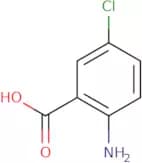
CAS:<p>2-Amino-5-chlorobenzoic acid is a drug that inhibits the enzyme dopamine beta-hydroxylase. It has been used to treat Parkinson's disease, as well as schizophrenia and depression. This drug binds to the enzyme by forming a coordination complex with the 5th position of the substrate, which prevents it from binding to other substrates. 2-Amino-5-chlorobenzoic acid also inhibits prostaglandin E2 synthesis by inhibiting cyclooxygenase activity in rats. The inhibitory properties of this drug are enhanced when it is dissolved in hydroxide solution or in solutions containing sodium hydroxide. The synthesis of 2-amino-5-chlorobenzoic acid involves reacting 3,4-dihydroxybenzeneacetic acid with hydrochloric acid and sodium hydroxide solution. This reaction produces a carboxylate anion that reacts with hydrogen chloride gas to form</p>Purezza:Min. 95%Colore e forma:PowderPeso molecolare:171.58 g/mol2-(Butylamino)ethylamine
CAS:<p>2-(Butylamino)ethylamine is a cationic dye that is used in optical regulation. It has been shown to regulate optical properties of organic solvents, such as pH and viscosity, by altering the dipole moment of the solvent. The reaction solution contains 2-(butylamino)ethylamine and an organic solvent with a high boiling point (e.g., tetrahydrofuran). This reaction can be carried out in a magnetic field to increase yields. The reaction time can be shortened by using magnesium chloride as the catalyst instead of sulfuric acid.</p>Formula:C6H16N2Purezza:Min. 95 Area-%Colore e forma:Clear LiquidPeso molecolare:116.2 g/molTetraethylammonium acetate tetrahydrate
CAS:Tetraethylammonium acetate tetrahydrate (TEAT) is a trifluoroacetic acid salt that is used as a cyclase inhibitor. TEAT inhibits the activity of cyclases, which are enzymes that catalyze the formation of cyclic AMP (cAMP). This inhibition prevents the activation of protein kinases and subsequent phosphorylation of cytosolic proteins. TEAT has been shown to inhibit human serum albumin binding, transport properties, and fluorescence detector response in vitro. It also binds to DNA as a hydrogen-bond acceptor and can be used in enzymatic assays for DNA polymerase chain reaction.Formula:C10H23NO2·4H2OColore e forma:PowderPeso molecolare:261.36 g/molN-Nitroso-N-phenylhydroxylamine aluminium
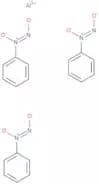
CAS:<p>N-Nitroso-N-phenylhydroxylamine aluminium (NNPA) is a nitrated organic compound that belongs to the thioxanthone family. It is a colorless, oily liquid that has a strong odor of hydrochloric acid. NNPA is used in the production of polyester resins and coatings, as well as in the manufacture of methacrylate polymers. The reaction system for this compound consists of aluminum chloride and calcium carbonate. This substance can be prepared by reacting trimethylolpropane with methacrylates and magnesium in an organic solvent such as isopropyl alcohol or acetone. NNPA can also be synthesized by reacting zinc powder with ammonium bicarbonate, followed by carbamoylation with an organic amine such as isopropylcarbamate.</p>Formula:C18H15AlN6O6Purezza:Min. 95%Colore e forma:White PowderPeso molecolare:438.33 g/molBoc-N-Me-1,3-diaminopropane
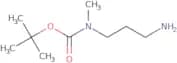
CAS:<p>Boc-N-Me-1,3-diaminopropane is a small molecule inhibitor of the hepatitis C virus. It interacts with the viral RNA polymerase and prevents translation of the viral genome into proteins. Boc-N-Me-1,3-diaminopropane also inhibits the assembly of new ribosomes from preformed subunits in cells infected with HIV. This drug binds to the ribosomal protein L11 and blocks interactions between this protein and other components of the ribosome. Boc-N-Me-1,3-diaminopropane has been shown to be effective against small molecule inhibitors that are resistant to traditional antiviral drugs, such as protease inhibitors and nucleotide analogues.</p>Formula:C9H20N2O2Purezza:Min. 95%Peso molecolare:188.27 g/molCapstone product B
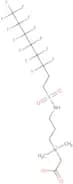
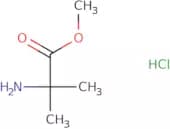
CAS:Capstone product B is a magnetic resonance spectroscopy agent that has been deacetylated. It can be broken down by photolysis, and is metabolized by hydrocarbon-degrading enzymes. Capstone product B contains a betaine group that is sensitive to light, and can be detected by resonance spectroscopy. The experiment was conducted on soil samples with the use of a surfactant to increase the solubility of the analyte in water.Formula:C15H19F13N2O4SPurezza:(Elemental Analysis) Min. 95%Colore e forma:PowderPeso molecolare:570.37 g/molα-Aminoisobutyric acid methyl ester hydrochloride
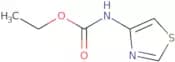
CAS:<p>Alpha-aminoisobutyric acid methyl ester hydrochloride (AABME) is an amino acid that is a metabolite of the neurotransmitter GABA. It has been shown to be transported across the blood-brain barrier by a carrier-mediated transport system and is taken up by neurons via a solute carrier family 38 member 2 transporter. AABME has been observed at physiological levels in maternal blood plasma, urine, cerebrospinal fluid, and brain tissue. It has also been studied in vitro using 3T3-L1 preadipocytes as a model for adipogenesis. In this context, it has been shown to increase cell proliferation and inhibit apoptosis.</p>Formula:C5H11NO2•HClColore e forma:PowderPeso molecolare:153.61 g/mol4-Carbethoxyaminothiazole
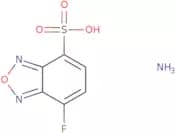
CAS:<p>4-Carbethoxyaminothiazole is a versatile building block for the synthesis of many fine chemicals and complex compounds. It is a reagent that can be used in research, as a speciality chemical, or as an intermediate to produce other useful compounds. 4-Carbethoxyaminothiazole is also a useful scaffold for the synthesis of organic molecules with interesting biological properties.</p>Formula:C6H8N2O2SPurezza:Min. 95%Colore e forma:White solid.Peso molecolare:172.21 g/mol7-Fluorobenzo-2-oxa-1,3-diazole-4-sulfonic acid ammonium
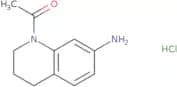
CAS:<p>7-Fluorobenzo-2-oxa-1,3-diazole-4-sulfonic acid ammonium is a fluorescent derivative that is used in clinical pathology to study human metabolism. The compound reacts with blood cells to form a fluorescent derivative that can be detected by use of a fluorescence detector. A sample preparation technique is required to prepare the blood samples before analysis. 7-Fluorobenzo-2-oxa-1,3-diazole-4-sulfonic acid ammonium has been shown to react with disulfide bonds and endogenous substances, such as glutathione, dopamine and serotonin. The detection sensitivity for this compound is approximately 10 pM.</p>Formula:C6H6FN3O4SPurezza:Min. 95%Colore e forma:White PowderPeso molecolare:235.19 g/mol1-Acetyl-1,2,3,4-tetrahydroquinolin-7-amine hydrochloride
CAS:<p>1-Acetyl-1,2,3,4-tetrahydroquinolin-7-amine hydrochloride is a versatile building block that can be used in the synthesis of complex compounds with high quality and as a speciality chemical. This compound is useful as a reagent and reaction component in organic synthesis. It has been shown to be useful in the synthesis of new scaffolds for drug discovery.</p>Formula:C11H14N2O·HClPurezza:Min. 95%Colore e forma:Off-White PowderPeso molecolare:226.7 g/mol1-(3-Chlorophenyl)biguanide hydrochlorid
CAS:N-(3-Chlorophenyl)-N'-(diaminomethylene)guanidine is a 5-HT3 receptor antagonist that binds to the 5-HT3 receptor in the gastrointestinal tract and blocks the voltage-dependent calcium channels. It has been shown to have a protective effect on the bowel by reducing inflammation and increasing the rate of recovery after colitis. N-(3-Chlorophenyl)-N'-(diaminomethylene)guanidine also has been shown to be effective in treating Parkinson's disease, although its mechanism of action is not yet fully understood.Formula:C8H10ClN5•HClPurezza:Min. 95%Colore e forma:PowderPeso molecolare:248.11 g/molMitotenamine
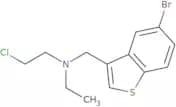
CAS:<p>Please enquire for more information about Mitotenamine including the price, delivery time and more detailed product information at the technical inquiry form on this page</p>Formula:C13H15BrClNSPurezza:Min. 95%Peso molecolare:332.69 g/mol4-Aminobenzaldehyde polymer
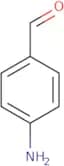
CAS:<p>4-Aminobenzaldehyde polymer is a crystalline solid that is soluble in organic solvents. It can be used as a reaction vessel for acylation reactions, such as the conversion of an acid chloride to the corresponding amide. 4-Aminobenzaldehyde polymer has been shown to react with diazonium salts to form the corresponding diazo compounds in high yields. The electron activity of the molecule was tested by measuring its oxidation potentials and reducing power. 4-Aminobenzaldehyde polymer is functionalized with both nucleophilic and electrophilic groups. This compound also has electrochemical properties, including optical properties and nmr spectra. The control experiments for this substance are sodium nitrate, which does not react with diazonium salts or react with 4-aminobenzaldehyde polymer at all.</p>Formula:(C7H7NO)xPurezza:Min. 95%Colore e forma:Powder3-Amino-4-carbomethoxybenzoic acid
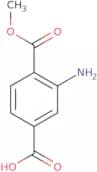
CAS:3-Amino-4-carbomethoxybenzoic acid is a compound that has not yet been labeled with a function. It has been shown to be an intermediate in the synthesis of polymers, such as polyamides and polyesters. 3-Amino-4-carbomethoxybenzoic acid is involved in biological functions related to butyric acid, which is a metabolite of the amino acids phenylalanine and tyrosine, or from the degradation of proteins. It is also used as a precursor for amines and may be an intermediate in the synthesis of glycoconjugates. The compound was found to have anticancer properties when used in combination with other drugs, such as doxorubicin and etoposide. Furthermore, it was found to have anti-inflammatory activities by inhibiting prostaglandin synthesis.Formula:C9H9NO4Purezza:Min. 95%Colore e forma:PowderPeso molecolare:195.17 g/mol2-(2,2-dimethylpropanoyl)-3-hydroxy-3-(phenylamino)prop-2-enenitrile
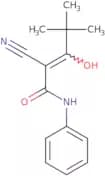
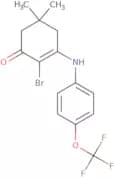
CAS:<p>Please enquire for more information about 2-(2,2-dimethylpropanoyl)-3-hydroxy-3-(phenylamino)prop-2-enenitrile including the price, delivery time and more detailed product information at the technical inquiry form on this page</p>Purezza:Min. 95%2-bromo-5,5-dimethyl-3-((4-(trifluoromethoxy)phenyl)amino)cyclohex-2-en-1-one
CAS:<p>Please enquire for more information about 2-bromo-5,5-dimethyl-3-((4-(trifluoromethoxy)phenyl)amino)cyclohex-2-en-1-one including the price, delivery time and more detailed product information at the technical inquiry form on this page</p>Purezza:Min. 95%N-Benzylhydroxylamine hydrochloride
CAS:N-Benzylhydroxylamine HCl is a quinolizidine alkaloid with a hydroxamic acid group. It is used in the synthesis of various organic compounds and pharmaceuticals, such as hydroxamic acids, bisected tetrahydrofurans, and β-amino acids. N-Benzylhydroxylamine HCl is also a substrate for gelatinase. The reaction yield depends on the choice of solvent; methyl alcohol yields higher yields than does ethyl alcohol. The asymmetric synthesis of this compound is stereoselective and can be achieved through different methods, including bisection or tetrahydrofuran (THF) synthesis.Formula:C7H9NO•HClPurezza:Min. 95%Peso molecolare:159.61 g/mol2,3-Diaminopropionicacid
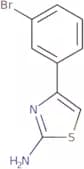
CAS:2,3-Diaminopropionic acid is an antimicrobial peptide with significant cytotoxicity against cancer cells. This compound has two amine groups that are able to form hydrogen bonds with each other. The x-ray crystal structures of this molecule reveal that it forms a beta sheet structure and an alpha helix, which is essential for the stability of this compound. 2,3-Diaminopropionic acid has been shown to have strong antibacterial activity against Gram-positive bacteria and good activity against Gram-negative bacteria such as Escherichia coli and Salmonella enterica. This compound also inhibits the synthesis of proteins in bacterial cells by inhibiting the enzyme protein synthesis. 2,3-Diaminopropionic acid is stable under normal conditions but can be hydrolyzed in water vapor or ester hydrochloride. It reacts with nitrogen atoms on the surface of biological molecules to form amides.Formula:C3H8N2O2Purezza:Min. 95%Peso molecolare:104.11 g/mol4-(3-Bromophenyl)-1,3-thiazol-2-amine
CAS:4-(3-Bromophenyl)-1,3-thiazol-2-amine is an inhibitor of enzymes such as cholinesterase and covalent binding. It has been shown to inhibit the activity of cholinesterase in vitro. This drug is not active against erythromycin or lincomycin. 4-(3-Bromophenyl)-1,3-thiazol-2-amine also has a phenylthiazole linkage that can be conjugated with other molecules for use as a therapeutic agent.Formula:C9H7BrN2SPurezza:Min. 95%Colore e forma:PowderPeso molecolare:255.14 g/mol3-Aminopropyldiisopropylethoxysilane
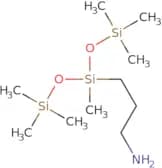
CAS:<p>3-Aminopropyldiisopropylethoxysilane (APDS) is a monolayer chemical that is used to modify the surface properties of a variety of substrates. This chemical can be used for patterning, functionalization, and immobilization of biomolecules. APDS has been shown to have a protective effect on cells in culture by preventing oxidation and denaturation of proteins. APDS also has been used for detection methods such as electron microscopy and photoelectron spectroscopy.</p>Formula:C10H29NO2Si3Purezza:Min. 95%Colore e forma:Clear LiquidPeso molecolare:279.6 g/mol3-Dansylaminophenylboronic acid
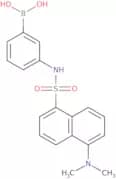
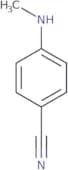
CAS:<p>3-Dansylaminophenylboronic acid is a boronic acid that forms reversible covalent bonds with dopamine. It can be used in the diagnosis of cancer, as it binds to histone lysine and magnetic particles. The fluorescence resonance of 3-Dansylaminophenylboronic acid can also be used in the diagnosis of cancer, as it produces a strong signal. This compound has been shown to have homogeneous assays for the detection of dopamine and lipoprotein lipase in urine samples. 3-Dansylaminophenylboronic acid has also been found to be effective against cancer cells in culture, although it is not active against polysialic-expressing cells.</p>Formula:C18H19BN2O4SPurezza:Min. 95%Colore e forma:PowderPeso molecolare:370.23 g/mol4-(N-Methylamino)benzonitrile
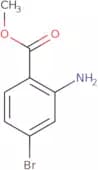
CAS:4-(N-Methylamino)benzonitrile is a chemical compound that has an inhibitory effect on the reaction rate of amines. It is activated in the presence of light and can be used to measure the concentration of amines in solution. The fluorescence emission spectrum of 4-(N-Methylamino)benzonitrile changes with the concentration of amines, which can be detected by a photometer. Kinetic data for this compound show that it has two reaction intermediates and shows a multiexponential decay with a hydrogen bond interaction as well as an inhibitory effect on the reaction rate. This chemical also exhibits thermally activated inhibition properties and has an activation energy constant of 0.3 kcal/mol.Formula:C8H8N2Purezza:Min. 95%Colore e forma:PowderPeso molecolare:132.16 g/molMethyl 2-amino-4-bromobenzoate
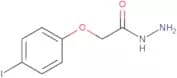
CAS:Methyl 2-amino-4-bromobenzoate is an amide that has a potential use as a cross-coupling agent in organic synthesis. It is labile and must be handled with care; it can also be used as an additive to polymerize natural polymers. Methyl 2-amino-4-bromobenzoate has been shown to enhance the efficiency of chemical reactions, including those between carboxylic acid and amines, and has been used in the synthesis of peptides. This chemical has functional groups that are compatible with a wide range of sequences, allowing for its use as a toolkit in synthetic chemistry. Methyl 2-amino-4-bromobenzoate is an analog of methyl 4-(aminomethyl)benzoate (MAMB).Formula:C8H8BrNO2Purezza:Min. 95%Colore e forma:PowderPeso molecolare:230.06 g/molN-Amino-2-(4-iodophenoxy)ethanamide
CAS:<p>Please enquire for more information about N-Amino-2-(4-iodophenoxy)ethanamide including the price, delivery time and more detailed product information at the technical inquiry form on this page</p>Formula:C8H9IN2O2Purezza:Min. 95%Colore e forma:PowderPeso molecolare:292.07 g/mol


![[3-(2-Methoxyethoxy)benzyl]amine](/_next/image/?url=https%3A%2Fstatic.cymitquimica.com%2Fproducts%2F3D%2Fthumb-webp%2FFM134467.webp&w=3840&q=75)

![[(2-Methylimidazo[2,1-b][1,3,4]thiadiazol-6-yl)methyl]amine dihydrochloride](/_next/image/?url=https%3A%2Fstatic.cymitquimica.com%2Fproducts%2F3D%2Fthumb-webp%2FFM123820.webp&w=3840&q=75)

methanone HCl](/_next/image/?url=https%3A%2Fstatic.cymitquimica.com%2Fproducts%2F3D%2Fthumb-webp%2FFA133569.webp&w=3840&q=75)

![2-[3-[N-(4-tert-Butylbenzyl)-N-(pyridin-3-ylsulfonyl)aminomethyl]phenoxy]acetic acid](/_next/image/?url=https%3A%2Fstatic.cymitquimica.com%2Fproducts%2F3D%2Fthumb-webp%2FFT145127.webp&w=3840&q=75)
![2-[[(Heptadecafluorooctyl)Sulphonyl]Methylamino]Ethyl Methacrylate](/_next/image/?url=https%3A%2Fstatic.cymitquimica.com%2Fproducts%2F3D%2Fthumb-webp%2FFH98020.webp&w=3840&q=75)


![4-[2-[[3-(4-Hydroxyphenyl)-1-methylpropyl]amino]ethyl]-1,2-benzenediol hydrochloride](/_next/image/?url=https%3A%2Fstatic.cymitquimica.com%2Fproducts%2F3D%2Fthumb-webp%2FFH27507.webp&w=3840&q=75)


![3-[(Aminocarbonyl)amino]-5-[4-(morpholin-4-ylmethyl)phenyl]thiophene-2-carboxamide](/_next/image/?url=https%3A%2Fstatic.cymitquimica.com%2Fproducts%2F3D%2Fthumb-webp%2FFA18119.webp&w=3840&q=75)

![N,N-Diethyl-2-[4-[(Z)-1-(4-Fluorophenyl)-2-Phenylethenyl]Phenoxy]Ethanamine](/_next/image/?url=https%3A%2Fstatic.cymitquimica.com%2Fproducts%2F3D%2Fthumb-webp%2FFD99813.webp&w=3840&q=75)