Ammine
Sottocategorie di "Ammine"
- Nitrosamine(3.124 prodotti)
- Ammine primarie(30.967 prodotti)
- Cationi di ammonio quaternario(1.109 prodotti)
- Ammine secondarie(20.913 prodotti)
- Ammine terziarie(17.219 prodotti)
Trovati 8795 prodotti di "Ammine"
Boc-1-amino-4,7,10-trioxa-13-tridecanamine
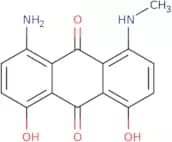
CAS:Boc-1-amino-4,7,10-trioxa-13-tridecanamine (BocAT) is a triazine compound that has been used to synthesize azides as well as to inhibit the growth of cancer cells. The inhibition of tumor cells is achieved through the covalent attachment of BocAT to lysine residues on the cell surface. This process leads to cell death by preventing the synthesis of proteins necessary for cell division and metabolism. BocAT has also been shown to bind gadolinium and other metal ions with high specificity. It can be used in vivo for tumor tissue localization and imaging with magnetic resonance imaging (MRI).Formula:C15H32N2O5Purezza:Min. 95%Colore e forma:Yellow LiquidPeso molecolare:320.43 g/mol1-Amino-4,5-dihydroxy-8-(methylamino)anthraquinone
CAS:Please enquire for more information about 1-Amino-4,5-dihydroxy-8-(methylamino)anthraquinone including the price, delivery time and more detailed product information at the technical inquiry form on this page
Formula:C15H12N2O4Purezza:Technical Grade ReportedPeso molecolare:284.27 g/mol5-Acetylamino-6-formylamino-3-methyluracil
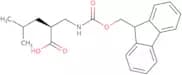
CAS:5-Acetylamino-6-formylamino-3-methyluracil is an analysis method that can be used to determine the effectiveness of certain contraceptives. This drug has shown a potential to interact with other drugs, such as caffeine and amphetamines. It is also used to measure the enzyme activities of polymorphic human erythrocytes. 5-Acetylamino-6-formylamino-3-methyluracil is used in the preparation of blood samples for DNA sequencing and polymerase chain reaction (PCR) amplification. The concentration of intracellular calcium ions in humans has been shown to increase when this drug is administered, which leads to hyperproliferative diseases like cancer or HIV infection.Formula:C8H10N4O4Purezza:(%) Min. 95%Colore e forma:Slightly Yellow PowderPeso molecolare:226.19 g/molFmoc-(S)-2-(aminomethyl)-4-methylpentanoic acid
CAS:Fmoc-(S)-2-(aminomethyl)-4-methylpentanoic acid is a proteinogenic amino acid that is used in the production of casein and other dairy products. It is also found in wheat, where it can be converted to the essential amino acid methionine. Fmoc-(S)-2-(aminomethyl)-4-methylpentanoic acid is classified as a high-quality protein because it contains all eight essential amino acids (EAAs). It has been shown that when dietary intakes are low, malnourished children may benefit from increased intake of this amino acid.
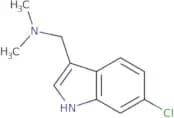
Formula:C22H25NO4Purezza:Area-% Min. 95 Area-%Colore e forma:PowderPeso molecolare:367.44 g/mol6-Chlorogramine
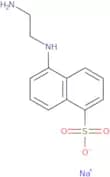
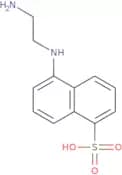
CAS:6-Chlorogramine is a chemical compound with the molecular formula CHN. It is a colorless liquid that is soluble in organic solvents, such as dimethylformamide and chloroform. 6-Chlorogramine can be used as a source of dimethylamine, which is used for the production of various amines. This compound also reacts with formaldehyde to produce cyanide.Formula:C11H13ClN2Purezza:Min. 95%Peso molecolare:208.69 g/molN-(Aminoethyl)-5-naphthylamine-1-sulfonic acid sodium
CAS:N-(Aminoethyl)-5-naphthylamine-1-sulfonic acid sodium salt (NAES) is a fluorescent dye that has been used to study the structure of proteins. NAES binds to acceptor sites on the protein, which can be either amino acid side chains or other ions in solution. The fluorescence of NAES depends on the environment and the number of acceptors present. This dye has been used in assays for staphylococcus, as it is resistant to staining by Gram stain and stains brightly with fluorescence assay. NAES has also been shown to have a high kinetic rate and sensitivity, making it an effective virus assay.
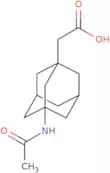
Formula:C12H14N2O3S•NaPurezza:Min. 95%Peso molecolare:289.31 g/mol3-Acetylamino-1-adamantane acetic acid
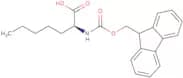
CAS:3-Acetylamino-1-adamantane acetic acid is an epoxide that is soluble in water. It can be readily prepared from 3-aminoadamantan-1-ol by acylation with acetyl chloride. The yields of the reaction are high, and the product is soluble in water. This compound has a number of analogs that are also soluble in water and isosteric with it. The solubility of these analogs can be enhanced by substituting the amine group with a hydrophilic group such as methyl or carboxylic acid esters. 3-Acetylamino-1-adamantane acetic acid is a polycyclic molecule that contains two epoxide groups and therefore can act as an inhibitor for polycyclic hydrocarbon hydroxylases. It also inhibits the enzyme epoxide hydrolase, which catalyzes the conversion of epoxides to alcohols and oxiranes. InFormula:C14H21NO3Purezza:Min. 95%Peso molecolare:251.32 g/molN-Fmoc-S-2-amino-heptanoic acid
CAS:N-Fmoc-S-2-amino-heptanoic acid is a metabolite of the pentose phosphate pathway that is also found in the glycolytic pathway. It is a cell activator and, as such, can be used to stimulate the production of insulin, dopamine, and other metabolic products. N-Fmoc-S-2-amino-heptanoic acid has been shown to reduce levels of glucose in rat brains with administration through the injection route. This compound has also been shown to inhibit glycolytic enzymes and increase cell toxicity.Formula:C22H25NO4Purezza:Min. 95%Colore e forma:White Off-White PowderPeso molecolare:367.44 g/mol(S,S)-N-(p-Toluenesulfonyl)-1,2-diphenyl ethanediamine(chloro)(p-cymene)ruthenium(II)
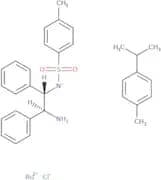
CAS:(S,S)-N-(p-Toluenesulfonyl)-1,2-diphenylethanediamine(chloro)(p-cymene)ruthenium(II) is an organic compound that belongs to the class of solvents. It is a reagent that is used in acidic conditions. The elimination of hydrocarbons from (S,S)-N-(p-toluenesulfonyl)-1,2-diphenylethanediamine(chloro)(p-cymene)ruthenium(II) is carried out by chloroform or hexane and potassium hydroxide. This compound can be purified by recrystallization from aqueous ethanol or preparative thin layer chromatography with chloroform as eluent. Recycling of this compound is possible.Formula:C31H35ClN2O2RuSColore e forma:PowderPeso molecolare:636.21 g/molEthyl 4-aminophenylacetate
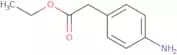
CAS:Ethyl 4-aminophenylacetate is a synthetic compound that has been shown to have anticancer activity in vitro. It has been shown to inhibit the activation of mouse splenocytes by carbonyl group-containing compounds, which are induced by lipopolysaccharide (LPS). Ethyl 4-aminophenylacetate also inhibits the binding of primary amines to opioid receptors in vitro. This compound has not been tested in vivo for its anticancer activity.Formula:C10H13NO2Purezza:Min. 95%Colore e forma:PowderPeso molecolare:179.22 g/mol3-Amino-6-nitropyridine
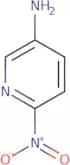
CAS:3-Amino-6-nitropyridine is a nitropyridine and a coupler. It is used as a reagent to synthesize hydroxylamine, aralkyl, and cycloalkyl intermediates. 3-Amino-6-nitropyridine can also be used as an intermediate in the synthesis of medicines such as copper.Formula:C5H5N3O2Purezza:Min. 98 Area-%Colore e forma:PowderPeso molecolare:139.11 g/molDihexadecyl dimethyl ammonium chloride
CAS:Dihexadecyl dimethyl ammonium chloride is a cationic surfactant that has been used as a phase transfer agent for the isolation of picolinic acid from plant material. It has also been used as a reagent in analytical chemistry to measure the concentration of potassium dichromate. Dihexadecyl dimethyl ammonium chloride is soluble in water and it exhibits a phase transition temperature at about -2 °C. The compound's frequency shift can be observed with an nmr spectroscopy.Formula:C34H72ClNPurezza:Min. 95%Colore e forma:White PowderPeso molecolare:530.39 g/mol2-Amino-7-chloro-9H-thioxanthen-9-one
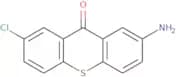
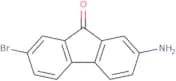
CAS:Please enquire for more information about 2-Amino-7-chloro-9H-thioxanthen-9-one including the price, delivery time and more detailed product information at the technical inquiry form on this pageFormula:C13H8ClNOSPurezza:Min. 95%Peso molecolare:261.73 g/mol7-Amino-2-bromo-9-fluorenone
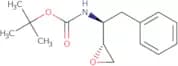
CAS:7-Amino-2-bromo-9-fluorenone is a dye that can be used to label or visualize β-amyloid plaques in the brain. It has high binding affinity for β-amyloid, and can be used to identify the presence of this protein in the brain. 7-Amino-2-bromo-9-fluorenone is also useful for monitoring β-amyloid plaques in transgenic mice. This dye was injected into the brains of transgenic mice, and then stained with a fluorescent dye. Autoradiography was then used to identify where 7-Amino-2-bromo-9-fluorenone binds to β amyloid plaques. 7 - Amino - 2 - bromo - 9 - fluorenoneFormula:C13H8BrNOPurezza:Min. 95%Peso molecolare:274.11 g/mol(2R,3S)-3-(tert-Butoxycarbonyl)amino-1,2-epoxy-4-phenylbutane
CAS:The compound (2R,3S)-3-(tert-Butoxycarbonyl)amino-1,2-epoxy-4-phenylbutane is an epoxide with a thionyl chloride mediated reaction. This compound has been shown to react with amines and nucleophiles to form epoxides. The time required for this reaction was found to be dependent on the concentration of the amine. The reaction was also found to be chiral as it produced a mixture of diastereomers. When irradiated, this compound undergoes a stereoselective reaction that leads to a new epoxide product.
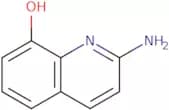
Formula:C15H21NO3Purezza:Min. 95%Colore e forma:Off-White PowderPeso molecolare:263.34 g/mol2-Amino-8-hydroxyquinoline
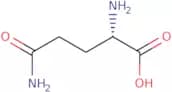
CAS:2-Amino-8-hydroxyquinoline is a molecule that has been shown to have optical properties. 2-Amino-8-hydroxyquinoline has also been shown to be reactive in vitro and inhibit the growth of cancer cells. It is thought that this inhibition may be due to its ability to bind to the active site of DNA polymerase, preventing DNA replication. 2-Amino-8-hydroxyquinoline has also been shown in vitro studies and vivo studies to have potent inhibition activity against human serum albumin (HSA). The molecules that are used as linkers to attach 2-amino 8 hydroxyquinoline to other molecules are thermodynamically stable. The isomers of 2 amino 8 hydroxyquinoline have also been studied by X-ray crystallography and nuclear magnetic resonance spectroscopy, which provides information about the structure of the molecule. Finally, 2 amino 8 hydroxyquinoline has been found to be an odorantFormula:C9H8N2OPurezza:Min. 98%Colore e forma:Off-White PowderPeso molecolare:160.17 g/molL-Glutamine
CAS:L-Glutamine is an amino acid that is important for protein synthesis and the maintenance of muscle mass. It is also a precursor for other compounds, such as nucleotides and glutathione, which are required for maintaining cell viability. L-Glutamine may be used to treat bowel diseases, such as Crohn's disease, by improving the function of the intestines and reducing intestinal permeability. It has been shown to decrease levels of oxidative injury in cells by acting as an antioxidant. L-Glutamine may also be used to help prevent or treat infectious diseases by increasing the activity of transcription activators that protect cells from oxidative injury. L-Glutamine can be administered intravenously or orally and can be used as a biocompatible polymer carrier for drugs that are difficult to administer due to their poor water solubility.
Formula:C5H10N2O3Purezza:Min. 95%Colore e forma:White PowderPeso molecolare:146.14 g/mol(2-indol-3-ylethyl)((2-(trifluoromethyl)phenyl)sulfonyl)amine
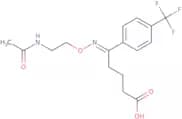
CAS:Please enquire for more information about (2-indol-3-ylethyl)((2-(trifluoromethyl)phenyl)sulfonyl)amine including the price, delivery time and more detailed product information at the technical inquiry form on this pageFormula:C17H15F3N2O2SPurezza:Min. 95%Colore e forma:PowderPeso molecolare:368.38 g/molN-Acetyl fluvoxamine acid
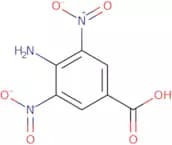
CAS:N-Acetyl fluvoxamine acid is a versatile building block that can be used as a reagent, speciality chemical, or useful scaffold. It has uses in research and as a building block for complex compounds. N-Acetyl fluvoxamine acid is also a useful intermediate and reaction component. This compound has CAS number 88699-87-0.Formula:C16H19F3N2O4Purezza:Min. 95%Colore e forma:PowderPeso molecolare:360.33 g/mol4-Amino-3,5-dinitrobenzoic acid
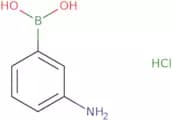
CAS:4-Amino-3,5-dinitrobenzoic acid (4ADBA) is a reactive chemical compound with acidic properties. It reacts with nucleophiles to form diazo compounds, which are used in analytical methods for the detection of amines and phenols. 4ADBA can be used to measure the concentration of aspirin in pharmaceutical formulations. The reaction is linear over a wide range of concentrations and has an optimal reaction time of 10 minutes at pH 2.0–2.5. The half-life values for 4ADBA are approximately 3 hours at pH 3 and 7 hours at pH 5.Formula:C7H5N3O6Purezza:Min. 95%Colore e forma:SolidPeso molecolare:227.13 g/mol(3-Aminophenyl)boronic acid hydrochloride
CAS:3-Aminophenylboronic acid hydrochloride is a chemical compound that is used for analytical chemistry, bioconjugate chemistry, and clinical diagnostics. The compound binds to model proteins with high affinity and specificity. 3-Aminophenylboronic acid hydrochloride has been shown to have low binding constants with polyols, which make it ideal for use in cell culture. 3-Aminophenylboronic acid hydrochloride has a pK of 2.7 at pH 7.4, making it acidic at this pH. The compound also has a pK of 9.3 at pH 4.5, making it neutral at this pH. 3-Aminophenylboronic acid hydrochloride is an electrochemically active molecule and can be used as an electrode material in electrochemical impedance spectroscopy experiments.
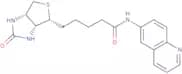
Formula:C6H9BClNO2Purezza:Min. 95%Colore e forma:PowderPeso molecolare:173.4 g/molBiotinyl-6-aminoquinoline
CAS:Biotinyl-6-aminoquinoline is a synthetic chemical that has been shown to inhibit the growth of cancer cells in laboratory mice. It was synthesized to be a substrate for the enzyme quinolinate synthase, which is involved in the synthesis of nicotinic acid. Biotinyl-6-aminoquinoline is an analytical method that has been used in urinary samples from patients with bladder cancer as well as healthy individuals. The sequences of each individual were determined and analyzed using an algorithm that performs logistic regression, which can predict whether or not the patient has bladder cancer.
Formula:C19H22N4O2SPurezza:Min. 95 Area-%Colore e forma:PowderPeso molecolare:370.47 g/mol2-[Ethyl-[2-(3-hydroxy-2,6-dimethyl-anilino)-2-oxo-ethyl]amino]-N-(3-hydroxy-2,6-dimethyl-phenyl)acetamide
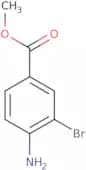
CAS:2-[Ethyl-[2-(3-hydroxy-2,6-dimethyl-anilino)-2-oxo-ethyl]amino]-N-(3-hydroxy-2,6-dimethylphenyl)acetamide is a reaction component that is used in the synthesis of complex compounds. It is a versatile building block and useful intermediate for the synthesis of fine chemicals. This chemical has been shown to be an effective reagent for the preparation of high quality research chemicals. CAS No. 2200280-96-0Formula:C22H29N3O4Purezza:Min. 95%Colore e forma:White to off-white solid.Peso molecolare:399.48 g/molMethyl 4-amino-3-bromobenzoate
CAS:Methyl 4-amino-3-bromobenzoate is a benzodiazepine derivative that is used as an anxiolytic, sedative, and muscle relaxant. It has also been shown to have anti-convulsant properties. Methyl 4-amino-3-bromobenzoate can be synthesized from the corresponding amino acid. The structure of this compound is similar to that of diazepam, but it does not bind to the benzodiazepine receptor. Methyl 4-amino-3-bromobenzoate has been shown to inhibit protein–protein interactions between cellular proteins by dimerizing them, which may be related to its ability to induce cancer cell death. Methyl 4-amino-3-bromobenzoate has been shown to inhibit protein–protein interactions between cellular proteins by dimerizing them, which may be related to its ability to induce cancer cell death.Formula:C8H8BrNO2Purezza:Min. 95%Colore e forma:Off-White PowderPeso molecolare:230.06 g/molN-(Aminoethyl)-5-naphthylamine-1-sulfonic acid
CAS:The Michaelis-Menten kinetics of N-(Aminoethyl)-5-naphthylamine-1-sulfonic acid (NENSA) have been determined by studying the reaction of NENSA with a variety of acceptors. Basic fibroblasts were found to be a good substrate for this compound and it was shown that proteolytic activity is required for the hydrolysis of NENSA. The toxin is also reactive with the enzyme polymerase chain, which inhibits bacterial growth. In the presence of epidermal growth factor, NENSA has been shown to inhibit proliferation in fetal bovine retinal cells and human epidermal keratinocytes.Formula:C12H14N2O3SPurezza:Min. 97 Area-%Colore e forma:Yellow PowderPeso molecolare:266.32 g/molRhodamine 6G
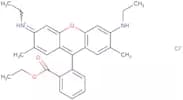
CAS:Rhodamine 6G is a fluorescent dye that is used as an optical sensor for the determination of glucose in biological samples. Rhodamine 6G has been shown to bind to dextran sulfate, which can be used as a matrix in the reaction mechanism. The optimum concentration of Rhodamine 6G is around 1 mg/mL, and it reacts with high values of enzyme activities. Rhodamine 6G is also able to enhance fluorescence signals when bound to DNA or RNA, which makes it useful as a fluorescence probe for nucleic acid detection.
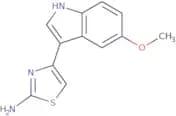
Formula:C28H31N2O3ClPurezza:Min. 95%Colore e forma:Red PowderPeso molecolare:479.01 g/mol4-(5-Methoxy-1H-indol-3-yl)-1,3-thiazol-2-amine
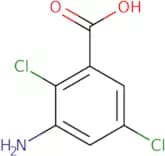
CAS:4-(5-Methoxy-1H-indol-3-yl)-1,3-thiazol-2-amine is a useful scaffold that can be used in the synthesis of drugs and other chemical compounds. 4-(5-Methoxy-1H-indol-3-yl)-1,3-thiazol-2-amine is a fine chemical with CAS no. 3624611454. It has been shown to react as a useful intermediate for the preparation of complex compounds. This compound has also been used in research as a reagent and reaction component.Formula:C12H11N3OSPurezza:Min. 95%Colore e forma:PowderPeso molecolare:245.3 g/mol3-Amino-2,5-dichlorobenzoic acid
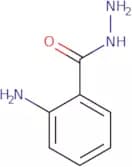
CAS:2,5-Dichlorobenzoic acid is a chemical compound that is used as an intermediate in the production of herbicides and other agricultural chemicals. It is also used for the synthesis of pharmaceuticals and dyes. 2,5-Dichlorobenzoic acid has been shown to have significant physiological effects at high doses. The use of 2,5-dichlorobenzoic acid may cause death in humans through kidney failure, although it has not been shown to be toxic to humans at low doses. The mechanism by which this effect occurs is not known. 2,5-Dichlorobenzoic acid has been found to be moderately toxic in animal studies with acute oral LD50 values ranging from 1,000 mg/kg body weight (mg/kg BW) to 10,000 mg/kg BW depending on the animal species tested.Formula:C7H5Cl2NO2Purezza:Min. 95%Colore e forma:White PowderPeso molecolare:206.03 g/mol2-Aminobenzhydrazide
CAS:2-Aminobenzhydrazide is a hydrogen bond donor that binds to the 5-HT2 receptor. It has been shown to be effective in treating infectious diseases such as malaria and dengue fever. 2-Aminobenzhydrazide inhibits the production of the inflammatory hormone prostaglandin E2 by inhibiting cyclooxygenase, which is responsible for converting arachidonic acid into prostaglandins. This drug also has anti-inflammatory properties because it blocks the action of amide and hydrazide receptors, which are associated with pain transmission. 2-Aminobenzhydrazide has been shown to inhibit the growth of bacteria and fungi in culture, with inhibition constants of 4.4 x 10 M for Escherichia coli and 8 x 10 M for Candida albicans.
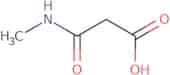
Formula:C7H9N3OPurezza:Min. 95%Colore e forma:PowderPeso molecolare:151.17 g/mol3-(Methylamino)-3-oxopropanoic acid
CAS:3-(Methylamino)-3-oxopropanoic acid is a metabolite of nitroprusside. It is a potent inhibitor of the uptake of nitrates by cells, which causes cell lysis. 3-(Methylamino)-3-oxopropanoic acid has been shown to inhibit the uptake and transport chain of amino acids in the human metabolism. This results in an accumulation of metabolites that are toxic to cells and can lead to necrosis. 3-(Methylamino)-3-oxopropanoic acid is also a biocide with anti-inflammatory properties. It inhibits monoclonal antibody production by blocking protein synthesis and has been shown to be effective against tumor growth in animal models.
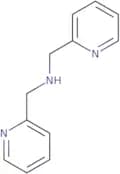
Formula:C4H7NO3Purezza:Min. 95%Colore e forma:PowderPeso molecolare:117.1 g/molBis(2-pyridylmethyl)amine
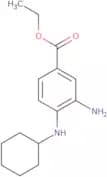
CAS:Bis(2-pyridylmethyl)amine is an anti-cancer compound that has been shown to have a number of biological properties. It has been observed to inhibit the growth of cancer cells in culture, as well as inducing apoptosis in human serum. Bis(2-pyridylmethyl)amine also exhibits redox potentials that are consistent with a group p2 element. The compound has been studied for its ability to act as a fluorescence probe, which can be used in synchronous fluorescence and structural analysis. The crystal structure of bis(2-pyridylmethyl)amine has been determined using X-ray crystallography, and it was found that this compound binds to hydrogen bonding interactions and transfer reactions.Formula:C12H13N3Purezza:Min. 97 Area-%Colore e forma:Yellow Clear LiquidPeso molecolare:199.25 g/molEthyl 3-amino-4-(cyclohexylamino)benzoate
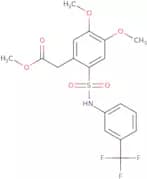
CAS:Ethyl 3-amino-4-(cyclohexylamino)benzoate is a potent inhibitor of cellular death. It induces ferroptosis, a caspase-independent cell death mechanism, in cells that are normally resistant to apoptosis. Ethyl 3-amino-4-(cyclohexylamino)benzoate has been shown to induce the release of iron from ferritin and inhibit iron uptake by macrophages. This drug has also been shown to protect against oxidative injury and radiation, as well as neuronal death. Ethyl 3-amino-4-(cyclohexylamino)benzoate may be beneficial for treating bowel disease by reducing inflammation and protecting against damage from radiation therapy.Formula:C15H22N2O2Purezza:Min. 95%Colore e forma:PowderPeso molecolare:262.35 g/molmethyl 2-(4,5-dimethoxy-2-(((3-(trifluoromethyl)phenyl)amino)sulfonyl)phenyl)acetate
CAS:Please enquire for more information about methyl 2-(4,5-dimethoxy-2-(((3-(trifluoromethyl)phenyl)amino)sulfonyl)phenyl)acetate including the price, delivery time and more detailed product information at the technical inquiry form on this page
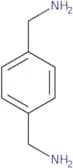
Purezza:Min. 95%p-Xylylenediamine
CAS:p-Xylylenediamine is a chemical compound that has hydrogen bonding interactions with its environment and is a substrate for film deposition. It also has the ability to form hydrogen bonds with other molecules such as DNA duplexes and sodium salts. p-Xylylenediamine is soluble in water and can be used to coat the surface of objects, which can result in reduced transport properties. This molecule has been found to be present in urine samples and may be used as a biomarker for prostate cancer diagnosis.Formula:C8H12N2Purezza:Min. 95%Colore e forma:White PowderPeso molecolare:136.19 g/mol2-Amino-5-ethyl-1,3,4-thiadiazole
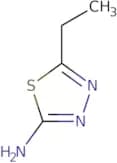
CAS:2-Amino-5-ethyl-1,3,4-thiadiazole is an experimental solubility data that has been shown to inhibit the growth of some bacteria. This compound is metastable and can be used as a nitrogen atom in experimental studies. The Langmuir adsorption isotherm has been used to study the adsorption of 2-amino-5-ethyl-1,3,4-thiadiazole on copper chloride particles. This molecule also interacts with substrate film and reactants such as pyridoxine hydrochloride by light emission or electrochemical impedance spectroscopy.
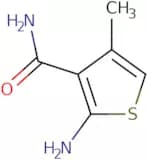
Formula:C4H7N3SPurezza:Min. 95%Peso molecolare:129.18 g/mol2-Amino-4-methylthiophene-3-carboxamide
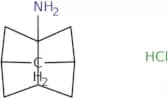
CAS:2-Amino-4-methylthiophene-3-carboxamide is a small molecule that is a potent inhibitor of the JAK2 kinase. This enzyme is associated with human fibrosis and has been shown to be involved in the development of liver fibrosis in rats. 2-Amino-4-methylthiophene-3-carboxamide inhibits the production of cytokines such as IL1α, IL6, and TNFα. It also blocks the activation of transcription factors such as NFκB, which are involved in inflammation. The compound has been shown to be orally active and has demonstrated efficacy in animal studies. Analogues have also been synthesized for this compound that show similar activity.Formula:C6H8N2OSPurezza:(%) Min. 85%Colore e forma:PowderPeso molecolare:156.21 g/mol3-Noradamantaneamine hydrochloride
CAS:3-Noradamantaneamine hydrochloride is a thioamide that has inhibitory activities on biological processes, such as the production of tumor necrosis factor-α (TNF-α). 3-Noradamantaneamine hydrochloride also inhibits angiogenesis and the proliferation of endothelial cells. The drug was shown to be neuroprotective in animal models and to have anti-angiogenic properties. The mechanism of action is not yet clear, but may involve nitric oxide synthase inhibition or nitration of the drug.
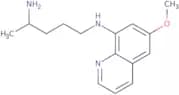
Formula:C9H15N·HClPurezza:Min. 95%Colore e forma:White PowderPeso molecolare:173.68 g/molN1-(6-Methoxy-8-quinolinyl)-1,4-pentanediamine
CAS:Impurity found in Primaquine diphosphateFormula:C15H21N3OPurezza:Min. 95%Colore e forma:Yellow PowderPeso molecolare:259.35 g/mol1H-Pyrrolo[3,2-b]pyridin-7-amine
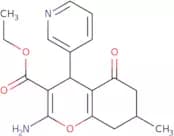
CAS:1H-Pyrrolo[3,2-b]pyridin-7-amine is a potent inhibitor of cyclization catalysed by 7-azaindole. It was synthesized as a modification of the 7-azaindole synthesis and has been shown to be a lipophilic heterocycle. This compound is not readily soluble in water and can be used for the synthesis of other heterocycles with similar properties. The yields are high and the modifications are easy to make, making this compound an excellent candidate for use in research.Purezza:Min. 95%Colore e forma:PowderPeso molecolare:133.15 g/molethyl 2-amino-7-methyl-5-oxo-4-(3-pyridyl)-4,6,7,8-tetrahydro2H-chromene-3-carboxylate
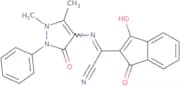
CAS:Please enquire for more information about ethyl 2-amino-7-methyl-5-oxo-4-(3-pyridyl)-4,6,7,8-tetrahydro2H-chromene-3-carboxylate including the price, delivery time and more detailed product information at the technical inquiry form on this pagePurezza:Min. 95%2-((2,3-dimethyl-5-oxo-1-phenyl(3-pyrazolin-4-yl))amino)-2-(1,3-dioxoindan-2-ylidene)ethanenitrile
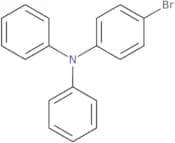
CAS:Please enquire for more information about 2-((2,3-dimethyl-5-oxo-1-phenyl(3-pyrazolin-4-yl))amino)-2-(1,3-dioxoindan-2-ylidene)ethanenitrile including the price, delivery time and more detailed product information at the technical inquiry form on this pagePurezza:Min. 95%4-Bromotriphenylamine
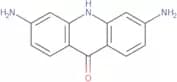
CAS:4-Bromotriphenylamine is a molecule that has two acceptor groups and one donor group. It reacts with methylamine to form the product 4,4′-dibromobutyric acid. The reaction rate of this chemical is increased by the presence of an electron withdrawing substituent on the aromatic ring such as bromine. This compound is stable at higher temperatures, but not at lower ones. When heated, it undergoes thermal expansion and molecules are forced apart from each other. The butyric acid formed in this reaction may be used to synthesize butyrate esters for use in cancer therapy or light emission systems. Light emission from this compound is due to its fluorescence properties, which depend on the chemical structure of the molecule and its environment. The efficiency of light emission is related to the number of electron-hole pairs created during excitation, which depends on the energy of incident photons and their wavelength.Formula:C18H14BrNPurezza:Min. 95%Colore e forma:PowderPeso molecolare:324.21 g/mol3,6-Diamino-9(10H)-acridone
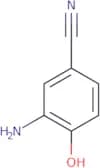
CAS:3,6-Diamino-9(10H)-acridone is a nucleophilic compound that is used as a catalyst in peptide synthesis. It can be used to selectively introduce an acridine group into a peptide or other organic molecule. 3,6-Diamino-9(10H)-acridone is an example of a hypervalent organometallic compound that has been shown to catalyze the iodocyclization of aromatic rings. It also has been shown to catalyze the substitution of electron-deficient alkenes with electrophiles.Formula:C13H11N3OPurezza:Min. 97 Area-%Colore e forma:Yellow PowderPeso molecolare:225.25 g/mol2-Amino-4-cyano-phenol
CAS:2-Amino-4-cyano-phenol is a compound that has been shown to have antitubercular activity. It modulates the activity of cromakalim, which is a drug used for the treatment of tuberculosis. 2-Amino-4-cyano-phenol is also an antibacterial agent and has been shown to activate bacterial DNA replication and protein synthesis. The mechanism of action of this compound is thought to be due in part to its ability to bind with the ribosomes on the outside surface of cells and inhibit their function. 2-Amino-4-cyano-phenol has also been shown to have structural similarities with phenylephrine, which inhibits bacterial growth by binding to DNA gyrase, thereby preventing transcription and replication.Formula:C7H6N2OPurezza:Min. 95%Colore e forma:PowderPeso molecolare:134.14 g/molTris(3-Aminopropyl)amine
CAS:Tris(3-Aminopropyl)amine is a polypeptide that binds to copper ions and forms a chelate ring. It also has binding constants with nitrogen atoms, which are important in enzyme activities, biochemical properties, and the molecule's structure. Tris(3-Aminopropyl)amine chelates copper ions and prevents them from reacting with other molecules in the environment. This compound is used as an antioxidant for proteins and other macromolecules. Tris(3-Aminopropyl)amine has been shown to be effective in inhibiting protein synthesis and preventing the growth of bacteria such as E. coli. Tris(3-Aminopropyl)amine is also used to stabilize biomacromolecules such as DNA, RNA, or proteins against chemical modification or degradation by metal ions such as copper or iron. In addition, this compound can be used for water permeability studies because it allows water molecules to penetrate its
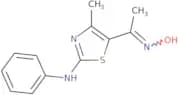
Formula:C9H24N4Purezza:Min. 95 Area-%Colore e forma:Clear LiquidPeso molecolare:188.31 g/mol(3-((hydroxyimino)ethyl)-4-methyl(2,5-thiazolyl))phenylamine
CAS:Please enquire for more information about (3-((hydroxyimino)ethyl)-4-methyl(2,5-thiazolyl))phenylamine including the price, delivery time and more detailed product information at the technical inquiry form on this page
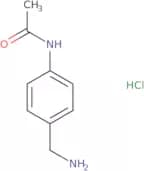
Formula:C12H13N3OSPurezza:Min. 95%Colore e forma:Clear LiquidPeso molecolare:247.32 g/mol4-Acetamidobenzylamine hydrochloride
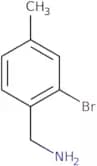
CAS:4-Acetamidobenzylamine hydrochloride is a chemical intermediate that belongs to the group of complex compounds. It is used as a reactant in the synthesis of other chemicals and can be used as a building block for the preparation of fine chemicals or research chemicals. 4-Acetamidobenzylamine hydrochloride has versatile uses due to its ability to react with many other chemical substances. This reagent also has high purity and can be used as a research tool in organic chemistry.Formula:C9H12N2O•HClPurezza:Min. 95%Colore e forma:Off-White To Yellow SolidPeso molecolare:200.67 g/mol2-Bromo-4-methylbenzylamine hydrochloride
CAS:2-Bromo-4-methylbenzylamine hydrochloride is a fine chemical that is used as a building block for other chemicals or as a reagent in research. It has CAS No. 1293323-97-3 and can be used in reactions where an amine is needed. This product is high quality, versatile, and useful for many different types of reactions.
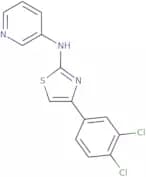
Formula:C8H10BrN·HClPurezza:Min. 95%Colore e forma:PowderPeso molecolare:236.54 g/mol(4-(3,4-dichlorophenyl)(2,5-thiazolyl))-3-pyridylamine
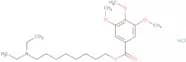
CAS:Please enquire for more information about (4-(3,4-dichlorophenyl)(2,5-thiazolyl))-3-pyridylamine including the price, delivery time and more detailed product information at the technical inquiry form on this pagePurezza:Min. 95%3,4,5-Trimethoxybenzoic acid 8-(diethylamino)octyl ester, hydrochloride
CAS:3,4,5-Trimethoxybenzoic acid 8-(diethylamino)octyl ester, hydrochloride is a chemical substance that binds to the intracellular calcium ion channels and causes an excitatory effect. It has been shown to cause cell lysis in wheat germ and influenza virus. 3,4,5-Trimethoxybenzoic acid 8-(diethylamino)octyl ester, hydrochloride also inhibits the production of TNF-α by activated tubule cells.Formula:C22H38ClNO5Purezza:Min. 95%Colore e forma:PowderPeso molecolare:431.99 g/mol





![2-[Ethyl-[2-(3-hydroxy-2,6-dimethyl-anilino)-2-oxo-ethyl]amino]-N-(3-hydroxy-2,6-dimethyl-phenyl)a…](/_next/image/?url=https%3A%2Fstatic.cymitquimica.com%2Fproducts%2F3D%2Fthumb-webp%2FFE145458.webp&w=3840&q=75)
![1H-Pyrrolo[3,2-b]pyridin-7-amine](/_next/image/?url=https%3A%2Fstatic.cymitquimica.com%2Fproducts%2F3D%2Fthumb-webp%2FFP142011.webp&w=3840&q=75)