Ammine
Sottocategorie di "Ammine"
- Nitrosamine(2.620 prodotti)
- Ammine primarie(30.947 prodotti)
- Cationi di ammonio quaternario(1.101 prodotti)
- Ammine secondarie(20.886 prodotti)
- Ammine terziarie(17.196 prodotti)
Trovati 8793 prodotti di "Ammine"
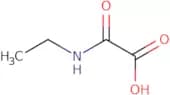
(Ethylamino)(oxo)acetic acid
CAS:(Ethylamino)(oxo)acetic acid is a low molecular weight compound that is found in many sources, including plants and animals. It has been shown to inhibit the growth of bacteria such as escherichia coli and azelaic acid, although it is not active against mycobacteria. This molecule has also been shown to be potent in inhibiting the activity of dehydrogenase enzymes. The molecular weight of this compound is unknown, but it has been determined that it contains one carboxylic group, two amide groups, and one amino group.Formula:C4H7NO3Purezza:Min. 95%Colore e forma:PowderPeso molecolare:117.1 g/molDimethyldioctadecylammonium bromide
CAS:Dimethyldioctadecylammonium bromide is a cationic surfactant that is used as an antimicrobial agent. It has been shown to be effective against gram-positive and gram-negative bacteria and fungi. Dimethyldioctadecylammonium bromide also has the ability to bind to human immunoglobulin, which may be due to its disulfide bond structure. This surfactant has been shown to have biological properties in a model system, including optimum concentration and thermal expansion. The surface glycoprotein of the bacterium Pseudomonas aeruginosa is not affected by this surfactant, but it does show preferential binding for the protein that coats Staphylococcus aureus
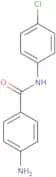
Formula:C38H80BrNPurezza:Min. 95%Colore e forma:White PowderPeso molecolare:630.95 g/mol(4-Aminophenyl)-N-(4-chlorophenyl)formamide
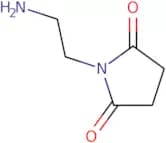
CAS:Please enquire for more information about (4-Aminophenyl)-N-(4-chlorophenyl)formamide including the price, delivery time and more detailed product information at the technical inquiry form on this pageFormula:C13H11ClN2OPurezza:Min. 95%Colore e forma:PowderPeso molecolare:246.69 g/mol1-(2-Aminoethyl)pyrrolidine-2,5-dione hydrochloride
CAS:1-(2-Aminoethyl)pyrrolidine-2,5-dione hydrochloride is a chemical intermediate that is used in the synthesis of biologically active compounds. It has been shown to be an excellent building block for synthesizing complex compounds, and is also a useful reagent. 1-(2-Aminoethyl)pyrrolidine-2,5-dione hydrochloride has been identified as a high quality research chemical and is commercially available in the form of bulk quantities or as a fine chemical.
Formula:C6H11ClN2O2Purezza:Min. 95%Colore e forma:PowderPeso molecolare:178.62 g/mol3-Diethylamino-2,2-dimethylpropyl p-aminobenzoate hydrochloride
CAS:Prodotto controllato3-Diethylamino-2,2-dimethylpropyl p-aminobenzoate hydrochloride (3DAPBA) is a drug that belongs to the amide class. It has been shown to have significant effects on neuronal function in vivo, as well as on dopamine neurotransmission in vitro. 3DAPBA is also a substrate for uptake by the dopamine transporter and can inhibit locomotor activity in rats, suggesting it may be a potential therapeutic agent for the treatment of Parkinson's disease. 3DAPBA has been shown to be effective against cocaine addiction and can reduce angiogenic factors in vivo. The drug also interacts with other drugs, including synthetic cannabinoids and amphetamines, which are metabolized by CYP2B6 enzymes. These interactions may result in reduced efficacy of 3DAPBA therapy. In addition, 3DAPBA is excreted unchanged in urine samples and can be detected in human liver tissue; it also inhibits michael
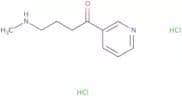
Formula:C16H27ClN2O2Purezza:Min. 95%Colore e forma:PowderPeso molecolare:314.85 g/mol4-(Methylamino)-1-(3-pyridyl)-1-butanone dihydrochloride
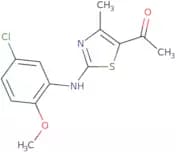
CAS:4-(Methylamino)-1-(3-pyridyl)-1-butanone dihydrochloride (4-MBA) is a natural product that has been shown to have anti-cancer properties in vitro and in vivo. It inhibits the growth of cancer cells by inhibiting DNA synthesis and inducing apoptosis, as well as by inhibiting the production of certain proteins. 4-MBA has been shown to be effective against strains of Escherichia coli and Salmonella typhimurium. This compound is found in honeybush tea, Aspalathus linearis, and other plants, but is not present in humans or animals. 4-MBA has also been shown to inhibit nicotine metabolism in humans and rats.Formula:C10H16Cl2N2OPurezza:Min. 95%Colore e forma:SolidPeso molecolare:251.15 g/mol1-(3-((5-Chloro-2-methoxyphenyl)amino)-5-methyl-2,4-thiazolyl)ethan-1-one
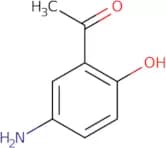
CAS:Please enquire for more information about 1-(3-((5-Chloro-2-methoxyphenyl)amino)-5-methyl-2,4-thiazolyl)ethan-1-one including the price, delivery time and more detailed product information at the technical inquiry form on this pageFormula:C13H13ClN2O2SPurezza:Min. 95%Peso molecolare:296.77 g/mol5-Amino-2-hydroxyacetophenone
CAS:5-Amino-2-hydroxyacetophenone is a chemical compound that belongs to the class of active substances. It is an intermediate in Friedel-Crafts acylation reactions, which are used to form alkyl esters by reaction with chloroformates. In these reactions, 5-Amino-2-hydroxyacetophenone is converted into a chloroformate in the presence of an acid catalyst. The reactions proceed rapidly, with the acetone or ester as the solvent. The frequency of 5-amino-2-hydroxyacetophenone can be correlated to its deformation energy and various chemical parameters such as electron density and force constants. 5-Amino-2-hydroxyacetophenone is uniquely characterized by intramolecularly hydrogen bonding organic solvents such as acetone and nitrobenzene.Formula:C8H9NO2Purezza:Min. 95%Peso molecolare:151.16 g/mol(2-Aminophenyl)-N-((((4-methoxyphenyl)amino)thioxomethyl)amino)formamide
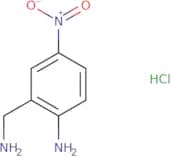
CAS:Please enquire for more information about (2-Aminophenyl)-N-((((4-methoxyphenyl)amino)thioxomethyl)amino)formamide including the price, delivery time and more detailed product information at the technical inquiry form on this pageFormula:C15H16N4O2SPurezza:Min. 95%Colore e forma:PowderPeso molecolare:316.38 g/mol2-Amino-5-nitrobenzylamine hydrochloride
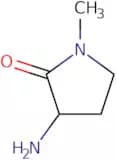
CAS:2-Amino-5-nitrobenzylamine hydrochloride is a fine chemical that can be used as a building block for research chemicals and speciality chemicals. It is a versatile building block for the synthesis of complex compounds and useful scaffold for the preparation of biologically active molecules. 2-Amino-5-nitrobenzylamine hydrochloride has been shown to have high quality with CAS No. 863771-09-9. This chemical can be used as a reagent, reaction component, or useful intermediate in reactions like nitration, amination, and reductive amination.Formula:C7H10ClN3O2Purezza:Min. 95%Peso molecolare:203.63 g/mol3-Amino-1-methylpyrrolidin-2-one
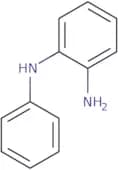
CAS:3-Amino-1-methylpyrrolidin-2-one is a versatile building block that has many applications in the research field. It can be used as a reagent or a speciality chemical and as an intermediate in organic synthesis. 3-Amino-1-methylpyrrolidin-2-one is also used as a reaction component and scaffold for complex compounds. This chemical has CAS number 119329-48-5.Formula:C5H10N2OPurezza:Min. 98 Area-%Colore e forma:Clear LiquidPeso molecolare:114.15 g/mol2-Aminodiphenylamine
CAS:2-Aminodiphenylamine is a chemical compound with the molecular formula CHN. It is a white solid that has a melting point of about 170°C and a boiling point of about 360°C. 2-Aminodiphenylamine can be synthesized by reacting diphenylmethane with hydrochloric acid, followed by hydrogenation of the resulting diaminodiphenyl methane. It is an aromatic amine that has two nitrogen atoms in its structure. The molecule has a redox potential of -0.2 volts and can exist as either an acidic or basic form depending on pH levels. 2-Aminodiphenylamine also reacts with azobenzene to form coumarin derivatives, which are used in analytical chemistry for titration calorimetry, electrochemical impedance spectroscopy, and structural analysis.
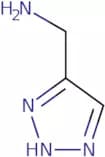
Formula:C12H12N2Purezza:Min. 95%Colore e forma:PowderPeso molecolare:184.24 g/mol(1H-1,2,3-Triazol-4-yl)methanamine hydrochloride
CAS:(1H-1,2,3-Triazol-4-yl)methanamine hydrochloride is a fine chemical that is used as a building block in the synthesis of other chemicals. It is soluble in water and has a solubility of 9.6g/100ml. This compound can be used to synthesize many different types of chemicals with high quality and purity. It also has a versatile scaffold with many different reactive functionalities for use in synthesis. (1H-1,2,3-Triazol-4-yl)methanamine hydrochloride has been shown to react with alcohols to produce esters and many other reactions including alkylation, nitration, and acylation.Formula:C3H6N4·HClPurezza:Min. 95%Colore e forma:PowderPeso molecolare:134.57 g/molTetrabutylammonium hypophosphite
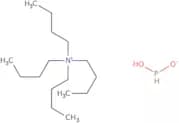
CAS:Prodotto controllatoTetrabutylammonium hypophosphite is a copper salt that functions as a stabilizer in organic solvents, as well as a structural formula. It is also used as an additive in devices and molybdenum alloys. Tetrabutylammonium hypophosphite has chiral properties and can be easily synthesized from C1-6 alkyl halides. The compound has been extensively studied for its ability to catalyze the transfer of carbonic or metal ions. Tetrabutylammonium hypophosphite is often used in polycarbonates and quaternary ammonium salts.Formula:C16H38NO2PPurezza:Min. 95%Peso molecolare:307.45 g/mol4'-Aminopropiophenone
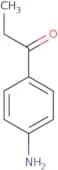
CAS:4'-Aminopropiophenone is an oxygen-carrying molecule that has been shown to have genotoxic effects. It can be used as a control agent in toxicity studies. 4'-Aminopropiophenone also has locomotor activity in animals and affects the function of neurons. This compound has not yet been tested on humans, but it is suspected that it may have a similar effect on the human body. The analytical method for this compound is based on the spectrophotometric measurement of amines. The test for this compound is done by injecting a dose into an animal and measuring the concentration of creatinine sulfate in its blood sample over time with a spectrophotometer. Radiation can alter the shape of the molecules and change their color, so it must be kept away from this chemical during testing. 4'-Aminopropiophenone has dose-dependent effects, meaning that higher doses will produce more negative effects than lower doses.Formula:C9H11NOPurezza:Min. 95%Colore e forma:Off-White PowderPeso molecolare:149.19 g/molN-(5-Amino-2-methylphenyl)-4-(3-pyridyl)-2-pyrimidineamine
CAS:Imatinib is an anticancer drug that belongs to the class of trimethyls. It is a potent inhibitor of tyrosine-specific protein kinases, including Bcr-Abl and Src family kinases. It has been shown to have antineoplastic properties in human cells in vitro. Imatinib is structurally similar to the anticancer agent lapatinib and inhibits G1 phase cell cycle progression by preventing phosphorylation of retinoblastoma protein (Rb). Imatinib is also genotoxic due to its structural similarity to other known genotoxic compounds such as bromo-2′-deoxyuridine and 2-chloroimidazole.
Formula:C16H15N5Purezza:Min. 95%Colore e forma:PowderPeso molecolare:277.32 g/molCyclopropylamine
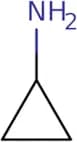
CAS:Cyclopropylamine is a chemical compound that has been shown to be stable under a variety of conditions. It can be used as a model system for the study of transfer reactions in polymerases, as well as receptor activity. Cyclopropylamine inhibits the enzyme DNA polymerase by binding to the active site and causing an irreversible inhibition. It is also used in pharmaceutical drug manufacturing due to its stability and ability to inhibit malonic acid. Cyclopropylamine can act as an intermediate in the synthesis of pyrimidine compounds, which are crystalline polymorphs.
Formula:C3H7NPurezza:Min. 95%Colore e forma:Clear LiquidPeso molecolare:57.09 g/mol2-Amino-5-fluorobenzothiazole
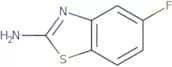
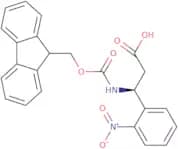
CAS:2-Amino-5-fluorobenzothiazole is a synthetic compound that is used as an agrochemical. It has low efficiency and can be found in tissue culture. The biological properties of this compound are not fully understood. It has been shown to have potential antitumor activity and may be able to inhibit tyrosine kinase. 2-Amino-5-fluorobenzothiazole is also found in the inorganic section of the periodic table. This compound is water soluble, but does not dissolve well in organic solvents such as acetone or chloroform. 2-Amino-5-fluorobenzothiazole also has agricultural applications, being used as a pesticide and for controlling tuberculosis in animals.Formula:C7H5FN2SPurezza:Min. 95%Colore e forma:PowderPeso molecolare:168.19 g/molFmoc-(S)-3-amino-3-(2-nitrophenyl)propionic acid
CAS:Please enquire for more information about Fmoc-(S)-3-amino-3-(2-nitrophenyl)propionic acid including the price, delivery time and more detailed product information at the technical inquiry form on this pageFormula:C24H20N2O6Purezza:Min. 95%Colore e forma:White PowderPeso molecolare:432.43 g/molFmoc-4-amino-D-Phe(Boc)-4-amino-D-Phe(Boc)-OH
Fmoc-4-amino-D-Phe(Boc)-4-amino-D-Phe(Boc)-OH is a high quality, versatile building block. It is a speciality chemical with CAS No. 614837-53-8 and can be used in research and development of new drugs. The compound has a wide range of applications in the pharmaceutical industry as it is an intermediate or reagent for peptide synthesis and also as a reaction component in the synthesis of complex compounds. Fmoc-4-amino-D-Phe(Boc)-4-amino-D-Phe(Boc)-OH is also used as a useful scaffold for the construction of novel biologically active molecules.Formula:C43H48N4O9Purezza:Min. 95%Colore e forma:White To Off-White SolidPeso molecolare:764.86 g/mol2-(Methylamino)acetohydrazide
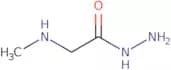
CAS:2-(Methylamino)acetohydrazide is a cross-linking agent that is used in the production of chitosan quaternary ammonium citrate. 2-(Methylamino)acetohydrazide also has antimicrobial properties. The monoclonal antibody reacts with the aldehyde groups on the polymer film, forming a disulfide bond. This inhibits bacterial growth by preventing cell wall synthesis, which is required for bacterial replication and survival. In addition, 2-(methylamino)acetohydrazide can be combined with malic acid or glyoxal to form polycarboxylic acid films that have antimicrobial activity.
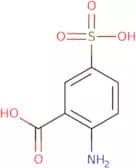
Formula:C3H9N3OPurezza:Min. 95%Colore e forma:Clear Colourless LiquidPeso molecolare:103.12 g/mol2-Amino-5-sulfobenzoic acid
CAS:2-Amino-5-sulfobenzoicacid is an organic compound that is used as a building block in the synthesis of other chemicals. It is also used as a co-catalyst in the copper-catalyzed dehydration of alcohols to produce alkyl sulfates and alkyl sulfonates. 2-Amino-5-sulfobenzoicacid has been shown to be stable in water at pH levels of 7 or higher, but will hydrolyze quickly when exposed to acidic environments. This compound has been shown to emit light under various conditions, including when it absorbs ultraviolet light or when it reacts with metal ions such as copper. 2-Amino-5-sulfobenzoicacid is also fluorescent and can be used for luminescent detection of metal ions.Formula:C7H7NO5SPurezza:Min. 95%Colore e forma:PowderPeso molecolare:217.2 g/mol7-Benzyloxytryptamine
CAS:Prodotto controllato7-Benzyloxytryptamine is a tryptamine derivative that binds to the 5-HT2A serotonin receptor. It has been shown to have antidepressant properties in ovary cells and other assays. 7-Benzyloxytryptamine acts as a psychostimulant and produces an increase in synaptic activity in the brain. This compound also has high affinity for 5-hydroxytryptamine (5-HT) receptors, which may be responsible for its antidepressant effects. The compound has been shown to be selective for 5-HT2A receptors, but not for other serotonin receptors such as 5-HT1A or 5-HT2C.Formula:C17H18N2OColore e forma:PowderPeso molecolare:266.34 g/mol[3-Chloro-4-(4-isobutyrylpiperazin-1-yl)phenyl]amine
CAS:3-Chloro-4-(4-isobutyrylpiperazin-1-yl)phenyl]amine is a fine chemical that can be used in the production of medicines, research chemicals, and other speciality chemicals. It has been shown to be a versatile building block with a wide range of uses. 3-Chloro-4-(4-isobutyrylpiperazin-1-yl)phenyl]amine can be used as an intermediate in organic synthesis or as a reagent to generate other chemicals. This compound is also useful as a reaction component for the production of new compounds.Formula:C14H20ClN3OPurezza:Min. 95%Colore e forma:PowderPeso molecolare:281.78 g/mol1,3-Bis[tris(hydroxymethyl)methylamino]propane
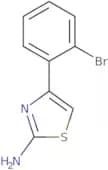
CAS:1,3-Bis[tris(hydroxymethyl)methylamino]propane, most commonly known as Bis-TRIS propane, is often referred to as the universal buffer because of its wide buffering range from pH 6.3 to 9.5. Its dual pKa values (~ 6.8 and 9.0) allow it to stabilize the pH in a variety of biological applications, including molecular biology, biochemistry, and electrophoresis.Formula:C11H26N2O6Purezza:Min. 95%Colore e forma:PowderPeso molecolare:282.3 g/mol4-(2-Bromophenyl)-1,3-thiazol-2-amine
CAS:Please enquire for more information about 4-(2-Bromophenyl)-1,3-thiazol-2-amine including the price, delivery time and more detailed product information at the technical inquiry form on this pagePurezza:Min. 95%2-(4-Morpholinophenyl)ethylamine
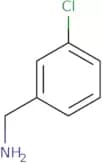
CAS:Please enquire for more information about 2-(4-Morpholinophenyl)ethylamine including the price, delivery time and more detailed product information at the technical inquiry form on this pageFormula:C12H18N2OPurezza:Min. 95%Colore e forma:PowderPeso molecolare:206.28 g/mol3-Chlorobenzylamine
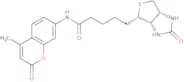
CAS:3-Chlorobenzylamine is a model system for the study of the metabolism of human pathogens. It has been shown to have cytostatic effects in sarcoma cells and pain-relieving properties in animal models. 3-Chlorobenzylamine inhibits the replication of HIV, herpes virus, and adenosine receptor antagonists. This drug has also been found to be an effective anticancer agent. 3-Chlorobenzylamine is structurally similar to other anticancer agents such as methotrexate, mercaptopurine, and pyrimidine analogs.Formula:C7H8ClNPurezza:Min. 95%Peso molecolare:141.6 g/molN-D-Biotinyl-7-amino-4-methylcoumarin
CAS:N-D-Biotinyl-7-amino-4-methylcoumarin is a fluorescent substrate that is used to measure the activity of biotinidase, an enzyme that catalyzes the hydrolysis of biotin. It is detectable by measuring fluorescence with a spectrophotometer. Biotinidase deficiency can be diagnosed by measuring the activity of this enzyme in biological fluids. This assay has been shown to be useful for diagnosing patients with deficient biotinidase activity.Formula:C20H23N3O4SPurezza:Min. 98 Area-%Colore e forma:PowderPeso molecolare:401.48 g/mol2,6-Dichlorobenzylamine
CAS:2,6-Dichlorobenzylamine (2,6-DCBA) is a potent inhibitor of creatine kinase. It has been shown to be a potent inhibitor of the enzyme in muscle cells. 2,6-DCBA binds to the phosphoryl group of creatine kinase and inhibits its activity. This inhibitory effect on muscle cells causes fatigue and weakness during exercise. 2,6-DCBA also inhibits the enzyme cytosolic creatine kinase from eukaryotes and may be a potential inhibitor for treating Duchenne muscular dystrophy.
Formula:C7H7Cl2NPurezza:Min. 95%Colore e forma:Clear LiquidPeso molecolare:176.04 g/mol3-[(4-Fluorophenyl)amino]cyclohex-2-en-1-one
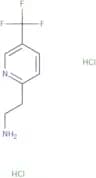
CAS:3-[(4-Fluorophenyl)amino]cyclohex-2-en-1-one is a drug that has been shown to have both inotropic and chronotropic effects on the heart. It also has a hypotensive activity, which may be due to its ability to reduce peripheral resistance by blocking alpha 1 receptors. 3-[(4-Fluorophenyl)amino]cyclohex-2-en-1-one is an anaesthetic agent with the potential for use in surgical procedures. The structural similarity of 3-[(4-Fluorophenyl)amino]cyclohex-2-en-1-one to acrylonitrile suggests that this drug may be toxic to the heart, as acrylonitrile is a known cardiotoxin.Formula:C12H12FNOPurezza:Min. 95%Colore e forma:PowderPeso molecolare:205.23 g/mol2-(5-Trifluoromethyl-pyridin-2-yl)ethylamine 2HCl
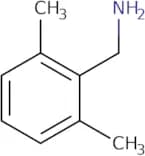
CAS:2-(5-Trifluoromethyl-pyridin-2-yl)ethylamine 2HCl is a fine chemical that can be used as a building block in the synthesis of other compounds. It is also a useful reagent and a speciality chemical, which means it is typically used for research purposes only. This compound has shown to have high quality and versatility, and is often used as an intermediate in the synthesis of complex compounds.Formula:C8H9F3N2H2Cl2Purezza:Min. 95%Colore e forma:White PowderPeso molecolare:263.09 g/mol2,6-Dimethylbenzylamine
CAS:2,6-Dimethylbenzylamine is a chemical compound that has been shown to have potent antiviral activity. It binds to the active site of the HIV-1 protease enzyme, which blocks the cleavage of polyproteins into functional proteins. In addition, 2,6-dimethylbenzylamine has been shown to be capable of blocking other enzymes such as human immunodeficiency virus (HIV)-1 integrase and influenza virus neuraminidase. The chemical structure of 2,6-dimethylbenzylamine includes a heterocyclic ring that may be modified to optimise its antiviral activity. This modification can be done by using peptidomimetics or bioactive molecules such as small molecules or lipids.Formula:C9H13NPurezza:Min. 95%Colore e forma:Clear LiquidPeso molecolare:135.21 g/mol3-(1H-Imidazol-4-yl)benzylamine
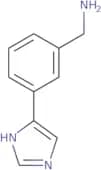
CAS:3-(1H-Imidazol-4-yl)benzylamine is a diagnostic agent that can be used for the diagnosis of Alzheimer's disease. It has been shown to have a synthetase activity, which is an enzymatic activity that forms a new compound from simpler ones. It has also been shown to increase uptake in the cerebral cortex and inhibit matrix metalloproteinase in autoimmune diseases. This drug may be used as a marker for early stage Alzheimer's disease. 3-(1H-Imidazol-4-yl)benzylamine binds to the repressor protein and stabilizes holoenzyme complexes, which are necessary for DNA transcription. This drug also inhibits chromosomal replication by binding to the histone H3 protein and prevents polymerization of DNA strands.
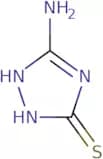
Formula:C10H11N3Purezza:Min. 95 Area-%Colore e forma:PowderPeso molecolare:173.21 g/mol3-Amino-5-mercapto-1,2,4-triazole
CAS:3-Amino-5-mercapto-1,2,4-triazole is a potent inhibitor of the activity of metal carbonyls and was first synthesized by the reaction of 3-amino-5-mercaptotetrazole with sodium hydroxide. The inhibition study showed that 3 amino 5 mercapto 1,2,4 triazole has strong inhibitory effect on the catalytic activity of metal carbonyls. The nmr spectra show that this compound can form hydrogen bonding with water molecules. It is also possible for 3 amino 5 mercapto 1,2,4 triazole to form hydrogen bonding with chitosan polymer in vitro. Test samples were prepared using polymer film as substrate and electrochemical impedance spectroscopy was used to measure the impedance response at different frequencies and chemical potentials.Formula:C2H4N4SPurezza:Min. 97 Area-%Colore e forma:White PowderPeso molecolare:116.15 g/mol2,5-Dimethoxy-N-[(2-methoxyphenyl)methyl]-4-(trifluoromethyl)benzeneethanamine
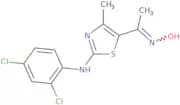
CAS:Prodotto controllato2,5-Dimethoxy-N-[(2-methoxyphenyl)methyl]-4-(trifluoromethyl)benzeneethanamine is a synthetic drug that belongs to the group of psychotropic drugs. It has been shown to cause death in rats, which is likely due to its ability to inhibit serotonin uptake by neurons. 2,5-Dimethoxy-N-[(2-methoxyphenyl)methyl]-4-(trifluoromethyl)benzeneethanamine also inhibits the enzyme monoamine oxidase and prevents the breakdown of monoamines such as serotonin. This drug has been shown to have both stimulant and depressant properties. 2,5-Dimethoxy-N-[(2-methoxyphenyl)methyl]-4-(trifluoromethyl)benzeneethanamine can be quantified in human blood samples using liquid chromatography with aFormula:C19H22F3NO3Purezza:Min. 95%Peso molecolare:369.38 g/mol(2,4-dichlorophenyl)(3-((hydroxyimino)ethyl)-4-methyl(2,5-thiazolyl))amine
CAS:Please enquire for more information about (2,4-dichlorophenyl)(3-((hydroxyimino)ethyl)-4-methyl(2,5-thiazolyl))amine including the price, delivery time and more detailed product information at the technical inquiry form on this page
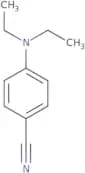
Purezza:Min. 95%4-Diethylaminobenzonitrile
CAS:4-Diethylaminobenzonitrile is a molecule with the chemical formula C6H14N2. It is a colorless liquid that has an aromatic smell. It can be synthesized from acetonitrile and benzonitrile by UV irradiation. This compound has been used in cavity studies where it was found to have a large dipole moment, high exothermic reaction, and high emissions of uv radiation. The compound can also be used as an electrophotographic developer or in analytical chemistry to identify aromatic hydrocarbons. 4-Diethylaminobenzonitrile also has binding constants in hexane that are similar to benzene, which may be due to its resonance effect.Formula:C11H14N2Purezza:Min. 95%Colore e forma:PowderPeso molecolare:174.24 g/mol3-Amino-4-methylbenzoic acid
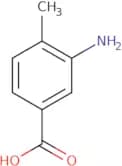
CAS:3-Amino-4-methylbenzoic acid is a chemical that is used in the synthesis of pharmaceuticals. It has been shown to have receptor binding activity and is able to inhibit aminotransferase activity. 3-Amino-4-methylbenzoic acid has been shown to be a competitive inhibitor of ptp1b, an enzyme that degrades phosphatidylinositol (3,4,5)-triphosphate. This property may be useful for treating inflammatory diseases such as Crohn's disease and rheumatoid arthritis. 3-Amino-4-methylbenzoic acid binds to the active site of ptp1b with high affinity and forms a coordination complex with two zinc ions. Monomers are also able to bind to ptp1b and inhibit its function. 3-Amino-4-methylbenzoic acid has been tested in vitro for its ability to inhibit the growthPurezza:Min. 95%Colore e forma:PowderPeso molecolare:151.16 g/mol2-Amino-5-iodobenzoic acid methyl ester
CAS:2-Amino-5-iodobenzoic acid methyl ester (2AIBA) is a molecule that can be used as an activatable probe for imaging cancer. It has a profile suitable for radionuclide therapy and is also senescent. 2AIBA binds to DNA and inhibits the synthesis of proteins, leading to cell death. 2AIBA has potent inhibitory activity against murine melanoma cells and synergistic effects when combined with acridone. The section of tumour cells was shown to be reduced by 42% in mice when treated with 2AIBA, acridone, and radiation compared to mice treated with radiation alone.Formula:C8H8INO2Purezza:Min. 95%Colore e forma:PowderPeso molecolare:277.06 g/mol5-Aminouracil
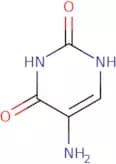
CAS:5-Aminouracil is a pyrimidine nucleoside that is used in the treatment of cancer, psoriasis and other autoimmune disorders. 5-Aminouracil is a prodrug that undergoes intracellular transformation to become an inhibitor of DNA synthesis. It promotes apoptosis by inhibiting the production of RNA and protein synthesis, leading to cell death. 5-Aminouracil has been shown to be effective against malignant cells in tissue culture as well as various types of cancer cells. A study using hydrogen bonding interactions showed that 5-aminouracil binds to the ribosomal protein L10 and inhibits its function in the polymerase chain reaction (PCR). Molecular docking studies have also shown that this drug can bind with redox potentials in both the active site and ligand binding site of human topoisomerase II alpha, which may lead to inhibition of enzyme activity or cell death.Formula:C4H5N3O2Purezza:Min. 95%Colore e forma:White PowderPeso molecolare:127.1 g/mol9-[[[4-[(2,5-Dioxo-1-pyrrolidinyl) oxy]-4-oxobutyl][(4-methylphenyl) sulfonyl]amino]carbonyl]-10- (3-sulfopropyl)-acridinium inner salt
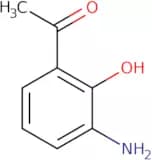
CAS:9-[(4-Methylphenyl) sulfonyl]amino]carbonyl]-10-[3-sulfopropyl)-acridinium inner salt is a synthetic antigen that is conjugated to an acridinium moiety. The 9-[[[4-[(2,5-Dioxo-1-pyrrolidinyl) oxy]-4-oxobutyl][(4-methylphenyl) sulfonyl]amino]carbonyl]-10-(3-sulfopropyl)-acridinium inner salt antigen has been shown to be effective for the detection of antibodies to the human immunodeficiency virus type 1 (HIV-1). It has a high affinity for both CD4 and CD8 T cells, which are important in the immune response to HIV infection. The 9-[(4-methylphenyl) sulfonyl]amino]carbonyl]-10-[3Formula:C32H31N3O10S2Purezza:Min. 95 Area-%Colore e forma:PowderPeso molecolare:681.73 g/mol3'-Amino-2'-hydroxyacetophenone
CAS:3'-Amino-2'-hydroxyacetophenone is a synthetic compound that reacts with salicylaldehyde and hydrochloric acid to form an aromatic hydrocarbon. The reaction vessel used is made of glass and contains potassium dichromate, copper complex, and nitro. This product can be produced in acidic conditions with the addition of phosphotungstic acid and chloride. 3'-Amino-2'-hydroxyacetophenone can also be produced by reacting mercuric chloride, which is an oxidizing agent, with an aromatic hydrocarbon. This product has a rotator.
Formula:C8H9NO2Purezza:Min. 95%Colore e forma:PowderPeso molecolare:151.16 g/molAmino-PEG10-Amine
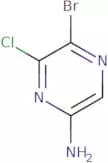
CAS:Amino-PEG10-Amine is a PEG polymer categorised as homobifunctional PEG (X-PEG X). Used as a linker, amino-PEG10-amine is used to attached PEG to proteins, peptides, oligonucleotides, nanoparticles and small molecules via pegylation, a bioconjugation technique.Formula:C22H48N2O10Purezza:Min. 95%Colore e forma:Colourless To Pale Yellow LiquidPeso molecolare:500.33095-Bromo-6-chloropyrazin-2-amine
CAS:5-Bromo-6-chloropyrazin-2-amine is a high quality, versatile building block for the synthesis of a variety of chemical compounds. It is also a reagent used in organic chemistry for the conversion of alcohols to alkyl chlorides and bromides. It can be used as an intermediate for the preparation of various complex compounds with potential use as pharmaceuticals or fine chemicals. This compound has been shown to have potential as a useful scaffold for the development of novel drugs which could be used to treat bacterial infections such as tuberculosis. 5-Bromo-6-chloropyrazin-2-amine has also been shown to be an excellent starting material for the synthesis of research chemicals and speciality chemicals.Formula:C4H3BrClN3Purezza:Min. 95%Peso molecolare:208.44 g/molBoc-D-glutamine
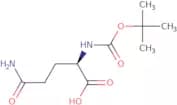
CAS:Boc-D-glutamine is a small, water-soluble amino acid that has shown anticancer efficacy in vivo. It is structurally related to the cyclic peptide, glutamic acid-α-ketoglutarate (GAK). Boc-D-glutamine specifically binds to the tumor vasculature and inhibits cancer cell growth by inhibiting the uptake of essential nutrients. This drug also inhibits tumor angiogenesis and prevents metastasis by preventing the formation of new blood vessels. Boc-D-glutamine has been shown to have a greater effect on human nasopharyngeal carcinoma cells than other types of cancer cells because it targets a specific receptor found in these cells. The anticancer activity of this drug is due to its inhibition of uptake and chloride ion transport. In addition, Boc-D-glutamine has been shown to inhibit the proliferation of human embryonic kidney cells when used at high concentrations.Formula:C10H18N2O5Colore e forma:White Off-White PowderPeso molecolare:246.26 g/mol2-Fluoro-6-hydroxybenzylamine hydrochloride
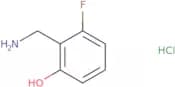
CAS:2-Fluoro-6-hydroxybenzylamine hydrochloride is a chemical intermediate that can be used for the synthesis of more complex compounds. It reacts with acetic anhydride to produce 2-fluoro-6-acetoxybenzamide. It also reacts with chloroacetic acid to produce 2,6-dichloroquinoline. This compound has been shown to be useful in research and development as a versatile building block or a reagent for the synthesis of various complex compounds. CAS No. 2094868-94-5.Formula:C7H8FNO•HClPurezza:Min. 95%Colore e forma:PowderPeso molecolare:177.6 g/mol[(N-Acryloylamino)phenyl]mercuric chloride
CAS:Prodotto controllato[(N-Acryloylamino)phenyl]mercuric chloride is a compound that can be used to treat bladder cancer. It is a small molecule that has been shown to inhibit the growth of bladder cancer cells in vitro, and it may have potential as a treatment for primary tumors in other tissues. The therapeutic efficacy of [(N-acryloylamino)phenyl]mercuric chloride was investigated in two multicenter phase II trials conducted by the National Cancer Institute. The results of these trials showed that it had a response rate of 30% and an overall survival rate of 59%. This drug is effective against primarily women with body mass index greater than or equal to 25 kg/m2. It binds to the receptor on the surface of cells, which inhibits proliferation and induces cell death.
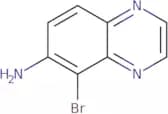
Formula:C9H8ClHgNOPurezza:Min. 95%Colore e forma:White PowderPeso molecolare:382.21 g/mol6-Amino-5-bromoquinoxaline
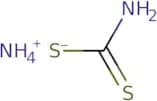
CAS:6-Amino-5-bromoquinoxaline is an inhibitor of serine proteases that has been shown to be effective in cell culture and in wild-type mice. It inhibits the enzyme by binding to the catalytic site, blocking the formation of a covalent bond between polypeptide chain and amino acid substrate. 6-Amino-5-bromoquinoxaline has also been shown to have an inhibitory effect on fibrinogen and polyclonal antibodies and can be used as a buffer for other proteases. In addition, this compound also inhibits caproic acid production from fatty acids via an unknown mechanism.br> 6-Amino-5-bromoquinoxaline is not active against synthetic substrates or monoclonal antibodies.Formula:C8H6BrN3Purezza:Min. 95%Colore e forma:PowderPeso molecolare:224.05 g/molAmmoniumdithiocarbamate
CAS:Ammoniumdithiocarbamate is a group p2 compound that reacts with hydrochloric acid to form a dithiocarbamic acid. This reaction is reversible and an equilibrium between the two compounds exists. Ammoniumdithiocarbamate can be used to synthesize nucleophilic substitutions, which are used in many industrial applications. The reactivity of ammoniumdithiocarbamate is increased by the presence of amp-activated protein, which increases hydrogen bonding interactions with the dithiocarbamic acid. Ammoniumdithiocarbamate has been shown in animal studies to inhibit inflammatory diseases and lung damage caused by carbon disulphide.Formula:CH6N2S2Purezza:Min. 95%Colore e forma:PowderPeso molecolare:110.2 g/mol






![[3-Chloro-4-(4-isobutyrylpiperazin-1-yl)phenyl]amine](/_next/image/?url=https%3A%2Fstatic.cymitquimica.com%2Fproducts%2F3D%2Fthumb-webp%2FFC134207.webp&w=3840&q=75)
![1,3-Bis[tris(hydroxymethyl)methylamino]propane](/_next/image/?url=https%3A%2Fstatic.cymitquimica.com%2Fproducts%2F3D%2Fthumb-webp%2FFB09448.webp&w=3840&q=75)


![3-[(4-Fluorophenyl)amino]cyclohex-2-en-1-one](/_next/image/?url=https%3A%2Fstatic.cymitquimica.com%2Fproducts%2F3D%2Fthumb-webp%2FFF123027.webp&w=3840&q=75)
![2,5-Dimethoxy-N-[(2-methoxyphenyl)methyl]-4-(trifluoromethyl)benzeneethanamine](/_next/image/?url=https%3A%2Fstatic.cymitquimica.com%2Fproducts%2F3D%2Fthumb-webp%2FFD100429.webp&w=3840&q=75)

![9-[[[4-[(2,5-Dioxo-1-pyrrolidinyl) oxy]-4-oxobutyl][(4-methylphenyl) sulfonyl]amino]carbonyl]-10- …](/_next/image/?url=https%3A%2Fstatic.cymitquimica.com%2Fproducts%2F3D%2Fthumb-webp%2FFD106522.webp&w=3840&q=75)

![[(N-Acryloylamino)phenyl]mercuric chloride](/_next/image/?url=https%3A%2Fstatic.cymitquimica.com%2Fproducts%2F3D%2Fthumb-webp%2FFA17210.webp&w=3840&q=75)