Ammine
Sottocategorie di "Ammine"
- Nitrosamine(2.621 prodotti)
- Ammine primarie(30.947 prodotti)
- Cationi di ammonio quaternario(1.101 prodotti)
- Ammine secondarie(20.886 prodotti)
- Ammine terziarie(17.196 prodotti)
Trovati 8792 prodotti di "Ammine"
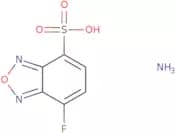
7-Fluorobenzo-2-oxa-1,3-diazole-4-sulfonic acid ammonium
CAS:7-Fluorobenzo-2-oxa-1,3-diazole-4-sulfonic acid ammonium is a fluorescent derivative that is used in clinical pathology to study human metabolism. The compound reacts with blood cells to form a fluorescent derivative that can be detected by use of a fluorescence detector. A sample preparation technique is required to prepare the blood samples before analysis. 7-Fluorobenzo-2-oxa-1,3-diazole-4-sulfonic acid ammonium has been shown to react with disulfide bonds and endogenous substances, such as glutathione, dopamine and serotonin. The detection sensitivity for this compound is approximately 10 pM.Formula:C6H6FN3O4SPurezza:Min. 95%Colore e forma:White PowderPeso molecolare:235.19 g/mol1-Acetyl-1,2,3,4-tetrahydroquinolin-7-amine hydrochloride
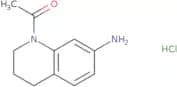
CAS:1-Acetyl-1,2,3,4-tetrahydroquinolin-7-amine hydrochloride is a versatile building block that can be used in the synthesis of complex compounds with high quality and as a speciality chemical. This compound is useful as a reagent and reaction component in organic synthesis. It has been shown to be useful in the synthesis of new scaffolds for drug discovery.
Formula:C11H14N2O·HClPurezza:Min. 95%Colore e forma:Off-White PowderPeso molecolare:226.7 g/mol3,4,5-Trimethoxybenzylamine
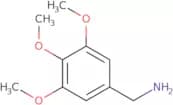
CAS:Prodotto controllato3,4,5-Trimethoxybenzylamine (TMB) is a coumarin derivative that inhibits tumor growth in mice. It has been shown to inhibit the proliferation of cells by binding to amines, and also to have an antiradical activity. The in vivo studies on TMB showed that it is effective against a number of tumor types, including lung cancer and melanoma. Additionally, TMB has anti-inflammatory properties.
Formula:C10H15O3NPurezza:Min. 98%Colore e forma:Colorless Slightly Yellow Clear LiquidPeso molecolare:197.23 g/mol1-(3-Chlorophenyl)biguanide hydrochlorid
CAS:N-(3-Chlorophenyl)-N'-(diaminomethylene)guanidine is a 5-HT3 receptor antagonist that binds to the 5-HT3 receptor in the gastrointestinal tract and blocks the voltage-dependent calcium channels. It has been shown to have a protective effect on the bowel by reducing inflammation and increasing the rate of recovery after colitis. N-(3-Chlorophenyl)-N'-(diaminomethylene)guanidine also has been shown to be effective in treating Parkinson's disease, although its mechanism of action is not yet fully understood.Formula:C8H10ClN5•HClPurezza:Min. 95%Colore e forma:PowderPeso molecolare:248.11 g/molMitotenamine
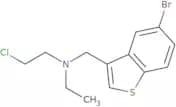
CAS:Please enquire for more information about Mitotenamine including the price, delivery time and more detailed product information at the technical inquiry form on this pageFormula:C13H15BrClNSPurezza:Min. 95%Peso molecolare:332.69 g/mol4-Aminobenzaldehyde polymer
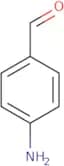
CAS:4-Aminobenzaldehyde polymer is a crystalline solid that is soluble in organic solvents. It can be used as a reaction vessel for acylation reactions, such as the conversion of an acid chloride to the corresponding amide. 4-Aminobenzaldehyde polymer has been shown to react with diazonium salts to form the corresponding diazo compounds in high yields. The electron activity of the molecule was tested by measuring its oxidation potentials and reducing power. 4-Aminobenzaldehyde polymer is functionalized with both nucleophilic and electrophilic groups. This compound also has electrochemical properties, including optical properties and nmr spectra. The control experiments for this substance are sodium nitrate, which does not react with diazonium salts or react with 4-aminobenzaldehyde polymer at all.Formula:(C7H7NO)xPurezza:Min. 95%Colore e forma:Powder3-Amino-4-carbomethoxybenzoic acid
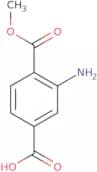
CAS:3-Amino-4-carbomethoxybenzoic acid is a compound that has not yet been labeled with a function. It has been shown to be an intermediate in the synthesis of polymers, such as polyamides and polyesters. 3-Amino-4-carbomethoxybenzoic acid is involved in biological functions related to butyric acid, which is a metabolite of the amino acids phenylalanine and tyrosine, or from the degradation of proteins. It is also used as a precursor for amines and may be an intermediate in the synthesis of glycoconjugates. The compound was found to have anticancer properties when used in combination with other drugs, such as doxorubicin and etoposide. Furthermore, it was found to have anti-inflammatory activities by inhibiting prostaglandin synthesis.Formula:C9H9NO4Purezza:Min. 95%Colore e forma:PowderPeso molecolare:195.17 g/mol(2-Indol-3-ylethyl)(2-naphthylsulfonyl)amine
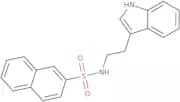
CAS:Please enquire for more information about (2-Indol-3-ylethyl)(2-naphthylsulfonyl)amine including the price, delivery time and more detailed product information at the technical inquiry form on this pageFormula:C20H18N2O2SPurezza:Min. 95%Colore e forma:PowderPeso molecolare:350.43 g/molN-Ethyl-N-nitroso-1-[3-(trifluoromethyl)phenyl]-2-propanamine
CAS:Usnic acid is a dietary supplement that has been shown to have beneficial effects on the liver, including hepatoprotective and anti-inflammatory properties. Usnic acid prevents mitochondrial membrane potential from decreasing, leading to an increase in adenine nucleotide content and improved mitochondrial function. Usnic acid also reverses the inhibition of monoamine neurotransmitters caused by chemical ionization and pharmacologic agents such as acetaminophen. Usnic acid also has been shown to be effective against hepatitis A virus (HAV) infection in CD-1 mice.Formula:C12H15F3N2OPurezza:Min. 95%Colore e forma:Clear LiquidPeso molecolare:260.26 g/molN,N-Dimethyloctadecylamine
CAS:N,N-Dimethyloctadecylamine is a cationic surfactant that is used in cosmetics to provide emulsification. This chemical species has been shown to be chemically inert and non-toxic. It also exhibits high thermal stability and low volatility. N,N-Dimethyloctadecylamine has been found to have low reactivity with lipoprotein lipase, alcohol residue, and cholesterol synthesis. This chemical substance has been shown to exhibit enzyme activities by inhibiting the activity of nitrogen atoms, which may lead to the inhibition of the reaction mechanism of amines. N,N-Dimethyloctadecylamine is not expected to cause any significant adverse effects on human health or the environment.Formula:C20H43NPurezza:Min. 95%Colore e forma:PowderPeso molecolare:297.56 g/molN-Methyl-N-[(1,3,5-trimethyl-1H-pyrazol-4-yl)methyl]amine
CAS:Please enquire for more information about N-Methyl-N-[(1,3,5-trimethyl-1H-pyrazol-4-yl)methyl]amine including the price, delivery time and more detailed product information at the technical inquiry form on this page
Formula:C8H15N3Purezza:Min. 95%Peso molecolare:153.22 g/mol2-[(Ethylamino)methyl]-4-nitrophenol
CAS:Please enquire for more information about 2-[(Ethylamino)methyl]-4-nitrophenol including the price, delivery time and more detailed product information at the technical inquiry form on this pageFormula:C9H12N2O3Purezza:Min. 95%Colore e forma:PowderPeso molecolare:196.2 g/mol3-(Diethylamino)-1-propanol
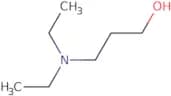
CAS:3-(Diethylamino)-1-propanol is a chemical species that has been shown to inhibit the growth of epidermal cells in a model system. 3-(Diethylamino)-1-propanol inhibits the production and release of epidermal growth factor, which is required for cell proliferation. The chemical binds to the receptor for epidermal growth factor, thereby inhibiting its activity. The low energy activation energies of this compound make it an excellent candidate for use in radiation therapy, as it can be easily activated by low levels of radiation and will not break down before reaching the target tissue. 3-(Diethylamino)-1-propanol also has inhibitory properties against other amines, such as histamine and acetylcholine.Formula:C7H17NOPurezza:Min. 95%Colore e forma:Clear LiquidPeso molecolare:131.22 g/mol2-bromo-5,5-dimethyl-3-((4-(trifluoromethoxy)phenyl)amino)cyclohex-2-en-1-one
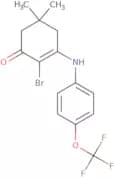
CAS:Please enquire for more information about 2-bromo-5,5-dimethyl-3-((4-(trifluoromethoxy)phenyl)amino)cyclohex-2-en-1-one including the price, delivery time and more detailed product information at the technical inquiry form on this pagePurezza:Min. 95%2-Amino-6-chlorobenzonitrile
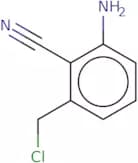
CAS:2-Amino-6-chlorobenzonitrile is an inhibitor of butyrylcholinesterase. It inhibits the enzyme by binding to the active site and preventing the hydrolysis of acetylcholine. It also inhibits other enzymes that have a similar structure, such as acetylcholinesterase and benzodiazepine receptors. 2-Amino-6-chlorobenzonitrile can be synthesized from chloride and ammonia in two steps with high enantioselectivity. The first step is the addition of benzaldehyde to 2-aminobenzoic acid with sodium hydroxide, followed by treatment with phosphoryl chloride. The second step involves treatment with potassium cyanide to form cyanohydrin, which is then treated with hydrogen chloride gas to produce 2-amino-6-chlorobenzonitrile. This compound has been shown to inhibit acetylcholinesterase and butyryFormula:C7H5ClN2Purezza:Min. 95%Colore e forma:PowderPeso molecolare:152.58 g/mol2-Methylthiopyrimidine-4,6-diamine
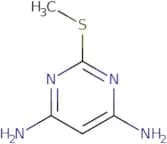
CAS:2-Methylthiopyrimidine-4,6-diamine is a potent inhibitor of the enzyme DNA polymerase. It has shown to be effective against hepg2 cells and other cancer cells. The compound binds covalently to the active site of the enzyme, where it stabilizes the transition state and deshields the electrostatic field around the nucleophilic nitrogen atom. This interaction leads to a decreased affinity for ATP, which is required for DNA synthesis. 2-Methylthiopyrimidine-4,6-diamine also has antimalarial activity and inhibits amide bond formation in hepg2 cells.Formula:C5H8N4SPurezza:Min. 95%Colore e forma:PowderPeso molecolare:156.21 g/mol3-((4-Acetylphenyl)amino)-2-phenylinden-1-one
CAS:Please enquire for more information about 3-((4-Acetylphenyl)amino)-2-phenylinden-1-one including the price, delivery time and more detailed product information at the technical inquiry form on this pageFormula:C23H17NO2Purezza:Min. 95%Colore e forma:PowderPeso molecolare:339.39 g/mol2-Fluoro-6-hydroxybenzylamine hydrochloride
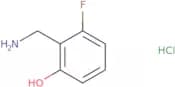
CAS:2-Fluoro-6-hydroxybenzylamine hydrochloride is a chemical intermediate that can be used for the synthesis of more complex compounds. It reacts with acetic anhydride to produce 2-fluoro-6-acetoxybenzamide. It also reacts with chloroacetic acid to produce 2,6-dichloroquinoline. This compound has been shown to be useful in research and development as a versatile building block or a reagent for the synthesis of various complex compounds. CAS No. 2094868-94-5.Formula:C7H8FNO•HClPurezza:Min. 95%Colore e forma:PowderPeso molecolare:177.6 g/mol4-Aminobenzamide
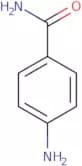
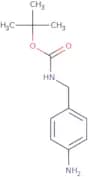
CAS:4-Aminobenzamide is a compound that is used as an anti-tuberculosis drug. It inhibits the activity of aminotransferase, which is an enzyme responsible for converting amino acids into other compounds. 4-Aminobenzamide has been shown to have antimicrobial properties against bacteria, fungi and protozoa. It also has a protective effect on human liver cells, but can cause damage to rat liver cells in vitro. 4-Aminobenzamide also shows some activity against microbial metabolism and can be hydrolyzed by hydrochloric acid to form phenylacetic acid and ammonia. This compound has been shown to inhibit the nervous system disease progression of Huntington's disease in mice.Purezza:Min. 95%Colore e forma:PowderPeso molecolare:136.15 g/mol4-(N-Boc-aminomethyl)aniline
CAS:4-(N-Boc-aminomethyl)aniline is a cavity-preventing agent that has been demonstrated to be neuroprotective in vitro. The drug also inhibits the growth of bacteria, fungi, and viruses in cell culture and animal models. 4-(N-Boc-aminomethyl)aniline is an innovative compound class that has shown potential for treating infectious diseases such as HIV, tuberculosis, and malaria. It has been shown to act by interfering with viral replication and inhibiting the production of inflammatory cytokines (e.g., tumor necrosis factor). Furthermore, 4-(N-Boc-aminomethyl)aniline can be used as a matrix effector or nucleophile to form hydrogen bonds with other molecules. It can also have an impact on nanomaterials when it is incorporated into their surface.
Formula:C12H18N2O2Purezza:Min. 97 Area-%Colore e forma:Yellow PowderPeso molecolare:222.28 g/mol[5-(4-Amino-2-bromophenyl)-2-furyl]methanol
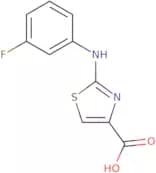
CAS:5-(4-Amino-2-bromophenyl)-2-furyl]methanol (5ABF) is a fine chemical that has been shown to be an effective building block. The compound is used as a reagent in organic synthesis and can be used as a reaction component. 5ABF is also an intermediate, which can be converted into useful building blocks. 5ABF has been shown to have versatile uses in research chemicals and speciality chemicals. This chemical's CAS number is 874592-18-4. 5ABF has a high quality and is a versatile scaffold.Formula:C11H10BrNO2Purezza:Min. 95%Colore e forma:Slightly Yellow PowderPeso molecolare:268.11 g/mol2-((3-Fluorophenyl)amino)-1,3-thiazole-4-carboxylic acid
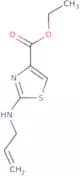
CAS:Please enquire for more information about 2-((3-Fluorophenyl)amino)-1,3-thiazole-4-carboxylic acid including the price, delivery time and more detailed product information at the technical inquiry form on this pageFormula:C10H7FN2O2SPurezza:Min. 95%Colore e forma:PowderPeso molecolare:238.24 g/molethyl 4-(prop-2-enylamino)-3,5-thiazolecarboxylate
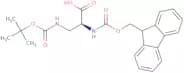
CAS:Please enquire for more information about ethyl 4-(prop-2-enylamino)-3,5-thiazolecarboxylate including the price, delivery time and more detailed product information at the technical inquiry form on this pagePurezza:Min. 95%N-α-Fmoc-N β-Boc-L-2,3-diaminopropionic acid
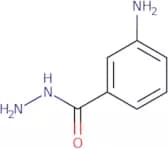
CAS:N-alpha-Fmoc-Nbeta-Boc-L-2,3-diaminopropionic acid is a supramolecular compound that has antiproliferative effects on cancer cells. It can be used to inhibit the activity of tyrosine phosphatases, which are enzymes that regulate cell proliferation and differentiation. This compound has been shown to have synergistic effects with other chemotherapeutic agents in vitro and in vivo. It has also been shown to have a high binding affinity for polyacrylamide gels and is stable under various conditions.Formula:C23H26N2O6Purezza:Min. 95%Colore e forma:PowderPeso molecolare:426.46 g/mol3-Aminobenzhydrazide
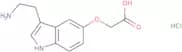
CAS:3-Aminobenzhydrazide is a monomer that belongs to the group of hydrophobic molecules. It can be used as a chemical treatment for protein denaturation in vitro. 3-Aminobenzhydrazide is synthesized by bacteria and fungi through biosynthesis, which is catalyzed by the enzyme anilinohydrolase. 3-Aminobenzhydrazide has been shown to have no effect on water permeability or osmosis, but does have a significant effect on chloride ion permeability. This molecule also has functional groups such as a nitro group and amino group, which are responsible for its solubility in organic solvents and its ability to react with other compounds. 3-Aminobenzhydrazide can be used in vitro to remove chlorides from solutions containing high concentrations of chloride ions.Formula:C7H9N3OPurezza:Min. 95%Colore e forma:PowderPeso molecolare:151.17 g/mol5-Carboxymethoxytryptamine hydrochloride
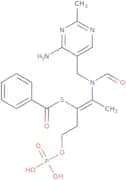
CAS:Prodotto controllato5-Carboxymethoxytryptamine hydrochloride (5CMT) is a chemical compound that belongs to the group of useful building blocks. It is a versatile intermediate that can be used in the synthesis of many important compounds. 5CMT reacts with amines and alcohols to form amides and esters. It also reacts with carboxylic acids to form acid halides and anhydrides. 5CMT has been shown to be a useful scaffold in organic synthesis, as it can be converted into various derivatives. 5CMT is soluble in water, methanol, ethanol, acetone, and dichloromethane.Formula:C12H14N2O3•HClPurezza:Min. 95%Peso molecolare:270.71 g/molBenfotiamine
CAS:Benfotiamine is a thiamine derivative that is structurally similar to thiamine. It has been shown to have pharmacological effects in experimental models of diabetic complications and may be a potential therapeutic agent for the treatment of these conditions. Benfotiamine binds to the response element on the nuclear DNA, which leads to an increase in calcium pantothenate, a cofactor necessary for energy metabolism in mitochondria. The enzyme activities of benfotiamine are also modulated by calcium and magnesium ions. Benfotiamine can be used as an analytical method for nonsteroidal anti-inflammatory drugs (NSAIDs) by measuring the levels of benzoquinone imines and fluoroquinolones in urine.Formula:C19H23N4O6PSPurezza:Min. 95%Colore e forma:White PowderPeso molecolare:466.45 g/mol1-Methyl-3-propylamine hydrochloride
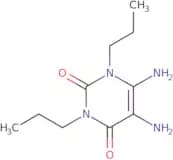
CAS:1-Methyl-3-propylamine hydrochloride is a fine chemical, research chemicals, and speciality chemical. It is a versatile building block for organic synthesis and has been used as a reagent in the production of other compounds. 1-Methyl-3-propylamine hydrochloride is also used as an intermediate in reactions involving complex compounds. This product has CAS number 578-72-5 and is of high quality.Formula:C4H11N•HClPurezza:Min. 95%Peso molecolare:109.6 g/mol5,6-Diamino-1,3-dipropyluracil
CAS:5,6-Diamino-1,3-dipropyluracil (DAU) is a synthetic drug that acts as an adenosine receptor antagonist. DAU binds to the adenosine receptors in the brain and inhibits the binding of adenosine, which may result in an anti-congestive effect. DAU has been found to be a potent inhibitor of the A2A adenosine receptor at nanomolar concentrations. This inhibition may be due to its ability to form covalent bonds with the receptor or its affinity for or blocking of agonist binding sites on the receptor. It also has been shown to have affinity for dopamine receptors, although it is not yet known if this activity contributes to its anti-congestive effects.Formula:C10H18N4O2Purezza:Area-% Min. 95 Area-%Colore e forma:PowderPeso molecolare:226.28 g/mol(R)-2-((4-Aminophenethyl)amino)-1-phenylethanol hydrochloride
CAS:Intermediate in the synthesis of mirabegronFormula:C16H20N2O·HClPurezza:Min. 95%Colore e forma:PowderPeso molecolare:292.8 g/mol[1-(Pyrrolidin-1-ylcarbonyl)butyl]amine hydrochloride
CAS:Prodotto controllatoPlease enquire for more information about [1-(Pyrrolidin-1-ylcarbonyl)butyl]amine hydrochloride including the price, delivery time and more detailed product information at the technical inquiry form on this page
Formula:C9H18N2OPurezza:Min. 95%Peso molecolare:170.25 g/mol3-((3-Cholamidopropyl)dimethylammonium)-1-propanesulfonate
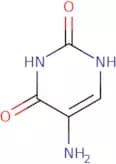
CAS:Non-denaturing, zwitterionic detergentFormula:C32H58N2O7SPurezza:Min. 95%Colore e forma:White PowderPeso molecolare:614.88 g/mol5-Aminouracil
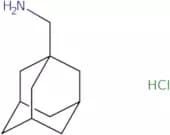
CAS:5-Aminouracil is a pyrimidine nucleoside that is used in the treatment of cancer, psoriasis and other autoimmune disorders. 5-Aminouracil is a prodrug that undergoes intracellular transformation to become an inhibitor of DNA synthesis. It promotes apoptosis by inhibiting the production of RNA and protein synthesis, leading to cell death. 5-Aminouracil has been shown to be effective against malignant cells in tissue culture as well as various types of cancer cells. A study using hydrogen bonding interactions showed that 5-aminouracil binds to the ribosomal protein L10 and inhibits its function in the polymerase chain reaction (PCR). Molecular docking studies have also shown that this drug can bind with redox potentials in both the active site and ligand binding site of human topoisomerase II alpha, which may lead to inhibition of enzyme activity or cell death.Formula:C4H5N3O2Purezza:Min. 95%Colore e forma:White PowderPeso molecolare:127.1 g/mol1-Adamantanemethylamine hydrochloride
CAS:Rimantadine hydrochloride is a drug that belongs to the class of antiviral agents and is used for the prevention and treatment of influenza. It acts by blocking the uncoating of influenza virus, inhibiting viral RNA synthesis, and preventing virus-induced cytopathic effects in humans and animals. Rimantadine hydrochloride is an amantadine derivative that has been shown to be effective against influenza A viruses in humans. The drug also has a prophylactic efficacy against influenza B viruses. Rimantadine hydrochloride is localized in the lungs due to its intranasal application, which limits its effect on other parts of the body. It is metabolized into ammonium formate, chloride, and formamide before being excreted by the kidneys.Formula:C11H20ClNPurezza:Min. 95%Colore e forma:PowderPeso molecolare:201.74 g/mol4-Amino-3-chloro-a-[[(1,1-dimethylethyl)amino]methyl]-5-(trifluoromethyl)benzenemethanol
CAS:Prodotto controllato4-Amino-3-chloro-a-[(1,1-dimethylethyl)amino]methyl]-5-(trifluoromethyl)benzenemethanol (4ACBEM) is a fluorescent probe for the detection of intracellular Ca2+ levels. It binds to ryanodine receptors in the plasma membrane and can be used as a marker for Ca2+ mobilization in cells. 4ACBEM is used in flow cytometry and has been shown to bind to human serum albumin and other proteins with high affinity. The pharmacokinetics of 4ACBEM has been studied in rats, showing that it is eliminated by hepatic metabolism. This compound has also been shown to have no toxic effects on fetal bovine liver cells in vitro, although it does exhibit some interactions with the matrix that are dependent on the concentration of Ca2+.Formula:C13H18ClF3N2OPurezza:Min. 95%Colore e forma:Off-White To Yellow To Orange SolidPeso molecolare:310.74 g/mol2-Amino-5-iodobenzoic acid methyl ester
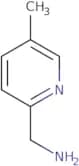
CAS:2-Amino-5-iodobenzoic acid methyl ester (2AIBA) is a molecule that can be used as an activatable probe for imaging cancer. It has a profile suitable for radionuclide therapy and is also senescent. 2AIBA binds to DNA and inhibits the synthesis of proteins, leading to cell death. 2AIBA has potent inhibitory activity against murine melanoma cells and synergistic effects when combined with acridone. The section of tumour cells was shown to be reduced by 42% in mice when treated with 2AIBA, acridone, and radiation compared to mice treated with radiation alone.Formula:C8H8INO2Purezza:Min. 95%Colore e forma:PowderPeso molecolare:277.06 g/mol(5-Methylpyridin-2-yl)methanamine
CAS:5-Methylpyridin-2-yl)methanamine is a high quality reagent that is used as a building block in the synthesis of complex compounds. It can be used as an intermediate, useful for the preparation of fine chemicals and useful scaffolds. It can also be used as a speciality chemical and is often used as a reaction component in research chemicals.
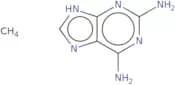
Formula:C7H10N2Purezza:Min. 98 Area-%Colore e forma:Clear LiquidPeso molecolare:122.17 g/mol2,6-Diaminopurine hemisulfate
CAS:2,6-Diaminopurine hemisulfate salt is a fine chemical that can be used as a building block for research chemicals, reagents, and specialty chemicals. It has been shown to be useful in the synthesis of various types of complex compounds. 2,6-Diaminopurine hemisulfate salt is also versatile in the sense that it can be used as an intermediate in reactions or as a scaffold for chemical synthesis. This product has CAS number 69369-16-0.Formula:C5H6N6•(H2O4S)0Purezza:Min. 95%Colore e forma:PowderPeso molecolare:398.36 g/molMethyl 4-amino-5-chloro-2-methoxybenzoate
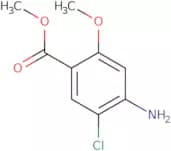
CAS:Methyl 4-amino-5-chloro-2-methoxybenzoate is an organic compound with the chemical formula CH3C6H4(OCH3)2Cl. It is a useful building block, reagent, and speciality chemical. This compound can be used as a versatile building block for the synthesis of complex compounds. Methyl 4-amino-5-chloro-2-methoxybenzoate can also be used as a reaction component or a useful intermediate.
Formula:C9H10ClNO3Purezza:Min. 95%Colore e forma:PowderPeso molecolare:215.63 g/mol3-Aminobutan-1-ol
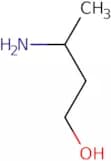
CAS:3-Aminobutan-1-ol is an amine that is synthesized industrially by the reduction of soybean trypsin with borohydride. This chemical has been used as a substrate in asymmetric synthesis and can be detected by high detection sensitivity. 3-Aminobutan-1-ol binds to the carbonyl group of amino acid residues and causes a reaction with chloride ions for detection. The product of this reaction is an enantiomer, which can be separated from other reaction products by purified chiral stationary phases. 3-Aminobutan-1-ol is also involved in the biosynthesis of proteins and enzymes. It reacts with hydrochloric acid to form a salt, which can then be used as an enzyme inhibitor.
Formula:C4H11NOPurezza:Min. 95%Colore e forma:Clear LiquidPeso molecolare:89.14 g/mol1,2,3,4-Tetrahydro-1-naphthylamine hydrochloride
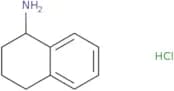
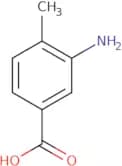
CAS:1,2,3,4-Tetrahydro-1-naphthylamine hydrochloride is a high quality reagent that can be used as an intermediate in the synthesis of various organic compounds. It has been shown to be a useful building block for the synthesis of complex compounds and speciality chemicals. Tetrahydro-1-naphthylamine hydrochloride is also a versatile building block for reactions involving amines or other nucleophiles. Tetrahydro-1-naphthylamine hydrochloride is an interesting scaffold for research chemicals due to its ability to react with various functional groups.Formula:C10H13N•HClPurezza:Min. 95%Colore e forma:PowderPeso molecolare:183.68 g/mol3-Amino-4-methylbenzoic acid
CAS:3-Amino-4-methylbenzoic acid is a chemical that is used in the synthesis of pharmaceuticals. It has been shown to have receptor binding activity and is able to inhibit aminotransferase activity. 3-Amino-4-methylbenzoic acid has been shown to be a competitive inhibitor of ptp1b, an enzyme that degrades phosphatidylinositol (3,4,5)-triphosphate. This property may be useful for treating inflammatory diseases such as Crohn's disease and rheumatoid arthritis. 3-Amino-4-methylbenzoic acid binds to the active site of ptp1b with high affinity and forms a coordination complex with two zinc ions. Monomers are also able to bind to ptp1b and inhibit its function. 3-Amino-4-methylbenzoic acid has been tested in vitro for its ability to inhibit the growthPurezza:Min. 95%Colore e forma:PowderPeso molecolare:151.16 g/mol3-[(4-Chlorophenyl)amino]-5,5-dimethylcyclohex-2-en-1-one
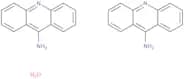
CAS:The compound is a chiral molecule, meaning that it has two different structures. One side of the molecule is the mirror image of the other. The translation and conformation of this molecule are asymmetric because the carbon atoms in its chain are not lined up in a straight line. The hydrogen bonds that form between these chains are also asymmetric, as one side of the molecule has more than one hydrogen bond while the other side only has one hydrogen bond.Formula:C14H16ClNOPurezza:Min. 95%Peso molecolare:249.74 g/molAcridin-9-amine hemihydrate
CAS:Acridin-9-amine hemihydrate is an organic compound that belongs to the class of acridine dyes. It has an acetylcholine receptor blocking property and is used in the treatment of dyskinesia. Acridin-9-amine hemihydrate has been shown to be effective in animal models for Alzheimer's disease. The structure of this molecule consists of a dipole, which has two tautomers, one with a hydrogen atom on nitrogen and another without it. The tautomeric form without the hydrogen atom is more stable than the other form in acidic conditions, but both forms are present in neutral or basic conditions. Acridin-9-amine hemihydrate is also an antitumour agent with activity against breast cancer cells.Formula:C13H10N2•(H2O)0Purezza:Min. 95%Peso molecolare:203.23 g/mol2-Chlorophenylphenyl-aminomethanesulphonic acid sodium salt
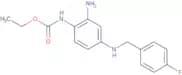
CAS:2-Chlorophenylphenyl-aminomethanesulphonic acid sodium salt is a fine chemical that is a useful building block in research and development. It can be used as a reagent, a CAS No. 132141-36-7, or as a speciality chemical. This compound has been used as an intermediate in the synthesis of complex compounds. It also acts as a versatile building block for various reactions and has been used as a scaffold for the synthesis of new compounds.Formula:C13H11ClNO3S·NaPurezza:Min. 95%Peso molecolare:319.74 g/molRetigabine
CAS:Prodotto controllatoRetigabine is a carbamate that binds to the benzodiazepine binding site of the gamma-aminobutyric acid receptor. It has been shown to have analgesic properties in animal studies, and has also been investigated as a potential treatment for epilepsy. Retigabine may be used in combination with other drugs, such as flumazenil, which can reverse its effects. The structural analog of retigabine is flumazenil, a drug that can reverse the effects of benzodiazepines such as diazepam and midazolam. Retigabine also interacts with other drugs through significant effects on their pharmacokinetics and pharmacodynamics.Formula:C16H18FN3O2Purezza:Min. 98 Area-%Colore e forma:White PowderPeso molecolare:303.33 g/mol[2-(4-Chlorophenoxy)ethyl]amine hydrochloride
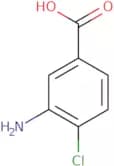
CAS:2-(4-Chlorophenoxy)ethyl]amine hydrochloride is a chemical that can be used as a building block for the synthesis of pharmaceuticals. It is an intermediate in the production of fine chemicals and other reagents. 2-[2-(4-Chlorophenoxy)ethoxy]ethylamine hydrochloride has CAS number 28769-06-4 and can be used for research purposes.Formula:C8H10ClNOPurezza:Min. 95 Area-%Colore e forma:Clear LiquidPeso molecolare:171.62 g/mol3-Amino-4-chlorobenzoic acid
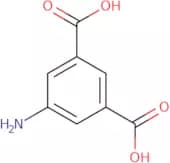
CAS:3-Amino-4-chlorobenzoic acid is a diacid that has been shown to have strong steric interactions with manumycin and fibrinogen, which are proteins found in the human body. 3-Amino-4-chlorobenzoic acid has a carboxylate group at one end of the molecule, which can coordinate to metal ions such as chloride. The other end of the molecule contains a hydrogen atom that can form hydrogen bonds with other molecules. 3-Amino-4-chlorobenzoic acid can be synthesized by reacting 2 moles of chloroacetyl chloride with an amino acid.Formula:C7H6ClNO2Purezza:Min. 95%Colore e forma:PowderPeso molecolare:171.58 g/mol5-Aminoisophthalic acid
CAS:5-Aminoisophthalic acid is a molecule that belongs to the group of compounds classified as p2, which are characterized by a hydrogen bond. The molecule is synthesized from n-dimethylformamide and glycol ester. It can be used in the synthesis of other compounds, such as 5-aminoisophthalic acid, which has been shown to have hemolytic activity. FTIR spectroscopy analysis reveals that the structure of 5-aminoisophthalic acid has nitrogen atoms in its side chain. This molecule also has an ultraviolet absorption range of about 225 nm to about 300 nm and shows strong absorption bands at around 290 nm and 350 nm.
Formula:C8H7NO4Purezza:Min. 95%Colore e forma:PowderPeso molecolare:181.15 g/molEthyl 2-(4-((5-chloro-2-methoxyphenyl)amino)-3,5-thiazolyl)acetate
CAS:Please enquire for more information about Ethyl 2-(4-((5-chloro-2-methoxyphenyl)amino)-3,5-thiazolyl)acetate including the price, delivery time and more detailed product information at the technical inquiry form on this pagePurezza:Min. 95%


![N-Ethyl-N-nitroso-1-[3-(trifluoromethyl)phenyl]-2-propanamine](/_next/image/?url=https%3A%2Fstatic.cymitquimica.com%2Fproducts%2F3D%2Fthumb-webp%2FFE96581.webp&w=3840&q=75)

![N-Methyl-N-[(1,3,5-trimethyl-1H-pyrazol-4-yl)methyl]amine](/_next/image/?url=https%3A%2Fstatic.cymitquimica.com%2Fproducts%2F3D%2Fthumb-webp%2FFM112110.webp&w=3840&q=75)
![2-[(Ethylamino)methyl]-4-nitrophenol](/_next/image/?url=https%3A%2Fstatic.cymitquimica.com%2Fproducts%2F3D%2Fthumb-webp%2FFE23132.webp&w=3840&q=75)

![[5-(4-Amino-2-bromophenyl)-2-furyl]methanol](/_next/image/?url=https%3A%2Fstatic.cymitquimica.com%2Fproducts%2F3D%2Fthumb-webp%2FFA134218.webp&w=3840&q=75)

![[1-(Pyrrolidin-1-ylcarbonyl)butyl]amine hydrochloride](/_next/image/?url=https%3A%2Fstatic.cymitquimica.com%2Fproducts%2F3D%2Fthumb-webp%2FFP130657.webp&w=3840&q=75)

![4-Amino-3-chloro-a-[[(1,1-dimethylethyl)amino]methyl]-5-(trifluoromethyl)benzenemethanol](/_next/image/?url=https%3A%2Fstatic.cymitquimica.com%2Fproducts%2F3D%2Fthumb-webp%2FFA24968.webp&w=3840&q=75)

![3-[(4-Chlorophenyl)amino]-5,5-dimethylcyclohex-2-en-1-one](/_next/image/?url=https%3A%2Fstatic.cymitquimica.com%2Fproducts%2F3D%2Fthumb-webp%2FFC123031.webp&w=3840&q=75)

![[2-(4-Chlorophenoxy)ethyl]amine hydrochloride](/_next/image/?url=https%3A%2Fstatic.cymitquimica.com%2Fproducts%2F3D%2Fthumb-webp%2FFC133243.webp&w=3840&q=75)