Ammine
Sottocategorie di "Ammine"
- Nitrosamine(2.621 prodotti)
- Ammine primarie(30.947 prodotti)
- Cationi di ammonio quaternario(1.101 prodotti)
- Ammine secondarie(20.886 prodotti)
- Ammine terziarie(17.196 prodotti)
Trovati 8791 prodotti di "Ammine"
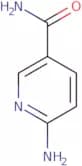
6-Aminonicotinamide
CAS:6-Aminonicotinamide is an experimental drug that has shown promising results in animal studies. This compound may be useful for the treatment of cancer, due to its ability to inhibit reactive oxygen species and maintain mitochondrial membrane potential. 6-Aminonicotinamide also has a protective effect against radiation-induced cell damage, as it prevents oxidative injury to DNA and protein. In addition, 6-aminonicotinamide can stimulate the proliferation of pluripotent cells, which are cells that have the ability to differentiate into any type of cell in the body. Finally, this compound was shown to have antitumor effects by inhibiting squamous carcinoma tumor growth in experimental models.Formula:C6H7N3OPurezza:Min. 95%Colore e forma:PowderPeso molecolare:137.14 g/molAmmonium bisulfite - 45% In water
CAS:Ammonium bisulfite is a soluble sulfite salt that is used as a reducing agent in organic chemistry. It reacts with metal hydroxides to produce sulfur and anhydrous sodium. This reaction also produces water vapor, which can be condensed and collected for use in other reactions. The reaction mechanism involves the formation of a sulfate ion when ammonium ions react with bisulfites or sulfites. Ammonium bisulfite has been shown to reduce hydrogen fluoride in aqueous solution, but not hydrofluoric acid.Formula:H5NO3SPurezza:(Titration) 44 To 46%Colore e forma:Colorless Clear LiquidPeso molecolare:99.11 g/molAZD 1152
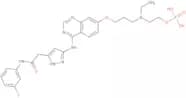
CAS:AZD 1152 is an Aurora kinase inhibitor, which is a type of small-molecule therapeutic agent. It is derived from the pharmaceutical research conducted by AstraZeneca. Its primary mode of action involves the selective inhibition of Aurora B kinase, an enzyme crucial for the regulation of mitosis. By interfering with this enzyme, AZD 1152 disrupts the normal progression of cell division, leading to the inhibition of proliferation and induction of apoptosis in rapidly dividing cells.Formula:C26H31FN7O6PPurezza:Min. 97 Area-%Colore e forma:Slightly Yellow PowderPeso molecolare:587.54 g/mol4-(Dimethylamino)chalcone
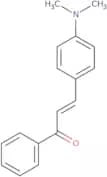
CAS:4-(Dimethylamino)chalcone is a fluorescent molecule that has been used as a fluorescence probe to study the structures of fatty acids and other molecules. It is also used to detect neutral pH in biological studies. 4-(Dimethylamino)chalcone reacts with carbonyl groups to form stable complexes, which are useful for structural analysis. The fluorescence intensity is proportional to the concentration of the carbonyl group. This molecule has been shown to be potently active against human serum, which may be due to its ability to bind with protein and form stable complexes.Formula:C17H17NOPurezza:Min. 95%Colore e forma:PowderPeso molecolare:251.32 g/molSulfo rhodamine methanethiosulfonate
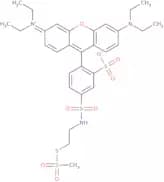
CAS:Sulfo rhodamine methanethiosulfonate is a fluorescent dye that can be used for the modification of oligosaccharides. It is a water-soluble, non-toxic compound that is soluble in organic solvents and has a high affinity for proteins. This dye can be introduced into polysaccharides by chemical or enzymatic methods. Sulfo rhodamine methanethiosulfonate has been shown to modify glycosyltransferases, which are enzymes that transfer sugar molecules to other molecules. The introduction of sulfo rhodamine methanethiosulfonate alters the properties of polymers and can be used as an alternative to the use of radioactive isotopes in imaging studies.Formula:C30H37N3O8S4Purezza:Min. 95%Colore e forma:PowderPeso molecolare:695.89 g/mol5-Carboxymethoxytryptamine hydrochloride
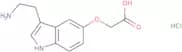
CAS:Prodotto controllato5-Carboxymethoxytryptamine hydrochloride (5CMT) is a chemical compound that belongs to the group of useful building blocks. It is a versatile intermediate that can be used in the synthesis of many important compounds. 5CMT reacts with amines and alcohols to form amides and esters. It also reacts with carboxylic acids to form acid halides and anhydrides. 5CMT has been shown to be a useful scaffold in organic synthesis, as it can be converted into various derivatives. 5CMT is soluble in water, methanol, ethanol, acetone, and dichloromethane.Formula:C12H14N2O3•HClPurezza:Min. 95%Peso molecolare:270.71 g/molAmmonium trifluoroacetate
CAS:Ammonium trifluoroacetate is a chemical compound that has two hydroxyl groups. It is used for the treatment of autoimmune diseases, such as rheumatoid arthritis, and in the synthesis of nomegestrol acetate, which is an estrogenic drug. Ammonium trifluoroacetate is also used to study the biological properties of receptors and other proteins. The thermal expansion property of ammonium trifluoroacetate can be used to determine its concentration in a sample. Ammonium trifluoroacetate also has potent antagonistic effects against HIV infection and can be detected with high sensitivity. Studies have shown that ammonium trifluoroacetate is toxic to humans; however, it does not accumulate in the body.Formula:C2H4F3NO2Purezza:Min. 95%Colore e forma:PowderPeso molecolare:131.05 g/mol6-Hydroxyhyoscyamine
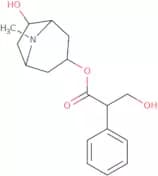
CAS:6-Hydroxyhyoscyamine is a natural molecule that can bind to DNA. It has been shown to have high affinity for the 5'-GCAT-3' sequence and high specificity for the G-quadruplex structure. 6-Hydoxyhyoscyamine also has a phase transition temperature of 146°C, which may be due to the hydrogen bonds it forms with water molecules. It has been shown that 6-hydroxyhyoscyamine inhibits tumor cell growth by binding to a specific region of the promoter region of the gene encoding for growth factor β1 (GFβ1) and preventing transcription. This agent also has an inhibitory effect on tumor angiogenesis and vascular permeability, which may be related to its ability to inhibit nitric oxide production in endothelial cells. The compound is also known as anisodamine and can be used as an injection solution for patients who have had a myocardial infarct.Formula:C17H23NO4Purezza:Min. 97 Area-%Colore e forma:PowderPeso molecolare:305.37 g/molAc-Asp-Glu-Val-Asp-AMC ammonium salt
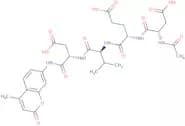
CAS:Ac-Asp-Glu-Val-Asp-AMC ammonium salt is a small molecule that is used as a tool to study apoptosis in vitro. Ac-Asp-Glu-Val-Asp-AMC ammonium salt induces apoptosis by blocking the mitochondrial membrane potential and inducing the release of cytochrome c from mitochondria into the cytoplasm. This drug also induces activation of caspase 3, which initiates the cascade of events leading to cell death. Ac-Asp-Glu-Val-Asp-AMC ammonium salt has been shown to have an antiangiogenic effect on hl60 cells. This effect may be due to its ability to inhibit expression of survivin, a protein that protects cells from apoptosis. The efficacy of this drug in an experimental model has been shown to be dependent on toll like receptor (TLR) signaling pathways and mitochondrial function.br>Formula:C30H37N5O13•NH3Purezza:Min. 97 Area-%Colore e forma:PowderPeso molecolare:692.67 g/mol2,6-Diaminopurine hemisulfate
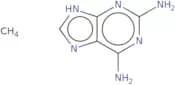
CAS:2,6-Diaminopurine hemisulfate salt is a fine chemical that can be used as a building block for research chemicals, reagents, and specialty chemicals. It has been shown to be useful in the synthesis of various types of complex compounds. 2,6-Diaminopurine hemisulfate salt is also versatile in the sense that it can be used as an intermediate in reactions or as a scaffold for chemical synthesis. This product has CAS number 69369-16-0.Formula:C5H6N6•(H2O4S)0Purezza:Min. 95%Colore e forma:PowderPeso molecolare:398.36 g/molRactopamine hydrochloride - 97%
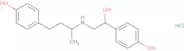
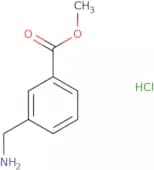
CAS:Prodotto controllatoRactopamine is a beta-adrenergic agonist that stimulates the beta-2 receptor, leading to an increase in the release of fatty acids from adipocytes and glycerol from liver cells. The effect of ractopamine on the body weight and carcass composition can be measured by analyzing its concentration in blood plasma and urine after administration. Ractopamine is metabolized through hydrolysis into two metabolites: alpha-hydroxy-beta-methylpyridine carboxylic acid (AMPC) and pyridine carboxylic acid (PCA). These metabolites are excreted into the urine, which can then be quantified using analytical methods such as gas chromatography with an electrochemical detector.Formula:C18H23NO3·HClPurezza:Min. 95%Colore e forma:White PowderPeso molecolare:337.84 g/mol(3-Aminomethyl)benzoic acid methyl ester HCl
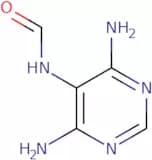
CAS:3-Aminomethylbenzoic acid methyl ester HCl is a fine chemical that is used as a reagent for the synthesis of other compounds. It is also a versatile building block, which can be used to make many different compounds. 3-Aminomethylbenzoic acid methyl ester HCl has been demonstrated to be a useful intermediate in the synthesis of various pharmaceuticals, such as metoclopramide and clozapine. 3-Aminomethylbenzoic acid methyl ester HCl is also a useful scaffold for research chemicals, such as 4-amino-N-(2-hydroxyethyl)benzenesulfonamide or N-[3-(aminomethyl)phenyl]acetamide.Formula:C9H11NO2·HClPurezza:Min. 95%Colore e forma:PowderPeso molecolare:201.65 g/mol4,6-Diamino-5-(formylamino)pyrimidine hydrochloride
CAS:4,6-Diamino-5-(formylamino)pyrimidine hydrochloride (4,6-dA-FAP) is a nucleic acid polymerase chain reaction probe that binds to damaged DNA. It can be used to identify the presence of nuclear DNA in human polymorphonuclear leukocytes. 4,6-Diamino-5-(formylamino)pyrimidine hydrochloride is also known as a redox indicator and has been shown to have antioxidant properties. This drug is not toxic at physiological levels, but it has been found to be an inhibitor of a number of enzymes. 4,6-Diamino-5-(formylamino)pyrimidine hydrochloride has been used in studies on cancer tissues and biological samples.Formula:C5H7N5O•HClPurezza:Min. 95%Colore e forma:PowderPeso molecolare:189.6 g/mol2’-Epidihydroergotamine
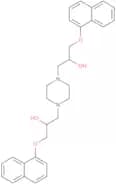
CAS:2'-Epidihydroergotamine is a reagent that is used as an intermediate in the synthesis of ergot alkaloids. 2'-Epidihydroergotamine is a fine chemical that has been used as a building block for the synthesis of other compounds. It has also been used in the production of research chemicals and speciality chemicals such as antihistamines, anticancer agents, and vasoconstrictors. This compound can be used as a versatile building block in organic synthesis reactions.Formula:C33H37N5O5Purezza:Min. 95%Colore e forma:PowderPeso molecolare:583.68 g/mol3-Amino-4-methylpyridine
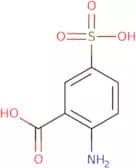
CAS:3-Amino-4-methylpyridine is a chemical compound that belongs to the group of organic compounds. It is used as an intermediate in the synthesis of podophyllotoxin, a cytotoxic agent that inhibits protein synthesis and cell division. 3-Amino-4-methylpyridine binds to mammalian cells with high affinity and inhibits protein synthesis by inhibiting the enzyme ribosomal protein S6 kinase. This compound also has an inhibitory effect on tofacitinib citrate, which is a drug used for treatment of rheumatoid arthritis. 3-Amino-4-methylpyridine has been shown to be effective against chloride ions in its reaction mechanism, making it suitable for use in organic synthesis.Formula:C6H8N2Purezza:Min. 98 Area-%Colore e forma:PowderPeso molecolare:108.14 g/mol2-Amino-5-sulfobenzoic acid
CAS:2-Amino-5-sulfobenzoicacid is an organic compound that is used as a building block in the synthesis of other chemicals. It is also used as a co-catalyst in the copper-catalyzed dehydration of alcohols to produce alkyl sulfates and alkyl sulfonates. 2-Amino-5-sulfobenzoicacid has been shown to be stable in water at pH levels of 7 or higher, but will hydrolyze quickly when exposed to acidic environments. This compound has been shown to emit light under various conditions, including when it absorbs ultraviolet light or when it reacts with metal ions such as copper. 2-Amino-5-sulfobenzoicacid is also fluorescent and can be used for luminescent detection of metal ions.Formula:C7H7NO5SPurezza:Min. 95%Colore e forma:PowderPeso molecolare:217.2 g/mol4-(2- fluorophenyl)-6,8-dihydro-1,3,8-trimethyl-Pyrazolo[3,4-e][1,4]diazepin-7(1H)-one mixt. with 2-(ethylamino)-2-(2-thienyl)cycloh exanone hydrochloride
CAS:Prodotto controllatoTelazol is an anesthetic that belongs to the class of nonbenzodiazepine drugs. It is used as a short-term sedative and analgesic in preoperative, obstetrical, and diagnostic procedures. Telazol is a prodrug that is metabolized in vivo to its active form, 4-(2-fluorophenyl)-6,8-dihydro-1,3,8-trimethyl-Pyrazolo[3,4-e][1,4]diazepin-7(1H)-one (TFD). Telazol has been shown to have low toxicity when administered at low doses (0.5 mg/kg) to rats.Formula:C27H33ClFN5O2SPurezza:Min. 95%Peso molecolare:546.1 g/mol4,4'-Diamino-3,3'-dimethyldiphenylmethane
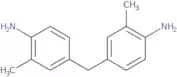
CAS:4,4'-Diamino-3,3'-dimethyldiphenylmethane is a reactive dye that is used in the diagnosis of cervical cancer. It has been shown to suppress the expression of tumor suppressor genes by binding to DNA and interfering with transcription. This dye is also a polyvinyl compound that binds to proteins through an amine group. The bound form of 4,4'-Diamino-3,3'-dimethyldiphenylmethane can be detected using an electrode and hydroxyl group as a diode. Multivariate logistic regression was used to determine the relationship between the bound form of 4,4'-Diamino-3,3'-dimethyldiphenylmethane and women who have not had any symptoms of cervical cancer. A section was taken from each subject's cervix and stained with 4,4'-Diamino-3,3'-dimethyldiphenylmethane
Formula:C15H18N2Purezza:Min. 95%Colore e forma:PowderPeso molecolare:226.32 g/mol2-Amino-4-bromobenzoic acid
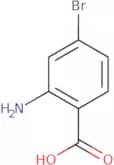
CAS:2-Amino-4-bromobenzoic acid is a molecule that has an acidic carboxylic group and two aromatic amino groups. It has a hydroxyl group and a fluorescence that can be activated or deactivated by ultraviolet light. 2-Amino-4-bromobenzoic acid is used in the synthesis of certain organic compounds. This molecule can be synthesized from other molecules, such as phenol, aminobenzene, and nitrobenzene. The reaction time for this chemical species is dependent on the catalytic agent used during the reaction process. A variety of chemical species are produced when 2-Amino-4-bromobenzoic acid is synthesized, including hydrogen bromide, ammonia, nitrogen gas, and water vapor. The population of 2-Amino-4-bromobenzoic acid is unknown because it is not abundant in nature.
Formula:C7H6BrNO2Purezza:Min. 95%Colore e forma:Yellow PowderPeso molecolare:216.03 g/molN-(6-Hydroxyhexyl)trifluoroacetamide
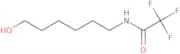
CAS:6-(Trifluoroacetylamino)-1-Hexanol is a magnetic compound that has been shown to bind to liposomes and hydrophobic membranes. It is also amphipathic, meaning it contains both hydrophilic and hydrophobic properties. This compound can be used for the diagnosis of certain diseases, such as cancer, by detecting gadolinium ions in the body. 6-(Trifluoroacetylamino)-1-Hexanol is also an imidazolide ligand that binds to ribonucleotides and nucleic acid matrix proteins. This allows it to be used as a contrast agent in magnetic resonance imaging (MRI).Formula:C8H14F3NO2Purezza:Min. 95%Colore e forma:PowderPeso molecolare:213.2 g/mol3-(N-Methyl-N-pentylamino)propionic acid hydrochloride
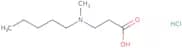
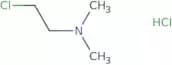
CAS:Trichloroethylene is a chlorinated hydrocarbon that is primarily used as a solvent. The propionic acid is the monosodium salt of 3-(N-Methyl-N-pentylamino)propionic acid hydrochloride, which is an organic compound. The monohydrate and trichloride are two polymorphic forms of this substance. Acetone and unreacted Trichloroethylene are substances that may be formed during the chemical process. The alkaline form of Trichloroethylene may be obtained by refluxing the substance with sodium hydroxide in water or with potassium hydroxide in alcohol. This substance can also exist in a polymorphic form.Formula:C9H20ClNO2Purezza:Min. 95%Colore e forma:PowderPeso molecolare:209.71 g/molN,N-Dimethylaminoethyl chloride HCl
CAS:Prodotto controllatoN,N-Dimethylaminoethyl chloride HCl is a reactive compound that inhibits the amine binding site on chitosan. It is used for the preparation of chitosan quaternary ammonium salts and esters. N,N-Dimethylaminoethyl chloride HCl has an inhibitory effect on both chitosan and suzuki coupling reactions. This compound also has a safety profile similar to other halides such as chlorine and hydrogen chloride.Formula:C4H10ClN·HClPurezza:Min. 98%Peso molecolare:144.04 g/mol4-Aminoindole hydrochloride
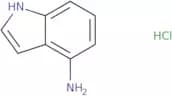
CAS:4-Aminoindole hydrochloride is a white crystalline solid that can be used as a versatile building block in organic synthesis. It is also used as an intermediate in the production of various pharmaceuticals and other chemical compounds. 4-Aminoindole hydrochloride is soluble in most polar solvents, but insoluble in ethers and oils. This compound is also a useful reagent for the conversion of nitrobenzenes to aminobenzoic acids. CAS Number 174854-93-4
Formula:C8H9ClN2Purezza:Min. 95%Colore e forma:PowderPeso molecolare:168.62 g/molN-Methyl-1,2-phenylenediamine
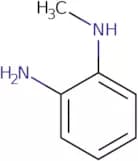
CAS:N-Methyl-1,2-phenylenediamine is a solvent that can be used in the synthesis of proteins and other biomolecules. It has been shown to have maximal response at a pH of 5.5 and is an enzyme substrate for nitrogen atoms. The conformational properties of N-Methyl-1,2-phenylenediamine are determined by its solid-phase synthesis. NMR spectra show that N-Methyl-1,2-phenylenediamine has hydrogen bonding capabilities with other molecules such as water and hydrochloric acid. This substance also has fluorescence properties when exposed to ultraviolet light or hydrogen peroxide. Trichomonas vaginalis is inhibited by this compound because it causes the organism to lose its motility due to the hydrogen bonds formed with the hydroxyl groups on the surface of trichomonas vaginalis.Formula:C7H10N2Purezza:Min. 95%Colore e forma:Clear LiquidPeso molecolare:122.17 g/mol4,4' -Bis(N,N-dimethylamino)-2,2' -bipyridine
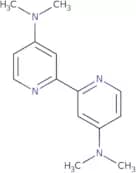
CAS:4,4' -Bis(N,N-dimethylamino)-2,2' -bipyridine (DMAB) is a ligand that is used in electrochemical studies. It has been shown to have ancillary properties, which means that it does not interact directly with the substrate but modifies its environment. DMAB can form a complex with the proton at the electrode surface and x-ray crystal structures have been obtained for this interaction. These structures demonstrate that DMAB binds to the tetrazole ring of pyridine and stabilizes the molecule by increasing its redox potentials.Formula:C14H18N4Purezza:Min. 95%Colore e forma:PowderPeso molecolare:242.32 g/mol2-Amino-3-methoxybenzoic acid hydrochloride
CAS:2-Amino-3-methoxybenzoic acid hydrochloride is a synthetic monosubstituted hydroxy analog of the natural alkaloids, which are substituted with an amino group. It is produced by the demethylation of 2-amino-3-hydroxypyridine and reacts with caprolactam to form 2,6-dihydroxybenzaldehyde. It has been used in the synthesis of methoxyanthranilic acid, which is a synthetic analogue of anthranilic acid. Hydrochloric acid can be added to 2-amino-3-methoxybenzoic acid hydrochloride to produce 2,6-dihydroxybenzoyl chloride. This compound also undergoes condensation reactions with methoxyanthranilic acid to form 2,6-dimethoxybenzaldehyde.
Formula:C8H9NO3•HClPurezza:Min. 95%Colore e forma:PowderPeso molecolare:203.62 g/molFmoc-4-amino-D-Phe(Boc)-4-amino-D-Phe(Boc)-OH
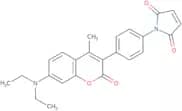
Fmoc-4-amino-D-Phe(Boc)-4-amino-D-Phe(Boc)-OH is a high quality, versatile building block. It is a speciality chemical with CAS No. 614837-53-8 and can be used in research and development of new drugs. The compound has a wide range of applications in the pharmaceutical industry as it is an intermediate or reagent for peptide synthesis and also as a reaction component in the synthesis of complex compounds. Fmoc-4-amino-D-Phe(Boc)-4-amino-D-Phe(Boc)-OH is also used as a useful scaffold for the construction of novel biologically active molecules.Formula:C43H48N4O9Purezza:Min. 95%Colore e forma:White To Off-White SolidPeso molecolare:764.86 g/mol7-Diethylamino-3-(4'-maleimidylphenyl)-4-methylcoumarin
CAS:7-Diethylamino-3-(4'-maleimidylphenyl)-4-methylcoumarin is a fluorescent probe that can be used to measure the cytosolic calcium concentration. This probe binds to heparin, which is a positive ionic charge and has been shown to cause an increase in cytosolic calcium levels in cultured cells. 7-Diethylamino-3-(4'-maleimidylphenyl)-4-methylcoumarin has been used to successfully monitor changes in cytosolic calcium levels in response to pharmacological agents, such as the monoclonal antibody TNF-α. 7-Diethylamino-3-(4'-maleimidylphenyl)-4-methylcoumarin has also been used as a marker for tissue culture studies, where it was found that this molecule binds to the ryanodine receptor and alters its redox potential.Formula:C24H22N2O4Purezza:Min. 95%Colore e forma:PowderPeso molecolare:402.44 g/mol1,3-Bis-(Z-Leu-Leu)-diaminoacetone
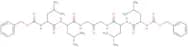
CAS:1,3-Bis-(Z-Leu-Leu)-diaminoacetone is a synthetic diketone inhibitor, which is a formulation derived through specialized organic synthesis. It functions by targeting and inhibiting aspartic proteases, a class of enzymes that play critical roles in numerous biological processes, including protein degradation and processing. This compound's mechanism involves the reversible covalent modification of the enzyme's active site, leading to an obstruction of its catalytic function.Formula:C43H64N6O9Purezza:Min. 95%Colore e forma:PowderPeso molecolare:809 g/molN-(Dithiocarboxy)sarcosine diammonium salt
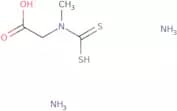
CAS:Dithiocarboxy-sarcosine is a chemical compound that has been used as a reaction component in organic synthesis. It is a fine chemical with CAS number 29664-09-3. Dithiocarboxy-sarcosine can be used as a versatile building block in the synthesis of complex compounds and pharmaceutical intermediates. It is also useful for the preparation of high quality reagents and research chemicals.
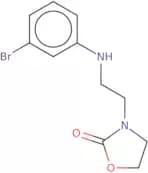
Formula:C4H13N3O2S2Purezza:Min. 95%Colore e forma:PowderPeso molecolare:199.3 g/mol3-(2-((3-Bromophenyl)amino)ethyl)oxazolidin-2-one
CAS:Please enquire for more information about 3-(2-((3-Bromophenyl)amino)ethyl)oxazolidin-2-one including the price, delivery time and more detailed product information at the technical inquiry form on this pageFormula:C11H13BrN2O2Purezza:Min. 95%Peso molecolare:285.14 g/molCyclopropylamine
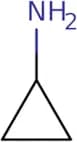
CAS:Cyclopropylamine is a chemical compound that has been shown to be stable under a variety of conditions. It can be used as a model system for the study of transfer reactions in polymerases, as well as receptor activity. Cyclopropylamine inhibits the enzyme DNA polymerase by binding to the active site and causing an irreversible inhibition. It is also used in pharmaceutical drug manufacturing due to its stability and ability to inhibit malonic acid. Cyclopropylamine can act as an intermediate in the synthesis of pyrimidine compounds, which are crystalline polymorphs.
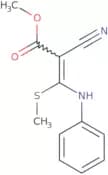
Formula:C3H7NPurezza:Min. 95%Colore e forma:Clear LiquidPeso molecolare:57.09 g/molmethyl 2-nitrilo-3-methylthio-3-(phenylamino)prop-2-enoate
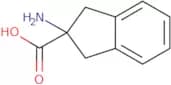
CAS:Please enquire for more information about methyl 2-nitrilo-3-methylthio-3-(phenylamino)prop-2-enoate including the price, delivery time and more detailed product information at the technical inquiry form on this pagePurezza:Min. 95%2-Aminoindane-2-carboxylic acid
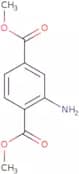
CAS:2-Aminoindane-2-carboxylic acid is a potent opioid analgesic with a high affinity for kappa-opioid receptors. Molecular modeling studies suggest that it binds to the receptor in an orientation similar to morphine and has a higher binding affinity than morphine. In functional assays, 2-Aminoindane-2-carboxylic acid showed low potency at the delta opioid receptor. It also has been shown to have a high affinity for the kappa opioid receptor and a low affinity for delta opioid receptors, which are associated with respiratory depression. This drug can be made from indole and carboxylic acids or by treating 2 aminoindanone with hydrochloric acid and hydrogen gas.Formula:C10H11NO2Purezza:Min. 95%Colore e forma:PowderPeso molecolare:177.2 g/mol2-Aminoterephthalic acid dimethyl ester
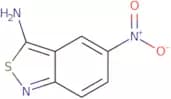
CAS:2-Aminoterephthalic acid dimethyl ester is a proton receptor that binds to the C-terminus of the proton receptor. It has been shown to inhibit serine protease activity and chemokine production, which may lead to dysuria. The proton receptor-binding site is composed of a five-membered heteroaryl ring with a methylthio group, which interacts with the protonated amino group at the 2 position of the 2-aminoterephthalic acid. This interaction results in an electrochemical impedance spectroscopy signal that has a low energy.Formula:C10H11NO4Purezza:Min. 98.5 Area-%Colore e forma:Off-White PowderPeso molecolare:209.2 g/mol3-Amino-5-nitro-2,1-benzisothiazole
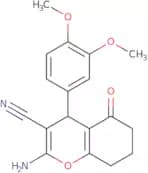
CAS:3-Amino-5-nitro-2,1-benzisothiazole is a diazonium salt that is used in wastewater treatment. It reacts with hydrogen peroxide to produce an unstable amine and a stable glycol ether. This process is known as the 3ABA reaction. The amine can be cleaved by water to produce ammonia and nitrous acid. Nitrous acid can react with organic matter in wastewater to form nitrate salts, which are soluble and easily removed from the wastewater stream. 3-Amino-5-nitro-2,1-benzisothiazole is also used in the manufacture of polyethylene terephthalate (PET) plastics. PET plastics are resistant to staining and have excellent color clarity.Formula:C7H5N3O2SPurezza:Min. 98 Area-%Colore e forma:PowderPeso molecolare:195.2 g/mol2-amino-4-(3,4-dimethoxyphenyl)-5-oxo-4,6,7,8-tetrahydro2H-chromene-3-carbonitrile
CAS:Please enquire for more information about 2-amino-4-(3,4-dimethoxyphenyl)-5-oxo-4,6,7,8-tetrahydro2H-chromene-3-carbonitrile including the price, delivery time and more detailed product information at the technical inquiry form on this page
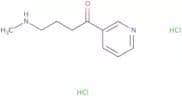
Formula:C18H18N2O4Purezza:Min. 95%Colore e forma:PowderPeso molecolare:326.35 g/mol4-(Methylamino)-1-(3-pyridyl)-1-butanone dihydrochloride
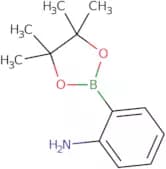
CAS:4-(Methylamino)-1-(3-pyridyl)-1-butanone dihydrochloride (4-MBA) is a natural product that has been shown to have anti-cancer properties in vitro and in vivo. It inhibits the growth of cancer cells by inhibiting DNA synthesis and inducing apoptosis, as well as by inhibiting the production of certain proteins. 4-MBA has been shown to be effective against strains of Escherichia coli and Salmonella typhimurium. This compound is found in honeybush tea, Aspalathus linearis, and other plants, but is not present in humans or animals. 4-MBA has also been shown to inhibit nicotine metabolism in humans and rats.Formula:C10H16Cl2N2OPurezza:Min. 95%Colore e forma:SolidPeso molecolare:251.15 g/mol2-Aminophenylboronic acid pinacol cyclic ester
CAS:This compound is a drug target that is an organic molecule found in many pharmaceuticals. It is an acidic, ammonium persulfate-sensitive biomolecule, which can be introduced into cells and tissues to study their function. This compound has been shown to have cancer-fighting abilities, and has potent inhibitory activity against microbial infections. The compound also has suzuki coupling properties, which are used to introduce hemicyanine groups onto other molecules.Formula:C12H18BNO2Purezza:Min. 95%Colore e forma:White PowderPeso molecolare:219.09 g/mol[1-(Methoxymethyl)cyclopropyl]amine hydrochloride
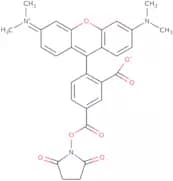
CAS:1-(Methoxymethyl)cyclopropyl]amine hydrochloride is a versatile building block that can be used in the synthesis of complex compounds. It has been shown to be useful as a reagent, speciality chemical, and research chemical. This compound is also a useful intermediate in the synthesis of other compounds and as a reaction component for several chemical reactions. 1-(Methoxymethyl)cyclopropyl]amine hydrochloride is high-quality and has CAS No. 1029716-05-9.Formula:C5H11NO•HClPurezza:Min. 95%Colore e forma:PowderPeso molecolare:137.61 g/mol5-Carboxytetramethylrhodamine succinimidyl ester
CAS:5-Carboxytetramethylrhodamine succinimidyl ester is a widely employed fluorescent dye (orange/red) that is suitable for different uses. In PCR applications, it has been used as both a reporter at the 5â or as a quencher at the 3â end. TAMRA-labelled oligonucleotides have been used to study interactions with DNA or DNA/protein interactions. It is an excellent fluorescent acceptor for FRET applications with a suitable dye pair. It is used as a protein/antibody labelling agent for structural studies, immunochemistry and flow cytometry. Bioconjugation is generally performed through coupling of the carboxylic acid to a primary amine at the N-terminus of a protein, on lysine side chains or amino-modified oligonucleotide. Carboxylic acids that are activated with succinimidyl esters react with primary amines.
Formula:C29H25N3O7Purezza:Min. 95 Area-%Colore e forma:Red PowderPeso molecolare:527.52 g/mol3’-β-Amino-2’,3’-dideoxy-5-fluorouridine
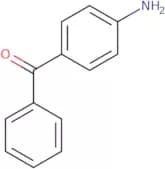
CAS:Please enquire for more information about 3’-beta-Amino-2’,3’-dideoxy-5-fluorouridine including the price, delivery time and more detailed product information at the technical inquiry form on this pagePurezza:Min. 95%4-Aminobenzophenone
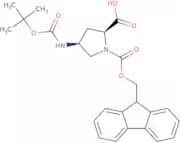
CAS:4-Aminobenzophenone is a molecule that is used in the synthesis of diazonium salts. It has been shown to be an effective UV absorber and light emitter. 4-Aminobenzophenone is also able to coordinate with amine groups and hydrogen bonding, which allow it to form intermolecular bonds with other molecules. 4-Aminobenzophenone can be used in surface methodology as a cavity or as a hole on the surface of a material. 4-Aminobenzophenone has been shown to have an immune reaction when exposed to sunlight and emit light at wavelengths between 300 nm and 400 nm. This compound also reacts with carbonyl groups, which are found in quinoline derivatives, forming hydrogen bonds.Formula:C13H11NOPurezza:Min. 95%Colore e forma:PowderPeso molecolare:197.23 g/molBoc-(2S,4S)-4-amino-1-Fmoc-pyrrolidine-2-carboxylic acid
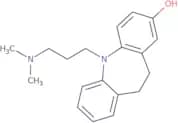
CAS:Useful chiral building blockFormula:C25H28N2O6Purezza:Min. 95%Peso molecolare:452.5 g/mol2-Hydroxy imipramine
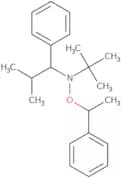
CAS:2-Hydroxy imipramine is a metabolite of imipramine, which is an antidepressant drug that belongs to the tricyclic antidepressant class. It is formed through enzyme hydrolysis by liver microsomes and monoclonal antibodies. 2-Hydroxy imipramine has been shown to have an affinity for the norepinephrine transporter in rat heart cells and human liver cells. The metabolism of 2-hydroxy imipramine can be inhibited by drugs such as chlorpromazine and fluoxetine, which induce hepatic enzymes responsible for the metabolic transformation of this drug. 2-Hydroxy imipramine may also have anti-inflammatory effects on cardiac tissue due to its ability to inhibit the activity of cytochrome P450, which are enzymes that metabolize many drugs in humans.Formula:C19H24N2OPurezza:(%) Min. 95%Colore e forma:Brown PowderPeso molecolare:296.41 g/molN-tert-Butyl-N-(2-methyl-1-phenylpropyl)-O-(1-phenylethyl)hydroxylamine
CAS:N-tert-Butyl-N-(2-methyl-1-phenylpropyl)-O-(1-phenylethyl)hydroxylamine is a telechelic metathesis polymer that is soluble in organic solvents. This product has been shown to copolymerize with styrene, which can be used as a monomer. Copolymers of this product are resistant to chemical reactions and metal ion. The reaction time and temperature for this product depends on the nature of the monomers and initiator used. This substance is also able to undergo metathesis reactions, such as those involving silicon.Formula:C22H31NOPurezza:Min. 95%Colore e forma:PowderPeso molecolare:325.49 g/mol2-[(4-Isopropylphenyl)amino]nicotinic acid
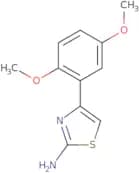
CAS:2-[(4-Isopropylphenyl)amino]nicotinic acid is a fine chemical, useful building block, research chemicals, reagent, speciality chemical and a versatile building block. It is an intermediate in organic synthesis and can be used to form many types of compounds. This compound also has many applications in the field of chemistry including use as a reaction component or as a scaffold. 2-[(4-Isopropylphenyl)amino]nicotinic acid is used in the production of pharmaceuticals, pesticides and other industrial chemicals.Formula:C15H16N2O2Purezza:Min. 95%Colore e forma:Yellow PowderPeso molecolare:256.3 g/mol4-(2,5-Dimethoxyphenyl)-1,3-thiazol-2-amine
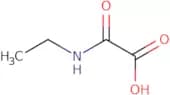
CAS:Please enquire for more information about 4-(2,5-Dimethoxyphenyl)-1,3-thiazol-2-amine including the price, delivery time and more detailed product information at the technical inquiry form on this pageFormula:C11H12N2O2SPurezza:Min. 95%Peso molecolare:236.29 g/mol(Ethylamino)(oxo)acetic acid
CAS:(Ethylamino)(oxo)acetic acid is a low molecular weight compound that is found in many sources, including plants and animals. It has been shown to inhibit the growth of bacteria such as escherichia coli and azelaic acid, although it is not active against mycobacteria. This molecule has also been shown to be potent in inhibiting the activity of dehydrogenase enzymes. The molecular weight of this compound is unknown, but it has been determined that it contains one carboxylic group, two amide groups, and one amino group.Formula:C4H7NO3Purezza:Min. 95%Colore e forma:PowderPeso molecolare:117.1 g/molNiclosamide ethanolamine salt
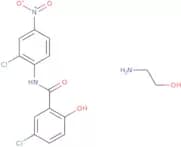
CAS:Chemically a chlorinated salicylanilide, niclosamide is clinically used as an anthelmintic agent. The action of niclosamide has been proven to proceed by inhibiting the STAT3 signaling pathway. Recently, niclosamide, has been considered as an antiproliferative agent in cancer treatment, e.g. melanoma and colorectal cancer. In 2021, niclosamide has been tested for the treatment of COVID-19 patients.Formula:C15H15Cl2N3O5Colore e forma:PowderPeso molecolare:388.2 g/mol




![4-(2- fluorophenyl)-6,8-dihydro-1,3,8-trimethyl-Pyrazolo[3,4-e][1,4]diazepin-7(1H)-one mixt. with …](/_next/image/?url=https%3A%2Fstatic.cymitquimica.com%2Fproducts%2F3D%2Fthumb-webp%2FFF104101.webp&w=3840&q=75)

![[1-(Methoxymethyl)cyclopropyl]amine hydrochloride](/_next/image/?url=https%3A%2Fstatic.cymitquimica.com%2Fproducts%2F3D%2Fthumb-webp%2FFM129588.webp&w=3840&q=75)
![2-[(4-Isopropylphenyl)amino]nicotinic acid](/_next/image/?url=https%3A%2Fstatic.cymitquimica.com%2Fproducts%2F3D%2Fthumb-webp%2FFI136104.webp&w=3840&q=75)