Ammine
Le ammine sono un insieme di molecole contenenti un gruppo funzionale amminico (derivato dall'ammoniaca). Questa categoria include ammine a qualsiasi livello di sostituzione: primarie, secondarie, terziarie e sali di ammonio. Le ammine sono fondamentali nella sintesi organica e sono ampiamente utilizzate in prodotti farmaceutici, agrochimici e scienze dei materiali. Da CymitQuimica, offriamo una selezione completa di ammine per soddisfare le tue esigenze di ricerca e industriali. La nostra gamma garantisce l'accesso a diverse ammine per vari processi chimici e ricerche innovative.
Sottocategorie di "Ammine"
- Nitrosamine(2.605 prodotti)
- Ammine primarie(30.947 prodotti)
- Cationi di ammonio quaternario(1.099 prodotti)
- Ammine secondarie(20.886 prodotti)
- Ammine terziarie(17.193 prodotti)
Trovati 8780 prodotti di "Ammine"
Ordinare per
Purezza (%)
0
100
|
0
|
50
|
90
|
95
|
100
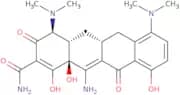
12-Amino minocycline
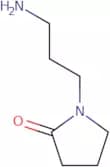
CAS:<p>Please enquire for more information about 12-Amino minocycline including the price, delivery time and more detailed product information at the technical inquiry form on this page</p>Formula:C23H28N4O6Purezza:90% MinPeso molecolare:456.49 g/mol1-(3-Aminopropyl)-2-pyrrolidinone
CAS:<p>1-(3-Aminopropyl)-2-pyrrolidinone is a chemical compound that has been used as a chemotherapeutic treatment for heart disease and polyamine oxidase deficiency. The compound has also been shown to have a direct effect on the synthesis of fatty acids in the body, which may lead to the development of new treatments for diabetes. 1-(3-Aminopropyl)-2-pyrrolidinone can be formulated into conjugates with other molecules, such as chloride ions or fatty acids, in order to target specific cells or tissues. This method of delivery is efficient and has been shown to be able to cross the blood-brain barrier. 1-(3-Aminopropyl)-2-pyrrolidinone is an amino acid derivative that contains an aminoguanidine functional group. Aminoguanidine inhibits polyamine oxidase activity in vitro by reacting with the carbonyl group at position C</p>Formula:C7H14N2OPurezza:Min. 95%Colore e forma:Colorless Clear LiquidPeso molecolare:142.2 g/molBoc-N-Methyl-γ-aMinobutyric acid
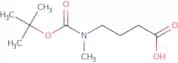
CAS:Please enquire for more information about Boc-N-Methyl-gaMMa-aMinobutyric acid including the price, delivery time and more detailed product information at the technical inquiry form on this pageFormula:C10H19NO4Purezza:Min. 95%Peso molecolare:217.26 g/mol4-Amino-3-hydroxypyridine
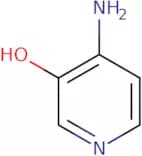
CAS:<p>4-Amino-3-hydroxypyridine is a cholinergic drug that has a dose-proportional profile. This drug has been shown to be clinically relevant in humans, and the clinical studies have demonstrated a clear pharmacokinetic profile. 4-Amino-3-hydroxypyridine is metabolized by carbamic acid to form an active metabolite, which binds acetylcholine receptors on cells. This binding results in increased levels of acetylcholine, which can lead to muscle contraction. The drug also inhibits plasma concentrations of other drugs such as warfarin and phenytoin, which may lead to adverse effects or reduced therapeutic efficacy. 4-Amino-3-hydroxypyridine also has functional groups that make it soluble in water and able to cross the blood–brain barrier. In cell culture experiments, 4-amino-3-hydroxypyridine inhibited the growth of rat striatal neurons.</p>Formula:C5H6N2OPurezza:Min. 95%Colore e forma:Off-White PowderPeso molecolare:110.11 g/molN-(Fmoc-5-amino-3-oxa-pentyl)succinamic acid
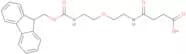
CAS:<p>N-(Fmoc-5-amino-3-oxa-pentyl)succinamic acid is a high quality chemical that is used as an intermediate in the production of pharmaceuticals and other fine chemicals. It is also a reagent for use in peptide synthesis. N-(Fmoc-5-amino-3-oxa-pentyl)succinamic acid has a CAS No. 669073-62-5 and can be used as a useful scaffold for the production of complex compounds. This compound is also useful for research purposes, due to its versatility as a building block with speciality chemical applications.</p>Formula:C23H26N2O6Purezza:Min. 95%Peso molecolare:426.46 g/mol2-Amino-5,6-dihydro-4H-benzothiazol-7-one
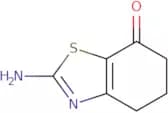
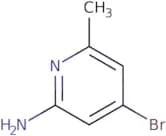
CAS:<p>2-Amino-5,6-dihydro-4H-benzothiazol-7-one is a thiourea that is used as a reactant in the synthesis of brominated compounds. It reacts with ethanol to form 2,5,6-triaminopyrimidine and hydrogen bromide. This reaction occurs in the presence of acid such as hydrochloric acid or acetic acid. The reflux reaction is commonly conducted at elevated temperatures and pressures.</p>Purezza:Min. 95%4-Bromo-6-methyl-2-pyridinamine
CAS:<p>4-Bromo-6-methyl-2-pyridinamine is a small molecule that binds to the bromodomain of the human protein BRD4. This binding inhibits the interaction between BRD4 and acetylated lysine residues on histones, thereby inhibiting transcriptional activation. 4-Bromo-6-methyl-2-pyridinamine has been shown to be a potent inhibitor of the activity of BRD4, which may be due to its chemical stability and ability to inhibit protein synthesis. The compound's potency in inhibition assays and its lack of biochemical toxicity make it an attractive lead compound for further study.</p>Formula:C6H7BrN2Purezza:Min. 95%Peso molecolare:187.04 g/molAmmonium isothiocyanate
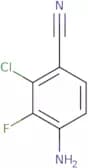
CAS:Ammonium thiocyanate is a natural compound that is found in the blood of humans and animals. It binds to an antigen-binding molecule and has been shown to be effective against infectious diseases. Ammonium thiocyanate is toxic, so it should only be administered as a last resort for treatment. The toxicity of ammonium thiocyanate can be reduced by complexing with copper chloride or zirconium oxide. Ammonium thiocyanate has also been shown to have high redox potentials, which are indicative of its ability to donate electrons. These properties make ammonium thiocyanate an ideal candidate for use in electrochemical impedance spectroscopy experiments.Formula:CH4N2SPurezza:Min. 95%Colore e forma:PowderPeso molecolare:76.12 g/mol4-Amino-2-chloro-3-fluorobenzonitrile
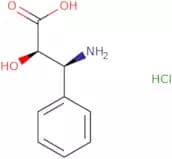
CAS:Please enquire for more information about 4-Amino-2-chloro-3-fluorobenzonitrile including the price, delivery time and more detailed product information at the technical inquiry form on this pageFormula:C7H4ClFN2Purezza:Min. 95%Peso molecolare:170.57 g/mol(2R,3S)-3-Amino-2-hydroxy-3-phenylpropanoic acid hydrochloride
CAS:<p>(2R,3S)-3-Amino-2-hydroxy-3-phenylpropanoic acid hydrochloride is an organic compound that is used in the manufacture of taxol, an anticancer drug. It is synthesized by reacting chloroacetic acid with a metal hydroxide, such as sodium hydroxide or potassium hydroxide. The reaction proceeds spontaneously to form the enantiomerically pure (2R,3S) form and unreacted (2S,3R) form. The (2R,3S) enantiomer has been found to be more reactive than the (2S,3R) form. Quaternary ammonium salts are formed when the (2R,3S) enantiomer reacts with quaternary ammonium compounds such as benzyltrimethylammonium chloride. This compound can also be used in catalytic reactions to produce drugs such as carbapenems and pen</p>Formula:C9H12ClNO3Purezza:Min. 95%Peso molecolare:217.65 g/mol2-Methyl-2H-indazol-5-ylamine
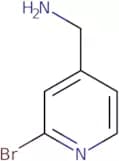
CAS:<p>Please enquire for more information about 2-Methyl-2H-indazol-5-ylamine including the price, delivery time and more detailed product information at the technical inquiry form on this page</p>Formula:C8H9N3Purezza:Min. 95%Peso molecolare:147.18 g/mol(2-Bromopyridin-4-yl)methanamine
CAS:Please enquire for more information about (2-Bromopyridin-4-yl)methanamine including the price, delivery time and more detailed product information at the technical inquiry form on this pagePurezza:Min. 95%DABCYL-(Asn670,Leu671)-Amyloid b/A4 Protein Precursor770 (661-675)-EDANS ammonium salt
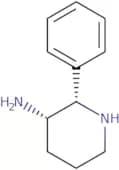
CAS:<p>Please enquire for more information about DABCYL-(Asn670,Leu671)-Amyloid b/A4 Protein Precursor770 (661-675)-EDANS ammonium salt including the price, delivery time and more detailed product information at the technical inquiry form on this page</p>Formula:C103H146N22O32SPurezza:Min. 95%Peso molecolare:2,236.46 g/mol(2S,3S)-(-)-3-Amino-2-phenylpiperidine
CAS:The process of asymmetric epoxidation is used to convert alkenes into epoxides in a single step. This reaction is catalyzed by the use of a chiral catalyst with an enantiomeric excess (ee) greater than 50%. The reactants are added to the catalyst and hydrogen peroxide, which oxidizes the alkenes. The resulting epoxides can be isolated from the reaction mixture by distillation or extraction. Factors that affect this reaction include the type of reactant, solvent, temperature, and pressure.Formula:C11H16N2Purezza:Min. 95%Peso molecolare:176.26 g/mol(R,S)-α-Amino-3-hydroxy-5-methyl-4-isoxazolepropionic acid hydrobromide
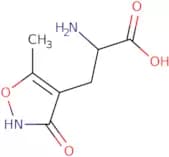
CAS:<p>(R,S)-AMPA is a synthetic analog of the excitatory neurotransmitter glutamate, specifically designed to activate AMPA receptors, a subtype of ionotropic glutamate receptors. These receptors are pivotal in mediating fast synaptic transmission in the central nervous system. (R,S)-AMPA serves as a prototypical agonist for AMPA receptors, facilitating the study of receptor function and synaptic plasticity.</p>Formula:C7H10N2O4•HBrPurezza:Min. 95%Peso molecolare:267.08 g/molMethyl 2-amino-5-methylbenzoate
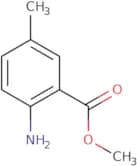
CAS:<p>Methyl 2-amino-5-methylbenzoate is a chemical substance that is a precursor for the synthesis of picolinic acid. It also has an antitumor activity against various cancer cell lines and microcapsules. In addition, methyl 2-amino-5-methylbenzoate can be used as a reagent in the preparation of amines and sample preparation. The chemical reactions of methyl 2-amino-5-methylbenzoate are catalyzed by hydrochloric acid and sulfamoyl chloride. This chemical substance reacts with carbonyl groups to form nitro compounds.</p>Formula:C9H11NO2Purezza:Min. 95%Peso molecolare:165.19 g/mol2-Bromoethylamine hydrobromide
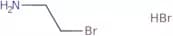
CAS:<p>2-Bromoethylamine HBr is a nonsteroidal anti-inflammatory drug that is used to treat inflammation and pain. It is a prodrug that is hydrolyzed in vivo to its active form, 2-bromoethylamine. The bound form of this drug has been shown to inhibit the development of cell nuclei in the nucleus of cells. This drug also inhibits the production of nitric oxide, which leads to cell death by necrosis. 2-Bromoethylamine HBr has been shown to have an inhibitory effect on the activity of glycol ethers, which are used as solvents for resins in coatings and adhesives. It also has the ability to form body tissue (e.g., papillary) and can be used as an experimental model for studying necrosis.</p>Formula:C2H6BrN•HBrPurezza:Min. 95%Colore e forma:White PowderPeso molecolare:204.89 g/molCaerulein triammonium
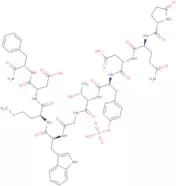
CAS:<p>Caerulein is a hormone that has been shown to have cardiotoxic effects. It is a potent agent that stimulates the release of pancreatic enzymes and causes an increase in the concentration of glucose in blood plasma. Caerulein ammonium salt is used as a pharmacological agent for the treatment of acute pancreatitis and other inflammatory diseases, such as myocardial infarct and infectious diseases. The compound has also been shown to be effective in experimental models of infectious diseases, such as acute pancreatitis.</p>Formula:C58H73N13O21S2•(H3N)3Purezza:Min. 95%Colore e forma:PowderPeso molecolare:1,403.5 g/mol2-Amino-5-fluorobenzonitrile
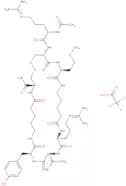
CAS:2-Amino-5-fluorobenzonitrile is a molecule that belongs to the class of amines. The vibrational spectroscopies and diffraction experiments show that this molecule has a strong dipole moment, which is due to the carbamic acid group. 2-Amino-5-fluorobenzonitrile has been shown to be chiral, which means it can exist in two different forms, one with a left and one with a right orientation of the atoms. This molecule can be used as an analyte for thermodynamic measurements and can be used as a reagent in organic synthesis reactions. It also has functional groups that are useful for vibrational spectroscopies.Formula:C7H5FN2Purezza:Min. 95%Colore e forma:PowderPeso molecolare:136.13 g/molAc-Arg-Cys-Met-5-aminopentanoyl-Arg-Val-Tyr-5-aminopentanoyl-Cys-NH2 trifluoroacetate salt (Disulfide bond)
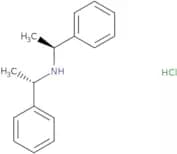
CAS:<p>Please enquire for more information about Ac-Arg-Cys-Met-5-aminopentanoyl-Arg-Val-Tyr-5-aminopentanoyl-Cys-NH2 trifluoroacetate salt (Disulfide bond) including the price, delivery time and more detailed product information at the technical inquiry form on this page</p>Formula:C49H82N16O11S3Purezza:Min. 95%Peso molecolare:1,167.47 g/mol(S,S)-(-)-Bis(a-methylbenzyl)amine Hcl
CAS:<p>Please enquire for more information about (S,S)-(-)-Bis(a-methylbenzyl)amine Hcl including the price, delivery time and more detailed product information at the technical inquiry form on this page</p>Formula:C16H19N·HClPurezza:Min. 95%Peso molecolare:261.79 g/molDABCYL-(Asn670,Leu671)-Amyloid b/A4 Protein Precursor770 (667-675)-EDANS ammonium salt
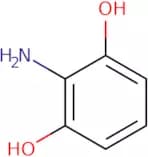
CAS:<p>Please enquire for more information about DABCYL-(Asn670,Leu671)-Amyloid b/A4 Protein Precursor770 (667-675)-EDANS ammonium salt including the price, delivery time and more detailed product information at the technical inquiry form on this page</p>Formula:C71H91N15O21SPurezza:Min. 95%Peso molecolare:1,522.64 g/mol2-Aminoresorcinol
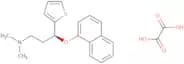
CAS:<p>2-Aminoresorcinol is a synthetic chemical compound that inhibits the reaction of amines with chlorine atoms. It is used as an intermediate in the production of resorcinol and 2-aminophenol. The reaction mechanism involves the formation of a chloramine (chlorine atom attached to an amine) which, in turn, reacts with malonic acid to produce an intermediate that undergoes intramolecular hydrogen transfer. This reaction results in the formation of a chloroform molecule. A second step involves hydroxylation by hydrochloric acid, which leads to the formation of chloral hydrate. In this way, 2-aminoresorcinol can be used for the synthesis of both resorcinol and 2-aminophenol. 2-Aminoresorcinol is also known for its inhibitory effects on certain reactions involving amines and sulfur compounds such as thiourea and carbonyl compounds such as malonic acid.</p>Formula:C6H7NO2Purezza:Min. 95%Colore e forma:White To Dark Brown SolidPeso molecolare:125.13 g/molS-(+)-N,N-Dimethyl-3-(1-naphthalenyloxy)-3-(2-thienyl)-1-propanamine oxalate
CAS:<p>Please enquire for more information about S-(+)-N,N-Dimethyl-3-(1-naphthalenyloxy)-3-(2-thienyl)-1-propanamine oxalate including the price, delivery time and more detailed product information at the technical inquiry form on this page</p>Purezza:Min. 95%Ammonium molybdate tetrahydrate - ACS
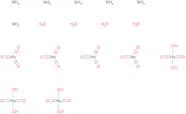
CAS:<p>Ammonium molybdate tetrahydrate (AMT) is a molybdenum compound with the chemical formula (NH4)6Mo7O24·4H2O. It is a yellow crystalline solid that is soluble in water and n-hexane. AMT has been clinically used for the treatment of Wilson's disease, an inherited disorder that causes copper to accumulate in the body. AMT binds to copper ions and prevents them from being absorbed into the bloodstream. The rate of ATP production increases when AMT is added to cells, which may be due to its effect on electron transport or because it inhibits ATPase activity.</p>Formula:(NH4)6Mo7O24•(H2O)4Purezza:Min. 95%Colore e forma:White Clear LiquidPeso molecolare:1,236 g/molN-(tert-Butyloxycarbonyl)-8-amino-3,6-dioxaoctanoic acid
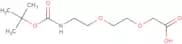
CAS:<p>N-(tert-Butyloxycarbonyl)-8-amino-3,6-dioxaoctanoic acid is a potential drug for hypercholesterolemia. It has been shown to lower LDL cholesterol and triglycerides levels in monkeys. The compound is orally bioavailable and can be taken orally. This drug also has the potential to be developed as a PCSK9 (proprotein convertase subtilisin/kexin type 9) inhibitor.</p>Formula:C11H21NO6Purezza:Min. 95%Colore e forma:Clear LiquidPeso molecolare:263.29 g/mol4-(Phenylazo)diphenylamine
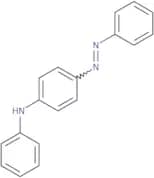
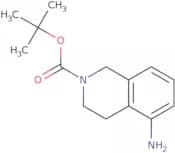
CAS:4-(Phenylazo)diphenylamine is a phenylazodiphenyl amine that is soluble in nonpolar solvents. It has been used as a dye for the detection of heavy metals, such as mercury and lead. This compound can be synthesized by trimerization of nitrobenzene with ammonia and phenol in acidic conditions. 4-(Phenylazo)diphenylamine has been used for the detection of chloride ions, boron nitride, or other impurities in pharmaceutical products due to its high sensitivity.Formula:C18H15N3Purezza:Min. 95%Peso molecolare:273.33 g/mol5-Amino-2-tert-butoxycarbonyl-1,2,3,4-tetrahydroisoquinoline
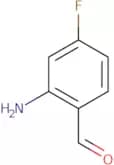
CAS:<p>Please enquire for more information about 5-Amino-2-tert-butoxycarbonyl-1,2,3,4-tetrahydroisoquinoline including the price, delivery time and more detailed product information at the technical inquiry form on this page</p>Formula:C14H20N2O2Purezza:Min. 95%Peso molecolare:248.32 g/mol2-Amino-4-fluorobenzaldehyde
CAS:<p>2-Amino-4-fluorobenzaldehyde is a plant growth regulator that has been shown to be effective at increasing the yield of flowers and fruit crops. It is used as an intermediate in the synthesis of agrochemicals, such as 2-aminobenzaldehyde and anthranilic acid. The biosynthesis of 2-amino-4-fluorobenzaldehyde starts from methanol and intermediates such as anthranilic acid, aminoaldehydes, or alcohols. It can also be produced by oxidative coupling of 2-aminobenzaldehyde with phenylacetone in the presence of sodium hydroxide. 2-Amino-4-fluorobenzaldehyde has been shown to be more efficient than other plant growth regulators such as robinia or aminocyclopentane carboxylic acid (ACC).</p>Formula:C7H6FNOPurezza:Min. 95%Colore e forma:SolidPeso molecolare:139.13 g/mol4-[4-(4-Methyloxy-phenyl)-piperazin-1-yl]-phenylamine
CAS:<p>4-Methyloxy-phenyl)-piperazin-1-yl]-phenylamine is an organic compound that has a reactive silicon group. It contains two phenyl groups, one of which is attached to the silicon. This compound exhibits phase equilibrium in water and can be used as a monomer for fabricating inorganic materials with orderly patterns, such as glass and metal oxides. This product also has impurities and can be grown at different rates depending on the conditions, such as temperature. The optical properties of 4-methyloxy-phenyl)-piperazin-1-yl]-phenylamine are dependent on its environment and it has been shown to have exothermic properties when reacting with iron powder.</p>Formula:C17H21N3OPurezza:Min. 95%Peso molecolare:283.37 g/molFmoc-4-(neopentyloxysulfonyl)-Abu-OH (S)-2-(Fmoc-amino)-4-neopentyloxysulfonyl-butyric acid
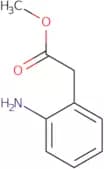
CAS:<p>Please enquire for more information about Fmoc-4-(neopentyloxysulfonyl)-Abu-OH (S)-2-(Fmoc-amino)-4-neopentyloxysulfonyl-butyric acid including the price, delivery time and more detailed product information at the technical inquiry form on this page</p>Formula:C24H29NO7SPurezza:Min. 95%Peso molecolare:475.56 g/molMethyl 2-(2-aminophenyl)acetate
CAS:<p>Methyl 2-(2-aminophenyl)acetate is a synthetic compound that can be activated with nanomolar concentrations of cyanide. It is a potent cytotoxic agent that exhibits minimal activity in the presence of cells. Methyl 2-(2-aminophenyl)acetate has shown to have antiviral and antitumor properties, as well as potential use in cancer therapy. Methyl 2-(2-aminophenyl)acetate is synthesized by reacting an aldehyde group with a primary amine to produce an amide bond. This reaction also produces a linker molecule, which can be used for immobilization. Immobilization occurs when the chemical is bound to an insoluble support or carrier, such as silica gel or glass beads. Immobilization can increase the stability of the reactant, decrease its rate of degradation, and facilitate separation from unreacted components.</p>Formula:C9H11NO2Purezza:Min. 95%Peso molecolare:165.19 g/mol(2S)-2-Amino-4-methyl-1-[(2R)-2-methyloxiranyl]-1-pentanone trifluoroacetate
CAS:Prodotto controllato<p>Please enquire for more information about (2S)-2-Amino-4-methyl-1-[(2R)-2-methyloxiranyl]-1-pentanone trifluoroacetate including the price, delivery time and more detailed product information at the technical inquiry form on this page</p>Formula:C9H17NO2•C2HF3O2Purezza:Min. 95%Colore e forma:PowderPeso molecolare:285.26 g/mol4-Amino-2-methylbenzoic acid
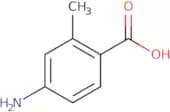
CAS:4-Amino-2-methylbenzoic acid is a low molecular weight compound that has been shown to inhibit the neuraminidase enzyme. It interacts with the imine group of the enzyme and forms a covalent bond, which prevents the release of sialic acid from the terminal sugar residue of glycoproteins. The inhibition of this enzyme leads to decreased bacterial growth. 4-Amino-2-methylbenzoic acid has been shown to be active against Gram positive bacteria such as Staphylococcus aureus and Streptococcus pneumoniae, but not against Gram negative bacteria such as Escherichia coli or Pseudomonas aeruginosa. This compound is also able to inhibit the synthesis of c-reactive protein (CRP) in human erythrocytes.Formula:C8H9NO2Purezza:Min. 95%Colore e forma:PowderPeso molecolare:151.16 g/mol(Nle 35)-Amyloid b-Protein (1-42) ammonium salt
CAS:<p>Please enquire for more information about (Nle 35)-Amyloid b-Protein (1-42) ammonium salt including the price, delivery time and more detailed product information at the technical inquiry form on this page</p>Formula:C204H313N55O60Purezza:Min. 95%Peso molecolare:4,496 g/mol(1R,3S)-3-Aminocyclopentanol hydrochloride
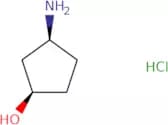
CAS:<p>Intermediate in the synthesis of bictegravir</p>Formula:C5H12ClNOPurezza:Min. 95%Peso molecolare:137.61 g/molBiotinyl-Amyloid b-Protein (1-42) ammonium salt
CAS:<p>Please enquire for more information about Biotinyl-Amyloid b-Protein (1-42) ammonium salt including the price, delivery time and more detailed product information at the technical inquiry form on this page</p>Formula:C213H325N57O62S2Purezza:Min. 95%Peso molecolare:4,740.34 g/molLys(Dabsyl)-(Asn670,Leu671)-Amyloid beta/A4 Protein Precursor770 (667-676)-Gln-Lucifer Yellow ammonium salt
CAS:<p>Please enquire for more information about Lys(Dabsyl)-(Asn670,Leu671)-Amyloid beta/A4 Protein Precursor770 (667-676)-Gln-Lucifer Yellow ammonium salt including the price, delivery time and more detailed product information at the technical inquiry form on this page</p>Formula:C89H122N24O31S3Purezza:Min. 95%Peso molecolare:2,120.26 g/molAzido-PEG2-amine
CAS:<p>Azido-PEG2-amine is a PEG compound with two different functional groups (also known as heterobifunctional). Unlike homobifunctional PEG compounds (same functional group on both ends), this type of compounds are more versatile as have two different anchor points. Azido-PEG2-amine is used as a linker and spacer to add a PEG moiety, via pegylation (a bioconjugation technique) to proteins, peptides, oligonucleotides, small molecules and nanoparticles.</p>Formula:C6H14N4O2Purezza:Min. 95%Colore e forma:Clear LiquidPeso molecolare:174.2 g/mol(Cys2)-Neuropeptide Y (1-4)-8-aminooctanoyl-(D-Cys27)-Neuropeptide Y (25-32) trifluoroacetate salt
CAS:<p>Please enquire for more information about (Cys2)-Neuropeptide Y (1-4)-8-aminooctanoyl-(D-Cys27)-Neuropeptide Y (25-32) trifluoroacetate salt including the price, delivery time and more detailed product information at the technical inquiry form on this page</p>Formula:C96H158N32O23S2Purezza:Min. 95%Peso molecolare:2,192.62 g/molRR,R)-(-)-N,N'-bis(3,5-di-tert-butylsalicylidene)-1,2-cyclohexanediamine
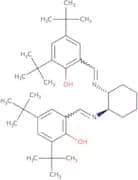
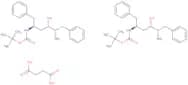
CAS:<p>RR,R)-(-)-N,N'-bis(3,5-di-tert-butylsalicylidene)-1,2-cyclohexanediamine is a coordination compound that is used as a catalyst in organic chemistry. It has been shown to catalyze the reaction of benzaldehyde with nitroethane to give phenylamine. RR,R)-(-)-N,N'-bis(3,5-di-tert-butylsalicylidene)-1,2-cyclohexanediamine also catalyzes the reaction of cyclohexanol with nitroethane to give phenylethylene. The selectivity of this catalyst depends on the site of adsorption and the ligand. This compound has been shown to be electrocatalytic by promoting the oxidation of anilines at a platinum electrode in water solution with an applied potential.</p>Formula:C36H54N2O2Purezza:Min. 95%Peso molecolare:546.83 g/mol(2S,3S,5S)-5-tert-Butyloxycarbonylamino-2-amino-3-hydroxy-1,6-diphenylhexane succinate
CAS:<p>Please enquire for more information about (2S,3S,5S)-5-tert-Butyloxycarbonylamino-2-amino-3-hydroxy-1,6-diphenylhexane succinate including the price, delivery time and more detailed product information at the technical inquiry form on this page</p>Formula:(C23H32N2O3)2•C4H6O4Purezza:Min. 95%Peso molecolare:887.11 g/molN,N'-Dibenzylethylenediamine diacetate
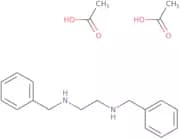
CAS:Prodotto controllato<p>N,N'-Dibenzylethylenediamine diacetate is a diagnostic agent that is used to detect penicillin in blood samples. It reacts with the drug by forming a red-colored product, which can be detected with an ultraviolet light. This reaction is inhibited by cefapirin sodium and benzathine. The detection of penicillin in maternal blood has been shown to be significantly higher during the first trimester of pregnancy than during any other time period. Penicillin has also been shown to be effective against syphilis and streptococcal pharyngitis (strep throat), although it is not recommended for treatment trials because of its tendency to cause allergic reactions.</p>Formula:C16H20N2•(C2H4O2)2Purezza:Min. 95%Peso molecolare:360.45 g/molTCO-amine hydrochloride
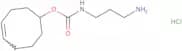
CAS:Please enquire for more information about TCO-amine hydrochloride including the price, delivery time and more detailed product information at the technical inquiry form on this pageFormula:C12H22N2O2•HClPurezza:Min. 95%Colore e forma:PowderPeso molecolare:262.78 g/molO-(2-Aminoethyl)-O’-(2-azidoethyl)triethylene glycol
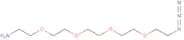
CAS:<p>O-(2-Aminoethyl)-O’-(2-azidoethyl)triethylene glycol is a programmed cell death inducer that belongs to the family of adp-ribose signaling molecules. It is active in inducing apoptosis and cellular death in both cancer cells and noncancerous cells. This molecule has been shown to be cytotoxic against breast cancer cells from MDA-MB-231 cell lines and also induces apoptosis in these cells.</p>Formula:C10H22N4O4Purezza:Min. 96%Colore e forma:Colorless Slightly Yellow Clear LiquidPeso molecolare:262.31 g/mol4-(2',4'-Dimethoxyphenyl-Fmoc-aminomethyl)-phenoxymethyl-polystyrene resin (200-400 mesh)
<p>Please enquire for more information about 4-(2',4'-Dimethoxyphenyl-Fmoc-aminomethyl)-phenoxymethyl-polystyrene resin (200-400 mesh) including the price, delivery time and more detailed product information at the technical inquiry form on this page</p>Purezza:Min. 95%N-alpha-Boc-Nbeta-1-(4,4-dimethyl-2,6-dioxocyclohex-1-ylidene)ethyl-D-2,3-diaminopropionic acid
CAS:<p>Please enquire for more information about N-alpha-Boc-Nbeta-1-(4,4-dimethyl-2,6-dioxocyclohex-1-ylidene)ethyl-D-2,3-diaminopropionic acid including the price, delivery time and more detailed product information at the technical inquiry form on this page</p>Formula:C18H28N2O6Purezza:Min. 95%Peso molecolare:368.42 g/mols-2-(4-Aminobenyl)-diethylenetriamine penta-tert-butyl acetate
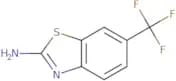
CAS:<p>Please enquire for more information about s-2-(4-Aminobenyl)-diethylenetriamine penta-tert-butyl acetate including the price, delivery time and more detailed product information at the technical inquiry form on this page</p>Purezza:Min. 95%Colore e forma:Clear LiquidPeso molecolare:779.02 g/mol2-Amino-6-(trifluoromethyl)benzothiazole
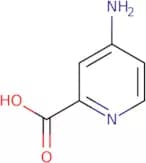
CAS:<p>2-Amino-6-(trifluoromethyl)benzothiazole is a new, optimised insecticide with alkylthio, halogen and alkoxy groups. It is highly toxic to insects and has been shown to be active against various species of Lepidoptera, Coleoptera and Diptera. 2-Amino-6-(trifluoromethyl)benzothiazole is also a broad spectrum contact insecticide that exhibits systemic properties. This insecticide can be used on plants, crops, livestock and pets.</p>Formula:C8H5F3N2SPurezza:Min. 95%Peso molecolare:218.2 g/mol4-Aminopicolinic acid
CAS:<p>4-Aminopicolinic acid is a synthetic amine that has been shown to activate plant science. 4-Aminopicolinic acid is a cyclic peptide with two subunits, one of which is 4-amino-3-pyridinecarboxylic acid. This compound has been synthesized from picolinic acid, an agriculturally important compound that is found in plant and animal tissues. The synthesis of 4-aminopicolinic acid involves the reaction of picolinic acid with nitrous oxide, followed by hydrolysis and oxidation to form the desired product. Hplc analyses have confirmed the presence of picolinic acid in extracts from various plants containing this compound.</p>Formula:C6H6N2O2Purezza:Min. 95%Colore e forma:White To Beige Or Pink To Light Brown SolidPeso molecolare:138.12 g/mol






![4-[4-(4-Methyloxy-phenyl)-piperazin-1-yl]-phenylamine](/_next/image/?url=https%3A%2Fstatic.cymitquimica.com%2Fproducts%2F3D%2Fthumb-webp%2FFM25923.webp&w=3840&q=75)

![(2S)-2-Amino-4-methyl-1-[(2R)-2-methyloxiranyl]-1-pentanone trifluoroacetate](/_next/image/?url=https%3A%2Fstatic.cymitquimica.com%2Fproducts%2F3D%2Fthumb-webp%2FFA100028.webp&w=3840&q=75)