Ciano-, Nitrile-
I composti ciano e nitrile sono molecole organiche che contengono gruppi ciano (C≡N) o nitrile nella loro struttura, caratterizzati dalla presenza di azoto. Questi gruppi svolgono ruoli importanti in varie reazioni chimiche e applicazioni industriali. In questa categoria, troverete un'ampia gamma di composti ciano e nitrile, che vanno da strutture semplici a complesse. Da CymitQuimica, offriamo composti ciano e nitrile di alta qualità adattati per soddisfare le esigenze di ricerca e industriali. I nostri composti sono adatti a una varietà di applicazioni di sintesi e analisi.
Trovati 9618 prodotti di "Ciano-, Nitrile-"
Ordinare per
Purezza (%)
0
100
|
0
|
50
|
90
|
95
|
100
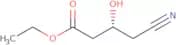
Ethyl (R)-(-)-4-cyano-3-hydroxybutyrate
CAS:<p>Ethyl (R)-(-)-4-cyano-3-hydroxybutyrate is an asymmetric synthesis of D-(+)-glyceraldehyde. This compound is an acidic, high cholesterol substrate that binds to disaccharides and has hydroxyl groups. It has been shown to reduce low density lipoprotein levels in the blood by inhibiting the production of cholesterol in the liver. The reaction solution is immobilized on a solid support and is used for kinetic studies. Kinetic measurements were performed at different concentrations of hydrochloric acid and immobilized cells as a function of time. The reaction yield was determined using UV absorbance at 275 nm, which was plotted against time.</p>Purezza:Min. 95%5-Cyanopyridine-2-carboxylic acid
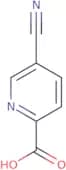
CAS:<p>5-Cyanopyridine-2-carboxylic acid is a small molecule that has been found to have significant biological activity in a number of different areas, including neurotherapeutics. It is the result of a scalable synthesis and is soluble in water. The molecule has two chiral centers and can exist as four different stereoisomers (enantiomers). In vitro studies show that 5-cyanopyridine-2-carboxylic acid inhibits fatty acid uptake by blocking the proton pump, which transports lipids into cells. This compound also binds to the cytosolic protein pyrazine 2-carboxylic acid receptor 1 (PYZR1), which may provide an explanation for its effects on fatty acid uptake.</p>Formula:C7H4N2O2Purezza:Min. 95%Peso molecolare:148.12 g/molCyanoguanidine
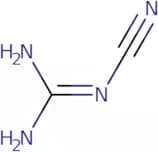
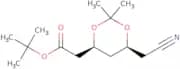
CAS:<p>Cyanoguanidine is an antimicrobial agent that inhibits the growth of bacteria by interfering with the synthesis of folic acid. This inhibits the production of DNA and protein, thereby leading to cell death. Cyanoguanidine has been shown to be effective in a model system for blood sampling and has been used as a pharmacological treatment for infectious diseases such as malaria. The optimum concentration for cyanoguanidine is between 5-20 mM, depending on the bacterial species. It can be synthesized from sulfamoyl chloride and dicyandiamide, which are commercially available chemicals. The analytical method for determining the inhibitory effects of cyanoguanidine on bacterial growth is plasma mass spectrometry.</p>Formula:C2H4N4Purezza:Min. 95%Colore e forma:PowderPeso molecolare:84.08 g/mol(4S,6S)-6-(Cyanomethyl)-2,2-dimethyl-1,3-dioxane-4-acetic acid tert-butyl ester
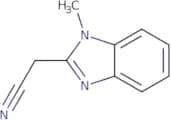
CAS:<p>Please enquire for more information about (4S,6S)-6-(Cyanomethyl)-2,2-dimethyl-1,3-dioxane-4-acetic acid tert-butyl ester including the price, delivery time and more detailed product information at the technical inquiry form on this page</p>Formula:C14H23NO4Purezza:Min. 95%Peso molecolare:269.34 g/mol(1-Methyl-1H-benzoimidazol-2-yl)-acetonitrile
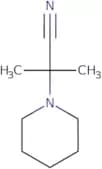
CAS:Prodotto controllato<p>(1-Methyl-1H-benzoimidazol-2-yl)-acetonitrile is a nucleophilic compound that reacts with carbanions to form alkyl benzoates. It can also act as an electrophile in the formation of nitroalkenes and amides, as well as an intermediate in the synthesis of phenazines. The potassium salt of this compound is used as a reagent in organic synthesis. (1-Methyl-1H-benzoimidazol-2-yl)-acetonitrile has been shown to react with methylene and aromatize to produce ethyl cyanoacetate, which can be used for the production of malononitrile. This reaction is catalyzed by potassium carbonate and esters.</p>Formula:C10H9N3Purezza:Min. 95%Peso molecolare:171.2 g/mola,a-Dimethyl-1-piperidineacetonitrile
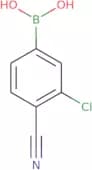
CAS:Prodotto controllato<p>Dimethylcyanamide is an organic compound that can be synthesized from cyanide or cyanic acid. Dimethylcyanamide is a colorless liquid with a strong odor. It has been used in the past as a precursor to other compounds, but it has since been replaced by cheaper and more convenient methods. Dimethylcyanamide reacts with primary amines to form nitriles, which are useful intermediates in organic synthesis. In addition, the reaction of dimethylcyanamide with secondary amines leads to the formation of primary amines. The transamination of dimethylamine-N-oxide yields a-dimethylaminopropionitrile as an intermediate product. The elimination reaction mechanism for this process involves the conversion of ammonia into hydroxide ions and hydrogen gas. This reaction produces high yields for both products and does not require high temperatures or pressures.</p>Formula:C9H16N2Purezza:Min. 95%Peso molecolare:152.24 g/mol3-Chloro-4-cyanophenylboronic acid
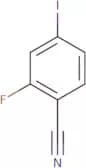
CAS:Prodotto controllato<p>Please enquire for more information about 3-Chloro-4-cyanophenylboronic acid including the price, delivery time and more detailed product information at the technical inquiry form on this page</p>Formula:C7H5BClNO2Purezza:Min. 95%Peso molecolare:181.38 g/mol2-Fluoro-4-iodobenzonitrile
CAS:<p>2-fluoro-4-iodobenzonitrile is a potent inhibitor of the functions of VEGFR receptors. It inhibits the proliferation and migration of cancer cells by binding to VEGFR receptors, which are tyrosine kinases that regulate cell growth and differentiation. 2-Fluoro-4-iodobenzonitrile has been shown to inhibit angiogenesis, or the formation of new blood vessels, in vitro. This drug also has potent inhibitory activity against tumor growth in vivo. Clinical trials have shown that 2-fluoro-4-iodobenzonitrile can be used to treat various types of cancers, including breast cancer and colon cancer.</p>Formula:C7H3FINPurezza:Min. 95%Colore e forma:PowderPeso molecolare:247.01 g/molBromodichloroacetonitrile
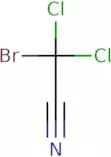
CAS:<p>Bromodichloroacetonitrile (BCN) is a chemical with disinfectant properties. It is used in wastewater treatment, as it is able to destroy bacteria and viruses. BCN also has been shown to be effective against the Covid-19 pandemic. BCN can be used as an analytical reagent for the analysis of chloride ions in deionized water. The carcinogenic potential of BCN in humans is unknown, but it has been shown to cause bladder cancer in rats.</p>Formula:C2BrCl2NPurezza:Min. 95%Colore e forma:Colorless PowderPeso molecolare:188.84 g/molMethyl-2-isocyanoisobutyrate
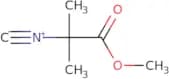
CAS:<p>Please enquire for more information about Methyl-2-isocyanoisobutyrate including the price, delivery time and more detailed product information at the technical inquiry form on this page</p>Formula:C9H9NO2Purezza:Min. 95%Peso molecolare:127.14 g/mol4-Cyano-2-fluorobenzyl bromide
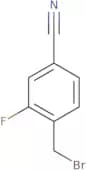
CAS:<p>4-Cyano-2-fluorobenzyl bromide is a methyl ester that can be used as a reagent for the synthesis of chiral α-amino acids. It can also be used as an enantioselective methylating agent for the synthesis of γ-secretase inhibitors. The methodology for the convergent synthesis of this compound includes alkylation with glycine followed by an enantioselective hydrolysis, which results in optically pure 4-cyano-2-fluorobenzyl bromide.</p>Formula:C8H5BrFNPurezza:Min. 95%Colore e forma:PowderPeso molecolare:214.03 g/mol2-Cyanophenothiazine
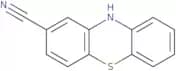
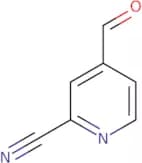
CAS:<p>2-Cyanophenothiazine is an aliphatic hydrocarbon that belongs to the class of industrial chemicals. It is used as a reactant in organic synthesis, such as for the production of 2-cyanophenols and 2-phenylbenzimidazole. This compound can be produced by reacting n-hexane with amide or n-dimethylformamide. 2-Cyanophenothiazine has been shown to have mitochondrial biogenesis effects and increase mitochondrial membrane potential in thp-1 cells. It also has biological properties, such as being anti-inflammatory and having antitumor activity.</p>Formula:C13H8N2SPurezza:Min. 95%Peso molecolare:224.28 g/mol2-Cyanopyridine-4-carboxaldehyde
CAS:<p>Please enquire for more information about 2-Cyanopyridine-4-carboxaldehyde including the price, delivery time and more detailed product information at the technical inquiry form on this page</p>Formula:C7H4N2OPurezza:Min. 95%Peso molecolare:132.12 g/molEthyl (ethoxymethylene) cyanoacetate
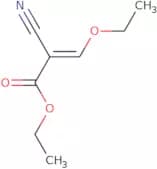
CAS:<p>Ethyl (Ethoxymethylene) cyanoacetate is a chemical compound that belongs to the family of aldehyde compounds. It is a colorless liquid at room temperature, with an odor similar to that of acetic acid. The compound has been used in the synthesis of epidermal growth factor and diazonium salts. It has also been used in the production of anti-cancer drugs such as malonic acid, which inhibits tumor growth by inhibiting protein synthesis. Ethyl (Ethoxymethylene) cyanoacetate reacts with quinoline derivatives to form carbon disulphide, which can be used as an antimicrobial agent and insecticide.</p>Formula:C8H11NO3Purezza:Min. 95%Colore e forma:PowderPeso molecolare:169.18 g/molα-Acetylphenylacetonitrile
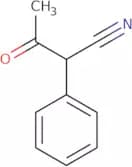
CAS:Prodotto controllato<p>Alpha-acetylphenylacetonitrile is a synthetic chemical compound that is used as a reagent in the analytical methods of wastewater. It has been shown to be an effective bifunctional agent for the treatment of wastewater, with fluorescence properties that can be used for detection and quantification of cyanide. Alpha-acetylphenylacetonitrile can also be used as a reagent in analytical chemistry techniques, such as gas chromatography and high performance liquid chromatography. This chemical compound has been shown to react with naphthalene to form alpha-naphthol by heating at 190 °C, which can then be used to synthesize phenacyl acetate. The acid catalyst may be either sulfuric acid or hydrochloric acid.</p>Formula:C10H9NOPurezza:Min. 95%Peso molecolare:159.18 g/mol(4-Fluoro-3-Nitrophenyl)Acetonitrile
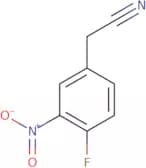
CAS:<p>4-Fluoro-3-nitrophenylacetonitrile is a monomer that can be synthesised from the reaction of carbamic acid and diphenyl ether. It is chiral, stereoselective and nucleophilic. 4-Fluoro-3-nitrophenylacetonitrile can also be synthesised by reacting fluoroacetamide with sodium cyanide in water, forming the corresponding amide, which reacts with acetonitrile to form the nitro compound. The anti-cancer properties of 4-fluoro-3 nitrophenylacetonitrile have been studied in vitro and in vivo. This substance has been shown to inhibit growth of cancer cells and induce apoptosis. In addition, this substance has been used as a synthetic strategy for dihydroisoquinolines, which are important for their anti-cancer properties.</p>Formula:C8H5FN2O2Purezza:Min. 95%Peso molecolare:180.14 g/molD-2-Cyanophenylalanine
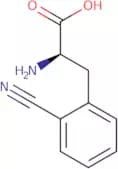
CAS:<p>Please enquire for more information about D-2-Cyanophenylalanine including the price, delivery time and more detailed product information at the technical inquiry form on this page</p>Formula:C10H10N2O2Purezza:Min. 95%Peso molecolare:190.2 g/mol(Triphenylphosphoranylidene)acetonitrile
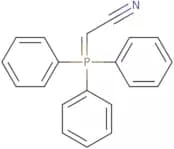
CAS:<p>(Triphenylphosphoranylidene)acetonitrile is a phosphorane that has been shown to have an inhibitory effect on the inflammatory response in animal models of bowel disease. It also has been shown to be effective in treating inflammatory diseases such as arthritis and multiple sclerosis. This drug binds to leukotriene D4, an inflammatory mediator, and inhibits its production by blocking the enzyme 5-lipoxygenase. The compound also has been shown to possess anti-inflammatory properties due to its inhibition of prostaglandin synthesis. (Triphenylphosphoranylidene)acetonitrile is used as a pharmaceutical preparation for the treatment of bowel disease, inflammatory diseases, and other conditions.</p>Formula:C20H16NPPurezza:Min. 95%Peso molecolare:301.32 g/mol3-Cyanoethylbenzoic acid
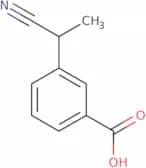
CAS:<p>3-Cyanoethylbenzoic acid is an anthropogenic compound that is produced by the Friedel-Crafts reaction between benzoyl chloride and acrylonitrile in the presence of a base. 3-Cyanoethylbenzoic acid is used as a solvent for chromatographic methods, such as gradient elution, ion exchange, and reversed phase. 3-Cyanoethylbenzoic acid has been used to determine the optical purity of benzoate salts and amides. This compound can be taken orally in solid oral dosage form or enterically in liquid oral dosage form. 3-Cyanoethylbenzoic acid interacts with other drugs that are metabolized by CYP3A4, such as erythromycin, to produce an active metabolite (N-desmethyldesipramide).</p>Formula:C10H9NO2Purezza:Min. 95%Colore e forma:PowderPeso molecolare:175.18 g/mol3-(2-Cyanopropan-2-yl)benzoic acid
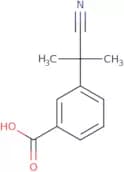
CAS:<p>Please enquire for more information about 3-(2-Cyanopropan-2-yl)benzoic acid including the price, delivery time and more detailed product information at the technical inquiry form on this page</p>Formula:C11H11NO2Purezza:Min. 95%Peso molecolare:189.21 g/mol