Eteri
Trovati 40904 prodotti di "Eteri"
2-[(4-Chlorophenyl)-2-pyridinylmethoxy]-N,N-dimethylethanamine maleate salt
CAS:Prodotto controllato2-[(4-Chlorophenyl)-2-pyridinylmethoxy]-N,N-dimethylethanamine maleate salt (DCLM) is a controlled-release preparation of an antihistamine that is used for the relief of allergic symptoms. It is a prodrug that is hydrolyzed to 2-[(4-chlorophenyl)-2-pyridinylmethoxy]ethanol (DCPEM) in vivo. DCLM has been shown to be effective against viruses and has been found to have receptor activity in human serum. The drug can be administered either orally or by injection. DCLM has also been shown to suppress allergic symptoms in vitro with LC-MS/MS analysis.
Formula:C20H23ClN2O5Purezza:Min. 95%Colore e forma:White To Off-White SolidPeso molecolare:406.86 g/mol3-(1,1,2,2-Tetrafluoroethoxy)phenol
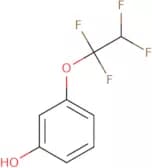
CAS:3-(1,1,2,2-Tetrafluoroethoxy)phenol is a versatile building block that can be used in the synthesis of complex compounds. It is also a reagent and speciality chemical and has CAS No. 53997-99-2. 3-(1,1,2,2-Tetrafluoroethoxy)phenol is a useful building block for organic synthesis and has been used as a reaction component or scaffold.
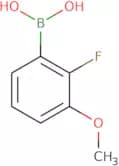
Formula:C8H6F4O2Purezza:Min. 95%Peso molecolare:210.13 g/mol(2-Fluoro-3-methoxyphenyl)boronic acid
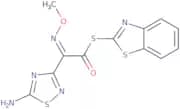
CAS:2-Fluoro-3-methoxyphenylboronic acid is a boronic acid that has been shown to be orally activated. It is a potent inhibitor of the enzyme target, which is involved in the production of estradiol. 2-Fluoro-3-methoxyphenylboronic acid has been found to inhibit cellular growth and induce cancer cell death by targeting estrogen receptor β. This molecule also inhibits the growth factor, leading to inhibition of prostate cancer cells in vitro.Formula:C7H8BFO3Purezza:Min. 95%Colore e forma:White PowderPeso molecolare:169.95 g/molS-2-Benzothiazolyl (Z)-2-(5-amino-1,2,4-thiadiazol-3-yl)-2-methoxyiminothioacetate
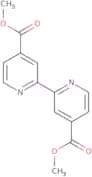
CAS:S-2-Benzothiazolyl (Z)-2-(5-amino-1,2,4-thiadiazol-3-yl)-2-methoxyiminothioacetate is an experimental drug that has been studied in research, solvents and clinical data. It has a strong ability to disrupt the physiology of cells by inhibiting reactions that require S-adenosylmethionine. The reaction time is approximately 10 seconds, and human patients have been used for clinical development and translational research. This reducer is also able to produce high yield with a synthesis time of only 1 hour.Formula:C12H9N5O2S3Purezza:Min. 95%Colore e forma:White PowderPeso molecolare:351.43 g/mol4,4'-Bis(methoxycarbonyl)-2,2'-bipyridine
CAS:4,4'-Bis(methoxycarbonyl)-2,2'-bipyridine is a ligand that can be used in cross-coupling reactions. It has been shown to bind to metal ions and form complexes with the ligands. 4,4'-Bis(methoxycarbonyl)-2,2'-bipyridine has a constant value for maximizing the yield of the reaction and is luminescent. This product also has photophysical properties that allow it to be utilized in voltammetry studies. The transfer of this product can be optimized by using chromophores or catalysis. 4,4'-Bis(methoxycarbonyl)-2,2'-bipyridine provides a means for cross-coupling reactions using electrochemical studies and dichroism.
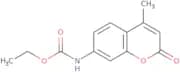
Formula:C14H12N2O4Purezza:Min. 95%Colore e forma:PowderPeso molecolare:272.26 g/mol7-Carbethoxyamino-4-methylcoumarin
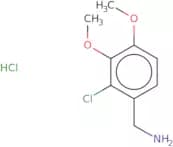
CAS:7-Carbethoxyamido-4-methylcoumarin is a aminocoumarin that exhibits anticancer activity. It is able to inhibit the activity of DPP-IV, an enzyme that degrades insulin in the body. 7-Carbethoxyamido-4-methylcoumarin has been shown to inhibit cancer cells and lung cancer cell lines, as well as breast cancer cells and cells with diabetes. This compound has also been shown to have anticancer activity in vivo in rats.Formula:C13H13NO4Purezza:Min. 90%Colore e forma:PowderPeso molecolare:247.25 g/mol2-Chloro-3,4-dimethoxybenzylamine HCl
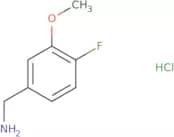
CAS:2-Chloro-3,4-dimethoxybenzylamine HCl is a fine chemical that can be used as a building block to synthesize new compounds. It is also a useful intermediate in the production of pharmaceuticals and other organic chemicals. 2-Chloro-3,4-dimethoxybenzylamine HCl has been used as a reaction component for the synthesis of various complex compounds. This compound has been shown to have high purity and quality.Formula:C9H12ClNO2·HClPurezza:Min. 95%Peso molecolare:238.11 g/mol4-Fluoro-3-methoxybenzylamine hydrochloride
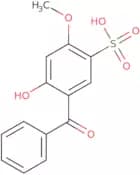
CAS:4-Fluoro-3-methoxybenzylamine hydrochloride is a fine chemical that can be used as a building block in research, as a reagent in the synthesis of complex compounds, and as a versatile scaffold for the synthesis of natural products. This compound is an intermediate for the production of other pharmaceuticals and has been shown to be useful in the production of various drugs. It is also used as a reactant in organic chemistry reactions due to its high quality. 4-Fluoro-3-methoxybenzylamine hydrochloride has CAS No. 869296-41-3 and can be found on the Chemical Abstract Service (CAS) database.Formula:C8H11ClFNOPurezza:Min. 95%Peso molecolare:191.63 g/mol2-Hydroxy-4-methoxybenzophenone-5-sulfonic acid
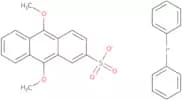
CAS:2-Hydroxy-4-methoxybenzophenone-5-sulfonic acid is a diazonium salt that can be used as a reference standard to measure the microbial metabolism of aromatic compounds. It is stable in air and light, but can undergo photolysis in solution. The monosodium salt form of 2-hydroxy-4-methoxybenzophenone-5-sulfonic acid has been shown to have acute toxicities for fish, rats and rabbits. This compound also has photochemical properties that make it useful for surface methodology, such as determining the degree of hydrophobicity of various types of surfaces. Hydrochloric acid is needed for the preparation of this compound.Formula:C14H12O6SPurezza:Min. 95%Colore e forma:White To Yellow SolidPeso molecolare:308.31 g/molDiphenyliodanium 9,10-dimethoxyanthracene-2-sulfonate
CAS:Diphenyliodanium 9,10-dimethoxyanthracene-2-sulfonate is an organic compound that belongs to the class of vinyl ethers. It can be used as a photosensitive material in photolithography. The mechanism of the photoinduced crosslinking reaction has been studied by mechanistic study and shown to proceed through a Friedel-Crafts type reaction followed by a transfer mechanism. This compound can also be prepared by irradiating an ammonium formate solution with ultraviolet light. Diphenyliodanium 9,10-dimethoxyanthracene-2-sulfonate is soluble in hydroxide solution and reacts with uv irradiation to produce radicals at the carbonyl group.Formula:C28H23IO5SPurezza:Min. 95%Peso molecolare:598.45 g/mol6-Methoxy-1H-indol-5-ol
CAS:6-Methoxy-1H-indol-5-ol, also known as 5-hydroxytryptophan (5HTP) is a natural amino acid that is found in the human body. It is converted into serotonin by the enzyme tryptophan hydroxylase and becomes an intermediate in the metabolic pathway of serotonin (5HT). Serotonin affects mood and behavior and is used to treat depression. 6-Methoxy-1H-indol-5-ol has been shown to be effective in treating depression and obesity. This drug has a number of side effects, including nausea, vomiting, diarrhea, dizziness, anxiety, agitation, headache, insomnia, tachycardia (fast heartbeat), high blood pressure, mania or psychosis.
Formula:C9H9NO2Purezza:Min. 95%Peso molecolare:163.17 g/mol5-Acetoxy-6-methoxyindole
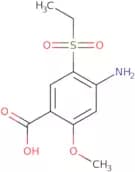
CAS:5-Acetoxy-6-methoxyindole is a fine chemical, useful building block, and research chemical with CAS No. 112919-69-4. It is a versatile building block and reaction component that can be used as a reagent or speciality chemical in the synthesis of other complex compounds. 5-Acetoxy-6-methoxyindole is also used as an intermediate in the synthesis of drugs and pharmaceuticals. This compound has high purity, making it a high quality product with many uses.Formula:C11H11NO3Purezza:Min. 95%Peso molecolare:205.21 g/mol2-Methoxy-4-amino-5-ethylsulfonyl benzoic acid
CAS:2-Methoxy-4-amino-5-ethylsulfonyl benzoic acid is a synthetic chemical that is used in wastewater treatment. It is also used as a precursor for the production of other chemicals, such as thiocyanates, peroxides, and bromoethanes. 2-Methoxy-4-amino-5-ethylsulfonyl benzoic acid can be produced by the reaction of hydrochloric acid with thionyl chloride. It reacts with aluminium to produce an acylation reaction that produces 2,2'-dithiodiethanol (DTE). The DTE can be reacted with an organic compound to produce a variety of products, including salicylic acid or bromoethanes.Formula:C10H13NO5SPurezza:Min. 95%Colore e forma:PowderPeso molecolare:259.28 g/mol2,4,6-Trimethoxybenzoic acid methyl ester
CAS:2,4,6-Trimethoxybenzoic acid methyl ester is a yellow crystalline solid that can be dissolved in acetone, chloroform, ether, and benzene. It has a molecular weight of 164.3 g/mol and its chemical name is 2,4,6-trimethoxybenzoic acid methyl ester. It has a melting point of 144 °C and can be found in the hexanones group. This product is manufactured in Australia and its registry number is 135949-06-8.Formula:C11H14O5Purezza:Min. 95%Peso molecolare:226.23 g/mol3-Ethoxy-4-hydroxyphenylnitroethene
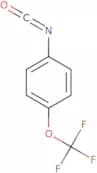
CAS:3-Ethoxy-4-hydroxyphenylnitroethene is a fine chemical with the CAS number 90922-85-3. It is a versatile building block that can be used for research, as a reagent, or as a speciality chemical. This compound has many applications in synthesis due to its high quality and complex nature. It is also an intermediate in the production of other compounds.Formula:C10H11NO4Purezza:Min. 95%Colore e forma:PowderPeso molecolare:209.2 g/mol4-(Trifluoromethoxy)phenyl isocyanate
CAS:4-(Trifluoromethoxy)phenyl isocyanate (4-TFPC) is a potent antagonist of the platelet P2Y12 receptor. It inhibits platelet aggregation and adhesion, as well as prevents the formation of blood clots. 4-TFPC has a low molecular weight and can be administered orally. It also has been shown to increase insulin sensitivity and reduce blood glucose levels in mice with type 2 diabetes. This antiplatelet agent binds to receptors on the surface of platelets, preventing activation. 4-TFPC is also an inhibitor of protein kinase C and phosphodiesterases, which are enzymes that regulate cell signalling pathways. In vitro studies have shown that 4-TFPC inhibits cycloheptyl (CPH)-induced aggregation in human platelets in a dose-dependent manner with an IC50 value of 0.5 μM.END>
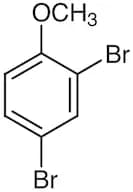
Formula:C8H4F3NO2Purezza:Min. 95%Colore e forma:Colorless Clear LiquidPeso molecolare:203.12 g/mol2,4-Dibromoanisole
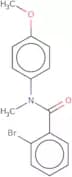
CAS:Formula:C7H6Br2OPurezza:>98.0%(GC)Colore e forma:White to Light yellow to Light red powder to crystalPeso molecolare:265.932-Bromo-N-(4-methoxyphenyl)-N-methylbenzamide
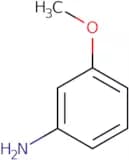
CAS:2-Bromo-N-(4-methoxyphenyl)-N-methylbenzamide is a fine chemical that is used in the synthesis of other chemicals. It is also a reagent and a speciality chemical, which can be used as a reaction component or as an intermediate in the synthesis of other compounds. 2-Bromo-N-(4-methoxyphenyl)-N-methylbenzamide can be used to make a wide variety of compounds, including polymers and pharmaceuticals. This compound has been shown to be useful for the synthesis of polycarbonates, polyurethanes, polyesters, polyamides, and polystyrenes.Formula:C15H14BrNO2Purezza:Min. 95%Peso molecolare:320.18 g/mol3-Methoxybenzenamine
CAS:3-Methoxybenzenamine is a molecule that can be synthesized by an asymmetric reaction. It has carcinogenic potential and is classified as a chemical substance. 3-Methoxybenzenamine reacts with hydrochloric acid to form hydrogen chloride gas and methoxybenzene. The hydroxyl group on the molecule reacts with l-tartaric acid to form an ester, which then undergoes hydrolysis to produce 3-hydroxybutanoic acid. This reaction also produces water, which may result in a decrease of the concentration of the reactants. 3-Methoxybenzenamine can also react with amines to form quaternary ammonium salts, which are highly soluble in water and have a high detection sensitivity.
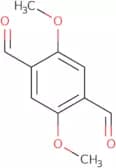
Formula:C7H9NOPurezza:Min. 95%Colore e forma:Clear LiquidPeso molecolare:123.15 g/mol2,5-Dimethoxyterephthalaldehyde
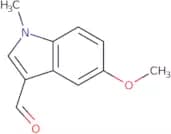
CAS:2,5-Dimethoxyterephthalaldehyde (2,5DMP) is a protonated molecule that can be used in sample preparation for analytical methods. 2,5DMP has been used as a dispersive solid-phase extraction solvent and an adsorbent material. This compound has been shown to exhibit strong hydrophobic interactions with the carbonyl group of aromatic compounds and to have a high chemical stability. 2,5DMP also has an electrochemical impedance spectroscopy (EIS) property that can be used for monitoring the electrochemical behaviour of molecules and magnetic particles in the solution. The EIS property has been enhanced by hydrogen bonding between the protonated molecules and metal ions in the solution.Formula:C10H10O4Purezza:Min. 95%Colore e forma:PowderPeso molecolare:194.18 g/mol5-Methoxy-1-methyl-1H-indole-3-carbaldehyde
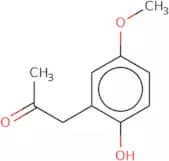
CAS:5-Methoxy-1-methyl-1H-indole-3-carbaldehyde is a synthetic compound that has been shown to inhibit the growth of human tumour cells in vitro. This compound is a regioisomeric mixture of two enantiomers, with the (S) isomer being the more potent inhibitor. The (R) isomer was found to be less active against human tumour cells and may have an antimicrobial activity. 5-Methoxy-1-methyl-1H-indole-3-carbaldehyde has been shown to be bioreductive towards electron donors such as NADPH and glutathione. It also inhibits dt diaphorase and aerobic metabolism in human tumour cells.Formula:C11H11NO2Purezza:Min. 95%Colore e forma:Off-White PowderPeso molecolare:189.21 g/mol(2-Hydroxy-5-methoxyphenyl)acetone
CAS:(2-Hydroxy-5-methoxyphenyl)acetone is a fine chemical that belongs to the group of complex compounds. It can be used as an intermediate for research chemicals, as well as a useful scaffold or building block. This compound can be converted into other useful compounds through reactions with alcohols, amines, or ketones. (2-Hydroxy-5-methoxyphenyl)acetone is also used in the synthesis of speciality chemicals and reaction components for pharmaceuticals.
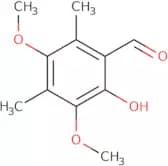
Formula:C10H12O3Purezza:Min. 95%Peso molecolare:180.2 g/mol2-Hydroxy-4,6-dimethoxy-3,5-dimethylbenzaldehyde
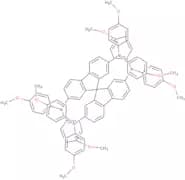
CAS:2-Hydroxy-4,6-dimethoxy-3,5-dimethylbenzaldehyde is a versatile building block that can be used in research chemicals, reagents, and speciality chemicals. It is also a useful building block that can be used as a reaction component or scaffold for high-quality compounds. This chemical has been shown to have antihistamine properties with applications in treatment of allergies and asthma.Formula:C11H14O4Purezza:Min. 95%Colore e forma:PowderPeso molecolare:210.23 g/mol2,2',7,7'-Tetrakis-(N,N-di-4-methoxyphenylamino)-9,9'-spirobifluorene - Sublimed grade
CAS:2,2',7,7'-Tetrakis-(N,N-di-4-methoxyphenylamino)-9,9'-spirobifluorene (TPB) is a model system for investigating the transport of light signal in polymers. TPB can be used as a component in solar cells to increase their efficiency and improve their resistance to heat. TPB has shown high resistance to hydrochloric acid and other aggressive chemicals. TPB has been shown to be an effective photoelectron donor with a redox potential that is close to the one of copper; this property can be used for electrochemical impedance spectroscopy.Formula:C81H68N4O8Purezza:Min. 95%Colore e forma:Off-white to yellow solid.Peso molecolare:1,225.43 g/mol8-Methoxycarbonyloctanol
CAS:8-Methoxycarbonyloctanol (8MCO) is a fatty acid molecule that has been shown to have significant inhibitory activities against Streptococcus pneumoniae in human serum. 8MCO is a synthetic molecule that can be synthesized from galactose and chloride. It has been found to have a molecular weight of 190.08 g/mol, melting point of -2°C, and boiling point of 217°C at 1 mmHg. 8MCO is soluble in water, methanol, and ethanol. This molecule can be used as an analytical tool for the detection of fatty acids by gas chromatography-mass spectrometry (GC-MS). It also exhibits enzymatic activity when incorporated into enzyme preparations such as esterases and lipases. 8MCO contains functional groups such as carbonyl (-CO), hydroxyl (-OH), carboxylic acid (-COOH), ether (-O-) and alcohol (-
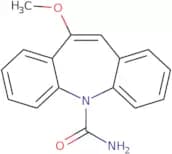
Formula:C10H20O3Purezza:Min. 95%Colore e forma:Clear LiquidPeso molecolare:188.26 g/mol10-Methoxy carbamazepine
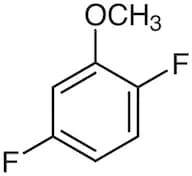
CAS:Prodotto controllato10-Methoxy carbamazepine is a drug that belongs to the group of anticonvulsants. It inhibits neuronal excitability by blocking voltage-sensitive sodium channels, which are membrane channels that allow sodium ions to enter the neuron. 10-Methoxy carbamazepine is used for the treatment of trigeminal neuralgia and other types of pain. The effective dose of 10-methoxy carbamazepine varies from person to person, but it can be measured using blood sampling. 10-Methoxy carbamazepine has an acidic pH and should not be taken with milk or dairy products because this will cause its absorption to be reduced. This drug should not be taken by women who are pregnant or breastfeeding without medical supervision because it can cause injury or death to a developing fetus. 10-Methoxy carbamazepine may also interact with other drugs, including antidepressants, antipsychotics, and antihistamines, which can lead to serious sideFormula:C16H14N2O2Purezza:Min. 95%Colore e forma:PowderPeso molecolare:266.29 g/mol2,5-Difluoroanisole
CAS:Formula:C7H6F2OPurezza:>98.0%(GC)Colore e forma:Colorless to Almost colorless clear liquidPeso molecolare:144.122-[(Acetyloxy)methoxy]ethyl acetate
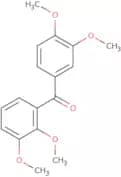
CAS:2-[(Acetyloxy)methoxy]ethyl acetate is a drug that inhibits the enzyme orotidine 5′-monophosphate decarboxylase, which is responsible for the conversion of uridine to orotic acid. This inhibition prevents the synthesis of RNA and DNA and leads to cell death by inhibiting protein synthesis. 2-[(Acetyloxy)methoxy]ethyl acetate has shown tuberculostatic activity in leukemic mice, with an inhibition constant of 3.2 × 10 M. The compound also inhibits diphenolase activity, which is important in the production of uridine phosphorylase, an enzyme that produces uridine from orotic acid. 2-[(Acetyloxy)methoxy]ethyl acetate has been tested for its ability to inhibit herpes simplex virus (HSV) in vitro and in vivo and has been shown to be effective against HSV type 1 and HSVFormula:C7H12O5Purezza:Min. 95%Colore e forma:Colorless Clear LiquidPeso molecolare:176.17 g/mol2,3,3',4'-Tetramethoxybenzophenone
CAS:2,3,3',4'-Tetramethoxybenzophenone is a fine chemical that is used as a versatile building block in the synthesis of various organic compounds. It is used as an intermediate to synthesize other chemicals and research chemicals. 2,3,3',4'-Tetramethoxybenzophenone has a CAS number of 50625-53-1 and can be found in the following chemical names: 2,2-Dimethoxy-2-phenylacetophenone; 2-(2'-Methoxyphenyl)-2-(methoxymethyl) acetophenone; 2,2'-(Phenylenediisopropylidene)bis(p-methoxyphenol); 1-[(2'-Methoxyphenyl)methyl]-1,2-diphenylethane. The compound is soluble in organic solvents but insoluble in water. This fine chemicalFormula:C17H18O5Purezza:Min. 95%Colore e forma:PowderPeso molecolare:302.32 g/mol6-Methoxy-1-methyl-1H-indole-3-carbaldehyde
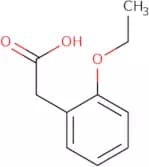
CAS:6-Methoxy-1-methyl-1H-indole-3-carbaldehyde is a high quality chemical that is used as a reagent, complex compound, useful intermediate, and speciality chemical. It is a fine chemical that has been shown to be useful as a building block in the synthesis of many other compounds. 6-Methoxy-1-methyl-1H-indole-3-carbaldehyde is also versatile and can be used in reactions involving nucleophilic substitution, reductive amination, and oxidative coupling.Formula:C11H11NO2Purezza:Min. 95%Colore e forma:White PowderPeso molecolare:189.21 g/mol2-Ethoxyphenylacetic acid
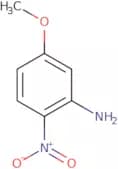
CAS:2-Ethoxyphenylacetic acid (2EPA) is a drug that has been used in the treatment of cancer. It is a hydrophobic molecule that can inhibit the activity of various enzymes, such as sildenafil and triazolone. 2EPA has shown to be an antagonist at the active site of quinazolinone, which is a molecule involved in erectile dysfunction. The physicochemical properties of 2EPA have been studied using molecular dynamics simulations and quantum mechanical computations. This drug is able to form hydrophobic interactions with the active site of quinazolinone, which may account for its antagonistic activity.Formula:C10H12O3Purezza:90%Colore e forma:PowderPeso molecolare:180.2 g/mol5-Methoxy-2-nitrophenylamine
CAS:5-Methoxy-2-nitrophenylamine (5MN) is a synthetic compound. It has been shown to produce an inhibitory effect on Alzheimer's disease and Leishmania infantum by inhibiting the formation of amyloid beta (Aβ) and leishmanicidal alpha-ketoglutarate, respectively. 5MN has also been observed to stabilize supramolecular structures in magnetic resonance spectroscopy experiments. This chemical is synthesized from 4-amino-3-nitrophenol and methylamine by reacting them in the presence of sodium hydroxide and sulfuric acid under refluxing conditions. The reaction products are analyzed using FTIR spectroscopy, as shown below:Formula:C7H8N2O3Purezza:Min. 95%Colore e forma:PowderPeso molecolare:168.15 g/mol2-(Trifluoromethoxy)phenylboronic acid
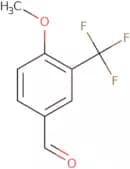
CAS:2-(Trifluoromethoxy)phenylboronic acid (2-TFB) is a boronic acid that is used in cross-coupling reactions. It has been shown to be an effective inhibitor of the Vismodegib pathway, which may offer therapeutic benefits for cancer patients. 2-TFB has also been shown to inhibit the activity of other pathways involved in cancer development, such as the benzamide and suzuki pathways. 2-TFB is metabolized through filtration, which can lead to significant pharmacokinetic properties. This compound can be recycled and reused in cross-coupling reactions, which reduces waste production and costs.Formula:C7H6BF3O3Purezza:Min. 95%Colore e forma:PowderPeso molecolare:205.93 g/mol4-Methoxy-3-(trifluoromethyl)benzaldehyde
CAS:4-Methoxy-3-(trifluoromethyl)benzaldehyde is a fine chemical that can be used as a building block for pharmaceuticals and other organic compounds. It is also used in research for the synthesis of complex compounds. This chemical has been reported to be a useful intermediate or scaffold for organic syntheses. 4-Methoxy-3-(trifluoromethyl)benzaldehyde is soluble in water and ethanol, and insoluble in ether. It has a melting point of 140°C, boiling point of 249°C, density 1.096 g/cm³, and refractive index (20°C) 1.567.Formula:C9H7F3O2Purezza:Min. 95%Peso molecolare:204.15 g/molBis(2-bromoethyl) Ether
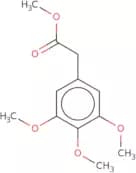
CAS:Formula:C4H8Br2OPurezza:>98.0%(GC)Colore e forma:Colorless to Yellow clear liquidPeso molecolare:231.92Methyl 3,4,5-trimethoxyphenyl acetate
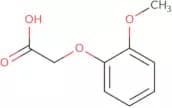
CAS:Methyl 3,4,5-trimethoxyphenyl acetate is an ester that is used as a building block and intermediate in the synthesis of pharmaceuticals. It can also be used as an intermediate in research and as a reagent for chemical analysis. Methyl 3,4,5-trimethoxyphenyl acetate has high purity and is available at competitive prices.Formula:C12H16O5Purezza:Min. 95%Peso molecolare:240.25 g/mol(2-Methoxyphenoxy)acetic acid
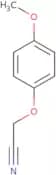
CAS:2-Methoxyphenoxyacetic acid is an organic compound that is used as a plant growth regulator and insecticide. It belongs to the group of phenoxyacetic acids and has a molecular weight of 152.2 g/mol. The chemical formula for 2-methoxyphenoxyacetic acid is C8H10O3. This compound is used as a control agent in pest control, where it is applied to crops to prevent damage from insects and mites. 2-Methoxyphenoxyacetic acid can be synthesized by reacting 5-carboxyvanillic acid with methanol in the presence of an oxidizing agent such as potassium permanganate or hydrogen peroxide. This chemical can also be prepared by oxidation of syringyl alcohols with chromium(VI) oxide in the presence of a reducing agent such as sodium bisulfite. 2-Methoxyphenoxyacetic acid can be detectedFormula:C9H10O4Purezza:Min. 95%Colore e forma:PowderPeso molecolare:182.17 g/mol2-(4-Methoxyphenoxy)acetonitrile
CAS:2-(4-Methoxyphenoxy)acetonitrile is a chemical compound that is used to synthesize acetobromoglucose. It undergoes transformation and condensation reactions with acetobromoglucose to form 4-methoxyaceto bromoglucose.
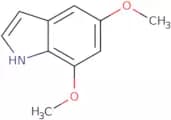
Formula:C9H9NO2Purezza:Min. 95%Peso molecolare:163.17 g/mol5,7-Dimethoxyindole
CAS:5,7-Dimethoxyindole is a potent inhibitor of the enzyme oxidase. 5,7-Dimethoxyindole has been shown to inhibit the growth of a number of fungi, including Phytophthora infestans and Cryptococcus neoformans. The molecular modeling studies have shown that this molecule can form an H-bond with the acceptor in the active site of the enzyme and prevent access by substrate. This inhibition has been shown to be competitive with respect to ferrous ions and noncompetitive with respect to other cofactors. 5,7-Dimethoxyindole also inhibits integrase enzymes, which are involved in DNA integration during viral replication. 5,7-Dimethoxyindole was found to bind to a pharmacophore model for integrase inhibitors and formylation reactions. This compound is also magnetic due to its high electron density at the methoxy group.
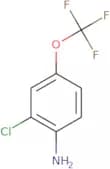
Formula:C10H11NO2Purezza:Min. 95%Colore e forma:PowderPeso molecolare:177.2 g/mol2-Chloro-4-(trifluoromethoxy)aniline
CAS:2-Chloro-4-(trifluoromethoxy)aniline is a chemical reagent that is used in organic synthesis. It has a variety of uses including as a building block for complex compounds, an intermediate for the synthesis of other chemicals, and a reagent for the production of pharmaceuticals. 2-Chloro-4-(trifluoromethoxy)aniline is also useful in research to study the mechanism of certain reactions. The high quality and versatility of this compound make it a speciality chemical with many applications.
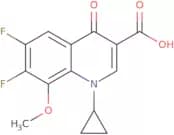
Formula:C7H5ClF3NOPeso molecolare:211.57 g/mol1-Cyclopropyl-6,7-difluoro-1,4-dihydro-8-methoxy-4-oxo-3-quinolinecarboxylic acid
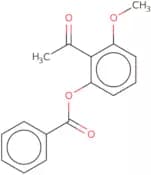
CAS:Moxifloxacin is an analog of the antibiotic quinolone. It is a prodrug that is hydrolyzed in vivo to its active form, moxifloxacin. Moxifloxacin has been shown to be effective against a variety of bacteria, including methicillin-resistant Staphylococcus aureus (MRSA), Mycobacterium tuberculosis and Mycobacterium avium complex. The reaction yield for the synthesis of moxifloxacin is very high, with an industrial production capacity in excess of 500 tons per year. Impurities are not usually found in the final product due to the use of methyl alcohol as a solvent during the reaction process. The drug has discoloring properties and deuterium atoms are often substituted for hydrogen atoms on the molecule to make it more stable. Deuterium atoms can be easily identified by mass spectrometry analysis. MoxifloxacFormula:C14H11F2NO4Purezza:Min. 95%Colore e forma:PowderPeso molecolare:295.24 g/mol2'-Benzoyloxy-6'-methoxyacetophenone
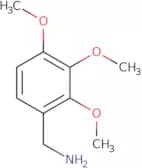
CAS:2'-Benzoyloxy-6'-methoxyacetophenone is a fine chemical that is a useful building block for the synthesis of other chemicals. It has been used as a reagent and in the preparation of speciality chemicals, such as pyrazoles, pyridones, and carbamates. 2'-Benzoyloxy-6'-methoxyacetophenone is also an intermediate for the synthesis of complex compounds or scaffolds for use in drug design.Formula:C16H14O4Purezza:Min. 95%Peso molecolare:270.28 g/mol2,3,4-Trimethoxybenzylamine
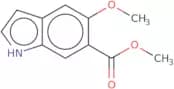
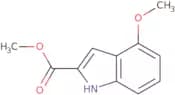
CAS:2,3,4-Trimethoxybenzylamine is a versatile chemical that can be used as a building block for complex compounds. It has been shown to react with methanol and ammonia to produce 2,3,4-trimethoxyaniline. This chemical can also be used as a reagent or speciality chemical in research and synthesis.Formula:C10H15NO3Purezza:Min. 95%Peso molecolare:197.23 g/molMethyl 4-methoxy-2-indolecarboxylate
CAS:Methyl 4-methoxy-2-indolecarboxylate is a natural product that has been shown to have cytotoxic and anticancer activity. It was first isolated from the leaves of Picrasma excelsa, which is a plant native to Southeast Asia. Methyl 4-methoxy-2-indolecarboxylate has been found to be effective against breast cancer cell lines and human cancer cells in culture. The anticancer effects may be due to its ability to inhibit protein synthesis by inhibiting the ribosome. This compound also inhibits dehydrocrenatine, which is a precursor of the hormone crenatine, thus leading to decreased production of this hormone.Formula:C11H11NO3Purezza:Min. 95%Colore e forma:PowderPeso molecolare:205.21 g/mol3-Methacryloxypropyltrimethoxysilane
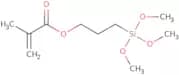
CAS:3-Methacryloxypropyltrimethoxysilane is a silane that has been modified with an acrylic group. It is used as an additive for the production of coatings, adhesives, and sealants. 3-Methacryloxypropyltrimethoxysilane is resistant to hydrochloric acid and other chemicals. It is also stable in water and light exposure. This product has shown to have high adsorption properties, which may be due to its hydroxyl groups. 3-Methacryloxypropyltrimethoxysilane has also been shown to have coupling properties that are advantageous for use with polymers and plastics.Formula:C10H20O5SiPurezza:Min. 95%Colore e forma:Colorless Clear LiquidPeso molecolare:248.35 g/mol4,5-Dimethoxy-2-(trimethylsilyl)phenyl trifluoromethanesulfonate
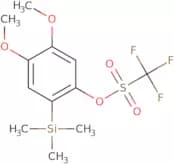
CAS:4,5-Dimethoxy-2-(trimethylsilyl)phenyl trifluoromethanesulfonate is a reagent for the synthesis of propiolates. It is prepared by reacting methyl propiolate with tetrachloride, hexachloroethane, or tetrabromide in acetonitrile. The reactants are heated to reflux under argon and then cooled to room temperature. This product is an ionic liquid that can be used as a solvent. 4,5-Dimethoxy-2-(trimethylsilyl)phenyl trifluoromethanesulfonate is a zwitterion and reacts with amines to form quaternary ammonium salts. It can also be used for the synthesis of unactivated transition metal complexes by reacting it with palladium and amines.
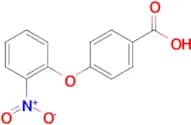
Formula:C12H17F3O5SSiPurezza:Min. 95%Colore e forma:Colorless PowderPeso molecolare:358.41 g/mol4-(2-Methoxyphenoxy)benzoic acid
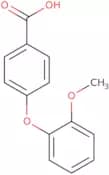
CAS:4-(2-Methoxyphenoxy)benzoic acid is a white crystalline solid with a melting point of 50°C. It is soluble in water, ethanol, ether, and chloroform. 4-(2-Methoxyphenoxy)benzoic acid has been used as a starting material for the synthesis of pharmaceuticals such as carbamazepine (Tegretol). The compound has two methoxy groups on the phenyl ring that are susceptible to nucleophilic attack by strong bases. This reaction occurs at room temperature and can be reversed by heating the solution to 150°C. The compound also undergoes polycondensation reactions when heated in the presence of an oxidizing agent.
Formula:C14H12O4Purezza:Min. 95%Colore e forma:White PowderPeso molecolare:244.24 g/molTris(2-methoxyphenyl)bismuth dichloride
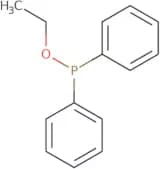
CAS:Tris(2-methoxyphenyl)bismuth dichloride is a coordination compound with the chemical formula BiCl(OMeCH). It crystallizes in the triclinic crystal system and its molecular structure is trigonal. Tris(2-methoxyphenyl)bismuth dichloride has been characterized by X-ray and infrared spectroscopy, as well as by analysis of the axial, apical, and trigonal coordinates. The compound has been shown to form perchlorate and diperchlorate salts. The presence of bismuth atoms in this molecule produces a bright yellow color.Formula:C21H21BiCl2O3Purezza:Min. 95%Colore e forma:Off-White PowderPeso molecolare:601.28 g/molEthoxydiphenylphosphine
CAS:Ethoxydiphenylphosphine is a synthetic compound that belongs to the group of phosphite compounds. It has been synthesized by reacting phenyl groups with trifluoroacetic acid, which gives unstable and reactive intermediate phosphonium salts. The more stable phenoxyethylphosphine can be obtained by reacting the hydroxyl group in the phosphonium salt with phosphorus pentoxide. Ethoxydiphenylphosphine has been used as a ligand for metal ions, such as copper and nickel. It also reacts with chloride to form a chelate ring, which makes it an excellent nucleophile.
Formula:C14H15OPPurezza:Min. 95%Colore e forma:Colorless PowderPeso molecolare:230.24 g/mol8-Methoxycarbonyloctanoic acid
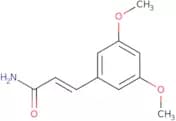
CAS:8-Methoxycarbonyloctanoic acid is a fatty acid derivative that has been found to be a potent inhibitor of platelet aggregation. It exhibits anti-platelet activity in human pathogens and in the model system studied. The mechanism of this inhibition is not clearly understood, but it may involve the inhibition of the enzyme ns3 protease or an interaction with the cell membrane. 8-Methoxycarbonyloctanoic acid has also shown antibacterial efficacy against human pathogens such as Escherichia coli, Pseudomonas aeruginosa, Klebsiella pneumoniae, and Bacillus cereus. This drug also inhibits bacterial growth by binding to DNA-dependent RNA polymerase, thereby preventing transcription and replication. The high frequency of human activity has been shown using a patch-clamp technique on human erythrocytes. This active form is metabolized through a number of metabolic transformations, including hydrolysis by esterases or glucuronFormula:C10H18O4Purezza:Min. 95%Colore e forma:White/Off-White SolidPeso molecolare:202.25 g/mol3,5-Dimethoxycinnamide
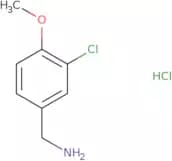
CAS:3,5-Dimethoxycinnamide is a compound that has been shown to inhibit the C1-4 alkoxy and C1-4 alkyl esterase activity of the enzyme secretase. This enzyme is involved in the production of amyloid beta peptides and is thought to be an important contributor to Alzheimer's Disease. 3,5-Dimethoxycinnamide also inhibits the aspartyl protease activity of aspartyl proteases, which are enzymes that may play a role in Alzheimer's disease. 3,5-Dimethoxycinnamide binds to the hydrophobic region of these enzymes and prevents them from binding to their substrates. The affinity of this compound for these enzymes precludes its ability to bind with other proteins in the brain, thereby reducing its potential toxicity. 3,5-Dimethoxycinnamide can be labeled with halogeno groups or other chemical moieties for profiling purposes.Formula:C11H13NO3Purezza:Min. 95%Peso molecolare:207.23 g/mol3-Chloro-4-methoxybenzylamine hydrochloride
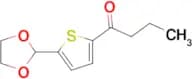
CAS:3-Chloro-4-methoxybenzylamine hydrochloride is a quinoline derivative that inhibits the activity of phosphodiesterase 5, an enzyme that breaks down cGMP in the brain. This drug has been shown to increase levels of cGMP and decrease levels of low energy (i.e., low ATP) in synaptosomes. 3-Chloro-4-methoxybenzylamine hydrochloride may be useful for the treatment of Alzheimer's disease, as it has been shown to improve cognitive function and memory in animal models. The mechanism of action is not fully understood but may involve inhibition of cholinergic neurotransmission or activation of nitric oxide synthase.Formula:C8H10ClNO•HClPurezza:Min. 95%Colore e forma:PowderPeso molecolare:208.08 g/mol5-(1,3-Dioxolan-2-yl)-2-thienyl propyl ketone
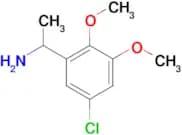
CAS:Formula:C11H14O3SPurezza:97.0%Peso molecolare:226.291-(5-Chloro-2,3-dimethoxyphenyl)ethylamine
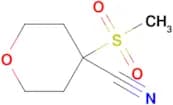
CAS:Formula:C10H14ClNO2Purezza:97.0%Peso molecolare:215.684-(METHYLSULFONYL)TETRAHYDRO-2H-PYRAN-4-CARBONITRILE
CAS:Formula:C7H11NO3SPurezza:95.0%Peso molecolare:189.232-(Pyridin-2-yloxy)acetic acid
CAS:Formula:C7H7NO3Purezza:98%Colore e forma:SolidPeso molecolare:153.1374-Methoxy-1H-pyrrolo[2,3-b]pyridine
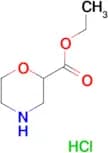
CAS:Formula:C8H8N2OPurezza:97%Colore e forma:SolidPeso molecolare:148.165Ethyl morpholine-2-carboxylate hydrochloride
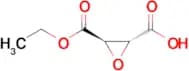
CAS:Formula:C7H14ClNO3Purezza:95%Colore e forma:SolidPeso molecolare:195.644-(4-BROMOPHENYL)-4-(METHOXYMETHOXY)CYCLOHEXANONE
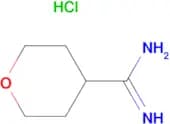
CAS:Formula:C14H17BrO3Purezza:90.0%Peso molecolare:313.191Tetrahydro-2H-pyran-4-carboximidamide hydrochloride
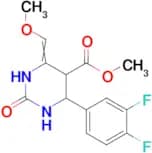
CAS:Formula:C6H13ClN2OPurezza:97.0%Peso molecolare:164.63methyl 4-(3,4-difluorophenyl)-6-(methoxymethylidene)-2-oxo-1,3-diazinane-5-carboxylate
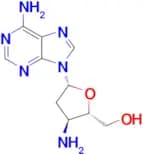
CAS:Purezza:95%Peso molecolare:312.27301033′-AMINO-2′,3′-DIDEOXYADENOSINE
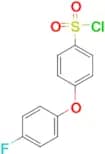
CAS:Formula:C10H14N6O2Purezza:99%;RGColore e forma:SolidPeso molecolare:250.2624-(4-Fluorophenoxy)benzenesulfonyl chloride
CAS:Formula:C12H8ClFO3SPurezza:95.0%Colore e forma:LiquidPeso molecolare:286.7Methyl 3-amino-5,6-dimethoxybenzo[b]thiophene-2-carboxylate
CAS:Formula:C12H13NO4SPurezza:95.0%Peso molecolare:267.31-[(3-Methoxyphenyl)methyl]cyclopropane-1-carboxylic acid
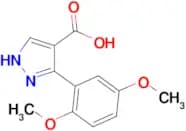
CAS:Formula:C12H14O3Peso molecolare:206.2415-(2,5-dimethoxyphenyl)-1H-pyrazole-4-carboxylic acid
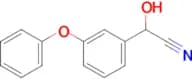
CAS:Formula:C12H12N2O4Purezza:95.0%Peso molecolare:248.2382-Hydroxy-2-(3-phenoxyphenyl)acetonitrile
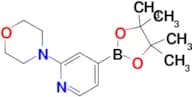
CAS:Formula:C14H11NO2Purezza:95%Colore e forma:LiquidPeso molecolare:225.2474-(4-(4,4,5,5-Tetramethyl-1,3,2-dioxaborolan-2-yl)pyridin-2-yl)morpholine
CAS:Formula:C15H23BN2O3Purezza:98%Colore e forma:Solid, No data available.Peso molecolare:290.173-Benzyloxyphenylacetic acid methyl ester
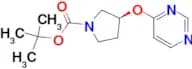
CAS:Formula:C16H16O3Colore e forma:SolidPeso molecolare:256.301(S)-TERT-BUTYL 3-(PYRIMIDIN-4-YLOXY)PYRROLIDINE-1-CARBOXYLATE
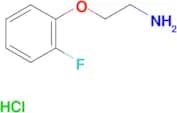
Formula:C13H19N3O3Purezza:95.0%Peso molecolare:265.3132-(2-fluorophenoxy)ethanamine hydrochloride
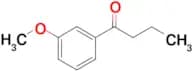
CAS:Formula:C8H11ClFNOPurezza:95.0%Colore e forma:SolidPeso molecolare:191.633′-Methoxybutyrophenone
CAS:Formula:C11H14O2Purezza:97.0%Colore e forma:LiquidPeso molecolare:178.231methyl 3-{[(oxolan-2-yl)methyl]amino}butanoate
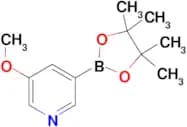
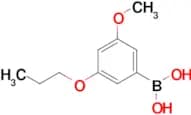
CAS:Formula:C10H19NO3Purezza:95.0%Peso molecolare:201.2663-Methoxypyridine-5-boronic acid pinacol ester
CAS:Formula:C12H18BNO3Purezza:98%Colore e forma:SolidPeso molecolare:235.09
![2-[(4-Chlorophenyl)-2-pyridinylmethoxy]-N,N-dimethylethanamine maleate salt](/_next/image/?url=https%3A%2Fstatic.cymitquimica.com%2Fproducts%2F3D%2Fthumb-webp%2FFC19699.webp&w=3840&q=75)






![2-[(Acetyloxy)methoxy]ethyl acetate](/_next/image/?url=https%3A%2Fstatic.cymitquimica.com%2Fproducts%2F3D%2Fthumb-webp%2FFA64791.webp&w=3840&q=75)







![4-Methoxy-1H-pyrrolo[2,3-b]pyridine](/_next/image/?url=https%3A%2Fstatic.cymitquimica.com%2Fproducts%2F10%2Fthumb-webp%2FF209020.webp&w=3840&q=75)

![4-CHLORO-5-METHOXY-1H-PYRROLO[2,3-B]PYRIDINE](/_next/image/?url=https%3A%2Fstatic.cymitquimica.com%2Fproducts%2F10%2Fthumb-webp%2FF468101.webp&w=3840&q=75)



![3,8-dioxa-1-azaspiro[4.5]decan-2-one](/_next/image/?url=https%3A%2Fstatic.cymitquimica.com%2Fproducts%2F10%2Fthumb-webp%2FF637789.webp&w=3840&q=75)
![Methyl 3-amino-5,6-dimethoxybenzo[b]thiophene-2-carboxylate](/_next/image/?url=https%3A%2Fstatic.cymitquimica.com%2Fproducts%2F10%2Fthumb-webp%2FF453858.webp&w=3840&q=75)
![1-[(3-Methoxyphenyl)methyl]cyclopropane-1-carboxylic acid](/_next/image/?url=https%3A%2Fstatic.cymitquimica.com%2Fproducts%2F10%2Fthumb-webp%2FF097089.webp&w=3840&q=75)



![methyl 3-{[(oxolan-2-yl)methyl]amino}butanoate](/_next/image/?url=https%3A%2Fstatic.cymitquimica.com%2Fproducts%2F10%2Fthumb-webp%2FF522905.webp&w=3840&q=75)
![[2-Fluoro-6-(morpholin-4-yl)pyridin-3-yl]boronic acid](/_next/image/?url=https%3A%2Fstatic.cymitquimica.com%2Fproducts%2F10%2Fthumb-webp%2FF696927.webp&w=3840&q=75)