Eteri
Trovati 40904 prodotti di "Eteri"
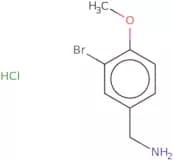
3-Bromo-4-methoxybenzylamine hydrochloride
CAS:3-Bromo-4-methoxybenzylamine hydrochloride is a high quality reagent that is used as an intermediate in the synthesis of complex compounds. It has been shown to be a useful scaffold for the synthesis of new chemical entities and a versatile building block for organic synthesis. 3-Bromo-4-methoxybenzylamine hydrochloride can be used as a reaction component in various chemical reactions, including Friedel-Crafts acylation, nitration, chlorination and bromination.Formula:C8H11BrClNOPurezza:Min. 95%Colore e forma:PowderPeso molecolare:252.54 g/molMethyl 3,5-dimethoxybenzoate
CAS:Methyl 3,5-dimethoxybenzoate is a chemical with the molecular formula CH3OCH2CH(OMe)CO2H. It is a colorless liquid that is soluble in ethanol and ether. Methyl 3,5-dimethoxybenzoate has been used as a chemical intermediate for the synthesis of other compounds. It can be extracted by solid phase microextraction (SPME). The total ion current (TIC) chromatogram shows the presence of methyl 3,5-dimethoxybenzoate in the sample at retention time 15.81 minutes. Methyl 3,5-dimethoxybenzoate is a secondary metabolite of various bacteria that produces fatty acids from acetyl-CoA via the houben-hoesch reaction. This compound has also been found to have antimicrobial activity against dermatophytes such as Trichophyton mentagrophytes and Microsporum canis.Formula:C10H12O4Purezza:Min. 95%Colore e forma:White PowderPeso molecolare:196.2 g/mol4-Amino-5-chloro-2,3-dihydro-N-[1-(3-methoxypropyl)-4-piperidinyl]-7-benzofurancarboxamide
CAS:The drug 4-Amino-5-chloro-2,3-dihydro-N-[1-(3-methoxypropyl)-4-piperidinyl]-7-benzofurancarboxamide (BZP) is a histamine H2 receptor antagonist. It binds to the histamine H2 receptor in the stomach and duodenum, thereby blocking stomach acid production. BZP has been shown to be effective for treating symptoms of constipation or diarrhoea caused by inflammatory bowel disease or abdominal surgery. BZP also reduces the risk of relapse after surgery but does not affect long term efficacy. This drug is not available in the United States and has significant interactions with other drugs and symptoms including constipation, bowel disease, long term efficacy, and analytical method.Formula:C18H26ClN3O3Purezza:Min. 95%Colore e forma:White PowderPeso molecolare:367.87 g/mol(2-methoxyethyl)((2-nitrophenyl)sulfonyl)amine
CAS:Please enquire for more information about (2-methoxyethyl)((2-nitrophenyl)sulfonyl)amine including the price, delivery time and more detailed product information at the technical inquiry form on this pagePurezza:Min. 95%3-Hydroxy-7,2',4',5'-tetramethoxychalcone
3-Hydroxy-7,2',4',5'-tetramethoxychalcone is a versatile building block that can be used as a reagent or in the synthesis of fine chemicals. It is an intermediate or reaction component that has been found to be useful in the synthesis of complex compounds. This compound is also of high quality and can be used as a scaffold in the synthesis of new molecules. 3-Hydroxy-7,2',4',5'-tetramethoxychalcone is a speciality chemical, with CAS No. 55006-57-3 and molecular weight of 245.
Purezza:Min. 95%2,5-Dimethoxy-N-[(2-methoxyphenyl)methyl]-4-(trifluoromethyl)benzeneethanamine
CAS:Prodotto controllato2,5-Dimethoxy-N-[(2-methoxyphenyl)methyl]-4-(trifluoromethyl)benzeneethanamine is a synthetic drug that belongs to the group of psychotropic drugs. It has been shown to cause death in rats, which is likely due to its ability to inhibit serotonin uptake by neurons. 2,5-Dimethoxy-N-[(2-methoxyphenyl)methyl]-4-(trifluoromethyl)benzeneethanamine also inhibits the enzyme monoamine oxidase and prevents the breakdown of monoamines such as serotonin. This drug has been shown to have both stimulant and depressant properties. 2,5-Dimethoxy-N-[(2-methoxyphenyl)methyl]-4-(trifluoromethyl)benzeneethanamine can be quantified in human blood samples using liquid chromatography with aFormula:C19H22F3NO3Purezza:Min. 95%Peso molecolare:369.38 g/mol[3-(2-Methoxyethoxy)benzyl]amine
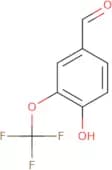
CAS:[3-(2-Methoxyethoxy)benzyl]amine is a high-quality chemical that can be used as an intermediate in the synthesis of complex compounds. It is also a useful scaffold for the synthesis of other chemicals, such as pharmaceuticals and pesticides. This compound also has many uses in research, such as being a versatile building block and reaction component.Formula:C10H15NO2Purezza:Min. 95%Colore e forma:PowderPeso molecolare:181.23 g/mol4-Hydroxy-3-(trifluoromethoxy)benzaldehyde
CAS:4-Hydroxy-3-(trifluoromethoxy)benzaldehyde is a chemical that modulates the toxicity of cells. It has been shown to reduce amyloid plaques in animals and humans with Alzheimer's disease, and to inhibit the formation of plaques in transgenic mice. In addition, 4-hydroxy-3-(trifluoromethoxy)benzaldehyde has been found to be a pyrimidine compound, which can be used as a potential treatment for alzheimer's disease. This substance also has an insoluble nature and is not soluble in water. Curcumin is one of the substances that may be used to dissolve this substance.Formula:C8H5F3O3Purezza:Min. 95%Peso molecolare:206.12 g/mol2,5-Diphenyl-3-(4-methoxyphenyl)pyronium tetrafluoroborate
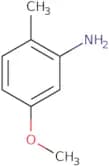
CAS:2,5-Diphenyl-3-(4-methoxyphenyl)pyronium tetrafluoroborate is a chemical compound that can be used as a reagent or building block for the synthesis of other chemical compounds. It is also useful for research and as a versatile building block in organic chemistry. 2,5-Diphenyl-3-(4-methoxyphenyl)pyronium tetrafluoroborate is classified as a speciality chemical product. This compound has CAS Number 2907-20-2 and a molecular weight of 244.12 g/mol.Formula:C24H19O2·BF4Purezza:90%Colore e forma:PowderPeso molecolare:426.21 g/mol5-Methoxy-2-methylaniline
CAS:5-Methoxy-2-methylaniline is a synthetic compound that has been shown to have neurotoxic effects in rats. The neurotoxicity of this substance has been shown to be related to its ability to inhibit monoamine oxidase A (MAO-A). This inhibition leads to an accumulation of the neurotransmitter dopamine, which in turn leads to an increase in the production of free radicals and lipid peroxidation. 5-Methoxy-2-methylaniline also shows neuroprotective properties, which may be due to its ability to inhibit deoxypeganine and hydrochloric acid, two mediators involved in the generation of reactive oxygen species.Formula:C8H11NOPurezza:Min. 95 Area-%Colore e forma:PowderPeso molecolare:137.18 g/mol2-[2-(2-t-Boc-aminoethoxy)ethoxy]ethanol
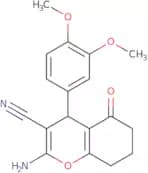
CAS:2-[2-(2-t-Boc-aminoethoxy)ethoxy]ethanol is a versatile chemical building block that can be used to synthesize a variety of compounds. It has been shown to be useful as a reaction component in the synthesis of pharmaceuticals and agrochemicals. The compound is also used as an intermediate for the preparation of other compounds. 2-[2-(2-t-Boc-aminoethoxy)ethoxy]ethanol is soluble in organic solvents, such as chloroform, ethanol, or acetone. It has a CAS number of 139115-92-7 and is relatively easy to purify by recrystallization from methanol.Formula:C11H23NO5Purezza:Min. 95%Colore e forma:Clear LiquidPeso molecolare:249.3 g/mol2-amino-4-(3,4-dimethoxyphenyl)-5-oxo-4,6,7,8-tetrahydro2H-chromene-3-carbonitrile
CAS:Please enquire for more information about 2-amino-4-(3,4-dimethoxyphenyl)-5-oxo-4,6,7,8-tetrahydro2H-chromene-3-carbonitrile including the price, delivery time and more detailed product information at the technical inquiry form on this page
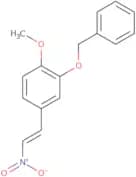
Formula:C18H18N2O4Purezza:Min. 95%Colore e forma:PowderPeso molecolare:326.35 g/mol1-(3-Benzyloxy-4-methoxyphenyl)-2-nitroethene
CAS:1-(3-Benzyloxy-4-methoxyphenyl)-2-nitroethene (1BMN) is an ethanamine that has a skeleton of five benzene and one methoxybenzene rings. It is an analogue of lamellarin, which has been shown to have efficient synthetic and biological properties. 1BMN is biologically active as a lamellarin analog and may be useful for the treatment of diseases such as cancer, malaria, hypertension, hyperglycemia, hypercholesterolemia, and ulcerative colitis. 1BMN is synthesized from 2-nitroethanol by reacting with 3-bromobenzaldehyde in the presence of sodium hydroxide. This reaction results in the formation of 1BMN in high yield with few side reactions.
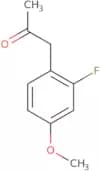
Formula:C16H15NO4Purezza:Min. 95%Colore e forma:PowderPeso molecolare:285.29 g/mol2-Fluoro-4-methoxyphenylacetone
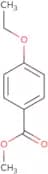
CAS:2-Fluoro-4-methoxyphenylacetone is a high quality chemical that can be used as a reagent, complex compound, and useful intermediate. It is also a fine chemical and speciality chemical with CAS No. 16817-46-2. This product can be used as a reaction component for diverse synthetic reactions in research and development of various types of pharmaceuticals and fine chemicals. It is also versatile building block for the synthesis of valuable products.Formula:C10H11FO2Purezza:Min. 95%Peso molecolare:182.19 g/molMethyl 4-ethoxybenzoate
CAS:Methyl 4-ethoxybenzoate is a chemical compound that is used in the production of polymers, resins, and plastics. It has been shown to be an efficient scavenger for tannins and other reactive oxygen species. Methyl 4-ethoxybenzoate has been used for the treatment of cavities by filling them with this compound and can be used as a sealant for resin composites. Methyl 4-ethoxybenzoate is not soluble in water and must be recycled. The methyl group on the benzoic acid portion of the molecule can form hydrogen bonds with carboxyl groups on polysaccharides such as cellulose or hemicellulose, resulting in interactions between these groups. These interactions are stronger than those found between carboxyl groups and phenolic compounds. This interaction has been shown to increase with increasing pH values, suggesting that it may be useful for extracting tannins from coniferous trees at low temperatures.Formula:C10H12O3Purezza:Min. 95%Peso molecolare:180.2 g/molDes(methoxycarbonyl) febantel
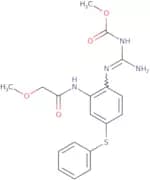
CAS:Please enquire for more information about Des(methoxycarbonyl) febantel including the price, delivery time and more detailed product information at the technical inquiry form on this pageFormula:C18H20N4O4SPurezza:Min. 95%Peso molecolare:388.44 g/mol2-Methoxy-5-(trifluoromethoxy)benzaldehyde
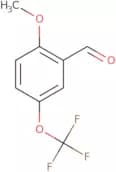
CAS:2-Methoxy-5-(trifluoromethoxy)benzaldehyde is a tachykinin antagonist that inhibits the binding of neurokinin to its receptor with high affinity. This compound has shown potential as a drug for the treatment of pain and other conditions such as asthma, allergies, and depression. The efficacy of 2-methoxy-5-(trifluoromethoxy)benzaldehyde has been demonstrated in high-throughput screening for the detection of nk1 receptor antagonists. Further studies have shown that modification of this molecule may increase its potency and reduce side effects.Formula:C9H7F3O3Purezza:Min. 95%Colore e forma:Clear LiquidPeso molecolare:220.15 g/mol2-Ethoxy-4-methoxybenzoic acid
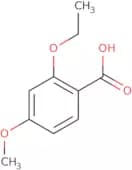
CAS:2-Ethoxy-4-methoxybenzoic acid is a versatile chemical compound that can be used as a building block in the synthesis of complex compounds. It has been used as an intermediate in the production of other chemicals and has been shown to be useful as a scaffold for drug design. 2-Ethoxy-4-methoxybenzoic acid is also used in research to study bacterial resistance to antibiotics and its ability to inhibit DNA replication. CAS No. 55085-15-9Formula:C10H12O4Purezza:Min. 95%Colore e forma:PowderPeso molecolare:196.2 g/mol8-Hydroxy-7-methoxy-2-oxo-2H-1-benzopyran-3-carboxylic acid
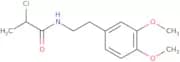
8-Hydroxy-7-methoxy-2-oxo-2H-1-benzopyran-3-carboxylic acid is a versatile building block with a broad range of applications. It has been used in the synthesis of many complex compounds and research chemicals, including CAS No. 1207819-96-6. This chemical can be used as a reagent to produce important biological molecules such as antibiotics, antivirals, and antihypertensives.Formula:C11H7NO8Purezza:Min. 95%Colore e forma:Green SolidPeso molecolare:281.18 g/molN-(2-(3,4-dimethoxyphenyl)ethyl)-2-chloropropanamide
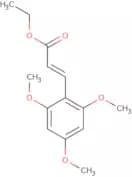
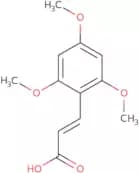
CAS:Please enquire for more information about N-(2-(3,4-dimethoxyphenyl)ethyl)-2-chloropropanamide including the price, delivery time and more detailed product information at the technical inquiry form on this pagePurezza:Min. 95%Ethyl 2,4,6-trimethoxycinnamate
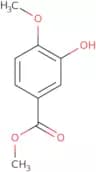
CAS:Ethyl 2,4,6-trimethoxycinnamate is a fine chemical that is a useful scaffold for the synthesis of other compounds. It is used as a versatile building block in the synthesis of research chemicals and as an intermediate in the production of speciality chemicals. This compound has been shown to be highly reactive. Ethyl 2,4,6-trimethoxycinnamate can be used as an effective reagent or reaction component in organic chemistry.Formula:C14H18O5Purezza:90%Colore e forma:PowderPeso molecolare:266.29 g/mol3-Hydroxy-4-methoxybenzoic acid methyl ester
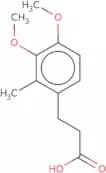
CAS:3-Hydroxy-4-methoxybenzoic acid methyl ester is a phenolic acid that is a potent inhibitor of tyrosinase activity. It has been shown to inhibit the growth of cancer cells by binding to 5-HT2A receptors and inhibiting the production of epidermal growth factor, which leads to a decrease in the expression of tyrosinase. 3-Hydroxy-4-methoxybenzoic acid methyl ester has also been shown to have an inhibitory effect on the synthesis of protocatechuic acid and acetate extract from soybean. This compound was found to be more effective than kojic acid, arbutin, and ascorbic acid.Formula:C9H10O4Purezza:Min. 95%Colore e forma:PowderPeso molecolare:182.17 g/mol3,4-Dimethoxy-2-methylphenylpropionic acid
CAS:3,4-Dimethoxy-2-methylphenylpropionic acid is a building block for organic synthesis. It has been used as a research chemical and as a reaction component in the synthesis of other chemicals. 3,4-Dimethoxy-2-methylphenylpropionic acid is also available at high purity levels and can be used as a reagent for analytical purposes.Formula:C12H16O4Purezza:Min. 95%Colore e forma:PowderPeso molecolare:224.25 g/mol4,5-Dimethoxy-2-nitrocinnamic acid
CAS:4,5-Dimethoxy-2-nitrocinnamic acid is a versatile building block that can be used as a reagent or speciality chemical. It is useful for the synthesis of complex compounds, and can be used as a reaction component or scaffold in organic chemistry. 4,5-Dimethoxy-2-nitrocinnamic acid is a high quality intermediate with CAS No. 20567-38-8.
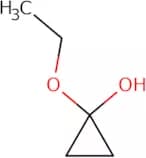
Formula:C11H11NO6Purezza:Min. 95%Peso molecolare:253.21 g/mol1-Ethoxycyclopropanol
CAS:1-Ethoxycyclopropanol is a dehydrogenase that is activated by an acceptor, such as propionate. Its activity can be titrated and it has an acidic pH optimum. It is also a filamentous enzyme with immunocytochemical subunits. 1-Ethoxycyclopropanol has been shown to catalyze the conversion of primary alcohols to their corresponding secondary alcohols. It also has been shown to have activities against P. aeruginosa, which are bacteria that can cause lung infections in humans. This product converts alkene into secondary alcohols and also plays a role in the synthesis of amino acids.Formula:C5H10O2Purezza:Min. 95 Area-%Colore e forma:Clear LiquidPeso molecolare:102.13 g/molcis-(+/-)-2-[(N-Benzyl-N-methyl)aminomethyl]-1-(3-methoxyphenyl)cyclohexanol hydrochloride
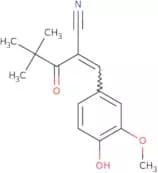
CAS:cis-(+/-)-2-[(N-Benzyl-N-methyl)aminomethyl]-1-(3-methoxyphenyl)cyclohexanol hydrochloride is a versatile building block that can be used in the synthesis of complex compounds. This compound is also a useful reagent, speciality chemical, and reaction component. cis-(+/-)-2-[(N-Benzyl-N-methyl)aminomethyl]-1-(3-methoxyphenyl)cyclohexanol hydrochloride has been shown to be a valuable scaffold for research chemicals with high quality.Formula:C22H30ClNO2Purezza:Min. 95 Area-%Colore e forma:PowderPeso molecolare:375.93 g/mol2-(2,2-dimethylpropanoyl)-3-(4-hydroxy-3-methoxyphenyl)prop-2-enenitrile
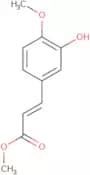
CAS:Please enquire for more information about 2-(2,2-dimethylpropanoyl)-3-(4-hydroxy-3-methoxyphenyl)prop-2-enenitrile including the price, delivery time and more detailed product information at the technical inquiry form on this pagePurezza:Min. 95%Methyl 3-(3-hydroxy-4-methoxyphenyl)acrylate
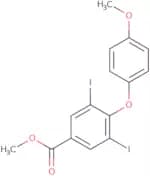
CAS:Methyl 3-(3-hydroxy-4-methoxyphenyl)acrylate is a compound that has been shown to be active against viruses. It is a derivative of salvianolic acid, which has been found to have anti-inflammatory and antiviral properties. Salvianolic acid and its derivatives are produced by the plant Salvia miltiorrhiza Bunge, and are known for their use in traditional Chinese medicine. The mechanism of action of methyl 3-(3-hydroxy-4-methoxyphenyl)acrylate is not yet fully understood, but it may inhibit the replication of influenza virus by binding to the RNA polymerase in the virus. This drug also has a hydrogen bond with cinnamic acid derivatives, which can inhibit HIV replication.Formula:C11H12O4Purezza:Min. 95%Peso molecolare:208.21 g/mol3,5-Diiodo-4(4'-methoxyphenoxy)benzoic acid methyl ester
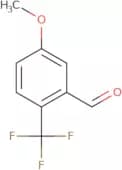
CAS:3,5-Diiodo-4(4'-methoxyphenoxy)benzoic acid methyl ester (DIMBOA) is a hormone analogue that inhibits the growth of cancer cells by interfering with mitochondrial function. DIMBOA binds to the mitochondria of animal cells and prevents adenosine triphosphate (ATP) production. DIMBOA also blocks the synthesis of DNA and RNA in animal cells, which may be due to its ability to interfere with enzyme activities such as protein synthesis, cell proliferation, and apoptosis. 3,5-Diiodo-4(4'-methoxyphenoxy)benzoic acid methyl ester has been shown to inhibit cellular growth by autophagy. This drug has been shown to have no adverse effects on normal fibroblasts or antigen presenting cells in animals.Formula:C15H12I2O4Purezza:Min. 95%Colore e forma:PowderPeso molecolare:510.06 g/mol5-Methoxy-2-(trifluoromethyl)benzaldehyde
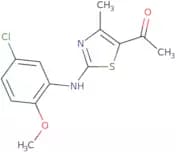
CAS:5-Methoxy-2-(trifluoromethyl)benzaldehyde (5MFBA) is a potential anticancer compound that has been shown to inhibit the growth of pancreatic cancer cells. 5MFBA is formed by the reaction of methoxybenzene and trifluoromethyl bromide in the presence of copper chloride, which acts as a dehydrogenase. This compound also has prognostic and clinicopathological implications in patients with pancreatic cancer, as well as staining properties in tissues. 5MFBA modulates biological function via reactive oxygen species (ROS) production, which induces cell apoptosis. Research on this compound has been done on cancer tissues from various organs, including breast and prostate cancers.Formula:C9H7F3O2Purezza:Min. 95%Colore e forma:PowderPeso molecolare:204.15 g/mol1-(3-((5-Chloro-2-methoxyphenyl)amino)-5-methyl-2,4-thiazolyl)ethan-1-one
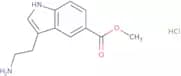
CAS:Please enquire for more information about 1-(3-((5-Chloro-2-methoxyphenyl)amino)-5-methyl-2,4-thiazolyl)ethan-1-one including the price, delivery time and more detailed product information at the technical inquiry form on this pageFormula:C13H13ClN2O2SPurezza:Min. 95%Peso molecolare:296.77 g/mol5-Carbomethoxytryptamine hydrochloride
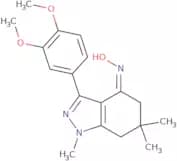
CAS:5-Carbomethoxytryptamine hydrochloride is a chemical building block that can be used as a reaction component for organic synthesis. It is a versatile intermediate and can be used in the production of fine chemicals, such as pharmaceuticals, dyestuffs, and pesticides. 5-Carbomethoxytryptamine hydrochloride is also an important reagent in both organic synthesis and analytical chemistry. The compound belongs to the group of indole alkaloids, which are found in plants of the Apocynaceae family. CAS No.: 74884-81-4.Formula:C12H14N2O2·HClPurezza:Min. 95%Colore e forma:PowderPeso molecolare:254.71 g/mol3-(3,4-dimethoxyphenyl)-4-(hydroxyimino)-1,6,6-trimethyl-5,6,7-trihydro1H-indazole
CAS:Please enquire for more information about 3-(3,4-dimethoxyphenyl)-4-(hydroxyimino)-1,6,6-trimethyl-5,6,7-trihydro1H-indazole including the price, delivery time and more detailed product information at the technical inquiry form on this pagePurezza:Min. 90%Retigabine
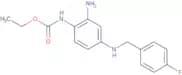
CAS:Prodotto controllatoRetigabine is a carbamate that binds to the benzodiazepine binding site of the gamma-aminobutyric acid receptor. It has been shown to have analgesic properties in animal studies, and has also been investigated as a potential treatment for epilepsy. Retigabine may be used in combination with other drugs, such as flumazenil, which can reverse its effects. The structural analog of retigabine is flumazenil, a drug that can reverse the effects of benzodiazepines such as diazepam and midazolam. Retigabine also interacts with other drugs through significant effects on their pharmacokinetics and pharmacodynamics.Formula:C16H18FN3O2Purezza:Min. 98 Area-%Colore e forma:White PowderPeso molecolare:303.33 g/mol2,4,6-Trimethoxy-3-methylbenzaldehyde
CAS:2,4,6-Trimethoxy-3-methylbenzaldehyde is a flavanone that is structurally related to the drug ciprofloxacin. The two molecules share a common molecular framework with the addition of a hydroxyl group on the 2 position of the benzene ring. In molecular docking studies, 2,4,6-Trimethoxy-3-methylbenzaldehyde has shown antitubercular activity against Mycobacterium tuberculosis and Mycobacterium avium complex. It is also an inhibitor of protein tyrosine phosphatase and has been shown to have antibacterial activity against various strains of bacteria.Formula:C11H14O4Purezza:Min. 95%Colore e forma:PowderPeso molecolare:210.23 g/mol(2-Aminophenyl)-N-((((4-methoxyphenyl)amino)thioxomethyl)amino)formamide
CAS:Please enquire for more information about (2-Aminophenyl)-N-((((4-methoxyphenyl)amino)thioxomethyl)amino)formamide including the price, delivery time and more detailed product information at the technical inquiry form on this pageFormula:C15H16N4O2SPurezza:Min. 95%Colore e forma:PowderPeso molecolare:316.38 g/mol4-Methoxyphenylmagnesium bromide - 0.5M solution in THF
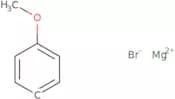
CAS:4-Methoxyphenylmagnesium bromide - 0.5M solution in THF is a cytotoxic agent that binds to the estrogen receptor, which is involved in breast cancer cell proliferation and differentiation. It is an azide that has been shown to react with hydrochloric acid to form an amide. This reaction may be stereoselective and involve dehydration of the amine group. The mechanism of this reaction involves the formation of a trifluoroacetic acid derivative, which undergoes unsaturated alkyl halogenation followed by chloride ion attack on the double bond. 4-Methoxyphenylmagnesium bromide - 0.5M solution in THF has been shown to inhibit the proliferation of human MCF-7 breast cancer cells, as well as other estrogen receptor modulators such as amines and trifluoroacetic acid.Formula:C7H7BrMgOPurezza:Min. 95%Colore e forma:PowderPeso molecolare:211.34 g/mol5-Methoxy-L-tryptophan
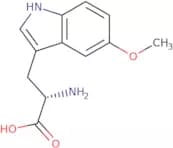
CAS:5-Methoxy-L-tryptophan is a nonsteroidal anti-inflammatory drug that acts by inhibiting the synthesis of prostaglandins. It has been shown to have a clinical relevance in the treatment of cancer and ischemia reperfusion injury. 5-Methoxy-L-tryptophan has also been shown to be effective in the treatment of inflammatory diseases such as rheumatoid arthritis, ulcerative colitis, and Crohn disease. 5-Methoxy-L-tryptophan is a precursor for serotonin, which regulates many physiological functions including pain perception. Tryptophan has also been found to increase epithelial mesenchymal transition (EMT) and repair mechanisms in fibroblasts. X-ray crystal structures have revealed that 5-methoxy tryptophan binds at the active site of xanthine oxidase, which is an enzyme involved in purine metabolism.
Formula:C12H14N2O3Purezza:Min. 98 Area-%Colore e forma:PowderPeso molecolare:234.25 g/mol2-[(2-Amino-5-methoxyphenyl)dithio]-4-methoxyaniline
CAS:2-[(2-Amino-5-methoxyphenyl)dithio]-4-methoxyaniline is a high quality chemical reagent that can be used as a useful intermediate in the synthesis of a variety of complex compounds. This compound has been shown to have a wide range of uses, including as a building block in the synthesis of speciality chemicals and research chemicals. 2-[(2-Amino-5-methoxyphenyl)dithio]-4-methoxyaniline is an important reaction component that can be used in many organic reactions, such as coupling, condensation, substitution, elimination, nucleophilic addition and reduction.Formula:C14H16N2O2S2Purezza:Min. 95%Colore e forma:PowderPeso molecolare:308.42 g/mol4-(5-Methoxy-1H-indol-3-yl)-1,3-thiazol-2-amine
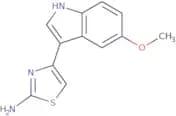
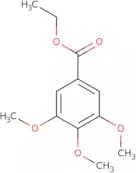
CAS:4-(5-Methoxy-1H-indol-3-yl)-1,3-thiazol-2-amine is a useful scaffold that can be used in the synthesis of drugs and other chemical compounds. 4-(5-Methoxy-1H-indol-3-yl)-1,3-thiazol-2-amine is a fine chemical with CAS no. 3624611454. It has been shown to react as a useful intermediate for the preparation of complex compounds. This compound has also been used in research as a reagent and reaction component.Formula:C12H11N3OSPurezza:Min. 95%Colore e forma:PowderPeso molecolare:245.3 g/molEthyl 3,4,5-trimethoxybenzoate
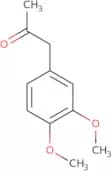
CAS:Ethyl 3,4,5-trimethoxybenzoate is a synthetic chemical that is used as a precursor in the synthesis of quinoxalines. Ethyl 3,4,5-trimethoxybenzoate has been shown to have antiviral properties against human immunodeficiency virus and leishmania. It also has potent inhibitory activity against heterocyclic amines and t. rubrum.Formula:C12H16O5Purezza:Min. 95%Colore e forma:White To Grey SolidPeso molecolare:240.25 g/mol(3,4-Dimethoxyphenyl)acetone
CAS:(3,4-Dimethoxyphenyl)acetone is a compound that has been used in the synthesis of chiral drugs. It is a reactive carbonyl group with an alcohol group and a methyl ethyl acylation reaction. The biological properties of this compound are not known, but it can be used in the synthesis of amines. This chemical can also be found in urine samples and is commonly used as a testicular marker.Formula:C11H14O3Purezza:Min. 97 Area-%Colore e forma:Clear LiquidPeso molecolare:194.23 g/mol3-Methoxy-2-methylbenzoic acid
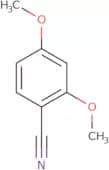
CAS:3-Methoxy-2-methylbenzoic acid is a diazotization agent that is used to produce bromoethane. It is also used as an initiator in the synthesis of dimethylformamide and tetrahydrofuran. 3-Methoxy-2-methylbenzoic acid can be recycled and is used to synthesize methylbenzene, chloroanisole, and grignard reaction products such as chlorobenzene and low yield. 3-Methoxy-2-methylbenzoic acid has been shown to have a high yield for these reactions in comparison to other diazotization agents.Formula:C9H10O3Purezza:Min. 95%Colore e forma:White PowderPeso molecolare:166.17 g/mol2,4-Dimethoxybenzonitrile
CAS:2,4-Dimethoxybenzonitrile is a chiral, heterocycle that is used in the synthesis of anilines. The structure of 2,4-dimethoxybenzonitrile consists of two ring structures with a methyl group on one end and a formyl group on the other. The molecular modeling technique has been used to study this molecule. In dimethylformamide (DMF), 2,4-dimethoxybenzonitrile undergoes deprotection with bond cleavage to give the natural product 2-hydroxy-4-methoxybenzaldehyde. This compound has been shown to inhibit the transferase activity in cells and found to be more potent than other formylated compounds.
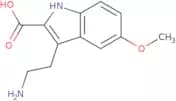
Formula:C9H9NO2Purezza:Min. 95%Peso molecolare:163.17 g/mol3-(2-Aminoethyl)-5-methoxy-1H-indole-2-carboxylic acid
CAS:3-(2-Aminoethyl)-5-methoxy-1H-indole-2-carboxylic acid is a fine chemical that is used as a building block for research chemicals, reagents, and specialty chemicals. It has the CAS No. 52648-13-2. 3-(2-Aminoethyl)-5-methoxy-1H-indole-2-carboxylic acid is also a versatile building block for synthesis of complex compounds with high quality and is a reaction component in many reactions. This compound can serve as an intermediate or scaffold in chemical synthesis.Formula:C12H14N2O3Purezza:Min. 95%Colore e forma:White PowderPeso molecolare:234.25 g/mol3-(4-methoxy-1-naphthyl)acrylic acid
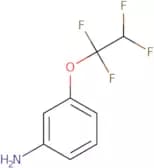
CAS:Please enquire for more information about 3-(4-methoxy-1-naphthyl)acrylic acid including the price, delivery time and more detailed product information at the technical inquiry form on this pagePurezza:Min. 95%3-(1,1,2,2-Tetrafluoroethoxy)aniline
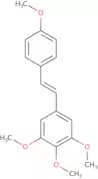
CAS:3-(1,1,2,2-Tetrafluoroethoxy)aniline is a reagent that belongs to the group of complex compounds. It has CAS No. 831-75-4 and is used as an intermediate in the synthesis of fine chemicals, useful scaffolds and building blocks. This versatile chemical can be used as a reaction component for the production of speciality chemicals and research chemicals. 3-(1,1,2,2-Tetrafluoroethoxy)aniline can be used as a starting material for the production of other reagents such as fluoroalkylating agents and fluorinating agents.Formula:C8H7F4NOPurezza:Min. 95%Colore e forma:Colorless Clear LiquidPeso molecolare:209.14 g/moltrans-3,4,5,4'-Tetramethoxystilbene
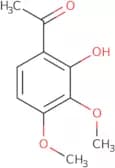
CAS:Trans-3,4,5,4'-tetramethoxystilbene is a potential anti-cancer drug that inhibits the growth of prostate cancer cells. It has been shown to inhibit the activity of cytochrome P450 enzymes and induce apoptosis in prostate cancer cells. Trans-3,4,5,4'-tetramethoxystilbene also has an inhibitory effect on angiogenesis and induces apoptosis in breast cancer cells. This compound is not readily absorbed from the gastrointestinal tract and has low bioavailability due to its chemical properties. Trans-3,4,5,4'-tetramethoxystilbene binds to DNA and inhibits transcription by competitive inhibition of RNA polymerase II and III.Formula:C18H20O4Purezza:Min. 95%Colore e forma:PowderPeso molecolare:300.35 g/mol3,4-Dimethoxy-2-hydroxyacetophenone
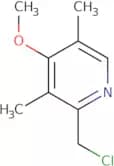
CAS:3,4-Dimethoxy-2-hydroxyacetophenone is a natural product that has been shown to have significant activity against epidermoid carcinoma. The mechanism of action of 3,4-dimethoxy-2-hydroxyacetophenone is not fully understood but it has been shown to inhibit the growth of cancer cells through an unknown mechanism. This compound can be synthesized from coumarin derivatives and its fluorescence and cellular uptake are due to its flavonoid structure. 3,4-Dimethoxy-2-hydroxyacetophenone has also been shown to increase cisplatin sensitivity in nerve cells and has been used as a fluorescent probe for microscopy and magnetic resonance imaging (MRI).Formula:C10H12O4Purezza:Min. 98 Area-%Colore e forma:PowderPeso molecolare:196.2 g/mol2-Chloromethyl-3,5-dimethyl-4-methoxypyridine
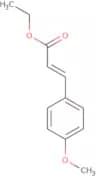
CAS:2-Chloromethyl-3,5-dimethyl-4-methoxypyridine is a drug substance that is used as a pump inhibitor. The optimal reaction conditions for the synthesis of this molecule are a Grignard reagent, chlorinating agent, and magnesium salt. Impurities may arise during the synthetic process due to chloride or inorganic acid catalyst. This drug substance is not soluble in water but can be dissolved in organic solvents such as ethers, chloroform, or benzene. It reacts with magnesium to form a chelate ring with an organic molecule.Formula:C9H12ClNOPurezza:Min. 95%Colore e forma:PowderPeso molecolare:185.65 g/molEthyl 4-methoxycinnamate
CAS:Ethyl 4-methoxycinnamate is a white crystalline solid that is soluble in water. It is used as a food additive, and has been shown to have anti-bacterial, analgesic, and antioxidant properties. The compound interacts with the β-cyclodextrin molecule when it is dissolved in water. This interaction leads to a decrease in its solubility in water.
Formula:C12H14O3Purezza:Min. 95%Colore e forma:PowderPeso molecolare:206.24 g/mol1-(2-Methoxyphenyl)-2-nitroethane
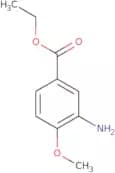
CAS:1-(2-Methoxyphenyl)-2-nitroethane is a natural alkaloid that is found in the plant Piper methysticum. This compound has been shown to inhibit the transformation of nitroalkenes to nitropropene and nitrobenzene. The synthetic studies on this compound are mainly focused on its effects on other nitroalkenes. It has been shown that 1-(2-methoxyphenyl)-2-nitroethane can be used as an inhibitor of cyclization reactions, such as the synthesis of indole alkaloids, which are important in many pharmacological processes and biological systems.Formula:C9H9NO3Purezza:Min. 95%Colore e forma:PowderPeso molecolare:179.17 g/mol3-Amino-4-methoxybenzoic acid ethyl ester
CAS:3-Amino-4-methoxybenzoic acid ethyl ester is a chemical building block that can be used in the synthesis of various organic compounds. It is an important reaction component, and can also be used as a reagent or useful scaffold. 3-Amino-4-methoxybenzoic acid ethyl ester is soluble in organic solvents and has a high quality. This chemical has been shown to be useful for research purposes.Formula:C10H13NO3Purezza:Min. 95%Colore e forma:PowderPeso molecolare:195.22 g/mol3-Ethoxymethacrolein
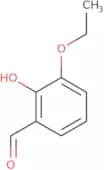
CAS:3-Ethoxymethacrolein (3EMM) is a malondialdehyde analogue that has been shown to have fatty acid-like properties. 3EMM is a reactive molecule, which reacts with chloride to produce an electrophilic carbonyl group. This carbonyl group reacts with the amino acid lysine in proteins, producing adducts that result in cross-links and protein aggregation. 3EMM is able to react with other molecules such as metal ions, forming dimethylformamide complexes. The biological effects of 3EMM are similar to those of malondialdehyde and include inhibition of cellular respiration and lipid peroxidation. Humans have been shown to be susceptible to the toxic effects of 3EMM, including cardiotoxicity and cytotoxicity.Formula:C6H10O2Purezza:Min. 97 Area-%Colore e forma:PowderPeso molecolare:114.14 g/mol3-Ethoxysalicylaldehyde
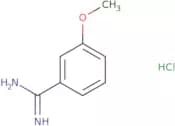
CAS:3-Ethoxysalicylaldehyde (3ESA) is a colorless liquid that has been shown to be soluble in methanol. 3ESA has a molecular weight of 172.2 and an experimental solubility data of 1.01 g/mL at 25 °C. The compound has a coordination geometry of tetrahedral with one metal ion and three oxygen atoms. The compound also contains one hydroxyl group and two hydrogen bonds, which are intramolecular hydrogen bonds. 3ESA has shown high resistance to human serum, suggesting that it is stable in the presence of human proteins, and is able to bind copper ions to form copper complexes.Formula:C9H10O3Purezza:Min. 95%Colore e forma:PowderPeso molecolare:166.17 g/mol3-Methoxybenzamidine hydrochloride
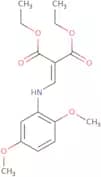
CAS:3-Methoxybenzamidine hydrochloride is a chemical that belongs to the group of acid chlorides. It is used in organic synthesis as an intermediate for the production of triazines, which are used as herbicides and insecticides. 3-Methoxybenzamidine hydrochloride is usually prepared by reacting methylamine with nitrous acid. The use of 3-methoxybenzamidine hydrochloride in organic synthesis has been shown to be highly efficient, with yields up to 95%. This chemical also exhibits fluorescence at low temperatures.Formula:C8H10N2O·HClPurezza:Min. 95%Colore e forma:PowderPeso molecolare:186.64 g/moldiethyl 2-(((2,5-dimethoxyphenyl)amino)methylene)propane-1,3-dioate
CAS:Please enquire for more information about diethyl 2-(((2,5-dimethoxyphenyl)amino)methylene)propane-1,3-dioate including the price, delivery time and more detailed product information at the technical inquiry form on this pagePurezza:Min. 95%2-Ethoxybenzylamine
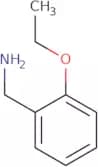
CAS:2-Ethoxybenzylamine is a hydrophobic organic compound. It is an amine that is used as a reagent for the oxidation of primary, secondary, and tertiary amines to their corresponding aldehydes, ketones, and quinones. 2-Ethoxybenzylamine is used in the synthesis of glycopeptides and has been shown to be effective as a surrogate for benzylamine derivatives. This compound may also be an optimised enzyme complex with chloride ions that can activate certain oxidases.
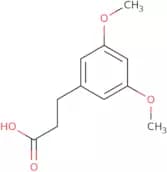
Formula:C9H13NOPurezza:Min. 95%Colore e forma:Clear LiquidPeso molecolare:151.21 g/mol3-(3,5-Dimethoxyphenyl)propionic acid
CAS:3-(3,5-Dimethoxyphenyl)propionic acid is a metabolite of the drug aminorex that has been found to be a potent cannabinoid receptor agonist. It is an oxygenated analogue of 3,5-dimethoxyamphetamine and is synthesised by demethylation of aminorex followed by alkylation of the resulting 3-(3,5-dimethoxyphenyl)propionyl chloride with methanol. The compound has been found in rat microflora and human intestinal contents.Formula:C11H14O4Purezza:Min. 95%Colore e forma:PowderPeso molecolare:210.23 g/molTris[3-(trimethoxysilyl)propyl] isocyanurate
CAS:Tris(trimethoxysilyl)propyl isocyanurate (TTIPi) is an efficient method for the synthesis of conjugates. TTIPi can be used to prepare a variety of conjugates, such as those containing biomolecules such as proteins, peptides, nucleotides, and small molecules. The resulting conjugates can be visualized by microscopy and analyzed using the Anova statistical package. TTIPi has been shown to form covalent bonds with DNA bases and other substrates. It has also been shown to form coordination bonds with ethylene oxide or tetraethyl silane which are worthwhile for dispersive polymerization in organic solvents. The mesoporous silica support used in this process has been shown to be acidic or basic depending on the pH of the solution. This versatile technique is useful for preparing a wide range of conjugates.
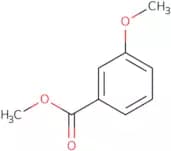
Formula:C21H45N3O12Si3Purezza:Min. 95%Colore e forma:Colorless Clear LiquidPeso molecolare:615.85 g/molMethyl 3-methoxybenzoate
CAS:Methyl 3-methoxybenzoate is a synthetic chemical that is used as an intermediate in the production of polyvinyl chloride. It can be produced by reacting 3-hydroxybenzoic acid with benzyl chloride. This chemical has been shown to have insecticidal activity against some pest insects. Methyl 3-methoxybenzoate is also used as a solvent for analytical methods such as gas chromatography and mass spectrometry. The synthesis of methyl 3-methoxybenzoate proceeds through a series of steps, including deionized water, chloride, acetonitrile, and invicta.Formula:C9H10O3Purezza:Min. 95%Colore e forma:Colorless Clear LiquidPeso molecolare:166.17 g/mol2-Methoxy-4-morpholinobenzenediazonium chloride zinc chloride double
CAS:2-Methoxy-4-morpholinobenzenediazonium chloride zinc chloride double (2MBZD) is a chemical compound that has been analyzed by X-ray crystallography and nuclear magnetic resonance. This molecule consists of two parts: a diazonium salt and zinc chloride. The diazonium salt is a heterocyclic nitrogen ring with two nitrogens, which are bonded to the same carbon atom. The second part of the molecule is zinc chloride, which has one chlorine atom attached to it. The zinc chloride component stabilizes the compound, while the diazonium component provides the antibacterial activity. 2MBZD has shown activity against Staphylococcus aureus and Bacillus subtilis.Formula:C11H14N3O2•(ZnCl4)0Purezza:Min. 90 Area-%Colore e forma:Yellow Green PowderPeso molecolare:323.85 g/molCarboxymethoxyamine hemihydrochloride
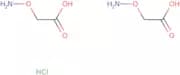
CAS:Carboxymethoxyamine hemihydrochloride (CMAH) is a gamma-aminobutyric acid analogue that has inhibitory properties. It is used in the treatment of syncytial virus infections and has been shown to reduce the severity of symptoms, as well as shorten the course of the disease. CMAH binds to the receptors in cells that are sensitive to gamma-aminobutyric acid. This binding inhibits uptake of calcium ions into cells, thereby reducing intracellular Ca2+ levels and inhibiting synaptic transmission. CMAH also has an effect on aminotransferase activity, which may be due to its ability to inhibit protein synthesis or dephosphorylate proteins.Formula:C2H5NO3HClColore e forma:White PowderPeso molecolare:109.3 g/mol3-(2-(2-(2-Aminoethoxy)ethoxy)ethoxy)propanoic acid HCI
CAS:3-(2-(2-(2-Aminoethoxy)ethoxy)ethoxy)propanoic acid HCI is a PEG compound with two different functional groups (also known as heterobifunctional). Unlike homobifunctional PEG compounds (same functional group on both ends), this type of compounds are more versatile as have two different anchor points. 3-(2-(2-(2-Aminoethoxy)ethoxy)ethoxy)propanoic acid HCI is used as a linker and spacer to add a PEG moiety, via pegylation (a bioconjugation technique) to proteins, peptides, oligonucleotides, small molecules and nanoparticles.
Formula:C9H19NO5·HClColore e forma:Slightly Yellow Yellow Clear Liquid PowderPeso molecolare:257.71 g/mol4-Ethoxycinnamic acid
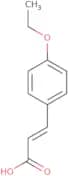
CAS:4-Ethoxycinnamic acid is a phenolic compound that is found in many plants and fruits. It has been shown to have bioactivities such as anti-inflammatory, anti-allergic, and anticancer activities. 4-Ethoxycinnamic acid has been shown to inhibit tyrosinase activity by interacting with the enzyme's active site. This inhibition reduces the production of melanin, which may be due to its ability to inhibit dopamine oxidation or the conversion of dopachrome into dopaquinone. 4-Ethoxycinnamic acid also inhibits prolyl hydroxylase activity, which can lead to increased collagen synthesis and reduced inflammation.Formula:C11H12O3Purezza:Min. 95%Colore e forma:PowderPeso molecolare:192.21 g/mol2-(2,2-dimethylpropanoyl)-3-(4-methoxyphenyl)prop-2-enenitrile
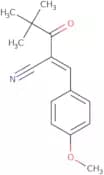
CAS:Please enquire for more information about 2-(2,2-dimethylpropanoyl)-3-(4-methoxyphenyl)prop-2-enenitrile including the price, delivery time and more detailed product information at the technical inquiry form on this pagePurezza:Min. 95%3,5-Dimethoxy-4-methylbenzoic acid
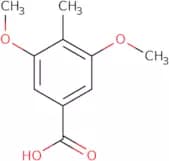
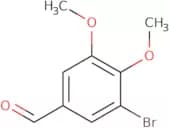
CAS:3,5-Dimethoxy-4-methylbenzoic acid is an organic compound that has a carboxylate group and a long chain. It is synthesized from 3,5-dimethoxybenzoic acid through the borohydride reduction of the primary alcohols to produce a mixture of 2,3,4-trimethoxybenzoic acid and 3,5-dimethoxybenzoic acid. The nitro group on the phenolic ring can be reduced to the corresponding amine with sodium borohydride. 3,5-Dimethoxy-4-methylbenzoic acid has been found in natural products such as Cephalotaxus fortunei and Acacia confusa.Formula:C10H12O4Purezza:Min. 95%Colore e forma:PowderPeso molecolare:196.2 g/mol3-Bromo-4,5-dimethoxybenzaldehyde
CAS:3-Bromo-4,5-dimethoxybenzaldehyde is a molecule that is acidic in nature. It inhibits phosphatases and has shown cytotoxic activity against cancer cells in vitro. This compound also has antibacterial properties and can be used to treat bacterial infections. 3-Bromo-4,5-dimethoxybenzaldehyde is also a synthetic compound that can be found in the bisbenzylisoquinoline alkaloids family. It has been shown to have anti-tumor activity as well as an interaction with aldehydes and chalcones, which may lead to anti-inflammatory effects.
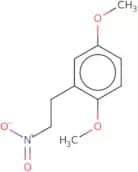
Formula:C9H9BrO3Purezza:Min. 95%Colore e forma:PowderPeso molecolare:245.07 g/mol1-(2,5-Dimethoxyphenyl)-2-nitroethane
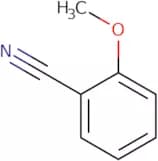
CAS:1-(2,5-Dimethoxyphenyl)-2-nitroethane is a versatile building block that can be used as a reagent in organic synthesis or as an intermediate in the manufacturing of other chemicals. It is soluble in most common solvents and has a greenish yellow color. This chemical is also useful for the manufacture of pharmaceuticals, insecticides, and pesticides.Formula:C10H13NO4Purezza:Min. 95%Peso molecolare:211.21 g/mol2-Methoxybenzonitrile
CAS:2-Methoxybenzonitrile is a reactive molecule that can undergo a variety of reactions. In simulations, 2-methoxybenzonitrile reacts with carbon tetrachloride to form chlorobenzene and hydrochloric acid. The reaction mechanism involves the metal surface, which is believed to act as a catalyst and transfer the molecule to the receptor binding site on the substrate molecule. 2-Methoxybenzonitrile has been shown to react with various functional groups on a substrate molecule, including ester, amide, nitrile, sulfide, sulfone, and phosphate groups. This reaction system also produces different reaction products depending on the type of functional group.
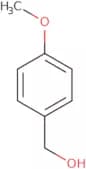
Formula:C8H7NOPurezza:Min. 95%Colore e forma:Clear LiquidPeso molecolare:133.15 g/mol4-Methoxybenzyl alcohol
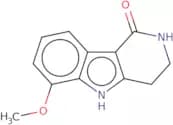
CAS:4-Methoxybenzyl alcohol is an inhibitor that inhibits the enzyme hydroxylase, which catalyzes the conversion of 4-methylphenol to 4-hydroxymandelic acid. The inhibition of this enzyme leads to a decrease in the production of pro-inflammatory factors, such as leukotrienes and prostaglandins. The inhibition of this enzyme also prevents the release of lysosomal enzymes, which may be a therapeutic target for degenerative diseases. Kinetic data has been collected by measuring the rate at which 4-methoxybenzyl alcohol reacts with hydroxylase in vitro and in vivo. This reaction was found to be second order with respect to substrate concentration, with a half-life of 2.8 hours at 37 degrees Celsius and pH 7.4.Formula:C8H10O2Purezza:Min. 98%Colore e forma:Clear LiquidPeso molecolare:138.16 g/mol1-Keto-6-methoxy-1,2,3,4-tetrahydro-β-carboline
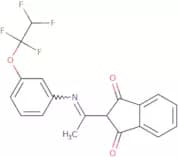
CAS:1-Keto-6-methoxy-1,2,3,4-tetrahydro-beta-carboline is a versatile building block that can be used in the synthesis of various compounds. It is an intermediate that can be used to synthesize other compounds such as 1-methylpiperazine and 1-(2,4-dichlorophenyl)piperazine. It has been shown to have high quality and is useful as a reagent for the synthesis of many different compounds. 1-Keto-6-methoxy-1,2,3,4-tetrahydro-beta carboline is also a useful scaffold for research chemicals and speciality chemicals. CAS No: 128487–09–2Formula:C12H12N2O2Purezza:Min. 95%Peso molecolare:216.24 g/mol2-(2-Aza-1-methyl-2-(3-(1,1,2,2-tetrafluoroethoxy)phenyl)vinyl)indane-1,3-dione
CAS:Please enquire for more information about 2-(2-Aza-1-methyl-2-(3-(1,1,2,2-tetrafluoroethoxy)phenyl)vinyl)indane-1,3-dione including the price, delivery time and more detailed product information at the technical inquiry form on this pageFormula:C19H13F4NO3Purezza:Min. 95%Colore e forma:PowderPeso molecolare:379.3 g/mol3'-Fluoro-4'-methoxyacetophenone
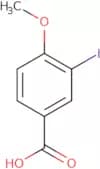
CAS:3'-Fluoro-4'-methoxyacetophenone is a chalcone that has been shown to have vibrational frequencies of 3.1, 3.2, and 3.3 cm-1. The conformation of this molecule is in the cis form with a 2,6-diisopropylphenyl group on the cyclohexane ring. This molecule has two functional groups: a hydroxyl and a methoxy group. These molecules are soluble in organic solvents such as benzene and chloroform, but not in water or ethanol due to their high polarity. The crystal structure of this molecule was determined by x-ray diffraction experiments at room temperature and found to be monoclinic with space group C2/c with lattice constants a = 5.853 Å, b = 12.638 Å, c = 6.225 Å and β = 120° ± 10° at 25 °CFormula:C9H9FO2Purezza:Min. 95%Colore e forma:PowderPeso molecolare:168.16 g/mol3-Iodo-4-methoxybenzoic acid
CAS:3-Iodo-4-methoxybenzoic acid is a biaryl compound that can be synthesized by the cross-coupling reaction of an aryl boronic acid and benzene. 3-Iodo-4-methoxybenzoic acid is a good substrate for Suzuki cross-coupling reactions. The optimisation of this reaction requires sterically unhindered substrates, high solvents, and refluxing conditions. 3-Iodo-4-methoxybenzoic acid is also suitable for the synthesis of esters by esterification with alcohols in the presence of a catalytic amount of acid.Formula:C8H7IO3Purezza:Min. 95%Peso molecolare:278.04 g/mol5-Chloro-2-methoxyacetophenone
CAS:5-Chloro-2-methoxyacetophenone is a byproduct of the synthesis of 2-hydroxybenzofuran. It is also used in the synthesis of tetracyclic benzopyrans, which are known to be potent analgesics and have been found to have anti-inflammatory properties. 5-Chloro-2-methoxyacetophenone can be obtained by decarbonylation (loss of carbon) or elimination reactions.
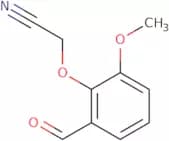
Formula:C9H9ClO2Purezza:Min. 95%Colore e forma:Clear LiquidPeso molecolare:184.62 g/mol2-(2-formyl-6-methoxyphenoxy)acetonitrile
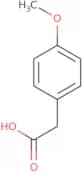
CAS:Please enquire for more information about 2-(2-formyl-6-methoxyphenoxy)acetonitrile including the price, delivery time and more detailed product information at the technical inquiry form on this pageFormula:C10H9NO3Purezza:Min. 95%Colore e forma:PowderPeso molecolare:191.18 g/mol(4-Methoxyphenyl)acetic acid
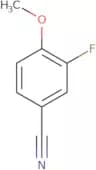
CAS:4-Methoxybenzoic acid is a chemical compound that belongs to the group of phenylacetic acids. It is an organic acid with a carboxylic acid group and a hydroxyl group. 4-Methoxybenzoic acid is used as an intermediate in the synthesis of other compounds, such as 3-methoxyphenylacetic acid and dihydroconiferyl alcohol. 4-Methoxybenzoic acid has been shown to inhibit the growth of breast cancer cells by inducing apoptosis. This effect was found to be increased when combined with tamoxifen (a drug used for the treatment of breast cancer). The mechanism of action is not clear but may involve hydrogen bond formation between 4-methoxybenzoic acid and tamoxifen, leading to increased uptake into cells.Formula:C9H10O3Purezza:Min. 95%Colore e forma:White PowderPeso molecolare:166.17 g/mol3-Fluoro-4-methoxybenzonitrile
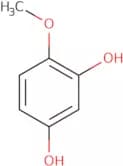
CAS:3-Fluoro-4-methoxybenzonitrile is a ferroelectric liquid crystal chiral molecule. It can be synthesized industrially by the reaction of 3-fluoro-4-methoxybenzoyl chloride with sodium methoxide. The synthesis is scalable and leads to high yields. 3-Fluoro-4-methoxybenzonitrile has been used in the synthesis of other ferroelectric liquid crystals, such as 4-(3′,5′-diiodophenyl)pentaerythritol triacrylate and 3,5′-(1H,1′H) -dibenzothiophene. This compound also displays nematic phase behavior at room temperature when in contact with a nematic director. Polarization data for this substance are available from experiments on thin films.Formula:C8H6FNOPurezza:Min. 95%Colore e forma:PowderPeso molecolare:151.14 g/mol4-Methoxyresorcinol
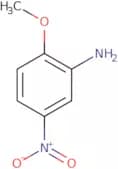
CAS:4-Methoxyresorcinol is a chemical compound that has the molecular formula CHNO. It has a hydroxyl group in the 4-position and a methyl group on the 8-position. The intramolecular hydrogen of this molecule is denatured by heating to about 220°C. This process converts it into resorcinol, which is structurally similar but has different properties. 4-Methoxyresorcinol can be used as a polymerization initiator for polycarboxylic acid or quinoline derivatives, and its analytical methods are used in determining its structure.Formula:C7H8O3Purezza:Min. 95%Colore e forma:PowderPeso molecolare:140.14 g/mol2-Methoxy-5-nitroaniline
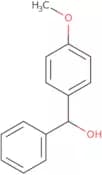
CAS:2-Methoxy-5-nitroaniline is a nitro compound that is cytotoxic at high doses. It is a diazonium salt that can be synthesised from hydrochloric acid and nitrous acid. The toxicity of 2-methoxy-5-nitroaniline has been tested in rats and found to have significant cytotoxicity at doses of 5000 mg/kg, with a LD50 of 2700 mg/kg. The chemical structure of 2-methoxy-5-nitroaniline consists of an amine group, two nitro groups, and two methyl groups. This compound can be synthesized by reacting ammonia with formaldehyde in the presence of nitric acid. 2-Methoxy-5-nitroaniline has shown to inhibit transcription polymerase chain reactions (PCR) in mouse erythrocytes at concentrations as low as 0.1 mM. DietaryFormula:C7H8N2O3Purezza:95%NmrColore e forma:PowderPeso molecolare:168.15 g/mol4-Methoxybenzhydrol
CAS:4-Methoxybenzhydrol is a chemical compound that has an activation energy of 69.3 kJ/mol. It has been shown to be acidic, with a pH of 2.5 in water, and can react with allyl alcohols to form 4-methoxybenzaldehyde. The addition of metal ions enhances the reaction rate. Kinetic studies have been carried out at room temperature, and the reaction mechanism is proposed to be via solvolysis of hypophosphorous acid followed by decarboxylation. Impurities may arise from side reactions such as the formation of peroxides or photocatalytic activity, which may lead to functional groups on the molecule.Formula:C14H14O2Purezza:Min. 95%Colore e forma:PowderPeso molecolare:214.26 g/molMethyl (1S,2S,3S,5R)-3-[Bis(4-Fluorophenyl)Methoxy]-8-Methyl-8-Azabicyclo[3.2.1]Octane-2-Carboxylate
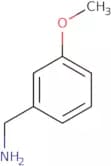
CAS:Prodotto controllatoMethyl (1S,2S,3S,5R)-3-[Bis(4-fluorophenyl)methoxy]-8-methyl-8-azabicyclo[3.2.1]octane-2-carboxylate is a molecule that has been shown to bind with high affinity to the serotonin receptor and blocks dopamine uptake. This drug has also demonstrated dose-dependent locomotor activity in rats and m1 muscarinic receptor binding. Methyl (1S,2S,3S,5R)-3-[Bis(4-fluorophenyl)methoxy]-8-methyl-8-azabicyclo[3.2.1]octane-2-carboxylate is being developed for use as a diagnostic tool for detecting Parkinsonian symptoms or chemical reactions in the brain.Formula:C23H25F2NO3Purezza:Min. 95%Peso molecolare:401.45 g/mol3-Methoxybenzylamine
CAS:3-Methoxybenzylamine is a fatty acid amide that is synthesized from benzylamine derivatives. The compound is a viscosity enhancer and antioxidant, and has been shown to inhibit the reaction of 3-hydroxybutyric acid with hydrochloric acid. 3-Methoxybenzylamine has also been used as a dietary supplement in tissue samples to reduce the effects of oxidation on the fatty acid chains. This compound has an asymmetric synthesis, which can be achieved by reacting an amine with an acyl chain.
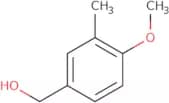
Formula:C8H11NOPurezza:Min. 95%Colore e forma:Clear LiquidPeso molecolare:137.18 g/mol4-Methoxy-3-methylbenzyl alcohol
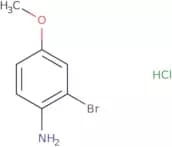
CAS:4-Methoxy-3-methylbenzyl alcohol is a high quality and versatile chemical reagent. It is a complex compound with the CAS number 114787-91-6. 4-Methoxy-3-methylbenzyl alcohol is useful as an intermediate in the synthesis of other fine chemicals, such as pesticides, dyes, and pharmaceuticals. It is also used as a speciality chemical for research purposes or as a building block for more complicated compounds. This compound can be used in reactions to produce new products, such as reaction components that are versatile building blocks.Formula:C9H12O2Purezza:Min. 95%Colore e forma:Clear LiquidPeso molecolare:152.19 g/mol2-Bromo-4-methoxyaniline hydrochloride
CAS:2-Bromo-4-methoxyaniline hydrochloride is a high quality, reagent that is used as a useful intermediate in the production of fine chemicals. This compound has been shown to be a useful scaffold for the synthesis of speciality chemicals and research chemicals. It also functions as an excellent building block for versatile chemical reactions. 2-Bromo-4-methoxyaniline hydrochloride can be used as a reaction component in the preparation of compounds with diverse functional groups.Formula:C7H8BrNO·ClHPurezza:Min. 95%Colore e forma:White PowderPeso molecolare:238.51 g/mol2,4,6-Trimethoxycinnamic acid
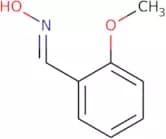
CAS:2,4,6-Trimethoxycinnamic acid is a cinnamoyl compound that can be isolated from the seeds of Garcinia gummi-guta. This compound has been synthesised and optimised for use as an antioxidant in food and cosmetic products. 2,4,6-Trimethoxycinnamic acid has a high product yield under isothermal conditions using β-cyclodextrin as a solvent. It also shows good stability in the presence of light. 2,4,6-Trimethoxycinnamic acid has been shown to be efficient in preventing oxidation reactions by acting as a scavenger of singlet oxygen and peroxyl radicals. The analytical data obtained from this study suggests that 2,4,6-Trimethoxycinnamic acid will not produce any moieties or photostability problems when used in these applications.Formula:C12H14O5Purezza:Min. 95%Colore e forma:PowderPeso molecolare:238.24 g/mol2-Methoxybenzaldehyde oxime
CAS:2-Methoxybenzaldehyde oxime is a synthetic amine that is used in the synthesis of peroxides. The reaction rate and nature depend on the type of peroxide being synthesized, but typically, it is used with acetonitrile as a solvent and an acid catalyst. 2-Methoxybenzaldehyde oxime reacts with peracid to create an aldoxime and nitrite. This product can also be made by reacting benzaldehyde with nitrous acid, which will produce dioxane as an intermediate. The reaction time for this process takes about four hours at room temperature.Formula:C8H9NO2Purezza:Min. 95%Colore e forma:PowderPeso molecolare:151.16 g/mol2-Methoxypropyl acetate
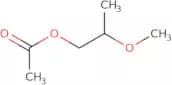
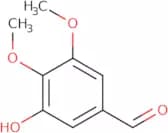
CAS:2-Methoxypropyl acetate is a cross-linking agent that is used in water treatment. It is used as an additive to deionized water and can be found in high concentrations in wastewater. 2-Methoxypropyl acetate reacts with xylene to produce light emission, which makes it suitable for use as a chemical marker. The optimum dose of 2-methoxypropyl acetate ranges from 0.025% to 0.2%. 2-Methoxypropyl acetate has been shown to be toxic when injected into rats at doses of 100 mg/kg body weight, but not at doses of 25 mg/kg body weight or less. This compound was also shown to cause protrusion and necrosis of the nasal septum in rats after administration at doses of 500 mg/kg body weight.Formula:C6H12O3Purezza:Min. 95%Colore e forma:Colourless LiquidPeso molecolare:132.16 g/mol3,4-Dimethoxy-5-hydroxybenzaldehyde
CAS:3,4-Dimethoxy-5-hydroxybenzaldehyde is a phenolic compound that has been shown to be bactericidal against Listeria monocytogenes and Staphylococcus aureus. It has also been shown to have antioxidant properties in vivo. 3,4-Dimethoxy-5-hydroxybenzaldehyde may be used in the treatment of cardiovascular diseases such as atherosclerosis because it inhibits platelet aggregation and lipoprotein oxidation. The compound prevents the oxidation of prosthetic groups and the formation of adducts with DNA, which can lead to carcinogenesis. 3,4-Dimethoxy-5-hydroxybenzaldehyde is known to inhibit the growth of Pseudomonas aeruginosa, Salmonella typhimurium, Escherichia coli and Lactobacillus plantarum.Formula:C9H10O4Purezza:Min. 95%Colore e forma:PowderPeso molecolare:182.17 g/mol4,4'-Dimethoxybenzhydrol
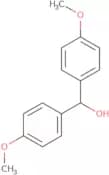
CAS:4,4'-Dimethoxybenzhydrol is a reaction system that has been used to control experiments in which the nucleophile is an iron catalyst. The reaction system was also used to determine the reactivity of various functional groups. The linear plot of the rate of reaction versus concentration of cyclopentenes, hydroxyl group, and dehydrated functionalities indicated that these factors had little effect on the rate of reaction. However, it was found that lactams and trifluorides were able to increase the rate of reaction. Anilines were also found to be effective as they reacted with hydrogen peroxide to form phenoxides.
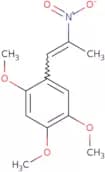
Formula:C15H16O3Purezza:Min. 95%Colore e forma:White PowderPeso molecolare:244.29 g/mol1-(2,4,5-Trimethoxyphenyl)-2-nitropropene
CAS:1-(2,4,5-Trimethoxyphenyl)-2-nitropropene is a fine chemical that can be used as a building block in organic synthesis. It is also an intermediate or scaffold for the preparation of other compounds. 1-(2,4,5-Trimethoxyphenyl)-2-nitropropene has been used in the synthesis of many pharmaceuticals and natural products. The compound has high purity and quality.Formula:C12H15NO5Purezza:Min. 95%Colore e forma:PowderPeso molecolare:253.25 g/mol3-(4-ethoxyphenyl)spiro[1,3-thiazolidine-2,3'-indoline]-4,7-dione
CAS:Please enquire for more information about 3-(4-ethoxyphenyl)spiro[1,3-thiazolidine-2,3'-indoline]-4,7-dione including the price, delivery time and more detailed product information at the technical inquiry form on this pagePurezza:Min. 95%4-Ethoxysalicylic acid
CAS:4-Ethoxysalicylic acid is a phosphorus oxychloride derivative that is used as an intermediate in the production of xanthones. Xanthones are used in the manufacture of dyes, pharmaceuticals, and fragrances. This compound also reacts with zinc chloride to give 4-ethoxysalicylate, which is an oxidizing agent. 4-Ethoxysalicylic acid has low toxicity and can be filtered from a reaction mixture by filtration or recrystallization. It can act as a monoamine oxidase inhibitor, which may contribute to its antidepressant properties. A hydrophobic molecule, 4-ethoxysalicylic acid will not dissolve in water but can be dissolved in organic solvents such as alcohols or ethers. It also has a high affinity for blood proteins and will bind to them readily. This property makes it useful as an anti-coagulant drug for treating depression and other mental illness.Formula:C9H10O4Purezza:Min. 95%Colore e forma:PowderPeso molecolare:182.17 g/molN-Ethylheptadecafluoro-N-[3-(Trimethoxysilyl)Propyl]Octanesulphonamide
CAS:Prodotto controllatoN-Ethylheptadecafluoro-N-[3-(Trimethoxysilyl)Propyl]Octanesulphonamide is a membrane filtration technology that is used to remove all organic and inorganic pollutants from water. It is effective for the removal of oils, pesticides, herbicides, detergents, antibiotics, and heavy metals. N-Ethylheptadecafluoro-N-[3-(Trimethoxysilyl)Propyl]Octanesulphonamide is also used to treat wastewater and surface water. This process can be used on large quantities of water with high efficiency. The use of this process can be beneficial for the health of humans, animals, and the environment.Formula:C16H20F17NO5SSiPurezza:Min. 95%Peso molecolare:689.46 g/mol7-(Cyanomethoxy)indole
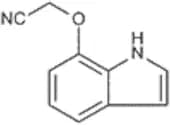
CAS:7-(Cyanomethoxy)indole is a versatile building block that can be used as a scaffold for the synthesis of complex molecules. It has been used as an intermediate in organic synthesis and as a reaction component for the preparation of useful compounds. 7-(Cyanomethoxy)indole is also known to have high quality and is widely used in research laboratories.
Formula:C10H8N2OPurezza:Min. 95%Peso molecolare:172.18 g/mol2,3-Dihydroxy-4-methoxycinnamic acid ethyl ester
Please enquire for more information about 2,3-Dihydroxy-4-methoxycinnamic acid ethyl ester including the price, delivery time and more detailed product information at the technical inquiry form on this pagePurezza:Min. 95%3-(2-(2-Aminoethoxy)ethoxy)-propanoic acid
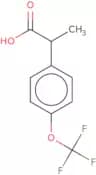
CAS:3-(2-(2-Aminoethoxy)ethoxy)-propanoic acid is a PEG compound with two different functional groups (also known as heterobifunctional). Unlike homobifunctional PEG compounds (same functional group on both ends), this type of compounds are more versatile as have two different anchor points. 3-(2-(2-Aminoethoxy)ethoxy)-propanoic acid is used as a linker and spacer to add a PEG moiety, via pegylation (a bioconjugation technique) to proteins, peptides, oligonucleotides, small molecules and nanoparticles.Formula:C7H15NO4Purezza:Min. 95%Colore e forma:White PowderPeso molecolare:177.2 g/mol2-(4-Trifluoromethoxyphenyl)propionic acid
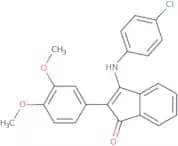
CAS:Please enquire for more information about 2-(4-Trifluoromethoxyphenyl)propionic acid including the price, delivery time and more detailed product information at the technical inquiry form on this pageFormula:C10H9F3O3Purezza:Min. 95%Peso molecolare:234.17 g/mol2-(3,4-dimethoxyphenyl)-3-((4-chlorophenyl)amino)inden-1-one
CAS:Please enquire for more information about 2-(3,4-dimethoxyphenyl)-3-((4-chlorophenyl)amino)inden-1-one including the price, delivery time and more detailed product information at the technical inquiry form on this pagePurezza:Min. 95%


![4-Amino-5-chloro-2,3-dihydro-N-[1-(3-methoxypropyl)-4-piperidinyl]-7-benzofurancarboxamide](/_next/image/?url=https%3A%2Fstatic.cymitquimica.com%2Fproducts%2F3D%2Fthumb-webp%2FFA27248.webp&w=3840&q=75)

![2,5-Dimethoxy-N-[(2-methoxyphenyl)methyl]-4-(trifluoromethyl)benzeneethanamine](/_next/image/?url=https%3A%2Fstatic.cymitquimica.com%2Fproducts%2F3D%2Fthumb-webp%2FFD100429.webp&w=3840&q=75)
![[3-(2-Methoxyethoxy)benzyl]amine](/_next/image/?url=https%3A%2Fstatic.cymitquimica.com%2Fproducts%2F3D%2Fthumb-webp%2FFM134467.webp&w=3840&q=75)

![2-[2-(2-t-Boc-aminoethoxy)ethoxy]ethanol](/_next/image/?url=https%3A%2Fstatic.cymitquimica.com%2Fproducts%2F3D%2Fthumb-webp%2FFB18924.webp&w=3840&q=75)

![cis-(+/-)-2-[(N-Benzyl-N-methyl)aminomethyl]-1-(3-methoxyphenyl)cyclohexanol hydrochloride](/_next/image/?url=https%3A%2Fstatic.cymitquimica.com%2Fproducts%2F3D%2Fthumb-webp%2FFB18402.webp&w=3840&q=75)


![2-[(2-Amino-5-methoxyphenyl)dithio]-4-methoxyaniline](/_next/image/?url=https%3A%2Fstatic.cymitquimica.com%2Fproducts%2F3D%2Fthumb-webp%2FFA117846.webp&w=3840&q=75)




![Tris[3-(trimethoxysilyl)propyl] isocyanurate](/_next/image/?url=https%3A%2Fstatic.cymitquimica.com%2Fproducts%2F3D%2Fthumb-webp%2FFT168667.webp&w=3840&q=75)




![Methyl (1S,2S,3S,5R)-3-[Bis(4-Fluorophenyl)Methoxy]-8-Methyl-8-Azabicyclo[3.2.1]Octane-2-Carboxyla…](/_next/image/?url=https%3A%2Fstatic.cymitquimica.com%2Fproducts%2F3D%2Fthumb-webp%2FFM102464.webp&w=3840&q=75)
![3-(4-ethoxyphenyl)spiro[1,3-thiazolidine-2,3'-indoline]-4,7-dione](/_next/image/?url=https%3A%2Fstatic.cymitquimica.com%2Fproducts%2F3D%2Fthumb-webp%2FFE169782.webp&w=3840&q=75)

![N-Ethylheptadecafluoro-N-[3-(Trimethoxysilyl)Propyl]Octanesulphonamide](/_next/image/?url=https%3A%2Fstatic.cymitquimica.com%2Fproducts%2F3D%2Fthumb-webp%2FFE98932.webp&w=3840&q=75)