Eteri
Trovati 40904 prodotti di "Eteri"
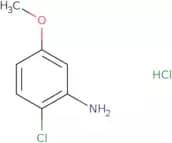
2-Chloro-5-methoxyaniline hydrochloride
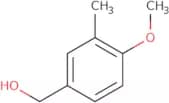
CAS:2-Chloro-5-methoxyaniline hydrochloride is an intercalating agent that is used in the treatment of cancer. It binds to DNA and causes a breakage of the hydrogen bonds between the two strands, which leads to cell death. The 2-Chloro-5-methoxyaniline hydrochloride molecule has affinity for lactams, which are sugar molecules found in cell walls of bacteria, fungi, and plants. This compound can be metabolized by lactamase enzymes that are found in cancer cells and other cells. The metabolized products are fluorescent, which allows them to be detected by fluorescence microscopy. 2-Chloro-5-methoxyaniline hydrochloride has been shown to inhibit the growth of lung cancer cells and leukemia cells by interfering with their ability to synthesize DNA and RNA.Formula:C7H8ClNO•HClPurezza:Min. 95%Colore e forma:PowderPeso molecolare:194.06 g/mol4-Methoxy-3-methylbenzyl alcohol
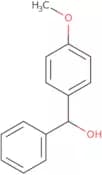
CAS:4-Methoxy-3-methylbenzyl alcohol is a high quality and versatile chemical reagent. It is a complex compound with the CAS number 114787-91-6. 4-Methoxy-3-methylbenzyl alcohol is useful as an intermediate in the synthesis of other fine chemicals, such as pesticides, dyes, and pharmaceuticals. It is also used as a speciality chemical for research purposes or as a building block for more complicated compounds. This compound can be used in reactions to produce new products, such as reaction components that are versatile building blocks.Formula:C9H12O2Purezza:Min. 95%Colore e forma:Clear LiquidPeso molecolare:152.19 g/mol4-Methoxybenzhydrol
CAS:4-Methoxybenzhydrol is a chemical compound that has an activation energy of 69.3 kJ/mol. It has been shown to be acidic, with a pH of 2.5 in water, and can react with allyl alcohols to form 4-methoxybenzaldehyde. The addition of metal ions enhances the reaction rate. Kinetic studies have been carried out at room temperature, and the reaction mechanism is proposed to be via solvolysis of hypophosphorous acid followed by decarboxylation. Impurities may arise from side reactions such as the formation of peroxides or photocatalytic activity, which may lead to functional groups on the molecule.Formula:C14H14O2Purezza:Min. 95%Colore e forma:PowderPeso molecolare:214.26 g/mol6-amino-4-(2-methoxyphenyl)-3-methyl-4H-pyrano[3,2-d]pyrazole-5-carbonitrile
CAS:Please enquire for more information about 6-amino-4-(2-methoxyphenyl)-3-methyl-4H-pyrano[3,2-d]pyrazole-5-carbonitrile including the price, delivery time and more detailed product information at the technical inquiry form on this pageFormula:C15H14N4O2Purezza:Min. 95%Colore e forma:PowderPeso molecolare:282.30 g/molN-Ethylheptadecafluoro-N-[3-(Trimethoxysilyl)Propyl]Octanesulphonamide
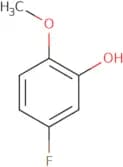
CAS:Prodotto controllatoN-Ethylheptadecafluoro-N-[3-(Trimethoxysilyl)Propyl]Octanesulphonamide is a membrane filtration technology that is used to remove all organic and inorganic pollutants from water. It is effective for the removal of oils, pesticides, herbicides, detergents, antibiotics, and heavy metals. N-Ethylheptadecafluoro-N-[3-(Trimethoxysilyl)Propyl]Octanesulphonamide is also used to treat wastewater and surface water. This process can be used on large quantities of water with high efficiency. The use of this process can be beneficial for the health of humans, animals, and the environment.Formula:C16H20F17NO5SSiPurezza:Min. 95%Peso molecolare:689.46 g/mol5-Fluoro-2-methoxyphenol
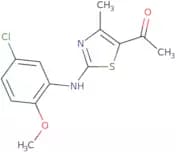
CAS:5-Fluoro-2-methoxyphenol is a heterodimeric natural product that consists of anisoles and acetanilides. It has been shown to induce liver microsomes in rats, as well as hypervalent organometallic complexes with methoxy groups. 5-Fluoro-2-methoxyphenol also exhibits vinylic shift and product synthesis abilities. This compound is useful for the synthesis of acetanilides and other compounds with a methoxy group. Reagents such as phenyllithium, butyllithium, and lithium diisopropylamide are used in this synthesis.Formula:C7H7FO2Purezza:Min. 95%Colore e forma:Clear LiquidPeso molecolare:142.13 g/mol1-(3-((5-Chloro-2-methoxyphenyl)amino)-5-methyl-2,4-thiazolyl)ethan-1-one
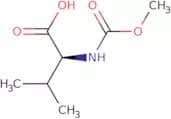
CAS:Please enquire for more information about 1-(3-((5-Chloro-2-methoxyphenyl)amino)-5-methyl-2,4-thiazolyl)ethan-1-one including the price, delivery time and more detailed product information at the technical inquiry form on this pageFormula:C13H13ClN2O2SPurezza:Min. 95%Peso molecolare:296.77 g/mol(S)-2-((Methoxycarbonyl)amino)-3-methylbutanoic acid
CAS:(S)-2-((Methoxycarbonyl)amino)-3-methylbutanoic acid is a synthetic molecule that has been studied for its antiviral activity against hepatitis C virus. The compound was found to inhibit the replication of the virus, with an IC50 of 0.5 mM in cell culture studies. It also inhibited the replicon and reaction yield of the virus in vitro. (S)-2-((Methoxycarbonyl)amino)-3-methylbutanoic acid is effective against genotype 1 and 2, but not against genotype 3. It is active against a broad range of HCV isolates, including those resistant to other drugs such as ribavirin or telaprevir. The drug has been shown to be well tolerated in animals and humans. END>
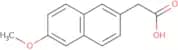
Formula:C7H13NO4Purezza:Min. 95%Colore e forma:White PowderPeso molecolare:175.18 g/mol6-Methoxy-2-naphthaleneacetic acid
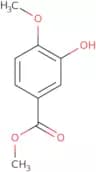
CAS:6-Methoxy-2-naphthaleneacetic acid (6-MNA) is a nonsteroidal anti-inflammatory drug that is used to treat patients with chronic pain. 6-MNA has been shown to be an effective treatment for osteoarthritis, rheumatoid arthritis and other inflammatory conditions. It inhibits the production of prostaglandins and leukotrienes by inhibiting the enzyme cyclooxygenase, which is responsible for the conversion of arachidonic acid to these mediators. 6-MNA can also inhibit the activity of α1-acid glycoprotein and increase the activity of human serum albumin, which may contribute to its antiinflammatory effect. 6-MNA has several side effects including nausea, vomiting, diarrhea and abdominal pain. These adverse reactions are caused by inhibition of protein synthesis in the stomach lining, which leads to decreased production of mucus and bicarbonate ions.Formula:C13H12O3Purezza:Min. 95%Colore e forma:PowderPeso molecolare:216.23 g/mol3-Hydroxy-4-methoxybenzoic acid methyl ester
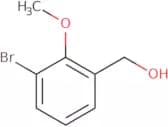
CAS:3-Hydroxy-4-methoxybenzoic acid methyl ester is a phenolic acid that is a potent inhibitor of tyrosinase activity. It has been shown to inhibit the growth of cancer cells by binding to 5-HT2A receptors and inhibiting the production of epidermal growth factor, which leads to a decrease in the expression of tyrosinase. 3-Hydroxy-4-methoxybenzoic acid methyl ester has also been shown to have an inhibitory effect on the synthesis of protocatechuic acid and acetate extract from soybean. This compound was found to be more effective than kojic acid, arbutin, and ascorbic acid.Formula:C9H10O4Purezza:Min. 95%Colore e forma:PowderPeso molecolare:182.17 g/mol3-Bromo-2-methoxybenzyl alcohol
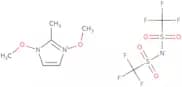
CAS:3-Bromo-2-methoxybenzyl alcohol is a reaction component that is used in the synthesis of a number of chemical compounds. It has been shown to be a useful scaffold, with versatile building blocks and intermediates. 3-Bromo-2-methoxybenzyl alcohol is an intermediate for the synthesis of complex compounds such as antihypertensive drugs, anti-inflammatory agents, and immunosuppressant drugs. This compound also has a variety of uses in research including as a reagent for the determination of enzyme activity and as an analytical reference standard.Formula:C8H9BrO2Purezza:Min. 95%Colore e forma:PowderPeso molecolare:217.06 g/mol1,3-Dimethoxy-2-methylimidazoliumbis(trifluoromethylsulfonyl)imide
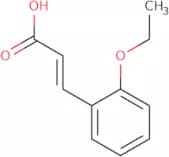
CAS:Please enquire for more information about 1,3-Dimethoxy-2-methylimidazoliumbis(trifluoromethylsulfonyl)imide including the price, delivery time and more detailed product information at the technical inquiry form on this pageFormula:C8H11F6N3O6S2Purezza:Min. 95%Colore e forma:PowderPeso molecolare:423.31 g/mol2-Ethoxycinnamic acid
CAS:2-Ethoxycinnamic acid is a metastable molecule that has been obtained by an asymmetric synthesis. It is unreactive, and its reaction products are polyvalent. 2-Ethoxycinnamic acid can be analyzed using analytical methods such as flow system, functional theory, and gas chromatography. 2-Ethoxycinnamic acid has been used in the preparation of cinnamates, which are used in perfumes and flavors. Polymorphs of this molecule have also been observed in crystalline form. There are two different forms of the molecule: α-form and β-form. The α-form is more stable than the β-form because it has a hydrogen bond with the methyl group on the left side of the molecule.
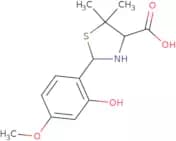
Formula:C11H12O3Purezza:Min. 95%Colore e forma:PowderPeso molecolare:192.21 g/mol2-(2-Hydroxy-4-methoxyphenyl)-5,5-dimethyl-4-thiazolidinecarboxylic acid
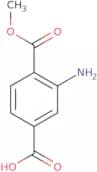
CAS:Please enquire for more information about 2-(2-Hydroxy-4-methoxyphenyl)-5,5-dimethyl-4-thiazolidinecarboxylic acid including the price, delivery time and more detailed product information at the technical inquiry form on this pageFormula:C13H17NO4SPurezza:Min. 95%Colore e forma:PowderPeso molecolare:283.34 g/mol3-Amino-4-carbomethoxybenzoic acid
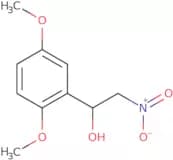
CAS:3-Amino-4-carbomethoxybenzoic acid is a compound that has not yet been labeled with a function. It has been shown to be an intermediate in the synthesis of polymers, such as polyamides and polyesters. 3-Amino-4-carbomethoxybenzoic acid is involved in biological functions related to butyric acid, which is a metabolite of the amino acids phenylalanine and tyrosine, or from the degradation of proteins. It is also used as a precursor for amines and may be an intermediate in the synthesis of glycoconjugates. The compound was found to have anticancer properties when used in combination with other drugs, such as doxorubicin and etoposide. Furthermore, it was found to have anti-inflammatory activities by inhibiting prostaglandin synthesis.Formula:C9H9NO4Purezza:Min. 95%Colore e forma:PowderPeso molecolare:195.17 g/mol1-(2,5-Dimethoxyphenyl)-2-nitroethanol
CAS:1-(2,5-Dimethoxyphenyl)-2-nitroethanol is a chiral, asymmetric catalyst that has been shown to be effective in the enantioselective reduction of ketones. This process is important because it allows for the synthesis of chiral amino alcohols, which are then used in a variety of chemical reactions. The reaction can also be carried out with methyl amine as an amine source. 1-(2,5-Dimethoxyphenyl)-2-nitroethanol is an example of a catalyst that participates in catalysis through the lone pair on oxygen and nitrogen atoms.Formula:C10H13NO5Purezza:Min. 95%Colore e forma:White PowderPeso molecolare:227.21 g/mol2-Amino-3-methoxybenzoic acid hydrochloride
CAS:2-Amino-3-methoxybenzoic acid hydrochloride is a synthetic monosubstituted hydroxy analog of the natural alkaloids, which are substituted with an amino group. It is produced by the demethylation of 2-amino-3-hydroxypyridine and reacts with caprolactam to form 2,6-dihydroxybenzaldehyde. It has been used in the synthesis of methoxyanthranilic acid, which is a synthetic analogue of anthranilic acid. Hydrochloric acid can be added to 2-amino-3-methoxybenzoic acid hydrochloride to produce 2,6-dihydroxybenzoyl chloride. This compound also undergoes condensation reactions with methoxyanthranilic acid to form 2,6-dimethoxybenzaldehyde.
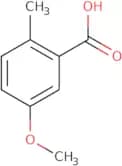
Formula:C8H9NO3•HClPurezza:Min. 95%Colore e forma:PowderPeso molecolare:203.62 g/mol5-Methoxy-2-methylbenzoic acid
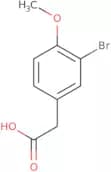
CAS:5-Methoxy-2-methylbenzoic acid is an intermediate in the synthesis of vitamin D3. It can also be used to synthesize calciferol, a configurationally stable form of vitamin D3 that has been shown to be optically active. Lactonic forms are composed of a 5-methoxy group and a 2-methylbenzoic acid moiety. Enantiomers are compounds with the same chemical formula but different arrangements of their atoms in space and each enantiomer is capable of rotating plane polarized light in opposite directions.Formula:C9H10O3Purezza:Min. 95%Colore e forma:PowderPeso molecolare:166.17 g/mol3-Bromo-4-methoxyphenylacetic acid
CAS:3-Bromo-4-methoxyphenylacetic acid is a benzyl ester of hydroxybenzoic acid. It is used as a synthetic precursor for the synthesis of curare and related compounds. 3-Bromo-4-methoxyphenylacetic acid was first synthesized in 1869 by German chemist Wilhelm Koenigs and has been widely used as a synthetic intermediate in organic chemistry. This compound can be prepared from bromobenzene, methoxybenzene, and acetic acid in the presence of dimethyl ether or nitrite. 3-Bromo-4-methoxyphenylacetic acid is also used to produce nitromethane, an alkylating agent that reacts with amines, alcohols, thiols, and sulfides to form N-substituted nitro compounds.
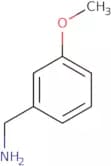
Formula:C9H9BrO3Purezza:Min. 95%Colore e forma:PowderPeso molecolare:245.07 g/mol3-Methoxybenzylamine
CAS:3-Methoxybenzylamine is a fatty acid amide that is synthesized from benzylamine derivatives. The compound is a viscosity enhancer and antioxidant, and has been shown to inhibit the reaction of 3-hydroxybutyric acid with hydrochloric acid. 3-Methoxybenzylamine has also been used as a dietary supplement in tissue samples to reduce the effects of oxidation on the fatty acid chains. This compound has an asymmetric synthesis, which can be achieved by reacting an amine with an acyl chain.
Formula:C8H11NOPurezza:Min. 95%Colore e forma:Clear LiquidPeso molecolare:137.18 g/mol2-[2-(2-t-Boc-aminoethoxy)ethoxy]ethanol
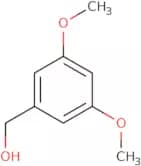
CAS:2-[2-(2-t-Boc-aminoethoxy)ethoxy]ethanol is a versatile chemical building block that can be used to synthesize a variety of compounds. It has been shown to be useful as a reaction component in the synthesis of pharmaceuticals and agrochemicals. The compound is also used as an intermediate for the preparation of other compounds. 2-[2-(2-t-Boc-aminoethoxy)ethoxy]ethanol is soluble in organic solvents, such as chloroform, ethanol, or acetone. It has a CAS number of 139115-92-7 and is relatively easy to purify by recrystallization from methanol.Formula:C11H23NO5Purezza:Min. 95%Colore e forma:Clear LiquidPeso molecolare:249.3 g/mol3,5-Dimethoxybenzyl alcohol
CAS:3,5-Dimethoxybenzyl alcohol is a synthetic compound that exhibits potent inhibitory activity against carcinoma cell lines. It prevents the growth of cancer cells by inhibiting the synthesis of RNA and DNA. The activation energy for this inhibitory activity is 40.6 kJ/mol, which was determined using analytical methods. 3,5-Dimethoxybenzyl alcohol inhibits the growth of cancer cells in vitro and in vivo at concentrations between 50 and 500 µM. Its inhibitory activities are reversible and competitive with respect to chloride ions at concentrations greater than 250 µM. 3,5-Dimethoxybenzyl alcohol has been shown to be an effective inhibitor of phosphatase enzymes in Chinese medicinal herbs such as Polygonum multiflorum Thunb., Phellodendron amurense Rupr., or Pyrus pyrifolia Nakai.
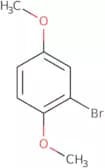
Formula:C9H12O3Purezza:Min. 95%Colore e forma:Off-White PowderPeso molecolare:168.19 g/mol1-Bromo-2,5-dimethoxybenzene
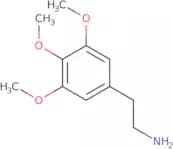
CAS:1,2-Bromo-2,5-dimethoxybenzene is a methylating agent that can be used in Friedel-Crafts acylation reactions. It reacts with hydrochloric acid to yield 1,2-dibromoethane and hydrogen peroxide. The product of the reaction is a mixture of chloride and alkylation products. Bromine is released as a byproduct in this reaction. This agent has been shown to be useful in the synthesis of compounds containing C=N bonds such as dienolates and amides.Formula:C8H9BrO2Purezza:Min. 95%Peso molecolare:217.06 g/mol2-(3,4,5-Trimethoxyphenyl)ethylamine
CAS:Prodotto controllato2-(3,4,5-Trimethoxyphenyl)ethylamine (TMPEA), also known as 3,4,5-trimethoxyamphetamine or 3,4,5-trimethoxyphenethylamine is a psychoactive agent that is structurally related to amphetamine and mescaline. It is a precursor to TMA which is an hallucinogenic drug. TMPEA has been shown to have dose-dependent effects on locomotor activity in mice and rats. In addition, it has been found to bind with high affinity to 5HT2A receptors in the rat brain. This compound can be prepared by reacting trifluoroacetic acid with 2-(3,4,5-trimethoxyphenyl)ethanamine. The sample preparation of this compound may be performed using human serum or lophophora plants.Formula:C11H17NO3Purezza:Min. 95%Colore e forma:PowderPeso molecolare:211.26 g/mol1-(1-(3-Methoxyphenyl)cyclohexyl)piperidine
CAS:Prodotto controllato1-(1-(3-Methoxyphenyl)cyclohexyl)piperidine is an analog of fentanyl that has been shown to be a potent analgesic. It binds to the μ-opioid receptor in the central nervous system and inhibits the reuptake of neurotransmitters, such as serotonin, norepinephrine, and dopamine. This drug has also been found to cause hypotension by inhibiting noradrenaline release from sympathetic nerve terminals. 1-(1-(3-Methoxyphenyl)cyclohexyl)piperidine may also have clinical relevance for treating drug addiction because it has a high affinity for binding ligands that are involved in this process. The sample preparation for 1-(1-(3-Methoxyphenyl)cyclohexyl)piperidine is not required because it can be measured directly in the urine.
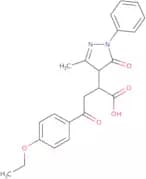
Formula:C18H27NOPurezza:Min. 95%Colore e forma:White To Off-White SolidPeso molecolare:273.41 g/mol4-(4-Ethoxyphenyl)-2-(3-methyl-5-oxo-1-phenyl(2-pyrazolin-4-yl))-4-oxobutanoic acid
CAS:Please enquire for more information about 4-(4-Ethoxyphenyl)-2-(3-methyl-5-oxo-1-phenyl(2-pyrazolin-4-yl))-4-oxobutanoic acid including the price, delivery time and more detailed product information at the technical inquiry form on this page
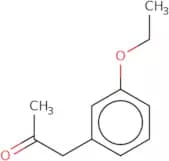
Purezza:Min. 95%(3-Ethoxyphenyl)acetone
CAS:3-Ethoxyphenylacetone is a white crystalline solid that is soluble in cold water and insoluble in ethanol. It is a chemical reagent that can be used for research purposes such as to study the mechanism of various chemical reactions. 3-Ethoxyphenylacetone can be used as a building block in the synthesis of more complex compounds and as an intermediate in the synthesis of other chemicals. 3-Ethoxyphenylacetone can also be used as a scaffold to create novel compounds with different functional groups.Formula:C11H14O2Purezza:Min. 85 Area-%Colore e forma:Clear LiquidPeso molecolare:178.23 g/mol7-Amino-2-(4-methoxyphenyl)[1,2,4]triazolo[1,5-a]pyrimidin-5(4H)-one
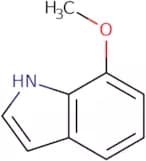
CAS:7-Amino-2-(4-methoxyphenyl)[1,2,4]triazolo[1,5-a]pyrimidin-5(4H)-one is a fine chemical that belongs to the category of versatile building blocks. It can be used as a reagent for research purposes and as a speciality chemical for the production of complex compounds. This compound is also an important building block for the synthesis of compounds with high quality and useful scaffolds.Formula:C12H11N5O2Purezza:Min. 95%Colore e forma:PowderPeso molecolare:257.25 g/mol7-Methoxy-1H-indole
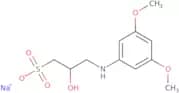
CAS:7-Methoxy-1H-indole (7MI) is a synthetic compound that exhibits anti-inflammatory activity. It is an analog of the amino acid methionine found in proteins and its synthesis involves the condensation of a chlorinated alkyl acetate with an esterified hydrazide to form the corresponding amide. 7MI has been shown to inhibit both bacterial and mammalian protein synthesis, as well as to inhibit tumor cell growth. 7MI binds reversibly to the N7 atom of the adenine base in DNA, thereby inhibiting DNA replication through inhibition of DNA polymerase.Formula:C9H9NOPurezza:Min. 95%Colore e forma:Clear LiquidPeso molecolare:147.17 g/molN-(2-Hydroxy-3-sulfopropyl)-3,5-dimethoxyaniline sodium
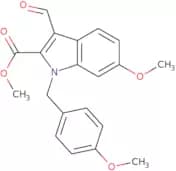
CAS:N-(2-Hydroxy-3-sulfopropyl)-3,5-dimethoxyaniline sodium is a chemical compound that has been shown to have antidiabetic activity in animal studies. It is a competitive inhibitor of the enzyme cholesterol esterase and has been shown to reduce the level of fatty acids and cholesterol in blood plasma. N-(2-Hydroxy-3-sulfopropyl)-3,5-dimethoxyaniline sodium binds to dextran sulfate as well as other amines and can be used for the analysis of test samples. This chemical also binds to monoclonal antibodies, which are proteins produced by B lymphocytes that recognize specific structures on foreign objects such as bacteria or viruses.Formula:C11H16NO6SNaPurezza:Min. 95%Colore e forma:White PowderPeso molecolare:313.3 g/molMethyl 3-formyl-6-methoxy-1-(4-methoxybenzyl)-1H-indole-2-carboxylate
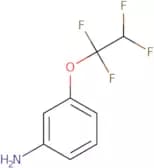
CAS:Prodotto controllatoPlease enquire for more information about Methyl 3-formyl-6-methoxy-1-(4-methoxybenzyl)-1H-indole-2-carboxylate including the price, delivery time and more detailed product information at the technical inquiry form on this pageFormula:C20H19NO5Purezza:Min. 95%Peso molecolare:353.37 g/mol3-(1,1,2,2-Tetrafluoroethoxy)aniline
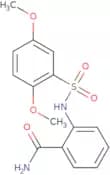
CAS:3-(1,1,2,2-Tetrafluoroethoxy)aniline is a reagent that belongs to the group of complex compounds. It has CAS No. 831-75-4 and is used as an intermediate in the synthesis of fine chemicals, useful scaffolds and building blocks. This versatile chemical can be used as a reaction component for the production of speciality chemicals and research chemicals. 3-(1,1,2,2-Tetrafluoroethoxy)aniline can be used as a starting material for the production of other reagents such as fluoroalkylating agents and fluorinating agents.Formula:C8H7F4NOPurezza:Min. 95%Colore e forma:Colorless Clear LiquidPeso molecolare:209.14 g/mol2-(((2,5-dimethoxyphenyl)sulfonyl)amino)benzamide
CAS:Please enquire for more information about 2-(((2,5-dimethoxyphenyl)sulfonyl)amino)benzamide including the price, delivery time and more detailed product information at the technical inquiry form on this page
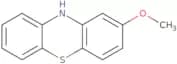
Purezza:Min. 95%2-Methoxyphenothiazine
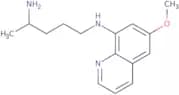
CAS:2-Methoxyphenothiazine is an antihistamine drug used to treat allergy symptoms. It is available as a liquid formulation for adults and children over the age of 12 years. The pharmacokinetic properties of 2-methoxyphenothiazine have been studied in three clinical trials. In one study, the terminal half-life was found to be around 5 hours in both healthy subjects and patients with allergic rhinitis. In another study, 2-methoxyphenothiazine was administered intravenously to healthy subjects at two different doses. After administration, 2-methoxyphenothiazine plasma concentrations were measured using high performance liquid chromatography (HPLC). The bioavailability of 2-methoxyphenothiazine was found to be dose proportional following intravenous administration. 2-Methoxyphenothiazine is metabolized by hydrolysis of its ester group by esterases or glucuronFormula:C13H11NOSPurezza:90%Colore e forma:PowderPeso molecolare:229.3 g/molN1-(6-Methoxy-8-quinolinyl)-1,4-pentanediamine
CAS:Impurity found in Primaquine diphosphateFormula:C15H21N3OPurezza:Min. 95%Colore e forma:Yellow PowderPeso molecolare:259.35 g/mol(2,4-Dimethoxyphenyl)acetone
CAS:2,4-dimethoxyphenylacetone is a high quality chemical intermediate that is used as a reagent in the synthesis of complex compounds. It is also useful in the synthesis of fine chemicals and speciality chemicals. This compound has been shown to be an excellent scaffold for the construction of other molecules and has been used as a building block in reactions with other functional groups. 2,4-dimethoxyphenylacetone can be used as a versatile building block with many different functional groups and has been shown to be reactive with nucleophiles such as amines, alcohols, and thiols.
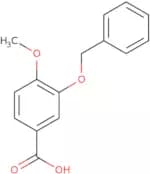
Formula:C11H14O3Purezza:Min. 95%Colore e forma:PowderPeso molecolare:194.23 g/mol3-Benzyloxy-4-methoxybenzoic acid
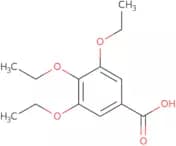
CAS:3-Benzyloxy-4-methoxybenzoic acid is a natural product that was isolated as a yellow crystalline powder from the needles of the tree Kirkia. It can be used as a radical and has been shown to have frameworks with galanthamine. 3-Benzyloxy-4-methoxybenzoic acid has been shown to be an inhibitor of protein synthesis in cells, which may be due to its ability to inhibit the activity of ribosomes and protein synthesis.Formula:C15H14O4Purezza:Min. 95%Peso molecolare:258.27 g/mol3,4,5-Triethoxybenzoic acid
CAS:3,4,5-Triethoxybenzoic acid is a synthetic compound that has been shown to have neurotoxic effects in animal studies. It has been shown to inhibit the dephosphorylation of amyloid fibrils and activation energy for polymerization. 3,4,5-Triethoxybenzoic acid also causes teratogenic effects in animals at high doses. This compound is used as a reagent for the synthesis of amyloid fibrils and has been shown to have an effect on the inhibition of phosphodiesterase activity.
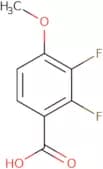
Formula:C13H18O5Purezza:Min. 95%Colore e forma:PowderPeso molecolare:254.28 g/mol2,3-Difluoro-4-methoxybenzoic acid
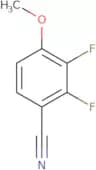
CAS:2,3-Difluoro-4-methoxybenzoic acid is a versatile building block that can be used to make complex compounds. This compound is a high quality, useful intermediate and reaction component that can be used in the synthesis of pharmaceuticals and other chemical products. 2,3-Difluoro-4-methoxybenzoic acid is a reagent that can be used for research purposes or as a speciality chemical. It has been shown to have many uses as a scaffold for making new compounds with different structures.Formula:C8H6F2O3Purezza:Min. 95%Colore e forma:PowderPeso molecolare:188.13 g/mol2,3-Difluoro-4-methoxybenzonitrile
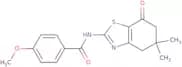
CAS:2,3-Difluoro-4-methoxybenzonitrile is a high quality chemical that can be used as a building block for the synthesis of more complex compounds. The compound has been shown to have useful intermediate properties and is often used in research. It is also a versatile scaffold that has been used to create many different types of chemical compounds. 2,3-Difluoro-4-methoxybenzonitrile can be used in the production of speciality chemicals and reaction components. It is not regulated by the Chemical Weapons Convention or other international treaties, making it an attractive reagent for those who are interested in purchasing this product.Formula:C8H5F2NOPurezza:Min. 95%Colore e forma:PowderPeso molecolare:169.13 g/molN-(5,5-dimethyl-7-oxo(4,5,6-trihydrobenzothiazol-2-yl))(4-methoxyphenyl)formamide
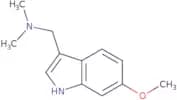
CAS:Please enquire for more information about N-(5,5-dimethyl-7-oxo(4,5,6-trihydrobenzothiazol-2-yl))(4-methoxyphenyl)formamide including the price, delivery time and more detailed product information at the technical inquiry form on this pagePurezza:Min. 95%6-Methoxygramine
CAS:Prodotto controllato6-Methoxygramine is a mitochondrial oxidase inhibitor, which is used in animal models of Parkinson's disease. It has been shown to be selective for the mitochondria and not to penetrate the blood-brain barrier. 6-Methoxygramine binds to an active site that is specific for oxidases, such as monoamine oxidase (MAO). This binding prevents the oxidation of dopamine, leading to its accumulation in the brain. 6-Methoxygramine also has been shown to inhibit MAO type A in rat brains.Formula:C12H16N2OPurezza:Min. 95%Colore e forma:PowderPeso molecolare:204.27 g/mol2-Methoxypropyl acetate
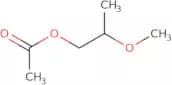
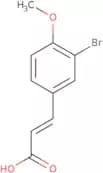
CAS:2-Methoxypropyl acetate is a cross-linking agent that is used in water treatment. It is used as an additive to deionized water and can be found in high concentrations in wastewater. 2-Methoxypropyl acetate reacts with xylene to produce light emission, which makes it suitable for use as a chemical marker. The optimum dose of 2-methoxypropyl acetate ranges from 0.025% to 0.2%. 2-Methoxypropyl acetate has been shown to be toxic when injected into rats at doses of 100 mg/kg body weight, but not at doses of 25 mg/kg body weight or less. This compound was also shown to cause protrusion and necrosis of the nasal septum in rats after administration at doses of 500 mg/kg body weight.Formula:C6H12O3Purezza:Min. 95%Colore e forma:Colourless LiquidPeso molecolare:132.16 g/mol3-Bromo-4-methoxycinnamic acid
CAS:3-Bromo-4-methoxycinnamic acid is an organic compound that is used as a reagent, a useful scaffold, and a useful intermediate. It has been shown to be an excellent building block for the synthesis of complex compounds. 3-Bromo-4-methoxycinnamic acid can be used in the production of fine chemicals.
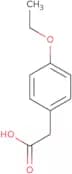
Formula:C10H9BrO3Purezza:Min. 95%Colore e forma:PowderPeso molecolare:257.08 g/mol4-Ethoxyphenylacetic acid
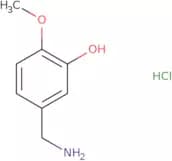
CAS:4-Ethoxyphenylacetic acid is an organic compound that belongs to the class of cannabinoids. It is a metabolite of tetrahydrocannabinol (THC) and can be used as a precursor to other cannabinoids, such as cannabidiol. This substance also has been shown to have canalization effects on plant physiology and root formation. 4-Ethoxyphenylacetic acid is synthesized in a solid-phase synthesis and purified by hydrogen chloride gas. The synthesis is efficient and can be done in gram quantities. Structural studies have shown that this molecule binds to cannabinoid receptors CB1 and CB2, which are found throughout the body, including the brain. 4-Ethoxyphenylacetic acid may act as a regulator for these receptors, with its effects depending on concentration.Formula:C10H12O3Purezza:Min. 95%Colore e forma:PowderPeso molecolare:180.2 g/mol3-Hydroxy-4-methoxybenzylamine hydrochloride
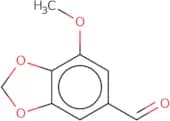
CAS:3-Hydroxy-4-methoxybenzylamine hydrochloride is a vanilloid receptor 1 (VR1) antagonist. It has been shown to inhibit the growth of prostate cancer cells in cell-based assays and to have potential as a therapeutic for prostate cancer patients with high triglycerides. 3-Hydroxy-4-methoxybenzylamine hydrochloride is also an inhibitor of guanosine, which is involved in the production of energy. It has been shown to enhance the antitumor effects of cetuximab, an antibody that targets the epidermal growth factor receptor (EGFR). 3-Hydroxy-4-methoxybenzylamine hydrochloride is soluble in water and can be used as a solvent for other compounds. 3-Hydroxy-4-methoxybenzylamine hydrochloride is also known by its chemical name, N-(3,4 dimethylphenyl)-Formula:C8H12ClNO2Purezza:Min. 95%Colore e forma:PowderPeso molecolare:189.64 g/mol3-Methoxy-4,5-methylenedioxybenzaldehyde
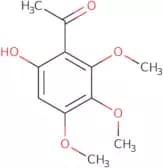
CAS:Prodotto controllato3-Methoxy-4,5-methylenedioxybenzaldehyde (MMDA) is an amine that is used in the synthesis of drugs and pharmaceuticals. It is a major component of myristicin, which is found in nutmeg. MMDA can be synthesized from aluminium chloride, hydrochloric acid and pyridine. The molecule has a skeleton that is recemic at acidic pH values and mesoionic at basic pH values. This compound also reacts with acetyl chloride to form 3,4-dimethoxyacetophenone, which can be chromatographically separated from other compounds. The chromatography produces flavonoid derivatives such as quercetin, 3′-methoxyquercetin and 3′,4′-dimethoxyquercetin. Flavonoids are polyphenolic compounds found in plants that have antioxidant properties. Chromatographic separation of these compounds can be done using spectrometric methods toFormula:C9H8O4Purezza:Min. 95 Area-%Colore e forma:Off-White PowderPeso molecolare:180.16 g/mol6-Hydroxy-2,3,4-trimethoxyacetophenone
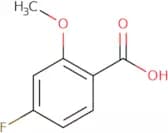
CAS:6-Hydroxy-2,3,4-trimethoxyacetophenone (6HTMA) is a natural product that has been shown to have potent inhibitory activities against PC12 cells. This compound also possesses neuroprotective and antioxidative properties. 6HTMA was able to inhibit acetylation of proteins, which may be responsible for its neuroprotective activity. Furthermore, 6HTMA has been shown to possess anti-oxidant and anti-tuberculous activities.Formula:C11H14O5Purezza:Min. 95%Colore e forma:PowderPeso molecolare:226.23 g/mol4-Fluoro-2-methoxybenzoic acid
CAS:4-Fluoro-2-methoxybenzoic acid is a versatile building block that is used in the synthesis of many complex compounds. It is a reagent, which means it can be used as an intermediate in the synthesis of other compounds. 4-Fluoro-2-methoxybenzoic acid is also a useful scaffold for the preparation of new chemical entities with specific pharmaceutical properties. The CAS number for this compound is 395-82-4.Formula:C8H7FO3Purezza:Min. 95%Colore e forma:PowderPeso molecolare:170.14 g/mol2-Fluoro-3-methoxyaniline
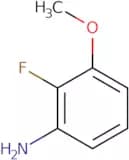
CAS:2-Fluoro-3-methoxyaniline is a high quality chemical that can be used as an intermediate in the synthesis of complex compounds. It is a reagent and useful building block, with a CAS number of 801282-00-8. 2-Fluoro-3-methoxyaniline can be used to make speciality chemicals and research chemicals, as well as versatile building blocks for reactions. This compound is also a reaction component for the synthesis of other compounds.
Formula:C7H8FNOPurezza:Min. 95%Colore e forma:Clear LiquidPeso molecolare:141.14 g/mol(4aS,6R,8aS)-4a,5,9,10,11,12-Hexahydro-3-methoxy-11-methyl-6H-benzofuro[3a,3,2-ef][2]benzazepin-6-ol
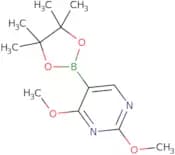
CAS:Prodotto controllato(4aS,6R,8aS)-4a,5,9,10,11,12-Hexahydro-3-methoxy-11-methyl-6H-benzofuro[3a,3,2-ef][2]benzazepin-6-ol is a natural compound that has been shown to be an effective treatment for oxidative injury. It has a cholinergic activity and is able to cross the blood brain barrier. (4aS,6R,8aS)-4a,5,9,10,11,12-Hexahydro-3-methoxy-11-methyl-6Hbenzofuro[3a. 3.2ef][2]benzazepin -6--ol was found to have protective effects in an experimental model of Alzheimer's disease where it significantly reduced neuronal death. The compound also has antiinflammatory properties which mayFormula:C17H21NO3Purezza:Min. 95%Colore e forma:PowderPeso molecolare:287.35 g/mol2,4-Dimethoxypyrimidine-5-boronic acid, pinacol ester
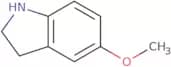
CAS:2,4-Dimethoxypyrimidine-5-boronic acid is a high quality chemical that can be used as a reagent or a complex intermediate. It is an important building block for the synthesis of many compounds and has been shown to be useful in the synthesis of 2,4-dimethoxybenzaldehyde. This compound has been used in the preparation of 2,4-dimethoxypyrimidin-5(6H)-ones and as a reaction component in organic chemistry.Formula:C12H19BN2O4Purezza:Min. 97%Peso molecolare:266.1 g/mol5-Methoxy-2,3-dihydroindoline
CAS:5-Methoxy-2,3-dihydroindoline is a methoxy compound that is substituted with a methyl group. It has been shown to be an effective hydrogen transfer agent in cyclopentenone reactions, and can also be used as a sensor for nitroaromatic compounds. 5-Methoxy-2,3-dihydroindoline can be synthesized by the reaction of methoxylated aniline with sodium ethoxide in acetonitrile. This reaction produces the desired product in high yield (70%), and it can also be used for the methylation of secondary amines in good yield (80%). 5-Methoxy-2,3-dihydroindoline is potently active when titrated against benzo[a]pyrene.
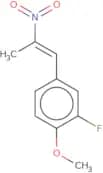
Formula:C9H11NOPurezza:Min. 95%Colore e forma:PowderPeso molecolare:149.19 g/mol3'-Fluoro-4'-methoxy-beta-methyl-beta-nitrostyrene
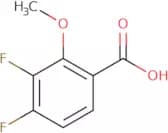
CAS:3'-Fluoro-4'-methoxy-beta-methyl-beta-nitrostyrene is a reactive building block that can be used in the synthesis of many different compounds. It is a fine chemical and a reagent which is useful in organic chemistry. 3'-Fluoro-4'-methoxy-beta-methyl-beta-nitrostyrene is used as a reaction component for the synthesis of many different compounds, including pharmaceuticals, agrochemicals, and other specialty chemicals. It has CAS number 1023717-11-4 and can be used as an intermediate compound or building block for the production of complex compounds.Formula:C10H10FNO3Purezza:Min. 95%Colore e forma:PowderPeso molecolare:211.19 g/mol3,4-Difluoro-2-methoxybenzoic acid
CAS:3,4-Difluoro-2-methoxybenzoic acid is a chemical compound that can be used as a reaction component or reagent. It is also a useful scaffold for organic synthesis of complex compounds and can be used as a building block to produce fine chemicals. 3,4-Difluoro-2-methoxybenzoic acid has the CAS number 875664-52-1 and is listed under the chemical name 3,4-difluoro-2-methoxybenzoic acid.
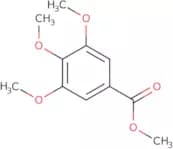
Formula:C8H6F2O3Purezza:Min. 95%Colore e forma:PowderPeso molecolare:188.13 g/molMethyl 3,4,5-trimethoxybenzoate
CAS:Methyl 3,4,5-trimethoxybenzoate is a fatty acid that belongs to the group of p2. It is used as an animal health product and as a component of pharmaceutical preparations. Methyl 3,4,5-trimethoxybenzoate has been shown to be a useful model system for studying hydrogen bonding in organic chemistry. When heated with sodium carbonate and chloride in water, the methyl 3,4,5-trimethoxybenzoate reacts with n-dimethyl formamide to produce reaction products. This reaction can be accelerated by adding triticum aestivum and sodium hydroxide solution.
Formula:C11H14O5Purezza:Min. 95%Colore e forma:PowderPeso molecolare:226.23 g/molMethyl 6-bromo-3,4-dimethoxybenzoate
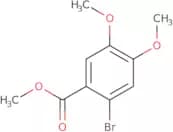
CAS:Methyl 6-bromo-3,4-dimethoxybenzoate is a potent compound that inhibits topoisomerase. It is not as selective as other topoisomerase inhibitors, but it is more reactive and has been shown to be effective in the synthesis of lactones. This compound can also be used as an intermediate for the synthesis of more potent inhibitors of topoisomerase. Methyl 6-bromo-3,4-dimethoxybenzoate has been shown to react with aliphatic aldehydes and nitro compounds to form zinc powder. The reaction proceeds via a catalytic mechanism involving an initial complexation of the methyl group with the carbonyl oxygen atom followed by nucleophilic attack by zinc.
Formula:C10H11BrO4Purezza:Min. 98 Area-%Colore e forma:PowderPeso molecolare:275.1 g/mol(3-Methoxyphenyl)acetonitrile
CAS:3-Methoxyphenylacetonitrile (3MPAN) is a small molecule that has been shown to inhibit the activity of kinases, which are enzymes that transfer phosphate groups from ATP onto other substrates. 3MPAN has been found to be selective for the estrogen receptor alpha (ERα), with little or no effect on ERβ, and shows promise as a potential drug for hormone-dependent breast cancer. It also inhibits fatty acid synthesis and is active against some viruses. 3MPAN binds to the enzyme's ATP binding site and blocks phosphorylation by preventing access of ATP. This prevents DNA synthesis and protein synthesis, leading to cell death.
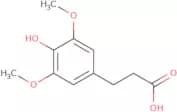
Formula:C9H9NOPurezza:Min. 95%Colore e forma:PowderPeso molecolare:147.17 g/mol3-(3,5-Dimethoxy-4-hydroxyphenyl)-propionic acid
CAS:3-(3,5-dimethoxy-4-hydroxyphenyl)-propionic acid (3DMP) is a phenolic compound that is the major metabolite of sinalbin. It has been shown to be a bioactive compound with anti-inflammatory and antiatherosclerotic properties. 3DMP has also been found to have anti-cancer and anti-microbial activities. 3DMP is catabolized in the liver by cytochrome P450. This process produces metabolites including 3,5-dimethoxybenzoic acid, which can be excreted in urine samples. The physiological effects of 3DMP are mediated through binding to ABC transporters as well as G protein coupled receptors on cells such as BV2 microglial cells.Formula:C11H14O5Purezza:Min. 95%Colore e forma:White PowderPeso molecolare:226.23 g/mol2-Iodo-5,6-dimethoxybenzoic acid
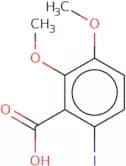
CAS:2-Iodo-5,6-dimethoxybenzoic acid is a reagent that is used in the synthesis of complex compounds and fine chemicals. It has a high quality and is useful as an intermediate or building block for the synthesis of versatile compounds. This chemical can be used in research to create new compounds with special properties. 2-Iodo-5,6-dimethoxybenzoic acid can be used in various reactions to make diverse building blocks or scaffolds that are useful in organic chemistry.Formula:C9H9IO4Purezza:Min. 95%Peso molecolare:308.07 g/mol1-Bromo-2,4-dimethoxybenzene
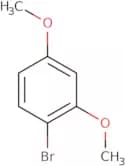
CAS:1-Bromo-2,4-dimethoxybenzene is a functional group that can be found in nanotubes. It is synthesized by the debromination of 2,4-dibromobenzene with n-dimethylformamide and sodium bicarbonate. The reaction mechanism involves nucleophilic attack by the hydroxide ion on the bromine atom of the 1-bromo-2,4-dimethoxybenzene to form a tetrahedral intermediate followed by an elimination reaction. This process leads to the formation of carbon nanotubes. 1-Bromo-2,4-dimethoxybenzene has been shown to have anticancer activity in vitro and in vivo against breast cancer cells.Formula:C8H9BrO2Purezza:Min. 95%Colore e forma:Clear LiquidPeso molecolare:217.06 g/mol6,7-Dimethoxyquinazoline-2,4-dione
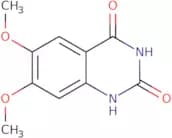
CAS:6,7-Dimethoxyquinazoline-2,4-dione is a chemical compound that can be synthesized by reacting amide and formaldehyde. It has been investigated as an efficient method for the synthesis of amides. 6,7-Dimethoxyquinazoline-2,4-dione is also a potential antibacterial agent which may prevent bacterial growth by inhibiting choline uptake or by binding to ribosomes and blocking protein synthesis. The reaction mechanism of this compound is not well understood, but it may involve hydrolysis of cyanate to produce hydrogen cyanide (HCN), which then reacts with the amide to form the quinazoline ring.Formula:C10H10N2O4Purezza:Min. 95%Colore e forma:PowderPeso molecolare:222.2 g/mol3,5,7,4'-Tetramethoxyflavone
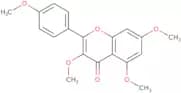
CAS:3,5,7,4'-Tetramethoxyflavone is a flavonoid that has been shown to have antidiabetic effects in animal studies. The mechanism of action of 3,5,7,4'-tetramethoxyflavone is not clear; however it is thought to involve the regulation of insulin sensitivity and energy metabolism. This compound has also been shown to inhibit the growth of Mycobacterium tuberculosis and other bacteria by interacting with their adenosine receptors. 3,5,7,4'-Tetramethoxyflavone binds to the basophilic leukemia cell line and inhibits its uptake of adenosine through the ccaat/enhancer-binding protein complex.
Formula:C19H18O6Purezza:Min. 95%Peso molecolare:342.34 g/mol4,6-Dichloro-5-methoxypyrimidine
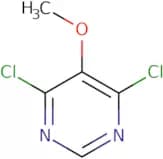
CAS:4,6-Dichloro-5-methoxypyrimidine is a reactive intermediate in the synthesis of sulfadoxine. It is a chlorinating agent that reacts with alkanes and alkenes to produce halogenated products. 4,6-Dichloro-5-methoxypyrimidine can be used as a reagent to synthesize malonic acid and formamide. This compound has been used as an isotopic label for studies of the efficiency of the reaction between malonic acid and formamide. The chloride ions are used in this study to monitor the reaction rate. 4,6-Dichloro-5-methoxypyrimidine is also an intermediate in the synthesis of sulfanilamide and aminophenol.Formula:C5H4Cl2N2OPurezza:Min. 95%Colore e forma:PowderPeso molecolare:179 g/mol2-Dicyclohexylphosphino-2',6'-dimethoxybiphenyl
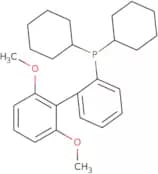
CAS:2-Dicyclohexylphosphino-2',6'-dimethoxybiphenyl is a fluorescent chemical that has been used to study interactions of fatty acids and halides. It is also used in the synthesis of palladium complexes, which have been shown to be effective for hydrogenation reactions. 2-Dicyclohexylphosphino-2',6'-dimethoxybiphenyl can be synthesized from 2,6-dichlorobenzaldehyde and dicyclohexylphosphine by the addition of trifluoroacetic acid. The synthesis proceeds via a substitution reaction with methoxy groups on the aromatic ring. This product fluoresces under ultraviolet light at 351 nm.Formula:C26H35O2PPurezza:Min. 95%Colore e forma:PowderPeso molecolare:410.53 g/mol3-Methoxy-4-nitrobenzoic acid methyl ester
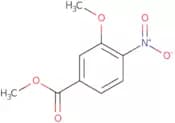
CAS:3-Methoxy-4-nitrobenzoic acid methyl ester is a dianellidin, a type of natural product. It is an ionizing acid that catalyzes the reaction between carboxylic acids and hydroxyl compounds. This compound is used to produce some drugs, such as methyldopate, which is an antiarrhythmic drug that slows heart rate. The catalytic rate of 3-methoxy-4-nitrobenzoic acid methyl ester can be increased by buffers and solvents (e.g., methanol). These compounds increase the concentration of the reactants in solution and reduce the activation energy required for the reaction to take place. Uncatalyzed reactions are slow because there are no molecules to act as intermediates in the process.
Formula:C9H9NO5Purezza:95%NmrColore e forma:PowderPeso molecolare:211.17 g/molTrimethoxy(3,3,3-trifluoropropyl)silane
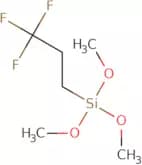
CAS:Trimethoxy(3,3,3-trifluoropropyl)silane is a chemical that is used as a coating for metals and plastics. It has been shown to be an excellent lubricant and can be used as a fuel additive. Trimethoxy(3,3,3-trifluoropropyl)silane is also used in analytical chemistry for gravimetric analysis. This chemical can undergo reactions with other compounds such as hydrogen gas to form trimethoxysilane (SiH), which can be detected by FT-IR spectroscopy. Trimethoxy(3,3,3-trifluoropropyl)silane also reacts with metal ions in the presence of light to form metal complexes that have potential applications in photovoltaic devices and electrochemical studies. !--END--> !--END-->Formula:C6H13F3O3SiPurezza:Min. 95%Colore e forma:Clear LiquidPeso molecolare:218.25 g/molNelotanserin
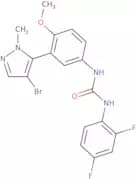
CAS:1-[3-(4-Bromo-1-methyl-1H-pyrazol-5-yl)-4-methoxyphenyl]-3-(2,4-difluorophenyl)urea is the active ingredient in a drug that is used to treat chronic schizophrenia. It has been shown to have both antipsychotic and antidepressant properties. The drug works by blocking the 5HT2A receptor, which inhibits the effects of serotonin on heterocyclic amines at the postsynaptic membrane. This causes hyperpolarization of the membrane, which blocks neurotransmitter release and prevents further transmission of signals. It also blocks the H1 receptor, which decreases histamine release and reduces inflammation in the brain.Formula:C18H15BrF2N4O2Purezza:Min. 95%Colore e forma:PowderPeso molecolare:437.24 g/mol(3,4,5-Trimethoxyphenyl)boronic acid
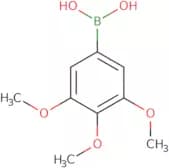
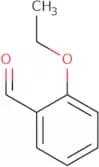
CAS:(3,4,5-Trimethoxyphenyl)boronic acid is an active analogue of 3,4,5-trimethoxybenzoic acid. It has potent anti-inflammatory properties and inhibits cancer cell proliferation. (3,4,5-Trimethoxyphenyl)boronic acid has been shown to inhibit the growth of cancer cells in vitro by binding to the gyrase enzyme. This drug also has biological properties that may be useful for treating human liver diseases such as hepatic steatosis or nonalcoholic fatty liver disease (NAFLD).Formula:C9H13BO5Purezza:Min. 95 Area-%Colore e forma:PowderPeso molecolare:212.01 g/mol2-Ethoxybenzaldehyde
CAS:2-Ethoxybenzaldehyde is an organic compound that has been found to be a potential anticancer agent. It inhibits the growth of tumor cells in vitro, by inhibiting the PI3K/Akt signaling pathway. 2-Ethoxybenzaldehyde also has antibacterial activity against Gram-positive bacteria, such as P. aeruginosa, by binding to the nitrogen atoms on the cell wall and disrupting their function. The molecule has a functional group that reacts with metal cations, which helps to explain its chemical nature and its reaction mechanism. The molecule is soluble in water but not in organic solvents. 2-Ethoxybenzaldehyde crystallizes as a white solid with a monoclinic crystal system and can react with salicylaldehyde to produce benzalmalonic acid.Formula:C9H10O2Purezza:Min. 97 Area-%Colore e forma:Clear LiquidPeso molecolare:150.17 g/mol3-Ethoxy-4-hydroxyphenylacetic acid
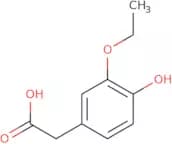
CAS:3-Ethoxy-4-hydroxyphenylacetic acid is a chemical compound that functions as an anaesthetic. It has been shown to produce sedation and anesthesia in animals, but not in humans. 3-Ethoxy-4-hydroxyphenylacetic acid is also a metabolite of the drug propofol, which is used as a general anesthetic.
Formula:C10H12O4Purezza:Min. 95%Colore e forma:PowderPeso molecolare:196.2 g/mol4-Methoxycinnamylidene acetaldehyde
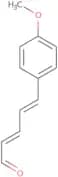
CAS:4-Methoxycinnamylidene acetaldehyde is a versatile building block with a CAS number of 27394-81-6. It is used in the research and production of fine chemicals, pharmaceuticals, and high quality reagents. 4-Methoxycinnamylidene acetaldehyde can be used as a useful scaffold for the synthesis of complex compounds. This building block is also a useful intermediate in organic chemistry reactions.
Formula:C12H12O2Purezza:Min. 95%Colore e forma:PowderPeso molecolare:188.22 g/mol4-Methoxy-2-methylbenzaldehyde
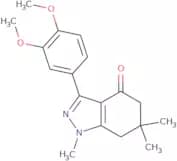
CAS:4-Methoxy-2-methylbenzaldehyde (4MMBA) is a synthetic chemical that is used as an antifungal agent. It interacts with the cellular membranes of fungi and disrupts their ability to maintain homeostasis. 4MMBA inhibits the growth of invasive aspergillosis by inhibiting protein synthesis, which leads to cell death. The mechanism of action for 4MMBA is not well understood, but it has been shown to inhibit the growth of fungi in a model system. It also inhibits the production of pyrylium, which may be responsible for its activity against fungi.Formula:C9H10O2Purezza:90%Peso molecolare:150.17 g/mol3-(3,4-dimethoxyphenyl)-1,6,6-trimethyl-5,6,7-trihydro1H-indazol-4-one
CAS:Please enquire for more information about 3-(3,4-dimethoxyphenyl)-1,6,6-trimethyl-5,6,7-trihydro1H-indazol-4-one including the price, delivery time and more detailed product information at the technical inquiry form on this pagePurezza:Min. 95%Bis[3-(triethoxysilyl)propyl]-disulfide
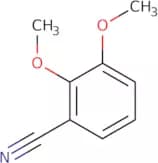
CAS:Bis[3-(triethoxysilyl)propyl]-disulfide is a polymer that has been shown to inhibit tumor growth in vivo and in vitro. It also inhibits the synthesis of fatty acids. Bis[3-(triethoxysilyl)propyl]-disulfide is synthesized by reacting triethoxysilane with sulfur dioxide, followed by hydrolysis of the resultant bis(hydroxysilyl)sulfide with water. The polymer is then purified by precipitation from an alcohol solution, followed by drying to form a powder. Bis[3-(triethoxysilyl)propyl]-disulfide has a viscosity of about 1 cP at room temperature and can be used as a polymer matrix for drug delivery.Formula:C18H42O6S2Si2Purezza:Min. 85.0 Area-%Colore e forma:Clear LiquidPeso molecolare:474.83 g/mol2,3-Dimethoxybenzonitrile
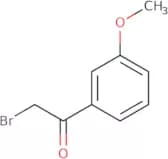
CAS:2,3-Dimethoxybenzonitrile is a useful building block for the synthesis of complex compounds. It is used in the manufacture of pharmaceuticals and agrochemicals. 2,3-Dimethoxybenzonitrile can be used as a reactant or intermediate in organic synthesis. It is also known to have antioxidant properties.Formula:C9H9NO2Purezza:Min. 95%Peso molecolare:163.17 g/mol2-Bromo-3'-methoxyacetophenone
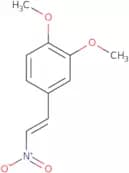
CAS:2-Bromo-3'-methoxyacetophenone is a reactive compound that has been used as an antiplatelet drug. It is a prodrug of vicagrel, which inhibits the platelet aggregation by blocking the conversion of ADP to ATP. It also has been shown to inhibit the growth of cryptococcus neoformans. This compound binds to matrix proteins and disrupts their structure, leading to a decrease in platelet adhesion. 2-Bromo-3'-methoxyacetophenone has been shown to be metabolized through a number of metabolic transformations, including hydrolysis by esterases or glucuronidases, oxidation by cytochrome P450 enzymes, reduction by glutathione reductase, or conjugation with glucuronic acid. The biological properties of this drug are complex and depend on its concentration and duration of exposure. Its effect on platelet aggregation is due to its ability to inhibit the activity of protein kinFormula:C9H9BrO2Purezza:Min. 95%Peso molecolare:229.07 g/mol1-(3,4-Dimethoxyphenyl)-2-nitroethene
CAS:1-(3,4-Dimethoxyphenyl)-2-nitroethene is a trifluoroacetic acid derivative that can be synthesized using the reaction of 1-(3,4-dimethoxyphenyl)ethanone and 2-nitroethanol. It is an unsymmetrical molecule with two possible structures. The first structure is postulated to be the energetically favored conformation, while the second structure is postulated to be the result of elimination of HCl during synthesis. This compound has shown potential as a prodrug for amine-containing drugs such as resveratrol or hydrazines.Formula:C10H11NO4Purezza:Min. 95%Colore e forma:PowderPeso molecolare:209.2 g/mol1-Chloro-2-(2-methoxyethoxy)ethane
CAS:Please enquire for more information about 1-Chloro-2-(2-methoxyethoxy)ethane including the price, delivery time and more detailed product information at the technical inquiry form on this page
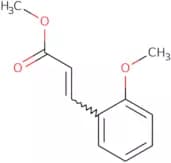
Formula:C5H11ClO2Purezza:Min. 95%Colore e forma:Clear Colourless LiquidPeso molecolare:138.59 g/mol2-Methoxycinnamic acid methyl ester
CAS:2-Methoxycinnamic acid methyl ester is a monomer that can be used in the synthesis of magnetic nanoparticles. It has been shown to have high activity and can be used at temperatures between 20°C and 40°C. This reagent is also soluble in organic solvents, making it easy to purify. The size of the particles can be controlled by changing the diameter of the monomer, which can be determined using various techniques such as magnetic separation, filtration, or centrifugation. 2-Methoxycinnamic acid methyl ester was found to have a mesoporous structure when synthesized using an organometallic technique. This reagent is suitable for use in analytical methods such as gas chromatography-mass spectrometry (GC-MS) or liquid chromatography-mass spectrometry (LC-MS).Formula:C11H12O3Purezza:Min. 95%Colore e forma:PowderPeso molecolare:192.21 g/mol4-(Bromodifluoromethoxy)nitrobenzene
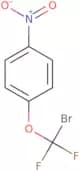
CAS:4-(Bromodifluoromethoxy)Nitrobenzene is a versatile building block that can be used to synthesize a wide variety of organic and inorganic compounds. It is a brominated derivative of nitrobenzene, which is useful for the synthesis of complex compounds and research chemicals. 4-(Bromodifluoromethoxy)Nitrobenzene is also an intermediate for the synthesis of pharmaceuticals and other valuable chemical compounds. This compound has been shown to provide high quality results in reactions with other molecules. 4-(Bromodifluoromethoxy)Nitrobenzene can be used as a scaffold for the construction of more complex molecules.Formula:C7H4BrF2NO3Purezza:Min. 95%Colore e forma:LiquidPeso molecolare:268.01 g/mol4-(2-Methoxyphenyl)-2(3H)-thiazolone hydrazone
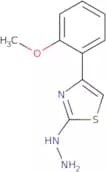
CAS:4-(2-Methoxyphenyl)-2(3H)-thiazolone hydrazone is a versatile building block for the synthesis of complex compounds. It is also a useful intermediate for the preparation of research chemicals, reagents, and speciality chemicals. 4-(2-Methoxyphenyl)-2(3H)-thiazolone hydrazone has been used in the synthesis of a number of biologically active compounds, including hydroxyarylacetamides and 2,5-dioxo-4-(2-methoxybenzoyl)thiazolidine derivatives. This compound can be used as a scaffold to produce novel compounds with biological activity.Formula:C10H11N3OSPurezza:Min. 95%Colore e forma:Off-White PowderPeso molecolare:221.28 g/moltrans-2,5-Dimethoxy-4'-nitrostilbene
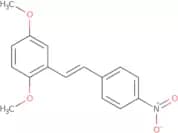
CAS:Trans-2,5-dimethoxy-4'-nitrostilbene is a molecule that belongs to the class of polycyclic aromatic compounds. It is used as a versatile building block in organic synthesis, and is also an intermediate for the production of other compounds. Trans-2,5-dimethoxy-4'-nitrostilbene has been shown to be effective in the preparation of various pharmaceuticals such as diazepam and chloramphenicol. It is also used in research chemicals and speciality chemicals. The structure of trans-2,5-dimethoxy-4'-nitrostilbene can be described as a bicyclic compound with two phenyl rings joined by an oxygen bridge. Trans-2,5-dimethoxy-4'-nitrostilbene has CAS No. 552938 4 and molecular weight of 268.81 g/mol.Formula:C16H15NO4Purezza:Min. 95%Colore e forma:PowderPeso molecolare:285.29 g/mol3-Chloro-1,1-diethoxypropane - Stabilized with CaCO3
CAS:3-Chloro-1,1-diethoxypropane is a molecule that has been studied for its potential in cancer treatment. It has shown to be toxic to some human cell lines but not others. 3-Chloro-1,1-diethoxypropane has also been shown to be effective at reducing blood pressure and as an antiviral agent against HIV. The molecule is stable in the presence of calcium carbonate and can be administered orally or intravenously.Formula:C7H15ClO2Purezza:Min. 90 Area-%Colore e forma:Clear LiquidPeso molecolare:166.65 g/mol3-Formyl-4-methoxypyridine
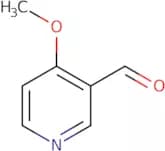
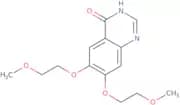
CAS:3-Formyl-4-methoxypyridine is a synthetic compound that belongs to the group of pyrimidine ring compounds. It is synthesized by the reaction of triflic acid with 2,6-dichloropyridine and has been shown to have antiviral and antitumour properties. The compound has also been synthetized as a potential drug for the treatment of malaria. 3-Formyl-4-methoxypyridine is an analog of variolin, which is an alkaloid that can be found in marine organisms such as sponges and tunicates. 3-Formyl-4-methoxypyridine has been shown to inhibit protein synthesis by inhibiting the enzyme RNA polymerase II, which leads to cell death by apoptosis or necrosis.Formula:C7H7NO2Purezza:Min. 95%Colore e forma:PowderPeso molecolare:137.14 g/mol6,7-Bis(2-methoxyethoxy)-3,4-dihydroquinazolin-4-one
CAS:This compound is a synthetic molecule that has been shown to have growth factor activity and may be useful in cancer research. The molecule is a nucleophile and reacts with epidermal growth factor (EGF) to form the corresponding adduct. This adduct can then react with chloride to form the corresponding chloro-adduct. It also binds to cellular proteins, such as antigen and factor receptors. The piperazine ring of this molecule is responsible for its binding affinity for these receptors.
The compound was expressed from a plasmid under normoxic conditions, but was not expressed under hypoxic conditions.Formula:C14H18N2O5Purezza:Min. 95%Colore e forma:White PowderPeso molecolare:294.3 g/mol(4-Methoxyphenyl)-(2,4,5-trimethoxybenzylidene)-amine
CAS:4-Methoxyphenyl-(2,4,5-trimethoxybenzylidene)-amine is a chemical compound that is used as a research chemical and a building block for the synthesis of other chemicals. It has been shown to be useful as an intermediate in the synthesis of complex compounds. The product is typically used as a reaction component in organic chemistry. It can also be used as a reagent or as an additive to other chemicals. 4-Methoxyphenyl-(2,4,5-trimethoxybenzylidene)-amine is high quality and has many uses in research and industry.Formula:C16H16BrNO3Purezza:Min. 95%Peso molecolare:350.21 g/molEthyl 2-(4-((5-chloro-2-methoxyphenyl)amino)-3,5-thiazolyl)acetate
CAS:Please enquire for more information about Ethyl 2-(4-((5-chloro-2-methoxyphenyl)amino)-3,5-thiazolyl)acetate including the price, delivery time and more detailed product information at the technical inquiry form on this pagePurezza:Min. 95%2-Hydroxy-5-methoxybenzaldehyde
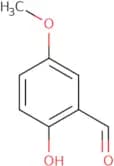
CAS:2-Hydroxy-5-methoxybenzaldehyde is a colorless, water-soluble liquid that has been used as a chemical intermediate in the synthesis of pharmaceuticals. It is also an antiinflammatory agent that inhibits acetylcholinesterase. 2-Hydroxy-5-methoxybenzaldehyde binds to copper ions by means of hydrogen bonding interactions and forms stable complexes with nitrogen atoms such as amides, nitriles, and hydrazones. 2HMB has been shown to have antiinflammatory activity in animal studies. This compound has a redox potential of -0.8 V, which indicates it can be oxidized by strong oxidizing agents or reduced by strong reducing agents.Formula:C8H8O3Purezza:Min. 95%Colore e forma:Colorless Clear LiquidPeso molecolare:152.15 g/mol2,4-Dimethoxy-β-nitrostyrene
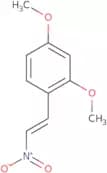
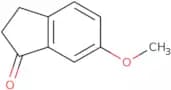
CAS:2,4-Dimethoxy-beta-nitrostyrene is a high quality, versatile building block for synthesis of complex compounds. It is an intermediate for the production of pharmaceuticals and other fine chemicals. 2,4-Dimethoxy-beta-nitrostyrene is used as a reagent in organic chemistry to produce complex compounds, such as esters and amides. This chemical has also been shown to be useful in research into the synthesis of new drugs.Formula:C10H11NO4Purezza:Min. 95%Peso molecolare:209.2 g/mol6-Methoxy-1-indanone
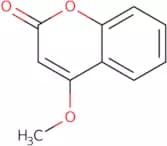
CAS:6-Methoxy-1-indanone is a chemical compound that can be found in the form of two structural isomers. They both have the same pharmacokinetic properties and are potent inhibitors of 5-HT1A receptors. 6-Methoxy-1-indanone also has potent inhibitory activity on the MT2 receptors, which are present in the central nervous system. This compound has been shown to be an active methylene group with neurodegenerative disease and has carbonyl groups.Formula:C10H10O2Purezza:Min. 98 Area-%Colore e forma:PowderPeso molecolare:162.19 g/mol4-Methoxycoumarin
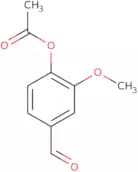
CAS:4-Methoxycoumarin is a type of coumarin derivative that contains a hydroxy group. It is synthesized by the reaction of methoxyphenol and acetoacetic acid in the presence of an acid catalyst. This compound has been used in the synthesis of other coumarin derivatives, such as benzocoumarins, which are used for their cytostatic effects against plant cells. 4-Methoxycoumarin is also found in plants and has been shown to be active against some viruses. 4-Methoxycoumarin can be converted into its monohydroxylated form, which reacts with hydrogen ions to produce a protonated cationic surfactant. The resulting flow system can be used for analytical purposes.Formula:C10H8O3Purezza:Min. 95%Peso molecolare:176.17 g/mol4-Acetoxy-3-methoxybenzaldehyde
CAS:4-Acetoxy-3-methoxybenzaldehyde is an antimicrobial agent that is used specifically for the treatment of lemongrass oil and eugenol. It has been shown to be effective against a wide range of microorganisms, such as Escherichia coli, Pseudomonas aeruginosa, Salmonella enterica, Staphylococcus aureus, and Streptococcus pneumoniae. 4-Acetoxy-3-methoxybenzaldehyde has been shown to inhibit the growth of bacteria by binding to the 50S ribosomal subunit. The molecule also has hydroxyl group which can react with potassium dichromate and sodium carbonate. This reaction results in the formation of 4-acetoxy-3-hydroxybenzaldehyde through an S N 2 substitution mechanism.
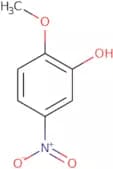
Formula:C10H10O4Purezza:Min. 95%Colore e forma:PowderPeso molecolare:194.18 g/mol2-Methoxy-5-nitrophenol
CAS:2-Methoxy-5-nitrophenol (2MNOP) is a compound that has been shown to inhibit the growth of bacteria in nutrient solutions by reducing the activity of glutamate pyruvate transaminase and pyridoxine hydrochloride. 2MNOP is a potent inhibitor of bacterial enzyme activities, such as neutral ph, hydrochloric acid, nitro, and toxicity studies. It is not active against eukaryotic cells or plants. The uptake of 2MNOP is enhanced by the presence of diamine tetraacetic acid and ethylene diamine. 2MNOP has also been shown to be effective against multi-walled carbon nanotubes.Formula:C7H7NO4Purezza:Min. 95%Colore e forma:PowderPeso molecolare:169.13 g/mol5-Bromo-2,3-dimethoxybenzoic acid
CAS:2,3-Dimethoxybenzoic acid is a metabolite of 2,3-dimethoxybenzaldehyde, which is produced by the condensation of acetaldehyde and benzoic acid. It has been used as an intermediate in organic synthesis. The enzyme dopamine D3 receptor ligand binding assays have been used to study the ability of 5-bromo-2,3-dimethoxybenzoic acid to inhibit dopamine uptake in rat striatal membranes. The compound has also been shown to be a specific ligand for the dopamine D3 receptor and bind with a high affinity.Formula:C9H9BrO4Purezza:Min. 95%Colore e forma:PowderPeso molecolare:261.07 g/molN-(2-(3,4-dimethoxyphenyl)ethyl)(2-(4-chlorophenoxy)(3-pyridyl))formamide
CAS:Please enquire for more information about N-(2-(3,4-dimethoxyphenyl)ethyl)(2-(4-chlorophenoxy)(3-pyridyl))formamide including the price, delivery time and more detailed product information at the technical inquiry form on this page
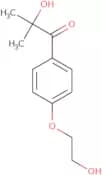
Purezza:Min. 95%2-Hydroxy-4'-(2-hydroxyethoxy) -2-methylpropiophenone
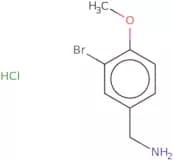
CAS:2-Hydroxy-4'-(2-hydroxyethoxy)-2-methylpropiophenone is a reactive chemical substance that has been shown to have significant cytotoxicity and biological properties. It is used in the treatment of cervical cancer and has been shown to inhibit the growth of cancer cells. This compound is found in a number of commercial products, including sunscreens and hair dyes, but its use may be limited due to its photochemical reactivity. The structure of 2HEPP was determined using nuclear magnetic resonance (NMR) spectroscopy and mass spectrometry. The chemical formula for 2HEPP is C10H14O3. It has a molecular weight of 192.22 g/mol and an empirical formula of C10H14O3. 2HEPP is soluble in methanol, acetone, ether, chloroform, benzene, ethanol, ethyl acetate, diethyl ether, and acetonFormula:C12H16O4Purezza:Min. 95%Colore e forma:White PowderPeso molecolare:224.25 g/mol3-Bromo-4-methoxybenzylamine hydrochloride
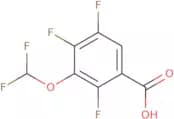
CAS:3-Bromo-4-methoxybenzylamine hydrochloride is a high quality reagent that is used as an intermediate in the synthesis of complex compounds. It has been shown to be a useful scaffold for the synthesis of new chemical entities and a versatile building block for organic synthesis. 3-Bromo-4-methoxybenzylamine hydrochloride can be used as a reaction component in various chemical reactions, including Friedel-Crafts acylation, nitration, chlorination and bromination.Formula:C8H11BrClNOPurezza:Min. 95%Colore e forma:PowderPeso molecolare:252.54 g/mol3-(Difluoromethoxy)-2,4,5-trifluorobenzoic acid
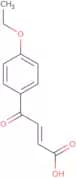
CAS:3-(Difluoromethoxy)-2,4,5-trifluorobenzoic acid is an antibacterial drug that belongs to the class of fluoroquinolones. It inhibits bacterial growth by binding to DNA gyrase and topoisomerase IV enzymes in bacteria. 3-(Difluoromethoxy)-2,4,5-trifluorobenzoic acid has been shown to be active against a wide variety of bacteria and is used as a treatment for urinary tract infections and skin infections. 3-(Difluoromethoxy)-2,4,5-trifluorobenzoic acid can also be used in combination with other antibiotics such as tetrabutyl ammonium chloride to enhance their effects.Formula:C8H3F5O3Purezza:Min. 95%Colore e forma:SolidPeso molecolare:242.1 g/mol3-(4-Ethoxybenzoyl)acrylic acid
CAS:3-(4-Ethoxybenzoyl)acrylic acid is a chemical that belongs to the group of reagents. It can be used in research involving organic synthesis as a building block and as an intermediate. 3-(4-Ethoxybenzoyl)acrylic acid can also be used to synthesize complex compounds or fine chemicals. The product is high quality, easy to use, and has many uses. This compound is a versatile building block that can be used to make many different compounds.Formula:C12H12O4Purezza:Min. 95%Colore e forma:PowderPeso molecolare:220.22 g/mol

![6-amino-4-(2-methoxyphenyl)-3-methyl-4H-pyrano[3,2-d]pyrazole-5-carbonitrile](/_next/image/?url=https%3A%2Fstatic.cymitquimica.com%2Fproducts%2F3D%2Fthumb-webp%2FFA169804.webp&w=3840&q=75)
![N-Ethylheptadecafluoro-N-[3-(Trimethoxysilyl)Propyl]Octanesulphonamide](/_next/image/?url=https%3A%2Fstatic.cymitquimica.com%2Fproducts%2F3D%2Fthumb-webp%2FFE98932.webp&w=3840&q=75)

![2-[2-(2-t-Boc-aminoethoxy)ethoxy]ethanol](/_next/image/?url=https%3A%2Fstatic.cymitquimica.com%2Fproducts%2F3D%2Fthumb-webp%2FFB18924.webp&w=3840&q=75)

![7-Amino-2-(4-methoxyphenyl)[1,2,4]triazolo[1,5-a]pyrimidin-5(4H)-one](/_next/image/?url=https%3A%2Fstatic.cymitquimica.com%2Fproducts%2F3D%2Fthumb-webp%2FFA134729.webp&w=3840&q=75)

![(4aS,6R,8aS)-4a,5,9,10,11,12-Hexahydro-3-methoxy-11-methyl-6H-benzofuro[3a,3,2-ef][2]benzazepin-6-…](/_next/image/?url=https%3A%2Fstatic.cymitquimica.com%2Fproducts%2F3D%2Fthumb-webp%2FFH15703.webp&w=3840&q=75)


![Bis[3-(triethoxysilyl)propyl]-disulfide](/_next/image/?url=https%3A%2Fstatic.cymitquimica.com%2Fproducts%2F3D%2Fthumb-webp%2FFB40976.webp&w=3840&q=75)