Eteri
Trovati 40904 prodotti di "Eteri"
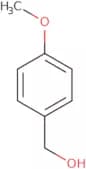
4-Methoxybenzyl alcohol
CAS:4-Methoxybenzyl alcohol is an inhibitor that inhibits the enzyme hydroxylase, which catalyzes the conversion of 4-methylphenol to 4-hydroxymandelic acid. The inhibition of this enzyme leads to a decrease in the production of pro-inflammatory factors, such as leukotrienes and prostaglandins. The inhibition of this enzyme also prevents the release of lysosomal enzymes, which may be a therapeutic target for degenerative diseases. Kinetic data has been collected by measuring the rate at which 4-methoxybenzyl alcohol reacts with hydroxylase in vitro and in vivo. This reaction was found to be second order with respect to substrate concentration, with a half-life of 2.8 hours at 37 degrees Celsius and pH 7.4.Formula:C8H10O2Purezza:Min. 98%Colore e forma:Clear LiquidPeso molecolare:138.16 g/mol4,5-Dimethoxyindole
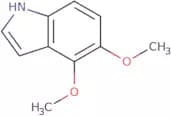
CAS:4,5-Dimethoxyindole is a chemical compound that has been shown to exhibit radical scavenging activity. It is an inhibitor of integrase, which are enzymes involved in the integration of viral DNA into host cell chromosomes. This compound has been synthesized and its optical properties have been studied. The synthesis of 4,5-dimethoxyindole derivatives has also been investigated using molecular modeling. Schrodinger software was used to predict the geometry of these synthesized derivatives. These studies suggest that 4,5-dimethoxyindole may be a potential anti-cancer agent due to its ability to inhibit cancer cell growth and induce apoptosis.
Formula:C10H11NO2Purezza:Min. 95%Colore e forma:SolidPeso molecolare:177.2 g/mol3-(Trifluoromethoxy)hydrocinnamic acid
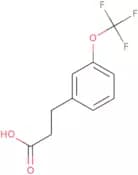
CAS:3-(Trifluoromethoxy)hydrocinnamic acid is a useful building block that is used in the synthesis of many organic compounds. It has been used as a reagent and as a speciality chemical, and is also a versatile building block for the synthesis of complex compounds. 3-(Trifluoromethoxy)hydrocinnamic acid can be synthesized from cinnamic acid, which is available commercially and can be obtained by reacting benzaldehyde with nitric acid. 3-(Trifluoromethoxy)hydrocinnamic acid has CAS No. 168833-77-0 and can be found under the name 2,4-dichloro-3-(trifluoromethoxy)benzene.
Formula:C10H9F3O3Purezza:Min. 98 Area-%Colore e forma:Clear LiquidPeso molecolare:234.17 g/mol4-Ethoxyphenylacetic acid
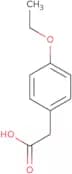
CAS:4-Ethoxyphenylacetic acid is an organic compound that belongs to the class of cannabinoids. It is a metabolite of tetrahydrocannabinol (THC) and can be used as a precursor to other cannabinoids, such as cannabidiol. This substance also has been shown to have canalization effects on plant physiology and root formation. 4-Ethoxyphenylacetic acid is synthesized in a solid-phase synthesis and purified by hydrogen chloride gas. The synthesis is efficient and can be done in gram quantities. Structural studies have shown that this molecule binds to cannabinoid receptors CB1 and CB2, which are found throughout the body, including the brain. 4-Ethoxyphenylacetic acid may act as a regulator for these receptors, with its effects depending on concentration.Formula:C10H12O3Purezza:Min. 95%Colore e forma:PowderPeso molecolare:180.2 g/mol2-Hydroxy-4,6-dimethoxyacetophenone
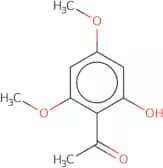
CAS:2-Hydroxy-4,6-dimethoxyacetophenone is a natural compound that has been shown to have significant cytotoxicity in vitro against human colon cancer cells. This compound may be used as an alternative treatment for bowel disease and other conditions by blocking the apoptosis pathway. 2-Hydroxy-4,6-dimethoxyacetophenone binds to DNA, preventing DNA from polymerizing into chromatin and halting the cell cycle. It also inhibits the production of xanthoxylin, which is involved in the formation of cell nuclei. The mechanism of action for this drug is similar to that of chemical pesticides and radiation treatment.Formula:C10H12O4Purezza:Min. 95%Colore e forma:PowderPeso molecolare:196.2 g/mol3-Fluoro-4-methoxycinnamic acid
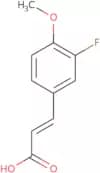
CAS:3-Fluoro-4-methoxycinnamic acid is a template for the synthesis of azido compounds. Azide is a versatile functional group that can be used in many chemical reactions. 3-Fluoro-4-methoxycinnamic acid can be used to synthesize various azido products by reacting with hydrogen gas and an appropriate nucleophile, such as acrylic acid or ammonia. This reaction is called the "hydrogenating" reaction because it involves the addition of hydrogen. The target product can be synthesized by adding an appropriate electrophile, such as sodium azide, to the starting material in a solvent such as methylene chloride.Formula:C10H9FO3Purezza:Min. 95%Colore e forma:PowderPeso molecolare:196.18 g/mol4,4'-Dimethoxybenzhydrol
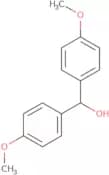
CAS:4,4'-Dimethoxybenzhydrol is a reaction system that has been used to control experiments in which the nucleophile is an iron catalyst. The reaction system was also used to determine the reactivity of various functional groups. The linear plot of the rate of reaction versus concentration of cyclopentenes, hydroxyl group, and dehydrated functionalities indicated that these factors had little effect on the rate of reaction. However, it was found that lactams and trifluorides were able to increase the rate of reaction. Anilines were also found to be effective as they reacted with hydrogen peroxide to form phenoxides.
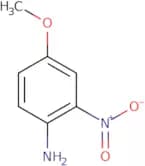
Formula:C15H16O3Purezza:Min. 95%Colore e forma:White PowderPeso molecolare:244.29 g/mol4-Methoxy-2-nitroaniline
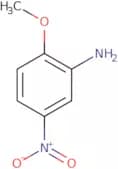
CAS:4-Methoxy-2-nitroaniline is a molecule that has been shown to be able to form an intramolecular hydrogen bond with the 5' carbon of the sugar ring. This reaction leads to the formation of an alkoxy radical, which reacts with chloride ions in acidic conditions. The formation of this intermediate product is reversible, and can be used for analysis of hydrochloric acid. 4-Methoxy-2-nitroaniline has also been shown to react with diazonium salt in the presence of acid, forming a molecule that contains two amines. This reaction can be reversed by adding hydrogen chloride to the solution and analyzing the solution's acidity.Formula:C7H8N2O3Purezza:Min. 98 Area-%Colore e forma:PowderPeso molecolare:168.15 g/mol2-Methoxy-5-nitroaniline
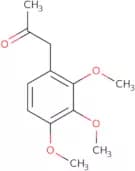
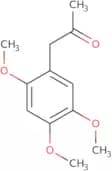
CAS:2-Methoxy-5-nitroaniline is a nitro compound that is cytotoxic at high doses. It is a diazonium salt that can be synthesised from hydrochloric acid and nitrous acid. The toxicity of 2-methoxy-5-nitroaniline has been tested in rats and found to have significant cytotoxicity at doses of 5000 mg/kg, with a LD50 of 2700 mg/kg. The chemical structure of 2-methoxy-5-nitroaniline consists of an amine group, two nitro groups, and two methyl groups. This compound can be synthesized by reacting ammonia with formaldehyde in the presence of nitric acid. 2-Methoxy-5-nitroaniline has shown to inhibit transcription polymerase chain reactions (PCR) in mouse erythrocytes at concentrations as low as 0.1 mM. DietaryFormula:C7H8N2O3Purezza:95%NmrColore e forma:PowderPeso molecolare:168.15 g/mol(2,3,4-Trimethoxyphenyl)acetone
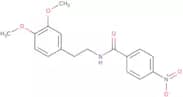
CAS:(2,3,4-Trimethoxyphenyl)acetone is a high quality chemical reagent that is used as a complex intermediate for the synthesis of various fine chemicals. It is also a useful scaffold and building block for the synthesis of speciality chemicals or research chemicals. (2,3,4-Trimethoxyphenyl)acetone can be used as a versatile building block in organic syntheses and has been used as a reaction component in the synthesis of substituted phenols. It is also listed on the Chemical Abstracts Service registry with CAS No. 102119-67-5.Formula:C12H16O4Colore e forma:PowderPeso molecolare:224.25 g/molN-(2-(3,4-dimethoxyphenyl)ethyl)(4-nitrophenyl)formamide
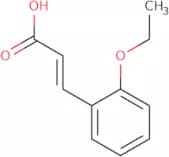
CAS:Prodotto controllatoPlease enquire for more information about N-(2-(3,4-dimethoxyphenyl)ethyl)(4-nitrophenyl)formamide including the price, delivery time and more detailed product information at the technical inquiry form on this pagePurezza:Min. 95%2-Ethoxycinnamic acid
CAS:2-Ethoxycinnamic acid is a metastable molecule that has been obtained by an asymmetric synthesis. It is unreactive, and its reaction products are polyvalent. 2-Ethoxycinnamic acid can be analyzed using analytical methods such as flow system, functional theory, and gas chromatography. 2-Ethoxycinnamic acid has been used in the preparation of cinnamates, which are used in perfumes and flavors. Polymorphs of this molecule have also been observed in crystalline form. There are two different forms of the molecule: α-form and β-form. The α-form is more stable than the β-form because it has a hydrogen bond with the methyl group on the left side of the molecule.
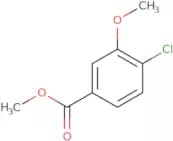
Formula:C11H12O3Purezza:Min. 95%Colore e forma:PowderPeso molecolare:192.21 g/mol4-Chloro-3-methoxybenzoic acid methyl ester
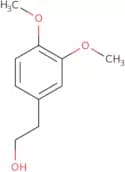
CAS:4-Chloro-3-methoxybenzoic acid methyl ester is a chemical compound that is used as a reagent in organic synthesis. It can be used to produce high quality research chemicals, speciality chemicals, and fine chemicals. This compound has a wide variety of uses because it is versatile and can be used as a reaction component or building block. Its CAS number is 116022-18-5.Formula:C9H9ClO3Purezza:Min. 95%Colore e forma:SolidPeso molecolare:200.62 g/mol3,4-Dimethoxyphenyl ethanol
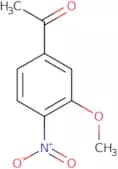
CAS:3,4-Dimethoxyphenyl ethanol is a product of the asymmetric synthesis of 3,4-dimethoxyphenylacetic acid. It has been shown to have high redox potentials and hydrochloric acid resistance. 3,4-Dimethoxyphenyl ethanol has been used in the delignification of cellulose fibers and has also been shown to have photophysical and photochemical properties. This compound binds with hydroxyl groups on proteins, which may be due to its ability to undergo acylation reactions. The binding of 3,4-dimethoxyphenyl ethanol with human liver microsomes was found to be rapid and reversible. Kinetic analysis showed that this binding can be explained by substrate binding or acylation reaction.Formula:C10H14O3Purezza:Min. 95%Colore e forma:White PowderPeso molecolare:182.22 g/mol3-Methoxy-4-nitroacetophenone
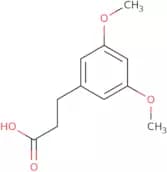
CAS:3-Methoxy-4-nitroacetophenone is an enamine that can be used in the synthesis of a variety of organic compounds. It is a good reducing agent and can be used to synthesize nitrophenols and nitrosamines. Catalytic hydrogenation, transfer hydrogenation, and reductive condensation reactions all use 3-methoxy-4-nitroacetophenone as a starting material. It has been shown to react with a range of alcohols to form acetals, which are stable compounds with a protective group on the alcohol. Cyclization reactions using 3-methoxy-4-nitroacetophenone have also been reported. This compound has been crystallized in pure form.Formula:C9H9NO4Purezza:Min. 95%Colore e forma:PowderPeso molecolare:195.17 g/mol3-(3,5-Dimethoxyphenyl)propionic acid
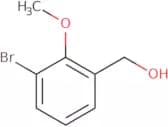
CAS:3-(3,5-Dimethoxyphenyl)propionic acid is a metabolite of the drug aminorex that has been found to be a potent cannabinoid receptor agonist. It is an oxygenated analogue of 3,5-dimethoxyamphetamine and is synthesised by demethylation of aminorex followed by alkylation of the resulting 3-(3,5-dimethoxyphenyl)propionyl chloride with methanol. The compound has been found in rat microflora and human intestinal contents.Formula:C11H14O4Purezza:Min. 95%Colore e forma:PowderPeso molecolare:210.23 g/mol3-Bromo-2-methoxybenzyl alcohol
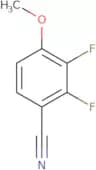
CAS:3-Bromo-2-methoxybenzyl alcohol is a reaction component that is used in the synthesis of a number of chemical compounds. It has been shown to be a useful scaffold, with versatile building blocks and intermediates. 3-Bromo-2-methoxybenzyl alcohol is an intermediate for the synthesis of complex compounds such as antihypertensive drugs, anti-inflammatory agents, and immunosuppressant drugs. This compound also has a variety of uses in research including as a reagent for the determination of enzyme activity and as an analytical reference standard.Formula:C8H9BrO2Purezza:Min. 95%Colore e forma:PowderPeso molecolare:217.06 g/mol2,3-Difluoro-4-methoxybenzonitrile
CAS:2,3-Difluoro-4-methoxybenzonitrile is a high quality chemical that can be used as a building block for the synthesis of more complex compounds. The compound has been shown to have useful intermediate properties and is often used in research. It is also a versatile scaffold that has been used to create many different types of chemical compounds. 2,3-Difluoro-4-methoxybenzonitrile can be used in the production of speciality chemicals and reaction components. It is not regulated by the Chemical Weapons Convention or other international treaties, making it an attractive reagent for those who are interested in purchasing this product.Formula:C8H5F2NOPurezza:Min. 95%Colore e forma:PowderPeso molecolare:169.13 g/mol5-Methoxy-2-[[(4-methoxy-3,5-dimethyl-2-pyridinyl)methyl]thio]-1H-benzimidazole N-oxide
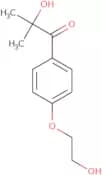
CAS:5-Methoxy-2-[[(4-methoxy-3,5-dimethyl-2-pyridinyl)methyl]thio]-1H-benzimidazole N-oxide is a sulfoxide that belongs to the family of medicines called proton pump inhibitors. It is a stereoselective proton pump inhibitor due to its cyclic nature and has been used as a pharmaceutical preparation for the treatment of gastroesophageal reflux disease. 5-Methoxy-2-[(4-methoxy-3,5-dimethylpyridinium) methylthio]-1H benzimidazole N oxide has been shown to be an enantiomerically pure salt form with magnesium chloride.Formula:C17H19N3O3SPurezza:Min. 95%Colore e forma:White to off-white solid.Peso molecolare:345.42 g/mol2-Hydroxy-4'-(2-hydroxyethoxy) -2-methylpropiophenone
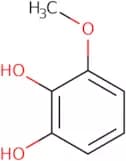
CAS:2-Hydroxy-4'-(2-hydroxyethoxy)-2-methylpropiophenone is a reactive chemical substance that has been shown to have significant cytotoxicity and biological properties. It is used in the treatment of cervical cancer and has been shown to inhibit the growth of cancer cells. This compound is found in a number of commercial products, including sunscreens and hair dyes, but its use may be limited due to its photochemical reactivity. The structure of 2HEPP was determined using nuclear magnetic resonance (NMR) spectroscopy and mass spectrometry. The chemical formula for 2HEPP is C10H14O3. It has a molecular weight of 192.22 g/mol and an empirical formula of C10H14O3. 2HEPP is soluble in methanol, acetone, ether, chloroform, benzene, ethanol, ethyl acetate, diethyl ether, and acetonFormula:C12H16O4Purezza:Min. 95%Colore e forma:White PowderPeso molecolare:224.25 g/mol1,2-Dihydroxy-3-methoxybenzene
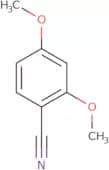
CAS:1,2-Dihydroxy-3-methoxybenzene is a catechol that is used as a sample preparation agent in the analysis of genotoxic activity. It is also used to evaluate the viral life cycle and for studies on the regiospecificity of hydroxylation reactions. 1,2-Dihydroxy-3-methoxybenzene has been shown to inhibit the activity of polymerase chain reaction (PCR) by interfering with hydrogen bonding interactions. This may be due to its ability to act as an inhibitor of DNA polymerase. The carcinogenic potential of 1,2-dihydroxy-3-methoxybenzene has not been determined.Formula:C7H8O3Purezza:Min. 95%Colore e forma:PowderPeso molecolare:140.14 g/mol2,4-Dimethoxybenzonitrile
CAS:2,4-Dimethoxybenzonitrile is a chiral, heterocycle that is used in the synthesis of anilines. The structure of 2,4-dimethoxybenzonitrile consists of two ring structures with a methyl group on one end and a formyl group on the other. The molecular modeling technique has been used to study this molecule. In dimethylformamide (DMF), 2,4-dimethoxybenzonitrile undergoes deprotection with bond cleavage to give the natural product 2-hydroxy-4-methoxybenzaldehyde. This compound has been shown to inhibit the transferase activity in cells and found to be more potent than other formylated compounds.
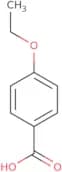
Formula:C9H9NO2Purezza:Min. 95%Peso molecolare:163.17 g/mol4-Ethoxybenzoic acid
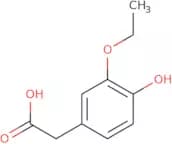
CAS:4-Ethoxybenzoic acid is a phenolic compound that has shown significant cytotoxicity. This molecule has been shown to inhibit the production of tyrosinase, an enzyme that catalyzes the oxidation of tyrosine to produce melanin. 4-Ethoxybenzoic acid also inhibits detoxification enzymes such as glutathione transferases and quinone reductase, which may be responsible for its cytotoxicity. 4-Ethoxybenzoic acid is soluble in organic solvents but insoluble in water. It reacts with other compounds to form insoluble polymers. 4-Ethoxybenzoic acid can react with piperonyl butoxide or caproic acid to form p-hydroxybenzoic acid or friedel-crafts reaction products respectively.Formula:C9H10O3Purezza:Min. 95%Colore e forma:PowderPeso molecolare:166.17 g/mol3-Ethoxy-4-hydroxyphenylacetic acid
CAS:3-Ethoxy-4-hydroxyphenylacetic acid is a chemical compound that functions as an anaesthetic. It has been shown to produce sedation and anesthesia in animals, but not in humans. 3-Ethoxy-4-hydroxyphenylacetic acid is also a metabolite of the drug propofol, which is used as a general anesthetic.
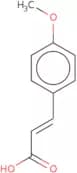
Formula:C10H12O4Purezza:Min. 95%Colore e forma:PowderPeso molecolare:196.2 g/mol4-Methoxycinnamic acid
CAS:4-Methoxycinnamic acid is a derivative that is activated by light exposure. It has been shown to have antimicrobial activity against Gram-positive bacteria and yeast, but not Gram-negative bacteria. 4-Methoxycinnamic acid is an analytical reagent that can be used to measure the dry weight of skin cancer cells, as well as to study the genotoxic effects of human liver cells. The chemical has also been shown to be genotoxic in mouse bone marrow cells and human lymphocytes. 4-Methoxycinnamic acid has been found to cause synchronous fluorescence when exposed to UV light, which may be due to its ability to react with molecular oxygen. This reaction produces a linear model with two products: 4-hydroxybenzoic acid and 2,5-dihydroxybenzoic acid.Formula:C10H10O3Purezza:Min. 95%Colore e forma:PowderPeso molecolare:178.18 g/mol2,4,5-Trimethoxyacetophenone
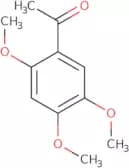
CAS:2,4,5-Trimethoxyacetophenone (2,4,5-TMA) is a phenolic compound that exists as a colorless liquid. It has been shown to interact with the carboxyl group of the amino acid lysine in proteins and sterically hinder the formation of peptide bonds. 2,4,5-TMA also inhibits the production of leukocytes and causes leukemia cells to undergo apoptosis. The molecular weight of 2,4,5-TMA is 236.2 g/mol and it has a melting point of 45°C. The chemical structure is C9H10O3 and its homologues are 2-hydroxyacetophenone and 3-hydroxyacetophenone. Isolated yield was found to be 83%. The nmr spectra for 2,4,5-TMA are: δ=7.31 ppm (1H), δ=6.87 ppm (1Formula:C11H14O4Purezza:Min. 95%Colore e forma:White PowderPeso molecolare:210.23 g/mol4-Methoxycoumarin
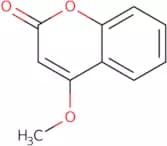
CAS:4-Methoxycoumarin is a type of coumarin derivative that contains a hydroxy group. It is synthesized by the reaction of methoxyphenol and acetoacetic acid in the presence of an acid catalyst. This compound has been used in the synthesis of other coumarin derivatives, such as benzocoumarins, which are used for their cytostatic effects against plant cells. 4-Methoxycoumarin is also found in plants and has been shown to be active against some viruses. 4-Methoxycoumarin can be converted into its monohydroxylated form, which reacts with hydrogen ions to produce a protonated cationic surfactant. The resulting flow system can be used for analytical purposes.Formula:C10H8O3Purezza:Min. 95%Peso molecolare:176.17 g/mol2,4,6-Trimethoxycinnamic acid
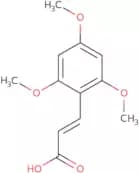
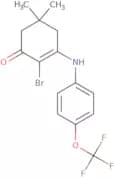
CAS:2,4,6-Trimethoxycinnamic acid is a cinnamoyl compound that can be isolated from the seeds of Garcinia gummi-guta. This compound has been synthesised and optimised for use as an antioxidant in food and cosmetic products. 2,4,6-Trimethoxycinnamic acid has a high product yield under isothermal conditions using β-cyclodextrin as a solvent. It also shows good stability in the presence of light. 2,4,6-Trimethoxycinnamic acid has been shown to be efficient in preventing oxidation reactions by acting as a scavenger of singlet oxygen and peroxyl radicals. The analytical data obtained from this study suggests that 2,4,6-Trimethoxycinnamic acid will not produce any moieties or photostability problems when used in these applications.Formula:C12H14O5Purezza:Min. 95%Colore e forma:PowderPeso molecolare:238.24 g/mol2-bromo-5,5-dimethyl-3-((4-(trifluoromethoxy)phenyl)amino)cyclohex-2-en-1-one
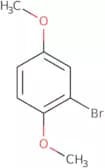
CAS:Please enquire for more information about 2-bromo-5,5-dimethyl-3-((4-(trifluoromethoxy)phenyl)amino)cyclohex-2-en-1-one including the price, delivery time and more detailed product information at the technical inquiry form on this pagePurezza:Min. 95%1-Bromo-2,5-dimethoxybenzene
CAS:1,2-Bromo-2,5-dimethoxybenzene is a methylating agent that can be used in Friedel-Crafts acylation reactions. It reacts with hydrochloric acid to yield 1,2-dibromoethane and hydrogen peroxide. The product of the reaction is a mixture of chloride and alkylation products. Bromine is released as a byproduct in this reaction. This agent has been shown to be useful in the synthesis of compounds containing C=N bonds such as dienolates and amides.Formula:C8H9BrO2Purezza:Min. 95%Peso molecolare:217.06 g/mol4-Ethoxysalicylic acid
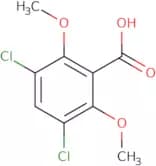
CAS:4-Ethoxysalicylic acid is a phosphorus oxychloride derivative that is used as an intermediate in the production of xanthones. Xanthones are used in the manufacture of dyes, pharmaceuticals, and fragrances. This compound also reacts with zinc chloride to give 4-ethoxysalicylate, which is an oxidizing agent. 4-Ethoxysalicylic acid has low toxicity and can be filtered from a reaction mixture by filtration or recrystallization. It can act as a monoamine oxidase inhibitor, which may contribute to its antidepressant properties. A hydrophobic molecule, 4-ethoxysalicylic acid will not dissolve in water but can be dissolved in organic solvents such as alcohols or ethers. It also has a high affinity for blood proteins and will bind to them readily. This property makes it useful as an anti-coagulant drug for treating depression and other mental illness.Formula:C9H10O4Purezza:Min. 95%Colore e forma:PowderPeso molecolare:182.17 g/mol3,5-Dichloro-2,6-dimethoxybenzoic acid
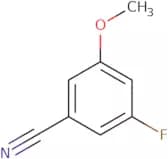
CAS:3,5-Dichloro-2,6-dimethoxybenzoic acid (3,5-DCMB) is a drug that binds to the dopamine transporter. It is used as a radioligand in studies of the pharmacological and biochemical properties of the dopamine transporter. 3,5-DCMB has also been shown to bind to plasma proteins and membranes with an affinity that depends on its physicochemical properties. The drug has been used clinically in the treatment of Parkinson's disease, but it is not active against other diseases such as depression or schizophrenia. 3,5-DCMB is one of two enantiomers of dichloroethylbenzoic acid; it is an ethylene transport inhibitor and can be converted into ethylene oxide via reduction by alcohol dehydrogenase.Formula:C9H8Cl2O4Purezza:Min. 95%Colore e forma:PowderPeso molecolare:251.06 g/mol3-Fluoro-5-methoxybenzonitrile
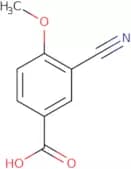
CAS:3-Fluoro-5-methoxybenzonitrile is a useful chemical intermediate that can be used in organic synthesis. It is a versatile building block with a high quality and it is easy to use in the synthesis of complex compounds. 3-Fluoro-5-methoxybenzonitrile has been shown to react as a nucleophile, and it has been used as a reagent for the production of other compounds. This compound also has potential applications in research, such as being an intermediate for the production of pharmaceuticals and agrochemicals. 3-Fluoro-5-methoxybenzonitrile is not classified as hazardous and does not pose any significant risk to human health or the environment.Formula:C8H6FNOPurezza:Min. 95%Colore e forma:PowderPeso molecolare:151.14 g/mol3-Cyano-4-methoxybenzoic acid
CAS:3-Cyano-4-methoxybenzoic acid is a white crystalline solid that is soluble in water. This compound is a useful intermediate for the synthesis of other organic compounds, as well as a useful scaffold for the synthesis of complex compounds. 3-Cyano-4-methoxybenzoic acid also has potential use as a research chemical, and can be used as an effective building block for the preparation of fine chemicals. 3-Cyano-4-methoxybenzoic acid may be used to produce speciality chemicals such as pharmaceuticals, dyes, pesticides, and perfumes. It can also be used to synthesize compounds with diverse functionalities.Formula:C9H7NO3Purezza:Min. 95%Colore e forma:SolidPeso molecolare:177.16 g/mol2,4-Dimethoxy-6-methylbenzoic acid
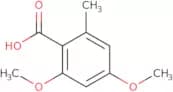
CAS:2,4-Dimethoxy-6-methylbenzoic acid is a polyunsaturated compound that has been shown to have antioxidative properties. It has been shown to inhibit the formation of reactive oxygen species (ROS) and lipid peroxidation and reduce oxidative stress in mice. This molecule also has anticancer activities and is able to inhibit the growth of cancer cells. 2,4-Dimethoxy-6-methylbenzoic acid has been quantified in different food products such as vegetables, fruits, and grains. It can be found in dietary supplements, solvents, and cosmetics.
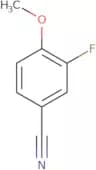
Formula:C10H12O4Purezza:Min. 95%Colore e forma:White PowderPeso molecolare:196.2 g/mol3-Fluoro-4-methoxybenzonitrile
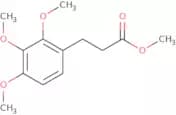
CAS:3-Fluoro-4-methoxybenzonitrile is a ferroelectric liquid crystal chiral molecule. It can be synthesized industrially by the reaction of 3-fluoro-4-methoxybenzoyl chloride with sodium methoxide. The synthesis is scalable and leads to high yields. 3-Fluoro-4-methoxybenzonitrile has been used in the synthesis of other ferroelectric liquid crystals, such as 4-(3′,5′-diiodophenyl)pentaerythritol triacrylate and 3,5′-(1H,1′H) -dibenzothiophene. This compound also displays nematic phase behavior at room temperature when in contact with a nematic director. Polarization data for this substance are available from experiments on thin films.Formula:C8H6FNOPurezza:Min. 95%Colore e forma:PowderPeso molecolare:151.14 g/molMethyl 3-(2,3,4-trimethoxyphenyl)propanoate
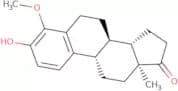
CAS:Methyl 3-(2,3,4-trimethoxyphenyl)propanoate is a reagent that is used as an intermediate in chemical synthesis. It has been shown to be useful as a scaffold for complex compounds and as a building block in the preparation of speciality chemicals. Methyl 3-(2,3,4-trimethoxyphenyl)propanoate is also a versatile building block that can be used in reactions with other molecules. It is an important intermediate in organic synthesis and can be used to prepare research chemicals such as methyl 2-((2,6-dimethoxyphenyl)amino)-5-nitropentanoate.Formula:C13H18O5Purezza:Min. 95%Peso molecolare:254.28 g/mol4-Methoxy estrone
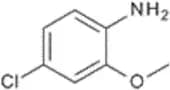
CAS:Prodotto controllato4-Methoxy estrone is a metabolite of estradiol that has been shown to induce cellular transformation in vitro and tumorigenesis in vivo. It can be found in the urine of women with breast cancer and is also produced during pregnancy. 4-Methoxy estrone has been shown to have a high affinity for catechol-O-methyltransferase (COMT) enzyme, which may contribute to its carcinogenic effects. Studies have also shown that 4-methoxy estrone can be metabolized by hydroxylation at the 4 position to form catechol estrogen metabolites, which are associated with preeclampsia. This compound has been identified as an endocrine disruptor that alters metabolic profiles when administered to animals.Formula:C19H24O3Purezza:Min. 95%Colore e forma:PowderPeso molecolare:300.39 g/mol4-Chloro-2-methoxyaniline
CAS:4-Chloro-2-methoxyaniline is an organic compound with the chemical formula CHClNO. It is a colorless liquid that smells like benzene. 4-Chloro-2-methoxyaniline reacts with diazonium salt to produce a red-orange dye and is used to create other azo compounds. It also reacts with anionic substances and can be used in fibre production. 4-Chloro-2-methoxyaniline has been shown to have fungicidal properties, which may be due to its ability to oxidize the fungal cell membrane.
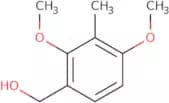
Formula:C7H8ClNOPurezza:Min. 98 Area-%Peso molecolare:157.6 g/mol2,4-Dimethoxy-3-methylbenzyl alcohol
CAS:2,4-Dimethoxy-3-methylbenzyl alcohol is a syntheses and deuterium analogue of orsellinic acid. It has been shown to inhibit bacterial growth in the presence of an oxygen atmosphere.
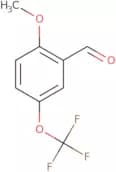
Formula:C10H14O3Purezza:Min. 95%Peso molecolare:182.22 g/mol2-Methoxy-5-(trifluoromethoxy)benzaldehyde
CAS:2-Methoxy-5-(trifluoromethoxy)benzaldehyde is a tachykinin antagonist that inhibits the binding of neurokinin to its receptor with high affinity. This compound has shown potential as a drug for the treatment of pain and other conditions such as asthma, allergies, and depression. The efficacy of 2-methoxy-5-(trifluoromethoxy)benzaldehyde has been demonstrated in high-throughput screening for the detection of nk1 receptor antagonists. Further studies have shown that modification of this molecule may increase its potency and reduce side effects.Formula:C9H7F3O3Purezza:Min. 95%Colore e forma:Clear LiquidPeso molecolare:220.15 g/mol1-Chloro-3-[4-(2-methoxyethyl)phenoxy]-2-propanol
CAS:1-Chloro-3-[4-(2-methoxyethyl)phenoxy]-2-propanol is a potent antihypertensive agent that is synthesized by the chemoenzymatic process. It differs from other antihypertensive drugs in that it incorporates an oxirane group, which makes it more hydrophobic than other drugs. 1-Chloro-3-[4-(2-methoxyethyl)phenoxy]-2-propanol is a crystalline solid with a melting point of 128°C and a density of 1.0 g/mL. The chemical name for this drug is 4-[(1E)-1-(chloromethoxy)propyl]phenol, which has potent antihypertensive activity and high enantioselectivity.
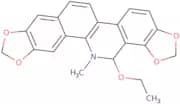
Formula:C12H17ClO3Purezza:Min. 95%Peso molecolare:244.71 g/molEthoxysanguinarine
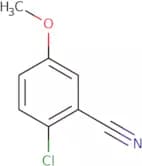
CAS:Ethoxysanguinarine is a copper complex that has been shown to be an autophagy inducer. It has been shown to activate the surface methodology and increase autophagy, which is a process that eliminates intracellular pathogens in cells. Ethoxysanguinarine also has clinical relevance, as it can be used as a prognosis marker for infectious diseases. The ability of ethoxysanguinarine to bind to DNA polymerase and inhibit its activity may be responsible for its antiviral properties. Ethoxysanguinarine binds to the phosphatase enzyme, which is important for cell signaling pathways and protein synthesis. This binding prevents phosphatases from dephosphorylating membrane-bound receptors that initiate the inflammatory response, leading to suppression of inflammation.Formula:C22H19NO5Purezza:Min. 98 Area-%Colore e forma:White Off-White PowderPeso molecolare:377.39 g/mol2-Chloro-5-methoxybenzonitrile
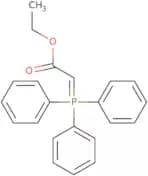
CAS:2-Chloro-5-methoxybenzonitrile is an organic compound that has a chlorinated methoxy group and a cyano group. It is synthesized by the reaction of 2-chloro-5-hydroxybenzonitrile with sulfuryl chloride in the presence of potassium carbonate. The yield of this reaction can be increased by adding a chlorinated solvent such as dichloromethane or chloroform. 2-Chloro-5-methoxybenzonitrile is used in the synthesis of various drugs and other organic compounds, such as amides and benzene ring compounds.Formula:C8H6ClNOColore e forma:PowderPeso molecolare:167.59 g/mol(Carbethoxymethylene)triphenylphosphorane
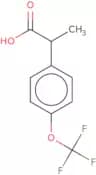
CAS:(Carbethoxymethylene)triphenylphosphorane is a pharmacological treatment that has a water-vapor reaction mechanism. It inhibits the replication of DNA by binding to the nitrogen atom in fatty acid, forming a heterocyclic compound with a hydroxyl group, which prevents the formation of ATP. This drug also binds to monoamine neurotransmitters and light emission. (Carbethoxymethylene)triphenylphosphorane is used to treat patients with Parkinson's disease, Alzheimer's disease, and other neurodegenerative diseases.Formula:C22H21O2PPurezza:Min. 98 Area-%Colore e forma:White PowderPeso molecolare:348.37 g/mol2-(4-Trifluoromethoxyphenyl)propionic acid
CAS:Please enquire for more information about 2-(4-Trifluoromethoxyphenyl)propionic acid including the price, delivery time and more detailed product information at the technical inquiry form on this pageFormula:C10H9F3O3Purezza:Min. 95%Peso molecolare:234.17 g/mol2,4'-Dimethoxyacetaphenone
CAS:2,4'-Dimethoxyacetaphenone is a chalcone that has been synthesized by the allylation of 2-hydroxy-5-methylacetophenone with 4-methoxybenzaldehyde. It has potent antibacterial activity and has been shown to inhibit HIV integrase. The chemical structure consists of two methoxy groups on the phenyl ring at positions 4 and 5, respectively. This heterocycle is also a synthetic compound.Formula:C10H12O3Purezza:Min. 95%Colore e forma:Clear LiquidPeso molecolare:180.2 g/mol3-Hydroxy-7,2',4',5'-tetramethoxychalcone
3-Hydroxy-7,2',4',5'-tetramethoxychalcone is a versatile building block that can be used as a reagent or in the synthesis of fine chemicals. It is an intermediate or reaction component that has been found to be useful in the synthesis of complex compounds. This compound is also of high quality and can be used as a scaffold in the synthesis of new molecules. 3-Hydroxy-7,2',4',5'-tetramethoxychalcone is a speciality chemical, with CAS No. 55006-57-3 and molecular weight of 245.
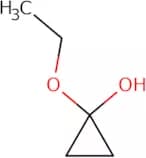
Purezza:Min. 95%1-Ethoxycyclopropanol
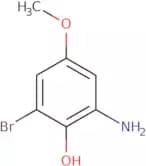
CAS:1-Ethoxycyclopropanol is a dehydrogenase that is activated by an acceptor, such as propionate. Its activity can be titrated and it has an acidic pH optimum. It is also a filamentous enzyme with immunocytochemical subunits. 1-Ethoxycyclopropanol has been shown to catalyze the conversion of primary alcohols to their corresponding secondary alcohols. It also has been shown to have activities against P. aeruginosa, which are bacteria that can cause lung infections in humans. This product converts alkene into secondary alcohols and also plays a role in the synthesis of amino acids.Formula:C5H10O2Purezza:Min. 95 Area-%Colore e forma:Clear LiquidPeso molecolare:102.13 g/mol2-Amino-6-bromo-4-methoxyphenol
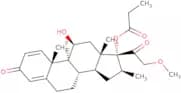
CAS:2-Amino-6-bromo-4-methoxyphenol (2ABMP) is a benzyl compound that can be used as a substitute for 2,4-diaminophenol. It has been shown to have estrogenic activity and may function as an estrogen receptor agonist. 2ABMP has also been shown to inhibit the growth of breast cancer cells in culture. The role of this drug in the treatment of breast cancer is not yet clear, but it may be useful in combination therapy with other drugs.Formula:C7H8BrNO2Purezza:Min. 95%Colore e forma:PowderPeso molecolare:218.05 g/mol[(8S,9R,10S,11S,13S,14S,16S,17R)-9-Fluoro-11-Hydroxy-17-(2-Methoxyacetyl)-10,13,16-Trimethyl-3-Oxo-6,7,8,11,12,14,15,16-Octahydrocyc lopenta[a]Phenanthren-17-Yl] Propanoate
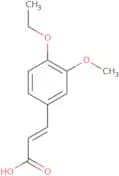
CAS:Prodotto controllatoBetamethasone is a corticosteroid that is used to treat inflammation, ankylosing spondylitis, and rheumatoid arthritis. It has been shown to have efficacy in the treatment of pediatric patients with asthma, as well as animal models of cardiac arrest and stroke. Betamethasone has also been shown to be effective in the treatment of potassium ion-associated death due to cardiac arrhythmia or repolarization abnormalities. This drug can be administered orally or topically; it binds to the glucocorticoid receptor on cells and modulates gene transcription. The primary mechanism of action for betamethasone is not fully understood but may involve inhibition of protein synthesis and suppression of inflammatory cells.Formula:C26H35FO6Purezza:Min. 95%Peso molecolare:462.55 g/mol4-Ethoxy-3-methoxycinnamic acid
CAS:4-Ethoxy-3-methoxycinnamic acid (4EMC) is a metabolite of propionic acid. It is produced by the fungus Phanerochaete chrysosporium when it is grown on lignocellulose. 4EMC can be cleaved from its ester bond with benzyl alcohol and vanillyl alcohol to produce vanillyl, benzyl, and ethanol. These products are then further metabolized to produce other compounds such as acetaldehyde, acetic acid, and butanol. 4EMC also inhibits the enzyme catalysed that converts propanol to butanol in cultures of P. chrysosporium
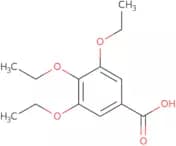
Formula:C12H14O4Purezza:Min. 95%Colore e forma:PowderPeso molecolare:222.24 g/mol3,4,5-Triethoxybenzoic acid
CAS:3,4,5-Triethoxybenzoic acid is a synthetic compound that has been shown to have neurotoxic effects in animal studies. It has been shown to inhibit the dephosphorylation of amyloid fibrils and activation energy for polymerization. 3,4,5-Triethoxybenzoic acid also causes teratogenic effects in animals at high doses. This compound is used as a reagent for the synthesis of amyloid fibrils and has been shown to have an effect on the inhibition of phosphodiesterase activity.
Formula:C13H18O5Purezza:Min. 95%Colore e forma:PowderPeso molecolare:254.28 g/mol1-Chloro-2-(2-methoxyethoxy)ethane
CAS:Please enquire for more information about 1-Chloro-2-(2-methoxyethoxy)ethane including the price, delivery time and more detailed product information at the technical inquiry form on this page
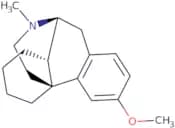
Formula:C5H11ClO2Purezza:Min. 95%Colore e forma:Clear Colourless LiquidPeso molecolare:138.59 g/molDextromethorphan
CAS:Prodotto controllato9-alpha,-14-alpha-3-Methoxy-17-methylmorphinan (914) is a drug that is used in the treatment of bowel disease. It has been shown to inhibit the activity of enzymes such as polymerase chain, which is responsible for DNA replication and repair. 914 also inhibits dextromethorphan, an opioid that is used in cough suppressant medications. The effects of 914 on dextromethorphan are seen in human subjects who have been given the drug intravenously or orally. 914 binds to receptors that are found on cells in the brain and spinal cord, which explains its analgesic properties. This drug can be dangerous when taken with nonsteroidal anti-inflammatory drugs because it can cause kidney damage or failure.
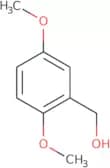
Formula:C18H25NOPurezza:Min. 95%Colore e forma:PowderPeso molecolare:271.4 g/mol2,5-Dimethoxybenzyl alcohol
CAS:2,5-Dimethoxybenzyl alcohol is a monoterpene compound that is chemically related to menthol and thymol. It has been shown to have cytotoxic effects against cancer cells in culture. The mechanism of action is not fully understood, but it has been proposed that 2,5-dimethoxybenzyl alcohol may be an allelopathic compound. This means that it inhibits the growth of plants by releasing substances into the soil that inhibit the growth of other plants nearby. 2,5-Dimethoxybenzyl alcohol has also been shown to reduce blood pressure in rats. This effect is due to its ability to inhibit angiotensin I-converting enzyme (ACE) as well as increase vasodilation through nitric oxide release. A kinetic study on human urine showed that 2,5-dimethoxybenzyl alcohol undergoes a stepwise reaction with carbinols and methoxy groups. Further research is needed to determineFormula:C9H12O3Purezza:Min. 95%Colore e forma:Clear LiquidPeso molecolare:168.19 g/mol2-[(2-Ethoxy phenoxy)methyl]morpholine HCl
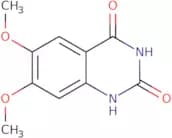
CAS:2-[(2-Ethoxy phenoxy)methyl]morpholine HCl is a sophisticated chemical compound utilized extensively in scientific research. As a synthetic organic compound, it is derived through a meticulous process involving the reaction of morpholine with ethoxy phenoxy derivatives, followed by hydrochloride salt formation. This synthesis ensures high purity and accurate functionality, making it suitable for precise laboratory studies.Formula:C13H20ClNO3Purezza:Min. 95%Colore e forma:PowderPeso molecolare:273.76 g/mol6,7-Dimethoxyquinazoline-2,4-dione
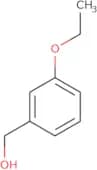
CAS:6,7-Dimethoxyquinazoline-2,4-dione is a chemical compound that can be synthesized by reacting amide and formaldehyde. It has been investigated as an efficient method for the synthesis of amides. 6,7-Dimethoxyquinazoline-2,4-dione is also a potential antibacterial agent which may prevent bacterial growth by inhibiting choline uptake or by binding to ribosomes and blocking protein synthesis. The reaction mechanism of this compound is not well understood, but it may involve hydrolysis of cyanate to produce hydrogen cyanide (HCN), which then reacts with the amide to form the quinazoline ring.Formula:C10H10N2O4Purezza:Min. 95%Colore e forma:PowderPeso molecolare:222.2 g/mol3-Ethoxybenzyl alcohol
CAS:3-Ethoxybenzyl alcohol is a lead compound that has been shown to be carcinogenic in mice. It has also been shown to have strong anti-inflammatory properties, as it inhibits the production of prostaglandins. This chemical is also able to inhibit sulfation and may be used as an analyte for high-throughput analysis in order to identify novel drugs for the treatment of asthma or other inflammatory diseases. 3-Ethoxybenzyl alcohol has a number of biological effects, including inhibition of protein synthesis and cell division, which are due to its ability to bind with sulfate ions.Formula:C9H12O2Purezza:Min. 95%Colore e forma:Clear LiquidPeso molecolare:152.19 g/mol4,5,6-Trimethoxyindole
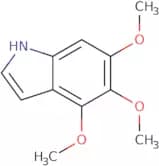
CAS:4,5,6-Trimethoxyindole is a chemical compound that is found in the plant Chinensis. This compound has been shown to have potent anticancer properties and can be used as a treatment for inflammatory diseases. 4,5,6-Trimethoxyindole has been shown to modulate the activity of some bacteria and it has been hypothesized that this may be due to its interaction with formylation. The acidic nature of 4,5,6-Trimethoxyindole makes it soluble in ethanol. It can also be synthesised from butyric acid and other chemicals.
Formula:C11H13NO3Purezza:Min. 95%Colore e forma:SolidPeso molecolare:207.23 g/mol2-Amino-3,4,5-trimethoxybenzoic acid
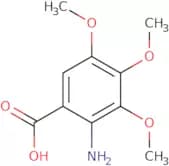
CAS:2-Amino-3,4,5-trimethoxybenzoic acid (2AMTB) is a potential anticancer agent that inhibits the growth of cancer cells by interfering with the epidermal growth factor receptor. It also blocks the binding of this receptor to its ligands, preventing the activation of downstream signaling pathways. 2AMTB has been shown to inhibit epidermal growth factor (EGF)-induced proliferation in vitro and in vivo. 2AMTB has also been shown to inhibit the production of reactive oxygen species and DNA damage caused by amines such as quinazolone, which are commonly found in chemotherapy drugs. These properties make it a potential anticancer drug candidate for use with other chemotherapeutic agents such as epirubicin.
Formula:C10H13NO5Purezza:Min. 95%Colore e forma:PowderPeso molecolare:227.21 g/mol2,3-Dimethoxybenzonitrile
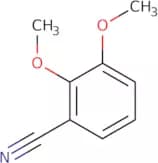
CAS:2,3-Dimethoxybenzonitrile is a useful building block for the synthesis of complex compounds. It is used in the manufacture of pharmaceuticals and agrochemicals. 2,3-Dimethoxybenzonitrile can be used as a reactant or intermediate in organic synthesis. It is also known to have antioxidant properties.Formula:C9H9NO2Purezza:Min. 95%Peso molecolare:163.17 g/mol9-Fluoro-11β,17-Dihydroxy-16α-Methyl-3,20-Dioxopregna-1,4-Dien-21-Yl 2-[2-(2-Ethoxyethoxy)Ethoxy]Acetate
CAS:Prodotto controllatoMethylprednisolone is a corticosteroid that has been used for the treatment of many conditions, including asthma and arthritis. It is used to reduce inflammation and suppress the immune system. Methylprednisolone can be administered orally or as an injection. It is also used in the diagnosis of tumours, especially those that are difficult to diagnose by other means. Methylprednisolone may be given together with another drug called dexamethasone, which has synergistic effects. These drugs have been shown to cause death in animals with certain types of tumours. In humans, they can cause cutaneous lesions, such as follicle cysts and tnf-α expression in skin cells. This drug also causes a microsporum infection (a type of fungus) on the skin to grow more rapidly when it is applied topically, resulting in a larger diameter section than untreated areas.Formula:C30H43FO9Purezza:Min. 95%Peso molecolare:566.66 g/mol5-Methoxyindole-2-carboxylic acid
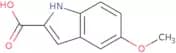
CAS:5-Methoxyindole-2-carboxylic acid is a molecule that belongs to the class of diazonium salts. It is a potent inhibitor of mitochondrial membrane potential and has been shown to have anti-diabetic effects in animal models. 5-Methoxyindole-2-carboxylic acid also inhibits sperm motility, which may be due to its ability to inhibit uv absorption. This compound has been shown to be an effective agent in the treatment of brain infarctions when administered chronically orally. The mechanism of action is not known, but it may involve inhibition of potassium ion uptake or hydrogen bond formation with fatty acids.Formula:C10H9NO3Colore e forma:PowderPeso molecolare:191.18 g/mol3-Methoxybenzamidine hydrochloride
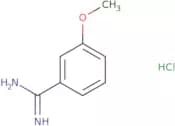
CAS:3-Methoxybenzamidine hydrochloride is a chemical that belongs to the group of acid chlorides. It is used in organic synthesis as an intermediate for the production of triazines, which are used as herbicides and insecticides. 3-Methoxybenzamidine hydrochloride is usually prepared by reacting methylamine with nitrous acid. The use of 3-methoxybenzamidine hydrochloride in organic synthesis has been shown to be highly efficient, with yields up to 95%. This chemical also exhibits fluorescence at low temperatures.Formula:C8H10N2O·HClPurezza:Min. 95%Colore e forma:PowderPeso molecolare:186.64 g/mol1-Bromo-3,4,5-trimethoxybenzene
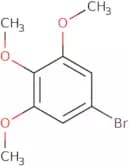
CAS:1-Bromo-3,4,5-trimethoxybenzene is a brominated molecule that is used in the synthesis of other organic compounds. It inhibits protein synthesis by inhibiting the production of ribosomes and is toxic to cancer cells. It has been shown to have inhibitory properties against the growth of k562 cells, which are leukemia cells. The mechanism by which 1-bromo-3,4,5-trimethoxybenzene inhibits protein synthesis is not fully understood. However, it has been found that this compound inhibits DNA polymerase activity and prevents RNA polymerase from transcribing genetic information from DNA to mRNA. This may be due to its ability to act as a diazonium salt or an n-dimethyl formamide substrate. In addition, 1-bromo-3,4,5-trimethoxybenzene can be hydrolyzed into trimethoxybenzene and bFormula:C9H11BrO3Purezza:Min. 98 Area-%Colore e forma:PowderPeso molecolare:247.09 g/mol4-Methoxyphenylmagnesium bromide - 0.5M solution in THF
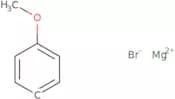
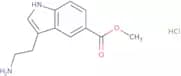
CAS:4-Methoxyphenylmagnesium bromide - 0.5M solution in THF is a cytotoxic agent that binds to the estrogen receptor, which is involved in breast cancer cell proliferation and differentiation. It is an azide that has been shown to react with hydrochloric acid to form an amide. This reaction may be stereoselective and involve dehydration of the amine group. The mechanism of this reaction involves the formation of a trifluoroacetic acid derivative, which undergoes unsaturated alkyl halogenation followed by chloride ion attack on the double bond. 4-Methoxyphenylmagnesium bromide - 0.5M solution in THF has been shown to inhibit the proliferation of human MCF-7 breast cancer cells, as well as other estrogen receptor modulators such as amines and trifluoroacetic acid.Formula:C7H7BrMgOPurezza:Min. 95%Colore e forma:PowderPeso molecolare:211.34 g/mol5-Carbomethoxytryptamine hydrochloride
CAS:5-Carbomethoxytryptamine hydrochloride is a chemical building block that can be used as a reaction component for organic synthesis. It is a versatile intermediate and can be used in the production of fine chemicals, such as pharmaceuticals, dyestuffs, and pesticides. 5-Carbomethoxytryptamine hydrochloride is also an important reagent in both organic synthesis and analytical chemistry. The compound belongs to the group of indole alkaloids, which are found in plants of the Apocynaceae family. CAS No.: 74884-81-4.Formula:C12H14N2O2·HClPurezza:Min. 95%Colore e forma:PowderPeso molecolare:254.71 g/mol4-Bromo-3,5-dimethoxybenzaldehyde
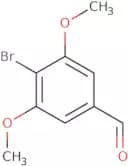
CAS:4-Bromo-3,5-dimethoxybenzaldehyde is a compound that inhibits the replication of cells. It has been shown to induce apoptosis and inhibit tumor growth, including skin tumors and malignant melanoma cells. This chemical is synthesized by reacting an acrylonitrile with sodium hydroxide in a biphenyl amide. 4-Bromo-3,5-dimethoxybenzaldehyde has been used to inhibit bacterial growth, but it is not active against Mycobacterium tuberculosis or Mycobacterium avium complex.
Formula:C9H9BrO3Purezza:Min. 95%Colore e forma:PowderPeso molecolare:245.07 g/mol3-(2-(2-(2-Aminoethoxy)ethoxy)ethoxy)propanoic acid HCI
CAS:3-(2-(2-(2-Aminoethoxy)ethoxy)ethoxy)propanoic acid HCI is a PEG compound with two different functional groups (also known as heterobifunctional). Unlike homobifunctional PEG compounds (same functional group on both ends), this type of compounds are more versatile as have two different anchor points. 3-(2-(2-(2-Aminoethoxy)ethoxy)ethoxy)propanoic acid HCI is used as a linker and spacer to add a PEG moiety, via pegylation (a bioconjugation technique) to proteins, peptides, oligonucleotides, small molecules and nanoparticles.
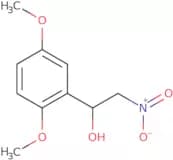
Formula:C9H19NO5·HClColore e forma:Slightly Yellow Yellow Clear Liquid PowderPeso molecolare:257.71 g/mol1-(2,5-Dimethoxyphenyl)-2-nitroethanol
CAS:1-(2,5-Dimethoxyphenyl)-2-nitroethanol is a chiral, asymmetric catalyst that has been shown to be effective in the enantioselective reduction of ketones. This process is important because it allows for the synthesis of chiral amino alcohols, which are then used in a variety of chemical reactions. The reaction can also be carried out with methyl amine as an amine source. 1-(2,5-Dimethoxyphenyl)-2-nitroethanol is an example of a catalyst that participates in catalysis through the lone pair on oxygen and nitrogen atoms.Formula:C10H13NO5Purezza:Min. 95%Colore e forma:White PowderPeso molecolare:227.21 g/mol3'-Fluoro-4'-methoxyacetophenone
CAS:3'-Fluoro-4'-methoxyacetophenone is a chalcone that has been shown to have vibrational frequencies of 3.1, 3.2, and 3.3 cm-1. The conformation of this molecule is in the cis form with a 2,6-diisopropylphenyl group on the cyclohexane ring. This molecule has two functional groups: a hydroxyl and a methoxy group. These molecules are soluble in organic solvents such as benzene and chloroform, but not in water or ethanol due to their high polarity. The crystal structure of this molecule was determined by x-ray diffraction experiments at room temperature and found to be monoclinic with space group C2/c with lattice constants a = 5.853 Å, b = 12.638 Å, c = 6.225 Å and β = 120° ± 10° at 25 °CFormula:C9H9FO2Purezza:Min. 95%Colore e forma:PowderPeso molecolare:168.16 g/mol3-Methoxy-2-methylbenzoic acid
CAS:3-Methoxy-2-methylbenzoic acid is a diazotization agent that is used to produce bromoethane. It is also used as an initiator in the synthesis of dimethylformamide and tetrahydrofuran. 3-Methoxy-2-methylbenzoic acid can be recycled and is used to synthesize methylbenzene, chloroanisole, and grignard reaction products such as chlorobenzene and low yield. 3-Methoxy-2-methylbenzoic acid has been shown to have a high yield for these reactions in comparison to other diazotization agents.Formula:C9H10O3Purezza:Min. 95%Colore e forma:White PowderPeso molecolare:166.17 g/mol4'-Methoxypropiophenone
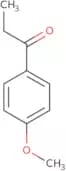
CAS:4'-Methoxypropiophenone is an alkanoid compound. It has been shown to have anticancer activity and the ability to produce light emission. 4'-Methoxypropiophenone is a phosphotungstic acid (PTA) light-sensitive dye that can be used for detection of acidic compounds. The PTA dye binds to the analyte and produces an intense blue or green light when irradiated with UV or visible light. This process is called photoluminescence. 4'-Methoxypropiophenone has also been shown to have insecticidal properties, which may be due to its arylation reaction with proteins in the insect cell membrane. 4'-Methoxypropiophenone is often used as a model system for studying Friedel-Crafts reactions, which are chemical reactions that involve the addition of multiple molecules of an alkene across a double bond to form substituted aromatic compounds. In this case, one molecule of 4Formula:C10H12O2Purezza:Min. 98 Area-%Colore e forma:Colorless Slightly Yellow Clear LiquidPeso molecolare:164.2 g/mol3,4,5-Trimethoxybenzhydrazide
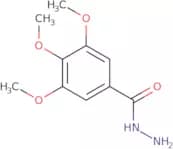
CAS:3,4,5-Trimethoxybenzhydrazide is an anticancer drug that belongs to the class of acylhydrazones. It has been shown to inhibit the proliferation of tumor cells and induce apoptosis by binding to pBR322 DNA. The molecular docking analysis revealed that this compound binds to nitrogen atoms with a dihedral angle of 180°. This binding results in the formation of a covalent bond between the amine group and the alpha carbon (C=N). 3,4,5-Trimethoxybenzhydrazide is also able to bind with serine protease and glibenclamide. This compound has been shown to have a high uptake rate and a reaction yield of 50%. It also has a viscosity value of 1.2 mPa·s at 25 °C.
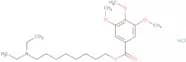
Formula:C10H14N2O4Purezza:Min. 95%Colore e forma:White Off-White PowderPeso molecolare:226.23 g/mol3,4,5-Trimethoxybenzoic acid 8-(diethylamino)octyl ester, hydrochloride
CAS:3,4,5-Trimethoxybenzoic acid 8-(diethylamino)octyl ester, hydrochloride is a chemical substance that binds to the intracellular calcium ion channels and causes an excitatory effect. It has been shown to cause cell lysis in wheat germ and influenza virus. 3,4,5-Trimethoxybenzoic acid 8-(diethylamino)octyl ester, hydrochloride also inhibits the production of TNF-α by activated tubule cells.Formula:C22H38ClNO5Purezza:Min. 95%Colore e forma:PowderPeso molecolare:431.99 g/mol6-amino-4-(2-methoxyphenyl)-3-methyl-4H-pyrano[3,2-d]pyrazole-5-carbonitrile
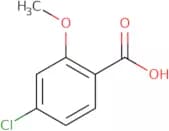
CAS:Please enquire for more information about 6-amino-4-(2-methoxyphenyl)-3-methyl-4H-pyrano[3,2-d]pyrazole-5-carbonitrile including the price, delivery time and more detailed product information at the technical inquiry form on this pageFormula:C15H14N4O2Purezza:Min. 95%Colore e forma:PowderPeso molecolare:282.30 g/mol4-Chloro-2-methoxybenzoic acid
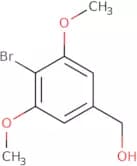
CAS:4-Chloro-2-methoxybenzoic acid is a chloroacetic acid that is used as an antibacterial agent. It has been shown to have a broad spectrum of activity against bacteria, including gram-positive and gram-negative bacteria. 4-Chloro-2-methoxybenzoic acid is active against both stationary and mobile phases of growth. It has also been shown to be effective in inhibiting the growth of fungi, such as Aspergillus niger, Aspergillus fumigatus, Penicillium notatum, and Fusarium oxysporum. This compound can be synthesized from carboxylic acids by reacting them with sodium nitrite in the presence of dry nitrogen gas to form chloroacetic acid. The chemical formula for this compound is CHClOOC(CH)COOH.Formula:C8H7ClO3Purezza:Min. 95%Colore e forma:PowderPeso molecolare:186.59 g/mol4-Bromo-3,5-dimethoxybenzyl alcohol
CAS:4-Bromo-3,5-dimethoxybenzyl alcohol is a bromoarene that can be used as a ligand in coupling reactions. It has been shown to be an efficient coupling partner for the synthesis of triphylla, featuring a skeleton of chelating 4-bromo-3,5-dimethoxybenzyl alcohol.Formula:C9H11BrO3Purezza:Min. 95%Colore e forma:PowderPeso molecolare:247.09 g/molMethyl 3,5-dimethoxybenzoate
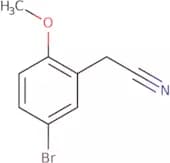
CAS:Methyl 3,5-dimethoxybenzoate is a chemical with the molecular formula CH3OCH2CH(OMe)CO2H. It is a colorless liquid that is soluble in ethanol and ether. Methyl 3,5-dimethoxybenzoate has been used as a chemical intermediate for the synthesis of other compounds. It can be extracted by solid phase microextraction (SPME). The total ion current (TIC) chromatogram shows the presence of methyl 3,5-dimethoxybenzoate in the sample at retention time 15.81 minutes. Methyl 3,5-dimethoxybenzoate is a secondary metabolite of various bacteria that produces fatty acids from acetyl-CoA via the houben-hoesch reaction. This compound has also been found to have antimicrobial activity against dermatophytes such as Trichophyton mentagrophytes and Microsporum canis.Formula:C10H12O4Purezza:Min. 95%Colore e forma:White PowderPeso molecolare:196.2 g/mol(5-Bromo-2-methoxyphenyl)acetonitrile
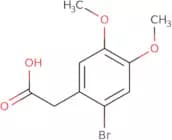
CAS:5-Bromo-2-methoxyphenyl)acetonitrile is a chemical building block that can be used in the synthesis of complex compounds. It is a versatile intermediate that can be used as a reagent in organic reactions. This compound has been shown to be useful as a reaction component and is a high quality product. 5-Bromo-2-methoxyphenyl)acetonitrile has CAS number 7062-40-0 and is listed on the Chemical Abstracts Service (CAS).Formula:C9H8BrNOPurezza:Min. 95%Peso molecolare:226.07 g/mol2-Bromo-4,5-dimethoxyphenylacetic acid
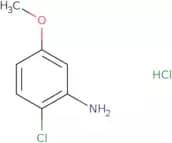
CAS:2-Bromo-4,5-dimethoxyphenylacetic acid is a synthetic compound that has been shown to be effective in the treatment of cancer. It acts by inhibiting the growth and proliferation of cancer cells. 2-Bromo-4,5-dimethoxyphenylacetic acid inhibits cancer cell division by amide formation with DNA, leading to DNA strand breakage. This drug also prevents the growth and proliferation of cancer cells by preventing their division. 2-Bromo-4,5-dimethoxyphenylacetic acid is used as a precursor for other anti-cancer agents that are synthesized from it and have increased potency.Formula:C10H11BrO4Purezza:Min. 95%Colore e forma:PowderPeso molecolare:275.1 g/mol2-Chloro-5-methoxyaniline hydrochloride
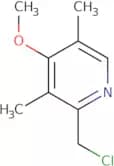
CAS:2-Chloro-5-methoxyaniline hydrochloride is an intercalating agent that is used in the treatment of cancer. It binds to DNA and causes a breakage of the hydrogen bonds between the two strands, which leads to cell death. The 2-Chloro-5-methoxyaniline hydrochloride molecule has affinity for lactams, which are sugar molecules found in cell walls of bacteria, fungi, and plants. This compound can be metabolized by lactamase enzymes that are found in cancer cells and other cells. The metabolized products are fluorescent, which allows them to be detected by fluorescence microscopy. 2-Chloro-5-methoxyaniline hydrochloride has been shown to inhibit the growth of lung cancer cells and leukemia cells by interfering with their ability to synthesize DNA and RNA.Formula:C7H8ClNO•HClPurezza:Min. 95%Colore e forma:PowderPeso molecolare:194.06 g/mol2-Chloromethyl-3,5-dimethyl-4-methoxypyridine
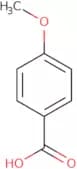
CAS:2-Chloromethyl-3,5-dimethyl-4-methoxypyridine is a drug substance that is used as a pump inhibitor. The optimal reaction conditions for the synthesis of this molecule are a Grignard reagent, chlorinating agent, and magnesium salt. Impurities may arise during the synthetic process due to chloride or inorganic acid catalyst. This drug substance is not soluble in water but can be dissolved in organic solvents such as ethers, chloroform, or benzene. It reacts with magnesium to form a chelate ring with an organic molecule.Formula:C9H12ClNOPurezza:Min. 95%Colore e forma:PowderPeso molecolare:185.65 g/mol4-Methoxybenzoic acid
CAS:4-Methoxybenzoic acid is a phenolic compound, which is used in the production of bisphenol A. It can also be found as an intermediate in the synthesis of other compounds, such as protocatechuic acid and pachymic acid. 4-Methoxybenzoic acid can be found naturally in a variety of plants, including cranberries. This compound has been shown to inhibit the growth of bacteria by disrupting their cell walls and inhibiting protein synthesis. 4-Methoxybenzoic acid has also been shown to have anti-inflammatory properties, which may be due to its ability to inhibit prostaglandin synthesis.
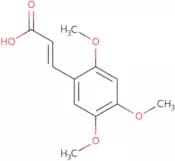
Formula:C8H8O3Purezza:Min. 95%Colore e forma:White PowderPeso molecolare:152.15 g/mol2,4,5-Trimethoxycinnamic acid
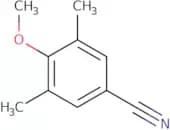
CAS:2,4,5-Trimethoxycinnamic acid is a phenolic acid that is found in plants. It is a precursor to many other compounds that are biologically active, such as the caffeic acids and their derivatives. 2,4,5-Trimethoxycinnamic acid has been shown to have anti-cancer effects on cervical cancer cells. It also exhibits biological properties and has been used as an ingredient in traditional Chinese medicine.Formula:C12H14O5Purezza:Min. 95%Colore e forma:PowderPeso molecolare:238.24 g/mol3,5-Dimethyl-4-methoxybenzonitrile
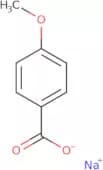
CAS:3,5-Dimethyl-4-methoxybenzonitrile is a chemical that can be used as an intermediate for the synthesis of organic compounds. It is also useful for research purposes. 3,5-Dimethyl-4-methoxybenzonitrile has a CAS number of 152775-45-6 and can be found in the chemical catalog at Acros Organics. This compound is a reactive building block that can undergo many reactions to produce other chemicals. 3,5-Dimethyl-4-methoxybenzonitrile is a complex compound with high purity and quality.Formula:C10H11NOPurezza:Min. 95%Colore e forma:PowderPeso molecolare:161.2 g/mol4-Methoxybenzoic acid sodium
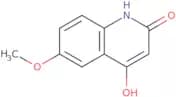
CAS:4-Methoxybenzoic acid sodium is an amide that has been used as a preservative and antimicrobial agent in food products. It is also a second-order rate constant with a Ca2+ concentration of 0.1 mM for staphylococcus. The fatty acids of 4-methoxybenzoic acid sodium are hydrophobic and inhibit the growth of microorganisms by disrupting the cell membrane, which leads to leakage of cellular content. This compound also inhibits the activity of fatty acyl coenzyme A reductase and has been shown to have a microbicidal effect on gram-positive bacteria, such as Staphylococcus aureus. 4-Methoxybenzoic acid sodium has also been shown to be effective against Candida albicans, Streptococcus pyogenes, and Bacillus subtilis when combined with an antimicrobial peptide or cationic surfactant.Formula:C8H7NaO3Purezza:Min. 98 Area-%Colore e forma:PowderPeso molecolare:174.13 g/mol2,4-Dihydroxy-6-methoxyquinoline
CAS:2,4-Dihydroxy-6-methoxyquinoline is a compound that exhibits antifungal properties. It has been shown to have activity against Aspergillus flavus, Aspergillus fumigatus, Candida albicans and other fungi. 2,4-Dihydroxy-6-methoxyquinoline also inhibits the growth of E. coli and A. aureus in vitro. Elemental analysis showed that this compound possesses antibacterial properties and can inhibit the growth of Staphylococcus aureus.Formula:C10H9NO3Purezza:Min. 95%Colore e forma:PowderPeso molecolare:191.18 g/mol2-(((2,5-dimethoxyphenyl)sulfonyl)amino)benzamide
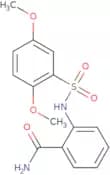
CAS:Please enquire for more information about 2-(((2,5-dimethoxyphenyl)sulfonyl)amino)benzamide including the price, delivery time and more detailed product information at the technical inquiry form on this page
Purezza:Min. 95%(2,4,5-Trimethoxyphenyl)acetone
CAS:Prodotto controllato(2,4,5-Trimethoxyphenyl)acetone is an organic compound that inhibits the replication of RNA. It was found to inhibit the activity of beta-asarone and inhibit the conversion of asarone to o-benzoquinones in cell cultures. This agent also has genotoxic effects on human liver cells. (2,4,5-Trimethoxyphenyl)acetone binds to 5-hydroxytryptamine receptors and inhibits their activities, which can lead to a decrease in serotonin concentrations. (2,4,5-Trimethoxyphenyl)acetone is a colorless liquid at room temperature with a molecular weight of 174.24 grams/mol.
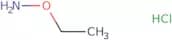
Formula:C12H16O4Purezza:Min. 95%Peso molecolare:224.25 g/molEthoxyamine hydrochloride
CAS:Ethoxyamine hydrochloride is an organic compound that contains a hydroxyl group and a chlorine atom. It is an amine with properties of an acid. Ethoxyamine hydrochloride can be used in the treatment of metabolic disorders, such as nitro, dehydrogenase deficiency and amino acid transport disorder. The compound also has been shown to have anti-inflammatory effects, which may be due to its ability to inhibit the production of prostaglandin synthesis. This drug has been found to have no significant toxicity in humans and animals, and it has been shown to be safe for use in humans.
Formula:C2H7NO·HClPurezza:Min. 95%Colore e forma:White PowderPeso molecolare:97.54 g/mol(S)-2-((((9H-Fluoren-9-yl)methoxy)carbonyl)amino)-3-(1H-pyrrolo[2,3-b]pyridin-3-yl)propanoic acid
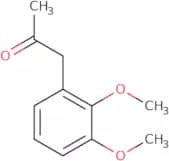
CAS:Please enquire for more information about (S)-2-((((9H-Fluoren-9-yl)methoxy)carbonyl)amino)-3-(1H-pyrrolo[2,3-b]pyridin-3-yl)propanoic acid including the price, delivery time and more detailed product information at the technical inquiry form on this pageFormula:C25H21N3O4Purezza:Min. 95%Peso molecolare:427.45 g/mol(2,3-Dimethoxyphenyl)acetone
CAS:2,3-Dimethoxyphenylacetone is a synthetic compound that has been used as a precursor to other compounds. The synthesis of 2,3-dimethoxyphenylacetone requires the reaction of lithium aluminum hydride with acrylonitrile and hydriodic acid. The molecule can be cyclized in two different ways to form either 2,3-dimethoxybenzaldehyde or 3-methoxybenzaldehyde. The structure of 2,3-dimethoxyphenylacetone is similar to that of hydrazoic acid which has been used as an intermediate in the synthesis of other compounds such as pyrazines.
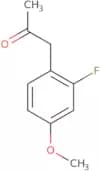
Formula:C11H14O3Purezza:Min. 95%Colore e forma:PowderPeso molecolare:194.23 g/mol2-Fluoro-4-methoxyphenylacetone
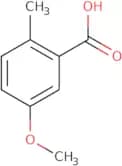
CAS:2-Fluoro-4-methoxyphenylacetone is a high quality chemical that can be used as a reagent, complex compound, and useful intermediate. It is also a fine chemical and speciality chemical with CAS No. 16817-46-2. This product can be used as a reaction component for diverse synthetic reactions in research and development of various types of pharmaceuticals and fine chemicals. It is also versatile building block for the synthesis of valuable products.Formula:C10H11FO2Purezza:Min. 95%Peso molecolare:182.19 g/mol5-Methoxy-2-methylbenzoic acid
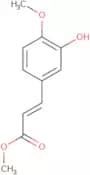
CAS:5-Methoxy-2-methylbenzoic acid is an intermediate in the synthesis of vitamin D3. It can also be used to synthesize calciferol, a configurationally stable form of vitamin D3 that has been shown to be optically active. Lactonic forms are composed of a 5-methoxy group and a 2-methylbenzoic acid moiety. Enantiomers are compounds with the same chemical formula but different arrangements of their atoms in space and each enantiomer is capable of rotating plane polarized light in opposite directions.Formula:C9H10O3Purezza:Min. 95%Colore e forma:PowderPeso molecolare:166.17 g/molMethyl 3-(3-hydroxy-4-methoxyphenyl)acrylate
CAS:Methyl 3-(3-hydroxy-4-methoxyphenyl)acrylate is a compound that has been shown to be active against viruses. It is a derivative of salvianolic acid, which has been found to have anti-inflammatory and antiviral properties. Salvianolic acid and its derivatives are produced by the plant Salvia miltiorrhiza Bunge, and are known for their use in traditional Chinese medicine. The mechanism of action of methyl 3-(3-hydroxy-4-methoxyphenyl)acrylate is not yet fully understood, but it may inhibit the replication of influenza virus by binding to the RNA polymerase in the virus. This drug also has a hydrogen bond with cinnamic acid derivatives, which can inhibit HIV replication.Formula:C11H12O4Purezza:Min. 95%Peso molecolare:208.21 g/mol3-(4-Ethoxybenzoyl)acrylic acid
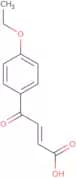
CAS:3-(4-Ethoxybenzoyl)acrylic acid is a chemical that belongs to the group of reagents. It can be used in research involving organic synthesis as a building block and as an intermediate. 3-(4-Ethoxybenzoyl)acrylic acid can also be used to synthesize complex compounds or fine chemicals. The product is high quality, easy to use, and has many uses. This compound is a versatile building block that can be used to make many different compounds.Formula:C12H12O4Purezza:Min. 95%Colore e forma:PowderPeso molecolare:220.22 g/molN-[4-(2-Hydrazino-2-oxoethoxy)phenyl]acetamide
CAS:N-[4-(2-Hydrazino-2-oxoethoxy)phenyl]acetamide is a phenolic compound that has been shown to have an antimicrobial effect. It has been shown to have antitubercular activity against Mycobacterium tuberculosis and the ability to inhibit the growth of cancer cells in vitro. N-[4-(2-Hydrazino-2-oxoethoxy)phenyl]acetamide is also known as monastrol. The pharmacophore of this drug is based on the structure of paracetamol, which is a member of the class of drugs known as analgesics, antipyretics, and antiinflammatory agents. Paracetamol has been used for decades in humans and animals for relief from pain, fever, and inflammation. N-[4-(2-Hydrazino-2-oxoethoxy)phenyl]acetamide may be useful for treating diseases such as cancer or tuberculosis due to its anticFormula:C10H13N3O3Purezza:Min. 95%Colore e forma:PowderPeso molecolare:223.23 g/molDihydro-5-methoxy-2,4(1H,3H)-pyrimidinedione
CAS:Dihydro-5-methoxy-2,4(1H,3H)-pyrimidinedione is a high quality chemical and useful building block. It is a fine chemical and research chemicals as well as a versatile building block that can be used in synthesis of various compounds. Dihydro-5-methoxy-2,4(1H,3H)-pyrimidinedione has been shown to have activity against methicillin resistant Staphylococcus aureus (MRSA) and Clostridium perfringens.Formula:C5H8N2O3Purezza:Min. 95%Colore e forma:PowderPeso molecolare:144.13 g/mol

![5-Methoxy-2-[[(4-methoxy-3,5-dimethyl-2-pyridinyl)methyl]thio]-1H-benzimidazole N-oxide](/_next/image/?url=https%3A%2Fstatic.cymitquimica.com%2Fproducts%2F3D%2Fthumb-webp%2FFM63432.webp&w=3840&q=75)

![1-Chloro-3-[4-(2-methoxyethyl)phenoxy]-2-propanol](/_next/image/?url=https%3A%2Fstatic.cymitquimica.com%2Fproducts%2F3D%2Fthumb-webp%2FFC27415.webp&w=3840&q=75)



![2-[(2-Ethoxy phenoxy)methyl]morpholine HCl](/_next/image/?url=https%3A%2Fstatic.cymitquimica.com%2Fproducts%2F3D%2Fthumb-webp%2FFE152271.webp&w=3840&q=75)
![9-Fluoro-11β,17-Dihydroxy-16α-Methyl-3,20-Dioxopregna-1,4-Dien-21-Yl 2-[2-(2-Ethoxyethoxy)Ethoxy]A…](/_next/image/?url=https%3A%2Fstatic.cymitquimica.com%2Fproducts%2F3D%2Fthumb-webp%2FFF103016.webp&w=3840&q=75)



![6-amino-4-(2-methoxyphenyl)-3-methyl-4H-pyrano[3,2-d]pyrazole-5-carbonitrile](/_next/image/?url=https%3A%2Fstatic.cymitquimica.com%2Fproducts%2F3D%2Fthumb-webp%2FFA169804.webp&w=3840&q=75)

![(S)-2-((((9H-Fluoren-9-yl)methoxy)carbonyl)amino)-3-(1H-pyrrolo[2,3-b]pyridin-3-yl)propanoic acid](/_next/image/?url=https%3A%2Fstatic.cymitquimica.com%2Fproducts%2F3D%2Fthumb-webp%2FFF154979.webp&w=3840&q=75)
![N-[4-(2-Hydrazino-2-oxoethoxy)phenyl]acetamide](/_next/image/?url=https%3A%2Fstatic.cymitquimica.com%2Fproducts%2F3D%2Fthumb-webp%2FFH131261.webp&w=3840&q=75)