Eteri
Trovati 40906 prodotti di "Eteri"
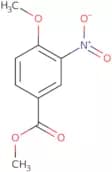
4-Methoxy-3-nitrobenzoic acid methyl ester
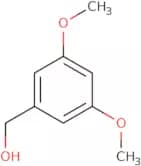
CAS:4-Methoxy-3-nitrobenzoic acid methyl ester (4MNBM) is a potent antitumor agent that inhibits tumor cell proliferation by interfering with DNA replication. 4MNBM selectively binds to the nuclear magnetic resonance and has been shown to inhibit tumor growth in animal models. This drug also shows potent antitumor activity against solid tumor cells, which is due to its ability to induce conformational changes in the DNA of these cells. 4MNBM has been shown to be selective for tumor cells, which may be due to its lack of effect on the metabolism of normal tissue and its ability to bind to proteins in tumor cell nuclei.Formula:C9H9NO5Purezza:Min. 95%Colore e forma:Clear LiquidPeso molecolare:211.17 g/mol3,5-Dimethoxybenzyl alcohol
CAS:3,5-Dimethoxybenzyl alcohol is a synthetic compound that exhibits potent inhibitory activity against carcinoma cell lines. It prevents the growth of cancer cells by inhibiting the synthesis of RNA and DNA. The activation energy for this inhibitory activity is 40.6 kJ/mol, which was determined using analytical methods. 3,5-Dimethoxybenzyl alcohol inhibits the growth of cancer cells in vitro and in vivo at concentrations between 50 and 500 µM. Its inhibitory activities are reversible and competitive with respect to chloride ions at concentrations greater than 250 µM. 3,5-Dimethoxybenzyl alcohol has been shown to be an effective inhibitor of phosphatase enzymes in Chinese medicinal herbs such as Polygonum multiflorum Thunb., Phellodendron amurense Rupr., or Pyrus pyrifolia Nakai.
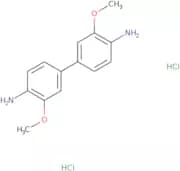
Formula:C9H12O3Purezza:Min. 95%Colore e forma:Off-White PowderPeso molecolare:168.19 g/mol3,3'-Dimethoxybenzidine dihydrochloride
CAS:Prodotto controllato3,3'-Dimethoxybenzidine dihydrochloride is a fluorogenic probe that has been shown to have activity index in the range of 0.1-0.5, which makes it suitable for use as a fluorescent dye in biological samples such as human serum or cerebrospinal fluid. 3,3'-Dimethoxybenzidine dihydrochloride can be used in histological studies for the detection of cell lysis and cardiac disease activity. It has also been shown to cause liver lesions when administered orally to rats.
Formula:C14H16N2O2•(HCl)2Purezza:Min. 98 Area-%Colore e forma:PowderPeso molecolare:317.21 g/molMethyl 4(2-hydroxyethoxy)benzoate
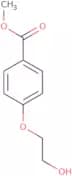
CAS:Methyl 4-(2-hydroxyethoxy)benzoate is an experimental monomer that can be used in the synthesis of polymers. It is a compound that has a spacer group on the 2 position of the benzene ring. It can be used to determine the molecular weight of polymers by comparing their average molecular weight with the theoretical molecular weight. The systematic name for methyl 4-(2-hydroxyethoxy)benzoate is methyl 4-[(2-hydroxyethoxy)methyl]benzoate. The chemical formula for this molecule is C 10 H 16 O 3 and its average molecular weight is 178. The theory behind this molecule is that it will have more than one polymer chain, which makes it polymeric.
Formula:C10H12O4Purezza:Min. 95%Peso molecolare:196.2 g/molN-(2-Indol-3-ylethyl)(4-(trifluoromethoxy)phenyl)formamide
CAS:Please enquire for more information about N-(2-Indol-3-ylethyl)(4-(trifluoromethoxy)phenyl)formamide including the price, delivery time and more detailed product information at the technical inquiry form on this pageFormula:C18H15F3N2O2Purezza:Min. 95%Colore e forma:PowderPeso molecolare:348.32 g/mol4-Ethoxyphenylethyl alcohol
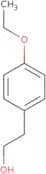
CAS:4-Ethoxyphenylethyl alcohol (4EPEA) is a non-invasive fluorescent probe that has been used in the study of nucleic acids. It is a small molecule that can be used to identify DNA and RNA sequences. 4EPEA terminates at a specific site on the DNA or RNA, where it forms a cavity with its hydroxyl group pointing outward. The cavity is then filled by the next base in the sequence, which reverses the orientation of 4EPEA and causes it to fluoresce. This process can be repeated to map the entire length of an RNA molecule or DNA strand. When 4EPEA is mixed with acetonitrile (ACN), it undergoes a transition from an amorphous state to a more crystalline state, which allows for better separation of 4EPEA from other compounds in ACN. The use of β-cyclodextrin as an additive further improves this separation as well as increasing the stability ofFormula:C10H14O2Purezza:Min. 95%Colore e forma:PowderPeso molecolare:166.22 g/mol4-(5-Methoxy-1,2-dimethyl-1H-indol-3-yl)-1,3-thiazol-2-amine
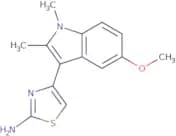
CAS:Please enquire for more information about 4-(5-Methoxy-1,2-dimethyl-1H-indol-3-yl)-1,3-thiazol-2-amine including the price, delivery time and more detailed product information at the technical inquiry form on this pageFormula:C14H15N3OSPurezza:Min. 95%Colore e forma:PowderPeso molecolare:273.35 g/mol1-Methoxy-4-(2-propenyl)benzene
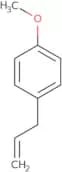
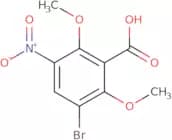
CAS:1-Methoxy-4-(2-propenyl)benzene is a natural compound that has been found to have insecticidal properties. It is used in the synthesis of eugenol and estragole, which are important components in the flavor industry. The optimum concentration of 1-methoxy-4-(2-propenyl)benzene for killing insects is around 0.1%. In toxicity studies, it has been shown to be carcinogenic in rats and mice. However, this chemical's effect on humans is not well understood at this time.Formula:C10H12OPurezza:Min. 95%Colore e forma:Clear LiquidPeso molecolare:148.2 g/mol3-Bromo-2,6-dimethoxy-5-nitrobenzoic acid
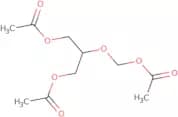
CAS:3-Bromo-2,6-dimethoxy-5-nitrobenzoic acid is a chemical component that can be used as a reagent or building block for the synthesis of other compounds. It is also an intermediate in the synthesis of pesticides and pharmaceuticals. 3-Bromo-2,6-dimethoxy-5-nitrobenzoic acid is a versatile compound with many applications in organic chemistry. This chemical has been shown to have high purity and can be used as a reaction component or reagent in research and development laboratories.Formula:C9H8BrNO6Purezza:Min. 95%Colore e forma:PowderPeso molecolare:306.07 g/mol1,3-Diacetoxy-2-(acetoxymethoxy)propane
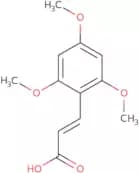
CAS:1,3-Diacetoxy-2-(acetoxymethoxy)propane is a guanine derivative that has been used in the synthesis of ganciclovir. It is prepared by condensation of acetone and acetic anhydride followed by filtration to yield a clear, colorless liquid. 1,3-Diacetoxy-2-(acetoxymethoxy)propane can be used as an intermediate in the preparation of other compounds. It was found that this compound contains a residue of p-toluenesulfonic acid. The catalyst for crystallization is decolorized activated carbon. The product obtained after recrystallization is white crystals with a melting point of 147 °C.Formula:C10H16O7Purezza:Min. 95%Colore e forma:Yellow Clear LiquidPeso molecolare:248.23 g/mol2,4,6-Trimethoxycinnamic acid
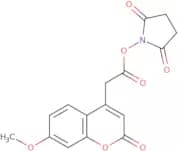
CAS:2,4,6-Trimethoxycinnamic acid is a cinnamoyl compound that can be isolated from the seeds of Garcinia gummi-guta. This compound has been synthesised and optimised for use as an antioxidant in food and cosmetic products. 2,4,6-Trimethoxycinnamic acid has a high product yield under isothermal conditions using β-cyclodextrin as a solvent. It also shows good stability in the presence of light. 2,4,6-Trimethoxycinnamic acid has been shown to be efficient in preventing oxidation reactions by acting as a scavenger of singlet oxygen and peroxyl radicals. The analytical data obtained from this study suggests that 2,4,6-Trimethoxycinnamic acid will not produce any moieties or photostability problems when used in these applications.Formula:C12H14O5Purezza:Min. 95%Colore e forma:PowderPeso molecolare:238.24 g/mol7-Methoxycoumarin-4-acetic acid N-succinimidyl ester
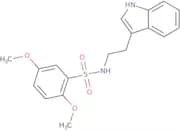
CAS:7-Methoxycoumarin-4-acetic acid N-succinimidyl ester is a fluorescent probe for the detection of metalloproteinases. It has been used in assays to measure matrix metalloproteinase activity and to study the kinetics of these enzymes. This compound can be used as a fluorescence focus for the study of extracellular matrix regulation. 7-Methoxycoumarin-4-acetic acid N-succinimidyl ester inhibits matrix metalloproteinases by binding to their active site and blocking access to substrates, preventing the breakdown of extracellular matrix proteins.Formula:C16H13NO7Purezza:Min. 97 Area-%Colore e forma:Off-White PowderPeso molecolare:331.28 g/mol((2,5-dimethoxyphenyl)sulfonyl)(2-indol-3-ylethyl)amine
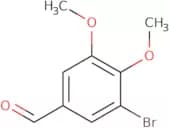
CAS:Please enquire for more information about ((2,5-dimethoxyphenyl)sulfonyl)(2-indol-3-ylethyl)amine including the price, delivery time and more detailed product information at the technical inquiry form on this pagePurezza:Min. 95%3-Bromo-4,5-dimethoxybenzaldehyde
CAS:3-Bromo-4,5-dimethoxybenzaldehyde is a molecule that is acidic in nature. It inhibits phosphatases and has shown cytotoxic activity against cancer cells in vitro. This compound also has antibacterial properties and can be used to treat bacterial infections. 3-Bromo-4,5-dimethoxybenzaldehyde is also a synthetic compound that can be found in the bisbenzylisoquinoline alkaloids family. It has been shown to have anti-tumor activity as well as an interaction with aldehydes and chalcones, which may lead to anti-inflammatory effects.
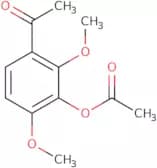
Formula:C9H9BrO3Purezza:Min. 95%Colore e forma:PowderPeso molecolare:245.07 g/mol3-Acetoxy-2,4-dimethoxyacetophenone
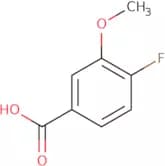
CAS:3-Acetoxy-2,4-dimethoxyacetophenone is a chemical building block that has been shown to be useful in the synthesis of complex compounds. This compound can be used as a reaction component and reagent in organic synthesis. 3-Acetoxy-2,4-dimethoxyacetophenone can be used as a versatile building block for the synthesis of high quality research chemicals and speciality chemicals. It is also a useful intermediate for the preparation of fine chemicals such as pharmaceuticals, agrochemicals, and dyestuffs. 3-Acetoxy-2,4-dimethoxyacetophenone has CAS number 63604-86-4.Formula:C12H14O5Purezza:Min. 95%Peso molecolare:238.24 g/mol4-Fluoro-3-methoxybenzoic acid
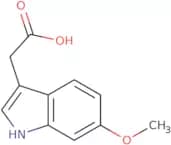
CAS:4-Fluoro-3-methoxybenzoic acid is a chiral, organic compound. It is an estrogen antagonist that binds to the estrogen receptor. 4-Fluoro-3-methoxybenzoic acid has been shown to inhibit tumor growth by blocking the interaction of estradiol with its receptor in the cancer cell line MCF-7. The metabolically active form of this compound is 4′-hydroxymethyl 4′,4″-difluorobenzoate and it can be converted into other metabolites such as 3′,4′,5′,6′-tetrahydroxybenzoic acid. This conversion may be mediated by cytochrome P450 enzymes or through hydrolysis by esterases or glucuronidases. The stereoisomers of 4-fluoro-3 methoxybenzoic acid are erythro and threo forms which have different affinities forFormula:C8H7FO3Purezza:Min. 95%Colore e forma:PowderPeso molecolare:170.14 g/mol6-Methoxyindole-3-acetic acid
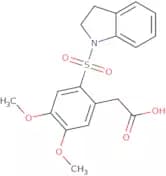
CAS:Please enquire for more information about 6-Methoxyindole-3-acetic acid including the price, delivery time and more detailed product information at the technical inquiry form on this pageFormula:C11H11NO3Purezza:Min. 95%Colore e forma:PowderPeso molecolare:205.21 g/mol2-(4,5-Dimethoxy-2-(indolin-1-ylsulfonyl)phenyl)acetic acid
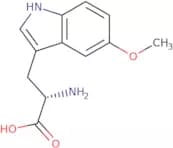
CAS:Please enquire for more information about 2-(4,5-Dimethoxy-2-(indolin-1-ylsulfonyl)phenyl)acetic acid including the price, delivery time and more detailed product information at the technical inquiry form on this pagePurezza:Min. 95%5-Methoxy-L-tryptophan
CAS:5-Methoxy-L-tryptophan is a nonsteroidal anti-inflammatory drug that acts by inhibiting the synthesis of prostaglandins. It has been shown to have a clinical relevance in the treatment of cancer and ischemia reperfusion injury. 5-Methoxy-L-tryptophan has also been shown to be effective in the treatment of inflammatory diseases such as rheumatoid arthritis, ulcerative colitis, and Crohn disease. 5-Methoxy-L-tryptophan is a precursor for serotonin, which regulates many physiological functions including pain perception. Tryptophan has also been found to increase epithelial mesenchymal transition (EMT) and repair mechanisms in fibroblasts. X-ray crystal structures have revealed that 5-methoxy tryptophan binds at the active site of xanthine oxidase, which is an enzyme involved in purine metabolism.
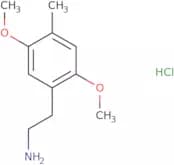
Formula:C12H14N2O3Purezza:Min. 98 Area-%Colore e forma:PowderPeso molecolare:234.25 g/mol2,5-Dimethoxy-4-methylphenethylamine hydrochloride
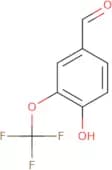
CAS:Prodotto controllatoPlease enquire for more information about 2,5-Dimethoxy-4-methylphenethylamine hydrochloride including the price, delivery time and more detailed product information at the technical inquiry form on this pageFormula:C11H18ClNO2Purezza:Min. 98 Area-%Peso molecolare:231.72 g/mol4-Hydroxy-3-(trifluoromethoxy)benzaldehyde
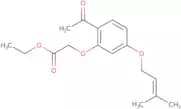
CAS:4-Hydroxy-3-(trifluoromethoxy)benzaldehyde is a chemical that modulates the toxicity of cells. It has been shown to reduce amyloid plaques in animals and humans with Alzheimer's disease, and to inhibit the formation of plaques in transgenic mice. In addition, 4-hydroxy-3-(trifluoromethoxy)benzaldehyde has been found to be a pyrimidine compound, which can be used as a potential treatment for alzheimer's disease. This substance also has an insoluble nature and is not soluble in water. Curcumin is one of the substances that may be used to dissolve this substance.Formula:C8H5F3O3Purezza:Min. 95%Peso molecolare:206.12 g/mol2'-Ethoxycarbonylmethoxy-4'-(3-methyl-2-butenyloxy)acetophenone
CAS:2'-Ethoxycarbonylmethoxy-4'-(3-methyl-2-butenyloxy)acetophenone is a centrosymmetric molecule with a crystal structure. It has been shown to form dimers in the solid state.Formula:C17H22O5Purezza:Min. 95%Colore e forma:PowderPeso molecolare:306.35 g/molN-[(2-Fluorophenyl)methyl]-4-iodo-2,5-dimethoxybenzeneethanamine
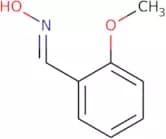
CAS:Prodotto controllatoN-[(2-Fluorophenyl)methyl]-4-iodo-2,5-dimethoxybenzeneethanamine (25I-NBOMe) is a synthetic drug that acts as a potent agonist of the serotonin receptor 5-HT2A. It has been used in bioassays to study the function of this receptor and has been shown to be able to inhibit human liver metabolism. 25I-NBOMe is also an analytical tool for the detection and identification of cannabinoid derivatives, which are often found in synthetic cannabinoids. This compound can be analyzed by liquid chromatography tandem mass spectrometry (LC/MS/MS) methods with modifications that allow for the detection of metabolites.Formula:C17H19FINO2Purezza:Min. 95%Peso molecolare:415.24 g/mol2-Methoxybenzaldehyde oxime
CAS:2-Methoxybenzaldehyde oxime is a synthetic amine that is used in the synthesis of peroxides. The reaction rate and nature depend on the type of peroxide being synthesized, but typically, it is used with acetonitrile as a solvent and an acid catalyst. 2-Methoxybenzaldehyde oxime reacts with peracid to create an aldoxime and nitrite. This product can also be made by reacting benzaldehyde with nitrous acid, which will produce dioxane as an intermediate. The reaction time for this process takes about four hours at room temperature.Formula:C8H9NO2Purezza:Min. 95%Colore e forma:PowderPeso molecolare:151.16 g/mol2-Methoxy-5-nitropyridine
CAS:2-Methoxy-5-nitropyridine is an experimental model for the study of nucleophilic substitution reactions. It has been shown to catalyze a variety of nucleophilic substitutions, such as the reaction between dimethylformamide and methoxide. The uptake of 2-methoxy-5-nitropyridine in human cells has been studied using the mitochondrial cytochrome P450 (mt2) receptors, where it has been found that this compound binds to mt2 receptors with high affinity. The optical properties of 2-methoxy-5-nitropyridine have been determined by spectroscopic analysis and found to be similar to those of nitro compounds. Toxicity studies have also demonstrated that 2-methoxy-5-nitropyridine can cause liver damage at high doses, but there is no evidence that it causes cancer or causes reproductive toxicity.Formula:C6H6N2O3Purezza:Min. 95%Colore e forma:PowderPeso molecolare:154.12 g/mol3-Ethoxybenzoyl chloride
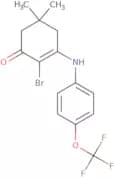
CAS:3-Ethoxybenzoyl chloride is a versatile building block that can be used to synthesize complex compounds. It has been shown as a useful intermediate in research and development, as well as being a reagent for the synthesis of other chemicals. 3-Ethoxybenzoyl chloride is also a high quality chemical with a variety of uses, including as an intermediate in organic reactions and as a scaffold for the preparation of other chemical compounds.Formula:C9H9ClO2Purezza:Min. 80%Colore e forma:PowderPeso molecolare:184.62 g/mol2-bromo-5,5-dimethyl-3-((4-(trifluoromethoxy)phenyl)amino)cyclohex-2-en-1-one
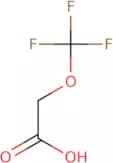
CAS:Please enquire for more information about 2-bromo-5,5-dimethyl-3-((4-(trifluoromethoxy)phenyl)amino)cyclohex-2-en-1-one including the price, delivery time and more detailed product information at the technical inquiry form on this pagePurezza:Min. 95%Trifluoromethoxyacetic acid
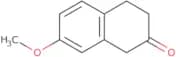
CAS:Trifluoromethoxyacetic acid is a synthetic drug that has been used to treat inflammatory bowel disease, alopecia and seborrhoea. It is also used as a pharmacological agent for the treatment of autoimmune diseases, such as sclerosis, malignant and bowel disease. Trifluoromethoxyacetic acid has anti-inflammatory properties due to its inhibition of prostaglandin synthesis. This drug has been shown to be effective in treating alopecia areata in rats with an oral dose of 0.5 mg/kg for two weeks, which is comparable to the effect observed with 1 mg/kg of minoxidil (Rogaine). Trifluoromethoxyacetic acid binds to nitrogen atoms on proteins and inhibits protein synthesis, leading to cell death by inhibiting the production of proteins vital for cell division.Formula:C3H3F3O3Purezza:Min. 95 Area-%Colore e forma:Clear LiquidPeso molecolare:144.05 g/mol7-Methoxy-2-tetralone
CAS:7-Methoxy-2-tetralone is an organic compound that is synthesised from the chlorination of phenol. It inhibits cancer cells by binding to their receptors and inhibiting the growth of new blood vessels, which are necessary for tumour growth. 7-Methoxy-2-tetralone also inhibits the synthesis of DNA, RNA, and protein in a cell-free system. It binds to chloride ions in solution and has a potent inhibitory activity against dehydrogenase and hydrochloric acid. 7-Methoxy-2-tetralone is used as a reagent for water treatment studies because it can be broken down to produce harmless products, such as chloride ion and cyanogen.
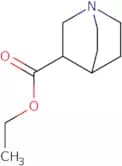
Formula:C11H12O2Purezza:Min. 95%Peso molecolare:176.21 g/mol3-Carbethoxyquinuclidine
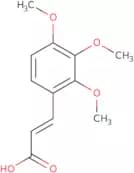
CAS:3-Carbethoxyquinuclidine is an antihistaminic drug that belongs to the class of quinuclidines. It is used in research and has been shown to have a pharmacological effect on the central nervous system, including inhibition of histamine release. 3-Carbethoxyquinuclidine has been found to be anti-inflammatory and analgesic. It also inhibits prostaglandins and other mediators of inflammation, such as leukotrienes, thromboxanes, and platelet activating factor. 3-Carbethoxyquinuclidine is hydrolyzed by acid or alkaline conditions, but can be recrystallized from boiling methanol or ethanol.Formula:C10H17NO2Purezza:Min. 95%Colore e forma:PowderPeso molecolare:183.25 g/moltrans-2,3,4-Trimethoxycinnamic acid
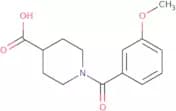
CAS:Trans-2,3,4-trimethoxycinnamic acid is a bioactive chemical that has been shown to have significant antioxidant activity. This compound is a hydrogen peroxide scavenger and can be used in devices to remove hydrogen peroxide from water. Trans-2,3,4-trimethoxycinnamic acid has also been shown to inhibit the production of campesterol and paromomycin in bacteria. Furfural is an inhibitor of trans-2,3,4-trimethoxycinnamic acid and its oxidation products. Trans-2,3,4-trimethoxycinnamic acid can be oxidised by furfural to produce glycerin and formic acid. It also inhibits the formation rate of amides from cinnamyl alcohol.Formula:C12H14O5Purezza:Min. 98 Area-%Colore e forma:PowderPeso molecolare:238.24 g/mol1-(3-Methoxybenzoyl)piperidine-4-carboxylic acid
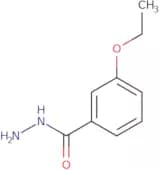
CAS:1-(3-Methoxybenzoyl)piperidine-4-carboxylic acid is a fine chemical that can be used as a building block in organic synthesis. It has CAS No. 353465-22-2 and is also known as P1. This compound is useful in the preparation of a variety of complex compounds, including pharmaceuticals, agrochemicals, and other specialty chemicals. The compound can be used as a reagent or intermediate for reactions such as Friedel-Crafts acylation, carbonylation, and sulfonylation. 1-(3-Methoxybenzoyl)piperidine-4-carboxylic acid is also an excellent scaffold for the synthesis of complex molecules with versatile functional groups.Formula:C14H17NO4Purezza:Min. 98 Area-%Colore e forma:PowderPeso molecolare:263.29 g/mol3-Ethoxybenzhydrazide
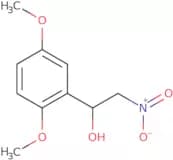
CAS:3-Ethoxybenzhydrazide is a class of catalyzed, efficient, and carboxylic acid chlorides. The methodology for this class of compounds has been optimized to produce 3-ethoxybenzhydrazides with high yields. This class of compounds has been shown to be efficient in the synthesis of a number of carboxylic acids. This method can be automated and is an advance in the field of chemistry.Formula:C9H12N2O2Purezza:Min. 95%Colore e forma:PowderPeso molecolare:180.2 g/mol1-(2,5-Dimethoxyphenyl)-2-nitroethanol
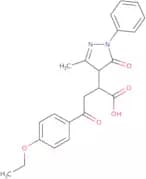
CAS:1-(2,5-Dimethoxyphenyl)-2-nitroethanol is a chiral, asymmetric catalyst that has been shown to be effective in the enantioselective reduction of ketones. This process is important because it allows for the synthesis of chiral amino alcohols, which are then used in a variety of chemical reactions. The reaction can also be carried out with methyl amine as an amine source. 1-(2,5-Dimethoxyphenyl)-2-nitroethanol is an example of a catalyst that participates in catalysis through the lone pair on oxygen and nitrogen atoms.Formula:C10H13NO5Purezza:Min. 95%Colore e forma:White PowderPeso molecolare:227.21 g/mol4-(4-Ethoxyphenyl)-2-(3-methyl-5-oxo-1-phenyl(2-pyrazolin-4-yl))-4-oxobutanoic acid
CAS:Please enquire for more information about 4-(4-Ethoxyphenyl)-2-(3-methyl-5-oxo-1-phenyl(2-pyrazolin-4-yl))-4-oxobutanoic acid including the price, delivery time and more detailed product information at the technical inquiry form on this page
Purezza:Min. 95%2-[(2-Carboxyphenyl)amino]-3-methoxybenzoic acid
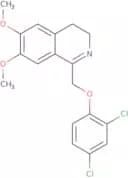
CAS:2-[(2-Carboxyphenyl)amino]-3-methoxybenzoic acid is a fine chemical that is used as a building block, reagent, and speciality chemical in the synthesis of other compounds. This compound is a versatile building block for the synthesis of complex compounds with many applications. 2-[(2-Carboxyphenyl)amino]-3-methoxybenzoic acid is a complex compound that can be used as an intermediate or scaffold in the manufacture of pharmaceuticals, agrochemicals, and other organic syntheses.Formula:C15H13NO5Purezza:Min. 95%Peso molecolare:287.27 g/mol1-((6,7-dimethoxy(3,4-dihydroisoquinolyl))methoxy)-2,4-dichlorobenzene
CAS:Please enquire for more information about 1-((6,7-dimethoxy(3,4-dihydroisoquinolyl))methoxy)-2,4-dichlorobenzene including the price, delivery time and more detailed product information at the technical inquiry form on this pagePurezza:Min. 95%Dextromethorphan
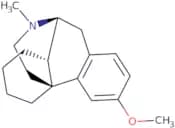
CAS:Prodotto controllato9-alpha,-14-alpha-3-Methoxy-17-methylmorphinan (914) is a drug that is used in the treatment of bowel disease. It has been shown to inhibit the activity of enzymes such as polymerase chain, which is responsible for DNA replication and repair. 914 also inhibits dextromethorphan, an opioid that is used in cough suppressant medications. The effects of 914 on dextromethorphan are seen in human subjects who have been given the drug intravenously or orally. 914 binds to receptors that are found on cells in the brain and spinal cord, which explains its analgesic properties. This drug can be dangerous when taken with nonsteroidal anti-inflammatory drugs because it can cause kidney damage or failure.
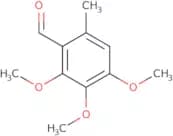
Formula:C18H25NOPurezza:Min. 95%Colore e forma:PowderPeso molecolare:271.4 g/mol2,3,4-Trimethoxy-6-methylbenzaldehyde
CAS:2,3,4-Trimethoxy-6-methylbenzaldehyde is a synthetic coumarin with antibacterial activity. It is synthesized by the condensation of 3-hydroxyacetophenone and benzaldehyde. 2,3,4-Trimethoxy-6-methylbenzaldehyde has been shown to have antibacterial activity against both Gram-positive and Gram-negative bacteria. This molecule has also been shown to inhibit the growth of Gram negative bacteria in the presence of hydrogen peroxide. The crystal structure of this molecule was determined by XRD analysis and shows that it contains a dihedral angle of about 155°.Formula:C11H14O4Purezza:Min. 95%Peso molecolare:210.23 g/mol2'-Bromo-5'-methoxyacetophenone
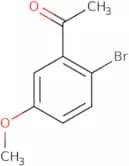
CAS:2'-Bromo-5'-methoxyacetophenone is a perchloric acid catalyst that can be used in the synthesis of ketones, methyl ketones, and other organic compounds. Bromination reactions are catalyzed by hypobromous acid (HOBr), which is generated from bromine and HOCl. The reaction is typically initiated with an acid catalyst such as 2'-bromo-5'-methoxyacetophenone.
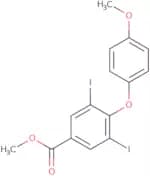
Formula:C9H9BrO2Purezza:Min. 95%Colore e forma:Clear LiquidPeso molecolare:229.07 g/mol3,5-Diiodo-4(4'-methoxyphenoxy)benzoic acid methyl ester
CAS:3,5-Diiodo-4(4'-methoxyphenoxy)benzoic acid methyl ester (DIMBOA) is a hormone analogue that inhibits the growth of cancer cells by interfering with mitochondrial function. DIMBOA binds to the mitochondria of animal cells and prevents adenosine triphosphate (ATP) production. DIMBOA also blocks the synthesis of DNA and RNA in animal cells, which may be due to its ability to interfere with enzyme activities such as protein synthesis, cell proliferation, and apoptosis. 3,5-Diiodo-4(4'-methoxyphenoxy)benzoic acid methyl ester has been shown to inhibit cellular growth by autophagy. This drug has been shown to have no adverse effects on normal fibroblasts or antigen presenting cells in animals.Formula:C15H12I2O4Purezza:Min. 95%Colore e forma:PowderPeso molecolare:510.06 g/mol3,5-Dimethoxy-4-hydroxyphenylacetic acid
CAS:3,5-Dimethoxy-4-hydroxyphenylacetic acid is a phenolic compound that is found in the leaves of plants. It is a major component of the essential oil from the bark of the cinnamon tree. 3,5-Dimethoxy-4-hydroxyphenylacetic acid has been shown to be a potent inhibitor of plant growth and an effective herbicide for weed control in tobacco. 3,5-Dimethoxy-4-hydroxyphenylacetic acid has also been shown to have antiplatelet activity and may be useful in treating thrombosis.Formula:C10H12O5Purezza:Min. 95%Colore e forma:Brown PowderPeso molecolare:212.2 g/mol5-Methoxy-3-methylbenzonitrile
CAS:5-Methoxy-3-methylbenzonitrile is a versatile chemical with a wide range of applications in pharmaceuticals, agrochemicals, and other industries. It is used as a reaction component in the synthesis of drugs such as indomethacin and methotrexate. It is also useful for the production of high-quality research chemicals. 5-Methoxy-3-methylbenzonitrile has been shown to be an efficient building block for the synthesis of complex compounds with diverse structures.
Formula:C9H9NOPurezza:Min. 95%Colore e forma:PowderPeso molecolare:147.17 g/mol2-[(2-Amino-5-methoxyphenyl)dithio]-4-methoxyaniline
CAS:2-[(2-Amino-5-methoxyphenyl)dithio]-4-methoxyaniline is a high quality chemical reagent that can be used as a useful intermediate in the synthesis of a variety of complex compounds. This compound has been shown to have a wide range of uses, including as a building block in the synthesis of speciality chemicals and research chemicals. 2-[(2-Amino-5-methoxyphenyl)dithio]-4-methoxyaniline is an important reaction component that can be used in many organic reactions, such as coupling, condensation, substitution, elimination, nucleophilic addition and reduction.Formula:C14H16N2O2S2Purezza:Min. 95%Colore e forma:PowderPeso molecolare:308.42 g/mol3-(4-methoxy-1-naphthyl)acrylic acid
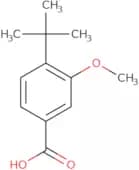
CAS:Please enquire for more information about 3-(4-methoxy-1-naphthyl)acrylic acid including the price, delivery time and more detailed product information at the technical inquiry form on this pagePurezza:Min. 95%3-Methoxy-4-t-Butyl-Benzoic acid
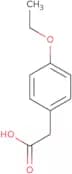
CAS:3-Methoxy-4-t-Butyl-Benzoic acid is a building block that can be used in the synthesis of a variety of organic compounds. This chemical has been used as a reagent, as well as in research and development. It is also used to synthesize complex compounds and may be used as a versatile building block or intermediate for reactions.Formula:C12H16O3Purezza:Min. 95%Peso molecolare:208.25 g/mol4-Ethoxyphenylacetic acid
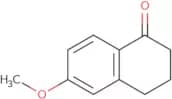
CAS:4-Ethoxyphenylacetic acid is an organic compound that belongs to the class of cannabinoids. It is a metabolite of tetrahydrocannabinol (THC) and can be used as a precursor to other cannabinoids, such as cannabidiol. This substance also has been shown to have canalization effects on plant physiology and root formation. 4-Ethoxyphenylacetic acid is synthesized in a solid-phase synthesis and purified by hydrogen chloride gas. The synthesis is efficient and can be done in gram quantities. Structural studies have shown that this molecule binds to cannabinoid receptors CB1 and CB2, which are found throughout the body, including the brain. 4-Ethoxyphenylacetic acid may act as a regulator for these receptors, with its effects depending on concentration.Formula:C10H12O3Purezza:Min. 95%Colore e forma:PowderPeso molecolare:180.2 g/mol6-Methoxy-1-tetralone
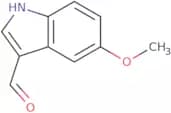
CAS:6-Methoxy-1-tetralone (6MTO) is a quinoline derivative that has been shown to have potent inhibitory activity against human liver cancer. It is related to the compound 1,4-dimethylquinoline, which has been shown to possess anticancer properties in vitro. 6MTO inhibits the growth of carcinoma cell lines by inducing apoptosis and arresting cell cycle at G2/M phase. 6MTO also inhibits isovaleric acid production in thp-1 cells and the proliferation of hepatoma cells, leading to a decrease in the viability of these cells.Formula:C11H12O2Purezza:Min. 95%Colore e forma:PowderPeso molecolare:176.21 g/mol5-Methoxyindole-3-carboxaldehyde
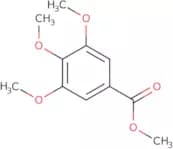
CAS:5-Methoxyindole-3-carboxaldehyde is a molecule that belongs to the genus of indolequinones. It has been shown to have potent inhibitory activity against prostate cancer cells, and also has anti-cancer properties. 5-Methoxyindole-3-carboxaldehyde inhibits the proliferation of cancer cells by inducing apoptosis in prostate cancer cells. 5-Methoxyindole-3-carboxaldehyde also suppresses the growth of cervical cancer cells and breast cancer cells. This molecule binds to the hydrogen bond sites on DNA, which may be one reason for its anti-cancer properties. The molecule is fluorescent and can be used as a marker for detecting cancers or other diseases in living tissue.Formula:C10H9NO2Purezza:Min. 95%Colore e forma:PowderPeso molecolare:175.18 g/molMethyl 3,4,5-trimethoxybenzoate
CAS:Methyl 3,4,5-trimethoxybenzoate is a fatty acid that belongs to the group of p2. It is used as an animal health product and as a component of pharmaceutical preparations. Methyl 3,4,5-trimethoxybenzoate has been shown to be a useful model system for studying hydrogen bonding in organic chemistry. When heated with sodium carbonate and chloride in water, the methyl 3,4,5-trimethoxybenzoate reacts with n-dimethyl formamide to produce reaction products. This reaction can be accelerated by adding triticum aestivum and sodium hydroxide solution.
Formula:C11H14O5Purezza:Min. 95%Colore e forma:PowderPeso molecolare:226.23 g/mol


![N-[(2-Fluorophenyl)methyl]-4-iodo-2,5-dimethoxybenzeneethanamine](/_next/image/?url=https%3A%2Fstatic.cymitquimica.com%2Fproducts%2F3D%2Fthumb-webp%2FFF97685.webp&w=3840&q=75)


![2-[(2-Carboxyphenyl)amino]-3-methoxybenzoic acid](/_next/image/?url=https%3A%2Fstatic.cymitquimica.com%2Fproducts%2F3D%2Fthumb-webp%2FFC19799.webp&w=3840&q=75)


![2-[(2-Amino-5-methoxyphenyl)dithio]-4-methoxyaniline](/_next/image/?url=https%3A%2Fstatic.cymitquimica.com%2Fproducts%2F3D%2Fthumb-webp%2FFA117846.webp&w=3840&q=75)