Eteri
Trovati 40906 prodotti di "Eteri"
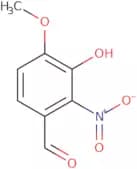
3-Hydroxy-4-methoxy-2-nitrobenzaldehyde
CAS:3-Hydroxy-4-methoxy-2-nitrobenzaldehyde is a ternary complex that has been adsorbed onto the surface of an ion exchange resin. The adsorption process occurs through the formation of hydrogen bonds between the hydroxyl groups on the resin and the hydroxyl groups on the molecule. This complex is also soluble in chloroform, which may be due to its ability to form hydrogen bonds with itself and other molecules. The 3-hydroxy group on this molecule has been shown to react reductively with nitrophenol, forming a nitroso derivative. 3-Hydroxy-4-methoxy-2-nitrobenzaldehyde has been used as a template for the microbiological assay of azides and quinones.Formula:C8H7NO5Purezza:Min. 95%Peso molecolare:197.14 g/mol3,5-Diiodo-4(4'-methoxyphenoxy)benzoic acid
CAS:3,5-Diiodo-4-(4'-methoxyphenoxy)benzoic acid is a chemical intermediate that has been used in the synthesis of pharmaceuticals and agricultural chemicals. It is a versatile building block that can be used to produce pharmaceuticals, such as diazepam and bromazepam, and other useful compounds. 3,5-Diiodo-4-(4'-methoxyphenoxy)benzoic acid is a fine chemical with high quality and speciality chemical. It has been extensively researched for its usefulness as a reagent for organic synthesis reactions.
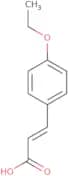
Formula:C14H10I2O4Purezza:Min. 95%Colore e forma:PowderPeso molecolare:496.04 g/mol4-Ethoxycinnamic acid
CAS:4-Ethoxycinnamic acid is a phenolic compound that is found in many plants and fruits. It has been shown to have bioactivities such as anti-inflammatory, anti-allergic, and anticancer activities. 4-Ethoxycinnamic acid has been shown to inhibit tyrosinase activity by interacting with the enzyme's active site. This inhibition reduces the production of melanin, which may be due to its ability to inhibit dopamine oxidation or the conversion of dopachrome into dopaquinone. 4-Ethoxycinnamic acid also inhibits prolyl hydroxylase activity, which can lead to increased collagen synthesis and reduced inflammation.Formula:C11H12O3Purezza:Min. 95%Colore e forma:PowderPeso molecolare:192.21 g/mol8-Methoxy-2-methyl-2,3,4,5-tetrahydro-1H-pyrido[4,3-b]indole
CAS:8-Methoxy-2-methyl-2,3,4,5-tetrahydro-1H-pyrido[4,3-b]indole is a versatile building block that can be used as a reagent or speciality chemical. It has been used in research and development of pharmaceuticals and as a useful intermediate for the synthesis of other compounds. 8-Methoxy-2-methyl-2,3,4,5-tetrahydro-1H-pyrido[4,3-b]indole is an important reaction component for the synthesis of many types of compounds such as indoles, coumarins, and quinazolinones.Formula:C13H16N2OPurezza:Min. 95%Colore e forma:PowderPeso molecolare:216.28 g/mol1-(2-Methoxyphenyl)-2-nitroethane
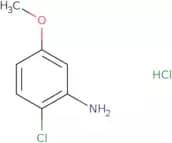
CAS:1-(2-Methoxyphenyl)-2-nitroethane is a natural alkaloid that is found in the plant Piper methysticum. This compound has been shown to inhibit the transformation of nitroalkenes to nitropropene and nitrobenzene. The synthetic studies on this compound are mainly focused on its effects on other nitroalkenes. It has been shown that 1-(2-methoxyphenyl)-2-nitroethane can be used as an inhibitor of cyclization reactions, such as the synthesis of indole alkaloids, which are important in many pharmacological processes and biological systems.Formula:C9H9NO3Purezza:Min. 95%Colore e forma:PowderPeso molecolare:179.17 g/mol2-Chloro-5-methoxyaniline hydrochloride
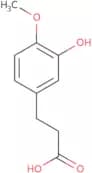
CAS:2-Chloro-5-methoxyaniline hydrochloride is an intercalating agent that is used in the treatment of cancer. It binds to DNA and causes a breakage of the hydrogen bonds between the two strands, which leads to cell death. The 2-Chloro-5-methoxyaniline hydrochloride molecule has affinity for lactams, which are sugar molecules found in cell walls of bacteria, fungi, and plants. This compound can be metabolized by lactamase enzymes that are found in cancer cells and other cells. The metabolized products are fluorescent, which allows them to be detected by fluorescence microscopy. 2-Chloro-5-methoxyaniline hydrochloride has been shown to inhibit the growth of lung cancer cells and leukemia cells by interfering with their ability to synthesize DNA and RNA.Formula:C7H8ClNO•HClPurezza:Min. 95%Colore e forma:PowderPeso molecolare:194.06 g/mol3-(3-Hydroxy-4-methoxyphenyl)propionic acid
CAS:3-(3-Hydroxy-4-methoxyphenyl)propionic acid is a dihydrochalcone that is found in lettuce. It can be used as an aglycone or with one or more sugar molecules to form glycosides, which are found in many plants. 3-(3-Hydroxy-4-methoxyphenyl)propionic acid has been shown to have a low bioavailability and to inhibit the activity of bile acids. 3-(3-Hydroxy-4-methoxyphenyl)propionic acid can be found in wastewater treatment systems, where it may act as an ecosystem pollutant. In addition, this compound shows antimicrobial properties and has been used for the treatment of wastewater.Formula:C10H12O4Purezza:Min. 95%Colore e forma:White Off-White PowderPeso molecolare:196.2 g/mol3,4-Diethoxyphenylacetonitrile
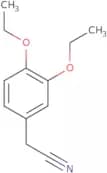
CAS:3,4-Diethoxyphenylacetonitrile is an intermediate that is used in the synthesis of drotaverine. It can also be used to synthesize catechol, which is a medicine used to treat depression and anxiety. 3,4-Diethoxyphenylacetonitrile can be chloromethylated with phosphorus pentachloride to produce 3,4-diethoxyphenylacetic acid. This product has been used in the synthesis of sodium cyanide and catechol hydrochloride.
Formula:C12H15NO2Purezza:Min. 95%Colore e forma:PowderPeso molecolare:205.25 g/mol3-Ethoxybenzoyl chloride
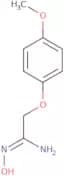
CAS:3-Ethoxybenzoyl chloride is a versatile building block that can be used to synthesize complex compounds. It has been shown as a useful intermediate in research and development, as well as being a reagent for the synthesis of other chemicals. 3-Ethoxybenzoyl chloride is also a high quality chemical with a variety of uses, including as an intermediate in organic reactions and as a scaffold for the preparation of other chemical compounds.Formula:C9H9ClO2Purezza:Min. 80%Colore e forma:PowderPeso molecolare:184.62 g/molN-Hydroxy-2-(4-methoxyphenoxy)ethanimidamide
CAS:Please enquire for more information about N-Hydroxy-2-(4-methoxyphenoxy)ethanimidamide including the price, delivery time and more detailed product information at the technical inquiry form on this pageFormula:C9H12N2O3Purezza:Min. 95%Colore e forma:PowderPeso molecolare:196.2 g/mol2,4,6-Trimethoxybenzamide
CAS:2,4,6-Trimethoxybenzamide is a triggered compound that reacts with lithium to form an efficient regiospecific lithium 2,4,6-trimethoxybenzamide complex. This reaction occurs at low temperatures and has been shown to be more efficient than other methods for the synthesis of acridones. The reaction has not been shown to be reversible and requires the use of a strong base such as lithium.
Formula:C10H13NO4Purezza:Min. 95%Colore e forma:PowderPeso molecolare:211.21 g/mol4-Methoxystyrene
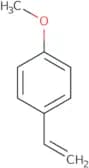
CAS:4-Methoxystyrene is a monomer that can be polymerized to form poly(4-methoxystyrene). It is an ionic monomer that has been used in cationic polymerization reactions. 4-Methoxystyrene can also be used as a fluorescence detector and as a base for the synthesis of polymers with desired properties. The kinetic, radical, and cationic polymerization reactions are all possible with 4-methoxystyrene. This compound has been shown to have intermolecular hydrogen bonding and oxygen nucleophiles, which are both required for the reaction mechanism of this compound. X-ray crystal structures have revealed the structure of this compound.Formula:C9H10OPurezza:Min. 95%Colore e forma:Colorless Clear LiquidPeso molecolare:134.18 g/molN,N,N',N',N'',N''-Hexamethoxymethylmelamine
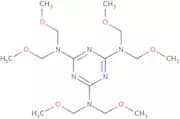
CAS:Hexamethoxymethylmelamine (HMMM) is a polyvinyl-based polymer that can be synthesized by the cationic polymerization of hexamethoxymethylmelamine. HMMM has been shown to have a high water permeability, making it an excellent candidate for use in wastewater treatment. It also has biocompatible properties and can be chemically stable under harsh conditions, making it suitable for use in various applications.Formula:C15H30N6O6Purezza:Min. 95%Colore e forma:PowderPeso molecolare:390.44 g/mol3-Bromo-4-methoxycinnamic acid
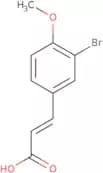
CAS:3-Bromo-4-methoxycinnamic acid is an organic compound that is used as a reagent, a useful scaffold, and a useful intermediate. It has been shown to be an excellent building block for the synthesis of complex compounds. 3-Bromo-4-methoxycinnamic acid can be used in the production of fine chemicals.
Formula:C10H9BrO3Purezza:Min. 95%Colore e forma:PowderPeso molecolare:257.08 g/mol7-(Cyanomethoxy)indole
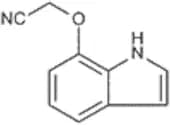
CAS:7-(Cyanomethoxy)indole is a versatile building block that can be used as a scaffold for the synthesis of complex molecules. It has been used as an intermediate in organic synthesis and as a reaction component for the preparation of useful compounds. 7-(Cyanomethoxy)indole is also known to have high quality and is widely used in research laboratories.
Formula:C10H8N2OPurezza:Min. 95%Peso molecolare:172.18 g/mol4-Methoxy-1-indanone
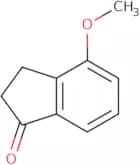
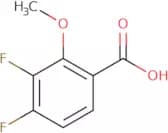
CAS:4-Methoxy-1-indanone is a quinoline derivative that is used as an intermediate for the synthesis of a number of bioactive molecules, such as gephyrotoxin (a potent neurotoxin) and oxime derivatives. 4-Methoxy-1-indanone has been shown to be activated by metal ions and oximes to form iminium cations. These cations are then converted into chloride or carbonic anions by dehydrogenase enzymes, which are important in the metabolism of carbohydrates in living organisms.Formula:C10H10O2Purezza:Min. 95%Colore e forma:PowderPeso molecolare:162.19 g/mol3,4-Difluoro-2-methoxybenzoic acid
CAS:3,4-Difluoro-2-methoxybenzoic acid is a chemical compound that can be used as a reaction component or reagent. It is also a useful scaffold for organic synthesis of complex compounds and can be used as a building block to produce fine chemicals. 3,4-Difluoro-2-methoxybenzoic acid has the CAS number 875664-52-1 and is listed under the chemical name 3,4-difluoro-2-methoxybenzoic acid.
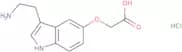
Formula:C8H6F2O3Purezza:Min. 95%Colore e forma:PowderPeso molecolare:188.13 g/mol5-Carboxymethoxytryptamine hydrochloride
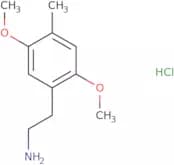
CAS:Prodotto controllato5-Carboxymethoxytryptamine hydrochloride (5CMT) is a chemical compound that belongs to the group of useful building blocks. It is a versatile intermediate that can be used in the synthesis of many important compounds. 5CMT reacts with amines and alcohols to form amides and esters. It also reacts with carboxylic acids to form acid halides and anhydrides. 5CMT has been shown to be a useful scaffold in organic synthesis, as it can be converted into various derivatives. 5CMT is soluble in water, methanol, ethanol, acetone, and dichloromethane.Formula:C12H14N2O3•HClPurezza:Min. 95%Peso molecolare:270.71 g/mol2,5-Dimethoxy-4-methylphenethylamine hydrochloride
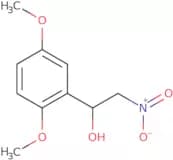
CAS:Prodotto controllatoPlease enquire for more information about 2,5-Dimethoxy-4-methylphenethylamine hydrochloride including the price, delivery time and more detailed product information at the technical inquiry form on this pageFormula:C11H18ClNO2Purezza:Min. 98 Area-%Peso molecolare:231.72 g/mol1-(2,5-Dimethoxyphenyl)-2-nitroethanol
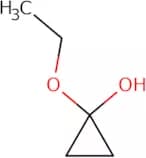
CAS:1-(2,5-Dimethoxyphenyl)-2-nitroethanol is a chiral, asymmetric catalyst that has been shown to be effective in the enantioselective reduction of ketones. This process is important because it allows for the synthesis of chiral amino alcohols, which are then used in a variety of chemical reactions. The reaction can also be carried out with methyl amine as an amine source. 1-(2,5-Dimethoxyphenyl)-2-nitroethanol is an example of a catalyst that participates in catalysis through the lone pair on oxygen and nitrogen atoms.Formula:C10H13NO5Purezza:Min. 95%Colore e forma:White PowderPeso molecolare:227.21 g/mol1-Ethoxycyclopropanol
CAS:1-Ethoxycyclopropanol is a dehydrogenase that is activated by an acceptor, such as propionate. Its activity can be titrated and it has an acidic pH optimum. It is also a filamentous enzyme with immunocytochemical subunits. 1-Ethoxycyclopropanol has been shown to catalyze the conversion of primary alcohols to their corresponding secondary alcohols. It also has been shown to have activities against P. aeruginosa, which are bacteria that can cause lung infections in humans. This product converts alkene into secondary alcohols and also plays a role in the synthesis of amino acids.Formula:C5H10O2Purezza:Min. 95 Area-%Colore e forma:Clear LiquidPeso molecolare:102.13 g/mol7-Amino-2-(4-methoxyphenyl)[1,2,4]triazolo[1,5-a]pyrimidin-5(4H)-one
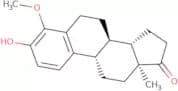
CAS:7-Amino-2-(4-methoxyphenyl)[1,2,4]triazolo[1,5-a]pyrimidin-5(4H)-one is a fine chemical that belongs to the category of versatile building blocks. It can be used as a reagent for research purposes and as a speciality chemical for the production of complex compounds. This compound is also an important building block for the synthesis of compounds with high quality and useful scaffolds.Formula:C12H11N5O2Purezza:Min. 95%Colore e forma:PowderPeso molecolare:257.25 g/mol4-Methoxy estrone
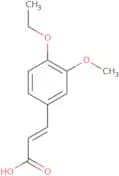
CAS:Prodotto controllato4-Methoxy estrone is a metabolite of estradiol that has been shown to induce cellular transformation in vitro and tumorigenesis in vivo. It can be found in the urine of women with breast cancer and is also produced during pregnancy. 4-Methoxy estrone has been shown to have a high affinity for catechol-O-methyltransferase (COMT) enzyme, which may contribute to its carcinogenic effects. Studies have also shown that 4-methoxy estrone can be metabolized by hydroxylation at the 4 position to form catechol estrogen metabolites, which are associated with preeclampsia. This compound has been identified as an endocrine disruptor that alters metabolic profiles when administered to animals.Formula:C19H24O3Purezza:Min. 95%Colore e forma:PowderPeso molecolare:300.39 g/mol4-Ethoxy-3-methoxycinnamic acid
CAS:4-Ethoxy-3-methoxycinnamic acid (4EMC) is a metabolite of propionic acid. It is produced by the fungus Phanerochaete chrysosporium when it is grown on lignocellulose. 4EMC can be cleaved from its ester bond with benzyl alcohol and vanillyl alcohol to produce vanillyl, benzyl, and ethanol. These products are then further metabolized to produce other compounds such as acetaldehyde, acetic acid, and butanol. 4EMC also inhibits the enzyme catalysed that converts propanol to butanol in cultures of P. chrysosporium
Formula:C12H14O4Purezza:Min. 95%Colore e forma:PowderPeso molecolare:222.24 g/mol2',6'-Dimethoxy-β-methyl-β-nitrostyrene
CAS:2',6'-Dimethoxy-beta-methyl-beta-nitrostyrene is a chemical building block that is useful for the synthesis of complex organic molecules. It is an intermediate in the manufacture of pharmaceuticals, pesticides and dyes. 2',6'-Dimethoxy-beta-methyl-beta-nitrostyrene is an important component in the production of research chemicals and speciality chemicals. The compound has been assigned CAS number 78904-44-6.Formula:C11H13NO4Purezza:Min. 95%Peso molecolare:223.23 g/mol2-Methoxyresorcinol
CAS:2-Methoxyresorcinol is a metabolite that is formed by the oxidation of resorcinol. It has two methoxy groups, which are functional groups that are usually found in organic compounds. 2-Methoxyresorcinol has been shown to inhibit the growth of tumour cells in vitro and in vivo. It also inhibits cell growth by decreasing protein synthesis and cell division. This compound is an analytical method for measuring hematocrit levels and can be used as a natural compound for the treatment of chronic kidney disease.
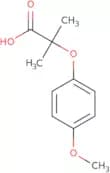
Formula:C7H8O3Purezza:Min. 95%Colore e forma:PowderPeso molecolare:140.14 g/mol2-(4-Methoxyphenoxy)-2-methylpropanoic acid
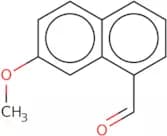
CAS:2-(4-Methoxyphenoxy)-2-methylpropanoic acid (methoxymethyl) is a versatile building block with a variety of applications in synthesis. It is used as an intermediate in the preparation of pharmaceuticals, agrochemicals, and dyes. Methoxymethyl has been shown to be useful as a reagent for research and as a speciality chemical. This compound can also serve as a reaction component or scaffold in the synthesis of more complex compounds.Formula:C11H14O4Purezza:Min. 95%Colore e forma:PowderPeso molecolare:210.23 g/mol2-Methoxy-1-naphthaldehyde
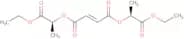
CAS:2-Methoxy-1-naphthaldehyde is a potential chemical intermediate for the synthesis of a variety of biologically active compounds. It has been shown to have anti-tumor activity in solid tumours and can be used as a precursor for the production of new drugs that inhibit the growth of cancer cells. 2-Methoxy-1-naphthaldehyde is synthesized via an intramolecular hydrogen addition reaction with salicylaldehyde, which generates resonance stabilization. It also has an intermolecular hydrogen bond with naphthalene to form the dimer or trimer. The vibrational spectra and analytical methods are used to identify the functional groups present in 2-Methoxy-1-naphthaldehyde, which includes a hydrogen bond between the two methoxy groups. Computational methods can be used to predict how different molecules bind to this chemical intermediate and its role in biological activity.Formula:C12H10O2Purezza:Min. 95%Colore e forma:PowderPeso molecolare:186.21 g/mol(-)-Bis(S)-1-(Ethoxycarbonyl)ethyl fumarate
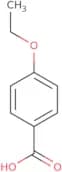
CAS:(-)-Bis(S)-1-(Ethoxycarbonyl)ethyl fumarate is a chemical compound that has been used for the synthesis of other compounds. This chemical has been shown to react with a wide range of nucleophiles and electrophiles, making it an important reagent in synthetic organic chemistry. (-)-Bis(S)-1-(Ethoxycarbonyl)ethyl fumarate is also useful as a scaffold for more complex molecules and as a building block for the synthesis of more complex structures.Formula:C14H20O8Purezza:Min. 95 Area-%Peso molecolare:316.3 g/mol4-Ethoxybenzoic acid
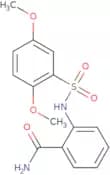
CAS:4-Ethoxybenzoic acid is a phenolic compound that has shown significant cytotoxicity. This molecule has been shown to inhibit the production of tyrosinase, an enzyme that catalyzes the oxidation of tyrosine to produce melanin. 4-Ethoxybenzoic acid also inhibits detoxification enzymes such as glutathione transferases and quinone reductase, which may be responsible for its cytotoxicity. 4-Ethoxybenzoic acid is soluble in organic solvents but insoluble in water. It reacts with other compounds to form insoluble polymers. 4-Ethoxybenzoic acid can react with piperonyl butoxide or caproic acid to form p-hydroxybenzoic acid or friedel-crafts reaction products respectively.Formula:C9H10O3Purezza:Min. 95%Colore e forma:PowderPeso molecolare:166.17 g/mol2-(((2,5-dimethoxyphenyl)sulfonyl)amino)benzamide
CAS:Please enquire for more information about 2-(((2,5-dimethoxyphenyl)sulfonyl)amino)benzamide including the price, delivery time and more detailed product information at the technical inquiry form on this page
Purezza:Min. 95%4-Amino-5-chloro-2,3-dihydro-N-[1-(3-methoxypropyl)-4-piperidinyl]-7-benzofurancarboxamide
CAS:The drug 4-Amino-5-chloro-2,3-dihydro-N-[1-(3-methoxypropyl)-4-piperidinyl]-7-benzofurancarboxamide (BZP) is a histamine H2 receptor antagonist. It binds to the histamine H2 receptor in the stomach and duodenum, thereby blocking stomach acid production. BZP has been shown to be effective for treating symptoms of constipation or diarrhoea caused by inflammatory bowel disease or abdominal surgery. BZP also reduces the risk of relapse after surgery but does not affect long term efficacy. This drug is not available in the United States and has significant interactions with other drugs and symptoms including constipation, bowel disease, long term efficacy, and analytical method.Formula:C18H26ClN3O3Purezza:Min. 95%Colore e forma:White PowderPeso molecolare:367.87 g/mol2-Amino-3-methoxybenzoic acid hydrochloride
CAS:2-Amino-3-methoxybenzoic acid hydrochloride is a synthetic monosubstituted hydroxy analog of the natural alkaloids, which are substituted with an amino group. It is produced by the demethylation of 2-amino-3-hydroxypyridine and reacts with caprolactam to form 2,6-dihydroxybenzaldehyde. It has been used in the synthesis of methoxyanthranilic acid, which is a synthetic analogue of anthranilic acid. Hydrochloric acid can be added to 2-amino-3-methoxybenzoic acid hydrochloride to produce 2,6-dihydroxybenzoyl chloride. This compound also undergoes condensation reactions with methoxyanthranilic acid to form 2,6-dimethoxybenzaldehyde.
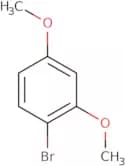
Formula:C8H9NO3•HClPurezza:Min. 95%Colore e forma:PowderPeso molecolare:203.62 g/mol1-Bromo-2,4-dimethoxybenzene
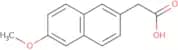
CAS:1-Bromo-2,4-dimethoxybenzene is a functional group that can be found in nanotubes. It is synthesized by the debromination of 2,4-dibromobenzene with n-dimethylformamide and sodium bicarbonate. The reaction mechanism involves nucleophilic attack by the hydroxide ion on the bromine atom of the 1-bromo-2,4-dimethoxybenzene to form a tetrahedral intermediate followed by an elimination reaction. This process leads to the formation of carbon nanotubes. 1-Bromo-2,4-dimethoxybenzene has been shown to have anticancer activity in vitro and in vivo against breast cancer cells.Formula:C8H9BrO2Purezza:Min. 95%Colore e forma:Clear LiquidPeso molecolare:217.06 g/mol6-Methoxy-2-naphthaleneacetic acid
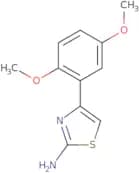
CAS:6-Methoxy-2-naphthaleneacetic acid (6-MNA) is a nonsteroidal anti-inflammatory drug that is used to treat patients with chronic pain. 6-MNA has been shown to be an effective treatment for osteoarthritis, rheumatoid arthritis and other inflammatory conditions. It inhibits the production of prostaglandins and leukotrienes by inhibiting the enzyme cyclooxygenase, which is responsible for the conversion of arachidonic acid to these mediators. 6-MNA can also inhibit the activity of α1-acid glycoprotein and increase the activity of human serum albumin, which may contribute to its antiinflammatory effect. 6-MNA has several side effects including nausea, vomiting, diarrhea and abdominal pain. These adverse reactions are caused by inhibition of protein synthesis in the stomach lining, which leads to decreased production of mucus and bicarbonate ions.Formula:C13H12O3Purezza:Min. 95%Colore e forma:PowderPeso molecolare:216.23 g/mol4-(2,5-Dimethoxyphenyl)-1,3-thiazol-2-amine
CAS:Please enquire for more information about 4-(2,5-Dimethoxyphenyl)-1,3-thiazol-2-amine including the price, delivery time and more detailed product information at the technical inquiry form on this pageFormula:C11H12N2O2SPurezza:Min. 95%Peso molecolare:236.29 g/mol(4-Hydroxy-3-methoxyphenyl)acetonitrile
CAS:Lobetyolin is a phenolic compound that has been found to be an inhibitor of monoamine oxidase. Lobetyolin is an acetylated derivative of 4-hydroxy-3-methoxyphenylacetonitrile. It has been shown to inhibit bacterial growth in vitro, with the exception of Mycobacterium tuberculosis and Mycobacterium avium complex. The optimal reaction time for lobetyolin is 3 hours at a pH between 7 and 8, with a yield of 66% at room temperature. Lobetyolin reacts rapidly with amines, alkylating them as it undergoes oxidation by hydrogen peroxide. Lobetyolin also reacts slowly with dopamine and aldehydes, but more readily with chlorides, yielding lobetyrine and chloroacetaldehyde respectively.Formula:C9H9NO2Purezza:Min. 95%Colore e forma:PowderPeso molecolare:163.17 g/mol3-(4-methoxy-1-naphthyl)acrylic acid
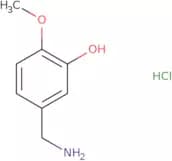
CAS:Please enquire for more information about 3-(4-methoxy-1-naphthyl)acrylic acid including the price, delivery time and more detailed product information at the technical inquiry form on this pagePurezza:Min. 95%3-Hydroxy-4-methoxybenzylamine hydrochloride
CAS:3-Hydroxy-4-methoxybenzylamine hydrochloride is a vanilloid receptor 1 (VR1) antagonist. It has been shown to inhibit the growth of prostate cancer cells in cell-based assays and to have potential as a therapeutic for prostate cancer patients with high triglycerides. 3-Hydroxy-4-methoxybenzylamine hydrochloride is also an inhibitor of guanosine, which is involved in the production of energy. It has been shown to enhance the antitumor effects of cetuximab, an antibody that targets the epidermal growth factor receptor (EGFR). 3-Hydroxy-4-methoxybenzylamine hydrochloride is soluble in water and can be used as a solvent for other compounds. 3-Hydroxy-4-methoxybenzylamine hydrochloride is also known by its chemical name, N-(3,4 dimethylphenyl)-Formula:C8H12ClNO2Purezza:Min. 95%Colore e forma:PowderPeso molecolare:189.64 g/molBis[3-(triethoxysilyl)propyl]tetrasulfide
CAS:Bis[3-(triethoxysilyl)propyl]tetrasulfide is a cross-linking agent that can be used to create polymer films. It has been shown to form hydrated films in deionized water, which have been studied with atomic force microscopy. Kinetic data for the polymerization of bis[3-(triethoxysilyl)propyl]tetrasulfide has also been obtained by following the increase in viscosity of a solution containing a small amount of bis[3-(triethoxysilyl)propyl]tetrasulfide and an organic modifier. Bis[3-(triethoxysilyl)propyl]tetrasulfide is typically synthesized using solid-phase synthesis on carbon nanotubes or particles.Formula:C18H42Si2S4O6Purezza:Min. 80%Colore e forma:Yellow Clear LiquidPeso molecolare:538.96 g/mol2-Methoxybenzaldehyde oxime
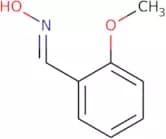
CAS:2-Methoxybenzaldehyde oxime is a synthetic amine that is used in the synthesis of peroxides. The reaction rate and nature depend on the type of peroxide being synthesized, but typically, it is used with acetonitrile as a solvent and an acid catalyst. 2-Methoxybenzaldehyde oxime reacts with peracid to create an aldoxime and nitrite. This product can also be made by reacting benzaldehyde with nitrous acid, which will produce dioxane as an intermediate. The reaction time for this process takes about four hours at room temperature.Formula:C8H9NO2Purezza:Min. 95%Colore e forma:PowderPeso molecolare:151.16 g/mol2-Ethoxy-4-methoxybenzoic acid
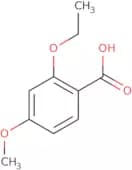
CAS:2-Ethoxy-4-methoxybenzoic acid is a versatile chemical compound that can be used as a building block in the synthesis of complex compounds. It has been used as an intermediate in the production of other chemicals and has been shown to be useful as a scaffold for drug design. 2-Ethoxy-4-methoxybenzoic acid is also used in research to study bacterial resistance to antibiotics and its ability to inhibit DNA replication. CAS No. 55085-15-9Formula:C10H12O4Purezza:Min. 95%Colore e forma:PowderPeso molecolare:196.2 g/mol2,4,5-Trimethoxycinnamic acid
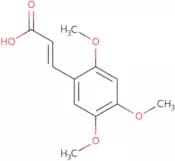
CAS:2,4,5-Trimethoxycinnamic acid is a phenolic acid that is found in plants. It is a precursor to many other compounds that are biologically active, such as the caffeic acids and their derivatives. 2,4,5-Trimethoxycinnamic acid has been shown to have anti-cancer effects on cervical cancer cells. It also exhibits biological properties and has been used as an ingredient in traditional Chinese medicine.Formula:C12H14O5Purezza:Min. 95%Colore e forma:PowderPeso molecolare:238.24 g/mol3,5-Dimethoxyiodobenzene
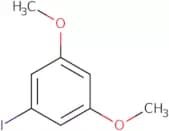
CAS:3,5-Dimethoxyiodobenzene is an organic molecule that is structurally similar to biphenyl. It has been shown to inhibit the growth of cancer cells by flipping the mcf-7 protein and cross-coupling with pterostilbene. 3,5-Dimethoxyiodobenzene can be used as a substitute for biphenyl in some reactions because it has a similar structure but does not have halogen groups. 3,5-Dimethoxyiodobenzene also inhibits the production of chloride ions in bacteria and causes accumulation of phosphane, which is an enzyme inhibitor. This compound has also been shown to act as a stereoselective inhibitor of enzymes that catalyze the synthesis of phytoalexins, which are plant secondary metabolites produced under biotic stress conditions (e.g., bacterial infection).Formula:C8H9IO2Purezza:Min. 95%Colore e forma:Light Brown To Brown SolidPeso molecolare:264.06 g/mol1-Bromo-3,4-dihydroxy-5-methoxybenzene monohydrate
CAS:1-Bromo-3,4-dihydroxy-5-methoxybenzene monohydrate is a versatile building block for the creation of complex compounds. It is a useful intermediate and can be used as a reagent in organic synthesis. This chemical is also used as an additive in plastics and rubber production. 1-Bromo-3,4-dihydroxy-5-methoxybenzene monohydrate is synthesized from 3,4,5-trimethoxyphenol and bromine. It has been assigned the CAS number 205748-04-5.Formula:C7H7BrO3·H2OPurezza:Min. 95%Colore e forma:PowderPeso molecolare:237.05 g/mol6-Methoxygramine
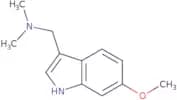
CAS:Prodotto controllato6-Methoxygramine is a mitochondrial oxidase inhibitor, which is used in animal models of Parkinson's disease. It has been shown to be selective for the mitochondria and not to penetrate the blood-brain barrier. 6-Methoxygramine binds to an active site that is specific for oxidases, such as monoamine oxidase (MAO). This binding prevents the oxidation of dopamine, leading to its accumulation in the brain. 6-Methoxygramine also has been shown to inhibit MAO type A in rat brains.Formula:C12H16N2OPurezza:Min. 95%Colore e forma:PowderPeso molecolare:204.27 g/mol1,3-Diacetoxy-2-(acetoxymethoxy)propane
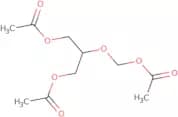
CAS:1,3-Diacetoxy-2-(acetoxymethoxy)propane is a guanine derivative that has been used in the synthesis of ganciclovir. It is prepared by condensation of acetone and acetic anhydride followed by filtration to yield a clear, colorless liquid. 1,3-Diacetoxy-2-(acetoxymethoxy)propane can be used as an intermediate in the preparation of other compounds. It was found that this compound contains a residue of p-toluenesulfonic acid. The catalyst for crystallization is decolorized activated carbon. The product obtained after recrystallization is white crystals with a melting point of 147 °C.Formula:C10H16O7Purezza:Min. 95%Colore e forma:Yellow Clear LiquidPeso molecolare:248.23 g/mol3-Methoxybenzhydrazide
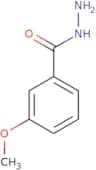
CAS:3-Methoxybenzhydrazide is a molecule that has been studied for its biological properties. It has the ability to inhibit tyrosinase, an enzyme involved in melanin production, and is a potent inhibitor of bacterial growth. 3-Methoxybenzhydrazide also has the property of fluorescence, which can be used to detect its presence in cells. The stability of this molecule has been studied by x-ray crystallography and it is found to have high structural stability. 3-Methoxybenzhydrazide has been shown to be potentially useful for cancer research due to its ability to suppress tumor growth in mice.Formula:C8H10N2O2Purezza:Min. 95%Colore e forma:PowderPeso molecolare:166.18 g/mol2-Methoxy-5-nitroaniline
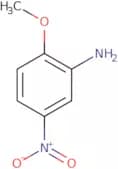
CAS:2-Methoxy-5-nitroaniline is a nitro compound that is cytotoxic at high doses. It is a diazonium salt that can be synthesised from hydrochloric acid and nitrous acid. The toxicity of 2-methoxy-5-nitroaniline has been tested in rats and found to have significant cytotoxicity at doses of 5000 mg/kg, with a LD50 of 2700 mg/kg. The chemical structure of 2-methoxy-5-nitroaniline consists of an amine group, two nitro groups, and two methyl groups. This compound can be synthesized by reacting ammonia with formaldehyde in the presence of nitric acid. 2-Methoxy-5-nitroaniline has shown to inhibit transcription polymerase chain reactions (PCR) in mouse erythrocytes at concentrations as low as 0.1 mM. DietaryFormula:C7H8N2O3Purezza:95%NmrColore e forma:PowderPeso molecolare:168.15 g/mol2-Dicyclohexylphosphino-2',6'-dimethoxybiphenyl
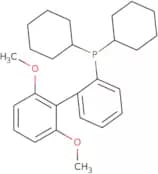
CAS:2-Dicyclohexylphosphino-2',6'-dimethoxybiphenyl is a fluorescent chemical that has been used to study interactions of fatty acids and halides. It is also used in the synthesis of palladium complexes, which have been shown to be effective for hydrogenation reactions. 2-Dicyclohexylphosphino-2',6'-dimethoxybiphenyl can be synthesized from 2,6-dichlorobenzaldehyde and dicyclohexylphosphine by the addition of trifluoroacetic acid. The synthesis proceeds via a substitution reaction with methoxy groups on the aromatic ring. This product fluoresces under ultraviolet light at 351 nm.Formula:C26H35O2PPurezza:Min. 95%Colore e forma:PowderPeso molecolare:410.53 g/mol


![8-Methoxy-2-methyl-2,3,4,5-tetrahydro-1H-pyrido[4,3-b]indole](/_next/image/?url=https%3A%2Fstatic.cymitquimica.com%2Fproducts%2F3D%2Fthumb-webp%2FFM117858.webp&w=3840&q=75)



![7-Amino-2-(4-methoxyphenyl)[1,2,4]triazolo[1,5-a]pyrimidin-5(4H)-one](/_next/image/?url=https%3A%2Fstatic.cymitquimica.com%2Fproducts%2F3D%2Fthumb-webp%2FFA134729.webp&w=3840&q=75)


![4-Amino-5-chloro-2,3-dihydro-N-[1-(3-methoxypropyl)-4-piperidinyl]-7-benzofurancarboxamide](/_next/image/?url=https%3A%2Fstatic.cymitquimica.com%2Fproducts%2F3D%2Fthumb-webp%2FFA27248.webp&w=3840&q=75)



![Bis[3-(triethoxysilyl)propyl]tetrasulfide](/_next/image/?url=https%3A%2Fstatic.cymitquimica.com%2Fproducts%2F3D%2Fthumb-webp%2FFB33713.webp&w=3840&q=75)