Eteri
Trovati 40904 prodotti di "Eteri"
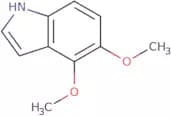
4,5-Dimethoxyindole
CAS:4,5-Dimethoxyindole is a chemical compound that has been shown to exhibit radical scavenging activity. It is an inhibitor of integrase, which are enzymes involved in the integration of viral DNA into host cell chromosomes. This compound has been synthesized and its optical properties have been studied. The synthesis of 4,5-dimethoxyindole derivatives has also been investigated using molecular modeling. Schrodinger software was used to predict the geometry of these synthesized derivatives. These studies suggest that 4,5-dimethoxyindole may be a potential anti-cancer agent due to its ability to inhibit cancer cell growth and induce apoptosis.
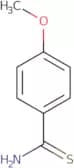
Formula:C10H11NO2Purezza:Min. 95%Colore e forma:SolidPeso molecolare:177.2 g/mol4-Methoxybenzenecarbothioamide
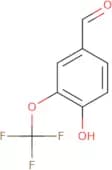
CAS:4-Methoxybenzenecarbothioamide is a urea nitrogen analogue that inhibits the synthesis of urea and other nitrogenous compounds. It is an inhibitor of the enzyme pyruvic transaminase, which converts pyruvate to alanine. The drug is also an inhibitor of the enzyme lactam synthetase, which catalyzes the formation of lactams from amino acids. This activity results in decreased production of cancer cells and renal toxicity. 4-Methoxybenzenecarbothioamide has been shown to have anticancer activity in vitro against a number of human cancer cell lines, including A549 lung carcinoma cells and MCF-7 breast cancer cells.Formula:C8H9NOSPurezza:Min. 98 Area-%Colore e forma:Off-White Yellow PowderPeso molecolare:167.23 g/mol4-Hydroxy-3-(trifluoromethoxy)benzaldehyde
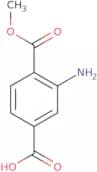
CAS:4-Hydroxy-3-(trifluoromethoxy)benzaldehyde is a chemical that modulates the toxicity of cells. It has been shown to reduce amyloid plaques in animals and humans with Alzheimer's disease, and to inhibit the formation of plaques in transgenic mice. In addition, 4-hydroxy-3-(trifluoromethoxy)benzaldehyde has been found to be a pyrimidine compound, which can be used as a potential treatment for alzheimer's disease. This substance also has an insoluble nature and is not soluble in water. Curcumin is one of the substances that may be used to dissolve this substance.Formula:C8H5F3O3Purezza:Min. 95%Peso molecolare:206.12 g/mol3-Amino-4-carbomethoxybenzoic acid
CAS:3-Amino-4-carbomethoxybenzoic acid is a compound that has not yet been labeled with a function. It has been shown to be an intermediate in the synthesis of polymers, such as polyamides and polyesters. 3-Amino-4-carbomethoxybenzoic acid is involved in biological functions related to butyric acid, which is a metabolite of the amino acids phenylalanine and tyrosine, or from the degradation of proteins. It is also used as a precursor for amines and may be an intermediate in the synthesis of glycoconjugates. The compound was found to have anticancer properties when used in combination with other drugs, such as doxorubicin and etoposide. Furthermore, it was found to have anti-inflammatory activities by inhibiting prostaglandin synthesis.Formula:C9H9NO4Purezza:Min. 95%Colore e forma:PowderPeso molecolare:195.17 g/mol2-Methoxyresorcinol
CAS:2-Methoxyresorcinol is a metabolite that is formed by the oxidation of resorcinol. It has two methoxy groups, which are functional groups that are usually found in organic compounds. 2-Methoxyresorcinol has been shown to inhibit the growth of tumour cells in vitro and in vivo. It also inhibits cell growth by decreasing protein synthesis and cell division. This compound is an analytical method for measuring hematocrit levels and can be used as a natural compound for the treatment of chronic kidney disease.
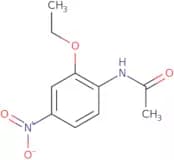
Formula:C7H8O3Purezza:Min. 95%Colore e forma:PowderPeso molecolare:140.14 g/mol2'-Ethoxy-4'-nitroacetanilide
CAS:2'-Ethoxy-4'-nitroacetanilide is a chemical compound that is used as a building block in the synthesis of other chemicals. It is a versatile building block and can be used to synthesize many different types of compounds, including drugs, pesticides, and dyes. 2'-Ethoxy-4'-nitroacetanilide has been classified as a speciality chemical and is not for human consumption.Formula:C10H12N2O4Purezza:Min. 95%Colore e forma:PowderPeso molecolare:224.21 g/mol4'-Methoxy-3',beta-dimethyl-beta-nitrostyrene
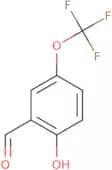
4'-Methoxy-3',beta-dimethyl-beta-nitrostyrene is a fine chemical that belongs to the group of versatile building blocks. It is an intermediate for the synthesis of complex compounds, research chemicals, and speciality chemicals. 4'-Methoxy-3',beta-dimethyl-beta-nitrostyrene is a useful reagent in organic synthesis and can be used as a reaction component or scaffold. It has been shown to have high quality and it can be used as a useful building block.Formula:C11H13NO3Purezza:Min. 95%Colore e forma:PowderPeso molecolare:207.23 g/mol5-(Trifluoromethoxy)salicylaldehyde
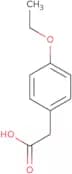
CAS:5-(Trifluoromethoxy)salicylaldehyde is a ligand that binds to the active site of the enzyme catalysis, thereby inhibiting its activity. It has been shown to be effective in colon cancer and other cancers due to its ability to inhibit protein synthesis. 5-(Trifluoromethoxy)salicylaldehyde also inhibits the production of prostaglandins, which may prevent inflammation. The compound is also used in supramolecular chemistry and biological studies as a tool for studying protein-ligand interactions. 5-(Trifluoromethoxy)salicylaldehyde has been shown to have dose-dependent effects on cell proliferation and protein synthesis.Formula:C8H5F3O3Purezza:Min. 95%Colore e forma:PowderPeso molecolare:206.12 g/mol4-Ethoxyphenylacetic acid
CAS:4-Ethoxyphenylacetic acid is an organic compound that belongs to the class of cannabinoids. It is a metabolite of tetrahydrocannabinol (THC) and can be used as a precursor to other cannabinoids, such as cannabidiol. This substance also has been shown to have canalization effects on plant physiology and root formation. 4-Ethoxyphenylacetic acid is synthesized in a solid-phase synthesis and purified by hydrogen chloride gas. The synthesis is efficient and can be done in gram quantities. Structural studies have shown that this molecule binds to cannabinoid receptors CB1 and CB2, which are found throughout the body, including the brain. 4-Ethoxyphenylacetic acid may act as a regulator for these receptors, with its effects depending on concentration.Formula:C10H12O3Purezza:Min. 95%Colore e forma:PowderPeso molecolare:180.2 g/mol2,4,6-Trimethoxybenzamide
CAS:2,4,6-Trimethoxybenzamide is a triggered compound that reacts with lithium to form an efficient regiospecific lithium 2,4,6-trimethoxybenzamide complex. This reaction occurs at low temperatures and has been shown to be more efficient than other methods for the synthesis of acridones. The reaction has not been shown to be reversible and requires the use of a strong base such as lithium.
Formula:C10H13NO4Purezza:Min. 95%Colore e forma:PowderPeso molecolare:211.21 g/mol2-Hydroxy-5-methoxybenzyl alcohol
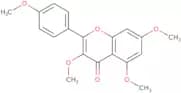
CAS:2-Hydroxy-5-methoxybenzyl alcohol (2HMB) is a methide that is used as an inductor in the synthesis of Taxol. 2HMB has been shown to induce apoptosis in MCF-7 cells and to promote the hydration of oxacycles. It can also be used in cancer research as a kinetic probe for the hydration of oxacycles. 2HMB activates MCF-7 cells and induces apoptosis, which may be due to its nucleophilic properties.Formula:C8H10O3Purezza:Min. 95%Peso molecolare:154.16 g/mol3,5,7,4'-Tetramethoxyflavone
CAS:3,5,7,4'-Tetramethoxyflavone is a flavonoid that has been shown to have antidiabetic effects in animal studies. The mechanism of action of 3,5,7,4'-tetramethoxyflavone is not clear; however it is thought to involve the regulation of insulin sensitivity and energy metabolism. This compound has also been shown to inhibit the growth of Mycobacterium tuberculosis and other bacteria by interacting with their adenosine receptors. 3,5,7,4'-Tetramethoxyflavone binds to the basophilic leukemia cell line and inhibits its uptake of adenosine through the ccaat/enhancer-binding protein complex.
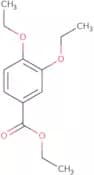
Formula:C19H18O6Purezza:Min. 95%Peso molecolare:342.34 g/molEthyl 3,4-diethoxybenzoate
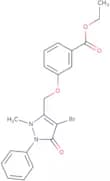
CAS:Ethyl 3,4-diethoxybenzoate is an analgesic that belongs to the class of narcotic analgesics. It is a narcotic that binds to opioid receptors in the brain and spinal cord. This drug has been shown to be effective against bacterial strains resistant to codeine, such as Rhodococcus equi, and dihydrocodeine. It also has high biodegradability due to its ability to be metabolized by bacteria into harmless compounds. The immobilization efficiency of this drug is also high because it does not accumulate in tissues and can cross the blood-brain barrier.Formula:C13H18O4Purezza:Min. 95%Colore e forma:PowderPeso molecolare:238.28 g/molEthyl 3-((4-bromo-2-methyl-5-oxo-1-phenyl-3-pyrazolin-3-yl)methoxy)benzoate
CAS:Please enquire for more information about Ethyl 3-((4-bromo-2-methyl-5-oxo-1-phenyl-3-pyrazolin-3-yl)methoxy)benzoate including the price, delivery time and more detailed product information at the technical inquiry form on this page
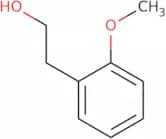
Purezza:Min. 95%2-(2-Methoxyphenethyl) alcohol
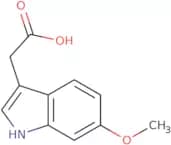
CAS:2-(2-Methoxyphenethyl) alcohol (2MPE) is a ligand that binds to the phenylpropanoid glycosides, which are responsible for the biosynthesis of plant pigments. It has been shown to inhibit tyrosinase and tyrosinase activity in vitro. 2MPE is used in radiopharmaceuticals as a radioactive label. It has also been shown to inhibit melanogenesis and the synthesis of volatile compounds in corncob at high temperatures. 2MPE is found in rhodiola and together with 2-hydroxyphenylacetic acid, it inhibits bacterial growth by inhibiting protein synthesis.Formula:C9H12O2Purezza:Min. 98%Colore e forma:Clear LiquidPeso molecolare:152.19 g/mol6-Methoxyindole-3-acetic acid
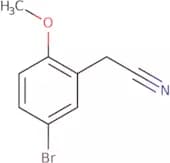
CAS:Please enquire for more information about 6-Methoxyindole-3-acetic acid including the price, delivery time and more detailed product information at the technical inquiry form on this pageFormula:C11H11NO3Purezza:Min. 95%Colore e forma:PowderPeso molecolare:205.21 g/mol(5-Bromo-2-methoxyphenyl)acetonitrile
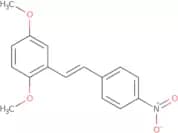
CAS:5-Bromo-2-methoxyphenyl)acetonitrile is a chemical building block that can be used in the synthesis of complex compounds. It is a versatile intermediate that can be used as a reagent in organic reactions. This compound has been shown to be useful as a reaction component and is a high quality product. 5-Bromo-2-methoxyphenyl)acetonitrile has CAS number 7062-40-0 and is listed on the Chemical Abstracts Service (CAS).Formula:C9H8BrNOPurezza:Min. 95%Peso molecolare:226.07 g/moltrans-2,5-Dimethoxy-4'-nitrostilbene
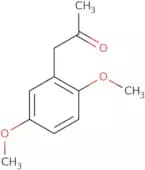
CAS:Trans-2,5-dimethoxy-4'-nitrostilbene is a molecule that belongs to the class of polycyclic aromatic compounds. It is used as a versatile building block in organic synthesis, and is also an intermediate for the production of other compounds. Trans-2,5-dimethoxy-4'-nitrostilbene has been shown to be effective in the preparation of various pharmaceuticals such as diazepam and chloramphenicol. It is also used in research chemicals and speciality chemicals. The structure of trans-2,5-dimethoxy-4'-nitrostilbene can be described as a bicyclic compound with two phenyl rings joined by an oxygen bridge. Trans-2,5-dimethoxy-4'-nitrostilbene has CAS No. 552938 4 and molecular weight of 268.81 g/mol.Formula:C16H15NO4Purezza:Min. 95%Colore e forma:PowderPeso molecolare:285.29 g/mol(2,5-Dimethoxyphenyl)acetone
CAS:2,5-Dimethoxyphenyl)acetone is an impure chemical compound that has been used in the synthesis of 4-methoxyamphetamine. 2,5-Dimethoxyphenyl)acetone is a colorless liquid with a sweet odor. It can be purified by passing through a column of activated charcoal and washing with water or alcohol. The purity can be determined by spectrometry or magnetic resonance spectroscopy. The compound's homologues are also available for purchase on our website.
Formula:C11H14O3Purezza:Min. 95%Colore e forma:Clear LiquidPeso molecolare:194.23 g/mol3-Methoxybenzhydrazide
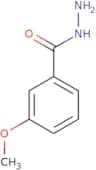
CAS:3-Methoxybenzhydrazide is a molecule that has been studied for its biological properties. It has the ability to inhibit tyrosinase, an enzyme involved in melanin production, and is a potent inhibitor of bacterial growth. 3-Methoxybenzhydrazide also has the property of fluorescence, which can be used to detect its presence in cells. The stability of this molecule has been studied by x-ray crystallography and it is found to have high structural stability. 3-Methoxybenzhydrazide has been shown to be potentially useful for cancer research due to its ability to suppress tumor growth in mice.Formula:C8H10N2O2Purezza:Min. 95%Colore e forma:PowderPeso molecolare:166.18 g/mol3-Ethoxybenzyl alcohol
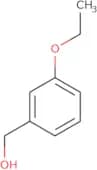
CAS:3-Ethoxybenzyl alcohol is a lead compound that has been shown to be carcinogenic in mice. It has also been shown to have strong anti-inflammatory properties, as it inhibits the production of prostaglandins. This chemical is also able to inhibit sulfation and may be used as an analyte for high-throughput analysis in order to identify novel drugs for the treatment of asthma or other inflammatory diseases. 3-Ethoxybenzyl alcohol has a number of biological effects, including inhibition of protein synthesis and cell division, which are due to its ability to bind with sulfate ions.Formula:C9H12O2Purezza:Min. 95%Colore e forma:Clear LiquidPeso molecolare:152.19 g/mol2-(3-Methoxyphenoxy)-2-methylpropanoic acid
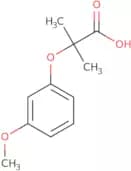
CAS:2-(3-Methoxyphenoxy)-2-methylpropanoic acid is a reagent, useful intermediate and speciality chemical. It is a versatile building block for the synthesis of complex compounds. This product has CAS No. 140239-94-7, which is a fine chemical with high quality. It is an essential reaction component for the preparation of many other valuable chemicals in the laboratory.Formula:C11H14O4Purezza:Min. 95%Colore e forma:PowderPeso molecolare:210.23 g/mol2,5-Dichloro-4-ethoxybenzenesulfonyl chloride
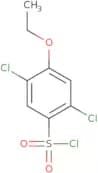
CAS:2,5-Dichloro-4-ethoxybenzenesulfonyl chloride is a chlorosulfonyl reagent that is used in the synthesis of organic compounds. It can be used as a building block, a research chemical, or an intermediate compound. This material has been shown to be useful in the synthesis of many different types of compounds and it provides a versatile scaffold for chemical reactions. The reaction component has shown high quality and was obtained from a reliable source.Formula:C8H7Cl3O3SPurezza:Min. 95 Area-%Colore e forma:PowderPeso molecolare:289.56 g/molDihydro-5-methoxy-2,4(1H,3H)-pyrimidinedione
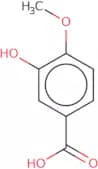
CAS:Dihydro-5-methoxy-2,4(1H,3H)-pyrimidinedione is a high quality chemical and useful building block. It is a fine chemical and research chemicals as well as a versatile building block that can be used in synthesis of various compounds. Dihydro-5-methoxy-2,4(1H,3H)-pyrimidinedione has been shown to have activity against methicillin resistant Staphylococcus aureus (MRSA) and Clostridium perfringens.Formula:C5H8N2O3Purezza:Min. 95%Colore e forma:PowderPeso molecolare:144.13 g/mol3-Hydroxy-4-methoxybenzoic acid
CAS:3-Hydroxy-4-methoxybenzoic acid is a phenolic acid with antiinflammatory activity. It can be found in the leaves of the plant "Anacardium occidentale" or as an intermediate in the synthesis of protocatechuic acid, which is formed by oxidation of 3-hydroxycinnamic acid. 3-Hydroxy-4-methoxybenzoic acid has been shown to inhibit bacterial growth and fungal infection in vitro. The compound also inhibits proinflammatory cytokine production by human monocytes and macrophages, which may be due to its hydroxyl group that can form hydrogen bonds with nucleophilic centers on proteins. 3-Hydroxy-4-methoxybenzoic acid can be prepared through extraction from acetate (1g) containing pyridine (2mL) and acetone (2mL). The extract is incubated at 50°C for 20 minutes before being cooled. TheFormula:C8H8O4Purezza:Min. 95%Colore e forma:PowderPeso molecolare:168.15 g/mol3-Bromo-4-methoxyphenylacetic acid
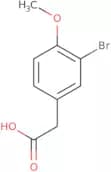
CAS:3-Bromo-4-methoxyphenylacetic acid is a benzyl ester of hydroxybenzoic acid. It is used as a synthetic precursor for the synthesis of curare and related compounds. 3-Bromo-4-methoxyphenylacetic acid was first synthesized in 1869 by German chemist Wilhelm Koenigs and has been widely used as a synthetic intermediate in organic chemistry. This compound can be prepared from bromobenzene, methoxybenzene, and acetic acid in the presence of dimethyl ether or nitrite. 3-Bromo-4-methoxyphenylacetic acid is also used to produce nitromethane, an alkylating agent that reacts with amines, alcohols, thiols, and sulfides to form N-substituted nitro compounds.
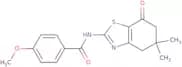
Formula:C9H9BrO3Purezza:Min. 95%Colore e forma:PowderPeso molecolare:245.07 g/molN-(5,5-dimethyl-7-oxo(4,5,6-trihydrobenzothiazol-2-yl))(4-methoxyphenyl)formamide
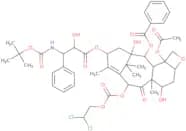
CAS:Please enquire for more information about N-(5,5-dimethyl-7-oxo(4,5,6-trihydrobenzothiazol-2-yl))(4-methoxyphenyl)formamide including the price, delivery time and more detailed product information at the technical inquiry form on this pagePurezza:Min. 95%10-O-2,2-Dichloroethoxycarbonyl docetaxel
CAS:10-O-2,2-Dichloroethoxycarbonyl docetaxel is a fine chemical that is useful for the preparation of complex compounds, scaffolds and reaction components. It is a versatile building block that can be used as an intermediate in the synthesis of more complex molecules. This compound has been shown to be an effective agent against cancer cells. The structures of 10-O-2,2-Dichloroethoxycarbonyl docetaxel and docetaxel are shown below.Formula:C46H55Cl2NO16Purezza:Min. 95%Colore e forma:White PowderPeso molecolare:948.83 g/mol2-Ethoxy-4-methoxybenzaldehyde
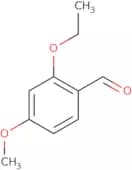
CAS:2-Ethoxy-4-methoxybenzaldehyde is a volatile compound that has been shown to have medicinal properties. It is used to analyze the presence of alcohols and aldehydes in various products. The sensitivity of this compound was optimized by using an analytical method that involved solid phase microextraction (SPME) followed by gas chromatography (GC). The carcinogenicity of this compound was determined by exposing it to rats in a 2 year study, which showed no evidence of carcinogenicity. This compound can also be used as a phenolic or microextraction reagent for the headspace analysis of volatile compounds.Formula:C10H12O3Purezza:Min. 95%Colore e forma:PowderPeso molecolare:180.2 g/mol2-(4-Methoxyphenoxy)acetohydrazide
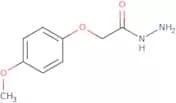
CAS:2-(4-Methoxyphenoxy)acetohydrazide is a coumarin derivative that has been synthesized for use in the detection of salicylaldehyde in air. The emissions are detected by means of luminescence and fluorescence spectroscopy, with the emission intensity measured by a dihedral angle detector. The compound also produces europium ions, which can be used to detect and quantify it. The elemental analysis gives the yields as 0.25 grams per mole, while the spectral data show 2-(4-methoxyphenoxy)acetohydrazide to have a fluorescence maximum at 489 nm and an excitation maximum at 320 nm. 2-(4-Methoxyphenoxy)acetohydrazide is fluorescent and luminescent, with a wavelength maximum of 489 nm and an excitation maximum of 320 nm. It reacts with benzene to produce nitro compounds, which can be detected using an electron spin resonanceFormula:C9H12N2O3Purezza:Min. 95%Peso molecolare:196.2 g/mol5-Methoxyindole
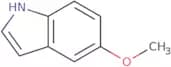
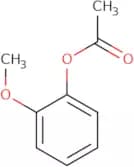
CAS:5-Methoxyindole is a chemical compound that is soluble in water. It has been shown to inhibit tumor growth and induce apoptosis, as well as inhibit the expression of glycogen synthase kinase-3. The structure of 5-methoxyindole was determined by NMR spectroscopy and FT-IR spectroscopy. The compound has been observed to exhibit fluorescence properties at a wavelength of 490 nm when it is excited with UV light. A copper complex of 5-methoxyindole was studied using molecular modeling and FT-IR spectroscopy, which revealed that it can undergo nucleophilic attack by hydrogen bond formation or an acid/base reaction to form a new hydrogen bond. This study also found that 5-methoxyindole is able to form hydrogen bonds with its neighboring molecules, which may contribute to its high solubility in water.Formula:C9H9NOColore e forma:PowderPeso molecolare:147.17 g/mol1-Acetoxy-2-methoxybenzene
CAS:1-Acetoxy-2-methoxybenzene is an organic solvent that is used in skin care products. It has a molecular weight of 88.1, a constant of 12.6, and two solubility parameters of 10.3 and 1.5, respectively. This chemical reacts with hydrogen fluoride to form 1-acetoxy-4-(hydroxymethyl)benzene and hydrogen fluoride at temperatures between 0°C and 100°C with a reaction constant of 4.0 x 10^(-2).
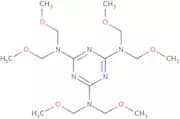
Formula:C9H10O3Purezza:Min. 95%Colore e forma:Colorless Clear LiquidPeso molecolare:166.17 g/molN,N,N',N',N'',N''-Hexamethoxymethylmelamine
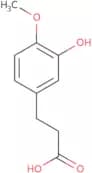
CAS:Hexamethoxymethylmelamine (HMMM) is a polyvinyl-based polymer that can be synthesized by the cationic polymerization of hexamethoxymethylmelamine. HMMM has been shown to have a high water permeability, making it an excellent candidate for use in wastewater treatment. It also has biocompatible properties and can be chemically stable under harsh conditions, making it suitable for use in various applications.Formula:C15H30N6O6Purezza:Min. 95%Colore e forma:PowderPeso molecolare:390.44 g/mol3-(3-Hydroxy-4-methoxyphenyl)propionic acid
CAS:3-(3-Hydroxy-4-methoxyphenyl)propionic acid is a dihydrochalcone that is found in lettuce. It can be used as an aglycone or with one or more sugar molecules to form glycosides, which are found in many plants. 3-(3-Hydroxy-4-methoxyphenyl)propionic acid has been shown to have a low bioavailability and to inhibit the activity of bile acids. 3-(3-Hydroxy-4-methoxyphenyl)propionic acid can be found in wastewater treatment systems, where it may act as an ecosystem pollutant. In addition, this compound shows antimicrobial properties and has been used for the treatment of wastewater.Formula:C10H12O4Purezza:Min. 95%Colore e forma:White Off-White PowderPeso molecolare:196.2 g/mol(4-Hydroxy-3-methoxyphenyl)acetonitrile
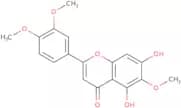
CAS:Lobetyolin is a phenolic compound that has been found to be an inhibitor of monoamine oxidase. Lobetyolin is an acetylated derivative of 4-hydroxy-3-methoxyphenylacetonitrile. It has been shown to inhibit bacterial growth in vitro, with the exception of Mycobacterium tuberculosis and Mycobacterium avium complex. The optimal reaction time for lobetyolin is 3 hours at a pH between 7 and 8, with a yield of 66% at room temperature. Lobetyolin reacts rapidly with amines, alkylating them as it undergoes oxidation by hydrogen peroxide. Lobetyolin also reacts slowly with dopamine and aldehydes, but more readily with chlorides, yielding lobetyrine and chloroacetaldehyde respectively.Formula:C9H9NO2Purezza:Min. 95%Colore e forma:PowderPeso molecolare:163.17 g/molEupatilin
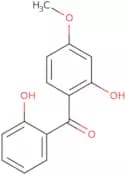
CAS:Eupatilin is a flavonoid compound, which is derived from the Artemisia species. This plant-based source has been traditionally used in various medicinal applications across different cultures. Eupatilin’s mode of action involves inhibition of pro-inflammatory cytokines and modulation of signaling pathways associated with inflammation, such as the NF-kB pathway. Additionally, it has been found to possess antioxidant activities, which further contributes to its therapeutic potential.Formula:C18H16O7Purezza:Min. 95%Colore e forma:PowderPeso molecolare:344.32 g/mol2,2'-Dihydroxy-4-methoxybenzophenone
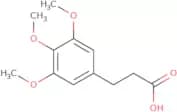
CAS:2,2'-Dihydroxy-4-methoxybenzophenone (DHMB) is a chemical compound used in the manufacturing of sunscreens. It is also used as an antioxidant and antiinflammatory agent in topical preparations. The genotoxic effects of DHMB are well documented, but it is unclear whether these effects are due to UV radiation or other mechanisms. DHMB has been shown to be toxic to cells in vivo and in vitro. There have been reports of skin cancer developing on the ears of rats following chronic exposure to this chemical. DHMB binds to the estrogen receptor, which may be responsible for its genotoxic activity. This chemical has also been shown to inhibit the growth of bacteria such as Pseudomonas aeruginosa and Escherichia coli by binding with fatty acids on the cell membrane surface. DHMB is used for wastewater treatment because it can bind with heavy metals and remove them from water sources.Formula:C14H12O4Purezza:Min. 95%Colore e forma:Yellow To Dark Yellow SolidPeso molecolare:244.24 g/mol3-(3,4,5-Trimethoxyphenyl)propionic acid
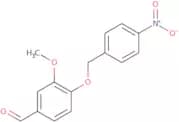
CAS:3-(3,4,5-Trimethoxyphenyl)propionic acid (TMPPA) is a monocarboxylic acid that is structurally related to the amino acid lysine. It has been shown to have antinociceptive effects in animals and humans. TMPPA inhibits the production of prostaglandins and nitric oxide, which are inflammatory mediators that induce pain. TMPPA also has nociceptive properties in rats when given intraperitoneally or intrathecally, showing a reduction in locomotor activity. This compound also inhibits protein synthesis by binding to the ribosomal protein S6 kinase-1 (RSK-1), which is the target of many antibiotics used for cancer treatment. TMPPA binds to human serum albumin with high affinity and specificity, suggesting it may be useful as an agent for targeting human blood cells or as an antiobesity drug.Formula:C12H16O5Purezza:Min. 95%Colore e forma:Clear LiquidPeso molecolare:240.25 g/mol3-Methoxy-4-(4-nitrobenzyloxy)benzaldehyde
CAS:3-Methoxy-4-(4-nitrobenzyloxy)benzaldehyde is a chemical intermediate that is used in the synthesis of complex compounds. It has been shown to be an effective reagent for the synthesis of various organic compounds, such as pharmaceuticals and pesticides. 3-Methoxy-4-(4-nitrobenzyloxy)benzaldehyde is also used as a research chemical or as a speciality chemical in laboratories. This compound can be used as a building block in the synthesis of other compounds with interesting properties, such as 3-methoxy-4-(2,5-dichlorobenzyloxy)benzaldehyde.Formula:C15H13NO5Purezza:Min. 95%Colore e forma:PowderPeso molecolare:287.27 g/mol3-Methoxy-2-methylbenzoic acid
CAS:3-Methoxy-2-methylbenzoic acid is a diazotization agent that is used to produce bromoethane. It is also used as an initiator in the synthesis of dimethylformamide and tetrahydrofuran. 3-Methoxy-2-methylbenzoic acid can be recycled and is used to synthesize methylbenzene, chloroanisole, and grignard reaction products such as chlorobenzene and low yield. 3-Methoxy-2-methylbenzoic acid has been shown to have a high yield for these reactions in comparison to other diazotization agents.Formula:C9H10O3Purezza:Min. 95%Colore e forma:White PowderPeso molecolare:166.17 g/mol(S)-2-((((9H-Fluoren-9-yl)methoxy)carbonyl)amino)-3-(1H-pyrrolo[2,3-b]pyridin-3-yl)propanoic acid
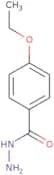
CAS:Please enquire for more information about (S)-2-((((9H-Fluoren-9-yl)methoxy)carbonyl)amino)-3-(1H-pyrrolo[2,3-b]pyridin-3-yl)propanoic acid including the price, delivery time and more detailed product information at the technical inquiry form on this pageFormula:C25H21N3O4Purezza:Min. 95%Peso molecolare:427.45 g/mol4-Ethoxybenzhydrazide
CAS:4-Ethoxybenzhydrazide is a carbonyl compound that is planar and has hydroxyl, carbonyl, and nitro substituents. It has been shown to have an acceptor character in its interactions with other molecules. As a result, it can be used in combinatorial chemistry and optimization studies. 4-Ethoxybenzhydrazide is also able to form hydrogen bonds with the carbonyl group of an alcohol, which may be useful for the synthesis of new molecules.Formula:C9H12N2O2Purezza:Min. 95%Colore e forma:PowderPeso molecolare:180.2 g/mol5-Methoxyisoxazole-4-carboxylic acid ethyl ester
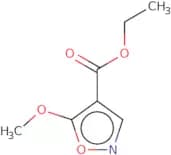
CAS:5-Methoxyisoxazole-4-carboxylic acid ethyl ester is a fine chemical that has been used as a reagent, speciality chemical, and complex building block. It is also useful as a versatile intermediate for the synthesis of other organic compounds. 5-Methoxyisoxazole-4-carboxylic acid ethyl ester has been shown to react with alcohols and amines to form ethers and amides respectively. The compound can be used in the synthesis of polymers and pharmaceutical intermediates. 5-Methoxyisoxazole-4-carboxylic acid ethyl ester has a molecular weight of 210.24 g/mol and CAS No. 1314983-30-6.
Formula:C7H9NO4Purezza:Min. 95%Peso molecolare:171.15 g/mol2-Methoxy-1-[(4-methylphenyl)sulphinyl]benzene
CAS:2-Methoxy-1-[(4-methylphenyl)sulphinyl]benzene is a reagent and useful intermediate that is used in the synthesis of complex compounds. This chemical has been shown to be a useful scaffold for the synthesis of natural products. It can also be used as a building block in the synthesis of speciality chemicals and research chemicals, as well as versatile building blocks in reactions.Formula:C14H14O2SPurezza:Min. 95%Peso molecolare:246.33 g/mol3-Carbethoxy-2-piperidone
CAS:3-Carbethoxy-2-piperidone is a cycloaddition product of formaldehyde and an amine. This reaction proceeds through the formation of a dicarbonyl intermediate, which then reacts with chloride to form the final product. The absorption maximum of 3-carboxy-2-piperidone is at 270 nm, and its structure can be determined by using infrared spectroscopy. 3-Carbethoxy-2-piperidone has a dipole moment of 1.3 D and is electron deficient due to the absence of a hydrogen atom on the nitrogen atom. It also has an amido group (C=O) that is bonded to the carbonyl group (C=O).
3-Carbethoxy-2-piperidone is not soluble in water, but it does dissolve in polar organic solvents such as acetone or dimethylformamide (DMF). The chemical reactionsFormula:C8H13NO3Colore e forma:White PowderPeso molecolare:171.19 g/mol2',6'-Dimethoxy-β-methyl-β-nitrostyrene
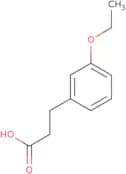
CAS:2',6'-Dimethoxy-beta-methyl-beta-nitrostyrene is a chemical building block that is useful for the synthesis of complex organic molecules. It is an intermediate in the manufacture of pharmaceuticals, pesticides and dyes. 2',6'-Dimethoxy-beta-methyl-beta-nitrostyrene is an important component in the production of research chemicals and speciality chemicals. The compound has been assigned CAS number 78904-44-6.Formula:C11H13NO4Purezza:Min. 95%Peso molecolare:223.23 g/mol3-(3-Ethoxyphenyl)propionic acid
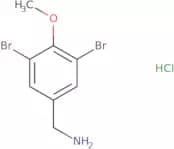
CAS:3-(3-Ethoxyphenyl)propionic acid is a useful building block in organic chemistry. It is used as a reagent in the synthesis of various pharmaceuticals, pesticides, and other chemicals. 3-(3-Ethoxyphenyl)propionic acid is also an intermediate in the production of 3-ethoxybenzoic acid and its derivatives.Formula:C11H14O3Purezza:Min. 95%Colore e forma:PowderPeso molecolare:194.23 g/mol3,5-Dibromo-4-methoxybenzylamine hydrochloride
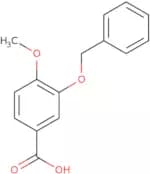
CAS:3,5-Dibromo-4-methoxybenzylamine hydrochloride is a high quality chemical with a CAS number of 1134918-17-4. It is also a versatile building block that can be used as an intermediate or reaction component in research, pharmaceuticals, and other chemical syntheses. This compound is stable and has been shown to react with various functional groups. It is a complex compound that can be used as a useful building block in organic synthesis reactions. The purity of this product is guaranteed at 98%.Formula:C8H9Br2NO•HClPurezza:Min. 95%Peso molecolare:331.43 g/mol3-Benzyloxy-4-methoxybenzoic acid
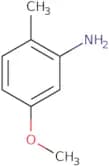
CAS:3-Benzyloxy-4-methoxybenzoic acid is a natural product that was isolated as a yellow crystalline powder from the needles of the tree Kirkia. It can be used as a radical and has been shown to have frameworks with galanthamine. 3-Benzyloxy-4-methoxybenzoic acid has been shown to be an inhibitor of protein synthesis in cells, which may be due to its ability to inhibit the activity of ribosomes and protein synthesis.Formula:C15H14O4Purezza:Min. 95%Peso molecolare:258.27 g/mol5-Methoxy-2-methylaniline
CAS:5-Methoxy-2-methylaniline is a synthetic compound that has been shown to have neurotoxic effects in rats. The neurotoxicity of this substance has been shown to be related to its ability to inhibit monoamine oxidase A (MAO-A). This inhibition leads to an accumulation of the neurotransmitter dopamine, which in turn leads to an increase in the production of free radicals and lipid peroxidation. 5-Methoxy-2-methylaniline also shows neuroprotective properties, which may be due to its ability to inhibit deoxypeganine and hydrochloric acid, two mediators involved in the generation of reactive oxygen species.Formula:C8H11NOPurezza:Min. 95 Area-%Colore e forma:PowderPeso molecolare:137.18 g/mol






![(S)-2-((((9H-Fluoren-9-yl)methoxy)carbonyl)amino)-3-(1H-pyrrolo[2,3-b]pyridin-3-yl)propanoic acid](/_next/image/?url=https%3A%2Fstatic.cymitquimica.com%2Fproducts%2F3D%2Fthumb-webp%2FFF154979.webp&w=3840&q=75)
![2-Methoxy-1-[(4-methylphenyl)sulphinyl]benzene](/_next/image/?url=https%3A%2Fstatic.cymitquimica.com%2Fproducts%2F3D%2Fthumb-webp%2FFM66194.webp&w=3840&q=75)