Eteri
Gli eteri sono composti organici contenenti un gruppo funzionale etere, caratterizzati da un atomo di ossigeno legato a due radicali idrocarburici. Questi composti sono preziosi nella sintesi e servono come solventi in varie reazioni chimiche. Da CymitQuimica, offriamo una selezione di eteri di alta qualità per supportare le vostre applicazioni di ricerca e industriali, garantendo risultati affidabili ed efficaci. La nostra gamma di eteri soddisfa diverse esigenze di laboratorio, dagli esperimenti di routine alla ricerca avanzata.
Trovati 40902 prodotti di "Eteri"
Ordinare per
Purezza (%)
0
100
|
0
|
50
|
90
|
95
|
100
3-ethoxy-7-oxaspiro[3.5]nonan-1-amine
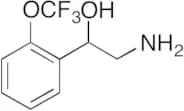
CAS:Prodotto controllatoFormula:C10H19NO2Colore e forma:NeatPeso molecolare:185.26α-(Aminomethyl)-2-(trifluoromethoxy)benzenemethanol
CAS:Prodotto controllato<p>Applications α-(Aminomethyl)-2-(trifluoromethoxy)benzenemethanol is an analog of α-(Aminomethyl)-3-(trifluoromethoxy)benzenemethanol (A630745); a compound that is used as a reagent in the synthesis of potent and selective ethanolamine inhibitors of bacterial phenylalanyl tRNA synthetase. It is also used as a reagent in the synthesis of 1-aryl-2-((6-aryl)pyrimidin-4-yl)amino)ethanols as competitive inhibitors of fatty acid amide hydrolase.<br>References Jarvest, R.L., et al.: Bioorg. Med. Chem. Lett., 15, 2305 (2005); Keith, J.M., et al.: Bioorg. Med. Chem. Lett., 24, 1280 (2014)<br></p>Formula:C9H10F3NO2Colore e forma:NeatPeso molecolare:221.18Ethyl (Z)-[2-amino-4-thiazolyl](methoxyimino)acetate
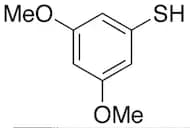
CAS:Prodotto controllato<p>Stability Hygroscopic<br>Applications Ethyl (Z)-[2-amino-4-thiazolyl](methoxyimino)acetate is used in the preparation of ceftriaxone-d3 (C245002), which is a labelled antibacterial.<br>References Reiner, R., et al.: J. Antibiot., 33, 783 (1980)<br></p>Formula:C8H11N3O3SColore e forma:NeatPeso molecolare:229.263,5-Dimethoxythiophenol
CAS:Prodotto controllatoFormula:C8H10O2SColore e forma:NeatPeso molecolare:170.2291-Nitro-2-[(1E)-2-nitroethenyl]-4-(phenylmethoxy)-benzene
CAS:Prodotto controllato<p>Applications 1-Nitro-2-[(1E)-2-nitroethenyl]-4-(phenylmethoxy)-benzene is an intermediate used in the synthesis of 5-Hydroxyindole-3-acetic acid (H953605), which is an impurity of chlorpheniramine (C424300), an antihistaminic agent.<br>References Josko, J., et al.: Annal. Acad. Med. Siles., 66, 13, (2012); Carson, R.P., et al.: Human. Molec. Genetics., 22, 140 (2013);<br></p>Formula:C20H24N2OColore e forma:NeatPeso molecolare:308.421-[2-Hydroxy-4,6-bis(ethoxymethoxy)phenyl]ethanone
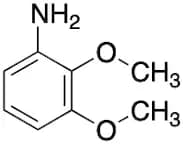
CAS:Prodotto controllato<p>Applications 1-[2-Hydroxy-4,6-bis(ethoxymethoxy)phenyl]ethanone (cas# 128837-25-2) is a compound useful in organic synthesis.<br></p>Formula:C14H20O6Colore e forma:NeatPeso molecolare:284.302,3-Dimethoxyaniline
CAS:Prodotto controllato<p>Applications 2,3-Dimethoxyaniline (cas# 6299-67-8) is a useful research chemical.<br></p>Formula:C8H11NO2Colore e forma:NeatPeso molecolare:153.185-[2-(Trifluoromethoxy)phenyl]-2-furancarboxylic Acid
CAS:Prodotto controllato<p>Applications 5-[2-(Trifluoromethoxy)phenyl]-2-furancarboxylic Acid is a reactant used in the preparation of (phenyl)-N-[(mercapto)(pyrrolyl)triazolyl]furancarboxamide and (phenoxy)-N-[(mercapto)(pyrrolyl)triazolyl]acetamide derivatives as herbicides.<br>References Xue, S., Lu, C.: Youji Huaxue, 28, 1083 (2008)<br></p>Formula:C12H7F3O4Colore e forma:NeatPeso molecolare:272.18Tetraethoxymethane
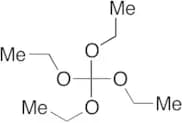
CAS:Prodotto controllato<p>Applications Tetraethyl Orthocarbonate is used in the synthesis of chemokine receptor-5 inhibitors against HIV-1. Also used in the synthesis of benzobisoxazoles used in the preparation of organic semiconductors.<br> Not a dangerous good if item is equal to or less than 1g/ml and there is less than 100g/ml in the package<br>References Kazmierski, W. et al.: J. Med. Chem., 54, 3756 (2011); Mike, J. et al.: Org. Lett., 10, 4915 (2008);<br></p>Formula:C9H20O4Colore e forma:NeatPeso molecolare:192.25(3-Aminopropyl)trimethoxysilane
CAS:Prodotto controllato<p>Applications (3-Aminopropyl)trimethoxysilane is used in the synthesis of aspirin imprinted polymer on silica gel surface and appreciation on drug sustained release. Fluorine-doped; lectin functionalized ZnO nanoarrays as 3D nano-biointerface for bacterial detection.<br>References Lu, P., et al.: Gaofenzi Cailiao Kexue Yu Gongcheng, 33, 130 (2017); Zheng, L., Talanta, 167, 600 (2017)<br></p>Formula:C6H17NO3SiColore e forma:NeatPeso molecolare:179.292-(Methoxymethyl)morpholine
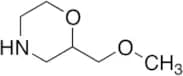
CAS:Prodotto controllatoFormula:C6H13NO2Colore e forma:NeatPeso molecolare:131.173N-[1-[3-(2-Ethoxyphenyl)-2,5-dihydro-5-oxo-1,2,4-triazin-6-yl]ethyl]acetamide
CAS:Prodotto controllato<p>Applications N-[1-[3-(2-Ethoxyphenyl)-2,5-dihydro-5-oxo-1,2,4-triazin-6-yl]ethyl]acetamide is an intermediate in the synthesis of Vardenafil (V098001) related compounds.<br>References Olszewska, T., et al.: Tetahedron., 69, 474 (2013);<br></p>Formula:C15H18N4O3Colore e forma:NeatPeso molecolare:302.33Methyl 2-Amino-3,4,5-trimethoxybenzoate
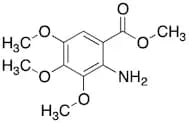
CAS:Prodotto controllato<p>Applications Methyl 2-Amino-3,4,5-trimethoxybenzoate could be a constituent contributing to the aroma of green tea leaves.<br>References Hasegawa, T., et al.: J. Food Eng., 4, 10 (2014)<br></p>Formula:C11H15NO5Colore e forma:NeatPeso molecolare:241.244,4-Dimethoxybutan-1-ol
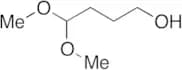
CAS:Prodotto controllato<p>Applications 4,4-Dimethoxybutan-1-ol is a reactant used in the preparation of tetrahydropyranols and hydropyranooxepans.<br>References Hoffmann, R.W., et. al.: New J. Chem., 25, 102 (2001)<br></p>Formula:C6H14O3Colore e forma:NeatPeso molecolare:134.1746-[4-(Trifluoromethoxy)phenyl]-3-morpholinone
CAS:Prodotto controllatoFormula:C11H10F3NO3Colore e forma:NeatPeso molecolare:261.24'-Methoxy-[1,1'-biphenyl]-4-methanamine
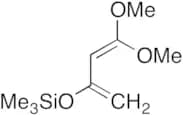
CAS:Prodotto controllatoFormula:C14H15NOColore e forma:NeatPeso molecolare:213.2751,1-Dimethoxy-3-(trimethylsiloxy)-1,3-butadiene
CAS:Prodotto controllatoFormula:C9H18O3SiColore e forma:NeatPeso molecolare:202.3232,4,5-Trimethoxybenzoic Acid
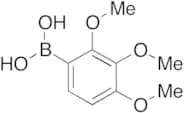
CAS:Prodotto controllato<p>Applications 2,4,5-TRIMETHOXYBENZOIC ACID (cas# 490-64-2) is a useful research chemical.<br></p>Formula:C10H12O5Colore e forma:NeatPeso molecolare:212.2(2,3,4-Trimethoxyphenyl)boronic Acid
CAS:Prodotto controllato<p>Applications (2,3,4-Trimethoxyphenyl)boronic Acid is a reagent used in the synthesis of heteroaryl, mono and bicyclic compounds which may be used as inhibitors for EGF and PDGF receptor tyrosine kinases. Also used in the synthesis of non-steroidal CYP 17 inhibitors in the treatment of prostate cancer<br>References Hutschenreuter, T. et al.: J. Enz. Inhib. Med. Chem., 19, 17 (2004);<br></p>Formula:C9H13BO5Colore e forma:NeatPeso molecolare:212.01Ethoxyacetic Acid
CAS:<p>Applications Ethoxyacetic acid<br></p>Formula:C4H8O3Colore e forma:NeatPeso molecolare:104.113-(2,2-Diethoxyethoxy)prop-1-yne
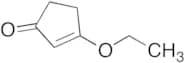
CAS:Prodotto controllatoFormula:C9H16O3Colore e forma:NeatPeso molecolare:172.2213-Ethoxy-2-cyclopentenone
CAS:Prodotto controllatoFormula:C7H10O2Colore e forma:NeatPeso molecolare:126.15N-[5-[(1R)-2-Bromo-1-hydroxyethyl]-2-(phenylmethoxy)phenyl]formamide
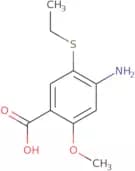
CAS:Prodotto controllatoFormula:C16H16BrNO3Colore e forma:NeatPeso molecolare:350.2072-Methoxy-4-amino-5-ethylthiobenzoic acid
CAS:<p>Please enquire for more information about 2-Methoxy-4-amino-5-ethylthiobenzoic acid including the price, delivery time and more detailed product information at the technical inquiry form on this page</p>Formula:C10H13NO3SPurezza:Min. 95%Peso molecolare:227.28 g/mol3,7,4'-Trihydroxy-5-methoxy-8-prenylflavanone, (2R,3S)-
<p>3,7,4'-Trihydroxy-5-methoxy-8-prenylflavanone, (2R,3S)- is a naturally occurring prenylated flavanone, which is primarily sourced from various plant species. This compound is part of the larger flavonoid family and is often found in certain medicinal plants known for their wide range of therapeutic properties. Its structure comprises a flavanone backbone, modified by hydroxyl, methoxy, and prenyl groups that contribute to its distinctive chemical profile.</p>Purezza:Min. 95%5-Bromo-2,3-dimethoxypyrazine
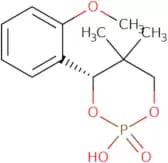
CAS:Please enquire for more information about 5-Bromo-2,3-dimethoxypyrazine including the price, delivery time and more detailed product information at the technical inquiry form on this pageFormula:C6H7BrN2O2Purezza:Min. 95%Peso molecolare:219.04 g/mol(S)-(-)-2-Hydroxy-4-(2-methoxyphenyl)-5,5-dimethyl-1,3,2-dioxaphosphorinane 2-oxide
CAS:<p>(S)-(-)-2-Hydroxy-4-(2-methoxyphenyl)-5,5-dimethyl-1,3,2-dioxaphosphorinane 2-oxide is a crystallization inhibitor. It can be used in the treatment of osteoporosis and to prevent the calcification of prostate tissue. (S)-(-)-2-Hydroxy-4-(2-methoxyphenyl)-5,5-dimethyl-1,3,2-dioxaphosphorinane 2-oxide has been shown to inhibit nucleation and crystal growth by adsorbing to the surfaces of nuclei and inhibiting inhibitor molecules from diffusing into the nucleus. This compound also inhibits the crystallization process by binding to one molecule of phosphate on each phosphate site on a crystal surface. The result is that there are fewer sites available for other molecules to bind, preventing crystal growth.</p>Formula:C12H17O5PPurezza:Min. 95%Colore e forma:Slightly Yellow PowderPeso molecolare:272.23 g/molTrimethylolpropane ethoxylate - average Mn ~170
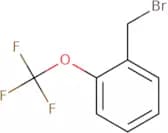
CAS:Please enquire for more information about Trimethylolpropane ethoxylate - average Mn ~170 including the price, delivery time and more detailed product information at the technical inquiry form on this pageFormula:(C2H4O)n•(C2H4O)n•(C2H4O)n•C6H14O3Purezza:Min. 95%2-(Trifluoromethoxy)benzyl bromide
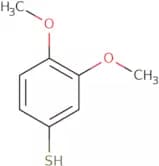
CAS:<p>2-(Trifluoromethoxy)benzyl bromide is a computational study of ionic liquids with substitutions. The viscosity of the liquid was found to be dependent on the size of the substituent and the number of substitutions. The compound was found to be selective for one isomer over another due to its different structural features. Experimental studies have shown that 2-(trifluoromethoxy)benzyl bromide has high permeability in ionic liquids, which is a desired property in ionic liquids. Advances in this field have led to new compounds and more knowledge about the properties of ionic liquids.</p>Purezza:Min. 95%3,4-Dimethoxythiophenol
CAS:<p>3,4-Dimethoxythiophenol is a chemical compound that is used as a fluorescence probe to study biological functions in cells. It reacts with hydroxyl groups and other reactive sites on proteins, including sulfhydryl groups, thiols, and amines. 3,4-Dimethoxythiophenol has been shown to inhibit the viability of cancer cells (e.g., prostate cancer cells) by interfering with the function of dehydrogenase enzymes. 3,4-Dimethoxythiophenol also inhibits growth of microglia (cells that protect neurons) in vitro. This inhibition is due to the production of reactive oxygen species by the microglial cells. The chemical structure of this compound includes a hydroxyl group and two methoxy groups.</p>Formula:C8H10O2SPurezza:Min. 95%Colore e forma:Clear LiquidPeso molecolare:170.23 g/mol5-[3-Methoxy-4-(4-methoxy-benzyloxy)-benzyl]-pyrimidine-2,4-diamine
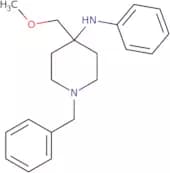
CAS:<p>5-[3-Methoxy-4-(4-methoxy-benzyloxy)-benzyl]-pyrimidine-2,4-diamine is a monoclonal antibody that blocks the signal of CTLA-4, a receptor on T cells. It has been shown to be effective in inhibiting skin cancer and primary breast cancers. This drug also has immunomodulatory effects and can be used to treat autoimmune diseases. 5-[3-Methoxy-4-(4-methoxy-benzyloxy)-benzyl]-pyrimidine-2,4-diamine binds to ctla-4 with high affinity and specificity, preventing the interaction of ctla-4 with its ligands such as CD80 (B7.1) and CD86 (B7.2). This prevents the activation of T cells by antigen presenting cells and suppresses the immune response.</p>Formula:C20H22N4O3Purezza:Min. 95%Peso molecolare:366.41 g/mol1-Benzyl-4-phenylamino-4-(methoxymethyl)piperidine
CAS:<p>Please enquire for more information about 1-Benzyl-4-phenylamino-4-(methoxymethyl)piperidine including the price, delivery time and more detailed product information at the technical inquiry form on this page</p>Formula:C20H26N2OPurezza:Min. 95%Peso molecolare:310.43 g/mol4-Methoxybenzene-1,3-diamine sulfate
CAS:Prodotto controllato<p>4-Methoxybenzene-1,3-diamine sulfate (4MBD) is a chemical substance that inhibits the activity of cytochrome P450 enzymes. It has been shown to inhibit the activity of rat liver microsomal p-450 enzymes, and is used in studies on the effects of chemicals on protein synthesis. When 4MBD is administered to rats at dietary concentrations, it causes an increase in thyroid hormone levels and a decrease in renal function. The enzyme inhibition caused by 4MBD may be due to its ability to acylate amines, which are located near the active site of the enzyme. Linear regression analysis showed that there was a strong correlation between dietary concentrations and the inhibition of protein synthesis caused by 4MBD.</p>Formula:C7H12N2O5SPurezza:Min. 95%Peso molecolare:236.25 g/mol6-(Methoxycarbonyl)spiro[3.3]heptane-2-carboxylic acid
CAS:<p>Please enquire for more information about 6-(Methoxycarbonyl)spiro[3.3]heptane-2-carboxylic acid including the price, delivery time and more detailed product information at the technical inquiry form on this page</p>Formula:C10H14O4Purezza:Min. 95%Peso molecolare:198.22 g/mol6-Methoxy-2-(4-methoxyphenyl)benzo[b]thiophene
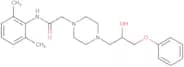
CAS:<p>6-Methoxy-2-(4-methoxyphenyl)benzo[b]thiophene (6MBT) is a mesomorphic, acid catalyst that has been used to synthesize polyphosphoric acid. It reacts with chloride to form 6-chloro-2-(4-methoxyphenyl)benzo[b]thiophene, which can be converted to the desired product by sulfoxide. The reaction time for this process is relatively short and the yield is high. 6MBT can also be used as a semiconductor in devices such as solar cells and electronic displays. The photoelectric effect of 6MBT was demonstrated in 1972, when it was found that electron emission from a photocurrent could be obtained at room temperature. This property has been shown to be due to the molecule's absorption of light energy and subsequent conversion into electrical energy.</p>Formula:C16H14O2SPurezza:Min. 95%Colore e forma:PowderPeso molecolare:270.35 g/molDesmethoxy ranolazine
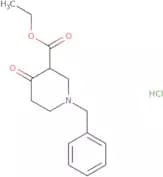
CAS:Please enquire for more information about Desmethoxy ranolazine including the price, delivery time and more detailed product information at the technical inquiry form on this pageFormula:C23H31N3O3Purezza:Min. 95%Peso molecolare:397.51 g/mol1-Benzyl-3-carbethoxy-4-piperidone hydrochloride
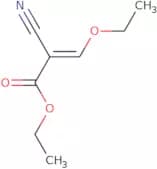
CAS:<p>1-Benzyl-3-carbethoxy-4-piperidone hydrochloride is a carboxylic acid that is used as a waterproofing agent in cyclohexane. It is absorbed by the skin and other tissues, which may lead to adverse effects on the body. Exposure to this compound has been shown to result in irritation of the skin, eyes, and respiratory tract, as well as changes in heart rate and blood pressure.</p>Formula:C15H19NO3•HClPurezza:Min. 95%Peso molecolare:297.78 g/molEthyl (ethoxymethylene) cyanoacetate
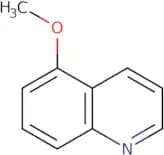
CAS:<p>Ethyl (Ethoxymethylene) cyanoacetate is a chemical compound that belongs to the family of aldehyde compounds. It is a colorless liquid at room temperature, with an odor similar to that of acetic acid. The compound has been used in the synthesis of epidermal growth factor and diazonium salts. It has also been used in the production of anti-cancer drugs such as malonic acid, which inhibits tumor growth by inhibiting protein synthesis. Ethyl (Ethoxymethylene) cyanoacetate reacts with quinoline derivatives to form carbon disulphide, which can be used as an antimicrobial agent and insecticide.</p>Formula:C8H11NO3Purezza:Min. 95%Colore e forma:PowderPeso molecolare:169.18 g/mol5-Methoxyquinoline
CAS:<p>5-Methoxyquinoline (5MQ) is a chemical compound that belongs to the quinoline derivatives. It has shown anticancer activity in tumor models through a proton-transfer mechanism. 5MQ reacts with an acidic proton, such as the hydronium ion, to produce a reactive intermediate that can react with DNA and other cellular macromolecules. The drug also has been shown to inhibit the growth of bacteria by inhibiting protein synthesis. This inhibition is due to its ability to transfer protons from one molecule to another, which alters the charge distribution on that molecule and prevents it from reacting with other molecules.</p>Formula:C10H9NOPurezza:Min. 95%Colore e forma:LiquidPeso molecolare:159.18 g/mol2,3,3-Trimethyl 5-methoxy indolenine
CAS:2,3,3-Trimethyl 5-methoxy indolenine (TMMI) is a fluorescent probe that has been used in photodynamic therapy. TMMI is chemically stable and has an unsymmetrical heterocycle with optical properties that allow it to be excited by green light at wavelengths of 540 nm. TMMI can be used to image hypoxic regions of the brain. This molecule has also been used as an enhancement agent for neovascularization and angiography. TMMI can be synthesized using mesoporous silica nanoparticles and halogens such as chlorine or bromine.Formula:C12H15NOPurezza:Min. 95%Peso molecolare:189.25 g/mol3-Ethoxy-androsta-3,5-dien-17-one
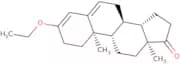
CAS:Prodotto controllato<p>3-Ethoxy-androsta-3,5-dien-17-one is a chemical compound that can be synthesized by high performance liquid chromatography. It is an impurity in the synthesis of contraceptive drugs and is also used as a starting material for the preparation of other steroids with pharmacopeial standards. 3-Ethoxy-androsta-3,5-dien-17-one is a hydrogenation product of 3β,5α,17β-trihydroxyandrostanol and has been shown to have antiestrogenic activity. The substance produces chromatographic peaks at Rf 0.6 on silica gel TLC plates using triethyl orthoformate as the mobile phase.</p>Formula:C21H30O2Purezza:Min. 95%Peso molecolare:314.46 g/molJ147
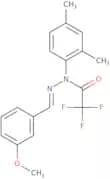
CAS:2,2,2-Trifluoroacetic acid 1-(2,4-dimethylphenyl)-2-[(3-methoxyphenyl)methylene]hydrazide is a neuroprotective drug that belongs to the class of hydrazides. It has been shown to have neurotrophic activity in vitro and in vivo and can be used for the treatment of conditions such as diabetic neuropathy or cancer tissues. 2,2,2-Trifluoroacetic acid 1-(2,4-dimethylphenyl)-2-[(3-methoxyphenyl)methylene]hydrazide also has anti-inflammatory properties and can be used for the treatment of autoimmune diseases. The drug's mechanism of action is not fully understood but is thought to involve monoamine neurotransmitters.Formula:C18H17F3N2O2Purezza:Min. 95%Peso molecolare:350.34 g/mol6-Methoxy-2-methylquinolin-4(1H)-one
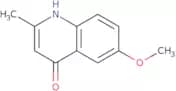
CAS:<p>6-Methoxy-2-methylquinolin-4(1H)-one is a heterocyclic molecule that has the ability to undergo oxidation reactions. It is an intermediate in the synthesis of other molecules, such as 4-hydroxyquinoline and 4-hydroxybenzaldehyde. The acidity of 6-methoxy-2-methylquinolin-4(1H)-one can be increased by adding alkali, which will cause it to react with hydroxyl and form a phenylhydrazine. When heated with hydrazine, 6-methoxy-2-methylquinolin-4(1H)-one undergoes tautomerism and forms 2-(phenylhydrazinyl) quinoline. The chemical structure of 6-methoxy-2 methylquinolin 4(1H)-one can be detected by analyzing its spectrum (i.e., absorption or emission spectra). This chemical shows bands</p>Formula:C11H11NO2Purezza:Min. 95%Peso molecolare:189.21 g/mol4-Methoxyphenyl chloroformate
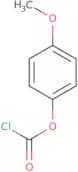
CAS:<p>4-Methoxyphenyl chloroformate is a reactive chemical that can be used to synthesize amides, esters, and anhydrides. It reacts with nucleophiles such as chloride or hydroxide to form an intermediate product. This intermediate product then reacts with the desired molecule to form the desired final product. 4-Methoxyphenyl chloroformate has shown selectivity for binding to opioid receptors, including mu and delta subtypes. This chemical may be used in the synthesis of antibiotic drugs that have similar receptor subtypes. 4-Methoxyphenyl chloroformate also has been shown to modulate G protein signaling pathways in cells, which may lead to improved pharmacokinetic properties.</p>Formula:C8H7ClO3Purezza:Min. 95%Colore e forma:Clear LiquidPeso molecolare:186.59 g/mol3-[4-(4-Methoxyphenyl)piperazin-1-yl]-3-oxopropanenitrile
CAS:Prodotto controllatoPlease enquire for more information about 3-[4-(4-Methoxyphenyl)piperazin-1-yl]-3-oxopropanenitrile including the price, delivery time and more detailed product information at the technical inquiry form on this pageFormula:C14H17N3O2Purezza:Min. 95%Peso molecolare:259.3 g/molN-Methyl-1-(3,4,5-trimethoxyphenyl)methanamine hydrochloride
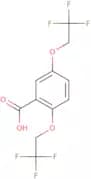
CAS:Prodotto controllatoPlease enquire for more information about N-Methyl-1-(3,4,5-trimethoxyphenyl)methanamine hydrochloride including the price, delivery time and more detailed product information at the technical inquiry form on this pageFormula:C11H17NO3Purezza:Min. 95%Peso molecolare:211.26 g/mol2,5-Bis(2,2,2-trifluoroethoxy)benzoic acid
CAS:Please enquire for more information about 2,5-Bis(2,2,2-trifluoroethoxy)benzoic acid including the price, delivery time and more detailed product information at the technical inquiry form on this pageFormula:C11H8F6O4Purezza:Min. 95%Colore e forma:PowderPeso molecolare:318.17 g/molMethyl 3-formyl-4,6-dimethoxy-1-methyl-1H-indole-2-carboxylate
CAS:Prodotto controllato<p>Please enquire for more information about Methyl 3-formyl-4,6-dimethoxy-1-methyl-1H-indole-2-carboxylate including the price, delivery time and more detailed product information at the technical inquiry form on this page</p>Formula:C14H15NO5Purezza:Min. 95%Peso molecolare:277.27 g/mol1-(4-Bromo-2,5-dimethoxybenzyl)piperazine
CAS:Prodotto controllato<p>Please enquire for more information about 1-(4-Bromo-2,5-dimethoxybenzyl)piperazine including the price, delivery time and more detailed product information at the technical inquiry form on this page</p>Formula:C13H19BrN2O2Purezza:Min. 95%Peso molecolare:315.21 g/mol2(2-Ethoxyethoxy)ethanol
CAS:<p>2(2-Ethoxyethoxy)ethanol is a glycol ether that is used as a substrate film in analytical methods, such as thin layer chromatography. It has been shown to be toxic to the liver and kidney, but not the heart. 2(2-Ethoxyethoxy)ethanol is also an experimental solubility data and can be used to measure the hydrophobic effect of organic compounds. This substance has high values for solubility, which may be due to its glycol ester type. 2(2-Ethoxyethoxy)ethanol does not show toxicity to the heart when administered orally or by inhalation, but does show toxicity to the liver and kidney at high doses.</p>Formula:C6H14O3Purezza:Min. 98 Area-%Colore e forma:PowderPeso molecolare:134.17 g/mol
![3-ethoxy-7-oxaspiro[3.5]nonan-1-amine](/_next/image/?url=https%3A%2Fstatic.cymitquimica.com%2Fproducts%2FTR%2Fthumb-webp%2FB441128.webp&w=3840&q=75)

acetate](/_next/image/?url=https%3A%2Fstatic.cymitquimica.com%2Fproducts%2FTR%2Fthumb-webp%2FE678475.webp&w=3840&q=75)
![1-Nitro-2-[(1E)-2-nitroethenyl]-4-(phenylmethoxy)-benzene](/_next/image/?url=https%3A%2Fstatic.cymitquimica.com%2Fproducts%2FTR%2Fthumb-webp%2FN901470.webp&w=3840&q=75)
![1-[2-Hydroxy-4,6-bis(ethoxymethoxy)phenyl]ethanone](/_next/image/?url=https%3A%2Fstatic.cymitquimica.com%2Fproducts%2FTR%2Fthumb-webp%2FH830140.webp&w=3840&q=75)
![5-[2-(Trifluoromethoxy)phenyl]-2-furancarboxylic Acid](/_next/image/?url=https%3A%2Fstatic.cymitquimica.com%2Fproducts%2FTR%2Fthumb-webp%2FT790925.webp&w=3840&q=75)

![N-[1-[3-(2-Ethoxyphenyl)-2,5-dihydro-5-oxo-1,2,4-triazin-6-yl]ethyl]acetamide](/_next/image/?url=https%3A%2Fstatic.cymitquimica.com%2Fproducts%2FTR%2Fthumb-webp%2FE679580.webp&w=3840&q=75)
![6-[4-(Trifluoromethoxy)phenyl]-3-morpholinone](/_next/image/?url=https%3A%2Fstatic.cymitquimica.com%2Fproducts%2FTR%2Fthumb-webp%2FT790950.webp&w=3840&q=75)
![4'-Methoxy-[1,1'-biphenyl]-4-methanamine](/_next/image/?url=https%3A%2Fstatic.cymitquimica.com%2Fproducts%2FTR%2Fthumb-webp%2FM261345.webp&w=3840&q=75)



![N-[5-[(1R)-2-Bromo-1-hydroxyethyl]-2-(phenylmethoxy)phenyl]formamide](/_next/image/?url=https%3A%2Fstatic.cymitquimica.com%2Fproducts%2FTR%2Fthumb-webp%2FB683320.webp&w=3840&q=75)



![5-[3-Methoxy-4-(4-methoxy-benzyloxy)-benzyl]-pyrimidine-2,4-diamine](/_next/image/?url=https%3A%2Fstatic.cymitquimica.com%2Fproducts%2F3D%2Fthumb-webp%2FFM31223.webp&w=3840&q=75)

![6-(Methoxycarbonyl)spiro[3.3]heptane-2-carboxylic acid](/_next/image/?url=https%3A%2Fstatic.cymitquimica.com%2Fproducts%2F3D%2Fthumb-webp%2FFM161396.webp&w=3840&q=75)
![6-Methoxy-2-(4-methoxyphenyl)benzo[b]thiophene](/_next/image/?url=https%3A%2Fstatic.cymitquimica.com%2Fproducts%2F3D%2Fthumb-webp%2FFM25206.webp&w=3840&q=75)

![3-[4-(4-Methoxyphenyl)piperazin-1-yl]-3-oxopropanenitrile](/_next/image/?url=https%3A%2Fstatic.cymitquimica.com%2Fproducts%2F3D%2Fthumb-webp%2FFM118645.webp&w=3840&q=75)