Chetoni
Trovati 18873 prodotti di "Chetoni"
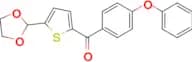
5-(1,3-Dioxolan-2-yl)-2-(4-phenoxybenzoyl)thiophene
CAS:Purezza:97.0%Peso molecolare:352.39999389648442-({5-[(4-ethylphenoxy)methyl]-4-(1-phenylethyl)-4h-1,2,4-triazol-3-yl}sulfanyl)cyclopentan-1-one
CAS:Purezza:95%Peso molecolare:421.55999755859375(4-aminophenyl)(2,3-dihydro-1,4-benzodioxin-6-yl)methanone hydrochloride
CAS:Purezza:95.0%Peso molecolare:291.7300109863281Dicyclohexyl Ketone
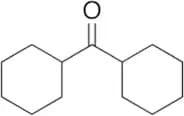
CAS:Prodotto controllatoApplications Dicyclohexyl Ketone (cas# 119-60-8) is a compound useful in organic synthesis.
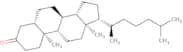
Formula:C13H22OColore e forma:NeatPeso molecolare:194.315-a-Cholestan-3-one
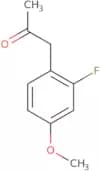
CAS:Prodotto controllato5-a-Cholestan-3-one is a sterol that has been shown to have antiinflammatory activity and inhibit skin tumor formation. The sterols are the primary lipids in the human body, with 5-a-cholestan-3-one being one of the most abundant, making up about 50% of total sterols. The 5-a-cholestan-3-one is found in cholesterol, which is an important component of cell membranes. It also plays a role in the synthesis of bile acids and coprostanol. This compound can be found in fecal samples as well as wastewater treatment plants, where it is used for sample preparation. There are two different forms of 5-a-cholestan 3 one; protocatechuic acid, which is an acidic form found mainly in plants, and neutral cholic acid which can be found in humans or animals.Formula:C27H46OPurezza:Min. 95%Colore e forma:PowderPeso molecolare:386.65 g/mol2-Fluoro-4-methoxyphenylacetone
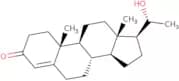
CAS:2-Fluoro-4-methoxyphenylacetone is a high quality chemical that can be used as a reagent, complex compound, and useful intermediate. It is also a fine chemical and speciality chemical with CAS No. 16817-46-2. This product can be used as a reaction component for diverse synthetic reactions in research and development of various types of pharmaceuticals and fine chemicals. It is also versatile building block for the synthesis of valuable products.Formula:C10H11FO2Purezza:Min. 95%Peso molecolare:182.19 g/mol4-Pregnen-20β-ol-3-one
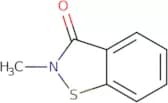
CAS:Prodotto controllato4-Pregnen-20beta-ol-3-one is a synthetic progestin that has been shown to have both contraceptive and noncontraceptive activities. It is used primarily to treat female infertility, endometriosis, and amenorrhea. The drug also has a number of other effects on the body, including anti-inflammatory and anti-angiogenic properties. 4-Pregnen-20beta-ol-3-one binds to the human liver receptor, which is responsible for its metabolism. The drug also has some activity in the endometrium of pregnant women and in the ovary cells of postmenopausal women. It increases epidermal growth factor production in skin cells and may be involved in lipid metabolism. 4-Pregnen-20beta-ol-3-one also stimulates lactogenic hormone production in women.Formula:C21H32O2Purezza:Min. 95%Colore e forma:PowderPeso molecolare:316.48 g/mol2-Methyl-1,2-benzisothiazolin-3-one
CAS:2-Methyl-1,2-benzisothiazolin-3-one (MBIT) is a water soluble microbiocide which is active against bacteria, yeasts and moulds and has potential applications as a preservative in paints, sealants and coatings. Similar compounds (BIT, MIT) have found use as preservatives in detergents and cleaning products due to their relative stability in solution and compatibility with enzymes.
Formula:C8H7NOSPurezza:Min. 96 Area-%Colore e forma:White Off-White PowderPeso molecolare:165.21 g/molEthyl undecyl ketone
CAS:Ethyl undecyl ketone is the organic compound with the formula (CH3)2C(=O)C(CH3)2. It is a colorless liquid that smells like oranges. It is used as a solvent and in the production of citronella oil, which is used in perfumes, soaps, and insecticides. The reaction vessel can be used to produce mosquitoes by introducing the bacteria Culex pipiens and feeding them with sugar or yeast. The strain of mosquito that develops has been shown to be more resistant to dry weight loss than other strains. Ethyl undecyl ketone also reacts with citratus in a process called esterification, resulting in fatty alcohols such as ethyl oleate and ethyl stearate. Ethyl undecyl ketone contains methyl ketones that are diagnostic for various systemic diseases such as hyperthyroidism and liver disease. These compounds are also found in fatty acids found in AsFormula:C14H28OPurezza:Min. 95%Colore e forma:SolidPeso molecolare:212.37 g/mol(2,5-Dichlorophenyl)acetone
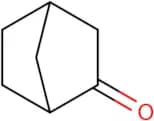
CAS:(2,5-Dichlorophenyl)acetone is a chemical compound that is used as a reaction component in the synthesis of other compounds. It can be used as a reagent in the preparation of high quality research chemicals, speciality chemicals and fine chemicals. It is also used as an intermediate in the synthesis of complex compounds. (2,5-Dichlorophenyl)acetone has CAS number 102052-40-4.Formula:C9H8Cl2OPurezza:Min. 95%Colore e forma:PowderPeso molecolare:203.06 g/mol2-Norbornanone
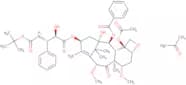
CAS:2-Norbornanone is a chemical compound that has been shown to be toxic to animals. It is used as a solvent and an intermediate in the manufacture of other chemicals. 2-Norbornanone is soluble in water and its toxicity depends on the pH of the solution. The toxicity of this compound increases with increasing acidity. The sodium salt of 2-norbornanone has no effect on the proton concentration at any pH level, while the acetate extract has a slight effect at low pH levels. This suggests that hydrogen bonding interactions are important for 2-norbornanone's toxicity.Formula:C7H10OPurezza:Min. 95%Colore e forma:PowderPeso molecolare:110.15 g/molCabazitaxel acetone
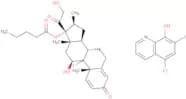
CAS:Prodotto controllatoInhibitor of tubulin depolymerization; anti-neoplastic.Acetone content: 6-7%Formula:C48H63NO15Purezza:Min. 95%Colore e forma:PowderPeso molecolare:894.01 g/mol(11β,16β)-9-Fluoro-11,21-dihydroxy-16-methyl-17-((1-oxopentyl)oxy)-Pregna-1,4-diene-3,20-dione mixt. with 5-chloro-7-iodo-8-qu inolinol
CAS:Prodotto controllatoClioquinol is a topical corticosteroid that is used to treat skin disorders such as pemphigoid, psoriasis, and eczema. It is also used to treat the inflammation associated with acne. Clioquinol has been shown to be effective in treating bacterial infections of the skin by inhibiting the growth of bacteria. This drug also has anti-inflammatory properties and can be used for the treatment of various inflammatory skin conditions. Clioquinol is not absorbed through the skin and does not affect the blood's ability to clot.
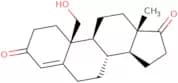
Formula:C36H42ClFINO7Purezza:Min. 95%Peso molecolare:782.08 g/mol19-Hydroxy-androstene-4-ene-3,17-dione
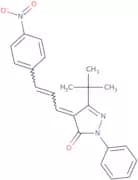
CAS:Prodotto controllato19-hydroxy-androstene-4-ene-3,17-dione is a metabolite of androstenedione that has been shown to have inhibitory effects on prostate cancer cells. This compound binds to the plasma membrane of these cells, leading to changes in its structure and function. 19-hydoxy-androstene-4-ene-3,17-dione has also been shown to have an inhibitory effect on human chorionic gonadotropin (HCG) and oestrone production by inhibiting the release of luteinizing hormone from the pituitary gland. This compound also inhibits the activity of protein kinase C (PKC), which is important for cell signaling. 19 hydroxyandrostene 4, 17 dione inhibits tissue culture reactions that rely on PKC as well as other enzymes involved in this process.Formula:C19H26O3Purezza:Min. 98 Area-%Colore e forma:Off-White PowderPeso molecolare:302.41 g/mol3-(tert-butyl)-4-(3-(4-nitrophenyl)prop-2-enylidene)-1-phenyl-2-pyrazolin-5-one
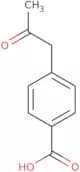
CAS:Please enquire for more information about 3-(tert-butyl)-4-(3-(4-nitrophenyl)prop-2-enylidene)-1-phenyl-2-pyrazolin-5-one including the price, delivery time and more detailed product information at the technical inquiry form on this pagePurezza:Min. 95%(4-Carboxyphenyl)acetone
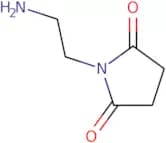
CAS:Carboxyphenylacetone is a polymer drug that has been shown to have antimicrobial activity against P. aeruginosa, with the mechanism of action being the inhibition of DNA synthesis and protein synthesis. Carboxyphenylacetone also has anticancer properties, inhibiting human colon carcinoma cells by causing cell death and inhibiting proliferation. It has been shown to be an effective photoelectron scavenger and can be used for optical imaging studies. The conjugates are stable in acidic conditions and may be useful for treating infectious diseases such as HIV-1.Formula:C10H10O3Purezza:Min. 95%Colore e forma:PowderPeso molecolare:178.18 g/mol1-(2-Aminoethyl)pyrrolidine-2,5-dione hydrochloride
CAS:1-(2-Aminoethyl)pyrrolidine-2,5-dione hydrochloride is a chemical intermediate that is used in the synthesis of biologically active compounds. It has been shown to be an excellent building block for synthesizing complex compounds, and is also a useful reagent. 1-(2-Aminoethyl)pyrrolidine-2,5-dione hydrochloride has been identified as a high quality research chemical and is commercially available in the form of bulk quantities or as a fine chemical.
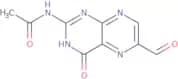
Formula:C6H11ClN2O2Purezza:Min. 95%Colore e forma:PowderPeso molecolare:178.62 g/mol2-Acetamido-6-formylpteridin-4-one
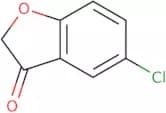
CAS:2-Acetamido-6-formylpteridin-4-one is a reductive amination product of folic acid. It is a stable compound and has been shown to be useful in the treatment of human diseases such as cancer, Alzheimer's disease, and Parkinson's disease. The reductive amination reaction produces formyl groups that can be acetylated or alkylated to produce stable compounds with different properties. This compound also reacts with glutamic acid to produce an amide.Formula:C9H7N5O3Purezza:Min. 97 Area-%Colore e forma:PowderPeso molecolare:233.18 g/mol5-Chloro-1-benzofuran-3(2H)-one
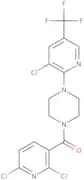
CAS:5-Chloro-1-benzofuran-3(2H)-one (5CBF) is a versatile building block that can be used to make a wide range of different compounds. It has been shown as an effective reagent in the synthesis of complex compounds and research chemicals. 5CBF is also used as a high quality intermediate in organic synthesis, as well as being a useful scaffold for chemical reactions.Formula:C8H5ClO2Purezza:Min. 98 Area-%Colore e forma:PowderPeso molecolare:168.58 g/mol2,6-dichloro(3-pyridyl)4-(3-chloro-5-(trifluoromethyl)(2-pyridyl))piperazinyl ketone
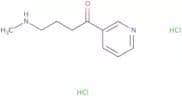
CAS:Please enquire for more information about 2,6-dichloro(3-pyridyl)4-(3-chloro-5-(trifluoromethyl)(2-pyridyl))piperazinyl ketone including the price, delivery time and more detailed product information at the technical inquiry form on this pagePurezza:Min. 95%4-(Methylamino)-1-(3-pyridyl)-1-butanone dihydrochloride
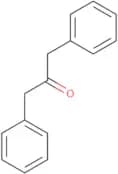
CAS:4-(Methylamino)-1-(3-pyridyl)-1-butanone dihydrochloride (4-MBA) is a natural product that has been shown to have anti-cancer properties in vitro and in vivo. It inhibits the growth of cancer cells by inhibiting DNA synthesis and inducing apoptosis, as well as by inhibiting the production of certain proteins. 4-MBA has been shown to be effective against strains of Escherichia coli and Salmonella typhimurium. This compound is found in honeybush tea, Aspalathus linearis, and other plants, but is not present in humans or animals. 4-MBA has also been shown to inhibit nicotine metabolism in humans and rats.Formula:C10H16Cl2N2OPurezza:Min. 95%Colore e forma:SolidPeso molecolare:251.15 g/mol1,3-Diphenylacetone, 97.0%+
CAS:1,3-Diphenylacetone is a high quality chemical that is used as a reagent and intermediate in the production of specialty chemicals. It can be used to synthesize other compounds such as pharmaceuticals, pesticides, and lubricants. 1,3-Diphenylacetone has been shown to be an effective building block for a variety of chemical reactions. This compound is also versatile because it can be used as a research chemical or scaffold for synthesis of other compounds. 1,3-Diphenylacetone has CAS number 102-04-5 and can be found in the speciality chemical category.Formula:C15H14OPurezza:Min. 97.0 Area-%Peso molecolare:210.28 g/molRef: 3D-D-6112
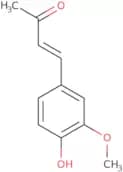
-Unit-kgkgPrezzo su richiesta1kgPrezzo su richiesta5kgPrezzo su richiesta250gPrezzo su richiesta500gPrezzo su richiesta2500gPrezzo su richiestaVanillylideneacetone
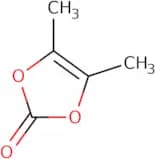
CAS:Vanillylideneacetone (VDA) is a natural compound that belongs to the class of phenylethanoids. It has been shown to have anti-inflammatory properties, which may be due to inhibition of prostaglandin synthesis. VDA also exhibits antimicrobial activity against Gram-positive and Gram-negative bacteria, as well as some fungi and yeast. In vitro antifungal activity has been observed in human serum, cell lysis with the presence of trypsin, and cytotoxicity in carcinoma cell lines. Toxicological studies have shown no adverse effects on locomotor activity or carcinogenicity at high doses.Formula:C11H12O3Purezza:Min. 95%Colore e forma:Yellow PowderPeso molecolare:192.21 g/mol4,5-Dimethyl-1,3-dioxol-2-one
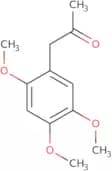
CAS:4,5-Dimethyl-1,3-dioxol-2-one is a cyclohexane ring with a chlorine atom at one of the methyl positions. It has been shown to react with fatty acids under constant pressure in order to form alkynyl groups. The reaction yield can be increased by adding chloride as a catalyst or by using electrochemical methods. This molecule has been shown to be rechargeable and is an aliphatic hydrocarbon that is an important intermediate in the production of polymers and plastics. 4,5-Dimethyl-1,3-dioxol-2-one also forms disaccharides when reacted with water molecules.Formula:C5H6O3Purezza:Min. 95%Colore e forma:PowderPeso molecolare:114.1 g/mol(2,4,5-Trimethoxyphenyl)acetone
CAS:Prodotto controllato(2,4,5-Trimethoxyphenyl)acetone is an organic compound that inhibits the replication of RNA. It was found to inhibit the activity of beta-asarone and inhibit the conversion of asarone to o-benzoquinones in cell cultures. This agent also has genotoxic effects on human liver cells. (2,4,5-Trimethoxyphenyl)acetone binds to 5-hydroxytryptamine receptors and inhibits their activities, which can lead to a decrease in serotonin concentrations. (2,4,5-Trimethoxyphenyl)acetone is a colorless liquid at room temperature with a molecular weight of 174.24 grams/mol.
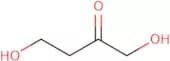
Formula:C12H16O4Purezza:Min. 95%Peso molecolare:224.25 g/mol1,4-Dihydroxy-2-butanone
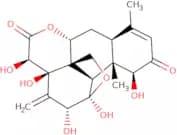
CAS:1,4-Dihydroxy-2-butanone is a synthetic organic compound, often described as an intermediate or precursor in various biochemical processes. It is primarily derived from chemical synthesis methods involving the manipulation of butanone derivatives. Its chemical stability and reactivity make it a valuable compound in laboratory settings.The mode of action of 1,4-Dihydroxy-2-butanone involves its participation as a key intermediate in the biosynthesis of riboflavin, or vitamin B2, in microorganisms. Within this pathway, it undergoes several enzymatic transformations, contributing to the formation of complex structures necessary for riboflavin synthesis.The uses and applications of 1,4-Dihydroxy-2-butanone are predominantly found in research environments, where it serves as a critical component in studies focused on understanding and synthesizing riboflavin. Additionally, its role in elucidating enzyme mechanisms and exploring metabolic pathways makes it an essential compound for scientists working in the fields of biochemistry and metabolic engineering. This compound's contribution to fundamental research provides insights into potential biotechnological applications and innovations in vitamin production.Formula:C4H8O3Purezza:Min. 97 Area-%Colore e forma:White PowderPeso molecolare:104.1 g/molEurycomanone
CAS:Eurycomanone is a natural product that belongs to the group of quassinoids. It is obtained from the plant Eurycoma longifolia, which grows in tropical Asia and Africa. The extract has been shown to have clinical properties such as body formation, protein target, and surface methodology. 3T3-L1 preadipocytes were used for the in vitro assays of eurycomanone. Group P2 cells were used for histological analysis and pharmacological agents were found to be chemical stable.Formula:C20H24O9Purezza:Min. 95%Colore e forma:PowderPeso molecolare:408.4 g/mol3-((4-Acetylphenyl)amino)-2-phenylinden-1-one
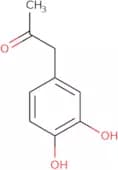
CAS:Please enquire for more information about 3-((4-Acetylphenyl)amino)-2-phenylinden-1-one including the price, delivery time and more detailed product information at the technical inquiry form on this pageFormula:C23H17NO2Purezza:Min. 95%Colore e forma:PowderPeso molecolare:339.39 g/mol3',4'-Dihydroxyphenylacetone
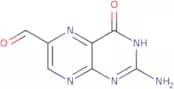
CAS:3',4'-Dihydroxyphenylacetone (DOPA) is a metabolite of dopamine that is produced in the brain and kidneys. DOPA has been shown to have pharmacological properties, but its function as an endogenous neurotransmitter has not been confirmed. DOPA is also a precursor for the synthesis of melanin, which is found in skin cells. The detection of DOPA in urine samples can be used to diagnose Parkinson's disease or other conditions characterized by low levels of dopamine. The enzyme glutamate dehydrogenase converts DOPA into 3-methoxytyramine, which can be detected in urine samples using chromatographic methods. 3',4'-Dihydroxyphenylacetone may be measured in the blood plasma of patients with bacterial infections and urinary tract infections. A detectable concentration of this metabolite could indicate that the body is making use of an alternate pathway for synthesizing amines.Formula:C9H10O3Purezza:Min. 95%Colore e forma:Off-White PowderPeso molecolare:166.17 g/mol2-Amino-6-formylpteridin-4-one
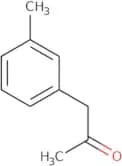
CAS:2-Amino-6-formylpteridin-4-one is a reactive compound that can cause oxidative injury in humans. It has been shown to cause hydrogen bond cleavage and the loss of structural integrity in human serum. 2-Amino-6-formylpteridin-4-one also induces apoptosis by inhibiting the mitochondrial membrane potential and releasing cytochrome c from the mitochondria into the cytosol. 2-Amino-6-formylpteridin-4-one is an inhibitor of binding to anion radicals, which may be beneficial for treating skin disorders such as psoriasis.Formula:C7H5N5O2Purezza:Min. 97 Area-%Colore e forma:PowderPeso molecolare:191.15 g/mol3-Methylphenylacetone
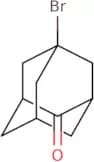
CAS:3-Methylphenylacetone is a dioxane with functional groups, which can be synthesized by coupling of acetoacetate and nitrobenzene. 3-Methylphenylacetone is a versatile precursor for the synthesis of various esters, such as phenylethyl acetate. This compound can also be deacylated to form 3-methylphenol, which is used in the synthesis of nitrophenols. In addition, 3-methylphenylacetone can be used in the production of acetophenones, ketones, and other aromatic compounds by using catalysts such as iodine or phosphoric acid. Nitro groups on 3-methylphenylacetone react with chloro-, bromo-, or methoxy-substituted substrates to form nitrosated derivatives. The tert-butyl group is eliminated spontaneously to form an amine.Formula:C10H12OPurezza:Min. 95%Colore e forma:Clear LiquidPeso molecolare:148.2 g/mol5-Bromo-2-adamantanone
CAS:5-Bromo-2-adamantanone is a potent and selective inhibitor of human alpha-amylase. It binds to the active site in the enzyme, hindering its catalytic activity. 5-Bromo-2-adamantanone has been shown to inhibit the production of glucose by inhibiting alpha amylase, an enzyme that breaks down starch into maltose. 5-Bromo-2-adamantanone has also been shown to be a potential drug for diabetes therapy.
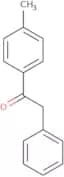
Formula:C10H13BrOPurezza:Min. 95%Colore e forma:PowderPeso molecolare:229.11 g/molBenzyl p-toluylketone
CAS:Benzyl p-toluylketone is an oxime that can be used as a catalyst in the catalytic hydrogenation of various carbonyl compounds. It is also used for the amination of alcohols and acylation reactions. This compound has a melting point of 110°C, a boiling point of 216°C, and a density of 1.05g/mL. The reaction can be carried out at temperatures between 25°C and 160°C, with hydrogen pressure between 10 bar and 120 bar. The reaction time should be less than two hours. The yield is typically greater than 95%.Formula:C15H14OPurezza:Min. 95%Colore e forma:PowderPeso molecolare:210.27 g/mol3-(tert-butyl)-1-(4-nitrophenyl)indeno[2,3-d]pyrazol-4-one
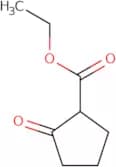
CAS:Please enquire for more information about 3-(tert-butyl)-1-(4-nitrophenyl)indeno[2,3-d]pyrazol-4-one including the price, delivery time and more detailed product information at the technical inquiry form on this pagePurezza:Min. 95%Ethyl cyclopentanone-2-carboxylate
CAS:Ethyl cyclopentanone-2-carboxylate (ECPC) is a chemical compound that can be synthesized from picolinic acid, β-amino acid, and methyl ketones. It is a bifunctional molecule that has been shown to have the ability to activate methylene groups. ECPC has been used in the synthesis of β-amino esters and ethyl esters. This compound can also react with hydrogen fluoride and trifluoroacetic acid to form ethyl cyclopentanone-2-carboxylate trifluoroacetate (ECPCT). ECPC has been found to undergo an aldol cyclization reaction when exposed to hydrogen ions in the presence of a base. The activation energies for this reaction are 19.6 kJ/mol for the first step and 23.5 kJ/mol for the second step.Formula:C8H12O3Purezza:Min. 95 Area-%Colore e forma:Colorless Clear LiquidPeso molecolare:156.18 g/mol7,9-Ditert-butyl-1-oxaspiro[4.5]deca-6,9-diene-2,8-dione
CAS:The compound 7,9-Ditert-butyl-1-oxaspiro[4.5]deca-6,9-diene-2,8-dione is a natural compound that has been shown to have inhibitory effects on methyl palmitate and hexane. It also has radical scavenging activities and anti-inflammatory properties. The biological activity of this compound is related to its chemical structure, which includes a long unsaturated chain with two tertiary alkyl groups at the end. This type of structure makes it more likely for 7,9-Ditert-butyl-1-oxaspiro[4.5]deca-6,9-diene-2,8-dione to be metabolized by enzymes in the liver and kidneys than other compounds with shorter chains.Formula:C17H24O3Purezza:Min. 95%Colore e forma:White PowderPeso molecolare:276.37 g/mol6-Bromo-2H-pyrido[3,2-b][1,4]oxazin-3(4H)-one
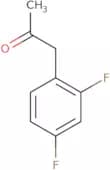
CAS:6-Bromo-2H-pyrido[3,2-b][1,4]oxazin-3(4H)-one is a versatile building block that can be used in a variety of chemical reactions as an intermediate. It is also useful in the synthesis of a variety of compounds, such as pharmaceuticals and research chemicals. 6-Bromo-2H-pyrido[3,2-b][1,4]oxazin-3(4H)-one is an organic compound with a molecular formula of C8H5BrN4O. It has an mp of 152°C and decomposes to form nitrogen gas and carbon monoxide at higher temperatures.Formula:C7H5BrN2O2Purezza:Min. 95%Colore e forma:SolidPeso molecolare:229.03 g/mol(2,4-Difluorophenyl)acetone
CAS:(2,4-Difluorophenyl)acetone is a high quality chemical that can be used as a reagent, intermediate or building block for the synthesis of complex compounds. It is also a versatile building block for the synthesis of speciality chemicals, research chemicals and reaction components. (2,4-Difluorophenyl)acetone is an important intermediate in the synthesis of fluoroquinolones and it has been shown to be useful in the preparation of dyes such as indigo and phthalocyanine. This compound is also used to synthesize other pharmaceuticals such as aspirin and acetaminophen.
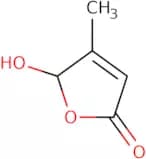
Formula:C9H8F2OPurezza:Min. 95%Colore e forma:PowderPeso molecolare:170.16 g/mol5-Hydroxy-4-methyl 2(5H) furanone
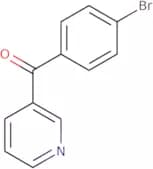
CAS:5-Hydroxy-4-Methyl 2(5H) furanone is an organic solvent that can be used as a byproduct of the reaction between alkali metal and dimethylformamide. It can also be generated by catalytic isomerization of methyl 2-furoate with hydrochloric acid, yielding enolate. This compound has been shown to have high yield in the conversion of 13-cis-retinoic acid into its corresponding trans isomer. 5-Hydroxy-4-Methyl 2(5H) furanone can be used as a reactant for lipase enzymes.Formula:C5H6O3Purezza:Min. 95%Peso molecolare:114.1 g/mol(4-Bromophenyl)-(pyridin-3-yl)methanone
CAS:The compound is a reactive, logistic and logistic regression analysis. The logistic regression was used to determine the effects of temperature on the yields of this organic chemical. The compound is not active against test organisms such as dimethylamine, but does react with carbonyl groups in other organic chemicals. This chemical is considered reactive because it can be easily oxidized by air or water. It has been shown that this chemical reacts with oxygen molecules to form aldehydes and ketones.Formula:C12H8BrNOPurezza:Min. 95%Peso molecolare:262.1 g/mol2-Ethoxy-5-fluoro-1H-pyrimidin-4-one
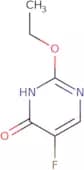
CAS:2-Ethoxy-5-fluoro-1H-pyrimidin-4-one is a chemical compound that can be synthesized in ethanol, ether, and ethyl formate. It is a white crystalline solid with a melting point of 164°C. The impurities are filtered out using filtration. This compound reacts with substance to produce crystallization. 2-Ethoxy-5-fluoro-1H-pyrimidin-4-one can also be synthesized by reacting trimethylamine and isourea.
Formula:C6H7FN2O2Purezza:Min. 95%Colore e forma:PowderPeso molecolare:158.13 g/mol3-(tert-butyl)-2-methyl-6-nitroindeno[3,2-c]pyrazol-4-one
CAS:Please enquire for more information about 3-(tert-butyl)-2-methyl-6-nitroindeno[3,2-c]pyrazol-4-one including the price, delivery time and more detailed product information at the technical inquiry form on this pagePurezza:Min. 95%5β-Pregnan-3α-ol-20-one
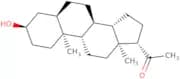
CAS:Prodotto controllato5b-Pregnan-3a-ol-20-one is a natural product that belongs to the group of steroids. It has been shown to inhibit the polymerase chain reaction in animals. The drug also inhibits pain and has been shown to be effective in models of epilepsy. 5b-Pregnan-3a-ol-20-one binds to DNA, preventing transcription and replication. It also stabilizes the surface of cells, which may be important for its uptake by cells. This compound interacts with Tlr4, which may activate immune cells and lead to seizures. 5b-Pregnan-3a-ol-20-one is oxidized by cytochrome P450 enzymes, leading to the production of hydrogen peroxide and formation of a carbonyl group on the molecule.
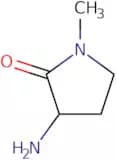
Formula:C21H34O2Purezza:Min. 95%Colore e forma:White PowderPeso molecolare:318.49 g/mol3-Amino-1-methylpyrrolidin-2-one
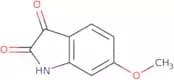
CAS:3-Amino-1-methylpyrrolidin-2-one is a versatile building block that has many applications in the research field. It can be used as a reagent or a speciality chemical and as an intermediate in organic synthesis. 3-Amino-1-methylpyrrolidin-2-one is also used as a reaction component and scaffold for complex compounds. This chemical has CAS number 119329-48-5.Formula:C5H10N2OPurezza:Min. 98 Area-%Colore e forma:Clear LiquidPeso molecolare:114.15 g/mol6-Methoxyindoline-2,3-dione
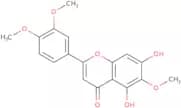
CAS:6-Methoxyindoline-2,3-dione is an indole alkaloid that has been isolated from the leaves of plants in the genus Apiaceae. It is synthesized by a reaction system that involves the oxidation of 6-methoxyindole to the corresponding oxindole and subsequent reduction to the desired product. The cytotoxicity of 6-methoxyindoline-2,3-dione has been demonstrated using a fluorescent assay with cancer cells. The compound binds to and activates cb2 receptors, which are expressed on immune cells and have been shown to be involved in inflammatory processes.Formula:C9H7NO3Purezza:Min. 95%Colore e forma:PowderPeso molecolare:177.16 g/molEupatilin
CAS:Eupatilin is a flavonoid compound, which is derived from the Artemisia species. This plant-based source has been traditionally used in various medicinal applications across different cultures. Eupatilin’s mode of action involves inhibition of pro-inflammatory cytokines and modulation of signaling pathways associated with inflammation, such as the NF-kB pathway. Additionally, it has been found to possess antioxidant activities, which further contributes to its therapeutic potential.Formula:C18H16O7Purezza:Min. 95%Colore e forma:PowderPeso molecolare:344.32 g/mol(2,4,6-Trimethoxyphenyl)acetone
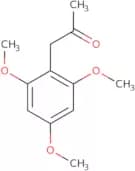
CAS:(2,4,6-Trimethoxyphenyl)acetone is a chemical compound that has been detected in human breath. It is a metabolite of tetracycline and chloramphenicol. It is also seen in the urine of patients receiving these antibiotics. The drug can be detected in the blood or urine of individuals who have not taken any antibiotic drugs. (2,4,6-Trimethoxyphenyl)acetone has been used as an indicator for antibiotic use by researchers. This chemical compound may have low toxicity and is only found at low levels in humans.
Formula:C12H16O4Purezza:Min. 95%Colore e forma:PowderPeso molecolare:224.25 g/mol

![2-({5-[(4-ethylphenoxy)methyl]-4-(1-phenylethyl)-4h-1,2,4-triazol-3-yl}sulfanyl)cyclopentan-1-one](/_next/image/?url=https%3A%2Fstatic.cymitquimica.com%2Fproducts%2F10%2Fthumb-webp%2FF662563.webp&w=3840&q=75)

![7-Methylenebicyclo[3.3.1]nonan-3-one](/_next/image/?url=https%3A%2Fstatic.cymitquimica.com%2Fproducts%2F10%2Fthumb-webp%2FF242722.webp&w=3840&q=75)






![3-(tert-butyl)-1-(4-nitrophenyl)indeno[2,3-d]pyrazol-4-one](/_next/image/?url=https%3A%2Fstatic.cymitquimica.com%2Fproducts%2F3D%2Fthumb-webp%2FFB169695.webp&w=3840&q=75)
![7,9-Ditert-butyl-1-oxaspiro[4.5]deca-6,9-diene-2,8-dione](/_next/image/?url=https%3A%2Fstatic.cymitquimica.com%2Fproducts%2F3D%2Fthumb-webp%2FFD164112.webp&w=3840&q=75)
![6-Bromo-2H-pyrido[3,2-b][1,4]oxazin-3(4H)-one](/_next/image/?url=https%3A%2Fstatic.cymitquimica.com%2Fproducts%2F3D%2Fthumb-webp%2FFB144104.webp&w=3840&q=75)
![3-(tert-butyl)-2-methyl-6-nitroindeno[3,2-c]pyrazol-4-one](/_next/image/?url=https%3A%2Fstatic.cymitquimica.com%2Fproducts%2F3D%2Fthumb-webp%2FFB169678.webp&w=3840&q=75)