Chetoni
Le chetoni sono composti organici caratterizzati dalla presenza di un gruppo carbonile (C=O) legato a due atomi di carbonio. Questi composti sono altamente versatili e svolgono un ruolo cruciale in varie reazioni chimiche, tra cui ossidazione, riduzione e condensazione. I chetoni sono intermedi essenziali nella sintesi di prodotti farmaceutici, fragranze e polimeri. Presso CymitQuimica, offriamo una vasta gamma di chetoni di alta qualità per supportare le vostre applicazioni di ricerca e industriali.
Trovati 18809 prodotti di "Chetoni"
Ordinare per
Purezza (%)
0
100
|
0
|
50
|
90
|
95
|
100
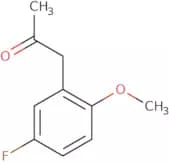
5-Fluoro-2-methoxyphenylacetone
CAS:<p>5-Fluoro-2-methoxyphenylacetone is a chemical with a wide array of applications in research and industry. It is a versatile building block, useful intermediate, and reagent for organic synthesis. This compound has been used as a starting material in the synthesis of other compounds. CAS No. 1017082-10-8</p>Formula:C10H11FO2Colore e forma:PowderPeso molecolare:182.19 g/mol(Z)-1-(2,4-Dichlorophenyl)-2-(1H-imidazol-1-yl)ethanone oxime
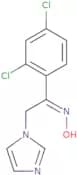
CAS:<p>(Z)-1-(2,4-Dichlorophenyl)-2-(1H-imidazol-1-yl)ethanone oxime is an antifungal agent that inhibits the synthesis of ergosterol, a major constituent of fungal cell membranes. It has been shown to be active against a variety of fungi and yeasts. (Z)-1-(2,4-Dichlorophenyl)-2-(1H-imidazol-1-yl)ethanone oxime also has antimicrobial activity against bacteria such as Staphylococcus aureus and Pseudomonas aeruginosa.</p>Formula:C11H9Cl2N3OPurezza:Min. 95%Peso molecolare:270.11 g/mol3-Dimethylamino-1-(3-pyridyl)-2-propen-1-one
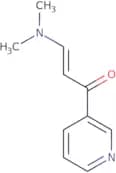
CAS:<p>3-Dimethylamino-1-(3-pyridyl)-2-propen-1-one is a synthetic anticancer compound. It is an amide derivative of 3-dimethylamino-1-(3-pyridyl)-2-propenal, which is synthesized by reacting 3,5,6,7 tetrahydrobenzo[b]thiophene with 3-(dimethylamino)acrylic acid chloride. The synthesis of 3DAP was reported in 1974 by Novartis Pharmaceuticals Corporation and it has been used as a lead compound for the development of other anticancer agents. This drug can inhibit the growth of myelogenous leukemia cells and has been shown to be effective against cancer cells that are resistant to imatinib.</p>Formula:C10H12N2OPurezza:Min. 95%Colore e forma:Off-White To Yellow SolidPeso molecolare:176.22 g/mol6-Chloro-2-hexanone
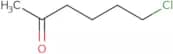
CAS:<p>6-Chloro-2-hexanone is an organic compound that is a methylcyclopentane with a carbonyl group. It can be synthesized by reacting hexamethylenetetramine, chloral hydrate, and 2-chlorobenzimidazole in the presence of ozone. 6-Chloro-2-hexanone has been used as a reagent for normalizing the content of methyl ketones in oil samples. The reaction products are chloride and 2-chlorobenzaldehyde. 6-Chloro-2-hexanone reacts with fatty acids to produce 3,6,9,12 octadecatrienoic acid. This product also has an analytical method that uses GC and flame ionization detection (FID) to measure the amount of chlorine atoms present in a sample. 6-Chloro-2-hexanone also has biological functions such as regulating the activity of enzymes involved in lipid metabolism and</p>Formula:C6H11ClOPurezza:Min. 97%Colore e forma:Clear LiquidPeso molecolare:134.6 g/molBoc-Asp(OBzl)-chloromethylketone
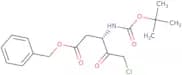
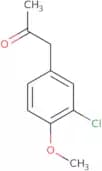
CAS:<p>Boc-Asp(OBzl)-chloromethylketone is a synthetic molecule that is immunoreactive with gp120, the virus protein. It has been shown to inhibit the proliferation of human neuroblastoma cells and induce cell death. This compound also has an effect on cytokine production in vitro. This drug is currently being studied as a potential treatment for HIV infection. Boc-Asp(OBzl)-chloromethylketone binds to the receptor type and viral type, which are essential for the virus life cycle and induces antibody production in vivo.</p>Formula:C17H22ClNO5Purezza:Min. 95%Peso molecolare:355.81 g/mol1-(3-Chloro-4-methoxyphenyl)acetone
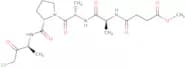
CAS:<p>1-(3-Chloro-4-methoxyphenyl)acetone is a white solid with a melting point of 60-61°C. It is a versatile building block that can be used in the synthesis of complex compounds and as a reaction component for the preparation of speciality chemicals. 1-(3-Chloro-4-methoxyphenyl)acetone has been studied extensively as an intermediate for the synthesis of pharmaceuticals, including acetaminophen and amoxicillin. This compound also has uses in research laboratories and as a reagent in organic synthesis.</p>Formula:C10H11ClO2Purezza:Min. 95%Peso molecolare:198.65 g/molMeOSuc-Ala-Ala-Pro-Ala-chloromethylketone
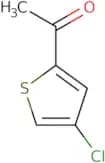
CAS:<p>MeOSuc-Ala-Ala-Pro-Ala-chloromethylketone is a peptidyl substrate for the enzyme carboxypeptidase A. This substrate has a high specificity for carboxypeptidase A and does not bind to other enzymes such as carboxypeptidase B, D, or L. The hydrophobic nature of this substrate has been shown in both hamsters and macaques. MeOSuc-Ala-Ala-Pro-Ala-chloromethylketone also shows cardiovascular effects in both animal models. It is possible that this effect is due to the proteolytic activity of the enzyme. More research needs to be done to identify the sequence of this peptide and how it may affect humans.</p>Formula:C20H31ClN4O7Purezza:Min. 95%Peso molecolare:474.94 g/mol1-(4-Chlorothiophen-2-yl)ethanone
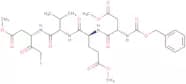
CAS:<p>1-(4-Chlorothiophen-2-yl)ethanone is an oxychloride that belongs to the family of thiourea derivatives. It is synthesized by reacting phosphorus oxychloride with 2,3-dichloroacetophenone in a solvent such as dioxane or acetonitrile. The final product is purified by means of vacuum distillation and recrystallization from diethyl ether, hexane, and chlorinated hydrocarbons.</p>Formula:C6H5ClOSPurezza:Min. 95%Peso molecolare:160.62 g/molZ-Asp(OMe)-Glu(OMe)-Val-DL-Asp(OMe)-fluoromethylketone
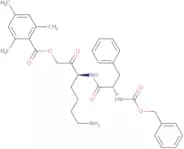
CAS:<p>Z-Asp(OMe)-Glu(OMe)-Val-DL-Asp(OMe)-fluoromethylketone is a small molecule that has been shown to induce apoptosis in cultured cells. It is a caspase-3 inhibitor, which prevents the activation of the caspase cascade and protects cells from oxidative injury. Low doses of Z-Asp(OMe)-Glu(OMe)-Val-DL-Asp(OMe)-fluoromethylketone have been shown to induce apoptosis in cultured cells, with no significant cytotoxicity at high doses. The mechanism of action for this agent is not yet known, but it may promote mitochondrial membrane potential loss and neuronal death by binding to DNA, or induce cell death through a caspase-independent pathway.</p>Formula:C30H41FN4O12Purezza:Min. 95%Peso molecolare:668.66 g/molZ-Phe-Lys-2,4,6-trimethylbenzoyloxy-methylketone trifluoroacetate salt
CAS:<p>Z-Phe-Lys-2,4,6-trimethylbenzoyloxy-methylketone trifluoroacetate salt is a proteolytic enzyme that has been shown to have bone resorption and tissue destructive properties. It is active against porphyromonas and bactericidal against fibrinogen. Z-Phe-Lys-2,4,6-trimethylbenzoyloxy-methylketone trifluoroacetate salt also inhibits the formation of osteoclasts by inhibiting the uptake and protease activity of extracellular matrix proteins such as fibrinogen. This drug is currently being researched for possible use in the treatment of Alzheimer's Disease.</p>Formula:C34H41N3O6Purezza:Min. 95%Peso molecolare:587.71 g/mol(R)-4-Propyldihydrofuran-2(3H)-one
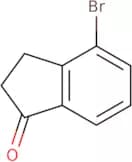
CAS:<p>Please enquire for more information about (R)-4-Propyldihydrofuran-2(3H)-one including the price, delivery time and more detailed product information at the technical inquiry form on this page</p>Formula:C7H12O2Purezza:Min. 95%Peso molecolare:128.17 g/mol4-Bromo-1-indanone
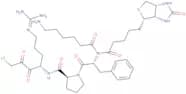
CAS:<p>4-Bromo-1-indanone is a molecule that has been shown to have neuroprotective properties in vitro. It has also been shown to inhibit the amines, which may be due to its ability to act as an aromatic hydrocarbon. This molecule has not been approved for use as a drug substance or drug product and its safety and efficacy are unknown.</p>Formula:C9H7BrOPurezza:Min. 95%Peso molecolare:211.06 g/molBiotinyl-ε-aminocaproyl-D-Phe-Pro-Arg-chloromethylketone
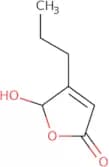
CAS:<p>Please enquire for more information about Biotinyl-epsilon-aminocaproyl-D-Phe-Pro-Arg-chloromethylketone including the price, delivery time and more detailed product information at the technical inquiry form on this page</p>Formula:C37H56ClN9O6SPurezza:Min. 95%Peso molecolare:790.42 g/mol5-Hydroxy-4-propyl-2(5H)-furanone
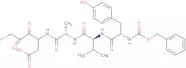
CAS:<p>Please enquire for more information about 5-Hydroxy-4-propyl-2(5H)-furanone including the price, delivery time and more detailed product information at the technical inquiry form on this page</p>Formula:C7H10O3Purezza:Min. 95%Colore e forma:Yellow PowderPeso molecolare:142.15 g/molZ-Tyr-Val-Ala-DL-Asp-fluoromethylketone
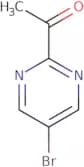
CAS:<p>Please enquire for more information about Z-Tyr-Val-Ala-DL-Asp-fluoromethylketone including the price, delivery time and more detailed product information at the technical inquiry form on this page</p>Formula:C30H37FN4O9Purezza:Min. 95%Peso molecolare:616.63 g/mol1-(5-Bromopyrimidin-2-yl)ethanone
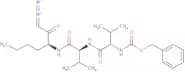
CAS:<p>Please enquire for more information about 1-(5-Bromopyrimidin-2-yl)ethanone including the price, delivery time and more detailed product information at the technical inquiry form on this page</p>Formula:C6H5BrN2OPurezza:Min. 95%Peso molecolare:201.02 g/molZ-Val-Val-Nle-diazomethylketone
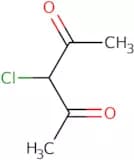
CAS:<p>Please enquire for more information about Z-Val-Val-Nle-diazomethylketone including the price, delivery time and more detailed product information at the technical inquiry form on this page</p>Formula:C25H37N5O5Purezza:Min. 95%Peso molecolare:487.59 g/mol3-Chloro-2,4-pentanedione
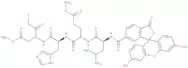
CAS:<p>3-Chloro-2,4-pentanedione is a model system that has been used to study the reaction mechanism of the intramolecular hydrogen transfer. This molecule was found to be more reactive in the presence of sodium carbonate and anhydrous sodium, which is due to protonation of the hydroxyl group on the ethylene diamine. 3-Chloro-2,4-pentanedione reacts with carbon disulphide and ethylene diamine to form 2,5-dimethylhexane-1,6-diol. 3D molecular docking analysis has shown that this compound binds to the ryanodine receptor and may be a potential therapeutic agent for patients with carcinoma cell lines.</p>Formula:C5H7ClO2Purezza:Min. 95%Colore e forma:Clear LiquidPeso molecolare:134.56 g/molFluorescein-6-carbonyl-Leu-Glu(OMe)-His-DL-Asp(OMe)-fluoromethylketone
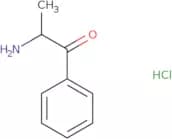
CAS:<p>Please enquire for more information about Fluorescein-6-carbonyl-Leu-Glu(OMe)-His-DL-Asp(OMe)-fluoromethylketone including the price, delivery time and more detailed product information at the technical inquiry form on this page</p>Formula:C45H47FN6O14Purezza:Min. 95%Peso molecolare:914.89 g/mol2-Amino-1-phenylpropan-1-one hydrochloride
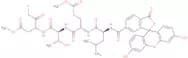
CAS:Prodotto controllato<p>2-Amino-1-phenylpropan-1-one hydrochloride is a chemical compound that can be used as an intermediate in the synthesis of ethyl formate. It is also a pharmaceutical intermediate, which is used to prepare triazine and alicyclic compounds. It has been shown to have potential use in the treatment of prostatic hypertrophy and heterocycle disorders. 2-Amino-1-phenylpropan-1-one hydrochloride has been found to be active in animals and humans and is not toxic to women or animals. This drug has shown no adverse effects on human health at doses up to 10 g/kg body weight.</p>Formula:C9H11NO•HClPurezza:Min. 95%Colore e forma:PowderPeso molecolare:185.65 g/molFluorescein-6-carbonyl-Leu-Glu(OMe)-Thr-DL-Asp(OMe)-fluoromethylketone
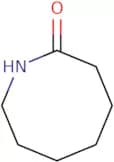
CAS:<p>Please enquire for more information about Fluorescein-6-carbonyl-Leu-Glu(OMe)-Thr-DL-Asp(OMe)-fluoromethylketone including the price, delivery time and more detailed product information at the technical inquiry form on this page</p>Formula:C43H47FN4O15Purezza:Min. 95%Peso molecolare:878.85 g/molAzocan-2-one
CAS:<p>Azocan-2-one is a polyamide that has been shown to inhibit the activity of enzymes such as hydroxylases and esterases. Azocan-2-one binds to the enzyme's active site and blocks the catalytic site. This binding leads to inhibition of these enzymes, which in turn prevents reactions from occurring. Azocan-2-one can be used as an inhibitor in polymer synthesis, amide formation, and radiation chemistry. The compound also has three functional groups that allow it to act as an acid or base, making it capable of reacting with both organic and inorganic acids. Azocan-2-one is also soluble in water and hydrochloric acid, which allows for its use in various solution types.</p>Purezza:Min. 95%3,6-Bis([1,1'-biphenyl]-4-yl)-2,5-dihydropyrrolo[3,4-c]pyrrole-1,4-dione
CAS:<p>3,6-Bis([1,1'-biphenyl]-4-yl)-2,5-dihydropyrrolo[3,4-c]pyrrole-1,4-dione is an analytical reagent that has been used as a corrosion inhibitor in coatings. It has been shown to promote the formation of reactive oxygen species and inhibit the growth of bacteria by binding to DNA. The biphenyl group is known for its ability to form intermolecular hydrogen bonding with chloride ions and aliphatic hydrocarbons. This reaction yields a biphenyl aryl halide intermediate that reacts with an acid catalyst to produce a reactive oxygen species (ROS) and convert chloride ions into chloride radicals. The ROS can then react with other molecules such as particles to form free radicals that are highly corrosive. The average particle diameter for this product is in the range of 10 nm - 100 nm.</p>Formula:C30H20N2O2Purezza:Min. 95%Colore e forma:PowderPeso molecolare:440.49 g/mol2-Amino-5,6-dihydro-4H-benzothiazol-7-one
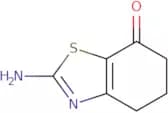
CAS:<p>2-Amino-5,6-dihydro-4H-benzothiazol-7-one is a thiourea that is used as a reactant in the synthesis of brominated compounds. It reacts with ethanol to form 2,5,6-triaminopyrimidine and hydrogen bromide. This reaction occurs in the presence of acid such as hydrochloric acid or acetic acid. The reflux reaction is commonly conducted at elevated temperatures and pressures.</p>Purezza:Min. 95%1-(2-Furyl)-1,3-butanedione
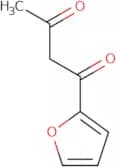
CAS:<p>1-(2-Furyl)-1,3-butanedione is an organic compound with the chemical formula CO. It is a diketone that acts as a metal chelate. The molecule has been shown to have antibacterial properties against gram-negative bacteria and also inhibits the growth of amyloid plaques in Alzheimer's disease. 1-(2-Furyl)-1,3-butanedione binds to the chlorine atom of a bacterial cell wall and prevents it from binding to the amine group on the surface of proteins, which are vital for protein synthesis. This leads to a decrease in bacterial growth. 1-(2-Furyl)-1,3-butanedione can be used as an alternative for chlorine gas in water purification processes because it reacts with HCl and converts it into less toxic hydrogen chloride.</p>Formula:C8H8O3Purezza:Min. 95%Colore e forma:Clear LiquidPeso molecolare:152.15 g/mol1-Boc-pyrrolidine-2,4-dione
CAS:<p>Please enquire for more information about 1-Boc-pyrrolidine-2,4-dione including the price, delivery time and more detailed product information at the technical inquiry form on this page</p>Formula:C9H13NO4Purezza:Min. 95%Peso molecolare:199.2 g/mol1,3-Difluoroacetone
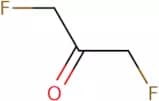
CAS:<p>1,3-Difluoroacetone is a chemical compound that is used for biological studies. It has been shown to have protease activity in biological samples. 1,3-Difluoroacetone has been studied for its potential as an anti-cancer drug and has also been shown to have toxic effects on prostate cancer cells. It has also been found to induce pluripotent stem cells from human fibroblasts and hl-60 cells (a leukemia cell line). The mechanism of action of 1,3-difluoroacetone is not well understood but it seems to be irreversible inhibition of mitochondrial membrane potential.</p>Formula:C3H4F2OPurezza:Min. 95%Peso molecolare:94.06 g/mol3-Methyl-2,4-pentanedione, mixture of tautomers
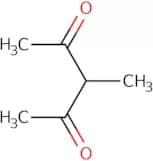
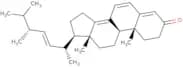
CAS:<p>3-Methyl-2,4-pentanedione is a reactive chemical compound that is used in the preparation of other compounds. It has a ph profile with an acidic character and can be used as a reactant in organic synthesis. 3-Methyl-2,4-pentanedione reacts with hydroxyl groups to form an acid complex or intramolecular hydrogen bond. This reaction has been shown to produce malonic acid and radiation. The nitrogen atoms are also reactive, forming nitrite ions when reacted with hydrochloric acid or nitric acid. 3-Methyl-2,4-pentanedione reacts with methyl ethyl ketone and water vapor to produce hydrochloric acid and nitrous acid.</p>Formula:C6H10O2Purezza:Min. 95%Colore e forma:Clear Colourless To Yellow LiquidPeso molecolare:114.14 g/molErgosta-4,6,8(14),22-tetraen-3-one
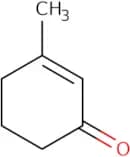
CAS:Prodotto controllato<p>Ergosta-4,6,8(14),22-tetraen-3-one is a fatty acid that occurs naturally in the acetate extract of the kidney of sheep. It has been shown to induce apoptosis in cervical cancer cells and inhibit growth of bacteria by inhibiting energy metabolism. Ergosta-4,6,8(14),22-tetraen-3-one can be used as an antimicrobial agent because it has broad-spectrum activity against bacteria and fungi. This compound also has been found to be effective in treating kidney fibrosis. It has been shown to inhibit tubulointerstitial injury and plasma concentration–time curve by binding to human serum albumin.</p>Formula:C28H40OPurezza:Min. 95%Peso molecolare:392.62 g/mol3-Methylcyclohex-2-en-1-one
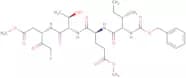
CAS:<p>3-Methylcyclohex-2-en-1-one is a chemical compound that is used in the synthesis of pharmaceuticals, pesticides, and other organic compounds. It has been shown to be effective against Dendroctonus species and other pests. 3-Methylcyclohex-2-en-1-one is synthesized from cyclohexanone by hydrogenation of the double bond at the 3 position. The reaction can be catalyzed by palladium complexes with acid complexing ligands, such as phosphines or amines. The product is then purified by distillation, crystallization, or recrystallization.</p>Formula:C7H10OPurezza:Min. 95%Peso molecolare:110.15 g/molZ-Ile-Glu(OMe)-Thr-DL-Asp(OMe)-fluoromethylketone
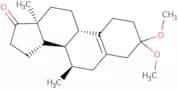
CAS:<p>Z-Ile-Glu(OMe)-Thr-DL-Asp(OMe)-fluoromethylketone is an apoptosis inducer that belongs to the category of small molecules. It has been shown to induce apoptosis in cells by binding to DNA and inhibiting transcription, leading to DNA fragmentation and the activation of caspase-8. Z-Ile-Glu(OMe)-Thr-DL-Asp(OMe)-fluoromethylketone has also been shown to have a synergistic effect on cells when combined with other potent inducers of apoptosis. This drug binds to toll receptors (TLR) and IL2 receptors, which are important for cell signaling pathways.</p>Formula:C30H43FN4O11Purezza:Min. 95%Peso molecolare:654.68 g/mol7α-Methyl-3,3-dimethoxy-5(10)-estrene-17-one
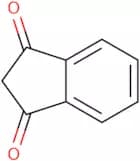
CAS:Prodotto controllato<p>Please enquire for more information about 7alpha-Methyl-3,3-dimethoxy-5(10)-estrene-17-one including the price, delivery time and more detailed product information at the technical inquiry form on this page</p>Formula:C21H32O3Purezza:Min. 95%Colore e forma:PowderPeso molecolare:332.48 g/mol1,3-Indanedione, 70%
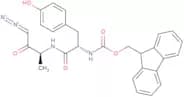
CAS:<p>1,3-Indanedione is a precursor of indane diones that is used in the synthesis of fluorescent molecules. In the presence of light, 1,3-indanedione produces light emission and can be used as a chemiluminescent probe. In the presence of trifluoroacetic acid and copper complex, 1,3-indanedione undergoes intramolecular hydrogen transfer to form an intermediate which reacts with malonic acid to form an alkyl radical. The alkyl radical then reacts with hydrochloric acid to produce an ionic polymerization product. The biological sample is reactive with fatty acids and can be used for the detection of prostate cancer cells.</p>Formula:C9H6O2Purezza:(%) Min. 70%Colore e forma:PowderPeso molecolare:146.14 g/molFmoc-Tyr-Ala-diazomethylketone
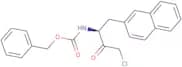
CAS:<p>Please enquire for more information about Fmoc-Tyr-Ala-diazomethylketone including the price, delivery time and more detailed product information at the technical inquiry form on this page</p>Formula:C28H26N4O5Purezza:Min. 95%Peso molecolare:498.53 g/molZ-2-Nal-chloromethylketone
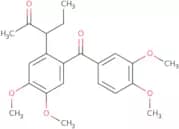
CAS:<p>Please enquire for more information about Z-2-Nal-chloromethylketone including the price, delivery time and more detailed product information at the technical inquiry form on this page</p>Formula:C22H20ClNO3Purezza:Min. 95%Peso molecolare:381.85 g/mol3-(2-(3,4-Dimethoxybenzoyl)-4,5-dimethoxyphenyl)pentan-2-one
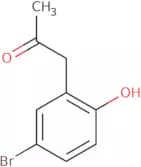
CAS:<p>3-(2-(3,4-Dimethoxybenzoyl)-4,5-dimethoxyphenyl)pentan-2-one is an alkylene that is produced by the reaction of hydrazine with 2,3,4-trimethoxybenzoic acid. This molecule has been shown to have anxiolytic properties in animal studies and hydrolyzes to form ethylene glycol. 3-(2-(3,4-Dimethoxybenzoyl)-4,5-dimethoxyphenyl)pentan-2-one also has a hydrolysis product of tofisopam. Tofisopam is an organic acid that has been used as an antidepressant for the treatment of anxiety disorders.</p>Formula:C22H26O6Purezza:Min. 95%Peso molecolare:386.44 g/mol(5-Bromo-2-hydroxyphenyl)acetone
CAS:<p>5-Bromo-2-hydroxyphenyl)acetone is a chemical that is used as a building block in the synthesis of other compounds. It can be used as a reagent to produce 5-bromo-2,4-dihydroxyphenylacetic acid, which has been shown to have antiinflammatory and analgesic effects. 5-Bromo-2-hydroxyphenyl)acetone is also useful for the synthesis of polymers with applications in electronics and as an intermediate for the production of pharmaceuticals.</p>Formula:C9H9BrO2Purezza:Min. 95%Colore e forma:PowderPeso molecolare:229.07 g/molZ-Val-Asp(OMe)-Val-Ala-DL-Asp(OMe)-fluoromethylketone
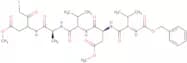
<p>Please enquire for more information about Z-Val-Asp(OMe)-Val-Ala-DL-Asp(OMe)-fluoromethylketone including the price, delivery time and more detailed product information at the technical inquiry form on this page</p>Formula:C32H46FN5O11Purezza:Min. 95%Peso molecolare:695.73 g/molZ-Asp(OMe)-Gln-Met-DL-Asp(OMe)-fluoromethylketone
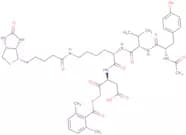
CAS:<p>Z-Asp(OMe)-Gln-Met-DL-Asp(OMe)-fluoromethylketone is a mitochondria-targeting compound that has been shown to have neuroprotective and anti-inflammatory properties. It binds to the ATP synthase in the mitochondrial membrane, inhibiting ATP production and causing cell death by apoptosis. ZAFMK also inhibits kinases such as protein kinase 3β (PK3β) and caspase 9, which are involved in inflammation and apoptosis. ZAFMK has been shown to be effective against various diseases such as multiple sclerosis, Alzheimer's disease, Parkinson's disease, amyotrophic lateral sclerosis, Huntington's disease, and stroke.</p>Formula:C29H40FN5O11SPurezza:Min. 95%Peso molecolare:685.72 g/molAc-Tyr-Val-Lys(biotinyl)-Asp-2,6-dimethylbenzoyloxymethylketone
CAS:<p>Ac-Tyr-Val-Lys(biotinyl)-Asp-2,6-dimethylbenzoyloxymethylketone belongs to a group of active compounds and is a cleavage product of the caspase family. It has been shown to induce apoptosis in kidney cells by cleaving the polymeric form of the protein caspase 3, which is induced by viral infection or bacterial infection. This compound is used for coinfection with HIV and HCV. Ac-Tyr-Val-Lys(biotinyl)-Asp-2,6-dimethylbenzoyloxymethylketone can also be used for detecting apoptosis in other types of cells such as erythrocytes and neutrophils.</p>Formula:C46H63N7O12SPurezza:Min. 95%Peso molecolare:938.1 g/molAc-Asp-Glu-Val-Asp-chloromethylketone trifluoroacetate salt
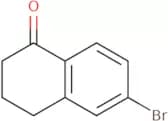
CAS:<p>Ac-Asp-Glu-Val-Asp-chloromethylketone trifluoroacetate salt is a basic protein. It inhibits the neuronal death induced by dopamine and its derivatives, which is caused by overactivation of the mitochondrial membrane potential and release of cytochrome c from mitochondria to cytosol. This compound also inhibits the activation of toll-like receptor 4 (TLR4) and nuclear factor κB (NF-κB) signaling pathways in neuronal cells. Ac-Asp-Glu-Val-Asp-chloromethylketone trifluoroacetate salt has been shown to have antiinflammatory effects when applied topically on skin wounds. The molecule has been used as a model system for studying the molecular mechanism of epidermal growth factor (EGF) activation in hybridoma cell lines and primary cells.</p>Formula:C21H31ClN4O11Purezza:Min. 95%Peso molecolare:550.94 g/mol6-Bromo-tetral-1-one
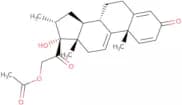
CAS:<p>6-Bromo-tetral-1-one is a chemical compound with a molecular formula of C8H6BrO. It is synthesized by the ring opening of epichlorohydrin with boron trifluoride etherate (BF3OEt2) in pyridine at 0°C, followed by hydrolysis of the resulting epoxide with sodium hydroxide to give tetralin. The synthesis can be carried out on a laboratory scale using high purity chemicals and yields up to 100% conversion of the starting material to tetralin. 6-Bromo-tetral-1-one has been shown to be stable in air, moisture, and light. This product is also nonflammable and produces no toxic byproducts when heated to decomposition.</p>Formula:C10H9BrOPurezza:Min. 95%Peso molecolare:225.08 g/mol17-α,21-Dihydroxy-16-a-methylpregna-1,4,9(11)-triene-3,20-dione 21-acetate
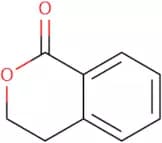
CAS:Prodotto controllato<p>Please enquire for more information about 17-alpha,21-Dihydroxy-16-a-methylpregna-1,4,9(11)-triene-3,20-dione 21-acetate including the price, delivery time and more detailed product information at the technical inquiry form on this page</p>Formula:C24H30O5Purezza:Min. 95%Peso molecolare:398.49 g/molIsochroman-1-one
CAS:<p>Isochroman-1-one is a natural compound that is found in copper chloride acetate extracts of plants. It has been shown to have inhibitory effects on the growth of endophytes and on the fatty acid metabolism of plants. Isochroman-1-one also has antimicrobial activity against human serum and cervical cancer cells. It inhibits the activity of matrix metalloproteinases (MMPs) such as MMP-9, which are enzymes that degrade extracellular matrix proteins in the body. Isochroman-1-one is synthesized from etoac extract, which is obtained from a plant called Eucalyptus tereticornis. The synthesis involves an asymmetric process with a hydroxyl group as one of the reagents.</p>Formula:C9H8O2Purezza:Min. 95%Peso molecolare:148.16 g/molFluorescein-6-carbonyl-Tyr-Val-Ala-DL-Asp(OMe)-fluoromethylketone
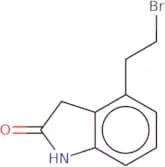
CAS:<p>Please enquire for more information about Fluorescein-6-carbonyl-Tyr-Val-Ala-DL-Asp(OMe)-fluoromethylketone including the price, delivery time and more detailed product information at the technical inquiry form on this page</p>Formula:C45H50FN5O15Purezza:Min. 95%Peso molecolare:919.9 g/mol4-(2-Bromoethyl)-1,3-dihydro-2H-indolin-2-one
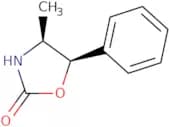
CAS:<p>Please enquire for more information about 4-(2-Bromoethyl)-1,3-dihydro-2H-indolin-2-one including the price, delivery time and more detailed product information at the technical inquiry form on this page</p>Formula:C10H10BrNOPurezza:Min. 95%Colore e forma:PowderPeso molecolare:240.1 g/mol(4S,5R)-4-Methyl-5-phenyloxazolidin-2-one
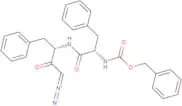
CAS:<p>(4S,5R)-4-Methyl-5-phenyloxazolidin-2-one is an amide that is prepared by the reaction of piperidine and benzyl chloride. It is a chiral compound with (4S,5R) configuration and has a basic hydrolysis. The compound was optimized for its synthesis by using different solvents. This amide has been used in the transfer of methyl groups to different substrates. It also has been used in asymmetric synthesis as a chiral auxiliary for the preparation of enantiopure sulfinyl compounds.</p>Formula:C10H11NO2Purezza:Min. 95%Peso molecolare:177.2 g/molZ-Phe-Phe-diazomethylketone
CAS:<p>Z-Phe-Phe-diazomethylketone is a cathepsin inhibitor that has been shown to inhibit the proteolytic activity of various enzymes, including serine proteases and thrombotic thrombocytopenic. This compound inhibits the growth of Leishmania parasites in cell culture and has been shown to have a high affinity for carboxy terminal and proximal tubules. Z-Phe-Phe-diazomethylketone has a neutral pH, with an optimum at 7.0, which may be due to its ability to bind to proteins or other components of cells without affecting their functions.</p>Formula:C27H26N4O4Purezza:Min. 95%Peso molecolare:470.52 g/mol3-Methyldihydrofuran-2,5-dione
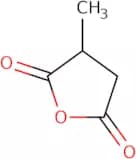
CAS:<p>3-Methyldihydrofuran-2,5-dione is a diterpenoid alkaloid found in the plant Dictamnus albus. This compound has been shown to have metal chelating properties and can be used as an asymmetric synthesis intermediate. 3-Methyldihydrofuran-2,5-dione reacts with diazonium salt to form a high resistance molecule that is highly reactive. This chemical reacts with hydroxyl groups, amide groups, or methyl ethyl groups. The structure of this compound consists of nitrogen atoms and anhydride bonds. 3-Methyldihydrofuran-2,5-dione has been shown to exhibit electrochemical impedance spectroscopy (EIS) characteristics similar to those of other molecules that are known to be reactive.</p>Formula:C5H6O3Purezza:Min. 95%Peso molecolare:114.1 g/molZ-Leu-Tyr-chloromethylketone
CAS:<p>Z-Leu-Tyr-chloromethylketone is a peptide that binds to the reticulum and prevents the release of calcium ions. It is a chloromethyl ketone, which inhibits the L-type calcium channels in cells. Z-Leu-Tyr-chloromethylketone has been shown to block the influx of calcium ions into cytosolic compartments. This process leads to inhibition of protein synthesis and cell death by apoptosis.</p>Formula:C24H29ClN2O5Purezza:Min. 95%Peso molecolare:460.95 g/mol


![3,6-Bis([1,1'-biphenyl]-4-yl)-2,5-dihydropyrrolo[3,4-c]pyrrole-1,4-dione](/_next/image/?url=https%3A%2Fstatic.cymitquimica.com%2Fproducts%2F3D%2Fthumb-webp%2FFB151935.webp&w=3840&q=75)