Amidi
Trovati 16483 prodotti di "Amidi"
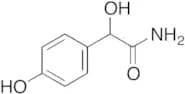
p-Hydroxymandelamide
CAS:Prodotto controllatoApplications p-Hydroxymandelamide is a useful synthetic intermediate in the synthesis of Hydroxyatenolol (H802480); a metabolite of Atenolol (A790075) which is a cardioselective β-adrenergic blocker, antihypertensive, antianginal, and antiarrhythmic (class II).
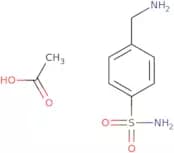
References Escher, B., et al.: Environ. Sci. Technol., 40, 7402 (2006); Caplar, V., et al.: Anal. Profiles Drug Subs., 13, 1 (1984)Formula:C8H9NO3Colore e forma:NeatPeso molecolare:167.164-(Aminomethyl)benzenesulfonamide acetate
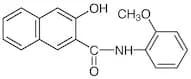
CAS:Prodotto controllato4-(Aminomethyl)benzenesulfonamide acetate is a biocompatible polymer that is used in the treatment of infectious diseases. It has antibacterial efficacy against a range of microorganisms, including methicillin-resistant Staphylococcus aureus and Pseudomonas aeruginosa. This polymer binds to sulfadiazine and antimicrobial peptides, which then act as antimicrobial agents. 4-(Aminomethyl)benzenesulfonamide acetate also exhibits good chemical stability in vivo and has been shown to inhibit the growth of skin cells.Formula:C9H14N2O4SPurezza:Min. 95%Colore e forma:PowderPeso molecolare:246.28 g/mol3-Hydroxy-2'-methoxy-2-naphthanilide
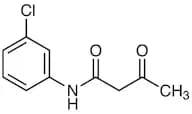
CAS:Formula:C18H15NO3Purezza:>98.0%(T)(HPLC)Colore e forma:White to Amber powder to crystalPeso molecolare:293.32N-(3-Chlorophenyl)-3-oxobutyramide
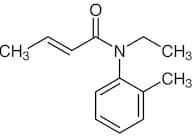
CAS:Formula:C10H10ClNO2Purezza:>96.0%(T)(HPLC)Colore e forma:White to Orange to Green powder to crystalPeso molecolare:211.65N-Ethyl-o-crotonotoluidide
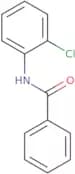
CAS:Formula:C13H17NOPurezza:>95.0%(GC)Colore e forma:Colorless to Light yellow to Light orange clear liquidPeso molecolare:203.29N-(2-Chlorophenyl)benzamide
CAS:N-(2-Chlorophenyl)benzamide is a phenanthridone that reacts with chlorides in the presence of anilines to form singlet carbonyls. The photocyclization of these carbonyls yields an electron-deficient product that can be converted to a reactive electrophile by the addition of chlorine. This electrophilic species reacts with electron-rich aromatic compounds, such as phenols and benzene, to produce substitution products. The reaction rate for this process is dependent on the isotope effect, which is the change in reactivity due to changes in the mass number of atoms. The use of deuterium chloride instead of hydrogen chloride provides a kinetic isotope effect, which enhances the reaction rate.
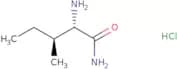
Formula:C13H10ClNOPurezza:Min. 95%Peso molecolare:231.68 g/molL-Isoleucine amide hydrochloride
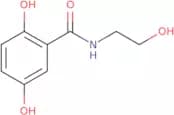
CAS:L-Isoleucine amide hydrochloride is a high quality reagent that is useful as an intermediate, fine chemical or speciality chemical. It can be used to synthesize compounds with a wide range of properties and uses. L-Isoleucine amide hydrochloride can be used in research for the development of new drugs or other chemicals. The versatility of this reagent makes it a useful building block for reactions involving amino acids, peptides, nucleosides, and carbohydrates.Formula:C6H14N2O·HClPurezza:Min. 95%Colore e forma:White PowderPeso molecolare:166.65 g/mol2,5-Dihydroxy-N-(2-hydroxyethyl)benzamide
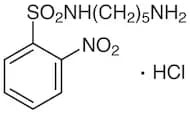
CAS:Sodium citrate is a specific antibody that is used in the treatment of inflammatory bowel disease, such as Crohn's disease. It may be effective in the prevention and treatment of infectious diseases, such as HIV and hepatitis C. Sodium citrate has been shown to be an analog of sodium bicarbonate, which can be used for the prevention and treatment of acid complex diseases. The drug also has anti-inflammatory properties, which can help with symptoms associated with bowel disease or other inflammatory conditions. It is available for intravenous injection as a sterile solution containing benzalkonium chloride and water for injection.Formula:C9H11NO4Purezza:Min. 95%Colore e forma:PowderPeso molecolare:197.19 g/molN-(5-Aminopentyl)-2-nitrobenzenesulfonamide Hydrochloride
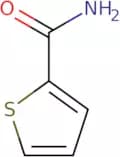
CAS:Formula:C11H17N3O4S·HClPurezza:>98.0%(T)Colore e forma:Light orange to Yellow to Green powder to crystalPeso molecolare:323.79Thiophene-2-carboxamide
CAS:Thiophene-2-carboxamide is a synthetic chemical that is an inhibitor of the efflux pump, receptor activity, and recombinant cytochrome p450. It has been shown to be effective against colorectal carcinoma cells in vitro and in vivo. Thiophene-2-carboxamide also inhibits the mitochondrial membrane potential and hydrogen bond formation. This compound has potent inhibitory activity for the enzyme synthetase, which may be a potential drug target for cancer treatment. Nitrogen atoms are present in this molecule.
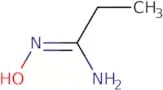
Formula:C5H5NOSPurezza:Min. 95%Colore e forma:White PowderPeso molecolare:127.17 g/mol(1Z)-N'-Hydroxypropanimidamide
CAS:1-Z-N'-Hydroxypropanimidamide is a novel anion that has been shown to inhibit the proliferation of human cancer cells. It binds to the cholinergic receptor subtype and inhibits the uptake of acetylcholine, which leads to a reduction in the production of nitric oxide. 1-Z-N'-Hydoxypropanimidamide also inhibits the growth of Mycobacterium tuberculosis and possesses antimycobacterial activity. This compound is a ligand that binds bidentate to both DNA and RNA molecules and inhibits chemokine signaling.
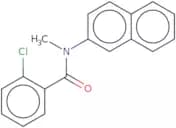
Formula:C3H8N2OPurezza:Min. 95%Colore e forma:White PowderPeso molecolare:88.11 g/molN-Methyl-N-(1-naphthyl)-1-chlorobenzamide
CAS:N-Methyl-N-(1-naphthyl)-1-chlorobenzamide is a versatile and useful chemical that can be used in the preparation of many different compounds. It is a reaction component and reagent, as well as a useful scaffold for the synthesis of many different compounds. It has high quality and is used in research chemicals. N-Methyl-N-(1-naphthyl)-1-chlorobenzamide has CAS No. 74881-60-0 and is a speciality chemical. It can also be used as a versatile building block or intermediates for the synthesis of more complex compounds.Formula:C18H14ClNOPurezza:Min. 95%Peso molecolare:295.76 g/molSulfamide
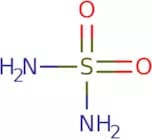
CAS:Sulfamide is a pharmacological agent that inhibits the growth of bacteria. Sulfamide has been shown to be reactive with hydrogen fluoride, which may result in the formation of sulfamoyl chloride. This reactive form of sulfamide may react with other compounds and cause unwanted side-effects.
Sulfamides are used for the treatment of infectious diseases such as pneumonia and urinary tract infections, as well as for the treatment of other conditions like congestive heart failure and rheumatoid arthritis. They work by inhibiting enzymes necessary for bacterial growth, including target enzymes such as dihydropteroate synthase, which is involved in folate synthesis. Sulfamides also have inhibitory properties on human osteosarcoma cell proliferation.Formula:H4N2O2SPurezza:Min. 99%Colore e forma:White PowderPeso molecolare:96.11 g/molErucamide
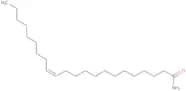
CAS:Erucamide is a fatty acid amide that is a natural compound and part of the biochemical composition of microbial organisms. Erucamide has been shown to have antimicrobial activity against Gram-positive bacteria but not against Gram-negative bacteria. The mechanism by which erucamide kills bacteria is unknown, but it may be due to its hemolytic activity or its ability to inhibit protein synthesis. Erucamide is resistant to hydrolysis by trifluoroacetic acid and glycol ester, which makes it difficult for microbes to metabolize it.Formula:C22H43NOPurezza:Min. 95%Colore e forma:PowderPeso molecolare:337.58 g/mol2-Iodo-N-methyl-N-p-tolylbenzamide
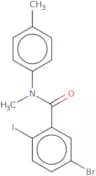
CAS:2-Iodo-N-methyl-N-p-tolylbenzamide is a fine chemical that has the CAS No. 1387529-49-8 and is a versatile building block with a wide range of applications, including research chemicals, reaction components and speciality chemicals. 2-Iodo-N-methyl-N-p-tolylbenzamide is soluble in organic solvents such as ethers, chloroform and benzene, while insoluble in water. It has been shown to be a useful intermediate for the synthesis of complex compounds and can be used as a reagent to prepare other compounds. 2Iodo-Nmethyl--Np--tolylbenzamide has been shown to have high quality and is an excellent building block for synthesizing pharmaceuticals.
Formula:C15H13BrINOPurezza:Min. 95%Peso molecolare:430.08 g/mol(1E)-N',2-Dihydroxyethanimidamide
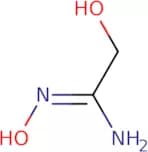
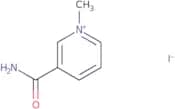
CAS:(1E)-N',2-Dihydroxyethanimidamide (DHEEA) is a versatile building block in organic synthesis. It is an important intermediate in the synthesis of various drugs, such as metoprolol, amlodipine, and clomiphene. DHEEA is also used as a reagent in organic chemistry for the preparation of other compounds and as a research chemical. The compound has CAS No. 73728-45-7 and can be purchased from chemical suppliers or synthesized by reacting formaldehyde with ethanolamine.Formula:C2H6N2O2Purezza:Min. 95%Colore e forma:White/Off-White SolidPeso molecolare:90.08 g/mol1-Methyl-nicotinamide iodide
CAS:1-Methyl-nicotinamide iodide is a drug that has been used in clinical trials for the treatment of type 2 diabetes mellitus. It is thought to work by increasing the sensitivity of cells to insulin, which may be related to its ability to bind to protein amide groups and form hydrogen bonds with the amino acid side chains. The compound also has been shown to increase the activity of the enzyme glycogen synthase in rats. 1-Methyl-nicotinamide iodide is soluble in water and human serum, and shows low solubility in ethanol. It has not been studied in humans, but animal studies have shown that it can be absorbed orally and metabolized into hippuric acid, which is excreted as a metabolic product through urine. Animal studies also showed that 1-methyl-nicotinamide iodide inhibits glucose production by pancreatic beta cells, which may lead to an increased insulin response after eating.
Formula:C7H9IN2OPurezza:Min. 95%Colore e forma:Off-White PowderPeso molecolare:264.06 g/mol4-Chloro-3-pyridinesulfonamide
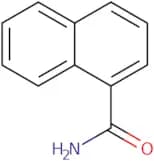
CAS:4-Chloro-3-pyridinesulfonamide is an antibacterial sulfonamide that inhibits the enzyme carbonic anhydrase. It has been shown to inhibit the growth of cancer cells in vitro and in vivo. The anticancer effect may be due to its ability to block the growth of cancer cells by interfering with DNA synthesis and inducing apoptosis, which causes cell death. 4-Chloro-3-pyridinesulfonamide also inhibits tuberculosis and tuberculostatic activity may be due to its inhibition of mycobacterium tuberculosis ribosomes. 4-Chloro-3-pyridinesulfonamide binds to the active site of bacterial anhydrase as well as human carbonic anhydrase II, blocking the conversion of CO2 into bicarbonate ions, which leads to a decrease in pH. This drug also binds to DNA and RNA, inhibiting DNA synthesis and RNA synthesis respectively, leading to cellFormula:C5H5ClN2O2SPurezza:Min. 95%Colore e forma:SolidPeso molecolare:192.62 g/molalpha-Naphthamide
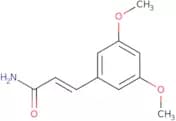
CAS:Alpha-naphthamide is a high-resistance antimicrobial agent that belongs to the group of benzalkonium chloride. It is used in disinfectant products and has been shown to be effective against invertebrates such as mosquitoes and leeches. Alpha-naphthamide binds to the dinucleotide phosphate and inhibits enzyme activities by acting as an alkylsulfonyl and cytosolic Ca2+ inhibitor, leading to cell death. Alpha-naphthamide has also been shown to inhibit multidrug efflux pump activity in bacterial cells, which may be due to its structural similarity with c1-c6.Formula:C11H9NOPurezza:Min. 95%Colore e forma:SolidPeso molecolare:171.2 g/mol3,5-Dimethoxycinnamide
CAS:3,5-Dimethoxycinnamide is a compound that has been shown to inhibit the C1-4 alkoxy and C1-4 alkyl esterase activity of the enzyme secretase. This enzyme is involved in the production of amyloid beta peptides and is thought to be an important contributor to Alzheimer's Disease. 3,5-Dimethoxycinnamide also inhibits the aspartyl protease activity of aspartyl proteases, which are enzymes that may play a role in Alzheimer's disease. 3,5-Dimethoxycinnamide binds to the hydrophobic region of these enzymes and prevents them from binding to their substrates. The affinity of this compound for these enzymes precludes its ability to bind with other proteins in the brain, thereby reducing its potential toxicity. 3,5-Dimethoxycinnamide can be labeled with halogeno groups or other chemical moieties for profiling purposes.Formula:C11H13NO3Purezza:Min. 95%Peso molecolare:207.23 g/mol