Acidi carbossilici
Trovati 12454 prodotti di "Acidi carbossilici"
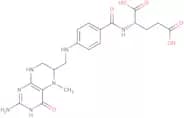
N-Methyltetrahydrofolic acid
CAS:N-Methyltetrahydrofolic acid is a form of folic acid, which is an important vitamin for the production of red blood cells and the prevention of neural tube defects. It can be found in food such as leafy vegetables, whole grains, and citrus fruits. N-Methyltetrahydrofolic acid is important for DNA synthesis and energy metabolism. It also has been shown to exert antioxidant effects in human serum.
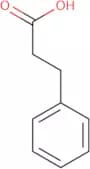
Formula:C20H25N7O6Purezza:Min. 97.5 Area-%Colore e forma:White PowderPeso molecolare:459.46 g/molHydrocinnamic acid
CAS:Hydrocinnamic acid is an inhibitor of the enzyme carboxyl ester lipase. It is used to treat inflammatory bowel disease and autoimmune diseases, such as Crohn's disease. Hydrocinnamic acid has also been shown to inhibit the production of inflammatory mediators, such as prostaglandins, leukotrienes, and cytokines. This anti-inflammatory effect may be related to its ability to inhibit the activity of lipoxygenases and cyclooxygenases. Hydrocinnamic acid has also been shown to act as a broad-spectrum antimicrobial agent against bacteria, fungi, and viruses.
Formula:C9H10O2Purezza:Min. 95%Colore e forma:PowderPeso molecolare:150.17 g/molRef: 3D-FH23881
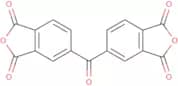
Prodotto fuori produzione3,3',4,4'-Benzophenonetetracarboxylic dianhydride
CAS:3,3',4,4'-Benzophenonetetracarboxylic dianhydride (BPTA) is a reactive dianhydride that contains a hydroxyl group and is a nitrogen-containing compound. It has good transport properties and chemical stability. It can be used to synthesize polyimides with high resistance, color, and thermal expansion. BPTA is used as the starting material for the synthesis of diphenyl ethers. In addition, it can be used to produce polymers with good thermal stability by reacting it with diphenylmethane diisocyanate. The reaction mechanism of BPTA is similar to that of benzophenone tetracarboxylic acid (BPTCA).Formula:C17H6O7Purezza:Min. 95%Colore e forma:PowderPeso molecolare:322.23 g/molRef: 3D-FB62713
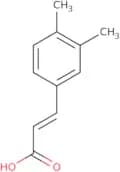
Prodotto fuori produzione3,4-Dimethylcinnamic acid
CAS:3,4-Dimethylcinnamic acid is a plant-derived compound that has been shown to have anti-inflammatory properties. It inhibits the production of prostaglandins by inhibiting cyclooxygenase activity and reducing the production of pro-inflammatory eicosanoids. 3,4-Dimethylcinnamic acid also blocks the synthesis of leukotrienes and thromboxanes, which are involved in inflammation as well as allergic reactions and asthma. 3,4-Dimethylcinnamic acid is used to treat skin conditions such as psoriasis, eczema, or dermatitis. This compound can be obtained from plants like Dracaena fragrans (also known as Madagascar dragon tree) or ethnomedicine sources such as the African shrub Anthranilic acid. 3,4-Dimethylcinnamic acid can be synthesized by cross coupling with alkyl halides, ultraviolet irradiation of anthranils with uv
Formula:C11H12O2Purezza:Min. 95%Colore e forma:White Off-White PowderPeso molecolare:176.21 g/molRef: 3D-FD66828
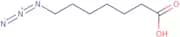
Prodotto fuori produzione7-Azido-heptanoic acid
CAS:7-Azido-heptanoic acid is an analog of the heptanoyl group. It has been shown to inhibit cancer cell growth and induce apoptosis in a variety of human tumor cells. This compound is used for the selective activation of anticancer drugs, as well as for the prevention of photodynamic damage to healthy tissue. 7-Azido-heptanoic acid can be conjugated with biomolecules such as proteins or peptides to form a bifunctional molecule that can function both as an acceptor and a donor. It also binds to streptavidin, which has been shown to have anticancer activity in mice.
Formula:C7H13N3O2Purezza:Min. 95%Colore e forma:Colorless Clear LiquidPeso molecolare:171.2 g/molRef: 3D-FA73090
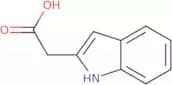
Prodotto fuori produzioneIndole-2-acetic acid
CAS:Indole-2-acetic acid is a coumarin derivative that is found in plants and is used as a dietary supplement. It has been shown to have an inhibitory effect on photosynthetic activity and the growth of bacteria, fungi, and protozoa. Indole-2-acetic acid can be produced by chemical reactions involving aromatic hydrocarbons such as benzene or dioxane. It also inhibits the production of insulin in vivo and has been shown to reduce insulin resistance in rats.
Formula:C10H9NO2Purezza:Min. 95%Colore e forma:PowderPeso molecolare:175.18 g/molRef: 3D-FI140750
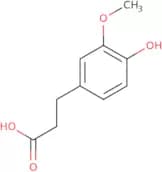
Prodotto fuori produzioneDihydroferulic acid
CAS:Dihydroferulic acid is a natural compound that is found in both plants and animals. It is an intermediate in the metabolism of ferulic acid, which is found in plants. Dihydroferulic acid has been shown to have a redox potential similar to p-hydroxybenzoic acid, which may be due to dihydroferulic acid's ability to reduce hydrogen peroxide. Dihydroferulic acid has also been shown to increase production of neurotrophic factors and stimulate polymerase chain reaction activity. Dihydroferulic acid has been shown to have biological properties that are related to its antioxidant activity, such as its ability to inhibit lipid peroxidation and scavenge hydroxyl radicals.
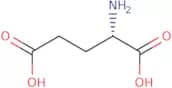
Formula:C10H12O4Purezza:Min. 95%Colore e forma:Slightly Yellow PowderPeso molecolare:196.2 g/molL-Glutamic acid
CAS:Amino acid; neurotransmitter; flavor enhancer
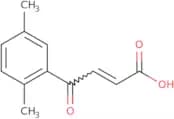
Formula:C5H9NO4Colore e forma:Off-White Clear LiquidPeso molecolare:147.13 g/mol3-(2,5-Dimethylbenzoyl)-acrylic acid
CAS:3-(2,5-Dimethylbenzoyl)-acrylic acid is a reactive component and reagent that is used in the synthesis of molecular building blocks. It can also be used as a versatile building block for complex compounds, such as pharmaceutical intermediates. 3-(2,5-Dimethylbenzoyl)-acrylic acid has a CAS number of 15254-22-5. This chemical is considered to be high quality and is useful in research laboratories and speciality chemical suppliers.
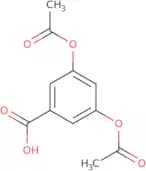
Formula:C12H12O3Purezza:Min. 95%Peso molecolare:204.22 g/mol3,5-Diacetoxybenzoic acid
CAS:3,5-Diacetoxybenzoic Acid is a monomer that belongs to the group of amides. It has been shown to have an inhibitory effect on the cross-linking reaction of amide bonds with UV irradiation. This monomer copolymerizes with acrylic acid and acrylamide to form stable emulsions with good surface properties. 3,5-Diacetoxybenzoic Acid is used as a co-monomer for trifunctional chloroformates in order to synthesize polymers with diameters of less than 100 nm. The polymerization temperature and morphology are dependent on the concentration of 3,5-Diacetoxybenzoic Acid. Matrix-assisted laser desorption/ionization (MALDI) has been used to characterize the polymerized 3,5-Diacetoxybenzoic Acid.
Formula:C11H10O6Purezza:Min. 95%Peso molecolare:238.19 g/molThiophene-2-glyoxylic acid
CAS:Thiophene-2-glyoxylic acid is a reactive metabolite of thiophene that is formed from the environmental degradation of this compound. Thiophene-2-glyoxylic acid reacts with halides to form an electrophilic intermediate. This intermediate can react with a variety of nucleophiles, including the drug metabolites, leading to the formation of new compounds. Thiophene-2-glyoxylic acid has been shown to enhance the fluorescence properties of some organic compounds. It also has been shown to inhibit the metabolism of some drugs that are conjugated with acids and can be detected in plasma by mass spectrometry.
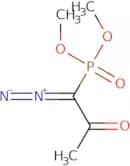
Formula:C6H4O3SPurezza:Min. 95%Colore e forma:PowderPeso molecolare:156.16 g/mol1-Diazoacetonylphosphonic acid dimethyl ester
CAS:1-Diazoacetonylphosphonic acid dimethyl ester is an antimicrobial agent that has been shown to be active against Candida species and other fungi. The compound was synthesized using a modified Ugi four-component reaction, which enabled the preparation of a single asymmetric synthesis. This process also generated a new bioactive molecule, 1-aminoacetonylphosphonic acid, in high yield and with excellent enantioselectivity.
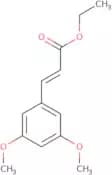
Formula:C5H9N2O4PPurezza:Min. 95%Colore e forma:PowderPeso molecolare:192.11 g/mol3,5-Dimethoxycinnamic acid methyl ester
CAS:Please enquire for more information about 3,5-Dimethoxycinnamic acid methyl ester including the price, delivery time and more detailed product information at the technical inquiry form on this pageFormula:C12H14O4Purezza:Min. 95%Peso molecolare:222.24 g/molRef: 3D-FD67492
Prodotto fuori produzione(Des-Gly10,D-Tyr5,D-Trp6,Pro-NHEt 9)-LHRH trifluoroacetate salt
CAS:Please enquire for more information about (Des-Gly10,D-Tyr5,D-Trp6,Pro-NHEt 9)-LHRH trifluoroacetate salt including the price, delivery time and more detailed product information at the technical inquiry form on this page
Formula:C64H83N17O12Purezza:Min. 95%Colore e forma:PowderPeso molecolare:1,282.45 g/molRef: 3D-FD109428
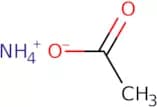
Prodotto fuori produzioneAmmonium acetate
CAS:Ammonium acetate is a salt that is used in the laboratory to synthesize ubiquitin ligases. It has been shown to have receptor activity and can be used to study the interaction between ammonium ions and sodium citrate. Ammonium acetate is a chemical reagent that is used to synthesize ubiquitin ligases, which are proteins that are involved in the degradation of other proteins. Ammonium acetate can also be used as an experimental model for myocardial infarct. The reaction between ammonium and water vapor yields ammonia gas, which can be analyzed with electrochemical impedance spectroscopy (EIS). A solution of ammonium acetate and palladium on zirconium oxide is suitable for coupling reactions, such as amination reactions. This compound has been used as an analytical method for the structural analysis of organic compounds.
Formula:C2H7NO2Colore e forma:White Clear LiquidPeso molecolare:77.08 g/molRef: 3D-FA33124
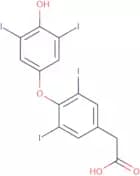
Prodotto fuori produzione3,5,3',5'-Tetraiodothyroacetic acid
CAS:3,5,3',5'-Tetraiodothyroacetic acid (T4) is a thyroid hormone that can be found in the blood and has been shown to have angiogenic properties. T4 has been shown to bind to integrin receptors on endothelial cells and stimulate the proliferation of these cells. This hormone also has pro-apoptotic activity, inducing programmed cell death in cancer cells. T4 is used as a model system for studying the molecular pathogenesis of thyroid cancer. T4 is also able to inhibit DNA polymerase activity, which may be responsible for its ability to inhibit tumor growth.
Formula:C14H8I4O4Purezza:Min. 95%Colore e forma:White PowderPeso molecolare:747.83 g/molIralukast Na
CAS:Iralukast Na is a leukotriene receptor antagonist that prevents bronchoconstrictor response. It binds to the cystic fibrosis transmembrane conductance regulator (CFTR) and blocks the binding of leukotrienes, which are potent bronchoconstrictors. Iralukast Na also blocks the activity of inflammatory cells and reduces bowel inflammation. Iralukast Na has been shown to be effective in treating asthma, inflammatory bowel disease, and other autoimmune diseases.
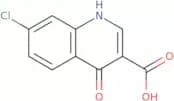
Formula:C38H36F3NaO8SPurezza:Min. 95%Peso molecolare:732.198077-Chloro-4-hydroxyquinoline-3-carboxylic acid
CAS:7-Chloro-4-hydroxyquinoline-3-carboxylic acid is a chemical compound that has antioxidative activity and is used in the production of various organic substances. It is synthesized by reacting ammonium nitrate with a hydroxy group, an organic solvent, and phenoxy. The resulting product can be heated to form 7-chloro-4-hydroxyquinoline, which undergoes a series of reactions to produce 7-chloro-4-(2,2,2,-trichloroethoxy)quinoline. This reaction system produces a quinoline derivative that has been shown to be expressed at high levels in phosphatidylcholine (PC) and alpha-tocopherol (a vitamin E derivative). The final product is then purified by triethyl orthoformate (TEO), which removes the sulfoxide group.
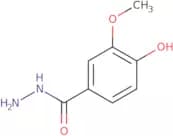
Formula:C10H6ClNO3Purezza:Min. 95%Colore e forma:PowderPeso molecolare:223.61 g/molVanillic acid hydrazide
CAS:Vanillic acid hydrazide is a multinuclear compound with condensation products. It has been shown to have antibacterial, anticancer and skeleton-related properties. Vanillic acid hydrazide is able to bind to the 4-hydroxybenzoic acid and introduce it into the cell in order to inhibit the synthesis of fatty acids. This compound also inhibits the growth of cancer cells by preventing their proliferation and proliferation by binding to DNA. Vanillic acid hydrazide may also bind to fatty acids on cell membranes, which would lead to a decrease in membrane fluidity and increase in membrane permeability, leading to cell death.
Formula:C8H10N2O3Purezza:Min. 95%Colore e forma:PowderPeso molecolare:182.18 g/molRef: 3D-FV67106
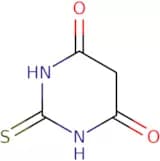
Prodotto fuori produzione2-Thiobarbituric acid
CAS:Prodotto controllato2-Thiobarbituric acid is a natural compound found in the blood of pregnant women. It is also present in atherosclerotic lesions and has been shown to have an anti-inflammatory effect. 2-Thiobarbituric acid inhibits nitrate reductase, an enzyme that is responsible for the reduction of nitrates to nitrites, which are then converted to nitric oxide by another enzyme called nitric oxide synthase. Nitric oxide is a signaling molecule that regulates inflammation and plays an important role in the immune system. 2-Thiobarbituric acid intercalates with DNA, inhibiting transcription and replication. It has been shown to be active against Bacillus cereus, Escherichia coli, Klebsiella pneumoniae, Staphylococcus aureus, Streptococcus pyogenes (group A streptococci), and Vibrio cholerae (cholera).
Formula:C4H4N2O2SColore e forma:White Yellow PowderPeso molecolare:144.15 g/mol