Aldeidi
Gli aldeidi sono composti organici che contengono un gruppo carbonilico (C=O) legato ad almeno un atomo di idrogeno. Questi composti versatili sono fondamentali in varie reazioni chimiche, tra cui ossidazione, riduzione e addizione nucleofila. Gli aldeidi sono building blocks essenziali nella sintesi di prodotti farmaceutici, fragranze e polimeri. Presso CymitQuimica, offriamo una vasta selezione di aldeidi di alta qualità per supportare le vostre applicazioni di ricerca e industriali.
Trovati 8551 prodotti di "Aldeidi"
Ordinare per
Purezza (%)
0
100
|
0
|
50
|
90
|
95
|
100
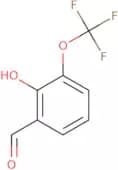
2-Hydroxy-3-(Trifluoromethoxy)Benzaldehyde
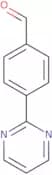
CAS:<p>2-Hydroxy-3-(trifluoromethoxy)benzaldehyde is a coordination compound that is used as a ligand. It has two-dimensional and crystal structures. The ligated molecule is usually coordinated to the metal ion, forming a dimer.</p>Formula:C8H5F3O3Purezza:Min. 95%Peso molecolare:206.12 g/mol4-(Pyrimidin-2-yl)benzaldehyde
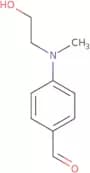
CAS:<p>Please enquire for more information about 4-(Pyrimidin-2-yl)benzaldehyde including the price, delivery time and more detailed product information at the technical inquiry form on this page</p>Formula:C11H8N2OPurezza:Min. 95%Colore e forma:PowderPeso molecolare:184.19 g/molN-Methyl-N-hydroxyethyl-4-aminobenzaldehyde
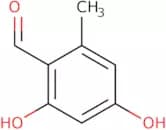
CAS:<p>N-Methyl-N-hydroxyethyl-4-aminobenzaldehyde (NHABA) is a bathochromic molecule that absorbs light at wavelengths of 400 to 500 nm. It is reactive and reacts with metal cations to form chromophores. NHABA has been shown to be a fluorescent probe for the detection of tyrosinase and autophagy in human serum. It also has inhibitory properties against tyrosinase, which may be due to its ability to inhibit the formation of melanin. NHABA is used as an analytical chemistry reagent for the determination of ammonia, nitrite, and nitrate ions in water samples. This molecule can also be used as a chemosensor for the detection of phenolic compounds in water samples.</p>Formula:C10H13NO2Purezza:Min. 95%Peso molecolare:179.22 g/mol2,4-Dihydroxy-6-methylbenzaldehyde
CAS:<p>2,4-Dihydroxy-6-methylbenzaldehyde is a chemical that is found naturally in a variety of plants. It has been shown to have immunomodulatory and anti-inflammatory effects in vitro and in vivo. 2,4-Dihydroxy-6-methylbenzaldehyde has been shown to reduce the production of inflammatory molecules such as tumor necrosis factor alpha (TNFα) and interleukin 12 (IL-12) by inhibiting the activation of microglia cells. This compound also inhibits LPS induced inflammatory response in human carcinoma cells. 2,4-Dihydroxy-6 methylbenzaldehyde is currently undergoing clinical trials for its potential use in regenerative medicine.</p>Formula:C8H8O3Purezza:Min. 95%Peso molecolare:152.15 g/molTrifluoroacetaldehyde methyl hemiacetal
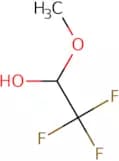
CAS:<p>Trifluoroacetaldehyde methyl hemiacetal is a chemical compound that inhibits protein synthesis by binding to the ribosomal RNA in microsomes isolated from rat liver. Trifluoroacetaldehyde methyl hemiacetal has been shown to be a bifunctional inhibitor of progesterone receptor, which is an important component of the cell membrane and has been implicated in cancer and bone resorption. Trifluoroacetaldehyde methyl hemiacetal is also effective at inhibiting desflurane-induced anesthesia in rats.</p>Formula:C3H5F3O2Purezza:Min. 95%Colore e forma:Clear LiquidPeso molecolare:130.07 g/mol3-(Trifluoromethyl)benzaldehyde
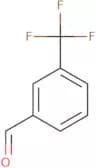
CAS:<p>3-(Trifluoromethyl)benzaldehyde is an organic compound that has the chemical formula C8H7FO. It is a trifunctional molecule with three phenolic hydroxyl groups, which makes it a good candidate for drug design. 3-(Trifluoromethyl)benzaldehyde can be synthesized by reacting an imine with a chiral acid chloride in the presence of a base and a catalytic amount of DMAP. The reaction yield is low, but this synthetic method is efficient. 3-(Trifluoromethyl)benzaldehyde has been shown to inhibit the growth of Mycobacterium avium, but not Mycobacterium tuberculosis or other bacteria such as Listeria monocytogenes and Escherichia coli. This might be due to its ability to inhibit protein synthesis by binding to ribosomes. This compound also possesses anti-inflammatory properties and inhibits leukemia Hl-</p>Formula:C8H5F3OPurezza:Min. 95%Colore e forma:Clear LiquidPeso molecolare:174.12 g/mol1-(3-Methoxybenzyl)-1H-indole-3-carbaldehyde
CAS:Prodotto controllato<p>Please enquire for more information about 1-(3-Methoxybenzyl)-1H-indole-3-carbaldehyde including the price, delivery time and more detailed product information at the technical inquiry form on this page</p>Formula:C17H15NO2Purezza:Min. 95%Peso molecolare:265.31 g/molParaformaldehyde
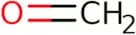
CAS:<p>Paraformaldehyde is a carcinogenic substance that belongs to the family of heterocyclic compounds. It reacts with water vapor in the air to form formaldehyde, which is responsible for its fluorescence properties. Paraformaldehyde has been used as a probe for DNA and RNA and can be used as an indicator for nonsteroidal anti-inflammatory drugs. The reaction mechanism of paraformaldehyde is not well understood and it has been shown that it reacts with p-hydroxybenzoic acid, polymerase chain, and water vapor. This compound can be found in soybean extract or fetal bovine serum. Paraformaldehyde is usually detected using a plate test or analytical methods such as high performance liquid chromatography (HPLC).</p>Formula:(CH2O)nPurezza:90%MinColore e forma:White Clear Liquid1-Allyl-1H-benzimidazole-2-carbaldehyde
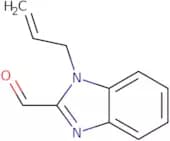
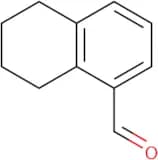
CAS:<p>1-Allyl-1H-benzimidazole-2-carbaldehyde is a dipolar compound that can be synthesized from the reaction of 1,3-diphenylazomethine and allyl bromide. It is an orange solid that has been shown to form cycloadducts with alkenes. The selectivity of this reaction depends on the substituents on both reactants, with electron withdrawing groups increasing the rate of substitution. Dipolar cycloaddition theory predicts that 1-allyl-1H-benzimidazole-2-carbaldehyde undergoes intramolecular cycloaddition to form a six membered ring in which one carbon atom is shared between two adjacent atoms.</p>Formula:C11H10N2OPurezza:Min. 95%Colore e forma:SolidPeso molecolare:186.21 g/mol5,6,7,8-Tetrahydronaphthalene-1-carbaldehyde
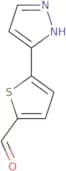
CAS:<p>Please enquire for more information about 5,6,7,8-Tetrahydronaphthalene-1-carbaldehyde including the price, delivery time and more detailed product information at the technical inquiry form on this page</p>Formula:C11H12OPurezza:Min. 95%Colore e forma:Clear LiquidPeso molecolare:160.21 g/mol5-(1H-Pyrazol-5-yl)thiophene-2-carbaldehyde
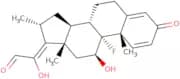
CAS:<p>Please enquire for more information about 5-(1H-Pyrazol-5-yl)thiophene-2-carbaldehyde including the price, delivery time and more detailed product information at the technical inquiry form on this page</p>Formula:C8H6N2OSPurezza:Min. 95%Peso molecolare:178.21 g/molDexamethasone-δ17,20 21-aldehyde
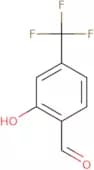
CAS:Prodotto controllato<p>Please enquire for more information about Dexamethasone-δ17,20 21-aldehyde including the price, delivery time and more detailed product information at the technical inquiry form on this page</p>Formula:C22H27FO4Purezza:Min. 95%Colore e forma:PowderPeso molecolare:374.45 g/mol2-Hydroxy-4-(trifluoromethyl)benzaldehyde
CAS:<p>2-Hydroxy-4-(trifluoromethyl)benzaldehyde is an analgesic and anti-inflammatory agent that belongs to the pyrazole family. It has shown analgesic and anti-inflammatory effects in animal studies. 2-Hydroxy-4-(trifluoromethyl)benzaldehyde has been shown to be a potent inhibitor of cyclooxygenase (COX), which is responsible for prostaglandin synthesis, and as such, may have potential as a treatment for inflammatory conditions such as rheumatoid arthritis. This drug also inhibits the production of nitric oxide, which is involved in vasodilation and increased blood flow. 2-Hydroxy-4-(trifluoromethyl)benzaldehyde has been demonstrated to inhibit COX enzymes by forming a covalent bond with active site serine residues on the enzyme. The docked complex shows hydrogen bonding interactions between the hydroxyl group of 2</p>Formula:C8H5F3O2Purezza:Min. 95%Peso molecolare:190.12 g/mol2-Phenoxyacetaldehyde
CAS:<p>2-Phenoxyacetaldehyde is a reactive molecule that has been shown to inhibit the growth of hematopoietic cells. It also inhibits the production of active enzymes, such as amylase, by interfering with the nucleophilic attack and oxidation of 2-phenoxyacetaldehyde. The synthesis methods for 2-phenoxyacetaldehyde include homogeneous catalysts and chemical reactions. This molecule has been used in detergent compositions, but it is not suitable for use in food contact materials because of its toxicity.</p>Formula:C8H8O2Purezza:Min. 95%Peso molecolare:136.15 g/molSuccinicsemialdehyde
CAS:<p>Succinicsemialdehyde is a semialdehyde that is formed by the oxidative degradation of succinic acid. Succinicsemialdehyde has been shown to have high affinity for 5-HT3 receptors, which are found in the gastrointestinal tract and are involved in intestinal motility and bowel disease. The 5-HT3 receptor has been shown to be an important target for the treatment of irritable bowel syndrome. This semialdehyde also inhibits polymerase chain reaction (PCR) activity, which may be due to its ability to inhibit DNA synthesis. Succinicsemialdehyde has been shown to inhibit enzymes involved in energy metabolism, such as glutamate dehydrogenase and pyruvate formate lyase. The structural analysis of this molecule shows a keto group at C2, which indicates that it is a keto acid.</p>Formula:C4H6O3Purezza:Min. 95%Colore e forma:PowderPeso molecolare:102.09 g/mol2-(1H-Pyrazol-1-yl)benzaldehyde
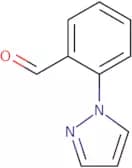
CAS:<p>2-(1H-Pyrazol-1-yl)benzaldehyde is a synthetic chemical compound that is used in the preparation of coupling reactions. It has been shown to be an efficient reagent for the synthesis of 2-bromobenzaldehyde and pyrazole. The molecule has a hydrazone attack, which can be coupled with 2-bromobenzaldehyde, with or without the use of an additional base such as sodium methoxide. This reaction can be carried out at room temperature and does not require any harsh conditions. 2-(1H-Pyrazol-1-yl)benzaldehyde also belongs to the family of aldehydes, which are molecules containing a carbon group that is connected to two hydrogen groups (i.e., RCH=O). Hydrogenation of this type of molecule gives rise to alcohols (RCHOH).</p>Formula:C10H8N2OPurezza:Min. 95%Peso molecolare:172.18 g/mol2-Furaldehyde diethylacetal
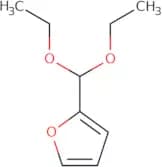
CAS:<p>2-Furaldehyde diethylacetal is a synthetic compound that has been used in the synthesis of calcium carbonate. It is also a potent inhibitor of p. aeruginosa and other bacteria, as well as organic acids and halogen compounds. It reacts with hydroxy groups to form aldehydes, which are then oxidized to form carboxylic acid derivatives. The reaction mechanism for this compound is not well understood, but it is thought that the activation energy for the reaction may be low due to the presence of a furfural functional group.</p>Formula:C9H14O3Purezza:Min. 95%Peso molecolare:170.21 g/molTacrolimus methyl acryl aldehyde
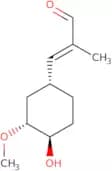
CAS:Please enquire for more information about Tacrolimus methyl acryl aldehyde including the price, delivery time and more detailed product information at the technical inquiry form on this pageFormula:C11H18O3Purezza:Min. 95%Peso molecolare:198.26 g/mol5-(4-Methoxyphenyl)isoxazole-3-carboxaldehyde
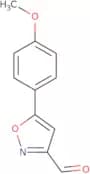
CAS:<p>5-(4-Methoxyphenyl)isoxazole-3-carboxaldehyde (5MI) is a broad-spectrum antimicrobial agent that exhibits activity against bacteria and fungi. It has been shown to be active against gram-positive bacteria, including Staphylococcus aureus, as well as Candida albicans and other pathogenic fungi. 5MI is active in the presence of ethanol, but not in the absence of alcohol. In vitro studies show that 5MI inhibits the growth of gram-negative bacteria such as Escherichia coli and Salmonella enterica serovar Typhimurium. 5MI also exhibits antifungal activity against Aspergillus niger and Saccharomyces cerevisiae.</p>Formula:C11H9NO3Purezza:Min. 95%Peso molecolare:203.19 g/mol3,5,3',5'-Tetraiodo thyroaldehyde
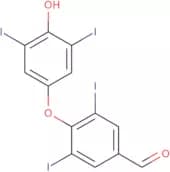
CAS:<p>Please enquire for more information about 3,5,3',5'-Tetraiodo thyroaldehyde including the price, delivery time and more detailed product information at the technical inquiry form on this page</p>Formula:C13H6I4O3Purezza:Min. 95%Colore e forma:PowderPeso molecolare:717.8 g/mol