Aldeidi
Gli aldeidi sono composti organici che contengono un gruppo carbonilico (C=O) legato ad almeno un atomo di idrogeno. Questi composti versatili sono fondamentali in varie reazioni chimiche, tra cui ossidazione, riduzione e addizione nucleofila. Gli aldeidi sono building blocks essenziali nella sintesi di prodotti farmaceutici, fragranze e polimeri. Presso CymitQuimica, offriamo una vasta selezione di aldeidi di alta qualità per supportare le vostre applicazioni di ricerca e industriali.
Trovati 8551 prodotti di "Aldeidi"
Ordinare per
Purezza (%)
0
100
|
0
|
50
|
90
|
95
|
100
5-Oxo-2,3-dihydro-1H,5H-pyrido[3,2,1-ij]quinoline-6-carbaldehyde
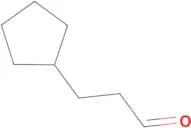
CAS:Purezza:95.0%Colore e forma:Solid, Tan crystalline powderPeso molecolare:213.235992431640623-cyclopentylpropanal
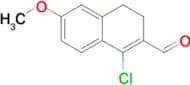
CAS:Purezza:95.0%Colore e forma:Liquid, No data available.Peso molecolare:126.19899749755861-Chloro-6-methoxy-3,4-dihydronaphthalene-2-carbaldehyde
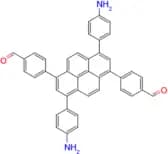
CAS:Purezza:95.0%Peso molecolare:222.66999816894534,4'-(3,8-Bis(4-aminophenyl)pyrene-1,6-diyl)dibenzaldehyde
CAS:Purezza:98%Peso molecolare:592.6979980468754-(8-FLUORO-6-OXO-3,4,5,6-TETRAHYDRO-1H-AZEPINO[5,4,3-CD]INDOL-2-YL)BENZALDEHYDE
CAS:Purezza:95.0%Peso molecolare:308.312011718755'-Acetyl-2'-chloro-3-methyl-[1,1'-biphenyl]-4-carbaldehyde
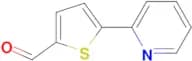
CAS:Purezza:98%Peso molecolare:272.73001098632815-(Pyridin-2-yl)thiophene-2-carbaldehyde
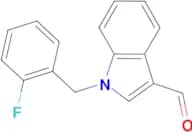
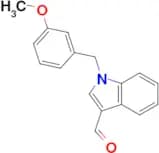
CAS:Formula:C10H7NOSPurezza:97.0%Colore e forma:SolidPeso molecolare:189.231-(2-Fluoro-benzyl)-1 H -indole-3-carbaldehyde
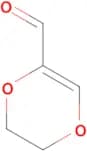
CAS:Formula:C16H12FNOPurezza:95.0%Colore e forma:SolidPeso molecolare:253.2765,6-dihydro-1,4-dioxine-2-carbaldehyde
CAS:Purezza:95.0%Colore e forma:Solid, CrystallinePeso molecolare:114.09999847412114-Chloropyridine-3-carboxaldehyde
CAS:<p>4-Chloropyridine-3-carboxaldehyde (4CPCA) is a potent inhibitor of the enzyme, formylation. 4CPCA is synthesized in an experimental method involving reaction of 4-chloropyridine and 3-bromoformaldehyde with a base, followed by hydrolysis to produce the desired product. This compound has been shown to inhibit formylation in vitro with inhibition potentials as high as 5000 μM. The IC 50 value for 4CPCA was found to be 0.6 mM. Formylation activity was inhibited in cell free systems and in cells from rat liver and human erythrocytes. The pharmacokinetic profile of 4CPCA is dose dependent and it is metabolized into inactive compounds by oxidation or conjugation with glucuronic acid.</p>Formula:C6H4ClNOPurezza:Min. 95%Colore e forma:Yellow SolidPeso molecolare:141.55 g/mol2-Hydroxy-5-methylbenzaldehyde
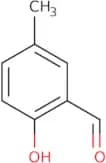
CAS:<p>2-Hydroxy-5-methylbenzaldehyde (2HMBA) is a biologically active molecule that has been shown to bind to human serum albumin. The binding constants for the two molecules are relatively low, with a Kd of approximately 2.6 x 10 M. The nitrogen atoms in the molecule form hydrogen bonds with the hydroxyl group on the ethylene diamine, which stabilizes it and prevents it from dissolving in water. This compound also has a cyclohexane ring and can be found in natural products such as erythronolide B, an antibiotic produced by Streptomyces erythreus. 2HMBA is stable when complexed with hydrochloric acid or potassium dichromate and can be used in structural analysis of other molecules.</p>Formula:C8H8O2Purezza:Min. 95%Colore e forma:Off-White PowderPeso molecolare:136.15 g/mol2,3,4-Trihydroxybenzaldehyde
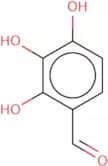
CAS:<p>2,3,4-Trihydroxybenzaldehyde is a chemical compound that has been shown to have anti-cancer properties. It is used in the detection of cancer cells and as an indicator for the presence of palladium complexes. 2,3,4-Trihydroxybenzaldehyde is also a skin allergen and can cause allergic reactions. This chemical reacts with potassium ions in solution to form a precipitate or sludge. 2,3,4-Trihydroxybenzaldehyde has been shown to be effective against colorectal carcinoma cells and Group P2 bacteria.</p>Formula:C7H6O4Purezza:Min. 95%Colore e forma:PowderPeso molecolare:154.12 g/mol3,4,5-Triacetoxybenzaldehyde
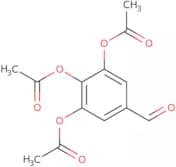
CAS:<p>3,4,5-Triacetoxybenzaldehyde is a fine chemical that is useful as a scaffold for the synthesis of complex compounds. It is also used as a building block in the synthesis of research chemicals and speciality chemicals. 3,4,5-Triacetoxybenzaldehyde has been shown to be an intermediate in organic syntheses and reagents for laboratory use. This compound can be used as a reaction component in various reactions with other organic compounds to form new compounds. 3,4,5-Triacetoxybenzaldehyde is a high quality product that has been manufactured to the highest standards.</p>Formula:C13H12O7Purezza:Min. 95%Colore e forma:PowderPeso molecolare:280.23 g/mol3-Hydroxy-2-iodobenzaldehyde
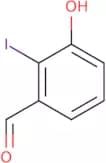
CAS:<p>3-Hydroxy-2-iodobenzaldehyde is a heterocyclic compound that is synthesized from an acetoacetic ester. It is a photochemical precursor to many organic compounds, such as phenanthrene. The synthesis of 3-hydroxy-2-iodobenzaldehyde can be achieved by reacting acetoacetic acid with iodine and sodium nitrite in the presence of a base. This reaction yields 2-iodobenzoic acid in addition to the desired product. 3-Hydroxy-2-iodobenzaldehyde has been studied for its use in the preparation of natural products and research advances.</p>Formula:C7H5IO2Purezza:Min. 95%Colore e forma:PowderPeso molecolare:248.02 g/mol4-Ethoxybenzaldehyde
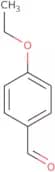
CAS:<p>4-Ethoxybenzaldehyde is a chemical compound with antioxidant properties. It has been found to inhibit the proliferation of cervical cancer cells and melanoma cells, as well as to protect against radiation-induced oxidative damage in human skin. 4-Ethoxybenzaldehyde also inhibits the influenza virus by interfering with its ability to replicate. This compound is used in many different products, including cosmetics and pharmaceuticals. The most common use of 4-ethoxybenzaldehyde is as an excipient in tablet formulations. In this application, it can be used to maintain drug stability and improve disintegration time. In addition, it may have some anti-inflammatory effects that are related to its ability to inhibit the production of prostaglandins and leukotrienes. 4-Ethoxybenzaldehyde has been shown to have antioxidant properties for diabetics as well as for patients with autoimmune diseases such as multiple sclerosis and systemic lupus erythematosus (SLE). The</p>Formula:C9H10O2Purezza:Min. 98.5 Area-%Colore e forma:Colorless Clear LiquidPeso molecolare:150.17 g/mol3-Fluoro-2-methylbenzaldehyde - 80%
CAS:<p>3-Fluoro-2-methylbenzaldehyde is a colorless liquid that has a strong odor. It is used as an intermediate in organic synthesis, especially for the production of fluorine compounds. 3-Fluoro-2-methylbenzaldehyde is also used to study the bioconversion of aldehydes and reductases in fungi. This chemical can be detected by its spectra and its ability to react with fluorine. 3-Fluoro-2-methylbenzaldehyde can also be synthesized by reacting naphthalene with anisole and hydrogen fluoride gas.</p>Formula:C8H7FOPurezza:Min. 95%Colore e forma:Clear LiquidPeso molecolare:138.14 g/mol7-Benzyloxindole-3-carboxaldehyde
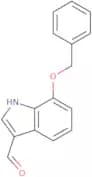
CAS:<p>7-Benzyloxindole-3-carboxaldehyde (BXA) is an assembled molecule that can be synthesized in a scalable and catalytic manner. BXA is an unwanted product that arises from the reaction of 7-benzyloxyindole with adrenaline. The hydrogenolysis of BXA yields the enantiomeric 7-benzyloxyindole, which has been shown to possess anti-inflammatory properties. When debenzylated by hydrogenolysis, crystallization of the byproduct is observed.</p>Formula:C16H13NO2Purezza:Min. 95%Peso molecolare:251.28 g/mol5-Hydroxy-3-methyl-1H-pyrazole-4-carbaldehyde
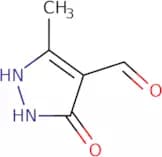
CAS:<p>5-Hydroxy-3-methyl-1H-pyrazole-4-carbaldehyde is an organic compound that is used as a building block in the synthesis of a variety of complex compounds. It can be used as a reaction component and is also useful in the production of speciality chemicals. 5-Hydroxy-3-methyl-1H-pyrazole-4-carbaldehyde has been shown to form complexes with metals, such as copper, silver, and gold. These complexes are useful for research into catalytic reactions and electrochemistry. This chemical is also used in the production of pharmaceuticals, agrochemicals, and other high quality reagents.</p>Formula:C5H6N2O2Purezza:Min. 95%Colore e forma:PowderPeso molecolare:126.11 g/mol6-Fluoroindole-3-carboxaldehyde
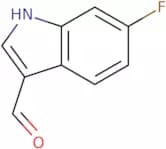
CAS:<p>6-Fluoroindole-3-carboxaldehyde (6FLA) is a synthetic compound that inhibits biosynthesis of the phytoalexins salicylic acid and lignin in plants. It also inhibits the β-glucuronidase enzyme, which hydrolyzes the glucuronide conjugates of phenolic compounds and xenobiotics. 6FLA has been shown to cause mild liver damage in rats, but its effects on humans are unknown. 6FLA may be used as a detectable substance for assays.</p>Formula:C9H6FNOPurezza:Min. 95%Peso molecolare:163.15 g/mol(Z)-9-Hexadecenal
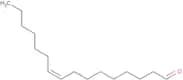
CAS:<p>(Z)-9-Hexadecenal is an organic compound that is used as a pheromone in the species of bark beetles. It has been shown to inhibit the growth of other fungi, including opportunistic fungal pathogens. This activity may be due to its ability to bind and activate specific receptors on the surface of inflammatory cells, leading to an increase in cytokine production and expression of proinflammatory genes. (Z)-9-Hexadecenal also has anti-inflammatory properties against physiological activities such as growth factor binding experiments and solid phase microextraction studies. (Z)-9-Hexadecenal binds to lysine residues, inhibiting hydrogen bonding between amino acid residues and promoting population growth inhibition.</p>Formula:C16H30OPurezza:Min. 90%Colore e forma:Colorless Clear LiquidPeso molecolare:238.41 g/molAtranol
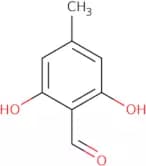
CAS:<p>Atranol is a phenolic compound that is found in plants such as the leaves of the white willow tree. It has been shown to have anti-inflammatory properties and is being researched for its potential use in treatment of inflammatory bowel disease. Atranol has been shown to inhibit the production of inflammatory cytokines such as tumor necrosis factor-α (TNF-α) and interleukin-1β (IL-1β), which are key mediators of inflammation, by inhibiting NFκB activation. The reaction mechanism for atranol's inhibition of IL-1β production involves atranol binding with the cystein residue on IκB kinase β, which prevents phosphorylation and thus activation.</p>Formula:C8H8O3Purezza:Min. 95%Colore e forma:Brown Yellow PowderPeso molecolare:152.15 g/mol3-Bromo-4-hydroxybenzaldehyde
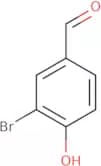
CAS:<p>3-Bromo-4-hydroxybenzaldehyde is a fluorescence probe that can be used to identify the presence of hydroxyl groups in organic solutions. It reacts with hydrochloric acid to form a green solution and a gas. 3-Bromo-4-hydroxybenzaldehyde has been used to study hydroxyl groups in human serum, plant physiology, and surfactant sodium dodecyl (SDS). This compound has shown potent inhibition against an enzyme called benzoyl peroxide reductase. 3-Bromo-4-hydroxybenzaldehyde is soluble in water, but not in ether. The molecular weight of this compound is 176.3 g/mol.</p>Formula:C7H5BrO2Purezza:Min. 95%Colore e forma:PowderPeso molecolare:201.02 g/mol3-Hydroxy-2,2-dimethylpropanal
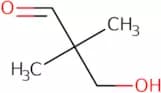
CAS:<p>3-Hydroxy-2,2-dimethylpropanal is a condensation product of formaldehyde and glycol. It is the simplest of the three aldehydes that are produced by this reaction. The catalyst for this reaction is usually dibutyltin oxide, which can be replaced with calcium chloride or sodium carbonate. 3-Hydroxy-2,2-dimethylpropanal reacts with neopentyl glycol to form a dimer and glycol ester. This reaction mechanism has been studied extensively using solution kinetics.</p>Formula:C5H10O2Purezza:(%) Min. 95%Colore e forma:White PowderPeso molecolare:102.13 g/molL-Noradrenaline bitartrate monohydrate
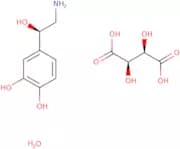
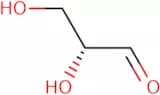
CAS:<p>L-Noradrenaline is the major precursor of norepinephrine, a neurotransmitter that regulates blood pressure and heart rate. L-Noradrenaline bitartrate monohydrate is a potent vasopressor drug that has been shown to increase blood pressure. The effects in animals are biphasic, with an initial pressor phase followed by a second phase with vasodilator effects. L-Noradrenaline bitartrate monohydrate has been shown to stimulate transcription of proteins, such as model protein and dopamine receptor D1 (D1R). This stimulation has been shown to be mediated through the activation of protein kinase C (PKC) and Ca2+/calmodulin-dependent protein kinase II (CaMKII). It has also been shown to have antioxidant effects in the presence of hydroxyl radicals. L-Noradrenaline bitartrate monohydrate can cause symptoms such as nausea, vomiting, and diarrhea in humans at high doses.</p>Formula:C12H19NO10Purezza:Min. 98 Area-%Colore e forma:PowderPeso molecolare:337.28 g/molD-(+)-Glyceraldehyde
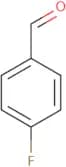
CAS:<p>D-Glyceraldehyde is sold by active weight in solution</p>Formula:C3H6O3Purezza:85%MinColore e forma:Colorless Clear Viscous LiquidPeso molecolare:90.08 g/mol4-Fluorobenzaldehyde
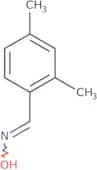
CAS:<p>4-Fluorobenzaldehyde is an organic compound that is used in the synthesis of other chemicals. 4-Fluorobenzaldehyde has been shown to have hemolytic activity and to be a copper complex that reacts with hydrochloric acid. The reaction mechanism of 4-fluorobenzaldehyde with copper chloride is thought to involve the formation of a copper complex, which then undergoes nucleophilic attack by the trifluoroacetic acid, forming a positronium ion. This positronium ion then reacts with hydroxide ions from water, forming hydrogen peroxide and a pyrimidine compound.</p>Formula:C7H5FOPurezza:Min. 98 Area-%Colore e forma:Colourless To Yellow LiquidPeso molecolare:124.11 g/mol2,4-Dimethylbenzaldehyde oxime
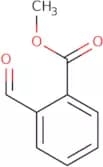
CAS:<p>2,4-Dimethylbenzaldehyde oxime is a useful chemical for the synthesis of complex organic compounds. It is used as a research chemical and as a speciality chemical in the production of fine chemicals. 2,4-Dimethylbenzaldehyde oxime can be used as a versatile building block to form new compounds with different substituents. The compound has been shown to have high reactivity and good quality.</p>Formula:C9H11NOPurezza:Min. 95%Peso molecolare:149.19 g/mol2-Carbomethoxybenzaldehyde
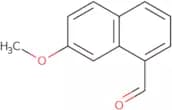
CAS:<p>2-Carbomethoxybenzaldehyde (2CMB) is a synthetic chemical compound that has been used as an efficient method for the synthesis of amines. The carbonyl group in 2CMB reacts with nucleophiles, such as amines, to form a tetrahydroisoquinoline derivative. This nucleophilic attack leads to the formation of an unstable intermediate that can be isolated and purified by trifluoroacetic acid (TFA). 2CMB is also used in the synthesis of quinoline derivatives and naphthalene derivatives. The acidic properties of 2CMB allow it to react with carboxylic acids, leading to the formation of esters.</p>Formula:C9H8O3Purezza:Min. 95%Colore e forma:Colorless PowderPeso molecolare:164.16 g/mol7-Methoxy-1-naphthaldehyde
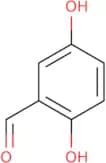
CAS:<p>7-Methoxy-1-naphthaldehyde is an aldehyde that is synthesized from acetaldehyde and 7-methoxy-1-naphthol. It has been shown to inhibit the cytosolic aldehyde dehydrogenase, which converts acetaldehyde to acetate. This reaction is one of the major routes for the metabolism of alcohol in humans. 7-Methoxy-1-naphthaldehyde can be used as a substrate in immunochemical assays, and its synthetic scheme has been published. 7MNA was also found to have cytotoxic effects on human liver cells in vitro.</p>Formula:C12H10O2Purezza:Min. 95%Peso molecolare:186.21 g/mol2,5-Dihydroxybenzaldehyde
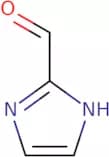
CAS:<p>2,5-Dihydroxybenzaldehyde is a compound that can be used as an antioxidant. It is also a precursor for the synthesis of benzalkonium chloride. 2,5-Dihydroxybenzaldehyde reacts with p-hydroxybenzoic acid to form 2,5-dihydroxyphenylacetic acid and benzoic acid. The reaction mechanism of 2,5-dihydroxybenzaldehyde has been studied in detail using hl-60 cells and has been shown to be significant cytotoxicity. The hydroxyl group in this molecule creates a hydrogen bond with the carbonyl group in p-hydroxybenzoic acid and the two react together to form products. This reaction is catalyzed by Michaelis–Menten kinetics and proceeds via an electrochemical detector. Nitrogen atoms are not present in this molecule but do exist in benzalkonium chloride, which is synthesized from 2</p>Formula:C7H6O3Purezza:Min. 95%Colore e forma:Yellow PowderPeso molecolare:138.12 g/molImidazole-2-carboxaldehyde
CAS:<p>Imidazole-2-carboxaldehyde is a broad-spectrum antimicrobial that has been shown to inhibit the growth of bacteria by interfering with protein synthesis. It binds to the cytosolic protein and receptor molecule, which are involved in the activation of bacterial enzymes. Imidazole-2-carboxaldehyde reacts with anhydrous sodium and copper complex to produce hydrogen bonds, which prevent the formation of the nitrogen atoms necessary for cellular processes. This chemical also has biological properties such as glyoxal, which inhibits bacterial growth by reacting with amino groups on proteins.</p>Formula:C4H4N2OPurezza:Min. 98 Area-%Colore e forma:Slightly Yellow PowderPeso molecolare:96.09 g/mol3-Chloro-2-nitrobenzaldehyde
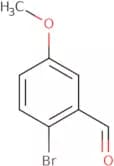
CAS:<p>3-Chloro-2-nitrobenzaldehyde is an analog of 2-nitrobenzaldehyde. It can be synthesized by reacting a halogen with benzaldehyde, such as chlorine or bromine. 3-Chloro-2-nitrobenzaldehyde is unreactive and can be used in the production of other compounds, such as pharmaceuticals. 3-Chloro-2-nitrobenzaldehyde has been shown to react with sodium methoxide to produce a methoxide. The methoxide is then reacted with an alcohol to produce an ester.</p>Formula:C7H4ClNO3Purezza:Min. 95%Peso molecolare:185.56 g/mol2-Bromo-5-methoxybenzaldehyde
CAS:<p>2-Bromo-5-methoxybenzaldehyde is an organic compound that is used as a synthetic intermediate. It has been shown to be a substrate for the acid transporter SLC26A2, which transports it into cells. This compound has also been found in low levels in human tissues and fluids, where it may play a role in the development of cancer. 2-Bromo-5-methoxybenzaldehyde has been shown to inhibit the growth of cancer cells by uv absorption and terminal alkynes. The anticancer activity of this compound is due to its ability to react with functional groups such as benzyl groups and other alkyl groups.</p>Formula:C8H7BrO2Purezza:Min. 95%Colore e forma:PowderPeso molecolare:215.04 g/mol5-Acetoxymethyl-2-furaldehyde
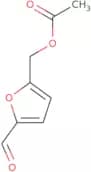
CAS:<p>5-Acetoxymethyl-2-furaldehyde is a furanic acid that is found in the plant Triticum aestivum. This compound has been shown to have antifungal and anticancer properties. 5-Acetoxymethyl-2-furaldehyde inhibits the growth of bacteria by forming a complex with p-hydroxybenzoic acid, which prevents the formation of amines. The toxicity of this compound may also be due to its ability to cause DNA damage, leading to cell death. 5-Acetoxymethyl-2-furaldehyde can be used as an oxidation catalyst for reactions involving amines. It can also be produced by oxidizing 2,5 furanone with hydrogen peroxide and hydrochloric acid at high temperatures. The reaction mechanism is not well understood but it is believed that 5 acetoxymethyl - 2 furaldehyde is formed from the dehydration of furfuraldehyde.</p>Formula:C8H8O4Purezza:Min. 95%Colore e forma:PowderPeso molecolare:168.15 g/mol4-Benzyloxy-3,5-dimethylbenzaldehyde
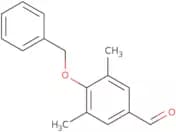
CAS:<p>4-Benzyloxy-3,5-dimethylbenzaldehyde is a potent anticancer drug that inhibits cell proliferation and induces apoptosis. It has been shown to inhibit the growth of prostate cancer cells and human erythroleukemia cells. This compound also has antibacterial activity against gram-positive bacteria such as methicillin-resistant Staphylococcus aureus (MRSA) and Mycobacterium tuberculosis. 4-Benzyloxy-3,5-dimethylbenzaldehyde binds to the flavone binding site on the enzyme DNA gyrase and topoisomerase IV in both bacterial and mammalian cells. This binding leads to inhibition of DNA synthesis by preventing the formation of an enzyme complex with DNA polymerase. A study has shown that apigenin, one of the flavone derivatives found in this compound, enhances the antitumor activity of cisplatin by inhibiting DNA repair mechanisms in human cancer cells.</p>Formula:C16H16O2Purezza:90%Colore e forma:PowderPeso molecolare:240.3 g/mol4-Dimethylamino-2-methoxybenzaldehyde
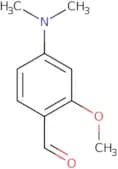
CAS:<p>When used in combination with X-Gal, 4-dimethylamino-2-methoxybenzaldehyde can be used for effective staining under anaerobic conditions. This novel method is termed Indoxyl/Dimethylamino-2-methoxybenzaldehyde aldol staining and can be used as an alternative to indoxyl-substrate indicator systems which depends on molecule oxygen to develop the desired indigo chromogen.</p>Formula:C10H13NO2Purezza:Min. 95%Colore e forma:Yellow PowderPeso molecolare:179.22 g/mol3-Hydroxybenzaldehyde
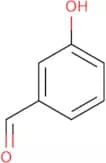
CAS:<p>3-Hydroxybenzaldehyde (3HBA) is an organic molecule that belongs to the group of substituted benzaldehydes. It has been shown to induce muscle cell proliferation in vitro and in vivo, as well as increased levels of activated caspase-3 in vitro. 3HBA also has a high resistance to hydrochloric acid, hydrogen bond, and chemical structures. It also shows properties of intramolecular hydrogen bonding and aldehyde groups. 3HBA has been shown to be active against malonic acid-induced pulmonary edema in rats, which may be due to its ability to inhibit the release of erythrocytes from the bone marrow into the circulation.</p>Formula:C7H6O2Purezza:Min. 96 Area-%Colore e forma:Off-White PowderPeso molecolare:122.12 g/mol3,5-Dichloro-4-hydroxybenzaldehyde
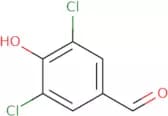
CAS:<p>3,5-Dichloro-4-hydroxybenzaldehyde is a triiodomethane derivative that reacts with chlorine to form a chlorinated aldehyde. It is used as an intermediate in the production of 4-hydroxybenzoic acid from phenylacetic acid and 4,4'-dichlorodiphenyl sulfone. 3,5-Dichloro-4-hydroxybenzaldehyde can be decarboxylated at elevated temperatures to produce formic acid. This compound has been used in wastewater treatment as it can remove chlorine byproducts and other pollutants such as nitrates, nitrites, and iron ions. The reaction kinetics of 3,5-dichloro-4-hydroxybenzaldehyde have been studied using hydroxymethyl groups and formyl groups to determine the rate of demethylation. The rates were found to be dependent on temperature.</p>Formula:C7H4Cl2O2Purezza:Min. 95%Colore e forma:White PowderPeso molecolare:191.01 g/mol3,4-Dihydroxy-6-nitrobenzaldehyde
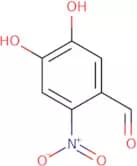
CAS:<p>3,4-Dihydroxy-6-nitrobenzaldehyde is a nitrite that can be used to produce nitric acid. It can also be used in the synthesis of caffeic acid and protocatechuic aldehyde. This molecule is also a catalyst for the conversion of 3,4-dihydroxybenzoic acid to chloride and purine derivatives. 3,4-Dihydroxy-6-nitrobenzaldehyde is nucleophilic and can react with an electron pair donor such as methyl ester or dimerization. The product of this reaction is an unsaturated compound called hyperuricemic mice.</p>Formula:C7H5NO5Purezza:Min. 95%Colore e forma:Yellow PowderPeso molecolare:183.12 g/mol5-Fluoro-2-hydroxybenzaldehyde
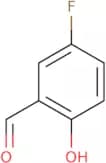
CAS:<p>5-Fluoro-2-hydroxy benzaldehyde is a hydrogen bonding compound that has been shown to be an acid complex. It reacts with copper to form a copper complex that can be detected by x-ray diffraction data. 5-Fluoro-2-hydroxybenzaldehyde also has the ability to react with hydroxyl groups, which allow for its use as a fluorescence probe. The presence of this compound in urine has been used to detect kidney disease and urinary tract infections. 5-Fluoro-2-hydroxybenzaldehyde is also thought to have antiinflammatory properties because it can inhibit kinase activity and may inhibit the production of inflammatory cytokines such as IL1β, IL6, and TNFα.</p>Formula:C7H5FO2Purezza:Min. 95%Colore e forma:PowderPeso molecolare:140.11 g/mol3-Hydroxy-4-methoxy-2-nitrobenzaldehyde
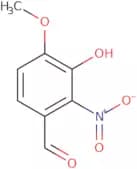
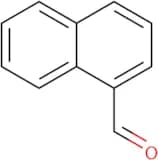
CAS:<p>3-Hydroxy-4-methoxy-2-nitrobenzaldehyde is a ternary complex that has been adsorbed onto the surface of an ion exchange resin. The adsorption process occurs through the formation of hydrogen bonds between the hydroxyl groups on the resin and the hydroxyl groups on the molecule. This complex is also soluble in chloroform, which may be due to its ability to form hydrogen bonds with itself and other molecules. The 3-hydroxy group on this molecule has been shown to react reductively with nitrophenol, forming a nitroso derivative. 3-Hydroxy-4-methoxy-2-nitrobenzaldehyde has been used as a template for the microbiological assay of azides and quinones.</p>Formula:C8H7NO5Purezza:Min. 95%Peso molecolare:197.14 g/mol1-Naphthaldehyde
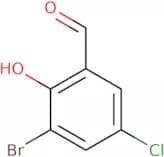
CAS:<p>1-Naphthaldehyde is a coordination compound that contains 1 naphthyl group and an oxygen atom. It can be used as an oxidation catalyst, intramolecular hydrogen, or a reaction solution. The antimicrobial activity of 1-naphthaldehyde has been shown in the presence of sodium carbonate or potassium phosphate buffer. 1-Naphthaldehyde has been shown to possess structural properties similar to those of other metal chelates, such as zinc pyrithione. The protonated form of 1-naphthaldehyde has been identified by means of analytical methods including gas chromatography and mass spectrometry.</p>Formula:C11H8OPurezza:Min. 95%Colore e forma:Yellow To Brown LiquidPeso molecolare:156.18 g/mol3-Bromo-5-chloro-2-hydroxybenzaldehyde
CAS:<p>3-Bromo-5-chloro-2-hydroxybenzaldehyde is a molecule that contains nitrogen atoms. It has coordination geometry and a chelate ring. 3-Bromo-5-chloro-2-hydroxybenzaldehyde also has electrochemical properties, which can be studied by cyclic voltammetry. This molecule is a copper complex that exhibits fluorescence properties and dihedral angles. The magnetic resonance spectrum of 3-bromo-5-chloro-2 hydroxybenzaldehyde displays hydrogen bonding interactions and an imine nitrogen. 3BChBrOH also absorbs light at wavelengths of 280 nm (max) and 240 nm (min).</p>Formula:C7H4BrClO2Purezza:Min. 95%Colore e forma:PowderPeso molecolare:235.46 g/mol

![Benzo[h]quinoline-2-carbaldehyde](/_next/image/?url=https%3A%2Fstatic.cymitquimica.com%2Fproducts%2F10%2Fthumb-webp%2FF323275.webp&w=3840&q=75)
![5-Oxo-2,3-dihydro-1H,5H-pyrido[3,2,1-ij]quinoline-6-carbaldehyde](/_next/image/?url=https%3A%2Fstatic.cymitquimica.com%2Fproducts%2F10%2Fthumb-webp%2FF023765.webp&w=3840&q=75)
![3-Formyl-1H-pyrrolo[2,3-b]pyridine-4-carbonitrile](/_next/image/?url=https%3A%2Fstatic.cymitquimica.com%2Fproducts%2F10%2Fthumb-webp%2FF721875.webp&w=3840&q=75)
![7-Bromo-benzo[b]thiophene-2-carbaldehyde](/_next/image/?url=https%3A%2Fstatic.cymitquimica.com%2Fproducts%2F10%2Fthumb-webp%2FF317755.webp&w=3840&q=75)

![4-(8-FLUORO-6-OXO-3,4,5,6-TETRAHYDRO-1H-AZEPINO[5,4,3-CD]INDOL-2-YL)BENZALDEHYDE](/_next/image/?url=https%3A%2Fstatic.cymitquimica.com%2Fproducts%2F10%2Fthumb-webp%2FF331189.webp&w=3840&q=75)
![5'-Acetyl-2'-chloro-3-methyl-[1,1'-biphenyl]-4-carbaldehyde](/_next/image/?url=https%3A%2Fstatic.cymitquimica.com%2Fproducts%2F10%2Fthumb-webp%2FF628195.webp&w=3840&q=75)