Aldeidi
Gli aldeidi sono composti organici che contengono un gruppo carbonilico (C=O) legato ad almeno un atomo di idrogeno. Questi composti versatili sono fondamentali in varie reazioni chimiche, tra cui ossidazione, riduzione e addizione nucleofila. Gli aldeidi sono building blocks essenziali nella sintesi di prodotti farmaceutici, fragranze e polimeri. Presso CymitQuimica, offriamo una vasta selezione di aldeidi di alta qualità per supportare le vostre applicazioni di ricerca e industriali.
Trovati 8551 prodotti di "Aldeidi"
Ordinare per
Purezza (%)
0
100
|
0
|
50
|
90
|
95
|
100
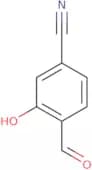
4-Cyano-2-hydroxybenzaldehyde
CAS:<p>4-Cyano-2-hydroxybenzaldehyde is a high quality chemical that can be used as a reagent and intermediate in the synthesis of complex compounds. It is also an important building block in the synthesis of fine chemicals. 4-Cyano-2-hydroxybenzaldehyde has been used as a versatile building block in the synthesis of organic compounds, useful scaffolds in medicinal chemistry, and reactive intermediates. It has also been shown to have anti-inflammatory properties and may be a potential treatment for inflammatory bowel disease.</p>Formula:C8H5NO2Purezza:Min. 95%Peso molecolare:147.13 g/mol3,5-Dibromosalicylaldehyde
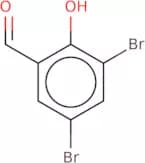
CAS:<p>3,5-Dibromosalicylaldehyde is a copper complex that has been synthesized from 3,5-dibromosalicylaldehyde and copper chloride. FTIR spectroscopy revealed that the coordination geometry of the copper complex is octahedral with two nitrogen atoms in the equatorial plane. The presence of hydrogen bonding interactions was confirmed by homologous protein adsorption experiments. This chemical structure was determined using X-ray crystallography and fluorescence probe experiments. The copper complex showed high affinity for malonic acid, which is an ester hydrochloride. The molecular mechanism of this interaction is based on adsorption, which occurs through hydrogen bonding interactions and hydrophobic interactions. Structural analysis revealed that the polymeric matrix consists of a three-dimensional network of crosslinked chains, while FTIR analysis indicated a possible disulfide bond between two cysteine residues.</p>Formula:C7H4Br2O2Purezza:Min. 95%Colore e forma:Yellow PowderPeso molecolare:279.91 g/mol4-Hydroxybutyraldehyde
CAS:Prodotto controllato<p>4-Hydroxybutyraldehyde is a carbonyl group that contains a zirconium oxide fragment. It is acidic and can be used as an inhibitor of tumor cells. 4-Hydroxybutyraldehyde has been shown to deuterium isotope effect on the reaction mechanism. This chemical ionization process leads to the production of an H3+ cation, which reacts with the sample in order to produce a protonated product. The hydrogenated form of this molecule undergoes an addition reaction with butyrolactone, forming the desired product. The synthetic pathway for this molecule starts with metal carbonyl complexes, which react with nucleophiles such as ammonia or amines to produce 4-hydroxybutyraldehyde.</p>Formula:C4H8O2Purezza:Min. 95%Colore e forma:Clear LiquidPeso molecolare:88.11 g/mol3-Hydroxy-2-methoxybenzaldehyde
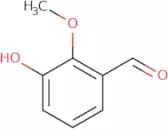
CAS:<p>3-Hydroxy-2-methoxybenzaldehyde is a synthetic compound that is used as an antiviral agent. It has been shown to inhibit the replication of Coxsackievirus A9 (CV-A9). In addition, 3-Hydroxy-2-methoxybenzaldehyde reacts with isoeugenol and isonicotinic acid under acidic conditions to form 4-allyl-2-methoxyphenol, which has antiviral activity against CV-A9. This reaction requires a catalyst, such as zinc chloride or nickel sulfate. The rate of this reaction can be increased by increasing the reaction time. 3-Hydroxy-2-methoxybenzaldehyde also inhibits the virus's ability to bind to cells and enter them, reducing its infectivity.</p>Formula:C8H8O3Colore e forma:PowderPeso molecolare:152.15 g/mol3,5-Dichloro-4-hydroxybenzaldehyde
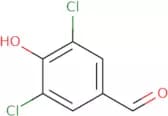
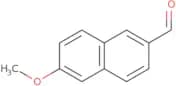
CAS:<p>3,5-Dichloro-4-hydroxybenzaldehyde is a triiodomethane derivative that reacts with chlorine to form a chlorinated aldehyde. It is used as an intermediate in the production of 4-hydroxybenzoic acid from phenylacetic acid and 4,4'-dichlorodiphenyl sulfone. 3,5-Dichloro-4-hydroxybenzaldehyde can be decarboxylated at elevated temperatures to produce formic acid. This compound has been used in wastewater treatment as it can remove chlorine byproducts and other pollutants such as nitrates, nitrites, and iron ions. The reaction kinetics of 3,5-dichloro-4-hydroxybenzaldehyde have been studied using hydroxymethyl groups and formyl groups to determine the rate of demethylation. The rates were found to be dependent on temperature.</p>Formula:C7H4Cl2O2Purezza:Min. 95%Colore e forma:White PowderPeso molecolare:191.01 g/mol6-Methoxy-2-naphthaldehyde
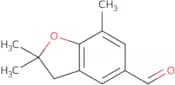
CAS:<p>6-Methoxy-2-naphthaldehyde is a nonsteroidal antiinflammatory drug that belongs to the class of naphthalenes. It inhibits the formation of inflammatory prostaglandins, which are mediators of pain and inflammation. 6-Methoxy-2-naphthaldehyde has been shown to have cytotoxic effects on cancer cells and in vitro studies have shown that it can induce cell lysis. It has also been shown to be a potent fluorescence probe for use in biological applications. This compound binds to human serum proteins by hydrogen bonding interactions, which may affect its pharmacokinetic properties. In addition, this compound has been shown to inhibit the activity of detoxification enzymes such as CYP 2C9 and 2D6 at high concentrations, which may lead to unwanted side effects such as nausea or vomiting. The molecular docking analysis of 6-Methoxy-2-naphthaldehyde with the active site of human liver alcohol dehydrogen</p>Formula:C12H10O2Purezza:Min. 98 Area-%Colore e forma:PowderPeso molecolare:186.21 g/mol2,2,7-Trimethyl-2,3-dihydro-1-benzofuran-5-carbaldehyde
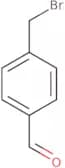
CAS:<p>2,2,7-Trimethyl-2,3-dihydro-1-benzofuran-5-carbaldehyde is a fine chemical that is used as a building block in research and synthesis of other chemicals. It has been shown to be a versatile building block for the synthesis of complex compounds. 2,2,7-Trimethyl-2,3-dihydro-1-benzofuran-5-carbaldehyde is also a useful intermediate to make other chemicals as well as a reagent in the production of speciality chemicals. This compound can be used in reactions with amines and alcohols. It has been found to have high quality that makes it useful for use in reactions with DNA and RNA nucleotides and proteins.</p>Formula:C12H14O2Purezza:Min. 95%Colore e forma:White PowderPeso molecolare:190.24 g/mol4-(Bromomethyl)benzaldehyde
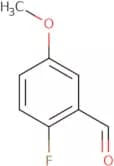
CAS:<p>4-(Bromomethyl)benzaldehyde is a chemical compound that can be synthesized by the reaction of benzaldehyde with bromine in the presence of a base. This compound has been shown to bind to human immunoglobulin G, formyl group and photophysical properties. 4-(Bromomethyl)benzaldehyde has also been used as a model for cancer studies because it binds to DNA and forms an imine bond with thymine. It has been used as a reagent for analytical methods such as phosphotungstic acid, which is a reagent used to detect proteins. The mechanism of this compound is not yet fully understood, but it may involve the formation of an imine bond with thymine in DNA.</p>Formula:C8H7BrOPurezza:Min. 95%Colore e forma:PowderPeso molecolare:199.04 g/mol2-fluoro-5-methoxybenzaldehyde
CAS:<p>2-fluoro-5-methoxybenzaldehyde is an asymmetric synthesis that has been shown to inhibit the growth of cancer cells by inhibiting a protein called MT2. 2-Fluoro-5-methoxybenzaldehyde is a nucleophilic compound and reacts with the electrophilic carbon in the enolate to form a sulfoxide, which can be hydrolyzed by acid. This reaction inhibits cancer cell growth as it prevents cellular metabolism and amino acid biosynthesis.</p>Formula:C8H7FO2Purezza:Min. 95%Peso molecolare:154.14 g/mol3-Bromo-4,5-dimethoxybenzaldehyde
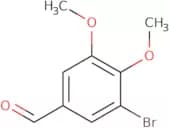
CAS:<p>3-Bromo-4,5-dimethoxybenzaldehyde is a molecule that is acidic in nature. It inhibits phosphatases and has shown cytotoxic activity against cancer cells in vitro. This compound also has antibacterial properties and can be used to treat bacterial infections. 3-Bromo-4,5-dimethoxybenzaldehyde is also a synthetic compound that can be found in the bisbenzylisoquinoline alkaloids family. It has been shown to have anti-tumor activity as well as an interaction with aldehydes and chalcones, which may lead to anti-inflammatory effects.</p>Formula:C9H9BrO3Purezza:Min. 95%Colore e forma:PowderPeso molecolare:245.07 g/mol3,4-Dibenzyloxybenzaldehyde
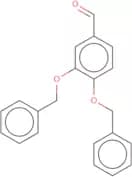
CAS:<p>3,4-Dibenzyloxybenzaldehyde is a chemical compound with the formula ClCH=C(O)CHO. This compound is an intermediate in the synthesis of the cancer drug daunorubicin. 3,4-Dibenzyloxybenzaldehyde has been shown to induce apoptosis in human ovary cells and has been detected in urine samples from patients undergoing chemotherapy for ovarian cancer. 3,4-Dibenzyloxybenzaldehyde also inhibits the production of flavonoids and has been shown to inhibit rat striatal membranes and rat atria.</p>Formula:C21H18O3Purezza:Min. 95%Colore e forma:PowderPeso molecolare:318.37 g/mol4-Fluoro-1H-indole-3-carbaldehyde
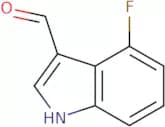
CAS:<p>4-Fluoro-1H-indole-3-carbaldehyde is a chemical compound that can be used as a reagent, reaction component, or building block in the synthesis of more complex compounds. This chemical is also known as CAS No. 23073-31-6 and has high quality and purity. 4-Fluoro-1H-indole-3-carbaldehyde is useful for research purposes and can be used as a speciality chemical or a fine chemical.</p>Formula:C9H6FNOPurezza:Min. 95%Colore e forma:Yellow To Brown SolidPeso molecolare:163.15 g/mol3,5-Dinitrosalicylaldehyde
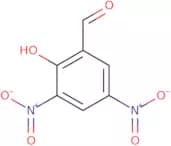
CAS:<p>3,5-Dinitrosalicylaldehyde is an oxidizing agent that is used in organic chemistry to produce aldehydes or carboxylic acids. It reacts with the amino groups of lysine residues and converts them to nitro groups. 3,5-Dinitrosalicylaldehyde is also used as a reagent in the determination of the number of lysine residues in proteins by titration with hydrochloric acid. The reaction mechanism of 3,5-dinitrosalicylaldehyde involves formation of an electron deficient intermediate that oxidizes chloride ions to form water molecules and chloride radicals. These intermediates react with nitro groups on lysine residues, resulting in nitro compounds. Crystallography studies have shown that the molecular structure of 3,5-dinitrosalicylaldehyde has two nitro groups and one hydroxyl group.</p>Formula:C7H4N2O6Purezza:Min. 95%Colore e forma:Yellow PowderPeso molecolare:212.12 g/mol4-Chloro-2-methylbenzaldehyde
CAS:<p>4-Chloro-2-methylbenzaldehyde is a nucleophilic and electrophilic compound that has a carbonyl group. The vivo model of 4-Chloro-2-methylbenzaldehyde suggests that the methyl groups on the molecule are important for its anti-cancer activities. This compound also has anti-inflammatory properties, which may be due to its ability to inhibit prostaglandin synthesis. It is used in anti-cancer agents as well as in other applications such as catalysis and synthetic chemistry. 4-Chloro-2-methylbenzaldehyde is synthesized by first reacting benzaldehyde with sodium nitrite, followed by chlorination with phosphorus pentachloride and sodium hydroxide. The mechanistic details of this reaction have not been elucidated yet, but it is believed that the selectivity of this reaction may be due to the presence of aldehydes in the reactants. Further optimization of this reaction would involve changing the</p>Formula:C8H7ClOPurezza:Min. 95%Colore e forma:Clear LiquidPeso molecolare:154.59 g/mol4-Nitrobenzaldehyde oxime
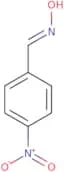
CAS:<p>4-Nitrobenzaldehyde oxime is a phenylhydrazone derivative that is a potent cytotoxic agent. The 1,2-nitration of the benzene ring in 4-nitrobenzaldehyde oxime produces a reactive intermediate that reacts with nucleophilic groups on cellular macromolecules to produce DNA strand breaks and other types of damage. 4-Nitrobenzaldehyde oxime has been shown to have significant anticancer activity against leukemia cells in culture, as well as antibacterial and anticancer activity against Staphylococcus aureus and Escherichia coli.</p>Formula:C7H6N2O3Purezza:Min. 95%Colore e forma:PowderPeso molecolare:166.13 g/mol2-fluoro-4-(trifluoromethyl)benzaldehyde
CAS:<p>2-fluoro-4-(trifluoromethyl)benzaldehyde is a chemical compound that can be synthesized by the reaction of peroxide with fluorine. It is used as a solvent in coatings and in the production of organic chemicals. 2-fluoro-4-(trifluoromethyl)benzaldehyde has been shown to be toxic to cancer cells at high concentrations, but not normal cells. The waveguide effect can be observed at temperatures below -60°C and it has three functional groups that are hydrolyzed by HCl.</p>Formula:C8H4F4OPurezza:Min. 95%Colore e forma:Clear LiquidPeso molecolare:192.11 g/mol5-Methylnicotinaldehyde
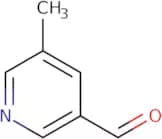
CAS:<p>5-Methylnicotinaldehyde is a chemical compound that belongs to the group of tetrahydropyridines. It is a reagent for producing triphosgene and dimethylformamide. 5-Methylnicotinaldehyde has been shown to inhibit muscarinic acetylcholine receptors, leading to an increase in acetylcholine release from nerve endings. This may be due to its ability to bind with the receptor affinity site at the base of the nicotinic acetylcholine receptor. 5-Methylnicotinaldehyde also has anti-inflammatory properties and can be used as a pesticide.</p>Formula:C7H7NOPurezza:Min. 95%Colore e forma:PowderPeso molecolare:121.14 g/mol3-Chloro-4-hydroxybenzaldehyde
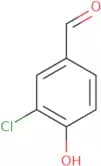
CAS:<p>3-Chloro-4-hydroxybenzaldehyde is a molecule that belongs to the class of aldehydes. It is a monocarboxylic acid and an important precursor in the production of coumarin derivatives. 3-Chloro-4-hydroxybenzaldehyde has been shown to have pharmacokinetic properties, such as vibrational, chemical, and optical properties. It is also a fluorophore with strong fluorescence emission. The hydroxymethyl group can be programmed by adding an amine or thiol group at the 4 position on the ring of 3-chloro-4-hydroxybenzaldehyde. The addition of these groups will change the optical properties of 3-chloro-4-hydroxybenzaldehyde to make it more useful for biotechnology applications.</p>Formula:C7H5ClO2Purezza:Min. 95%Colore e forma:PowderPeso molecolare:156.57 g/mol3,4-Dihydroxybenzaldehyde
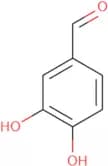
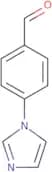
CAS:<p>3,4-Dihydroxybenzaldehyde is an active compound that is a protocatechuic aldehyde. It has been shown to inhibit protein oxidation and kidney injury. 3,4-Dihydroxybenzaldehyde also inhibits the production of bcl-2 protein and growth factor-β in rat urine. This compound has been used in Chinese medicinal preparations as well as in control methods for oxidizing agents.</p>Formula:C7H6O3Colore e forma:Brown White PowderPeso molecolare:138.12 g/mol4-(1H-Imidazol-1-yl)benzaldehyde
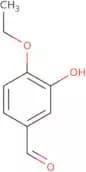
CAS:<p>4-(1H-Imidazol-1-yl)benzaldehyde is a chalcone derivative. It has been shown to inhibit cancer cells by inhibiting the mitochondrial membrane potential and enhancing the expression of histone deacetylase 1. 4-(1H-Imidazol-1-yl)benzaldehyde has also been shown to have anticancer activity in vivo, with an IC50 of 18 µM. This compound was found to inhibit cell growth and induce apoptosis in human breast cancer cells (MDA-MB231). In addition, this compound is able to cross the blood brain barrier and inhibits astrocyte proliferation.</p>Formula:C10H8N2OPurezza:Min. 95%Colore e forma:PowderPeso molecolare:172.18 g/mol4-Ethoxy-3-hydroxybenzaldehyde
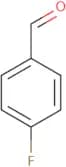
CAS:<p>4-Ethoxy-3-hydroxybenzaldehyde (4EHB) is a thioacetal that has been shown to be an effective precursor for the synthesis of many other molecules, such as combretastatin a-4. It is prepared by reaction of ethylmagnesium bromide and acetone. 4EHB has been shown to have antifungal properties in vitro, and can be used in the treatment of cancer cells. This compound is volatile and can be easily detected with headspace techniques. The functional group of this molecule is an alcohol group, which is found on the ring structure. Spectroscopic analysis shows that it has a carbonyl group with an OH group attached to it.</p>Formula:C9H10O3Purezza:Min. 95%Colore e forma:Colorless PowderPeso molecolare:166.17 g/mol4-Fluorobenzaldehyde
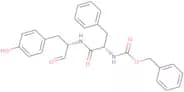
CAS:<p>4-Fluorobenzaldehyde is an organic compound that is used in the synthesis of other chemicals. 4-Fluorobenzaldehyde has been shown to have hemolytic activity and to be a copper complex that reacts with hydrochloric acid. The reaction mechanism of 4-fluorobenzaldehyde with copper chloride is thought to involve the formation of a copper complex, which then undergoes nucleophilic attack by the trifluoroacetic acid, forming a positronium ion. This positronium ion then reacts with hydroxide ions from water, forming hydrogen peroxide and a pyrimidine compound.</p>Formula:C7H5FOPurezza:Min. 98 Area-%Colore e forma:Colourless To Yellow LiquidPeso molecolare:124.11 g/molZ-Phe-Tyr-aldehyde
CAS:<p>Z-Phe-Tyr-aldehyde is a natural compound that inhibits the activity of cathepsin, an enzyme associated with cancer and bowel disease. The compound also inhibits the expression of covid-19, which is a protein that regulates cell death. Z-Phe-Tyr-aldehyde has been shown to cause caspase-independent cell death in human leukemia cells. This compound also blocks the TLR4 receptor, which is thought to play a role in infectious diseases such as SARS and Covid-2. It has been found to inhibit protein synthesis in bacteria, which may be due to its ability to inhibit ribosomal function.</p>Formula:C26H26N2O5Purezza:Min. 95%Peso molecolare:446.5 g/molEnalaprilat dihydrate
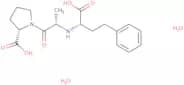
CAS:<p>Enalaprilat is an angiotensin-converting enzyme (ACE) inhibitor that prevents the formation of angiotensin II, a potent vasoconstrictor. It is used to treat high blood pressure and congestive heart failure. Enalaprilat is metabolized to enalapril, which has been found to act as an active inhibitor of DNA polymerase. This drug is also capable of inhibiting the synthesis of other proteins, such as those involved in protein transport and cell wall biogenesis.</p>Formula:C18H28N2O7Purezza:Min. 98 Area-%Colore e forma:PowderPeso molecolare:384.42 g/mol2,5-Dihydroxybenzaldehyde
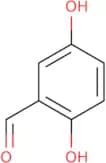
CAS:<p>2,5-Dihydroxybenzaldehyde is a compound that can be used as an antioxidant. It is also a precursor for the synthesis of benzalkonium chloride. 2,5-Dihydroxybenzaldehyde reacts with p-hydroxybenzoic acid to form 2,5-dihydroxyphenylacetic acid and benzoic acid. The reaction mechanism of 2,5-dihydroxybenzaldehyde has been studied in detail using hl-60 cells and has been shown to be significant cytotoxicity. The hydroxyl group in this molecule creates a hydrogen bond with the carbonyl group in p-hydroxybenzoic acid and the two react together to form products. This reaction is catalyzed by Michaelis–Menten kinetics and proceeds via an electrochemical detector. Nitrogen atoms are not present in this molecule but do exist in benzalkonium chloride, which is synthesized from 2</p>Formula:C7H6O3Purezza:Min. 95%Colore e forma:Yellow PowderPeso molecolare:138.12 g/mol4-Fluoro-2-(trifluoromethyl)benzaldehyde
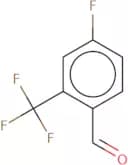
CAS:<p>4-Fluoro-2-(trifluoromethyl)benzaldehyde is a chemical compound that can be used as a reagent in the formylation reaction. This product is soluble in ether, chloroform and benzene. The crystallographic data of this product are available and show that it has an isotropic crystal structure with a monoclinic unit cell. The molecular weight of this product is 150.38 g/mol and the molecular formula is C8H6F3O. The wavelength at which maximum absorption occurs for this product is 266 nm.</p>Formula:C8H4F4OPurezza:Min. 95%Colore e forma:Clear LiquidPeso molecolare:192.11 g/molPyruvic aldehyde - Technical grade, 35-45% w/w aqueous solution
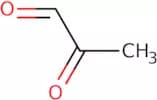
CAS:<p>Pyruvic aldehyde is a reactive compound that is an intermediate in the glycolytic pathway. It is used in vitro to measure enzyme activities and as a model system for studying pathogenic mechanisms. Pyruvic aldehyde has been shown to damage mitochondrial membranes by increasing the production of reactive oxygen species, leading to the collapse of mitochondrial membrane potential and cell death. The methylglyoxal-derived compound also has pharmacological effects, such as anti-inflammatory activities. Pyruvic aldehyde can be prepared using preparative high-performance liquid chromatography (Hplc) or by reacting pyruvate with acidified ethyl acetate.</p>Formula:C3H4O2Colore e forma:Brown Yellow Clear LiquidPeso molecolare:72.06 g/mol2,4-Dihydroxybenzaldehyde
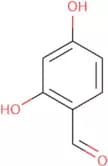
CAS:<p>2,4-Dihydroxybenzaldehyde (2,4DBA) is a copper complex that has been shown to have biological properties. This compound has been studied in biological studies and is classified as group p2 on the periodic table. It is a redox potential of -0.95 V and can undergo intramolecular hydrogen bonding with itself or with other molecules to form hydrogen bonds. Hydroxyl groups are found on 2,4DBA and can coordinate with the nitrogen atoms found on penicillin-binding proteins or acetylcholinesterase inhibition. The coordination geometry of 2,4DBA is tetrahedral and its methyl ethyl group is also found on this molecule.</p>Formula:C7H6O3Purezza:Min. 98 Area-%Colore e forma:White PowderPeso molecolare:138.12 g/mol4'-(3,4-Difluorophenoxy)benzaldehyde
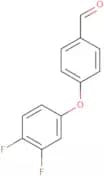
CAS:<p>4'-(3,4-Difluorophenoxy)benzaldehyde is an organic compound that yields a bright yellow color. It is used in the replication of DNA and RNA in the laboratory. This compound has been shown to interact with environmental conditions and significant effects have been observed for cultivars of wheat.</p>Formula:C13H8F2O2Purezza:Min. 95%Peso molecolare:234.2 g/mol4-Bromo-3-methylbenzaldehyde
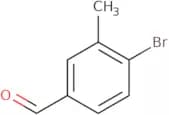
CAS:<p>4-Bromo-3-methylbenzaldehyde is a versatile building block that is used in the synthesis of many complex compounds. It can be used as a reactant, reagent, or speciality chemical. 4-Bromo-3-methylbenzaldehyde is an intermediate for the production of other chemicals and has been shown to be useful in the synthesis of various scaffolds. This product has been shown to have high purity and quality.</p>Formula:C8H7BrOPurezza:Min. 95%Colore e forma:Yellow PowderPeso molecolare:199.04 g/mol3,5-Diiodo-4-hydroxybenzaldehyde
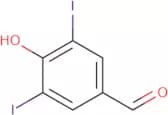
CAS:<p>3,5-Diiodo-4-hydroxybenzaldehyde (3,5-DIBA) is a functional group that contains both hydroxyl and iodide groups. The hydroxyl group is positioned ortho to the iodide group. 3,5-DIBA is found in wastewater and can be used as a bioremediation agent. It has been shown to react with chromatographic solvents and may be used for the removal of organic contaminants from water. 3,5-DIBA reacts with monoiodotyrosine in an aqueous environment to form hypoiodous acid (HIO). This reaction is catalyzed by hydrochloric acid. HIO reacts with diiodoacetic acid or iodoacetic acid to form coagulation products such as diiodoacetate or iodoacetate. These reactions are reversible and can be used for the removal of excess iodine from wastewater.</p>Formula:C7H4I2O2Purezza:Min. 98 Area-%Colore e forma:Off-White PowderPeso molecolare:373.91 g/mol2-Aminobenzaldehyde
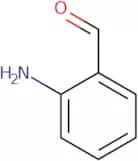
CAS:<p>2-Aminobenzaldehyde is an aromatic compound that contains a hydroxyl group, two nitrogen atoms, and an anhydrous sodium. It can be synthesized by the reaction of hydroxybenzaldehyde with trifluoroacetic acid or nitrobenzene. 2-Aminobenzaldehyde is used as a precursor to other compounds, such as 2-aminobenzonitrile and 2-aminophenol. It also reacts with anthranilic acid in the presence of sodium salts to give a variety of pyrazoles. This product has been shown to react with epidermal growth factor (EGF) in the presence of light to produce light emissions.</p>Formula:C7H7NOPurezza:Min. 95%Colore e forma:PowderPeso molecolare:121.14 g/mol2-Hydroxy-4-methoxybenzaldehyde
CAS:<p>2-Hydroxy-4-methoxybenzaldehyde is an organic chemical that is used as a versatile building block for complex compounds, research chemicals, and reagents. It is also used as a speciality chemical and as a useful intermediate in the synthesis of other chemicals. 2-Hydroxy-4-methoxybenzaldehyde has CAS No. 673-22-3 and can be used to make many different types of compounds. This compound is a useful scaffold for the synthesis of diverse compounds with biological activity such as pharmaceuticals, agrochemicals, dyes, perfumes, fragrances, flavors and fragrances.</p>Formula:C8H8O3Purezza:Min. 99.0 Area-%Peso molecolare:152.15 g/mol3-Nitrobenzaldehyde dimethyl acetal
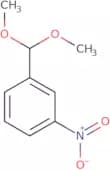
CAS:<p>3-Nitrobenzaldehyde dimethyl acetal is a reagent that is used in organic synthesis. It is a white solid that can be dissolved in polar solvents such as ethanol, acetone and water. This compound has been shown to be useful in the preparation of pharmaceuticals and other chemicals. 3-Nitrobenzaldehyde dimethyl acetal has been shown to react with amines, alcohols, carboxylic acids and phenols to produce various compounds. It also reacts with nitric acid to form an explosive compound called nitrophenol.</p>Formula:C9H11NO4Purezza:Min. 95%Colore e forma:Clear LiquidPeso molecolare:197.19 g/mol2-Bromo-4-cyanobenzaldehyde
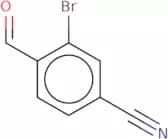
CAS:<p>2-Bromo-4-cyanobenzaldehyde is a potent protease inhibitor and can be used as an antiviral agent. It inhibits the NS3 protease of hepatitis C virus (HCV) with IC50 of 0.2 μM. 2-Bromo-4-cyanobenzaldehyde has been evaluated for its ability to inhibit replicons from HCV genotypes 1, 2, 3, 4 and 5 with varying degrees of potency. In vitro studies have shown that 2-bromo-4-cyanobenzaldehyde is a potent inhibitor of HCV NS3 protease, demonstrating activity against all major HCV genotypes in cell culture. This molecule has also been shown to inhibit the replication of HIV, herpes simplex virus type 1 and human rhinovirus type 2 in cell culture.</p>Formula:C8H4BrNOPurezza:Min. 95%Colore e forma:PowderPeso molecolare:210.03 g/mol2-Hydroxy-5-iodo-3-methoxybenzaldehyde
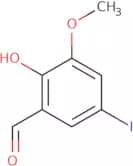
CAS:<p>Please enquire for more information about 2-Hydroxy-5-iodo-3-methoxybenzaldehyde including the price, delivery time and more detailed product information at the technical inquiry form on this page</p>Formula:C8H7IO3Purezza:Min. 98%Colore e forma:PowderPeso molecolare:278.04 g/mol3-(2-Phenylethoxy)benzaldehyde
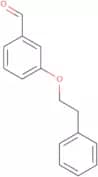
CAS:<p>3-(2-Phenylethoxy)benzaldehyde is a benzaldehyde derivative with an ether group at the 3-position. It is used as a building block for the synthesis of organic compounds and as a reaction component in the preparation of research chemicals, speciality chemicals, and complex compounds. This compound has been shown to have high purity and to be a versatile building block for the synthesis of pharmaceuticals, agrochemicals, and other fine chemicals.</p>Formula:C15H14O2Purezza:Min. 95%Colore e forma:PowderPeso molecolare:226.27 g/mol2-Ethoxy-3-methoxybenzaldehyde
CAS:<p>2-Ethoxy-3-methoxybenzaldehyde is a coordination compound that contains two thiolate ligands, one carbonyl group, and a chelate ring with sulfur. The compound has been shown to bind to the active site of thiosemicarbazide in the enzyme sulfite oxidase, which catalyzes the oxidation of sulfite to sulfate. 2-Ethoxy-3-methoxybenzaldehyde has also been shown to be an effective ligand for rhenium.</p>Formula:C10H12O3Purezza:Min. 95%Peso molecolare:180.2 g/mol3-Cyclohexene-1-carboxaldehyde
CAS:<p>3-Cyclohexene-1-carboxaldehyde is a carbonyl reduction agent that converts primary alcohols to aldehydes. 3-Cyclohexene-1-carboxaldehyde is an effective catalyst for the reduction of alpha, beta unsaturated carbonyls. The mechanism of this reaction involves the elimination of hydrogen chloride, which forms hydrochloric acid. The reaction can be controlled by adding either alkali metal or chloride ions to the reaction mixture. This process produces 2 products: aldehyde and alkyl chlorides. 3-Cyclohexene-1-carboxaldehyde is primarily used in the production of polyethylene terephthalate (PET) and nylon 6,6 from ethylene glycol.</p>Formula:C7H10OPurezza:Min. 95%Peso molecolare:110.15 g/mol2,4,6-Trimethoxybenzaldehyde
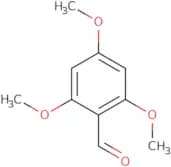
CAS:<p>2,4,6-Trimethoxybenzaldehyde is a chemical compound that is used as an intermediate in organic chemistry. It has been shown to have antiviral effects on influenza A virus by inhibiting the enzyme neuraminidase. This inhibition prevents the release of viruses from infected cells and thus prevents viral replication. 2,4,6-Trimethoxybenzaldehyde also inhibits the growth of cancer cells in vitro and has minimal toxicity to normal cells. This chemical has been shown to inhibit the reaction mechanism of proton pumps in mammalian cells, which may be due to its ability to inhibit p2y receptors or nitrogen atoms. 2,4,6-Trimethoxybenzaldehyde can also be used as a solvent for pharmaceutical preparations and as a reagent in x-ray diffraction data analysis.</p>Formula:C10H12O4Purezza:Min. 95%Colore e forma:PowderPeso molecolare:196.2 g/mol3-(Methylthio)benzaldehyde
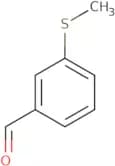
CAS:<p>3-(Methylthio)benzaldehyde is a molecule that can be used in the preparation of mandelic acid. It has been shown to inhibit the activity of lipase, an enzyme that breaks down fats. The cavity of 3-(methylthio)benzaldehyde has been studied by X-ray analysis and was found to have cationic character with silver ions. It also has functional groups that can be used for protein modification by enzymatic reactions.</p>Formula:C8H8OSPurezza:Min. 95%Colore e forma:Clear LiquidPeso molecolare:152.21 g/molHexoprenaline sulphate
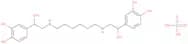
CAS:<p>β-adrenoreceptor agonist; betamimetic agent</p>Formula:C22H34N2O10SPurezza:Min. 95%Colore e forma:White PowderPeso molecolare:518.58 g/mol3-Methylbenzaldehyde
CAS:<p>3-Methylbenzaldehyde is a diphenolase that is found in a Chinese medicinal plant, Acalypha wilkesiana. 3-Methylbenzaldehyde has been shown to have anti-inflammatory properties and can be used as a complementary therapy for inflammatory diseases. The chemical ionization technique was used to measure the production rate of 3-methylbenzaldehyde from the acetate extract of A. wilkesiana. The linear regression analysis showed that there was an increase in the production rate with increased concentration of hydrogen bonding interactions with 3-methylbenzaldehyde. Hydrogen bonding interactions are due to the presence of hydroxyl groups on the benzene ring and methyl group on the side chain. This chemical reaction forms glyoxal, which is then metabolized through p450 isozymes in order to produce 3-methylbenzaldehyde or other metabolites.</p>Formula:C8H8OPurezza:Min. 98 Area-%Colore e forma:Colorless Clear LiquidPeso molecolare:120.15 g/mol4-Benzyloxy-3-chlorobenzaldehyde
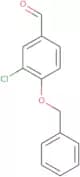
CAS:<p>4-Benzyloxy-3-chlorobenzaldehyde is a chemical intermediate that can be used for the production of a variety of compounds. It is an aromatic compound, with a benzene ring and two oxy groups at each end. The CAS number for 4-benzyloxy-3-chlorobenzaldehyde is 66422-84-2. It is also known as 1,4-dichloroacetophenone. This chemical is useful in the production of speciality chemicals and research chemicals, and it can act as a versatile building block in organic synthesis.</p>Formula:C14H11ClO2Purezza:Min. 95%Peso molecolare:246.69 g/mol2,4,6-Tribromo-3-hydroxybenzaldehyde
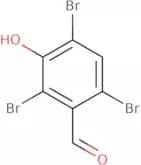
CAS:<p>2,4,6-Tribromo-3-hydroxybenzaldehyde (2,4,6-TBHB) is an aldehyde that is synthesized from the reaction of 2,4,6-trichlorobenzaldehyde and bromine. It has been shown to be cytotoxic in tumour cell lines in vitro. This compound binds to DNA by covalent binding and inhibits the synthesis of proteins. 2,4,6-TBHB also inhibits cellular uptake of halides such as chloride and bromide ions. This aldehyde has been shown to induce cell death in human lung cancer cells in a concentration dependent manner.</p>Formula:C7H3Br3O2Purezza:Min. 95%Colore e forma:PowderPeso molecolare:358.81 g/mol2-(4-Chlorophenyl)thiazole-4-carbaldehyde
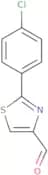
CAS:<p>Please enquire for more information about 2-(4-Chlorophenyl)thiazole-4-carbaldehyde including the price, delivery time and more detailed product information at the technical inquiry form on this page</p>Formula:C10H6ClNOSPurezza:Min. 95%Colore e forma:PowderPeso molecolare:223.68 g/mol2,4-Dichloro-5-fluorobenzaldehyde
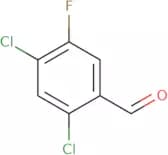
CAS:<p>2,4-Dichloro-5-fluorobenzaldehyde (2,4-DFCA) is a functional group that can be found in inorganic, fatty acids, and fatty acid. 2,4-DFCA has been shown to increase insulin-like growth factor I (IGF-I) levels in vitro and in vivo. 2,4-DFCA also increases the expression of IGF-I gene polymorphisms. This compound is used to induce insulin resistance by increasing serum level of IGF-I. 2,4-DFCA also inhibits the activity of a protein called impeller that is required for cardiac contractility. This compound can be found on the surface of untreated control cells.</p>Formula:C7H3Cl2FOPurezza:Min. 95%Colore e forma:PowderPeso molecolare:193 g/mol4-Fluoro-2-methoxybenzaldehyde
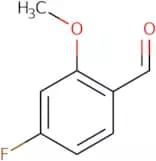
CAS:<p>4-Fluoro-2-methoxybenzaldehyde (4FMBA) is a potential PET radioligand that binds to the serotonin 5-HT2A receptor. 4FMBA has been shown to be an efficient and selective 5-HT2A antagonist with low molecular weight and high affinity. The binding of 4FMBA to the serotonin 5-HT2A receptor can be inhibited by ketanserin, which is a nonselective 5-HT2A antagonist. This drug may be used for cancer diagnosis, as it has a low detection limit and can detect endogenous serotonin in the brain. It also shows anti-depressant properties, which may be due to its ability to bind to the orthosteric site of the serotonin 5-HT2A receptor.</p>Formula:C8H7FO2Purezza:Min. 95%Colore e forma:Off-White PowderPeso molecolare:154.14 g/mol2-Methoxy-5-(trifluoromethoxy)benzaldehyde
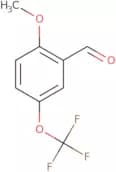
CAS:<p>2-Methoxy-5-(trifluoromethoxy)benzaldehyde is a tachykinin antagonist that inhibits the binding of neurokinin to its receptor with high affinity. This compound has shown potential as a drug for the treatment of pain and other conditions such as asthma, allergies, and depression. The efficacy of 2-methoxy-5-(trifluoromethoxy)benzaldehyde has been demonstrated in high-throughput screening for the detection of nk1 receptor antagonists. Further studies have shown that modification of this molecule may increase its potency and reduce side effects.</p>Formula:C9H7F3O3Purezza:Min. 95%Colore e forma:Clear LiquidPeso molecolare:220.15 g/mol2-Iodobenzaldehyde
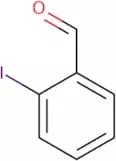
CAS:<p>2-Iodobenzaldehyde is a chemical compound that contains a benzene ring with two iodine substituents. 2-Iodobenzaldehyde has been shown to have affinity for ligands with electron-donating groups, such as methoxy and hydroxyl groups, which may contribute to its high reactivity. This chemical also has the ability to inhibit estrogen receptor modulators, which may be beneficial in treating autoimmune diseases. 2-Iodobenzaldehyde has been shown to reduce electron density between two molecules, allowing it to form hydrogen bonds and interact with stilbene derivatives.</p>Formula:IC6H4CHOPurezza:Min. 95%Colore e forma:White PowderPeso molecolare:232.02 g/mol