Aldeidi
Gli aldeidi sono composti organici che contengono un gruppo carbonilico (C=O) legato ad almeno un atomo di idrogeno. Questi composti versatili sono fondamentali in varie reazioni chimiche, tra cui ossidazione, riduzione e addizione nucleofila. Gli aldeidi sono building blocks essenziali nella sintesi di prodotti farmaceutici, fragranze e polimeri. Presso CymitQuimica, offriamo una vasta selezione di aldeidi di alta qualità per supportare le vostre applicazioni di ricerca e industriali.
Trovati 8540 prodotti di "Aldeidi"
Ordinare per
Purezza (%)
0
100
|
0
|
50
|
90
|
95
|
100
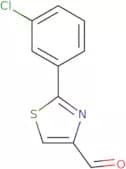
2-(3-Chlorophenyl)thiazole-4-carbaldehyde
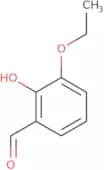
CAS:<p>Please enquire for more information about 2-(3-Chlorophenyl)thiazole-4-carbaldehyde including the price, delivery time and more detailed product information at the technical inquiry form on this page</p>Formula:C10H6ClNOSPurezza:Min. 95%Colore e forma:PowderPeso molecolare:223.68 g/mol3-Ethoxysalicylaldehyde
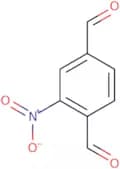
CAS:<p>3-Ethoxysalicylaldehyde (3ESA) is a colorless liquid that has been shown to be soluble in methanol. 3ESA has a molecular weight of 172.2 and an experimental solubility data of 1.01 g/mL at 25 °C. The compound has a coordination geometry of tetrahedral with one metal ion and three oxygen atoms. The compound also contains one hydroxyl group and two hydrogen bonds, which are intramolecular hydrogen bonds. 3ESA has shown high resistance to human serum, suggesting that it is stable in the presence of human proteins, and is able to bind copper ions to form copper complexes.</p>Formula:C9H10O3Purezza:Min. 95%Colore e forma:PowderPeso molecolare:166.17 g/mol2-Nitroterephthalaldehyde
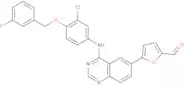
CAS:<p>2-Nitroterephthalaldehyde is a chiral molecule that can be used in the supramolecular synthesis of macrocycles. This molecule has been shown to catalyze the formation of imines, which are important for the synthesis of macrocycles. The kinetic and thermodynamic properties of 2-Nitroterephthalaldehyde have been studied and found to be favorable for this type of reaction.</p>Formula:C8H5NO4Purezza:Min. 95%Colore e forma:PowderPeso molecolare:179.13 g/mol5-(4-((3-Chloro-4-((3-fluorobenzyl)oxy)phenyl)amino) quinazolin-6-yl)furan-2-carbaldehyde
CAS:<p>5-(4-((3-Chloro-4-((3-fluorobenzyl)oxy)phenyl)amino)quinazolin-6-yl)furan-2-carbaldehyde is a heterocyclic compound that has been used to study protein tyrosine kinase activity. This drug binds to the active site of the enzyme and inhibits its function by forming an irreversible covalent bond with the enzyme's reactive cysteine residue, which prevents the transfer of phosphate groups from ATP to the substrate (tyrosine).</p>Formula:C26H17ClFN3O3Purezza:Min. 95%Peso molecolare:473.88 g/mol3-Bromo-4-fluorobenzaldehyde
CAS:<p>3-Bromo-4-fluorobenzaldehyde is a drug substance that is used in the synthesis of pharmaceuticals. It is also a potential anticancer agent. 3-Bromo-4-fluorobenzaldehyde inhibits bacterial growth by binding to DNA, preventing transcription and replication. The high frequency of human activity has been shown using a patch clamp technique on human erythrocytes. This active form is metabolized through a number of metabolic transformations, including hydrolysis by esterases or glucuronidases, oxidation by cytochrome P450 enzymes, reduction by glutathione reductase, or conjugation with glucuronic acid. 3-Bromo-4-fluorobenzaldehyde also specifically binds to markers expressed at high levels in Mycobacterium tuberculosis strains (e.g., ESX-1 secretion system protein) and inhibits cell growth in culture.</p>Formula:C7H4BrFOPurezza:Min. 95%Colore e forma:PowderPeso molecolare:203.01 g/mol4-Benzyloxy-3-chlorobenzaldehyde
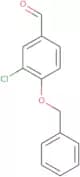
CAS:<p>4-Benzyloxy-3-chlorobenzaldehyde is a chemical intermediate that can be used for the production of a variety of compounds. It is an aromatic compound, with a benzene ring and two oxy groups at each end. The CAS number for 4-benzyloxy-3-chlorobenzaldehyde is 66422-84-2. It is also known as 1,4-dichloroacetophenone. This chemical is useful in the production of speciality chemicals and research chemicals, and it can act as a versatile building block in organic synthesis.</p>Formula:C14H11ClO2Purezza:Min. 95%Peso molecolare:246.69 g/mol2-Hydroxy-4-nitrobenzaldehyde
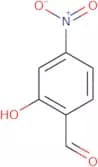
CAS:<p>2-Hydroxy-4-nitrobenzaldehyde is a molecule that reacts with kinase receptors in cancer cells and causes oxidative carbonylation. It has been shown to react with chloride, salicylaldehyde and dobutamine to form a fluorescent compound, which can be used as a probe for fluorescence studies. The fluorescence properties of 2-hydroxy-4-nitrobenzaldehyde have also been exploited for the development of pyrazoles as potential anti-cancer agents.</p>Formula:C7H5NO4Purezza:Min. 98 Area-%Colore e forma:PowderPeso molecolare:167.12 g/mol4-Fluoro-1H-indole-3-carbaldehyde
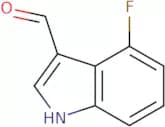
CAS:<p>4-Fluoro-1H-indole-3-carbaldehyde is a chemical compound that can be used as a reagent, reaction component, or building block in the synthesis of more complex compounds. This chemical is also known as CAS No. 23073-31-6 and has high quality and purity. 4-Fluoro-1H-indole-3-carbaldehyde is useful for research purposes and can be used as a speciality chemical or a fine chemical.</p>Formula:C9H6FNOPurezza:Min. 95%Colore e forma:Yellow To Brown SolidPeso molecolare:163.15 g/molo-Nitrocinnamaldehyde
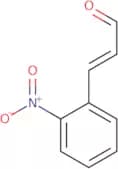
CAS:<p>o-Nitrocinnamaldehyde is an aldehyde that belongs to the group of β-unsaturated aldehydes. It has been shown to inhibit cancer cell growth in vitro and in vivo. o-Nitrocinnamaldehyde inhibits xanthine oxidase by preventing the oxidation of hypoxanthine to xanthine and xanthine to uric acid. This prevents the formation of superoxide radicals, which are known carcinogens. The compound also inhibits aldehyde dehydrogenase, which prevents the oxidation of nitro compounds that have been generated by nitrosation reactions. These reactions are catalyzed by nitric oxide synthases (NOS) and convert nitrate into nitrite and then into reactive nitrogen species such as peroxynitrites. o-Nitrocinnamaldehyde also inhibits uv absorption, which may be due to its ability to form supramolecular aggregates with other organic molecules or metal ions.</p>Formula:C9H7NO3Purezza:Min. 95%Peso molecolare:177.16 g/molEnalapril diketopiperazine
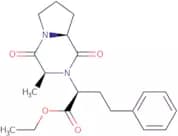
CAS:<p>Enalapril is a potassium-sparing diuretic that belongs to the group of angiotensin-converting enzyme (ACE) inhibitors. It is used in the treatment of high blood pressure and congestive heart failure. Enalapril is activated by hydrolysis to enalaprilat, which in turn inhibits the formation of angiotensin II and prevents its effects on blood vessels and kidneys. Enalapril also prevents the conversion of captopril to enalaprilat, thereby reducing its effectiveness as an ACE inhibitor.</p>Formula:C20H26N2O4Purezza:Min. 95%Colore e forma:PowderPeso molecolare:358.43 g/mol2-Chloro-6-fluorobenzaldehyde oxime
CAS:<p>2-Chloro-6-fluorobenzaldehyde oxime is the chemical compound with the formula ClCH=C(O)N(OH)Cl. It is a white solid that is soluble in water and ethanol. 2-Chloro-6-fluorobenzaldehyde oxime is used as a versatile building block in organic synthesis, for example as a reagent for the preparation of amides, esters, and nitriles. It is also useful as a reagent for the conversion of ketones to nitriles.</p>Formula:C7H5ClFNOPurezza:Min. 95%Peso molecolare:173.57 g/mol5-[(4,5-Dimethyl-4H-1,2,4-triazol-3-yl)thio]-2-furaldehyde
CAS:<p>5-[(4,5-Dimethyl-4H-1,2,4-triazol-3-yl)thio]-2-furaldehyde is a versatile building block that can be used as a research chemical or reagent. It is also useful for the synthesis of complex compounds. This material has been shown to be an excellent starting point for the synthesis of high quality and useful scaffolds.</p>Formula:C9H9N3O2SPurezza:Min. 95%Colore e forma:PowderPeso molecolare:223.25 g/mol5-(Trifluoromethoxy)salicylaldehyde
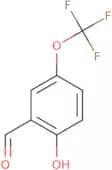
CAS:<p>5-(Trifluoromethoxy)salicylaldehyde is a ligand that binds to the active site of the enzyme catalysis, thereby inhibiting its activity. It has been shown to be effective in colon cancer and other cancers due to its ability to inhibit protein synthesis. 5-(Trifluoromethoxy)salicylaldehyde also inhibits the production of prostaglandins, which may prevent inflammation. The compound is also used in supramolecular chemistry and biological studies as a tool for studying protein-ligand interactions. 5-(Trifluoromethoxy)salicylaldehyde has been shown to have dose-dependent effects on cell proliferation and protein synthesis.</p>Formula:C8H5F3O3Purezza:Min. 95%Colore e forma:PowderPeso molecolare:206.12 g/mol2-Hydroxy-4-morpholinobenzaldehyde
CAS:<p>Please enquire for more information about 2-Hydroxy-4-morpholinobenzaldehyde including the price, delivery time and more detailed product information at the technical inquiry form on this page</p>Formula:C11H13NO3Purezza:Min. 95%Peso molecolare:207.23 g/mol2,4,6-Trimethoxy-3-methylbenzaldehyde
CAS:<p>2,4,6-Trimethoxy-3-methylbenzaldehyde is a flavanone that is structurally related to the drug ciprofloxacin. The two molecules share a common molecular framework with the addition of a hydroxyl group on the 2 position of the benzene ring. In molecular docking studies, 2,4,6-Trimethoxy-3-methylbenzaldehyde has shown antitubercular activity against Mycobacterium tuberculosis and Mycobacterium avium complex. It is also an inhibitor of protein tyrosine phosphatase and has been shown to have antibacterial activity against various strains of bacteria.</p>Formula:C11H14O4Purezza:Min. 95%Colore e forma:PowderPeso molecolare:210.23 g/mol3,4,5-Trihydroxybenzaldehyde monohydrate
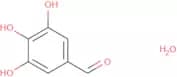
CAS:<p>3,4,5-Trihydroxybenzaldehyde monohydrate is a chemical compound that belongs to the class of aromatic hydrocarbons. It has been shown to have a neurotoxic effect on the mouse brain and is used in the diagnosis of neurological diseases. 3,4,5-Trihydroxybenzaldehyde monohydrate is also used as an intermediate in the synthesis of other chemicals. The molecular formula for this substance is C9H7O3 and it contains three nitrogen atoms. The molecular weight is 179.06 g/mol and its sequence length is 707 amino acids long. This substance has been found to be present in humans with chronic kidney disease and insulin resistance.</p>Formula:C7H6O4·H2OPurezza:(%) Min. 95%Colore e forma:PowderPeso molecolare:172.14 g/mol3,4-Dihydroxybenzaldehyde
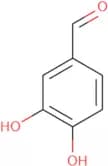
CAS:<p>3,4-Dihydroxybenzaldehyde is an active compound that is a protocatechuic aldehyde. It has been shown to inhibit protein oxidation and kidney injury. 3,4-Dihydroxybenzaldehyde also inhibits the production of bcl-2 protein and growth factor-β in rat urine. This compound has been used in Chinese medicinal preparations as well as in control methods for oxidizing agents.</p>Formula:C7H6O3Colore e forma:Brown White PowderPeso molecolare:138.12 g/mol3-Methylbenzaldehyde
CAS:<p>3-Methylbenzaldehyde is a diphenolase that is found in a Chinese medicinal plant, Acalypha wilkesiana. 3-Methylbenzaldehyde has been shown to have anti-inflammatory properties and can be used as a complementary therapy for inflammatory diseases. The chemical ionization technique was used to measure the production rate of 3-methylbenzaldehyde from the acetate extract of A. wilkesiana. The linear regression analysis showed that there was an increase in the production rate with increased concentration of hydrogen bonding interactions with 3-methylbenzaldehyde. Hydrogen bonding interactions are due to the presence of hydroxyl groups on the benzene ring and methyl group on the side chain. This chemical reaction forms glyoxal, which is then metabolized through p450 isozymes in order to produce 3-methylbenzaldehyde or other metabolites.</p>Formula:C8H8OPurezza:Min. 98 Area-%Colore e forma:Colorless Clear LiquidPeso molecolare:120.15 g/mol2,6-Dichloro-4-hydroxybenzaldehyde
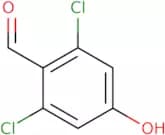
CAS:<p>2,6-Dichloro-4-hydroxybenzaldehyde is a chlorinated organic compound that can be synthesized by the chlorination of 2,6-dichlorobenzaldehyde. It has non-polar properties and can be used as an analytical reagent. Due to its chlorine atoms, it is used in the analysis of chlorine content in water and other substances. It is a formyl derivative and a homologue of formaldehyde. There are two isomers: 2,4-dichloro-6-hydroxybenzaldehyde (2,4 DCHA) and 2,5-dichloro-6-hydroxybenzaldehyde (2,5 DCHA).</p>Formula:C7H4Cl2O2Purezza:Min. 95%Colore e forma:Yellow PowderPeso molecolare:191.01 g/mol2,4-Dichloro-6-hydroxybenzaldehyde
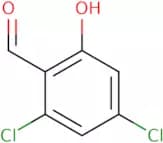
CAS:<p>2,4-Dichloro-6-hydroxybenzaldehyde is a potential antineoplastic agent that inhibits mitochondrial function and induces apoptosis. This drug blocks the mitochondrial membrane potential and inhibits ATP production by blocking the mitochondrial respiratory chain complexes I and III. 2,4-Dichloro-6-hydroxybenzaldehyde has been shown to inhibit tumor cell growth in culture and in animal models of cancer. It also selectively kills tumor cells with low levels of cisplatin resistance through concurrent inhibition of mitochondria and caspase activation.<br>2,4-Dichloro-6-hydroxybenzaldehyde binds to both the inner membrane of mitochondria and to the plasma membrane of cancer cells, thereby inhibiting their function.</p>Formula:C7H4Cl2O2Purezza:Min. 95%Colore e forma:PowderPeso molecolare:191.01 g/mol2,2,7-Trimethyl-2,3-dihydro-1-benzofuran-5-carbaldehyde
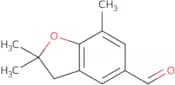
CAS:<p>2,2,7-Trimethyl-2,3-dihydro-1-benzofuran-5-carbaldehyde is a fine chemical that is used as a building block in research and synthesis of other chemicals. It has been shown to be a versatile building block for the synthesis of complex compounds. 2,2,7-Trimethyl-2,3-dihydro-1-benzofuran-5-carbaldehyde is also a useful intermediate to make other chemicals as well as a reagent in the production of speciality chemicals. This compound can be used in reactions with amines and alcohols. It has been found to have high quality that makes it useful for use in reactions with DNA and RNA nucleotides and proteins.</p>Formula:C12H14O2Purezza:Min. 95%Colore e forma:White PowderPeso molecolare:190.24 g/mol2-Ethoxy-3-methoxybenzaldehyde
CAS:<p>2-Ethoxy-3-methoxybenzaldehyde is a coordination compound that contains two thiolate ligands, one carbonyl group, and a chelate ring with sulfur. The compound has been shown to bind to the active site of thiosemicarbazide in the enzyme sulfite oxidase, which catalyzes the oxidation of sulfite to sulfate. 2-Ethoxy-3-methoxybenzaldehyde has also been shown to be an effective ligand for rhenium.</p>Formula:C10H12O3Purezza:Min. 95%Peso molecolare:180.2 g/mol2-Hydroxy-3,4-dimethoxybenzaldehyde
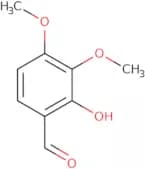
CAS:<p>2-Hydroxy-3,4-dimethoxybenzaldehyde is a molecule that has an acidic character. It has been shown to be able to form a copper complex with good optical properties. A method using this compound as the monomer was found to be efficient for synthesizing polymers with size exclusion chromatography. 2-Hydroxy-3,4-dimethoxybenzaldehyde is a monocarboxylic acid that contains an aliphatic hydrocarbon and hydroxyl group. It can also act as a monomer in polymerization reactions and can be used in chemical structures such as multidrugs, which are made from large molecules of different types of atoms. The acid catalyst is required for these reactions to take place.</p>Formula:C9H10O4Purezza:Min. 95%Colore e forma:PowderPeso molecolare:182.17 g/mol2,5-Dimethoxybenzaldehyde
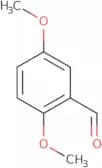
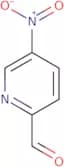
CAS:<p>Intermediate in organic synthesis</p>Formula:C9H10O3Purezza:Min. 98 Area-%Colore e forma:Off-White PowderPeso molecolare:166.17 g/mol3-Nitro-6-pyridinecarboxaldehyde
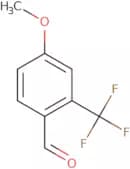
CAS:<p>3-Nitro-6-pyridinecarboxaldehyde is a colorless liquid that is soluble in water. It has a boiling point of 155 degrees Celsius, and it has a density of 1.03 grams per milliliter. This chemical reacts with metal ions to form nitro compounds. 3-Nitro-6-pyridinecarboxaldehyde has been used as an analytical reagent for the determination of benzenes and pyridines in organic solvents and gas chromatography calibration. The reactivity of this chemical is due to its pyridine ring, which can be used as a ligand or reagent.</p>Formula:C6H4N2O3Purezza:Min. 98%Colore e forma:PowderPeso molecolare:152.11 g/mol4-Methoxy-2-(trifluoromethyl)benzaldehyde
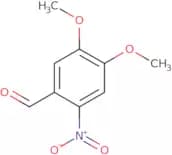
CAS:<p>4-Methoxy-2-(trifluoromethyl)benzaldehyde is a chemical that has been used in the synthesis of a variety of compounds. It is an important intermediate for the production of pharmaceuticals, agrochemicals, and fine chemicals. This compound can be used as a building block to produce other organic compounds with high quality. 4-Methoxy-2-(trifluoromethyl)benzaldehyde can also be used as a reagent in organic chemistry reactions, such as the synthesis of indoles. The CAS number for this compound is 106312-36-1.</p>Formula:C9H7F3O2Purezza:Min. 95%Colore e forma:PowderPeso molecolare:204.15 g/mol3,4-Dimethoxy-6-nitrobenzaldehyde
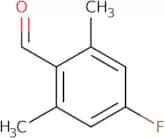
CAS:<p>3,4-Dimethoxy-6-nitrobenzaldehyde is a chemical compound that has been synthesized by the reaction of 3,4-dimethoxybenzaldehyde and nitric acid. The asymmetric synthesis of 3,4-Dimethoxy-6-nitrobenzaldehyde starts with the preparation of the corresponding ester, which is then reacted with nitric acid to produce the desired product. The chemical structure of 3,4-Dimethoxy-6-nitrobenzaldehyde consists of three aromatic rings: a benzene ring fused to a phenyl ring and a pyridine ring. This chemical can be used as an intermediate in the synthesis of epidermal growth factor (EGF). It also has been shown to bind to toll like receptor 4 (TLR4), which activates NFκB signaling pathway and induces apoptosis in monocytes.</p>Formula:C9H9NO5Purezza:Min. 95 Area-%Colore e forma:White Yellow PowderPeso molecolare:211.17 g/mol2,6-Dimethyl-4-fluorobenzaldehyde
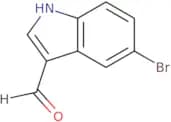
CAS:<p>2,6-Dimethyl-4-fluorobenzaldehyde is a fine chemical that is used as a building block in the synthesis of other chemicals. It can be used as a reagent and as a speciality chemical. This product has high purity and quality and is versatile in its use as both an intermediate or scaffold molecule. It can be used in reactions to create complex compounds with useful properties.</p>Formula:C9H9FOPurezza:Min. 95%Colore e forma:PowderPeso molecolare:152.17 g/mol5-Bromoindole-3-carboxaldehyde
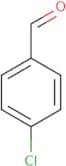
CAS:<p>5-Bromoindole-3-carboxaldehyde is a water molecule that has been crystallized in the form of an amide. It is a chemical substance with asymmetric synthesis and significant antifungal activity. 5-Bromoindole-3-carboxaldehyde is active against some strains of the fungus Candida albicans and has been shown to inhibit the growth of kidney cells. This molecule also binds to the neurokinin 1 receptor and is used as a probe for fluorescence studies. The efficient method for synthesizing 5-Bromoindole-3-carboxaldehyde includes using silico analysis to confirm the structure on a computer, then performing an asymmetric synthesis with an acid catalyst to produce this compound.</p>Formula:C9H6BrNOPurezza:Min. 98 Area-%Colore e forma:PowderPeso molecolare:224.05 g/mol4-Chlorobenzaldehyde
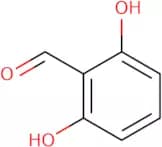
CAS:<p>4-Chlorobenzaldehyde is a chemical compound with the molecular formula C6H5ClO. It can be synthesized by reacting malonic acid with sephadex g-100, copper chloride, and diphenolase. This reaction mechanism is shown in Figure 1. The product then reacts with copper to form a copper complex. 4-Chlorobenzaldehyde has been shown to have anticancer activity against carcinoma cell lines and squamous carcinoma cells. The mechanism of action for this compound may be due to its ability to inhibit the synthesis of picolinic acid, which is an important precursor for the synthesis of nicotinamide adenine dinucleotide (NAD).</p>Formula:C7H5ClOPurezza:Min. 95%Colore e forma:White Clear LiquidPeso molecolare:140.57 g/mol2,6-Dihydroxybenzaldehyde
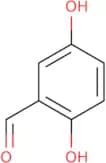
CAS:<p>2,6-Dihydroxybenzaldehyde is a chemical compound that has been used as an intermediate in the synthesis of other chemicals. It is also used as a precursor for benzaldehyde and benzoic acid. 2,6-Dihydroxybenzaldehyde can be synthesized by reacting sodium carbonate with pluronic F127 in the presence of cationic surfactant. The surface methodology used in this process involves the use of hydrophobic molecules to form micelles and liposomes on the surface of the electrode. The interaction between these micelles and liposomes is pH dependent. This reaction causes an increase in hydrogen ions, which leads to an increase in conductivity at acidic pH values. Electrochemical impedance spectroscopy (EIS) results show that 2,6-dihydroxybenzaldehyde reacts with high concentrations of salt and water vapor. FTIR spectroscopy shows that it has two hydroxyl groups and one double</p>Formula:C7H6O3Purezza:Min. 95%Colore e forma:PowderPeso molecolare:138.12 g/mol2,5-Dihydroxybenzaldehyde
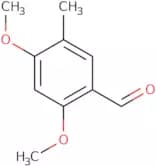
CAS:<p>2,5-Dihydroxybenzaldehyde is a compound that can be used as an antioxidant. It is also a precursor for the synthesis of benzalkonium chloride. 2,5-Dihydroxybenzaldehyde reacts with p-hydroxybenzoic acid to form 2,5-dihydroxyphenylacetic acid and benzoic acid. The reaction mechanism of 2,5-dihydroxybenzaldehyde has been studied in detail using hl-60 cells and has been shown to be significant cytotoxicity. The hydroxyl group in this molecule creates a hydrogen bond with the carbonyl group in p-hydroxybenzoic acid and the two react together to form products. This reaction is catalyzed by Michaelis–Menten kinetics and proceeds via an electrochemical detector. Nitrogen atoms are not present in this molecule but do exist in benzalkonium chloride, which is synthesized from 2</p>Formula:C7H6O3Purezza:Min. 95%Colore e forma:Yellow PowderPeso molecolare:138.12 g/mol2,4-Dimethoxy-5-methylbenzaldehyde
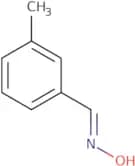
CAS:<p>2,4-Dimethoxy-5-methylbenzaldehyde is an aryl aldehyde that can be synthesized from 2,4-dimethoxyphenol and methyl benzoate. It can also be produced by condensation of benzaldehyde with chloroform in the presence of zinc chloride. This compound is used in the production of various pharmaceuticals, including antihistamines, antidepressants, and antipsychotics.</p>Formula:C10H12O3Purezza:Min. 95%Colore e forma:PowderPeso molecolare:180.2 g/mol3-Methylbenzaldehyde oxime
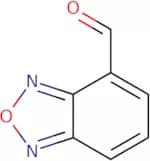
CAS:<p>3-Methylbenzaldehyde oxime is a fine chemical that can be used as a versatile building block. It has the CAS No. 41977-54-2 and is also known as benzoic acid, 3-methyl-, oxime. 3-Methylbenzaldehyde oxime is a complex compound that can be used in research chemicals and reagents. The chemical has been found to have high quality and is useful for making speciality chemicals and useful intermediates. The compound is also a reaction component for use in synthesis of other compounds. 3-Methylbenzaldehyde oxime can be used as a scaffold for drug design and development.</p>Formula:C8H9NOPurezza:Min. 95%Colore e forma:Off-White PowderPeso molecolare:135.16 g/mol4-Benzofurazancarboxaldehyde
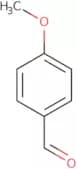
CAS:<p>4-Benzofurazancarboxaldehyde is a pyridinium salt that has been shown to be an oxidant and primary amine. It can form a benzoxadiazole or benzothiadiazole with the addition of an amine, such as piperidine. 4-Benzofurazancarboxaldehyde is also able to form a methyl ester with alkali metal. This compound has been shown to have high yield in the formylating reaction.</p>Formula:C7H4N2O2Purezza:Min. 95%Colore e forma:PowderPeso molecolare:148.12 g/mol4-Methoxybenzaldehyde
CAS:<p>4-Methoxybenzaldehyde is a surfactant with a Langmuir adsorption isotherm. It can be used in analytical methods for the determination of sodium carbonate at concentrations of 1 mg/mL and higher. The redox potentials of 4-methoxybenzaldehyde are +0.37 and -0.35 volts, which corresponds to group P2. The reaction mechanism for 4-methoxybenzaldehyde is the oxidation of the compound by potassium permanganate (KMnO4) in aqueous solution to form 4-hydroxybenzoic acid (4HB). The fluorescent derivative of 4-methoxybenzaldehyde is magnesium salt, which has been shown to react with ryanodine receptors in skeletal muscle cells, leading to a decrease in calcium release from the sarcoplasmic reticulum. Process optimization may be necessary for this product due to its limited applications in analytical chemistry.</p>Formula:C8H8O2Purezza:Min. 95%Colore e forma:Colorless Clear LiquidPeso molecolare:136.15 g/mol4-Aminobenzaldehyde
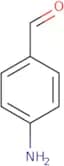
CAS:<p>4-Aminobenzaldehyde is a molecule that belongs to the class of aromatic compounds. It has a crystalline structure and reacts with acylating agents to form amides. 4-Aminobenzaldehyde has been used for the preparation of diazonium salts, which are reactive intermediates in organic synthesis that can be used as a nucleophile. This compound has been shown to react with sodium nitrate to form an electrochemical data, and it has also been used as a control experiment for nmr spectra.</p>Formula:C7H7NOPurezza:Min. 98 Area-%Colore e forma:PowderPeso molecolare:121.14 g/mol4-Hydroxybenzaldehyde
CAS:<p>4-Hydroxybenzaldehyde is a phenolic compound that is produced in plants. 4-Hydoxybenzaldehyde is used as an extractant for sodium carbonate and hydroxyl group from acetate extract. The locomotor activity of animals was tested following administration of this substance, and it has been shown to have a high resistance against x-ray crystallography. The reaction mechanism for the formation of p-hydroxybenzoic acid from 4-hydroxybenzaldehyde has been proposed, which may be due to the oxidation of 4-hydroxybenzaldehyde by hydrogen peroxide. This reaction also induces apoptosis pathway in cells. Kinetic data for the reaction between 4-hydroxybenzaldehyde and hydrogen peroxide were obtained using UV spectroscopy.</p>Formula:C7H6O2Purezza:Min. 95%Colore e forma:White PowderPeso molecolare:122.12 g/mol4-(Trifluoromethoxy)benzaldehyde
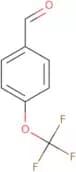
CAS:<p>4-(Trifluoromethoxy)benzaldehyde is a chemical compound that is a substrate for tyrosinase and an inhibitor of the enzyme. It is also an anticancer compound that can be used to inhibit tumor growth by inhibiting protein synthesis. 4-(Trifluoromethoxy)benzaldehyde has been shown to have potent tyrosinase inhibition activity in vitro and in vivo, as well as binding activities with the CB2 receptor. This chemical has also been shown to inhibit virus replication, including HIV-1, and tuberculosis. 4-(Trifluoromethoxy)benzaldehyde can be used in assays to measure the potency of other compounds that are involved in tyrosinase activity or have anti-cancer properties. 4-(Trifluoromethoxy)benzaldehyde specifically binds to residues in the kinase domain of the enzyme tyrosinase, which is responsible for catalysis and regulation of this enzyme.</p>Formula:C8H5F3O2Purezza:Min. 95%Colore e forma:Colorless Clear LiquidPeso molecolare:190.12 g/mol4-Hydroxy-3-(trifluoromethoxy)benzaldehyde
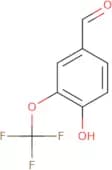
CAS:<p>4-Hydroxy-3-(trifluoromethoxy)benzaldehyde is a chemical that modulates the toxicity of cells. It has been shown to reduce amyloid plaques in animals and humans with Alzheimer's disease, and to inhibit the formation of plaques in transgenic mice. In addition, 4-hydroxy-3-(trifluoromethoxy)benzaldehyde has been found to be a pyrimidine compound, which can be used as a potential treatment for alzheimer's disease. This substance also has an insoluble nature and is not soluble in water. Curcumin is one of the substances that may be used to dissolve this substance.</p>Formula:C8H5F3O3Purezza:Min. 95%Peso molecolare:206.12 g/mol4-Bromo-3-fluorobenzaldehyde
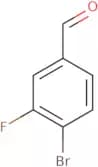
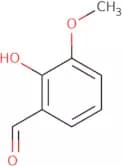
CAS:<p>4-Bromo-3-fluorobenzaldehyde is a drug substance that can be used in cancer therapy. It is a cross-linking agent that can form covalent bonds with DNA and proteins, which inhibits the ability of cells to replicate. 4-Bromo-3-fluorobenzaldehyde has been shown to have cytotoxic activity against human cancer cells in culture. This compound is synthesized by an unsymmetrical nitroaldol reaction, followed by Suzuki coupling with 3-(4′-methoxyphenyl) propanone. The structural formula for this product is C9H5BrFO2.</p>Formula:C7H4BrFOPurezza:Min. 95%Peso molecolare:203.01 g/mol2-Hydroxy-3-methoxybenzaldehyde
CAS:<p>2-Hydroxy-3-methoxybenzaldehyde is a model compound that is used to study the reaction mechanism of hydrogen bonding. It has been shown to have antioxidative properties and amoebicidal activity. The biological properties of 2-hydroxy-3-methoxybenzaldehyde are still being studied. There are also no reports on its toxicity or carcinogenicity in humans. This compound is a member of the group P2, which includes compounds with two aromatic rings connected by one carbon atom. The molecular geometry around this carbon atom is pyramidal and the molecule can exist in either an axial or equatorial orientation. Synchronous fluorescence experiments have shown that 2-hydroxymethoxybenzaldehyde reacts with Toll-like receptor 4 (TLR4).</p>Formula:C8H8O3Purezza:Min. 95%Colore e forma:Yellow PowderPeso molecolare:152.15 g/mol3-Chloro-2-nitrobenzaldehyde
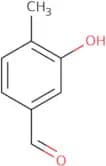
CAS:<p>3-Chloro-2-nitrobenzaldehyde is an analog of 2-nitrobenzaldehyde. It can be synthesized by reacting a halogen with benzaldehyde, such as chlorine or bromine. 3-Chloro-2-nitrobenzaldehyde is unreactive and can be used in the production of other compounds, such as pharmaceuticals. 3-Chloro-2-nitrobenzaldehyde has been shown to react with sodium methoxide to produce a methoxide. The methoxide is then reacted with an alcohol to produce an ester.</p>Formula:C7H4ClNO3Purezza:Min. 95%Peso molecolare:185.56 g/mol3-Hydroxy-4-methylbenzaldehyde
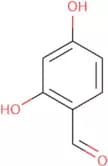
CAS:<p>3-Hydroxy-4-methylbenzaldehyde is a chemical that is synthesized from 3-hydroxy-4-methylphenol and dimethylformamide. It has been shown to interact with aluminium, which may be due to its ability to form a 1:1 complex with the metal. 3-Hydroxy-4-methylbenzaldehyde also exhibits electrochemical methods and isomers with other aldehydes. This chemical can be used in gas chromatography/mass spectrometry (GCMS) as an internal standard for fatty acid analysis.</p>Formula:C8H8O2Purezza:Min. 95%Colore e forma:White PowderPeso molecolare:136.15 g/mol2,4-Dihydroxybenzaldehyde
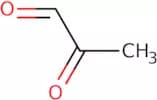
CAS:<p>2,4-Dihydroxybenzaldehyde (2,4DBA) is a copper complex that has been shown to have biological properties. This compound has been studied in biological studies and is classified as group p2 on the periodic table. It is a redox potential of -0.95 V and can undergo intramolecular hydrogen bonding with itself or with other molecules to form hydrogen bonds. Hydroxyl groups are found on 2,4DBA and can coordinate with the nitrogen atoms found on penicillin-binding proteins or acetylcholinesterase inhibition. The coordination geometry of 2,4DBA is tetrahedral and its methyl ethyl group is also found on this molecule.</p>Formula:C7H6O3Purezza:Min. 98 Area-%Colore e forma:White PowderPeso molecolare:138.12 g/molPyruvic aldehyde - Technical grade, 35-45% w/w aqueous solution
CAS:<p>Pyruvic aldehyde is a reactive compound that is an intermediate in the glycolytic pathway. It is used in vitro to measure enzyme activities and as a model system for studying pathogenic mechanisms. Pyruvic aldehyde has been shown to damage mitochondrial membranes by increasing the production of reactive oxygen species, leading to the collapse of mitochondrial membrane potential and cell death. The methylglyoxal-derived compound also has pharmacological effects, such as anti-inflammatory activities. Pyruvic aldehyde can be prepared using preparative high-performance liquid chromatography (Hplc) or by reacting pyruvate with acidified ethyl acetate.</p>Formula:C3H4O2Colore e forma:Brown Yellow Clear LiquidPeso molecolare:72.06 g/molPhthalaldehyde
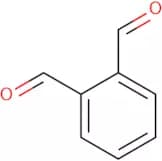
CAS:<p>Phthalaldehyde is a disinfectant that is used for the prevention of microbial contamination in the manufacturing process of pharmaceuticals, cosmetics, and many other products. It has been shown to inhibit the growth of bacteria by inhibiting protein synthesis. The mechanism of action is thought to be due to its reaction with amino acids, which are important for protein synthesis. Phthalaldehyde also reacts with benzalkonium chloride to form a fluorescent derivative, which can be detected using fluorescence detectors or LC-MS/MS methods. The use of this compound as a fluorescence probe allows for the detection of probiotic bacteria in nutrient solutions without the need for expensive equipment or complicated analytical methods.</p>Formula:C8H6O2Purezza:Min. 98%Colore e forma:PowderPeso molecolare:134.13 g/molSalicylaldehyde
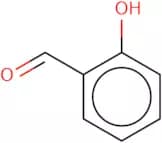
CAS:<p>Salicylaldehyde is a reactive compound that has been used as an antimicrobial and fluorescence probe. The protonation of salicylaldehyde is the rate-limiting step in its reaction with DNA, which leads to the formation of a chelate ligand. This binding results in intramolecular hydrogen bonding and linear calibration curves. Salicylaldehyde also reacts with coumarin derivatives to form a cyclic peptide, which can be used to measure glucose levels. The electrochemical impedance spectroscopy (EIS) of salicylic acid shows that it inhibits oxidative injury by preventing protein oxidation, lipid peroxidation, and hydroxyl radical production.</p>Formula:C7H6O2Purezza:Min. 98.5%Colore e forma:Clear LiquidPeso molecolare:122.12 g/mol4-(Bromomethyl)benzaldehyde
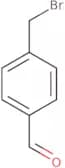
CAS:<p>4-(Bromomethyl)benzaldehyde is a chemical compound that can be synthesized by the reaction of benzaldehyde with bromine in the presence of a base. This compound has been shown to bind to human immunoglobulin G, formyl group and photophysical properties. 4-(Bromomethyl)benzaldehyde has also been used as a model for cancer studies because it binds to DNA and forms an imine bond with thymine. It has been used as a reagent for analytical methods such as phosphotungstic acid, which is a reagent used to detect proteins. The mechanism of this compound is not yet fully understood, but it may involve the formation of an imine bond with thymine in DNA.</p>Formula:C8H7BrOPurezza:Min. 95%Colore e forma:PowderPeso molecolare:199.04 g/mol5-Nitrosalicylaldehyde
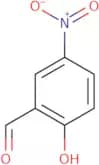
CAS:<p>5-Nitrosalicylaldehyde is a powerful inhibitor of bacterial growth. It has been shown to inhibit the growth of gram-positive bacteria such as Staphylococcus aureus and Streptococcus pyogenes, but not gram-negative bacteria such as Escherichia coli. 5-Nitrosalicylaldehyde is an antimicrobial agent that has been shown to bind to the active site of some enzymes, including bacterial DNA gyrase and human liver microsomes. The binding prevents the enzyme from functioning and leads to cell death. 5-Nitrosalicylaldehyde coordinates with sodium ions in the active site, forming strong hydrogen bonding interactions. This interaction stabilizes the transition state for the reaction and prevents it from happening, thereby inhibiting its function.</p>Formula:C7H5NO4Purezza:Min. 95%Colore e forma:Yellow PowderPeso molecolare:167.12 g/mol



![5-[(4,5-Dimethyl-4H-1,2,4-triazol-3-yl)thio]-2-furaldehyde](/_next/image/?url=https%3A%2Fstatic.cymitquimica.com%2Fproducts%2F3D%2Fthumb-webp%2FFD120211.webp&w=3840&q=75)