Aldeidi
Gli aldeidi sono composti organici che contengono un gruppo carbonilico (C=O) legato ad almeno un atomo di idrogeno. Questi composti versatili sono fondamentali in varie reazioni chimiche, tra cui ossidazione, riduzione e addizione nucleofila. Gli aldeidi sono building blocks essenziali nella sintesi di prodotti farmaceutici, fragranze e polimeri. Presso CymitQuimica, offriamo una vasta selezione di aldeidi di alta qualità per supportare le vostre applicazioni di ricerca e industriali.
Trovati 8540 prodotti di "Aldeidi"
Ordinare per
Purezza (%)
0
100
|
0
|
50
|
90
|
95
|
100
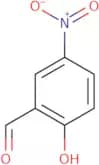
5-Nitrosalicylaldehyde
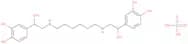
CAS:<p>5-Nitrosalicylaldehyde is a powerful inhibitor of bacterial growth. It has been shown to inhibit the growth of gram-positive bacteria such as Staphylococcus aureus and Streptococcus pyogenes, but not gram-negative bacteria such as Escherichia coli. 5-Nitrosalicylaldehyde is an antimicrobial agent that has been shown to bind to the active site of some enzymes, including bacterial DNA gyrase and human liver microsomes. The binding prevents the enzyme from functioning and leads to cell death. 5-Nitrosalicylaldehyde coordinates with sodium ions in the active site, forming strong hydrogen bonding interactions. This interaction stabilizes the transition state for the reaction and prevents it from happening, thereby inhibiting its function.</p>Formula:C7H5NO4Purezza:Min. 95%Colore e forma:Yellow PowderPeso molecolare:167.12 g/molHexoprenaline sulphate
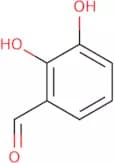
CAS:<p>β-adrenoreceptor agonist; betamimetic agent</p>Formula:C22H34N2O10SPurezza:Min. 95%Colore e forma:White PowderPeso molecolare:518.58 g/mol2,3-Dihydroxybenzaldehyde
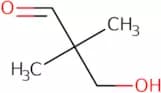
CAS:<p>2,3-Dihydroxybenzaldehyde is a chemical compound that has been shown to have antimicrobial properties. It inhibits bacterial growth by binding to the ribosome and preventing mRNA synthesis. 2,3-Dihydroxybenzaldehyde binds to the 50S ribosomal subunit and prevents protein synthesis by inhibiting the transfer mechanism of tRNA from the A site to the P site on the ribosome. The drug also inhibits mitochondrial superoxide production in V79 cells and human serum.<br>2,3-Dihydroxybenzaldehyde has been shown to be effective against methicillin resistant S. aureus (MRSA) strains but not against Group P2 Staphylococcus aureus (GPA). It is also active against Gram-positive bacteria such as Bacillus subtilis but not against Gram-negative bacteria like Escherichia coli or Pseudomonas aeruginosa.</p>Formula:C7H6O3Purezza:Min. 96 Area-%Colore e forma:Slightly Yellow PowderPeso molecolare:138.12 g/mol3-Hydroxy-2,2-dimethylpropanal
CAS:<p>3-Hydroxy-2,2-dimethylpropanal is a condensation product of formaldehyde and glycol. It is the simplest of the three aldehydes that are produced by this reaction. The catalyst for this reaction is usually dibutyltin oxide, which can be replaced with calcium chloride or sodium carbonate. 3-Hydroxy-2,2-dimethylpropanal reacts with neopentyl glycol to form a dimer and glycol ester. This reaction mechanism has been studied extensively using solution kinetics.</p>Formula:C5H10O2Purezza:(%) Min. 95%Colore e forma:White PowderPeso molecolare:102.13 g/mol2,4-Dichloro-5-fluorobenzaldehyde
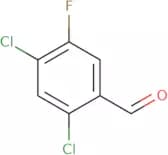
CAS:<p>2,4-Dichloro-5-fluorobenzaldehyde (2,4-DFCA) is a functional group that can be found in inorganic, fatty acids, and fatty acid. 2,4-DFCA has been shown to increase insulin-like growth factor I (IGF-I) levels in vitro and in vivo. 2,4-DFCA also increases the expression of IGF-I gene polymorphisms. This compound is used to induce insulin resistance by increasing serum level of IGF-I. 2,4-DFCA also inhibits the activity of a protein called impeller that is required for cardiac contractility. This compound can be found on the surface of untreated control cells.</p>Formula:C7H3Cl2FOPurezza:Min. 95%Colore e forma:PowderPeso molecolare:193 g/mol3-Nitro-6-pyridinecarboxaldehyde
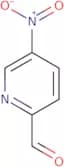
CAS:<p>3-Nitro-6-pyridinecarboxaldehyde is a colorless liquid that is soluble in water. It has a boiling point of 155 degrees Celsius, and it has a density of 1.03 grams per milliliter. This chemical reacts with metal ions to form nitro compounds. 3-Nitro-6-pyridinecarboxaldehyde has been used as an analytical reagent for the determination of benzenes and pyridines in organic solvents and gas chromatography calibration. The reactivity of this chemical is due to its pyridine ring, which can be used as a ligand or reagent.</p>Formula:C6H4N2O3Purezza:Min. 98%Colore e forma:PowderPeso molecolare:152.11 g/mol4-Phenoxybenzaldehyde
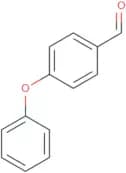
CAS:<p>4-Phenoxybenzaldehyde is a phenolic compound that has potent inhibitory activity against bacteria. It was shown to have the highest antibacterial activity among alkanoic acids, with an MIC of less than 2 µg/mL. 4-Phenoxybenzaldehyde is produced by the condensation of phenol and acetaldehyde in the presence of a solid catalyst and potassium hydroxide. This reaction produces a mixture of products, including 4-phenoxybenzaldehyde, which can be purified by recrystallization or column chromatography. The biosynthetic pathway for 4-phenoxybenzaldehyde in plants has been elucidated and includes two steps: one involving pyrazole ring formation and another involving hydroxyl group formation.</p>Formula:C13H10O2Purezza:Min. 95%Peso molecolare:198.22 g/mol3,5-Dinitrosalicylaldehyde
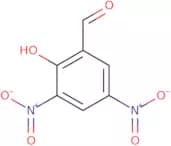
CAS:<p>3,5-Dinitrosalicylaldehyde is an oxidizing agent that is used in organic chemistry to produce aldehydes or carboxylic acids. It reacts with the amino groups of lysine residues and converts them to nitro groups. 3,5-Dinitrosalicylaldehyde is also used as a reagent in the determination of the number of lysine residues in proteins by titration with hydrochloric acid. The reaction mechanism of 3,5-dinitrosalicylaldehyde involves formation of an electron deficient intermediate that oxidizes chloride ions to form water molecules and chloride radicals. These intermediates react with nitro groups on lysine residues, resulting in nitro compounds. Crystallography studies have shown that the molecular structure of 3,5-dinitrosalicylaldehyde has two nitro groups and one hydroxyl group.</p>Formula:C7H4N2O6Purezza:Min. 95%Colore e forma:Yellow PowderPeso molecolare:212.12 g/mol2,3-Dichlorobenzaldehyde oxime
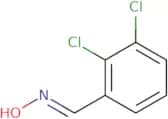
CAS:<p>2,3-Dichlorobenzaldehyde oxime is a versatile building block and reagent in the synthesis of complex compounds. It is mainly used as a research chemical and speciality chemical. 2,3-Dichlorobenzaldehyde oxime has been widely used for the preparation of fine chemicals, pharmaceuticals, agrochemicals, and other organic compounds. This compound can be reacted with various reagents to produce useful scaffolds or reaction components.</p>Formula:C7H5Cl2NOPurezza:Min. 95%Colore e forma:PowderPeso molecolare:190.03 g/mol4-Aminobenzaldehyde
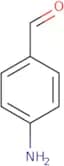
CAS:<p>4-Aminobenzaldehyde is a molecule that belongs to the class of aromatic compounds. It has a crystalline structure and reacts with acylating agents to form amides. 4-Aminobenzaldehyde has been used for the preparation of diazonium salts, which are reactive intermediates in organic synthesis that can be used as a nucleophile. This compound has been shown to react with sodium nitrate to form an electrochemical data, and it has also been used as a control experiment for nmr spectra.</p>Formula:C7H7NOPurezza:Min. 98 Area-%Colore e forma:PowderPeso molecolare:121.14 g/mol3-Carboxybenzaldehyde
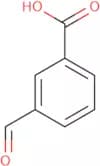
CAS:<p>3-Carboxybenzaldehyde is a hydroxy aromatic compound with a molecular formula of C8H6O2. It is a synthetic chemical that can be used as an intermediate in the synthesis of other compounds, such as polycarboxylic acids. 3-Carboxybenzaldehyde has been shown to be an effective substrate for binding to polycarboxylic acid enzymes and activating them. This reaction generates the corresponding carboxylate product and releases CO2. 3-Carboxybenzaldehyde has also been used as a reactant in asymmetric synthesis reactions and shown to have some structural similarities with benzene ring structures.</p>Formula:C8H6O3Purezza:Min. 95%Colore e forma:PowderPeso molecolare:150.13 g/mol2,4,5-Trimethoxybenzaldehyde
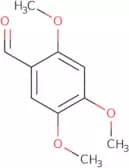
CAS:<p>2,4,5-Trimethoxybenzaldehyde is a natural compound that belongs to the group of sephadex g-100. It is used as an absorbent and has been shown to react with human immunoglobulin in the presence of tiglic acid. The reaction mechanism for this chemical is not well understood but it is believed that intermolecular hydrogen bonding may be occurring. 2,4,5-Trimethoxybenzaldehyde has been shown to have anti-inflammatory effects when tested on rats in a laboratory setting. This chemical has also been used as an analytical reagent for biological samples and biological studies as well as a preparative hplc column. Optical sensors have also been used to detect this chemical in various types of optical sensing experiments. X-ray crystal structures have also been obtained for this compound using synchrotron radiation.</p>Formula:C10H12O4Purezza:Min. 98 Area-%Colore e forma:PowderPeso molecolare:196.2 g/mol2,4,5-Trimethylbenzaldehyde
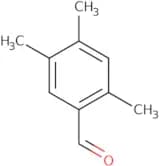
CAS:<p>2,4,5-Trimethylbenzaldehyde is a cell line that can be used to study the oxidation of α-pinene. It is a chemical compound that belongs to the group of aromatic compounds and has been shown to have high cytotoxicity. It has been found to oxidize other molecules in the body with an electron acceptor such as oxygen or another molecule. 2,4,5-Trimethylbenzaldehyde has also been shown to have biological properties. This product is being researched for its ability to inhibit fatty acid synthesis and reduce cholesterol production in the liver.</p>Formula:C10H12OPurezza:Min. 95%Peso molecolare:148.2 g/mol4-Acetyl syringaldehyde
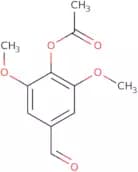
CAS:<p>4-Acetyl syringaldehyde is a gaseous compound that has been shown to have antitumor properties. It is synthesized from 5-iodovanillin, which can be found in Australian marine sponge and organic acids such as citric acid. 4-Acetyl syringaldehyde has been shown to inhibit the growth of human colorectal cancer cells (HCT116) and induce apoptosis. This compound also inhibits the growth of bacteria by binding to the bacterial dna gyrase and dna topoisomerase, inhibiting their ability to maintain the integrity of bacterial DNA. 4-Acetyl syringaldehyde undergoes a number of reactions when exposed to chlorine or nitro compounds, including oxidation products that are formed when it reacts with formic acid and hct116 cells.</p>Formula:C11H12O5Purezza:Min. 95%Colore e forma:PowderPeso molecolare:224.21 g/mol4-Acetamidobenzaldehyde
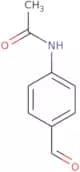
CAS:<p>4-Acetamidobenzaldehyde is an organic compound that has been shown to exhibit inhibitory effects on influenza virus replication in cell culture. 4-Acetamidobenzaldehyde is a dihedral molecule with a p2 group and can be synthesized from benzaldehyde and acetamide. It has also been shown to have potential use in the treatment of tuberculosis. The biological properties of 4-acetamidobenzaldehyde are not well understood, but it is thought that uptake may occur through the imine nitrogen. This molecule has been detected in tissue samples such as lung, liver, and kidney.</p>Formula:C9H9NO2Purezza:Min. 95%Colore e forma:PowderPeso molecolare:163.17 g/mol3-Fluoropyridine-4-carboxaldehyde
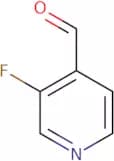
CAS:<p>3-Fluoropyridine-4-carboxaldehyde is a reactivator that can be used in the treatment of bladder cancer. It binds to pyridinium and oxime derivatives, which are present in proteins, to form a reactive intermediate. This intermediate reacts with aldehyde groups on hemoglobin, restoring the oxygen binding capacity of hemoglobin to levels seen in healthy individuals. 3-Fluoropyridine-4-carboxaldehyde has been shown to have anticancer activity against bladder cancer cells and also has potential use as an additive for the treatment of red blood cells.</p>Formula:C6H4FNOPurezza:Min. 95%Colore e forma:Colorless Yellow Clear LiquidPeso molecolare:125.1 g/mol2,6-Dichlorobenzaldehyde
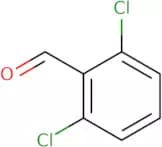
CAS:<p>2,6-Dichlorobenzaldehyde is a nucleophilic compound that has the ability to form hydrogen bonds. It reacts with phosphorus pentachloride to produce 2-chloro-4,6-dichlorobenzene. 2,6-Dichlorobenzaldehyde can be used in the synthesis of β-unsaturated ketones and anticancer drugs such as aziridines. It is also used as a precursor for coordination complexes. This compound is an efficient method for making nitrogen nucleophiles, which are important in chain reactions and the production of polymers. The 2,6-dichlorobenzaldehyde molecule contains two chiral centers that give rise to four stereoisomers. X-ray diffraction data shows that this molecule exists as a mixture of these four isomers.</p>Formula:C7H4Cl2OPurezza:Min. 97.5%Colore e forma:PowderPeso molecolare:175.01 g/mol2-Hydroxy-4-[3-(trifluoromethyl)-3H-diazirin-3-yl]benzaldehyde
CAS:<p>2-Hydroxy-4-[3-(trifluoromethyl)-3H-diazirin-3-yl]benzaldehyde is a reaction component that is used in the synthesis of organic compounds. It has been shown to be an effective reagent and can be used in the synthesis of high quality compounds. CAS No. 308085-25-8, it is a research chemical that can be used as a useful scaffold or building block for other compounds. 2-Hydroxy-4-[3-(trifluoromethyl)-3H-diazirin-3-yl]benzaldehyde may also be useful as an intermediate or building block in complex synthesis reactions.</p>Formula:C9H5F3N2O2Purezza:Min. 95%Colore e forma:PowderPeso molecolare:230.14 g/mol4-Hydroxy-2-methylbenzaldehyde
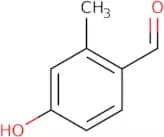
CAS:<p>4-Hydroxy-2-methylbenzaldehyde is an organic compound that is a colourless to yellow liquid with a characteristic odor. It has antibacterial activity and can be used as a natural product. The yield of this compound from staphylococcus is about 50%. When 4-hydroxy-2-methylbenzaldehyde reacts with chalcone, it forms the hydroxychalcones. This process can be used to identify the presence of 4-hydoxy-2-methylbenzaldehyde in many different organisms. The phenolic ring in this compound can undergo formylation, which means it can be oxidized to form formic acid. This process also occurs in soil bacteria and may account for some of its antibacterial properties.</p>Formula:C8H8O2Purezza:Min. 95%Colore e forma:PowderPeso molecolare:136.15 g/mol2-Methoxybenzaldehyde oxime
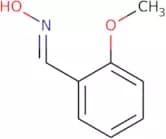
CAS:<p>2-Methoxybenzaldehyde oxime is a synthetic amine that is used in the synthesis of peroxides. The reaction rate and nature depend on the type of peroxide being synthesized, but typically, it is used with acetonitrile as a solvent and an acid catalyst. 2-Methoxybenzaldehyde oxime reacts with peracid to create an aldoxime and nitrite. This product can also be made by reacting benzaldehyde with nitrous acid, which will produce dioxane as an intermediate. The reaction time for this process takes about four hours at room temperature.</p>Formula:C8H9NO2Purezza:Min. 95%Colore e forma:PowderPeso molecolare:151.16 g/mol3-Chlorobenzaldehyde
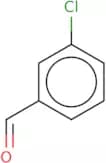
CAS:<p>3-Chlorobenzaldehyde is a chemical that is used as a diagnostic agent for mitochondrial diseases. 3-Chlorobenzaldehyde can be used to detect mutations in the mtDNA and diagnose deficiencies of enzymes involved in energy metabolism. It has been shown to inhibit the activity of dehydrogenase enzymes and the synthesis of acyl-coa from zirconium oxide, which is an important component in polymerase chain reactions. This chemical also inhibits mitochondrial functions and enzyme activities, making it useful for screening for drugs that affect these processes. 3-Chlorobenzaldehyde has also been shown to inhibit hydrogen fluoride, which is often found in industrial environments.</p>Formula:C7H5ClOColore e forma:Colorless Clear LiquidPeso molecolare:140.57 g/mol4'-Chloro-[1,1'-biphenyl]-4-carbaldehyde
CAS:<p>4'-Chloro-[1,1'-biphenyl]-4-carbaldehyde (CBA) is an intermediate in the synthesis of oritavancin. CBA is obtained by condensation of benzyl chloride and aldehydes. It is also used as a precursor to other compounds. In the laboratory, it can be obtained by heating an ether with chloroform in the presence of acid. 4'-Chloro-[1,1'-biphenyl]-4-carbaldehyde has been shown to be toxic, selective and efficient for certain reactions.</p>Formula:C13H9ClOPurezza:Min. 97 Area-%Colore e forma:Yellow PowderPeso molecolare:216.66 g/mol2-Bromo-4-cyanobenzaldehyde
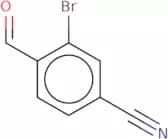
CAS:<p>2-Bromo-4-cyanobenzaldehyde is a potent protease inhibitor and can be used as an antiviral agent. It inhibits the NS3 protease of hepatitis C virus (HCV) with IC50 of 0.2 μM. 2-Bromo-4-cyanobenzaldehyde has been evaluated for its ability to inhibit replicons from HCV genotypes 1, 2, 3, 4 and 5 with varying degrees of potency. In vitro studies have shown that 2-bromo-4-cyanobenzaldehyde is a potent inhibitor of HCV NS3 protease, demonstrating activity against all major HCV genotypes in cell culture. This molecule has also been shown to inhibit the replication of HIV, herpes simplex virus type 1 and human rhinovirus type 2 in cell culture.</p>Formula:C8H4BrNOPurezza:Min. 95%Colore e forma:PowderPeso molecolare:210.03 g/mol1H-Pyrrole-2-carbaldehyde
CAS:<p>1H-Pyrrole-2-carbaldehyde is a compound that belongs to the class of ferrocenecarboxylic acids. It is a coordination complex with a pyrrole system and an intramolecular hydrogen bond. The proton on the carbonyl carbon atom forms hydrogen bonds with nitrogen atoms, which are located in the immediate vicinity of the carbonyl group. The structure was determined by x-ray diffraction studies and the reactivity was studied by means of X-ray crystal structures. This compound has been used for biological studies as well as for structural analysis.</p>Formula:C5H5NOPurezza:Min. 95%Colore e forma:PowderPeso molecolare:95.1 g/mol4-[(2,3,4Trimethoxyphenyl)methyl]piperazine-1-carbaldehyde
CAS:<p>Please enquire for more information about 4-[(2,3,4Trimethoxyphenyl)methyl]piperazine-1-carbaldehyde including the price, delivery time and more detailed product information at the technical inquiry form on this page</p>Formula:C15H22N2O4Purezza:Min. 95%Colore e forma:PowderPeso molecolare:294.35 g/mol3-Methoxy-4,5-methylenedioxybenzaldehyde
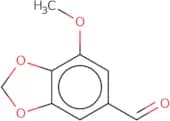
CAS:Prodotto controllato<p>3-Methoxy-4,5-methylenedioxybenzaldehyde (MMDA) is an amine that is used in the synthesis of drugs and pharmaceuticals. It is a major component of myristicin, which is found in nutmeg. MMDA can be synthesized from aluminium chloride, hydrochloric acid and pyridine. The molecule has a skeleton that is recemic at acidic pH values and mesoionic at basic pH values. This compound also reacts with acetyl chloride to form 3,4-dimethoxyacetophenone, which can be chromatographically separated from other compounds. The chromatography produces flavonoid derivatives such as quercetin, 3′-methoxyquercetin and 3′,4′-dimethoxyquercetin. Flavonoids are polyphenolic compounds found in plants that have antioxidant properties. Chromatographic separation of these compounds can be done using spectrometric methods to</p>Formula:C9H8O4Purezza:Min. 95 Area-%Colore e forma:Off-White PowderPeso molecolare:180.16 g/mol4-Hydroxy-2-methoxybenzaldehyde
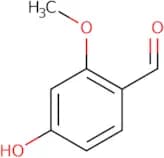
CAS:<p>Echinatin is a benzaldehyde derivative that is found in the roots of Echinacea purpurea. It is a phenolic compound with a carbonyl group and two benzyl groups. 4-Hydroxy-2-methoxybenzaldehyde has been shown to have photophysical, cell culture, and functional group properties. This compound is used as a precursor for the production of echinatin and other plant polyphenols such as malonic acid. The biosynthesis of 4-hydroxy-2-methoxybenzaldehyde begins with the oxidation of cinnamic acid by cytochrome P450 monooxygenase to form cinnamoyl CoA. The enzyme cinnamate decarboxylase then converts this intermediate to p-hydroxybenzoic acid, which is then hydroxylated to form 4-hydroxy-2-methoxybenzaldehyde.</p>Formula:C8H8O3Purezza:Min. 95%Colore e forma:PowderPeso molecolare:152.15 g/mol3,4,5-Trihydroxybenzaldehyde monohydrate
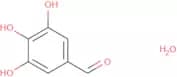
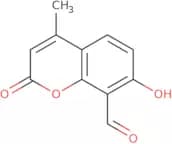
CAS:<p>3,4,5-Trihydroxybenzaldehyde monohydrate is a chemical compound that belongs to the class of aromatic hydrocarbons. It has been shown to have a neurotoxic effect on the mouse brain and is used in the diagnosis of neurological diseases. 3,4,5-Trihydroxybenzaldehyde monohydrate is also used as an intermediate in the synthesis of other chemicals. The molecular formula for this substance is C9H7O3 and it contains three nitrogen atoms. The molecular weight is 179.06 g/mol and its sequence length is 707 amino acids long. This substance has been found to be present in humans with chronic kidney disease and insulin resistance.</p>Formula:C7H6O4·H2OPurezza:(%) Min. 95%Colore e forma:PowderPeso molecolare:172.14 g/mol7-Hydroxy-4-methyl-2-oxo-2H-chromene-8-carbaldehyde
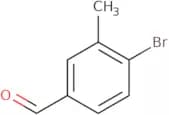
CAS:<p>7-Hydroxy-4-methyl-2-oxo-2H-chromene-8-carbaldehyde is an activated molecule that exhibits significant cytotoxicity to human liver cancer cells. It inhibits the mitochondrial membrane potential, leading to the release of cytochrome c and apoptosis induction. 7HMOCA has been shown to be a reactive molecule with benzimidazole derivative properties. This compound depletes cellular glutathione levels and increases intracellular reactive oxygen species (ROS) levels, which leads to DNA fragmentation, cell cycle arrest, and ultimately apoptosis induction when combined with other agents. The fluorescence properties of this molecule have enabled its detection in living cells without the need for additional reagents or labeling.</p>Formula:C11H8O4Purezza:Min. 95 Area-%Colore e forma:White PowderPeso molecolare:204.18 g/mol4-Bromo-3-methylbenzaldehyde
CAS:<p>4-Bromo-3-methylbenzaldehyde is a versatile building block that is used in the synthesis of many complex compounds. It can be used as a reactant, reagent, or speciality chemical. 4-Bromo-3-methylbenzaldehyde is an intermediate for the production of other chemicals and has been shown to be useful in the synthesis of various scaffolds. This product has been shown to have high purity and quality.</p>Formula:C8H7BrOPurezza:Min. 95%Colore e forma:Yellow PowderPeso molecolare:199.04 g/mol3-Hydroxy-4-iodobenzaldehyde
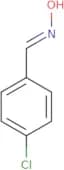
CAS:<p>3-Hydroxy-4-iodobenzaldehyde is a fluorophore that is used in the synthesis of amide compounds, as well as in the production of other synthetic molecules. 3-Hydroxy-4-iodobenzaldehyde has been shown to have pharmacokinetic properties that are similar to those of fluorescein, and can be used to study the distribution and metabolism of this compound. This compound also has an oxidation potential that is higher than that of fluorescein, which makes it more useful for studying drug metabolism. The labile nature of 3-hydroxy-4-iodobenzaldehyde means it will not remain intact for long periods of time.</p>Formula:C7H5IO2Purezza:Min. 95%Colore e forma:PowderPeso molecolare:248.02 g/mol4-Chlorobenzaldehyde oxime
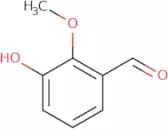
CAS:<p>4-Chlorobenzaldehyde oxime is an antibacterial agent that is classified as a chloroamine. It has been shown to be an effective inhibitor of bacterial growth, with a low toxicity to mammalian cells. 4-Chlorobenzaldehyde oxime has been shown to be activated by amines and hydroxylamine, and the resulting intermediate can cleave a variety of bonds in the bacterial cell wall. The molecular orbitals of this compound have been calculated using crystallographic data and functional theory. 4-Chlorobenzaldehyde oxime also binds to chloride ions and forms a complex with ammonium nitrate, which may account for its activity against some bacteria that are resistant to chlorinated compounds (e.g., Clostridium difficile). This compound also contains functional groups that may react with disulfides present in the bacterial cell wall.</p>Formula:C7H6ClNOPurezza:Min. 95%Colore e forma:PowderPeso molecolare:155.58 g/mol3-Hydroxy-2-methoxybenzaldehyde
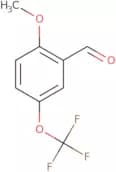
CAS:<p>3-Hydroxy-2-methoxybenzaldehyde is a synthetic compound that is used as an antiviral agent. It has been shown to inhibit the replication of Coxsackievirus A9 (CV-A9). In addition, 3-Hydroxy-2-methoxybenzaldehyde reacts with isoeugenol and isonicotinic acid under acidic conditions to form 4-allyl-2-methoxyphenol, which has antiviral activity against CV-A9. This reaction requires a catalyst, such as zinc chloride or nickel sulfate. The rate of this reaction can be increased by increasing the reaction time. 3-Hydroxy-2-methoxybenzaldehyde also inhibits the virus's ability to bind to cells and enter them, reducing its infectivity.</p>Formula:C8H8O3Colore e forma:PowderPeso molecolare:152.15 g/mol2-Methoxy-5-(trifluoromethoxy)benzaldehyde
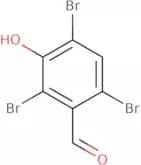
CAS:<p>2-Methoxy-5-(trifluoromethoxy)benzaldehyde is a tachykinin antagonist that inhibits the binding of neurokinin to its receptor with high affinity. This compound has shown potential as a drug for the treatment of pain and other conditions such as asthma, allergies, and depression. The efficacy of 2-methoxy-5-(trifluoromethoxy)benzaldehyde has been demonstrated in high-throughput screening for the detection of nk1 receptor antagonists. Further studies have shown that modification of this molecule may increase its potency and reduce side effects.</p>Formula:C9H7F3O3Purezza:Min. 95%Colore e forma:Clear LiquidPeso molecolare:220.15 g/mol2,4,6-Tribromo-3-hydroxybenzaldehyde
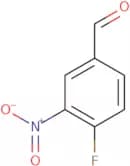
CAS:<p>2,4,6-Tribromo-3-hydroxybenzaldehyde (2,4,6-TBHB) is an aldehyde that is synthesized from the reaction of 2,4,6-trichlorobenzaldehyde and bromine. It has been shown to be cytotoxic in tumour cell lines in vitro. This compound binds to DNA by covalent binding and inhibits the synthesis of proteins. 2,4,6-TBHB also inhibits cellular uptake of halides such as chloride and bromide ions. This aldehyde has been shown to induce cell death in human lung cancer cells in a concentration dependent manner.</p>Formula:C7H3Br3O2Purezza:Min. 95%Colore e forma:PowderPeso molecolare:358.81 g/mol4-Fluoro-3-nitrobenzaldehyde
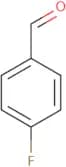
CAS:<p>4-Fluoro-3-nitrobenzaldehyde is a diphenyl ether that has been used as a starting material for the synthesis of dihydroisoquinolines and related compounds. The compound also inhibits IL-10 production in an experiment with human cells, which might be due to its ability to act as a pro-inflammatory cytokine. 4-Fluoro-3-nitrobenzaldehyde can be used as a control experiment for 4-fluoroaniline, which was found to inhibit IL-10 production in an experiment with human cells.<br>4-Fluoro-3-nitrobenzaldehyde is not active against P. aeruginosa, but does have antinociceptive effects and can be considered to have nucleophilic properties.</p>Formula:C7H4FNO3Purezza:Min. 95%Colore e forma:PowderPeso molecolare:169.11 g/mol4-Fluorobenzaldehyde
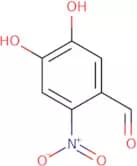
CAS:<p>4-Fluorobenzaldehyde is an organic compound that is used in the synthesis of other chemicals. 4-Fluorobenzaldehyde has been shown to have hemolytic activity and to be a copper complex that reacts with hydrochloric acid. The reaction mechanism of 4-fluorobenzaldehyde with copper chloride is thought to involve the formation of a copper complex, which then undergoes nucleophilic attack by the trifluoroacetic acid, forming a positronium ion. This positronium ion then reacts with hydroxide ions from water, forming hydrogen peroxide and a pyrimidine compound.</p>Formula:C7H5FOPurezza:Min. 98 Area-%Colore e forma:Colourless To Yellow LiquidPeso molecolare:124.11 g/mol3,4-Dihydroxy-6-nitrobenzaldehyde
CAS:<p>3,4-Dihydroxy-6-nitrobenzaldehyde is a nitrite that can be used to produce nitric acid. It can also be used in the synthesis of caffeic acid and protocatechuic aldehyde. This molecule is also a catalyst for the conversion of 3,4-dihydroxybenzoic acid to chloride and purine derivatives. 3,4-Dihydroxy-6-nitrobenzaldehyde is nucleophilic and can react with an electron pair donor such as methyl ester or dimerization. The product of this reaction is an unsaturated compound called hyperuricemic mice.</p>Formula:C7H5NO5Purezza:Min. 95%Colore e forma:Yellow PowderPeso molecolare:183.12 g/mol3,5-Dibromobenzaldehyde
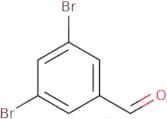
CAS:<p>3,5-Dibromobenzaldehyde is an analytical reagent that has been used as a chemosensor. The compound was synthesized by the reaction of benzaldehyde with bromine and potassium hydroxide (KOH). 3,5-Dibromobenzaldehyde has a skeleton consisting of three phenyl groups and two aldehyde groups. The compound also contains two active methylene groups and two vinylene groups. 3,5-Dibromobenzaldehyde can be detected by fluorescence probe or low energy electron diffraction. This chemical is an effective antibacterial agent with an LD50 value of 1.6 milligrams per kilogram in rats.</p>Formula:C7H4Br2OPurezza:Min. 95%Colore e forma:White PowderPeso molecolare:263.91 g/mol2-Hydroxy-6-methoxybenzaldehyde
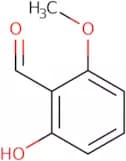
CAS:<p>2-Hydroxy-6-methoxybenzaldehyde is a molecule that can form hydrogen bonds with other molecules. FT-IR spectroscopy has shown that this compound has a copper complex and an acidic proton, which may be due to intramolecular hydrogen bonding interactions. The compound also has been shown to have potent inhibitory activity against cellular growth and cancer cells in vitro. 2-Hydroxy-6-methoxybenzaldehyde is a metal chelator and can therefore bind to metals such as iron and copper. It is genotoxic, which means it damages DNA by causing DNA strand breaks or crosslinks, leading to cell death. This chemical may also cause genetic mutations through the formation of tautomers that make DNA replication difficult. Gel chromatography shows that 2HMB has a low molecular weight (MW) and high solubility.</p>Formula:C8H8O3Purezza:Min. 95%Colore e forma:PowderPeso molecolare:152.15 g/mol3-Hydroxy-4-methylbenzaldehyde
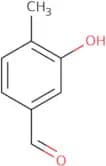
CAS:<p>3-Hydroxy-4-methylbenzaldehyde is a chemical that is synthesized from 3-hydroxy-4-methylphenol and dimethylformamide. It has been shown to interact with aluminium, which may be due to its ability to form a 1:1 complex with the metal. 3-Hydroxy-4-methylbenzaldehyde also exhibits electrochemical methods and isomers with other aldehydes. This chemical can be used in gas chromatography/mass spectrometry (GCMS) as an internal standard for fatty acid analysis.</p>Formula:C8H8O2Purezza:Min. 95%Colore e forma:White PowderPeso molecolare:136.15 g/mol3-Hydroxy-5-nitrobenzaldehyde
CAS:<p>3-Hydroxy-5-nitrobenzaldehyde is a solvent that has been used as a probe to measure chloride concentration in multimedia. It can be used as a sensor and an algorithm to detect the colorimetric change of 3-hydroxy-5-nitrobenzaldehyde in the presence of chloride ions. This probe is also used in colorimetric tests for linker, nonpolar, and surfactant compounds. The 3-hydroxy-5-nitrobenzaldehyde oxime can be cleaved by UV light to produce an unstable nitronium ion that reacts with metal ions such as copper(II) or silver(I) to form an insoluble precipitate.</p>Formula:C7H5NO4Purezza:Min. 95%Colore e forma:PowderPeso molecolare:167.12 g/mol3-Nitro-4-chlorobenzaldehyde
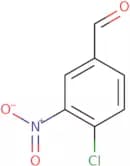
CAS:<p>3-Nitro-4-chlorobenzaldehyde is a copper complex that has been used in the study of molecular interactions. The molecule has been studied by a number of techniques, including binding experiments, vibrational spectroscopy, and light emission. 3-Nitro-4-chlorobenzaldehyde has shown bacteriostatic activity against Escherichia coli and Bacillus subtilis. This compound also appears to have potential as a drug target due to its ability to inhibit the growth of Pseudomonas aeruginosa. 3-Nitro-4-chlorobenzaldehyde may be useful in the treatment of industrial processes involving nitric acid.</p>Formula:C7H4ClNO3Purezza:Min. 95%Colore e forma:White PowderPeso molecolare:185.56 g/mol3-Ethoxysalicylaldehyde
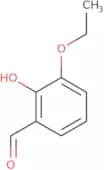
CAS:<p>3-Ethoxysalicylaldehyde (3ESA) is a colorless liquid that has been shown to be soluble in methanol. 3ESA has a molecular weight of 172.2 and an experimental solubility data of 1.01 g/mL at 25 °C. The compound has a coordination geometry of tetrahedral with one metal ion and three oxygen atoms. The compound also contains one hydroxyl group and two hydrogen bonds, which are intramolecular hydrogen bonds. 3ESA has shown high resistance to human serum, suggesting that it is stable in the presence of human proteins, and is able to bind copper ions to form copper complexes.</p>Formula:C9H10O3Purezza:Min. 95%Colore e forma:PowderPeso molecolare:166.17 g/molEnalaprilat dihydrate
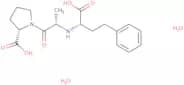
CAS:<p>Enalaprilat is an angiotensin-converting enzyme (ACE) inhibitor that prevents the formation of angiotensin II, a potent vasoconstrictor. It is used to treat high blood pressure and congestive heart failure. Enalaprilat is metabolized to enalapril, which has been found to act as an active inhibitor of DNA polymerase. This drug is also capable of inhibiting the synthesis of other proteins, such as those involved in protein transport and cell wall biogenesis.</p>Formula:C18H28N2O7Purezza:Min. 98 Area-%Colore e forma:PowderPeso molecolare:384.42 g/mol3-[(Dimethylamino)methyl]benzaldehyde
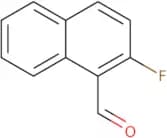
CAS:<p>3-[(Dimethylamino)methyl]benzaldehyde is a fine chemical that is used as a versatile building block in the synthesis of pharmaceuticals. It is also a useful intermediate in the synthesis of complex compounds and research chemicals. This product has been shown to be high quality and can be used as a reagent for many reactions.</p>Formula:C10H13NOPurezza:Min. 95%Peso molecolare:163.22 g/mol2-Fluoro-1-naphthalenecarboxaldehyde
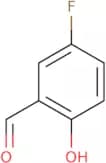
CAS:<p>2-Fluoro-1-naphthalenecarboxaldehyde is a high quality, complex compound that can be used as a versatile building block in the synthesis of many different compounds. As a reagent, it is used for the conversion of alcohols to ketones, esters to acid chlorides and amides to nitriles. It is also an intermediate in the synthesis of other chemicals such as 2-fluoronaphthalene, 2-(2-fluoroethyl)naphthalene, 1H-indole-2-carboxylic acid, and 3-(2-fluoropropyl)benzothiazole.</p>Formula:C11H7FOPurezza:Min. 95%Colore e forma:PowderPeso molecolare:174.17 g/mol5-Fluoro-2-hydroxybenzaldehyde
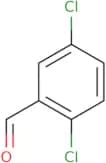
CAS:<p>5-Fluoro-2-hydroxy benzaldehyde is a hydrogen bonding compound that has been shown to be an acid complex. It reacts with copper to form a copper complex that can be detected by x-ray diffraction data. 5-Fluoro-2-hydroxybenzaldehyde also has the ability to react with hydroxyl groups, which allow for its use as a fluorescence probe. The presence of this compound in urine has been used to detect kidney disease and urinary tract infections. 5-Fluoro-2-hydroxybenzaldehyde is also thought to have antiinflammatory properties because it can inhibit kinase activity and may inhibit the production of inflammatory cytokines such as IL1β, IL6, and TNFα.</p>Formula:C7H5FO2Purezza:Min. 95%Colore e forma:PowderPeso molecolare:140.11 g/mol2,5-Dichlorobenzaldehyde
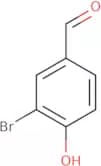
CAS:<p>2,5-Dichlorobenzaldehyde is a molecule that is used as a building block for the synthesis of etoposide. Etoposide is an anticancer drug that has been shown to be effective against many types of cancer cells. 2,5-Dichlorobenzaldehyde has been proposed as an optical probe for detecting methyltransferase activity in vivo and in vitro. It has also been shown to inhibit the proliferation of cancer cells by binding to survivin, which plays a role in regulating apoptosis. 2,5-Dichlorobenzaldehyde can be synthesized from commercially available chemicals with asymmetric synthesis methods. The molecule can also be used for functional studies on metal ions and dipole interactions.</p>Formula:C7H4Cl2OPurezza:Min. 95%Peso molecolare:175.01 g/mol3-Bromo-4-hydroxybenzaldehyde
CAS:<p>3-Bromo-4-hydroxybenzaldehyde is a fluorescence probe that can be used to identify the presence of hydroxyl groups in organic solutions. It reacts with hydrochloric acid to form a green solution and a gas. 3-Bromo-4-hydroxybenzaldehyde has been used to study hydroxyl groups in human serum, plant physiology, and surfactant sodium dodecyl (SDS). This compound has shown potent inhibition against an enzyme called benzoyl peroxide reductase. 3-Bromo-4-hydroxybenzaldehyde is soluble in water, but not in ether. The molecular weight of this compound is 176.3 g/mol.</p>Formula:C7H5BrO2Purezza:Min. 95%Colore e forma:PowderPeso molecolare:201.02 g/mol

![2-Hydroxy-4-[3-(trifluoromethyl)-3H-diazirin-3-yl]benzaldehyde](/_next/image/?url=https%3A%2Fstatic.cymitquimica.com%2Fproducts%2F3D%2Fthumb-webp%2FFH97014.webp&w=3840&q=75)
![4'-Chloro-[1,1'-biphenyl]-4-carbaldehyde](/_next/image/?url=https%3A%2Fstatic.cymitquimica.com%2Fproducts%2F3D%2Fthumb-webp%2FFC39938.webp&w=3840&q=75)

![4-[(2,3,4Trimethoxyphenyl)methyl]piperazine-1-carbaldehyde](/_next/image/?url=https%3A%2Fstatic.cymitquimica.com%2Fproducts%2F3D%2Fthumb-webp%2FFT46258.webp&w=3840&q=75)


![3-[(Dimethylamino)methyl]benzaldehyde](/_next/image/?url=https%3A%2Fstatic.cymitquimica.com%2Fproducts%2F3D%2Fthumb-webp%2FFD124097.webp&w=3840&q=75)