Acidi benzoici
Gli acidi benzoici sono acidi carbossilici aromatici con la formula molecolare C7H6O2, caratterizzati da un anello benzenico legato a un gruppo carbossilico (-COOH). Questi composti sono ampiamente utilizzati come conservanti, intermedi nella sintesi organica e nella produzione di varie sostanze chimiche, inclusi coloranti e fragranze. Gli acidi benzoici sono anche importanti nelle industrie alimentare e farmaceutica. Presso CymitQuimica, offriamo una gamma diversificata di acidi benzoici di alta qualità per supportare le vostre esigenze di ricerca e industriali.
Trovati 5471 prodotti di "Acidi benzoici"
Ordinare per
Purezza (%)
0
100
|
0
|
50
|
90
|
95
|
100
4-Mercaptobenzoic acid
CAS:<p>4-Mercaptobenzoic acid is a receptor antagonist that binds to the benzodiazepine site of the GABAA receptor and blocks the action of GABA. This drug has been shown to be useful in tissue culture studies, where it inhibits the growth of cells by interfering with cell division. 4-Mercaptobenzoic acid has also been shown to inhibit sodium citrate uptake into human red blood cells in vitro, which may be due to its ability to bind with hydrogen bonding interactions or ionic interactions. 4-Mercaptobenzoic acid enhances pluronic p123 and fetal bovine serum as a substrate for tissue culture cells, which may be due to its ability to inhibit inhibitor molecules.</p>Formula:C7H6O2SPurezza:Min. 95%Colore e forma:Yellow PowderPeso molecolare:154.19 g/mol2-Amino-4,5-dimethoxybenzoic acid
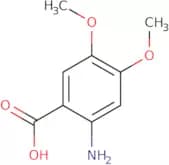
CAS:<p>2-Amino-4,5-dimethoxybenzoic acid is a potent antitumor agent that inhibits the growth of tumor cells. It has been shown to inhibit the production of epidermal growth factor (EGF) and plays a role in the inhibition of tumor cell proliferation in vitro. 2-Amino-4,5-dimethoxybenzoic acid has also been shown to have photochemical properties and can be activated by light. This compound can be used as an indicator for gravimetric analysis because it reacts with diazonium salts and produces a colored product. 2-Amino-4,5-dimethoxybenzoic acid is also reactive and may be used in Suzuki coupling reactions. This chemical compound is chemically related to other inhibitors such as mcf7 and suzuki coupling reactions.</p>Formula:C9H11NO4Purezza:Min. 95%Colore e forma:Beige PowderPeso molecolare:197.19 g/mol3-Amino-2,4,6-triiodobenzoic acid
CAS:3-Amino-2,4,6-triiodobenzoic acid (3AIBA) is a chemical compound that is used as a contrast agent for medical imaging. It has been shown to be useful in the diagnosis of bladder cancer, and is used in the embolization of renal artery and ureteral calculi. 3AIBA functions by binding to the antigen binding sites on the tumor cells and allows visualization with X-rays. It has also been shown to be effective in reducing blood flow in tumors by blocking blood vessels with its cationic monomer. 3AIBA binds to the phosphate groups on DNA and causes crosslinking, which prevents DNA polymerase from binding with DNA. This inhibits DNA synthesis and cell division.Formula:C7H4I3NO2Purezza:Min. 95%Colore e forma:PowderPeso molecolare:514.83 g/mol3-N-Maleimidobenzoic acid
CAS:<p>3-N-Maleimidobenzoic acid is a chemical crosslinking agent that reacts with proteins through the formation of an amide bond. It has been shown to react with both actin subunits and human immunoglobulin. This molecule also reacts with spermatozoa, which are composed primarily of actin filaments, and is used in the preparation of polyclonal antibodies. 3-N-Maleimidobenzoic acid can be used to fix antigen onto a solid support for immunological purposes. It is also a cross-linking agent that can be used in cytochalasin B experiments to inhibit plastid activity in chloroplasts. 3-N-Maleimidobenzoic acid reacts with monoclonal antibodies by forming an amide bond, which can be used as a reaction product.</p>Formula:C11H7NO4Purezza:Min. 95%Colore e forma:PowderPeso molecolare:217.18 g/mol2,3,4-Trimethoxybenzoic acid
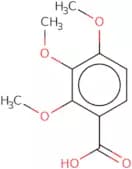
CAS:2,3,4-Trimethoxybenzoic acid is a molecule that has been shown to stimulate epidermal growth. It is a methylating agent that can be used to produce 2-hydroxybenzoic acid from protocatechuic acid. The hydroxy group on the 2,3,4-trimethoxybenzoic acid binds to the chloride ion in the protocatechuic acid and removes it from the molecule. This reaction mechanism is supported by x-ray crystal structures of protocatechuic acid and 2,3,4-trimethoxybenzoic acid.Formula:C10H12O5Purezza:Min. 95%Colore e forma:PowderPeso molecolare:212.2 g/mol3-Methoxy-4-methylbenzoic acid methyl ester
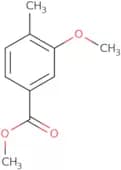
CAS:<p>3-Methoxy-4-methylbenzoic acid methyl ester is a potent inhibitor of the neurotoxic effects of β-amyloid peptide (Aβ) on cultured human neurons. 3-Methoxy-4-methylbenzoic acid methyl ester inhibits fibrillation in vitro and fluorescence assay, suggesting that it may be a promising therapeutic agent for Alzheimer's disease. The fluorescence assay is based on the inhibition of fluorescence by 3-methoxy-4-methylbenzoic acid methyl ester, which competes with Aβ for binding to an acceptor molecule. This inhibition can be used as a marker to measure the amount of Aβ present in vivo.</p>Formula:C10H12O3Purezza:Min. 95%Colore e forma:White PowderPeso molecolare:180.2 g/molMethyl 4-chlorobenzoate
CAS:<p>Methyl 4-chlorobenzoate is a synthetic chemical that belongs to the group of phenyl compounds. It is a solvent for organic solvents and has been shown to be toxic to humans. Methyl 4-chlorobenzoate is used in various industrial applications, such as in the production of pesticides, herbicides, and pharmaceuticals. Methyl 4-chlorobenzoate can also be used as an intermediate for the synthesis of other chemicals, such as chlorinated hydrocarbons. This chemical has been reported to cause environmental pollution and has been classified as a carcinogen by the International Agency for Research on Cancer (IARC).</p>Formula:C8H7ClO2Purezza:Min. 98.5%Colore e forma:White PowderPeso molecolare:170.59 g/mol2-Nitrobenzoic acid - Technical
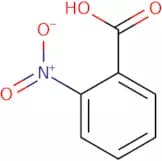
CAS:<p>2-Nitrobenzoic acid is an organic compound that is used as a reagent in the preparation of aldehydes, esters, and amides. It has been shown to be a potent inhibitor of the MCL-1 protein. This protein is an important regulator of mitochondrial permeability transition pore (MPTP) opening and apoptosis induction. The inhibition of the MPTP by 2-nitrobenzoic acid may be due to its ability to react with nitric oxide (NO) to form peroxynitrite, which reacts with MPTP proteins in the mitochondria. The use of 2-nitrobenzoic acid has been found to be effective in treating infectious diseases such as HIV, as well as autoimmune diseases such as psoriasis.</p>Formula:C7H5NO4Purezza:Min. 95%Colore e forma:PowderPeso molecolare:167.12 g/mol3-Chloro-5-hydroxybenzoic acid ethyl ester
<p>Please enquire for more information about 3-Chloro-5-hydroxybenzoic acid ethyl ester including the price, delivery time and more detailed product information at the technical inquiry form on this page</p>Formula:C9H9ClO3Purezza:Min. 98 Area-%Colore e forma:PowderPeso molecolare:200.62 g/mol2-Nitrobenzoic acid
CAS:<p>2-Nitrobenzoic acid is a diagnostic chemical that has been used for the detection of epidermal growth factor. It also has therapeutic properties, and has been used to treat infectious diseases and autoimmune diseases. 2-Nitrobenzoic acid is an organic compound that contains two nitro groups, which are connected to a benzene ring by two carbon chains. The molecule also contains two aldehyde groups, which are connected to the benzene ring by one carbon chain each. 2-Nitrobenzoic acid is a white crystalline solid with a melting point of 118°C and boiling point of 310°C. It is soluble in water and alcohols, but insoluble in ethers or chloroform.<br>2-Nitrobenzoic acid can be synthesized from nitric acid and benzoic acid. This reaction produces enough heat to ignite the mixture if it's not cooled down first.</p>Formula:C7H5NO4Purezza:Min. 94 Area-%Colore e forma:PowderPeso molecolare:167.12 g/mol2,6-Dihydroxy-4-methylbenzoic acid
CAS:2,6-Dihydroxy-4-methylbenzoic acid is a phenolic compound that has been shown to have significant cytotoxicity against cancer cells and may be used in the treatment of various cancers. It is also an endophytic fungus that has been found to produce significant desorption of chloride ions from soil. This compound can also be synthesized by reacting 2,6-dihydroxyphenylacetic acid with methyl iodide or methyl bromide. The reaction system for this synthesis includes concentrated hydrochloric acid, zinc dust, and ethyl acetate. The reaction solution was crystallized in the form of a white solid and the crystals were analyzed by X-ray crystallography to determine their structure. Photocatalytic activity was observed when using 2,6-dihydroxy-4-methylbenzoic acid as an electron donor in a reaction system containing titanium dioxide and hydrogen peroxide as an electron acceptor.Formula:C8H8O4Purezza:Min. 98 Area-%Colore e forma:SolidPeso molecolare:168.15 g/mol5-Bromo-2-nitrobenzoic acid
CAS:<p>5-Bromo-2-nitrobenzoic acid is a chemical compound that belongs to the group of bromonitrobenzenes. It is an important intermediate in organic chemistry and has been used as a reagent for the synthesis of various heterocyclic compounds. 5-Bromo-2-nitrobenzoic acid can be used as a building block for pharmaceuticals, agrochemicals, dyes, and other chemicals. This versatile chemical has been widely used in research and development as a reaction component for synthesizing pharmaceuticals or speciality chemicals or as a building block to produce useful scaffolds.</p>Formula:C7H4BrNO4Purezza:Min. 95%Colore e forma:Slightly Yellow PowderPeso molecolare:246.02 g/mol2,4-Dimethylbenzoic acid
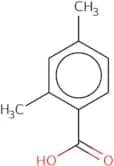
CAS:2,4-Dimethylbenzoic acid is a white solid with the chemical formula CH3C6H2O2. It is an organic acid that can be used as a building block in organic synthesis. The functional groups of 2,4-dimethylbenzoic acid are methyl and carboxyl. The most efficient method for the synthesis of 2,4-dimethylbenzoic acid is by reacting hydrochloric acid with dimethylaniline. This reaction can be carried out in one pot without isolation of intermediates. The structural analysis of 2,4-dimethylbenzoic acid was done using fluorescence lifetimes and hydrochloric acid. The reaction mechanism for the formation of 2,4-dimethylbenzoic acid from dimethylaniline is through a nucleophilic substitution reaction with chloride ion. Sample preparation for 2,4-dimethylbenzoic acid includes dissolution in water and filtration through a 0.45Formula:C9H10O2Purezza:Min. 95%Colore e forma:White PowderPeso molecolare:150.17 g/mol3,4-Dinitrobenzoic acid
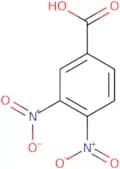
CAS:<p>3,4-Dinitrobenzoic acid is a nitrobenzoic acid that has a hydrogen bond. 3,4-Dinitrobenzoic acid is activated by the loss of a proton and it reacts with amines to form diazonium salts. It can be found in plants and animals as an intermediate in the metabolism of tyrosine and tryptophan. 3,4-Dinitrobenzoic acid is used in analytical chemistry to detect the presence of amines. The functional groups on 3,4-dinitrobenzoic acid are carboxylic acid and nitro. Ribulose is an example of a molecule containing these functional groups.</p>Formula:C7H4N2O6Purezza:Min. 98.0%Colore e forma:Yellow PowderPeso molecolare:212.12 g/mol5,6-Dichlorovanillic acid
CAS:<p>5,6-Dichlorovanillic acid is a high quality, versatile molecule that can be used as a reagent in organic synthesis or as a building block for the synthesis of complex compounds. It has many useful properties, such as being a fine chemical and research chemicals. 5,6-Dichlorovanillic acid is also a speciality chemical with versatile uses in building blocks or reaction components.</p>Formula:C8H6Cl2O4Purezza:Min. 95%Colore e forma:PowderPeso molecolare:237.04 g/molMethyl 3-amino-4-chlorobenzoate
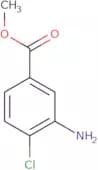
CAS:Methyl 3-amino-4-chlorobenzoate is an analog of 3-amino-4-chlorobenzoic acid. It is a multidrug that can cross the blood brain barrier and has been shown to have cytotoxic activity in vitro. Methyl 3-amino-4-chlorobenzoate has been postulated as a possible organometallic compound and may be synthesized through a chemical diversity approach. The chloride ion, which is present in methyl 3-amino-4-chlorobenzoate, has been shown to decrease the toxicity of nitrobenzoic acid, making this compound resistant to nitrosation reactions.Formula:C8H8ClNO2Purezza:Min. 95%Colore e forma:PowderPeso molecolare:185.61 g/mol2-Amino-5-methoxybenzoic acid
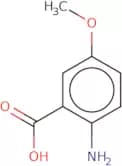
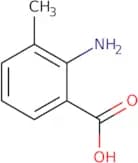
CAS:2-Amino-5-methoxybenzoic acid is a useful chemical that can be used as a building block for the synthesis of more complex compounds. It has been used in the synthesis of novel pharmaceuticals and agrochemicals, as well as research chemicals. 2-Amino-5-methoxybenzoic acid is a high quality reagent that can be used in the production of fine chemicals and other specialty chemicals.Formula:C8H9NO3Purezza:Min. 95%Colore e forma:PowderPeso molecolare:167.16 g/mol2-Amino-3-methylbenzoic acid
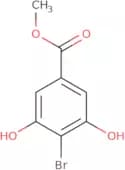
CAS:<p>2-Amino-3-methylbenzoic acid is an organic compound with the formula H2CCH(NH2)(COOH). It is a white solid that is soluble in water. The molecule has a planar geometry, and the copper ion is coordinated by four oxygen atoms and three nitrogen atoms. This coordination geometry can be seen in the crystal structure of the molecule. 2-Amino-3-methylbenzoic acid has been shown to have antifungal activity against Aspergillus niger. It also inhibits 5-nitrosalicyclic acid and sodium carbonate, which are involved in the synthesis of nicotinamide adenine dinucleotide phosphate (NADPH) and ATP respectively. 2-Amino-3-methylbenzoic acid has also been shown to inhibit ryanodine receptor channels, which are important for calcium release from endoplasmic reticulum.</p>Formula:C8H9NO2Purezza:Min. 95%Colore e forma:PowderPeso molecolare:151.16 g/mol4-Bromo-3,5-dihydroxybenzoic acid methyl ester
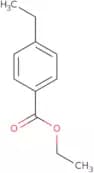
CAS:The compound 4-Bromo-3,5-dihydroxybenzoic acid methyl ester is an ether that is a natural product. It has been shown to have diastereoselective coupling with phenolic groups and unsymmetrically with lactones. This compound also undergoes epoxidation and farnesylation reactions. The intramolecular chain of the ether is methylated by formylation and reductive elimination.Formula:C8H7BrO4Purezza:Min. 95%Colore e forma:PowderPeso molecolare:247.04 g/molMethyl 4-ethylbenzoate
CAS:<p>Methyl 4-ethylbenzoate is a molecule that has been shown to have synergistic effects with magnesium oxide, polyvinylpyrrolidone, and glycerin. It also has the ability to be used as a template molecule for the synthesis of hydrotalcite. Methyl 4-ethylbenzoate can be synthesized from ethyl benzoate and methyl iodide. It is an ingredient in some cosmetics and personal care products, such as skin lotions, hair conditioners, and fragrances. Methyl 4-ethylbenzoate has antioxidant properties due to its ability to scavenge free radicals. This compound is also used as a solvent for paints and lacquers.</p>Formula:C11H14O2Purezza:Min. 95%Colore e forma:Clear LiquidPeso molecolare:178.23 g/mol2-Hydroxy-4-methoxybenzoic acid
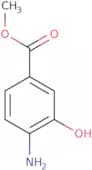
CAS:2-Hydroxy-4-methoxybenzoic acid (2HMB) is a natural product with tuberculostatic activity and is also used as a pharmaceutical drug. It is an enzyme inhibitor that binds to the diphenolase domain of mycobacterial cell wall hydrolases, such as lysyl oxidase and chitinase. 2HMB has been shown to be effective against cancer cells in vitro. The monosodium salt of 2HMB is more stable than the free acid form and can be used for the treatment of tuberculosis in India. 2HMB has also been shown to inhibit the growth of bacteria in human serum and tissue culture.Formula:C8H8O4Purezza:Min. 95%Colore e forma:PowderPeso molecolare:168.15 g/molMethyl 4-amino-3-hydroxybenzoate
CAS:Methyl 4-amino-3-hydroxybenzoate is a synthetic compound that has been shown to inhibit the neuraminidase enzyme in the influenza virus. It is a ligand for the influenza virus and inhibits the release of progeny virions from infected cells. Methyl 4-amino-3-hydroxybenzoate has been shown to have antiviral effects against influenza A and B viruses in vivo and in vitro. The mechanism of action is thought to be due to its interaction with metal ion, which can reduce the availability of free water needed for viral replication.Formula:C8H9NO3Purezza:Min. 95%Colore e forma:Off-White PowderPeso molecolare:167.16 g/mol2-Amino-5-nitrobenzoic acid
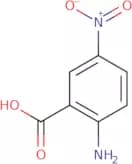
CAS:<p>2-Amino-5-nitrobenzoic acid is a plant metabolite that contains a nitro group. It has been found to be an effective inhibitor of glutamate dehydrogenase, one of the enzymes involved in the metabolism of amino acids. 2-Amino-5-nitrobenzoic acid has also been shown to have no effect on other enzyme activities such as amines and nitrosamines. This natural product has been shown to be useful as a model system for understanding how hydrochloric acid interacts with plants, by inhibiting their growth.</p>Formula:C7H6N2O4Purezza:Min. 97.5%Colore e forma:Yellow PowderPeso molecolare:182.13 g/molMethyl 4-(N-methylamino)benzoate
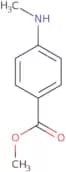
CAS:Methyl 4-(N-methylamino)benzoate is a substance that inhibits the enzyme DPP-4, which is involved in blood glucose regulation. It has been shown to be effective against certain types of cancer and impurities that may be present in the drug. Methyl 4-(N-methylamino)benzoate is an acidic compound with molecular descriptors that include acidic and amines. This compound also has genotoxic impurities, such as benzofurans, which may affect its efficacy.Formula:C9H11NO2Purezza:90%Colore e forma:PowderPeso molecolare:165.19 g/mol5-Amino-2-chlorobenzoic acid
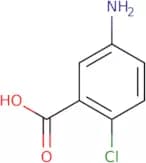
CAS:<p>5-Amino-2-chlorobenzoic acid is a carboxylate that has antiproliferative effects. It is synthesized through the reaction of morpholine and malonic acid. 5-Amino-2-chlorobenzoic acid has been shown to have an optimal reaction with UV light, which may be due to its structure activity relationship with other carboxylates. It also has a high affinity for metal ions such as magnesium and chloride, which are thought to be important in cancer cell proliferation. 5-Amino-2-chlorobenzoic acid can be used in analytical methods because it is soluble in water and can be obtained through gravimetric analysis.</p>Formula:C7H6ClNO2Colore e forma:PowderPeso molecolare:171.58 g/molIso-propyl 4-aminobenzoate
CAS:<p>Iso-propyl 4-aminobenzoate is a chemical intermediate that belongs to the group of aminobenzoates. It can be synthesized by reacting isopropanol with 4-aminobenzoic acid in the presence of an acid catalyst. Iso-propyl 4-aminobenzoate has been used as a chromatographic stationary phase and as a component in the validation of impurities, which are genotoxic. Iso-propyl 4-aminobenzoate is not carcinogenic and has been shown to have a linear regression analysis with pharmacokinetic study data, which was based on plates.</p>Formula:C10H13NO2Purezza:Min. 95%Colore e forma:PowderPeso molecolare:179.22 g/mol4-Dimethylaminobenzoic acid
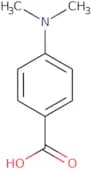
CAS:4-Dimethylaminobenzoic acid is a cationic surfactant that is used in analytical chemistry to measure the proton concentration. It reacts with protons and forms a positively charged ion. 4-Dimethylaminobenzoic acid can be used in experimental models to study the effects of protonation on cell growth and metabolism. Research has found that 4-dimethylaminobenzoic acid can be used as a growth factor by stimulating the production of protein, DNA, and RNA in cells. 4-Dimethylaminobenzoic acid is used as an ingredient in some skin care products because it has been shown to have anti-inflammatory properties.Formula:C9H11NO2Purezza:Min. 98 Area-%Colore e forma:White PowderPeso molecolare:165.19 g/molMethyl 3,5-dibromo-4-methylbenzoate
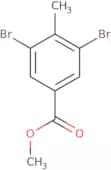
CAS:<p>Methyl 3,5-dibromo-4-methylbenzoate is a versatile building block that can be used as a reagent or a speciality chemical. It is a high quality compound with many applications in research and synthesis. Methyl 3,5-dibromo-4-methylbenzoate is an intermediate in the manufacturing of polymers and pharmaceuticals. It is also a reaction component for the preparation of complex compounds, such as methyl 3,5-dimethoxybenzoate. Methyl 3,5-dibromo-4-methylbenzoate has been shown to be useful as a scaffold for the synthesis of novel compounds.</p>Formula:C9H8Br2O2Purezza:Min. 95%Colore e forma:Off-White PowderPeso molecolare:307.97 g/molEthyl 3-hydroxybenzoate
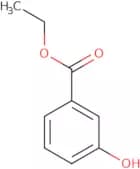
CAS:Ethyl 3-hydroxybenzoate is a preservative that has been shown to be effective against a variety of microorganisms, including gram-positive and gram-negative bacteria. It has been shown to bind with iron, which prevents it from interacting with tyrosinase, an enzyme necessary for the production of melanin. Ethyl 3-hydroxybenzoate also inhibits the activity of benzodiazepine receptor, which reduces the effects of benzodiazepines in the brain. This compound is used in some cosmetics as an antimicrobial agent and cosmetic preservative. The molecular descriptors for this compound are: Molecular Weight=165.07; Log P=0.5; H-bond acceptor count=3; H-bond donor count=2; rotatable bond count=2; hydrogen bond acceptor count=1; hydrogen bond donor count=2; polar surface area=79.90 Å2Formula:C9H10O3Purezza:Min. 98.5 Area-%Colore e forma:White PowderPeso molecolare:166.17 g/mol3-Iodo-4-methylbenzoic acid
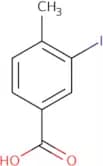
CAS:3-Iodo-4-methylbenzoic acid is a synthetic growth factor that is used in the production of monoclonal antibodies. It is synthesized by reacting 3-iodo-4-methylbenzoic acid with trifluoroacetic acid, then purified by dispersive solid-phase extraction. The synthesis of 3-Iodo-4-methylbenzoic acid requires a labeling agent to be added to the reaction mixture for detection purposes. The labeled compound can be detected using assays such as radioimmunoassay or ELISA. In order to synthesize 3-Iodo-4-methylbenzoic acid, methyl esterification of 3-(2′,2′,2′,-trichloroethoxy)phenylacetic acid is required. This process involves an organic solvent and bromine as a catalyst. This compound has been shown to inhibit the BCR/ABL tyrosine kinase receptorFormula:C8H7IO2Purezza:Min. 95%Colore e forma:PowderPeso molecolare:262.04 g/mol3,5-Dimethylbenzoic acid
CAS:<p>3,5-Dimethylbenzoic acid is a carboxylic acid that is a member of the 3-carboxybenzenesulfonic acid family. The molecule is formed by the reaction of sodium carbonate with benzene in the presence of water. The compound has a redox potential that is close to zero, which makes it a reducing agent and an excellent hydrogen donor. The compound is soluble in water and has been shown to inhibit plant growth as well as promote plant growth by acting as a growth regulator. This molecule has also been shown to be fluorescent.</p>Formula:C9H10O2Purezza:Min. 95%Colore e forma:PowderPeso molecolare:150.17 g/mol2-Methyl-4-nitrobenzoic acid
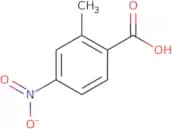
CAS:2-Methyl-4-nitrobenzoic acid is a synthetic drug substance. The crystalline structure of 2-methyl-4-nitrobenzoic acid is polymorphic and it can be obtained in two different forms: anhydrous form and monohydrate form. The reaction yield for this compound is low, which may be due to the presence of additives or deionized water. This drug substance has a high solubility in hydroxide solutions and methylbenzene. It reacts slowly with hydrochloric acid and sodium hydroxide solution to produce 2-methyl-4-nitrobenzoic acid hydrochloride and sodium benzoate, respectively. 2-Methyl-4-nitrobenzoic acid has low bioavailability due to its poor absorption from the gastrointestinal tract into the bloodstream.Formula:C8H7NO4Purezza:Min. 95%Colore e forma:PowderPeso molecolare:181.15 g/mol2,5-Dichlorobenzoic acid ethyl ester
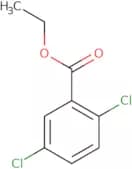
CAS:<p>2,5-Dichlorobenzoic acid ethyl ester is a high quality, versatile building block that can be used as a reagent or intermediate. It is a useful scaffold for the synthesis of fine chemicals and research chemicals. This compound has been used in the synthesis of 2,5-dichloro-N-(2-hydroxyethyl)benzamide (CAS No. 35112-27-7), which is a speciality chemical with potential applications in pharmaceuticals and agrochemicals.<br>2,5-Dichlorobenzoic acid ethyl ester reacts with an amine to produce an N-[2-(2,5-dichlorophenyl)ethyl]amine (CAS No. 35112-27-7). The reaction proceeds via an amide bond formation by condensation of the amine with the acid chloride formed from the acid and ethyl chloride. This reaction is facilitated by heat and</p>Formula:C9H8Cl2O2Purezza:Min. 95%Colore e forma:PowderPeso molecolare:219.06 g/mol5-Amino-2-nitrobenzoic acid
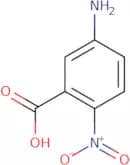
CAS:<p>5-Amino-2-nitrobenzoic acid is an organic compound that belongs to the class of versatile building block. It is a white solid that has been used as a research chemical, reagent, and specialty chemical for the synthesis of complex compounds and pharmaceuticals. 5-Amino-2-nitrobenzoic acid is also known as 2-amino-5-chlorobenzoic acid (ACBA). It is soluble in water, but insoluble in ethanol. The CAS number for this chemical is 13280-60-9.</p>Formula:C7H6N2O4Peso molecolare:182.14 g/molRef: 3D-A-6802
1kgPrezzo su richiesta100gPrezzo su richiesta250gPrezzo su richiesta500gPrezzo su richiesta2500gPrezzo su richiesta-Unit-ggPrezzo su richiesta2-Hydroxy-6-methylbenzoic acid
CAS:<p>2-Hydroxy-6-methylbenzoic acid is a natural product that is synthesized by the enzyme p. pastoris. It is a member of the polyketide class of compounds and has shown to have physiological effects such as anti-inflammatory and antioxidant properties. 2-Hydroxy-6-methylbenzoic acid also has been shown to inhibit ATP binding cassette transporter (ABC) proteins, which are involved in drug resistance, from transporting drugs out of cells, making it an attractive candidate for drug discovery.</p>Formula:C8H8O3Purezza:Min. 95%Colore e forma:PowderPeso molecolare:152.15 g/mol5-Amino-2-nitrobenzoic acid
CAS:<p>5-Amino-2-nitrobenzoic acid is a drug that has been shown to inhibit the activity of proteases. It has been used to detect the presence of protease activity in urine samples, as well as to study the inhibition of protease activity by other drugs. 5-Amino-2-nitrobenzoic acid is an inhibitor of chymotrypsin, trypsin, and elastase. This drug has been shown to be effective in inhibiting these enzymes at low concentrations, with a detection sensitivity of approximately 0.1 μM. 5-Amino-2-nitrobenzoic acid inhibits the growth of bacteria by binding to them and preventing protein synthesis. The compound also inhibits the enzyme dihydrolipoamide dehydrogenase in mitochondria, which is required for cellular respiration and energy production.</p>Formula:C7H6N2O4Colore e forma:Brown Yellow PowderPeso molecolare:182.13 g/mol3-Methyl-4-nitrobenzoic acid
CAS:<p>3-Methyl-4-nitrobenzoic acid is a white solid that can be synthesized by heating 2,4-dichlorobenzoic acid with potassium dichromate in the presence of nitrogen. It has been shown to be effective against Candida glabrata strains and other bacteria. 3-Methyl-4-nitrobenzoic acid is soluble in water and other polar solvents, such as acetic acid or sodium carbonate, but insoluble in nonpolar solvents such as hexane or ether. The reaction mechanism for this compound is not yet known. It has been found to have a phase equilibrium between its solid and liquid forms at room temperature. Solubility data for this compound are available from experimental measurements.</p>Formula:C8H7NO4Purezza:Min. 95%Colore e forma:PowderPeso molecolare:181.15 g/mol2,5-Dimethoxybenzoic acid
CAS:<p>2,5-Dimethoxybenzoic acid (2,5-DMA) is a plant metabolite that belongs to the group of cinnamic acid derivatives. It can be found in plants and has been shown to have systemic effects. 2,5-DMA is involved in the cycloacylation of protocatechuic acid. This reaction is catalyzed by an enzyme called cyclooxygenase and requires molecular oxygen as a cofactor. 2,5-DMA also forms hydrogen bonds with methoxy groups and other molecules. The monoclonal antibodies against 2,5-DMA have been used for radiation therapy and are effective against cancer cells. Model studies show that 2,5-DMA can be converted into more potent metabolites by the action of cytochrome P450 enzymes or glutathione S-transferases.</p>Formula:C9H10O4Purezza:Min. 95%Colore e forma:PowderPeso molecolare:182.17 g/molMethyl 4-fluorobenzoate
CAS:<p>Methyl 4-fluorobenzoate is a potent inhibitor of human cancer cells. It inhibits tyrosine kinases by binding to an imidazole group and forms a ruthenium complex in the presence of sodium carbonate. Methyl 4-fluorobenzoate has shown inhibitory activity against the amination reaction catalyzed by sulfoxide reductase, which is important for the synthesis of nucleic acids. This inhibition may be due to its ability to reduce oxidized species of thiols, sulfoxides, and disulfides. Further studies are needed to elucidate the mechanism by which methyl 4-fluorobenzoate interacts with redox potentials and functional theory.</p>Formula:C8H7FO2Purezza:Min. 95%Colore e forma:Colorless Clear LiquidPeso molecolare:154.14 g/mol4-Benzyloxybenzoic acid
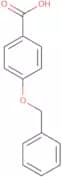
CAS:<p>4-Benzyloxybenzoic acid is a carboxylic acid that is structurally related to adenosine. It has been shown to bind to the group P2 adenosine receptor, which may be involved in the regulation of locomotor activity and photophysical properties. This compound also inhibits fatty acid biosynthesis and has inhibitory effects on nerve injury, amide formation, and benzoate degradation. It has been reported that 4-Benzyloxybenzoic acid binds to metal ions such as cobalt and manganese, which may be important for its antimycobacterial activity.</p>Formula:C14H12O3Purezza:Min. 95%Colore e forma:PowderPeso molecolare:228.24 g/mol4-Chloro-3,5-dihydroxybenzoic acid
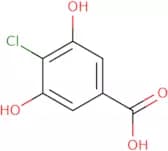
CAS:<p>4-Chloro-3,5-dihydroxybenzoic acid is a chemical substance that can be used as a building block in organic synthesis. It is also a versatile intermediate and scaffold for the synthesis of more complex compounds. 4-Chloro-3,5-dihydroxybenzoic acid has been found to be useful in research and as a reagent because it is an inexpensive, high quality chemical. This compound reacts rapidly with many other chemicals, including alcohols and amines. 4-Chloro-3,5-dihydroxybenzoic acid has been shown to be stable under acidic conditions and can be purified by crystallization or recrystallization.</p>Formula:C7H5ClO4Purezza:Min. 95%Colore e forma:PowderPeso molecolare:188.56 g/mol5-Amino-2-nitrobenzoic acid
CAS:<p>5-Amino-2-nitrobenzoic acid is a useful chemical building block that is used in the synthesis of complex compounds and useful scaffolds.</p>Formula:C7H6N2O4Peso molecolare:182.13 g/molRef: 3D-A-6800
25gPrezzo su richiesta50gPrezzo su richiesta100gPrezzo su richiesta250gPrezzo su richiesta500gPrezzo su richiesta-Unit-ggPrezzo su richiesta5-Carboxyvanillic acid
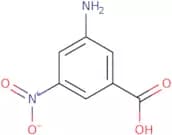
CAS:5-Carboxyvanillic acid is a chemical compound that belongs to the class of organic compounds known as carboxylic acids. It is also called o-vanillin, and it has a molecular weight of 116.19 g/mol. 5-Carboxyvanillic acid is one of the main ingredients in natural vanilla flavour. The hydroxyl group on the 5th carbon atom of this molecule reacts with a proton, which results in an addition reaction mechanism. The reaction proceeds through two steps: first, protonation occurs at the 5th carbon atom; second, deprotonation occurs at the 4th carbon atom. This chemical compound can be found as a white crystalline solid and as a volatile oil.Formula:C9H8O6Purezza:Min. 95%Colore e forma:PowderPeso molecolare:212.16 g/mol3-Amino-5-nitrobenzoic acid
CAS:3-Amino-5-nitrobenzoic acid is a cyclic analog of diazepam. It has been shown to be an acceptor in the reduction of picric acid and nitro groups. 3-Amino-5-nitrobenzoic acid is a molecule which interacts with dopamine to produce pharmaceutical preparations.Formula:C7H6N2O4Purezza:Min. 95%Colore e forma:PowderPeso molecolare:182.13 g/molMethyl 4-iodosalicylate
CAS:<p>Methyl 4-iodosalicylate is a redox potential molecule that can be used in the treatment of HIV infections. Studies have shown that methyl 4-iodosalicylate is able to enhance the activity of antiretroviral therapies, and is also able to increase the light emission from fluorophores when combined with sodium triflate. This compound has been shown to have pharmacokinetic properties that are similar to those of salicylic acid. Methyl 4-iodosalicylate has been shown to transport into human erythrocytes, and fluoresce when excited by light with a wavelength of 365 nm.<br>Methyl 4-iodosalicylate has been studied as a possible therapy for various conditions including cancer, arthritis, and heart disease. It may also be useful for improving skin health or for use as a topical antimicrobial agent.</p>Formula:C8H7IO3Purezza:Min. 95%Colore e forma:PowderPeso molecolare:278.04 g/mol4-Azidobenzoic acid
CAS:Please enquire for more information about 4-Azidobenzoic acid including the price, delivery time and more detailed product information at the technical inquiry form on this pageFormula:C7H5N3O2Purezza:Min. 97 Area-%Colore e forma:PowderPeso molecolare:163.13 g/mol4-Aminohippuric acid sodium
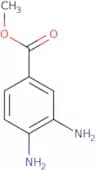
CAS:4-Aminohippuric acid sodium (4AHA) is a drug that is used as a diagnostic tool for measuring renal plasma flow and renal function. The drug is administered intravenously and its optical properties are measured. 4AHA is filtered by the kidneys, which causes it to be excreted in urine. A sensor is placed on the patient's arm and measures the concentration of 4AHA in the blood flowing through the arm. This measurement can then be used to calculate renal plasma flow, which indirectly indicates kidney function. 4AHA can also be used to measure sodium levels in blood plasma, as it binds to sodium ions in solution. However, this application of 4AHA has been superseded by newer technologies such as ion-selective electrodes and magnetic resonance imaging, which offer improved accuracy at lower cost.Formula:C9H10N2NaO3Purezza:Min. 95%Colore e forma:PowderPeso molecolare:217.18 g/molMethyl 3,4-diaminobenzoate
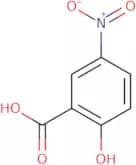
CAS:<p>Methyl 3,4-diaminobenzoate is a molecule that has been shown to inhibit nitrite reductase. It also binds to the receptor binding domain of the growth factor and to quinoxalines, which are antimicrobial peptides. In vitro assays have revealed that methyl 3,4-diaminobenzoate has antimicrobial properties against bacteria such as Enterococcus faecalis, Pseudomonas aeruginosa, Staphylococcus aureus, and Bacillus cereus. The mechanism of action for these activities is not well understood. Methyl 3,4-diaminobenzoate has been shown to be an inhibitor of tryptophan fluorescence in vitro and may act as a competitive inhibitor of the enzyme tryptophan fluorescence decarboxylase.</p>Formula:C8H10N2O2Purezza:Min. 95%Colore e forma:White PowderPeso molecolare:166.18 g/mol5-Nitrosalicylic acid
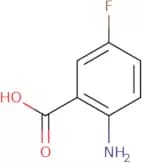
CAS:<p>5-Nitrosalicylic acid is an ethylene diamine derivative that is used in organic synthesis. It reacts with nitrogen atoms to form stable complexes. 5-Nitrosalicylic acid reacts with hydrogen and forms a protonated acid complex, which is more soluble in water than the molecule itself. The protonated acid complex can be used for the production of glycan, which are biomolecules that play a major role in the human body. Synchronous fluorescence spectroscopy has shown that 5-nitrosalicylic acid reacts with glycan by hydrogen bonding interactions and stabilizing nitro groups.</p>Formula:C7H5NO5Purezza:Min. 95%Colore e forma:Slightly Yellow PowderPeso molecolare:183.12 g/mol5-Fluoroanthranilic acid
CAS:<p>5-Fluoroanthranilic acid is a synthetic compound that belongs to the class of anthranilic acid derivatives. It inhibits the growth of bacteria by reacting with the hydroxyl group on the bacterial cell wall and binding to its target, which is a cellular component found in Gram-positive bacteria. The molecular modeling and gene analysis have shown that this compound has an optimal reaction at pH 8.5, which is not in accordance with the natural environment of bacteria. 5-Fluoroanthranilic acid has been shown to have anticancer activity against wild-type cells but not against resistant mutants.</p>Formula:C7H6FNO2Purezza:Min. 95%Colore e forma:PowderPeso molecolare:155.13 g/mol