Acidi benzoici
Gli acidi benzoici sono acidi carbossilici aromatici con la formula molecolare C7H6O2, caratterizzati da un anello benzenico legato a un gruppo carbossilico (-COOH). Questi composti sono ampiamente utilizzati come conservanti, intermedi nella sintesi organica e nella produzione di varie sostanze chimiche, inclusi coloranti e fragranze. Gli acidi benzoici sono anche importanti nelle industrie alimentare e farmaceutica. Presso CymitQuimica, offriamo una gamma diversificata di acidi benzoici di alta qualità per supportare le vostre esigenze di ricerca e industriali.
Trovati 5472 prodotti di "Acidi benzoici"
Ordinare per
Purezza (%)
0
100
|
0
|
50
|
90
|
95
|
100
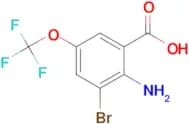
2-Amino-3-bromo-5-(trifluoromethoxy)benzoic acid
CAS:Formula:C8H5BrF3NO3Purezza:95.0%Peso molecolare:300.0311-Boc-4-(3-Carboxy-phenyl)-piperidine
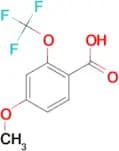
CAS:Formula:C17H23NO4Purezza:97%Colore e forma:SolidPeso molecolare:305.3744-Methoxy-2-(trifluoromethoxy)benzoic acid
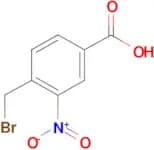
CAS:Formula:C9H7F3O4Purezza:≥95%Colore e forma:SolidPeso molecolare:236.1464-(Bromomethyl)-3-nitrobenzoic acid
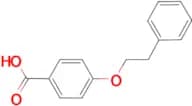
CAS:Formula:C8H6BrNO4Purezza:95%Colore e forma:SolidPeso molecolare:260.0434-(2-phenylethoxy)benzoic acid
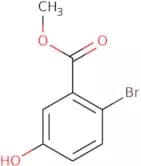
CAS:Formula:C15H14O3Purezza:95%Colore e forma:SolidPeso molecolare:242.2742-Bromo-5-hydroxybenzoic acid methyl ester
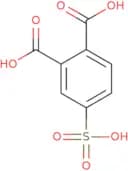
CAS:<p>2-Bromo-5-hydroxybenzoic acid methyl ester (2BB) is a phenoxy activator that activates the glucokinase activator. It has been shown to have a glucose lowering effect in both animal and human studies. 2BB is orally bioavailable and has an allosteric mode of action, which means it works by binding to the allosteric site on the enzyme's active site, thereby increasing its activity. It binds to the benzamide of glucokinase, which causes an increase in glucose uptake and utilization by cells. 2BB is being studied for use as an oral treatment for type II diabetes mellitus.</p>Formula:C8H7BrO3Purezza:Min. 95%Colore e forma:PowderPeso molecolare:231.04 g/mol4-Sulfophthalic acid (contains 3-sulfophthalic acid), 50% aqueous solution
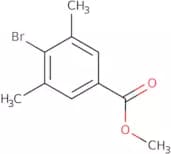
CAS:<p>Please enquire for more information about 4-Sulfophthalic acid (contains 3-sulfophthalic acid), 50% aqueous solution including the price, delivery time and more detailed product information at the technical inquiry form on this page</p>Formula:C8H6O7SPurezza:80%Peso molecolare:246.2 g/mol4-Bromo-3,5-dimethylbenzoic acid methyl ester
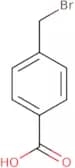
CAS:<p>4-Bromo-3,5-dimethylbenzoic acid methyl ester is a versatile building block that is used in the synthesis of complex compounds. 4-Bromo-3,5-dimethylbenzoic acid methyl ester is an intermediate in the synthesis of speciality chemicals and research chemicals. It is also a useful scaffold for the synthesis of high quality and useful reagents as well as reaction components.</p>Formula:C10H11BrO2Purezza:Min. 95%Colore e forma:White PowderPeso molecolare:243.1 g/mol4-(Bromomethyl) benzoic acid
CAS:<p>4-(Bromomethyl) benzoic acid (4-BA) is a chemical compound that is used as an antimicrobial agent and a reagent in organic synthesis. It has been shown to have a broad spectrum of activity against Gram-positive and Gram-negative bacteria, fungi, and protozoa. 4-BA is stable at neutral pH and can be prepared by the reaction of 2-bromobenzeneacetic acid with sodium borohydride in the presence of acetic acid. This compound reacts with nucleophiles such as imatinib, forming an iminium intermediate. The resulting product can then react with chloride or hydrogen bond to form 4-BA chloride or 4-BA hydrogen bond respectively. Magnetic resonance spectroscopy has also been used to study the magnetic properties of this compound.</p>Formula:C8H7BrO2Purezza:Min. 95%Colore e forma:White PowderPeso molecolare:215.04 g/mol2,3-Diaminobenzoic acid
CAS:<p>2,3-Diaminobenzoic acid is a benzimidazole derivative that is used in the treatment of microbial infections. It has been shown to inhibit the growth of bacteria by binding to their ribosomes and inhibiting protein synthesis. The reaction solution of 2,3-diaminobenzoic acid has fluorescence properties that can be used to detect contaminating substances. The conjugates formed with p-hydroxyphenylacetic acid are more soluble than those formed with hydroxybenzoic acid. 2,3-Diaminobenzoic acid is not very toxic and does not cause any detectable changes in enzyme activities or other biochemical parameters in short term exposure. It can be easily decomposed by sodium chloride into chlorine gas and hydrochloric acid, which are both highly reactive with water.</p>Formula:C7H8N2O2Purezza:Min. 95%Colore e forma:PowderPeso molecolare:152.15 g/mol



![2-Methoxy-[1,1′-biphenyl]-4-carboxylic acid](/_next/image/?url=https%3A%2Fstatic.cymitquimica.com%2Fproducts%2F10%2Fthumb-webp%2FF236465.webp&w=3840&q=75)