Standard farmaceutici
Gli standard farmaceutici sono un insieme completo di materiali di riferimento essenziali per garantire la sicurezza, l'efficacia e la qualità dei prodotti farmaceutici. Questa categoria include standard per ingredienti farmaceutici attivi (API), che sono i componenti principali responsabili degli effetti terapeutici. Inoltre, copre composti e metaboliti rilevanti sia per l'industria farmaceutica che veterinaria, fornendo punti di riferimento per la misurazione e l'analisi precisa di queste sostanze. Gli standard di controllo delle nitrosammine sono cruciali per rilevare e mitigare le nitrosammine potenzialmente dannose nelle formulazioni di farmaci. Gli standard di tossicologia aiutano a valutare la sicurezza e i potenziali effetti avversi dei composti farmaceutici. Inoltre, gli standard per attivatori e inibitori enzimatici sono vitali per la ricerca e lo sviluppo, consentendo studi precisi delle vie biochimiche e dei meccanismi d'azione dei farmaci. Questi standard farmaceutici sono strumenti indispensabili per la conformità normativa, il controllo di qualità e la ricerca, garantendo che i prodotti farmaceutici soddisfino rigorosi criteri di sicurezza ed efficacia.
Sottocategorie di "Standard farmaceutici"
- APIs per la ricerca e le impurità(273.486 prodotti)
- Attivatori e inibitori enzimatici(2.827 prodotti)
- Nitrosamine(2.606 prodotti)
- Composti e metaboliti farmaceutici e veterinari(2.602 prodotti)
- Tossicologia(13.652 prodotti)
Trovati 7836 prodotti di "Standard farmaceutici"
Ordinare per
Purezza (%)
0
100
|
0
|
50
|
90
|
95
|
100
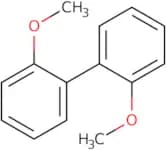
2,2'-Dimethoxybiphenyl
CAS:<p>2,2'-Dimethoxybiphenyl is a thermoplastic that is exothermic, making it useful in the production of polyketones. It can be used as a linker to form covalent bonds with monomers and polymers. 2,2'-Dimethoxybiphenyl has been used as a monomer to produce polyethers and polyesters. This compound has many chemical stability properties, which makes it suitable for use in polymer synthesis. It also can react with nucleophiles such as amines to form ether linkages. 2,2'-Dimethoxybiphenyl has kinetic properties that are faster than those of other ketones but slower than those of other ether-linked compounds. The activation energy for its reaction is low, making it an effective monomer for polymerization reactions.</p>Formula:C14H14O2Purezza:Min. 95%Colore e forma:PowderPeso molecolare:214.26 g/molTylvalosin
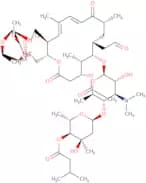
CAS:<p>Tylvalosin is a polymerase chain inhibitor that inhibits the activity of the bacterial DNA polymerase. It is used in antimicrobial treatment to prevent microbial infection due to its immunomodulatory effects. Tylvalosin is active against a wide range of microorganisms and has been shown to be effective against infections caused by bacteria such as Haemophilus influenzae, Streptococcus pyogenes, and Staphylococcus aureus. The drug also has anti-inflammatory properties and can be used for the treatment of synovitis, an inflammation of the synovium. Tylvalosin is not active against Mycobacterium tuberculosis or Mycobacterium avium complex.</p>Formula:C53H87NO19Purezza:(%) Min. 90%Colore e forma:PowderPeso molecolare:1,042.25 g/molL-Fucono-γ-lactone
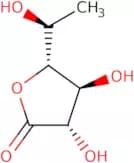
CAS:<p>L-Fucono-gamma-lactone is a compound that has been identified as a possible antibiotic for the treatment of multidrug resistant bacteria. L-Fucono-gamma-lactone inhibits the growth of bacterial cells by binding to the enzyme 4-deoxy-L-fucose dehydrogenase, which catalyzes the conversion of 4-deoxy-L-fucose to L-fuconate. This binding prevents the formation of L-fuconate, which is required for cell growth. The structural biology and bioinformatics analysis have shown that L-Fucono gamma lactone may be an effective inhibitor of bacterial enzymes, such as dehydrogenases and hexokinases. These enzymes are important for maintaining cellular energy levels and preventing cell death.</p>Formula:C6H10O5Purezza:Min. 95%Colore e forma:White PowderPeso molecolare:162.14 g/molEthyl cinnamate
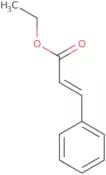
CAS:<p>Ethyl cinnamate is a natural product that is used as a chemical pesticide. It has shown to have photosynthetic activity, enzyme activities, and antioxidative properties. Ethyl cinnamate also has been shown to have a protective effect on the surface of plants by reducing the damage caused by glycol ethers and other chemicals. Ethyl cinnamate inhibits locomotor activity in insects, which may be due to its ability to inhibit energy metabolism. It is not toxic to mammals because it is quickly metabolized in the liver.</p>Formula:C11H12O2Purezza:Min. 95%Colore e forma:Colorless Clear LiquidPeso molecolare:176.21 g/molO-(2,4-Dinitrophenyl)hydroxylamine
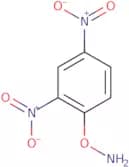
CAS:<p>O-(2,4-dinitrophenyl)hydroxylamine is a synthetic compound that binds to the enzyme bound site of the cap-dependent endonuclease. It is an inhibitor of influenza virus replication in vitro and has shown inhibitory activity against murine leukemia virus. O-(2,4-dinitrophenyl)hydroxylamine is also a model for the study of aminoglycoside antibiotics. The compound inhibits aminoglycoside-induced protein synthesis in eukaryotic cells and may be useful in understanding the mechanism of action and resistance to these antibiotics.</p>Formula:C6H5N3O5Purezza:Min. 98 Area-%Colore e forma:Yellow PowderPeso molecolare:199.12 g/mol2-Naphthyl myristate
CAS:<p>2-Naphthyl myristate is a proteolytic enzyme that hydrolyzes proteins. It has been shown to have lipolytic and phosphatase activities. The enzyme is active at a wide range of pH values, from 4.0 to 8.0, and can be inhibited by sodium taurocholate, which inhibits pancreatic lipase activity. 2-Naphthyl myristate has been used for the diagnosis of pancreatitis in humans, as it increases serum amino acid levels in patients with this condition. 2-Naphthyl myristate is an amidase that cleaves amide bonds and degrades proteins into amino acids. It also has an esterase activity that converts long chain fatty acids to their corresponding acid or alcohol form. The enzyme was first isolated from the genus Mycobacterium but has since been found in other genera such as Clostridium perfringens and Bacillus cereus.</p>Formula:C24H34O2Purezza:Min. 95%Colore e forma:PowderPeso molecolare:354.53 g/molRivastigmine N-Oxide
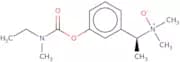
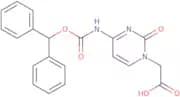
CAS:<p>Please enquire for more information about Rivastigmine N-Oxide including the price, delivery time and more detailed product information at the technical inquiry form on this page</p>Formula:C14H22N2O3Colore e forma:PowderPeso molecolare:266.34 g/molNb-N-(benzhydryloxycarbonyl)cytosine)-1-acetic acid
CAS:<p>Nb-N-(benzhydryloxycarbonyl)cytosine)-1-acetic acid is a speciality chemical that is used as a reagent, building block, and scaffold for organic synthesis. This compound can be used in various reactions to produce complex compounds with high purity. Nb-N-(benzhydryloxycarbonyl)cytosine)-1-acetic acid is an excellent starting material for the production of fine chemicals, research chemicals, and versatile building blocks. It is also a useful intermediate for the production of pharmaceuticals and other useful compounds.</p>Formula:C20H17N3O5Purezza:Min. 98 Area-%Colore e forma:White PowderPeso molecolare:379.37 g/mol2-Amino-4,8-naphthalenedisulfonic acid
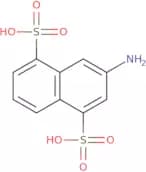
CAS:<p>2-Amino-4,8-naphthalenedisulfonic acid is a structural analog of the natural amino acid phenylalanine. It is an inhibitor of the enzyme tyrosinase, which participates in the oxidation of dopamine to DOPA and subsequent conversion to melanin. 2-Amino-4,8-naphthalenedisulfonic acid has been shown to inhibit the growth of probiotic bacteria and can be used as a food additive. The compound also inhibits the oxidation catalyst that is required for some analytical chemistry tests. 2-Amino-4,8-naphthalenedisulfonic acid has been shown to have toxicological properties in animal studies and this toxicity is exacerbated by its ability to bind with pyridine nucleotides found in cells. The toxicological effects are thought to be related to the inhibition of protein synthesis that leads to cell death.</p>Formula:C10H9NO6S2Purezza:Min. 95%Colore e forma:PowderPeso molecolare:303.31 g/mol4'-Chloro-2'-hydroxyacetophenone
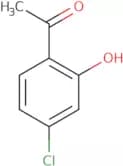
CAS:<p>4'-Chloro-2'-hydroxyacetophenone is a hydrazone compound that has been shown to have an inhibitory effect on the growth of cancer cells. The crystal structure was determined using X-ray diffraction data and the parameters were refined using a program called WITWIG. Hydrazones are classified as orthorhombic with space group Pbcn. The compound has been shown to be magnetic and it is soluble in organic solvents. 4'-Chloro-2'-hydroxyacetophenone has a molecular weight of 206.079 g/mol, which indicates that it is an organic molecule. It also contains a hydroxyl group and two chlorine atoms, one of which is attached to the acetophenone nucleus. This molecule can coordinate with metal ions to form complexes, such as mononuclear complexes, or polynuclear complexes with more than one metal ion.</p>Formula:C8H7ClO2Purezza:Min. 95%Colore e forma:Clear LiquidPeso molecolare:170.59 g/mol2-(4-Nitrophenoxy)acetohydrazide
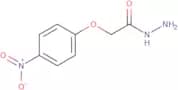
CAS:<p>2-(4-Nitrophenoxy)acetohydrazide is a crystalline compound that can be used as a ligand for protein-ligand binding studies. It has also been shown to have anticancer activity in vitro against the human breast cancer cell line MCF-7. The bioassay results showed antiproliferative and proapoptotic effects on MCF-7 cells, and single crystal X-ray diffraction studies revealed that 2-(4-Nitrophenoxy)acetohydrazide is an inhibitor of the pyrazole derivatives x-ray structures, which are involved in cancer cell proliferation.</p>Formula:C8H9N3O4Purezza:Min. 95%Peso molecolare:211.17 g/molCitral
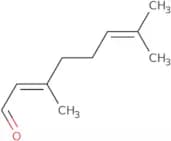
CAS:<p>Citral is a natural compound that is found in the essential oils of a variety of plants. It has been shown to have antimicrobial activity, and has been investigated for its use as an insect repellent. Citral is also known to bind DNA and inhibit the enzyme activities of c. glabrata. The biological properties of citral are still unclear, but it has been shown to cause a mild increase in water vapor and induce mitochondrial membrane potential in vivo human cells. Citral is also able to inhibit the growth of wild-type strains of C. glabrata and other bacteria through inhibition of their enzyme activities and interaction with cellular membranes.</p>Formula:C10H16OPurezza:Min. 95%Colore e forma:Clear LiquidPeso molecolare:152.23 g/mol3-Fluoro-L-tyrosine
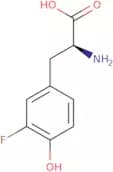
CAS:<p>3-Fluoro-L-tyrosine is a hydroxylated amino acid that is used as a pharmacological agent. 3-Fluoro-L-tyrosine has been shown to be a substrate for the enzyme tyrosinase, which catalyzes the conversion of L-tyrosine into 3,4 dihydroxyphenylalanine (DOPA). 3-Fluoro-L-tyrosine also reacts with bacterial enzymes and may have antibacterial properties.</p>Formula:C9H10FNO3Purezza:Min. 95%Colore e forma:PowderPeso molecolare:199.18 g/moltrans-4-(Diethylamino)cinnamaldehyde
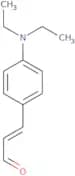
CAS:<p>Trans-4-(Diethylamino)cinnamaldehyde is a molecule that has been systematically studied with several techniques, such as x-ray crystallography. It has been shown to be a fluorophore and can be used as a fluorescent probe. Trans-4-(Diethylamino)cinnamaldehyde can be used in the fluorescence method in which it reacts with other molecules and emits light. This reaction scheme is based on the principle of irradiation by UV light or visible light to produce an excited state. Fluorescence is detected at various wavelengths depending on the dye used. Trans-4-(Diethylamino)cinnamaldehyde also emits fluorescence when irradiated with ultraviolet light, which is often referred to as "violet" fluorescence. The wavelength of this emission is 365 nm and it can be detected using high yield techniques, such as fluorometers.</p>Formula:C13H17NOPurezza:Min. 95%Colore e forma:PowderPeso molecolare:203.28 g/mol1,2,3,4-Tetrahydro-1-naphthylamine hydrochloride
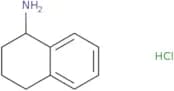
CAS:<p>1,2,3,4-Tetrahydro-1-naphthylamine hydrochloride is a high quality reagent that can be used as an intermediate in the synthesis of various organic compounds. It has been shown to be a useful building block for the synthesis of complex compounds and speciality chemicals. Tetrahydro-1-naphthylamine hydrochloride is also a versatile building block for reactions involving amines or other nucleophiles. Tetrahydro-1-naphthylamine hydrochloride is an interesting scaffold for research chemicals due to its ability to react with various functional groups.</p>Formula:C10H13N•HClPurezza:Min. 95%Colore e forma:PowderPeso molecolare:183.68 g/mol2',6'-Dimethoxy-β-methyl-β-nitrostyrene
CAS:<p>2',6'-Dimethoxy-beta-methyl-beta-nitrostyrene is a chemical building block that is useful for the synthesis of complex organic molecules. It is an intermediate in the manufacture of pharmaceuticals, pesticides and dyes. 2',6'-Dimethoxy-beta-methyl-beta-nitrostyrene is an important component in the production of research chemicals and speciality chemicals. The compound has been assigned CAS number 78904-44-6.</p>Formula:C11H13NO4Purezza:Min. 95%Peso molecolare:223.23 g/mol1-(2,4,6-Trimethylphenyl)-2-nitropropene
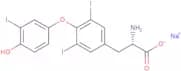
CAS:<p>1-(2,4,6-Trimethylphenyl)-2-nitropropene is a high quality chemical intermediate that can be used as a reagent in the synthesis of complex compounds. It has been shown to react with alcohols to form nitroalkenes and with amines to form nitroamines. This chemical also has application as a building block for pharmaceuticals, speciality chemicals, research chemicals, and versatile building blocks for organic synthesis. The compound is available in bulk amounts and can be used as a reaction component in many organic syntheses.</p>Formula:C12H15NO2Purezza:Min. 95%Peso molecolare:205.25 g/mol3,3',5-Triiodo-L-thyronine sodium salt
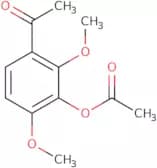
CAS:<p>Synthetic thyroid hormone (T3) analog; promotes adipogenic differentiation</p>Formula:C15H11I3NNaO4Purezza:Min. 95 Area-%Colore e forma:Slightly Yellow PowderPeso molecolare:672.96 g/mol3-Acetoxy-2,4-dimethoxyacetophenone
CAS:<p>3-Acetoxy-2,4-dimethoxyacetophenone is a chemical building block that has been shown to be useful in the synthesis of complex compounds. This compound can be used as a reaction component and reagent in organic synthesis. 3-Acetoxy-2,4-dimethoxyacetophenone can be used as a versatile building block for the synthesis of high quality research chemicals and speciality chemicals. It is also a useful intermediate for the preparation of fine chemicals such as pharmaceuticals, agrochemicals, and dyestuffs. 3-Acetoxy-2,4-dimethoxyacetophenone has CAS number 63604-86-4.</p>Formula:C12H14O5Purezza:Min. 95%Peso molecolare:238.24 g/molBiotin-PEG4-azide
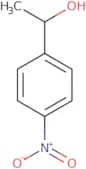
CAS:<p>Biotin-PEG4-azide is a PEG compound with two different functional groups (also known as heterobifunctional). Unlike homobifunctional PEG compounds (same functional group on both ends), this type of compounds are more versatile as have two different anchor points. Biotin-PEG4-azide is used as a linker and spacer to add a PEG moiety, via pegylation (a bioconjugation technique) to proteins, peptides, oligonucleotides, small molecules and nanoparticles.</p>Formula:C20H36N6O6SPurezza:Min. 95%Colore e forma:White PowderPeso molecolare:488.6 g/mol4-Nitrophenylmethylcarbinol
CAS:<p>4-Nitrophenylmethylcarbinol is a nitro compound that has been isolated from the nitration of 4-nitrophenol. It is used as a reagent to synthesize β-unsaturated ketones. The inhibitory effect of 4-nitrophenylmethylcarbinol is due to the presence of two nitro groups and one methyl group on its structure. This compound has been shown to have an inhibitory effect on glucose 6-phosphate dehydrogenase, which functions in cellular respiration by catalyzing the conversion of glucose 6-phosphate to glucose 1,6-bisphosphate. The inhibition of this enzyme leads to a reduction in the formation of ATP and NADPH, which are essential for cell growth. 4-Nitrophenylmethylcarbinol also has reductase activities that allow it to reduce phosphotriesters (e.g., DNA) and dehydrogenase deficiency (e.g., py</p>Formula:C8H9NO3Purezza:Min. 95%Colore e forma:Orange Clear LiquidPeso molecolare:167.16 g/mol(6S)-5,6,7,8-Tetrahydro-6-[propyl[2-(2-thienyl)ethyl]amino]-1-naphthalenol
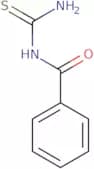
CAS:Prodotto controllato<p>(6S)-5,6,7,8-Tetrahydro-6-[propyl[2-(2-thienyl)ethyl]amino]-1-naphthalenol is a potent and selective dopamine receptor agonist. It acts by binding to the dopamine receptors in the brain. This binding stimulates the release of dopamine and prevents it from being reabsorbed into the neurons, which in turn increases levels of extracellular dopamine in the synapse. (6S)-5,6,7,8-Tetrahydro-6-[propyl[2-(2-thienyl)ethyl]amino]-1-naphthalenol has been shown to have antidepressant effects in animal models of depression. It also has a long half life and can be administered as a transdermal patch for prolonged relief from depression symptoms.</p>Formula:C19H25NOSPurezza:Min. 95%Colore e forma:White Off-White PowderPeso molecolare:315.47 g/molN-Benzoylthiourea
CAS:<p>N-Benzoylthiourea (NBTA) is a fluorescent compound that has been used as an optical sensor for the detection of hydrogen. In addition, NBTA acts as an antimicrobial agent and can be used to treat autoimmune diseases. It has been shown to bind to human serum proteins and nucleic acids in sublethal doses, which may lead to its use in wastewater treatment. NBTA also has a stable complex with dyes such as fluorescein and rhodamine, making it a good choice for surface methodology applications. Pharmacokinetic properties of this drug have not been studied in humans.</p>Formula:C8H8N2OSPurezza:Min. 95%Colore e forma:PowderPeso molecolare:180.23 g/mol5-Formylsalicylic acid
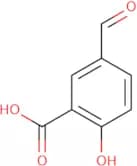
CAS:<p>5-Formylsalicylic acid is a molecule that has the chemical formula HOOC-(CH2)4-COOH. It is an organic acid that is derived from 5-nitrosalicylic acid, which is prepared by reacting sodium carbonate with hydroxybenzoic acid in the presence of ethylene diamine. This compound has been shown to have the ability to form hydrogen bonds with other molecules and itself. 5-Formylsalicylic acid can be synthesized by reacting sodium hydroxide with hydrogen chloride gas in a neutral pH environment. The surface methodology for this compound was determined to be gravimetric analysis, while it exhibits intermolecular hydrogen bonding interactions and matrix effects. Hydrogen bonding interactions are formed through nitrogen atoms and carboxylate groups on the surface of the molecule.</p>Formula:C8H6O4Purezza:Min. 95%Colore e forma:PowderPeso molecolare:166.13 g/mol2-Nitrophenylacetic acid
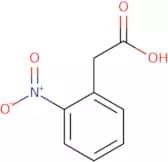
CAS:<p>2-Nitrophenylacetic acid is a synthetic product that has been studied by electrochemical techniques. It is soluble in human serum and can be detected by a chromatographic method. The cationic surfactant, oxindole, chloride, and optimal reaction conditions are known for the solute. 2-Nitrophenylacetic acid is a pharmaceutical drug that can be cleaved into nitro and carboxylate products with hydrochloric acid and β-unsaturated ketone as cleavage products.</p>Formula:C8H7NO4Purezza:Min. 98 Area-%Colore e forma:PowderPeso molecolare:181.15 g/molN-(Aminoethyl)-5-naphthylamine-1-sulfonic acid
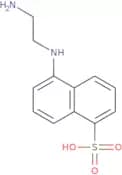
CAS:<p>The Michaelis-Menten kinetics of N-(Aminoethyl)-5-naphthylamine-1-sulfonic acid (NENSA) have been determined by studying the reaction of NENSA with a variety of acceptors. Basic fibroblasts were found to be a good substrate for this compound and it was shown that proteolytic activity is required for the hydrolysis of NENSA. The toxin is also reactive with the enzyme polymerase chain, which inhibits bacterial growth. In the presence of epidermal growth factor, NENSA has been shown to inhibit proliferation in fetal bovine retinal cells and human epidermal keratinocytes.</p>Formula:C12H14N2O3SPurezza:Min. 97 Area-%Colore e forma:Yellow PowderPeso molecolare:266.32 g/mol3'-β-Dimethyl-β-nitrostyrene
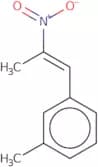
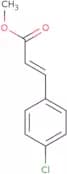
CAS:<p>3'-beta-Dimethyl-beta-nitrostyrene is a versatile building block that can be used in organic synthesis. It is a high quality, useful intermediate and reaction component for use in the pharmaceutical industry. 3'-beta-Dimethyl-beta-nitrostyrene has been employed as a building block in the synthesis of complex compounds. This compound is an excellent reagent, which makes it useful as a speciality chemical. 3'-beta-Dimethyl-beta-nitrostyrene is an important scaffold for research chemicals and can be used to synthesize new compounds.</p>Formula:C10H11NO2Purezza:Min. 95%Peso molecolare:177.2 g/molMethyl 4-chlorocinnamate
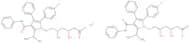
CAS:<p>Methyl 4-chlorocinnamate is an aryl chloride that is synthesized by the reaction of methoxyethyl chloride with cinnamic acid derivatives. It has bacteriostatic activity against a variety of bacteria species, including staphylococcus and candida glabrata. Methyl 4-chlorocinnamate reacts with amine groups in proteins to form amides, which are strong inhibitors of protein synthesis. This compound also inhibits the growth of Candida glabrata by inhibiting phosphonates, which are essential for cell division.</p>Formula:C10H9ClO2Purezza:Min. 95%Peso molecolare:196.63 g/molAtorvastatin calcium
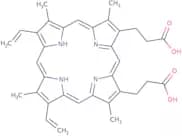
CAS:<p>HMG-CoA reductase inhibitor; anti-hypercholesterolemia agent</p>Formula:C66H68CaF2N4O10Purezza:Min. 97 Area-%Colore e forma:White PowderPeso molecolare:1,155.34 g/molProtoporphyrin IX
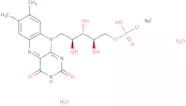
CAS:<p>Protoporphyrin IX is a fluorescent molecule that has been used for diagnosis and treatment of cancers, especially T-cell lymphomas. Protoporphyrin IX is being studied for its potential use as a photosensitizer in photodynamic therapy. The fluorescence emission spectrum of protoporphyrin IX overlaps with the absorption spectrum of hemoglobin, which enables it to be used in diagnosis of diseases such as sickle cell anemia. Protoporphyrin IX also binds to DNA and regulates gene expression. It is involved in mitochondrial functions, energy metabolism, and biochemical research. Protoporphyrin IX has been shown to bind to response elements and activate transcription of genes which are regulated by the proto-oncogene promoter. This molecule's thermodynamic data has been extensively researched and it is currently being evaluated for use in laser ablation technology for cancer treatments.</p>Formula:C34H34N4O4Purezza:Min. 95%Colore e forma:Red PowderPeso molecolare:562.66 g/molRiboflavin 5'-phosphate sodium salt dihydrate
CAS:<p>Riboflavin 5'-phosphate sodium salt dihydrate is a fine chemical that belongs to the group of complex compounds. It is a versatile building block, which can be used as a reaction component in research or as an intermediate for the production of other chemicals. Riboflavin 5'-phosphate sodium salt dihydrate has many applications, such as being a useful scaffold for the preparation of new molecules and being a reagent for reactions involving nucleotides. This compound also has high quality and is often used in speciality chemicals.</p>Formula:C17H20N4NaO9P·2H2OPurezza:(Uv) 73.0 To 79.0%Colore e forma:PowderPeso molecolare:514.36 g/molIbogamine-18-carboxylic acid methyl ester
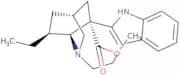
CAS:<p>Ibogamine is a naturally occurring alkaloid that is found in the roots of plants from the Apocynaceae family. It has been shown to be low-potency and act as an α7 nicotinic acetylcholine receptor agonist. Ibogamine also possesses transport properties through the blood-brain barrier. In addition, it has been shown to inhibit coronaridine-induced convulsions in mice and alkaloids have been isolated from its leaves. Molecular docking analysis has shown that ibogamine binds to the protein data of hep-2 cells, which are used for tissue culture. Ibogamine is a monoterpenoid indole alkaloid with anti-inflammatory properties. It has been shown to have activity against infectious diseases such as tissue culture and plate test experiments, which are used to study fatty acid synthesis and β-oxidation respectively.</p>Formula:C21H26N2O2Purezza:Min. 98 Area-%Colore e forma:PowderPeso molecolare:338.44 g/mol2-Amino-5-iodobenzoic acid methyl ester
CAS:<p>2-Amino-5-iodobenzoic acid methyl ester (2AIBA) is a molecule that can be used as an activatable probe for imaging cancer. It has a profile suitable for radionuclide therapy and is also senescent. 2AIBA binds to DNA and inhibits the synthesis of proteins, leading to cell death. 2AIBA has potent inhibitory activity against murine melanoma cells and synergistic effects when combined with acridone. The section of tumour cells was shown to be reduced by 42% in mice when treated with 2AIBA, acridone, and radiation compared to mice treated with radiation alone.</p>Formula:C8H8INO2Purezza:Min. 95%Colore e forma:PowderPeso molecolare:277.06 g/mol4-Acetoxycinnamic acid
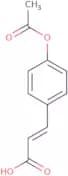
CAS:<p>4-Acetoxycinnamic acid is a staphylococcal bactericide that inhibits bacterial growth and is active against many gram-positive bacteria, including Staphylococcus aureus. It is also active against many gram-negative bacteria, such as Escherichia coli and Pseudomonas aeruginosa. 4-Acetoxycinnamic acid has been shown to inhibit the growth of Staphylococcus aureus in an in vitro experiment by interfering with membrane permeability and inhibiting lipid synthesis. 4-Acetoxycinnamic acid has been shown to have antimicrobial activity against gram-positive and gram-negative bacteria, including methicillin resistant S. aureus (MRSA).</p>Formula:C11H10O4Purezza:Min. 97 Area-%Colore e forma:PowderPeso molecolare:206.19 g/mol(2-Nitrophenyl)acetone
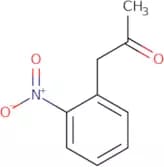
CAS:<p>2-Nitrophenylacetone is a polycyclic compound with an alkyl group, phenyl group, and a diterpenoid substituent. It is acylated with an acetate group on the 2-nitrophenyl group. The skeleton of this molecule contains a ketone (C=O) framework. The hydrogen atom in the molecule constitutes its chemistry. This molecule has been expressed in E. coli and purified to homogeneity. It constitutes the first example of a ketone containing framework for which biomolecular chemistry has been studied.</p>Formula:C9H9NO3Purezza:Min. 95%Colore e forma:PowderPeso molecolare:179.17 g/molL-Aspartic acid β-naphthylamide
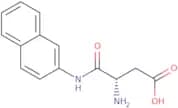
CAS:<p>L-Aspartic acid beta-naphthylamide is a dietary amino acid that is metabolized to oxaloacetate in the liver. This metabolite is then converted to aspartate and glutamate, which are both important for brain functions. L-Aspartic acid beta-naphthylamide has been shown to have regulatory effects on peptide hormones, such as inhibiting the synthesis of angiotensin II and vasopressin in rats. L-Aspartic acid beta-naphthylamide also has anti-cancer properties, which may be due to its ability to inhibit the growth of cancer cells by hydrolyzing proteins and enzymes involved in fatty acid synthesis.</p>Formula:C14H14N2O3Purezza:Min. 95%Peso molecolare:258.27 g/molL-Adrenaline
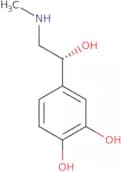
CAS:Prodotto controllato<p>L-Adrenaline is a hormone that belongs to the group of nonsteroidal anti-inflammatory drugs. It is used in combination therapy for the treatment of asthma, chronic obstructive pulmonary disease and other respiratory diseases. L-Adrenaline has also been shown to increase blood pressure and heart rate. L-Adrenaline may interact with other medication such as cardiac glycosides and calcium channel blockers, so it is important to consult with a doctor before taking this drug. L-Adrenaline is a potent vasoconstrictor that can cause primary pulmonary hypertension, which can lead to heart failure. The epinephrine in this drug binds to receptors on cells in the lungs, increasing bronchial secretions, which reduces the symptoms of anaphylaxis.</p>Formula:C9H13NO3Purezza:Min. 95%Colore e forma:PowderPeso molecolare:183.2 g/mol5-Hydroxy-1,4-naphthalenedione
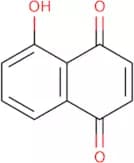
CAS:<p>Blocks RNA polymerases I, II, and III; inhibits PPlases</p>Formula:C10H6O3Purezza:Min. 98 Area-%Colore e forma:PowderPeso molecolare:174.15 g/mol6-Hydroxy-2,3,4-trimethoxyacetophenone
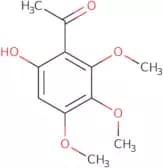
CAS:<p>6-Hydroxy-2,3,4-trimethoxyacetophenone (6HTMA) is a natural product that has been shown to have potent inhibitory activities against PC12 cells. This compound also possesses neuroprotective and antioxidative properties. 6HTMA was able to inhibit acetylation of proteins, which may be responsible for its neuroprotective activity. Furthermore, 6HTMA has been shown to possess anti-oxidant and anti-tuberculous activities.</p>Formula:C11H14O5Purezza:Min. 95%Colore e forma:PowderPeso molecolare:226.23 g/molGlutaric acid
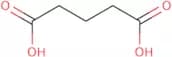
CAS:<p>Glutaric acid is a dinucleotide phosphate that exists in two forms: the alpha form, which has a high phase transition temperature and is insoluble in water; and the beta form, which has a low phase transition temperature and is soluble in water. Glutaric acid can be used as an analytical reagent to identify the type of nucleotides present in samples. It can also be used as an experimental solvent for other compounds that are not soluble in water. The toxicity of glutaric acid has been studied extensively and found to be low. This compound does not appear to have any adverse effects on human health or animals at doses up to 1g/kg body weight. Glutaric acid has been shown to have anti-infectious properties by inhibiting the growth of bacteria, fungi, and viruses. The effectiveness of glutaric acid against infectious diseases appears to depend on its ability to block protein synthesis by inhibiting enzymes such as glutathione reductase</p>Formula:C5H8O4Purezza:Min. 99 Area-%Colore e forma:White PowderPeso molecolare:132.11 g/molethyl 2-cyano-3-(4-nitrophenyl)prop-2-enoate
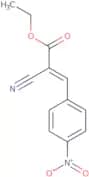
CAS:<p>Ethyl 2-cyano-3-(4-nitrophenyl)prop-2-enoate is a functionalized molecule that contains a dipole. It has high selectivity for 1,3-dipolar cycloadditions because the electron density of the methylene group is greater than that of the aldehyde group. The mechanistic theory for this reaction is that the electron density on the methylene group in ethyl 2-cyano-3-(4-nitrophenyl)prop-2-enoate will cause it to become more reactive than the aldehyde group. The dipoles in this molecule are oriented such that they can react with each other to form an intermediate and then an adduct. This isomerization occurs through either dipolarophilic or electrocyclic mechanisms.</p>Purezza:Min. 95%6-Hydroxycoumarin
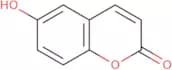
CAS:<p>6-Hydroxymethylcoumarin is a reactive, hydroxyl-containing molecule that has been shown to have inhibitory properties against the bacteria Pseudomonas aeruginosa. It is an inhibitor of nucleophilic substitutions, which are necessary for the synthesis of DNA and RNA. 6-Hydroxycoumarin has been shown to be effective in vitro against p. aeruginosa and other bacteria with similar mechanisms of action. Coumarins have also been found to be cytotoxic and cancerous in nature, as well as inhibiting growth factor activity. They are also used as pharmaceutical preparations for treating gastric ulcers due to their ability to inhibit the production of hydrochloric acid by parietal cells in the stomach lining.</p>Formula:C9H6O3Purezza:Min. 95 Area-%Colore e forma:PowderPeso molecolare:162.14 g/molAcetyl-L-tyrosine amide
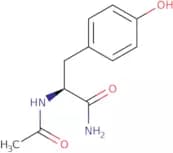
CAS:<p>Acetyl-L-tyrosine amide is an analog of L-tyrosine that is used as an active substance in the field of uv absorption. Acetyl-L-tyrosine amide reacts with sodium hydroxide to form a soluble salt, which has been shown to have binding constants that are comparable to those of human serum. This compound also has fluorescence properties and can be used for the determination of neutral pH. The reaction products formed between acetyl-L-tyrosine amide and sodium hydroxide are hydrolyzed by acids and yield a molecule with rotameric properties. These rotameric properties can be modeled using a protein model without affecting the stability or function of the protein.</p>Formula:C11H14N2O3Purezza:Min. 95%Colore e forma:PowderPeso molecolare:222.24 g/molFmoc-L-aspartic acid β-2-phenylisopropyl ester
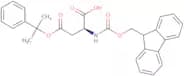
CAS:<p>Fmoc-L-aspartic acid beta-2-phenylisopropyl ester is a macrocyclic amino acid with conformational and anti-inflammatory properties. It has been shown to inhibit the proliferation of cancer cells in vitro, as well as the osteolytic, lymphoproliferative, and inflammatory activities in vivo. Fmoc-L-aspartic acid beta-2-phenylisopropyl ester also has antiarrhythmic effects on cardiac tissue that are caused by its ability to bind to chloride channels. This compound also inhibits the production of inflammatory cytokines such as tumor necrosis factor alpha (TNFα) and interleukin 6 (IL6).</p>Formula:C28H27NO6Purezza:Min. 95%Colore e forma:PowderPeso molecolare:473.52 g/mol1-(4-Nitrophenyl)glycerol
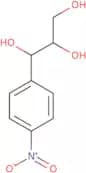
CAS:<p>1-(4-Nitrophenyl)glycerol has been shown to inhibit the growth of Gram-positive bacteria, including Streptococcus faecalis, and Gram-negative bacteria, including Pseudomonas aeruginosa. It is also used as a sample preparation for antimicrobial resistance testing.</p>Formula:C9H11NO5Purezza:Min. 97 Area-%Colore e forma:Off-White PowderPeso molecolare:213.19 g/molIbuprofen
CAS:<p>Ibuprofen is a nonsteroidal anti-inflammatory drug (NSAID) used for the treatment of pain, fever and inflammation. Ibuprofen is an inhibitor of cyclooxygenase 1 (COX-1), which blocks the production of prostaglandins that cause pain and inflammation. Ibuprofen has been shown to inhibit the growth of bacteria in cell culture by inhibiting protein synthesis. This drug also has a toxic effect on respiratory system cells, which may be due to its ability to induce apoptosis. Ibuprofen has been shown to inhibit the production of tumour necrosis factor-α (TNF-α) and serum enzymes, such as dismutase activity, in mice with lung cancer.</p>Formula:C13H18O2Purezza:Min. 98 Area-%Colore e forma:White PowderPeso molecolare:206.28 g/mol1,5-Dinitronaphthalene
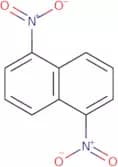
CAS:<p>1,5-Dinitronaphthalene is a test compound that has been used in the analytical method to determine the presence of basophilic leukemia cells. This reaction mechanism involves hydrogen bonding interactions with naphthalene, which is a test sample. The results are then read by chromatographic science and solubility data are collected. The 1,5-dinitronaphthalene can be used as a test compound for steric interactions with other compounds. It can also be used to measure the solubility of other compounds in different solvents.</p>Formula:C10H6N2O4Purezza:Min. 97.0 Area-%Peso molecolare:218.17 g/mol25-Hydroxyvitamin D3 monohydrate
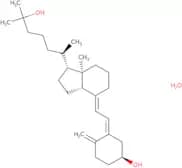
CAS:<p>25-Hydroxyvitamin D3 monohydrate is a vitamin D analog that has been shown to reduce elevated levels of parathyroid hormone and improve bone mineral density. It is used for the treatment of chronic kidney disease, hyperparathyroidism, and osteoporosis. 25-Hydroxyvitamin D3 monohydrate has been found to be effective in the treatment of these conditions because it increases the body's production of calcitriol, the active form of vitamin D. Calcitriol promotes calcium absorption in the gut and reduces renal excretion of calcium by inhibiting parathyroid hormone synthesis. This drug also inhibits pro-inflammatory cytokines such as IL-1β, IL-6, and TNF-α.</p>Formula:C27H44O2·H2OPurezza:Min. 97 Area-%Colore e forma:White PowderPeso molecolare:418.65 g/molL-Asparagine monohydrate
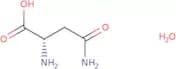
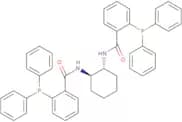
CAS:<p>L-Asparagine monohydrate (LAM) is a water-soluble amino acid that is used in the treatment of metabolic disorders such as diabetes. LAM has been shown to be effective in cell culture and tissue culture experiments, where it was found to increase the production of growth factors, such as insulin and keratinocyte growth factor. This amino acid also has a high degree of kinetic stability and can be used for magnetic resonance spectroscopy studies. LAM is soluble in water, but not in organic solvents. It forms hydrogen bonds with other molecules and is able to form dehydrated crystals. The experimental solubility data for LAM can be found in table 1 below.</p>Formula:C4H10N2O4Purezza:(Titration) Min. 99%Colore e forma:White Clear LiquidPeso molecolare:150.13 g/mol(1R,2R)-(+)-1,2-Diaminocyclohexane-N,N'-bis(2'-diphenylphosphinobenzoyl)
CAS:<p>(+)-1,2-Diaminocyclohexane-N,N'-bis(2'-diphenylphosphinobenzoyl) is an important chemical building block and intermediate that can be used in a wide range of organic synthesis. This compound is a versatile building block with high quality and has been shown to be useful for the synthesis of complex compounds. (+)-1,2-Diaminocyclohexane-N,N'-bis(2'-diphenylphosphinobenzoyl) can be used as a reagent in many reactions. CAS No. 138517-61-0 is a fine chemical that has been widely used in research laboratories around the world.</p>Formula:C44H40N2O2P2Purezza:Min. 95%Colore e forma:White PowderPeso molecolare:690.75 g/molHydroxy naphthol blue
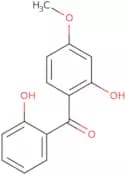
CAS:<p>羟基萘酚蓝是一种合成偶氮染料,是一种含有官能团RN=N-R的化合物。羟基萘酚蓝三钠盐和二钠盐用作分光光度法测定碱土和镧系元素含量的指示剂,最长为~650 nm(λ麦克斯= 647.6 纳米)。羟基萘酚蓝钠盐的常见用途的一个例子是通过测量钙和镁的浓度来确定水的硬度。在碱性或碱性pH值下,羟基萘酚蓝与金属离子形成粉红色/红色络合物,用EDTA滴定后,羟基萘酚蓝被释放出来,使溶液变成蓝色,指示终点。</p>Formula:C20H11N2O11S3·3NaColore e forma:Black Blue PowderPeso molecolare:620.48 g/mol2,2'-Dihydroxy-4-methoxybenzophenone
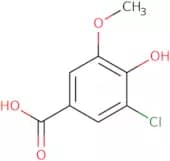
CAS:<p>2,2'-Dihydroxy-4-methoxybenzophenone (DHMB) is a chemical compound used in the manufacturing of sunscreens. It is also used as an antioxidant and antiinflammatory agent in topical preparations. The genotoxic effects of DHMB are well documented, but it is unclear whether these effects are due to UV radiation or other mechanisms. DHMB has been shown to be toxic to cells in vivo and in vitro. There have been reports of skin cancer developing on the ears of rats following chronic exposure to this chemical. DHMB binds to the estrogen receptor, which may be responsible for its genotoxic activity. This chemical has also been shown to inhibit the growth of bacteria such as Pseudomonas aeruginosa and Escherichia coli by binding with fatty acids on the cell membrane surface. DHMB is used for wastewater treatment because it can bind with heavy metals and remove them from water sources.</p>Formula:C14H12O4Purezza:Min. 95%Colore e forma:Yellow To Dark Yellow SolidPeso molecolare:244.24 g/mol5-Chlorovanillic acid
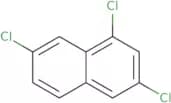
CAS:<p>5-Chlorovanillic acid is a weight compound that belongs to the group of methoxylated compounds. It is a precursor in the catabolic pathway of vanillic acid, which is synthesized from p-hydroxybenzoic acid. This compound can be found as one of the major phenolic acids in many plants and fruits, such as strawberries and apples. 5-Chlorovanillic acid has been shown to be an inhibitor for the growth of bacterial strains in culture, including C. perfringens. It has also been shown to have anti-inflammatory properties by inhibiting prostaglandin synthesis.</p>Formula:C8H7ClO4Purezza:80%Colore e forma:PowderPeso molecolare:202.59 g/mol1,3,7-Trichloronaphthalene
CAS:<p>This validated method for the analysis of 1,3,7-trichloronaphthalene is based on a validated experimental method. It uses a set of structural coefficients and an experimental value to calculate the bioconcentration factor (BCF). The BCF is then used to calculate the optimum vector, which is found by using descriptors and structural factors. The experimental values are also used to determine the vector. This method has been validated experimentally and theoretically.</p>Formula:C10H5Cl3Purezza:Min. 95%Colore e forma:PowderPeso molecolare:231.5 g/molAcitretin
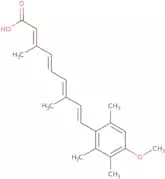
CAS:Prodotto controllato<p>Retinoid;activates nuclear retinoid acid receptor; antineoplastic; anti-psoratic</p>Formula:C21H26O3Purezza:Min. 95%Colore e forma:Yellow PowderPeso molecolare:326.43 g/mol4-Chloro-3-nitrophenylacetamide
CAS:<p>4-Chloro-3-nitrophenylacetamide is a chemical compound that can be used as a reagent, useful scaffold for research, and a high quality research chemical. CAS No. 5540-60-3, this versatile building block is useful for the synthesis of complex compounds and fine chemicals.</p>Formula:C8H7ClN2O3Purezza:Min. 98 Area-%Colore e forma:PowderPeso molecolare:214.61 g/mol5,6,7,8-Tetrahydro-1-naphthoic acid
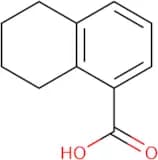
CAS:<p>5,6,7,8-Tetrahydro-1-naphthoic acid is a synthetic organic compound that is used to make dyes and paints. It has toxic properties and can cause irritation of the skin or lungs. The mechanism of its toxicity is not known, but it may be due to the formation of reactive oxygen species in the body or the inhibition of monoamine oxidase. 5,6,7,8-Tetrahydro-1-naphthoic acid exhibits dose-dependent toxicity with increasing doses resulting in more severe reactions. It also has a high potential for long term carcinogenicity.</p>Formula:C11H12O2Purezza:Min. 95%Peso molecolare:176.21 g/mol2-Bromo-6-fluorobenzoic acid methyl ester
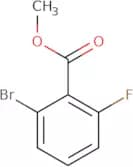
CAS:<p>2-Bromo-6-fluorobenzoic acid methyl ester is a fine chemical that belongs to the family of brominated compounds. It is a useful building block in the synthesis of diverse organic molecules, as well as a reagent for research and speciality chemicals. 2-Bromo-6-fluorobenzoic acid methyl ester is used as a versatile building block in the synthesis of complex compounds, as well as an intermediate or scaffold in organic chemistry. This product can be used to synthesize many diverse products while maintaining high quality and purity.</p>Formula:C8H6BrFO2Purezza:Min. 95%Colore e forma:PowderPeso molecolare:233.03 g/mol(3,4-Dichlorophenyl)acetic acid methyl ester
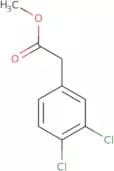
CAS:<p>(3,4-Dichlorophenyl)acetic acid methyl ester is a versatile building block and reagent that can be used in the synthesis of complex compounds. It is also a useful intermediate and reaction component for the synthesis of high-quality chemical products. This compound has been shown to be useful in the production of speciality chemicals, including research chemicals and fine chemicals.</p>Formula:C9H8Cl2O2Purezza:Min. 95%Colore e forma:PowderPeso molecolare:219.06 g/mol(+)-Biotin sulfoxide
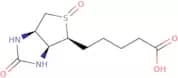
CAS:<p>Biotin sulfoxide is a biotin derivative that can be used to treat a number of human pathogens. This drug has been shown to inhibit the growth of wild-type strains in vivo and in vitro, as well as human pathogens. Biotin sulfoxide is a metal chelate that binds to molybdenum in the bacterial cell wall and prevents the formation of bacterial enzymes, such as reductase and sulfoxide reductase. This binding leads to a decrease in enzyme activities, which results in decreased protein synthesis and cell division. Biotin sulfoxide also has an inhibitory effect on light signal production, which may be due to its inhibition of proteins involved in electron transport. When administered orally, this drug can accumulate in the plasma and tissues, leading to chronic effects.</p>Formula:C10H16N2O4SPurezza:Min. 95%Colore e forma:PowderPeso molecolare:260.31 g/mol2,4-Dichlorophenylthiourea
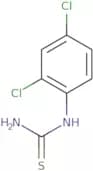
CAS:<p>2,4-Dichlorophenylthiourea is a hydrogen-bonding molecule that has dihedral angles of 109.5° and a molecular weight of 202.2 g/mol. 2,4-Dichlorophenylthiourea has been shown to form dimers with benzene and hydrogen bonds with itself and other molecules.</p>Purezza:Min. 95%3,4-Dihydroxybenzoic acid methyl ester
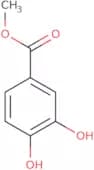
CAS:<p>3,4-Dihydroxybenzoic acid methyl ester is a natural compound that has been isolated from Linteus. This compound has been shown to have antiinflammatory activity and to inhibit the production of pro-inflammatory cytokines, such as tumor necrosis factor-alpha (TNF-α) and interleukin 1β (IL-1β). It also inhibits toll-like receptor 4 (TLR4), which is a protein that can bind to lipopolysaccharides on the surface of bacteria. 3,4-Dihydroxybenzoic acid methyl ester has been found to decrease mitochondrial membrane potential in cells treated with hydrogen fluoride. This agent is used in organic synthesis for the preparation of derivatives with high purity. The extract from Etoac can be used as a model organism for the study of its structure and function.</p>Formula:C8H8O4Purezza:Min. 95%Colore e forma:PowderPeso molecolare:168.15 g/mol2-Hydroxy-3-cyclohexyl-1,4-naphthoquinone
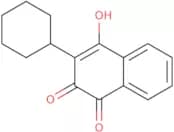
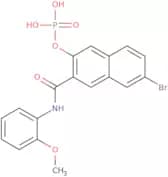
CAS:<p>Parvaquone is a drug used in the diagnosis and treatment of rheumatoid arthritis. It is a synthetic naphthoquinone that inhibits the production of prostaglandins by inhibiting cyclooxygenase enzymes, which are involved in the biosynthesis of these compounds. Parvaquone also has antimicrobial effects against some bacteria, fungi, and viruses. The bioavailability of parvaquone is low due to its high lipophilicity and poor aqueous solubility. When it does enter the bloodstream, it binds to plasma proteins such as albumin or alpha-1-acid glycoprotein. Parvaquone binds to collagen and other macromolecules in tissues, where it inhibits the synthesis of DNA by binding to the polymerase chain reaction (PCR). This binding leads to inhibition of transcription factors that regulate cell growth, leading to decreased cell division and tissue proliferation. Parvaquone also has some anti-inflammatory properties due</p>Formula:C16H16O3Purezza:Min. 95%Colore e forma:Yellow PowderPeso molecolare:256.3 g/molNaphthol AS-BI-phosphate
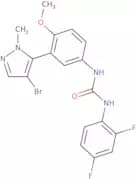
CAS:<p>Fluorogenic substrate for phosphatase, e.g type 5 TRAP 12</p>Formula:C18H15BrNO6PColore e forma:PowderPeso molecolare:452.19 g/molNelotanserin
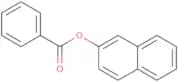
CAS:<p>1-[3-(4-Bromo-1-methyl-1H-pyrazol-5-yl)-4-methoxyphenyl]-3-(2,4-difluorophenyl)urea is the active ingredient in a drug that is used to treat chronic schizophrenia. It has been shown to have both antipsychotic and antidepressant properties. The drug works by blocking the 5HT2A receptor, which inhibits the effects of serotonin on heterocyclic amines at the postsynaptic membrane. This causes hyperpolarization of the membrane, which blocks neurotransmitter release and prevents further transmission of signals. It also blocks the H1 receptor, which decreases histamine release and reduces inflammation in the brain.</p>Formula:C18H15BrF2N4O2Purezza:Min. 95%Colore e forma:PowderPeso molecolare:437.24 g/mol2-Naphthyl Benzoate
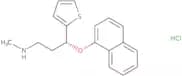
CAS:<p>2-Naphthyl benzoate is a compound that has been used as a fluorescence probe for the chromatographic determination of cardiac glycosides. It is also an acid conjugate of 2-naphthyl benzoate. The method includes the use of potassium dichromate and other reagents in vitro to determine the presence of cardiac glycosides by measuring fluorescence intensity. The reagents are mixed together, then incubated at 37°C for 5 minutes, followed by addition of the sample. Fluorescence is measured using a spectrophotometer at an excitation wavelength of 340 nm and emission wavelength of 460 nm. A constant that is specific to each cardiac glycoside is used to calculate the amount present in mg/L or µg/mL after 20 minutes. The nucleophilic nature of 2-naphthyl benzoate allows it to react with dipole-dipole interactions with electron deficient heterocyclic rings,</p>Formula:C17H12O2Purezza:Min. 95%Colore e forma:PowderPeso molecolare:248.28 g/mol(R)-N-Methyl-3-(1-naphthoxy)-3-(2-thienyl)propylamine hydrochloride
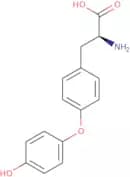
CAS:Prodotto controllato<p>(R)-N-Methyl-3-(1-naphthoxy)-3-(2-thienyl)propylamine hydrochloride is a nonsteroidal anti-inflammatory drug that has been shown to be effective for the treatment of osteoarthritis, rheumatoid arthritis, ankylosing spondylitis, and chronic low back pain. This drug can also be used for other inflammatory conditions such as psoriasis and Crohn's disease. The mechanism of action of (R)-N-Methyl-3-(1-naphthoxy)-3-(2-thienyl)propylamine hydrochloride is not fully understood. It may work by blocking the synthesis of prostaglandins in the body. This drug is metabolized in the liver to its active form, which binds to cyclooxygenase 1 and 2 enzymes to inhibit the production of prostaglandins. It also inhibits human serum x-ray</p>Formula:C18H19NOS•HClPurezza:Min. 95%Colore e forma:White To Off-White SolidPeso molecolare:333.88 g/molL-Thyronine
CAS:<p>L-Thyronine is a hormone that is synthesized in the thyroid gland and has a variety of biological functions. It is used to treat congestive heart failure, atherosclerosis, and other types of heart disease. L-Thyronine binds to receptors on cells and activates them, which stimulates production of energy for the cell. L-Thyronine also increases the number of mitochondria in cells and regulates the production of nitric oxide, which plays an important role in vascular relaxation. L-Thyronine can be administered orally or intravenously as a solution. The clinical response to treatment is evaluated by measurement of serum thyroxin levels before and after administration of L-Thyronine.</p>Formula:C15H15NO4Purezza:Min. 95%Colore e forma:PowderPeso molecolare:273.28 g/mol2,4,5,6-Tetramethoxyacetophenone
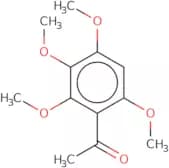
CAS:<p>2,4,5,6-Tetramethoxyacetophenone is a versatile building block that can be used as an intermediate in the production of complex compounds and speciality chemicals. This compound is a useful scaffold for research chemicals and reaction components. It has CAS No. 7508-05-6 and a high quality.</p>Formula:C12H16O5Purezza:Min. 95%Peso molecolare:240.25 g/molThionin acetate
CAS:<p>Thionin acetate is a chemical compound that has been used as an antiseptic and disinfectant. It is the acetate salt of thionin, which is a protein that binds to DNA, RNA, and proteins. Thionin acetate has been shown to have anti-inflammatory effects in mice. It also inhibits the production of antibodies in response to foreign antigens and reduces the severity of allergic reactions. Thionin acetate also inhibits neutrophil adhesion by binding to neutrophils and preventing their activation. This compound has been used in pharmaceutical preparations for treating wounds or burns. Thionin acetate is soluble in water and alcohols but insoluble in ethers or oils. It can be prepared by reaction between ethylene diamine and hydrogen peroxide with a photoelectron generator.br>br><br>Thionin acetate is a dark brown powder that turns purple on exposure to light because it contains ferric iron ions, which react with oxygen</p>Formula:C12H9N3S•C2H4O2Purezza:Min. 95%Colore e forma:PowderPeso molecolare:287.34 g/molBiotin-PEG4-propionic acid
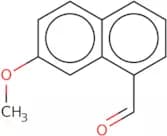
CAS:<p>Biotin-PEG4-propionic acid is a PEG compound with two different functional groups (also known as heterobifunctional). Unlike homobifunctional PEG compounds (same functional group on both ends), this type of compounds are more versatile as have two different anchor points. Biotin-PEG4-propionic acid is used as a linker and spacer to add a PEG moiety, via pegylation (a bioconjugation technique) to proteins, peptides, oligonucleotides, small molecules and nanoparticles.</p>Formula:C21H37N3O8SPurezza:Min. 95%Colore e forma:PowderPeso molecolare:491.6 g/mol2-Methoxy-1-naphthaldehyde
CAS:<p>2-Methoxy-1-naphthaldehyde is a potential chemical intermediate for the synthesis of a variety of biologically active compounds. It has been shown to have anti-tumor activity in solid tumours and can be used as a precursor for the production of new drugs that inhibit the growth of cancer cells. 2-Methoxy-1-naphthaldehyde is synthesized via an intramolecular hydrogen addition reaction with salicylaldehyde, which generates resonance stabilization. It also has an intermolecular hydrogen bond with naphthalene to form the dimer or trimer. The vibrational spectra and analytical methods are used to identify the functional groups present in 2-Methoxy-1-naphthaldehyde, which includes a hydrogen bond between the two methoxy groups. Computational methods can be used to predict how different molecules bind to this chemical intermediate and its role in biological activity.</p>Formula:C12H10O2Purezza:Min. 95%Colore e forma:PowderPeso molecolare:186.21 g/molPotassium DL-aspartate hemihydrate
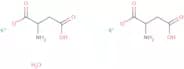
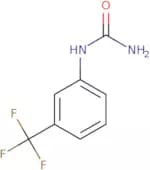
CAS:<p>Potassium DL-aspartate hemihydrate is a versatile building block that can be used as a reagent and as a speciality chemical. It is useful for research and development, as well as for the production of high-quality compounds and intermediates. This compound can be used in organic synthesis reactions and has been shown to be useful in the construction of scaffolds.</p>Formula:C4H7NO4H2O·KPurezza:Min. 95%Colore e forma:White PowderPeso molecolare:181.21 g/mol3-(Trifluoromethyl)Phenylurea
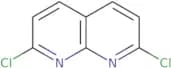
CAS:<p>3-(Trifluoromethyl)phenylurea is a chemotherapeutic agent that is used to treat leukemia and other cancers. It has been shown to be effective in the regression of tumors in mice, when given at a concentration of 1-2 mg/kg. 3-(Trifluoromethyl)phenylurea inhibits cell growth by binding to DNA and inhibiting RNA synthesis. The optimal concentrations for 3-(trifluoromethyl)phenylurea are determined using an equation that includes coefficients obtained from stepwise regression analysis. The coefficient values are also optimized using topological descriptors and genetic algorithms.</p>Formula:C8H7F3N2OPurezza:Min. 95%Peso molecolare:204.15 g/mol2,7-Dichloro-1,8-naphthyridine
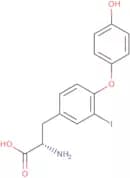
CAS:<p>2,7-Dichloro-1,8-naphthyridine is a structural analog of the functional group 2,7-dichloroquinoline. The protonated form of this molecule reacts with aryl chlorides to produce hydrogen bonds and generate supramolecular complexes. These complexes have been shown to be stable in solution and have low efficiency for electron transfer reactions. This compound has been shown to react with fluorine gas to generate reduction products with an nmr spectrum that is different from that of 2,7-dichloroquinoline. Crystallographic studies on this molecule show hydrogen bonding interactions between the molecules.</p>Formula:C8H4Cl2N2Purezza:Min. 95%Colore e forma:Yellow PowderPeso molecolare:199.04 g/mol3-Iodo-L-thyronine
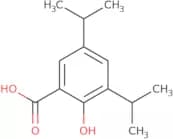
CAS:<p>3-Iodo-L-thyronine is a thyroid hormone that is synthesized from thyroxine. It has a high maximal response in humans and it may be useful for the treatment of hypothyroidism. 3-Iodo-L-thyronine is not active against rat liver microsomes because it is a noncompetitive inhibitor. The clinical relevance of this drug needs to be evaluated before it can be used as a therapeutic agent, but its analytical methods are similar to those used for other thyroid hormones, such as T3, T4, and 3,5,3'-triiodothyronine. This molecule has been successfully detected in human serum and tissues by using an analytical method based on iodoacetic acid.</p>Formula:C15H14INO4Purezza:Min. 95%Colore e forma:PowderPeso molecolare:399.18 g/mol3,5-Diisopropylsalicylic acid
CAS:<p>3,5-Diisopropylsalicylic acid is a reactive chemical substance that has been shown to be an effective anti-inflammatory agent. The compound is active against wild-type viruses and copper complexes. 3,5-Diisopropylsalicylic acid also has been shown to inhibit the growth of human cancer cells in vitro. This drug can be used as an analytical reagent for the detection of water vapor in gas chromatography and other techniques. The acute toxicities associated with 3,5-diisopropylsalicylic acid are not well understood, but it has been shown to have a negative effect on body mass index. It also may affect pluripotent cells and radiation therapy. There are reports of drug interactions when used with certain medications such as acetaminophen or ibuprofen.</p>Formula:C13H18O3Purezza:Min. 95%Colore e forma:PowderPeso molecolare:222.28 g/mol5-Formyl nicotinic acid methyl ester
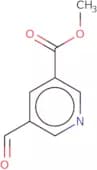
CAS:<p>5-Formyl nicotinic acid methyl ester (5-FNA) is a derivative of nicotinic acid that is used in research to measure the level of nicotine in urine. The affinity of 5-FNA for nicotine is much stronger than the affinity of acetone. 5-FNA is detectable in urine samples from humans and animals, and it can be used to study the health effects of tobacco use. It has also been used for toxicology research on animals and detection methods for tobacco use among humans. 5-FNA binds to nicotine receptors on cells and antibodies are produced against these receptors. The antibodies can be detected by an immunosorbant assay or radioimmunoassay, which are two techniques that are often used in 5-FNA studies.</p>Formula:C8H7NO3Purezza:(%) Min. 98%Colore e forma:PowderPeso molecolare:165.15 g/mol2'-Hydroxyacetophenone
CAS:<p>2'-Hydroxyacetophenone is a hydroxylated acetophenone derivative. It is used in the synthesis of coumarin derivatives, which are used as pharmaceuticals and natural compounds. 2'-Hydroxyacetophenone has been found to be cytotoxic against HL-60 cells, which is a line of leukemia cells in humans. It also has anti-cancer properties that may be due to its ability to inhibit water vapor and nitrogen gas release from cervical cancer cells. The structural analysis of 2'-hydroxyacetophenone has shown that it contains an intramolecular hydrogen bond with the proton on the oxygen atom. This bond is responsible for stabilizing the molecule's structure and maintaining its 3D geometry.</p>Formula:C8H8O2Purezza:Min. 95%Colore e forma:Clear LiquidPeso molecolare:136.15 g/mol2-Bromo-6-nitrophenol
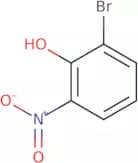
CAS:<p>2-Bromo-6-nitrophenol is a synthetic chemical that is used as an intermediate in the synthesis of other chemicals. It can be prepared by reacting ammonium formate with hydroxyl group of 2-bromo-6-nitropyridine. The reaction yield can be improved by activating the hydroxyl group and removing impurities through a dehydration reaction. The time required for the reaction to occur can be shortened by using acetonitrile as a solvent instead of water. This chemical is also synthesized by coupling metal salts with nitro groups or amines, which are called Suzuki coupling reactions.</p>Formula:C6H4BrNO3Colore e forma:PowderPeso molecolare:218 g/mol6',7'-Dihydroxy bergamottin
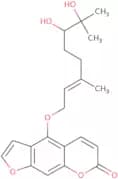
CAS:<p>Bergamottin is a naturally occurring flavonoid that is found in grapefruit and other citrus fruit. It has been shown to inhibit the activity of the P-glycoprotein (P-gp) transporter in human cells, which may lead to drug interactions. A number of analytical methods have been developed for the determination of bergamottin in biological samples such as humans, rat liver microsomes, and natural compounds. Bergamottin has been shown to be a potent inhibitor of cytochrome P450 enzymes and can inhibit skin cancer development in mice by inhibiting the growth of human keratinocytes (HK-2 cells). Bergamottin also inhibits tumorigenesis in mice by decreasing cell proliferation and inducing apoptosis in hk-2 cells.</p>Formula:C21H24O6Purezza:Min. 95%Colore e forma:PowderPeso molecolare:372.41 g/mol3-Ethoxycinnamic acid
CAS:<p>3-Ethoxycinnamic acid is a polyhydric alcohol that has been shown to inhibit the growth of various microorganisms. 3-Ethoxycinnamic acid inhibits the growth of microorganisms by binding to the alkenyl groups in the cell membrane, thereby preventing them from synthesizing their own fatty acids. The binding of 3-ethoxycinnamic acid to alkali metal ions also prevents their uptake into the cell, which leads to an accumulation of these ions outside the cell and eventually results in cell death. 3-Ethoxycinnamic acid is soluble in water and may be used as a stain or quaternary ammonium compound.</p>Formula:C11H12O3Purezza:Min. 95%Colore e forma:SolidPeso molecolare:192.21 g/mol2,4,5-Trimethoxycinnamic acid
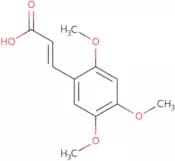
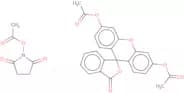
CAS:<p>2,4,5-Trimethoxycinnamic acid is a phenolic acid that is found in plants. It is a precursor to many other compounds that are biologically active, such as the caffeic acids and their derivatives. 2,4,5-Trimethoxycinnamic acid has been shown to have anti-cancer effects on cervical cancer cells. It also exhibits biological properties and has been used as an ingredient in traditional Chinese medicine.</p>Formula:C12H14O5Purezza:Min. 95%Colore e forma:PowderPeso molecolare:238.24 g/mol5(6)-Carboxyfluorescein diacetate N-succinimidyl ester
CAS:<p>5(6)-Carboxyfluorescein diacetate N-succinimidyl ester is a high quality chemical that is used as an intermediate in the synthesis of fluorescein, a complex compound. It is also useful as a reagent and building block in the synthesis of other compounds. 5(6)-Carboxyfluorescein diacetate N-succinimidyl ester is soluble in water and can be used to make fine chemicals, such as speciality chemicals and research chemicals. The chemical is also versatile and can be used as a reaction component for synthesizing other compounds.</p>Formula:C29H19NO11Purezza:Min. 95%Colore e forma:White PowderPeso molecolare:557.46 g/molSarcosine
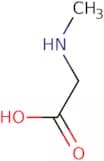
CAS:<p>Sarcosine is a naturally occurring amino acid that can be found in the body and in many foods. It has been shown to inhibit the activity of the enzyme adenylate cyclase, which is involved in cell signaling. This inhibition leads to a decrease in intracellular calcium levels, which results in reduced proliferation and apoptosis of HL-60 cells. The sarcosine concentration required for this effect is dependent on the type of cell being treated, with optimum concentrations ranging from 10-100 mM. Sarcosine also binds to nuclear DNA and may have an inhibitory effect on transcriptional activity. In addition, it has been shown to be an effective inhibitor of protein synthesis by binding to ribosomes and preventing peptide bond formation between amino acids at the ribosomal active site.</p>Formula:C3H7NO2Colore e forma:White PowderPeso molecolare:89.09 g/mol3-Hydroxy-7,2',4',5'-tetramethoxychalcone
<p>3-Hydroxy-7,2',4',5'-tetramethoxychalcone is a versatile building block that can be used as a reagent or in the synthesis of fine chemicals. It is an intermediate or reaction component that has been found to be useful in the synthesis of complex compounds. This compound is also of high quality and can be used as a scaffold in the synthesis of new molecules. 3-Hydroxy-7,2',4',5'-tetramethoxychalcone is a speciality chemical, with CAS No. 55006-57-3 and molecular weight of 245.</p>Purezza:Min. 95%Erythropoietin
CAS:<p>Erythropoietin is a glycoprotein hormone, which is primarily produced by interstitial fibroblasts in the kidney in response to hypoxia. Its main mode of action involves binding to erythropoietin receptors on the surface of erythroid progenitor cells in the bone marrow, thereby initiating a signaling cascade that results in the proliferation and differentiation of these progenitors into mature red blood cells.</p>Purezza:(Capillary Zone Electrophoresis) Min. 98.0%Colore e forma:Powder1,6-Dihydroxy-naphthalene
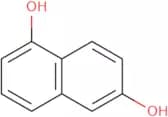
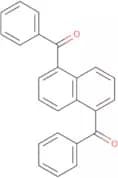
CAS:<p>1,6-Dihydroxy-naphthalene is a fluorescent compound that has been used as a cross-linking agent for proteins and as an analytical method for determining the concentration of naphthalene. It has been shown to inhibit protein synthesis by acting as an enzyme inhibitor, preventing the formation of peptide bonds in the ribosome. 1,6-Dihydroxy-naphthalene also has cationic surfactant properties and inhibits the growth of bacteria by binding to bacterial 16S ribosomal RNA, inhibiting protein synthesis. The chemical diversity of this molecule is due to intramolecular hydrogen bonding between its two hydroxyl groups. This bond can be broken by amines such as amino acids or ammonia, which are found in proteins.</p>Formula:C10H8O2Purezza:Min. 98 Area-%Colore e forma:White Green PowderPeso molecolare:160.17 g/mol1,5-Dibenzoylnaphthalene
CAS:<p>1,5-Dibenzoylnaphthalene (1,5-DBN) is a reactive anion radical that can be used to synthesize flavonoids. It can be used in the preparation of dyestuffs and reacts quickly with aldehydes in Friedel-Crafts reactions. 1,5-DBN is also antibacterial and has been shown to inhibit the growth of Staphylococcus aureus and Clostridium perfringens. It is toxic to humans when ingested and should be handled with care.</p>Formula:C24H16O2Purezza:Min. 95%Colore e forma:PowderPeso molecolare:336.38 g/mol5-Fluorosalicylic acid
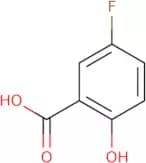
CAS:<p>5-Fluorosalicylic acid is a nonsteroidal anti-inflammatory drug that belongs to the group of 5-substituted salicylates. It has a strong affinity for human serum and can be used as an indicator in the determination of blood glucose. 5-Fluorosalicylic acid also binds to p-nitrophenyl phosphate with high affinity, which is involved in the regulation of cellular energy metabolism and plays a role in the production of ATP. The drug has been shown to form stable complexes with coumarin derivatives, which may have an effect on enzyme activities by modifying their conformational properties. 5-Fluorosalicylic acid has been shown to interact with other drugs, such as acetaminophen or ibuprofen, which may increase the risk of adverse effects.</p>Formula:C7H5FO3Purezza:Min. 95%Colore e forma:SolidPeso molecolare:156.11 g/mol4-Bromo-2-chlorocinnamic acid
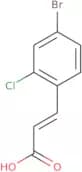
CAS:<p>4-Bromo-2-chlorocinnamic acid is a useful chemical in the synthesis of organic compounds. It is an intermediate in the production of pharmaceuticals and other organic compounds. The compound has been used as a research chemical and as a building block for the production of complex chemicals. 4-Bromo-2-chlorocinnamic acid has also been used as a building block for the production of fine chemicals, such as dyes, perfumes, and pesticides.</p>Formula:C9H6BrClO2Purezza:Min. 95%Colore e forma:PowderPeso molecolare:261.5 g/mol(Cyanomethyl)urea
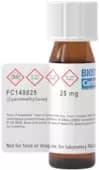
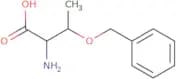
CAS:<p>Cyanomethyl)urea is a fine chemical that belongs to a class of compounds known as ureas. It is used as a versatile building block in the synthesis of more complex compounds, as a research chemical and as an intermediate. It can be used to synthesize pharmaceuticals, pesticides, and other chemicals. Cyanomethyl)urea is used in the production of polyurethane foams, which are commonly found in mattresses, furniture upholstery and insulation.</p>Formula:C3H5N3OPurezza:Min. 95%Colore e forma:Brown PowderPeso molecolare:99.09 g/molO-Benzyl-L-threonine
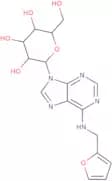
CAS:<p>O-Benzyl-L-threonine is a polymer that can be used to treat inflammatory diseases. It is an ionic polymer that reacts with calcium carbonate and forms nanosized architectures. O-Benzyl-L-threonine has been shown to cause the disassembly of inflammatory cells and induce cell death through necrosis factor. This polymer has been shown to have an optimal reaction when combined with a target cell in the presence of calcium carbonate. The phenolic group on the threonine molecule is responsible for this reaction's success.</p>Formula:C11H15NO3Purezza:Min. 95%Colore e forma:White To Off-White SolidPeso molecolare:209.24 g/molKinetin-9-glucoside
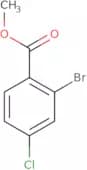
CAS:<p>Kinetin-9-glucoside is a conjugate of kinetin and glucose. It has been shown to inhibit the growth of several types of bacteria, including Pseudomonas aeruginosa, Staphylococcus aureus, and Streptococcus pyogenes. Kinetin-9-glucoside also has anti-inflammatory properties that may be due to its ability to inhibit prostaglandin synthesis. Kinetin-9-glucoside is used in tissue culture for the induction of plant regeneration from callus tissue or from excised root tissues. Kinetin-9-glucoside has been shown to stimulate the formation of apical roots in plantlets and promote cell division in neuronal cells.</p>Formula:C16H19N5O6Purezza:Min. 95 Area-%Colore e forma:PowderPeso molecolare:377.35 g/mol2-Bromo-4-chlorobenzoic acid methyl ester
CAS:<p>2-Bromo-4-chlorobenzoic acid methyl ester is a versatile chemical that can be used as a building block in the synthesis of many complex chemical compounds. It is also a useful reagent, and can be used to synthesize speciality chemicals. 2-Bromo-4-chlorobenzoic acid methyl ester has a high quality that makes it useful for research purposes. It is also an important intermediate in the synthesis of other compounds and has been found to be an effective scaffold for drug discovery. This compound is also commercially available under CAS No. 57381-62-1.</p>Formula:C8H6BrClO2Purezza:Min. 95%Colore e forma:Clear LiquidPeso molecolare:249.49 g/molPigment YellOw 5;2-[(2-NitrOphenyl)azO]-3-OxO-N-phenylbutanamide
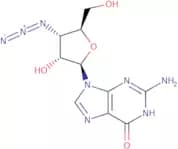
CAS:<p>Please enquire for more information about Pigment YellOw 5;2-[(2-NitrOphenyl)azO]-3-OxO-N-phenylbutanamide including the price, delivery time and more detailed product information at the technical inquiry form on this page</p>Purezza:Min. 95%3’-Azido-3’-deoxyguanosine
CAS:<p>Please enquire for more information about 3’-Azido-3’-deoxyguanosine including the price, delivery time and more detailed product information at the technical inquiry form on this page</p>Formula:C10H12N8O4Purezza:Min. 95%Peso molecolare:308.09815Pigment Red 38;Diethyl 4,4'-[(3,3'-dichlOrO[1,1'-biphenyl]-4,4'-diyl)bis(azO)]bis[4,5-dihydrO-5-OxO-1-phenyl-1H-pyrazOle-3-carbOxyla te]
CAS:<p>Pigment Red 38 is a red dye that is used in the production of magnetic particles, cross-linking agents, and fluorescent dyes. Pigment Red 38 has a hydroxyl group at the 4 position and a methyl ethyl group at the 2 position. It can be synthesized from diethyl 4,4'-(3,3'-dichlorobiphenyl)-4,4'-diylbisazolate. Pigment Red 38 is thermoreversible because it can be converted to its anhydrous form when heated or dissolved in water and then reconverted back to its original form when cooled or dried. The pigment was named for its ability to produce light emission when exposed to ultraviolet radiation. Pigment Red 38 has a diameter of 6 nm and reacts with coordination complexes to form particle clusters with diameters ranging from 10-200 nm.</p>Purezza:Min. 95%O-Benzyl-L-tyrosine benzyl ester 4-toluenesulfonate
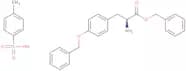
CAS:<p>O-Benzyl-L-tyrosine benzyl ester 4-toluenesulfonate salt is a fine chemical that belongs to the category of useful scaffolds and versatile building blocks. It is a high quality reagent that can be used as a reaction component in the preparation of complex compounds. This compound has shown to be useful in research on various types of drugs, including analgesics, antibiotics, antihistamines, antidepressants, antipsychotics and others.</p>Formula:C23H23NO3•C7H8O3SPurezza:Min. 95%Colore e forma:White solid.Peso molecolare:533.64 g/mol4-Bromo-3-fluorocinnamic acid
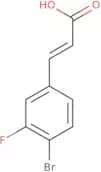
CAS:<p>4-Bromo-3-fluorocinnamic acid is a brominated derivative of cinnamic acid. It is used as an alloying agent in steel production, and can be used to control the content of manganese, nickel, phosphorous, and sulfur in steels. The equation for the preparation of 4-bromo-3-fluorocinnamic acid from cinnamic acid is: <br>4C6H5CO2H + 3HBr → 4C6H5BrFO2 + 2H2O</p>Formula:C9H6BrFO2Purezza:Min. 95%Colore e forma:PowderPeso molecolare:245.05 g/mol





![(6S)-5,6,7,8-Tetrahydro-6-[propyl[2-(2-thienyl)ethyl]amino]-1-naphthalenol](/_next/image/?url=https%3A%2Fstatic.cymitquimica.com%2Fproducts%2F3D%2Fthumb-webp%2FFT76640.webp&w=3840&q=75)









![Pigment YellOw 5;2-[(2-NitrOphenyl)azO]-3-OxO-N-phenylbutanamide](/_next/image/?url=https%3A%2Fstatic.cymitquimica.com%2Fproducts%2F3D%2Fthumb-webp%2FFP40385.webp&w=3840&q=75)
![Pigment Red 38;Diethyl 4,4'-[(3,3'-dichlOrO[1,1'-biphenyl]-4,4'-diyl)bis(azO)]bis[4,5-dihydrO-5-Ox…](/_next/image/?url=https%3A%2Fstatic.cymitquimica.com%2Fproducts%2F3D%2Fthumb-webp%2FFP43985.webp&w=3840&q=75)