Standard farmaceutici
Gli standard farmaceutici sono un insieme completo di materiali di riferimento essenziali per garantire la sicurezza, l'efficacia e la qualità dei prodotti farmaceutici. Questa categoria include standard per ingredienti farmaceutici attivi (API), che sono i componenti principali responsabili degli effetti terapeutici. Inoltre, copre composti e metaboliti rilevanti sia per l'industria farmaceutica che veterinaria, fornendo punti di riferimento per la misurazione e l'analisi precisa di queste sostanze. Gli standard di controllo delle nitrosammine sono cruciali per rilevare e mitigare le nitrosammine potenzialmente dannose nelle formulazioni di farmaci. Gli standard di tossicologia aiutano a valutare la sicurezza e i potenziali effetti avversi dei composti farmaceutici. Inoltre, gli standard per attivatori e inibitori enzimatici sono vitali per la ricerca e lo sviluppo, consentendo studi precisi delle vie biochimiche e dei meccanismi d'azione dei farmaci. Questi standard farmaceutici sono strumenti indispensabili per la conformità normativa, il controllo di qualità e la ricerca, garantendo che i prodotti farmaceutici soddisfino rigorosi criteri di sicurezza ed efficacia.
Sottocategorie di "Standard farmaceutici"
- APIs per la ricerca e le impurità(273.647 prodotti)
- Attivatori e inibitori enzimatici(2.827 prodotti)
- Nitrosamine(2.605 prodotti)
- Composti e metaboliti farmaceutici e veterinari(2.602 prodotti)
- Tossicologia(13.652 prodotti)
Trovati 7836 prodotti di "Standard farmaceutici"
Ordinare per
Purezza (%)
0
100
|
0
|
50
|
90
|
95
|
100
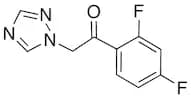
2,4-Difluoro-α-(1H-1,2,4-triazolyl)acetophenone
CAS:Prodotto controllato<p>Impurity Voriconazole EP Impurity A; Voriconazole USP Related Compound C<br>Applications 2,4-Difluoro-α-(1H-1,2,4-triazolyl)acetophenone (Voriconazole EP Impurity A; Voriconazole USP Related Compound C) is an antifungal activity, particularly toward Candida albicans and Candida parapsilosis<br>References Upadhayaya, R., et al.: Eur. J. Med. Chem., 39, 579 (2004), Sheng, C., et al.: J. Med. Chem., 49, 2512 (2006),<br></p>Formula:C10H7F2N3OColore e forma:BeigePeso molecolare:223.18[Leu5]-Enkephalin Acetate
CAS:<p>Applications [Leu5]-Enkephalin is a neurotransmitter used in molecular dynamics studies for the insertion of neurotransmitters into lipid bilayer membranes and their implication on membrane stability.<br>References Shen, C., et al.: ChemPhysChem, pages ahead of print (2017)<br></p>Formula:C28H37N5O7·x(C2H4O2)Colore e forma:NeatPeso molecolare:615.67N,N,N-Trimethyl-2-oxo-1-propanaminium Chloride
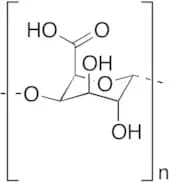
CAS:Prodotto controllato<p>Applications N,N,N-Trimethyl-2-oxo-1-propanaminium Chloride is an intermediate in the synthesis of 3-Carboxy-N.N,N-trimethyl-2-oxo-1-propanaminium Chloride (C183230), which is a derivative of L-Carnitine (C184110).<br>References Brewer, F. et al.: Arch. Biochem. Biophys., 276, 495 (1990);<br></p>Formula:C6H14NO•ClColore e forma:NeatPeso molecolare:116.11 + (35.45)Polygalacturonic Acid (Technical Grade)
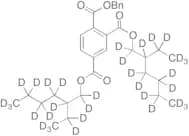
CAS:Prodotto controllato<p>Applications Polygalacturonic Acid is found in ripe fruits and some vegetables and is a degradation product of pectin in plants.<br>References Aspinall, G., et al.: J. Chem. Soc., 4020 (1958);<br></p>Formula:(C6H10O7)nColore e forma:NeatPeso molecolare:194.142,4-Bis(2-ethylhexyl) Benzene-1,2,4-tricarboxylic Acid 1-Benzyl Ester-d34
Prodotto controllato<p>Applications 2,4-Bis(2-ethylhexyl) benzene-1,2,4-tricarboxylic Acid 1-Benzyl Ester-d34 is an isotope labelled intermediate in the synthesis of Trioctyl Trimellitate (T804400), a plasticizer that was evaluated for endocrine disrupting activities through estrogen receptor alpha binding assay.<br></p>Formula:C32D34H10O6Colore e forma:NeatPeso molecolare:558.898Cupriethylenediamine Hydroxide (1.0 M in H2O)
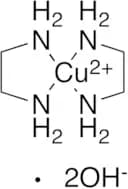
CAS:<p>Applications Cupriethylenediamine Hydroxide is used as a solvent for cellulose.<br> Not a dangerous good if item is equal to or less than 1g/ml and there is less than 100g/ml in the package<br>References Yang, L., et al.: J. Applied Polym. Sci., 126, E244 (2012); Shi, W., et al.: Ind. Eng. Chem. Res., 52, 586 (2013); Cyrot, J., et al.: Bulletin de l'Institut Textile de France, 18, 211 (1964)<br></p>Formula:C2H6CuN2Colore e forma:Dark Blue To Dark PurplePeso molecolare:121.632',4'-Dihydroxyacetophenone
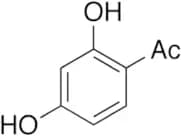
CAS:Prodotto controllato<p>Applications 2',4'-Dihydroxyacetophenone (cas# 89-84-9) is a compound useful in organic synthesis.<br></p>Formula:C8H8O3Colore e forma:NeatPeso molecolare:152.152-(Hydroxyamino)acetic Acid
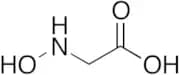
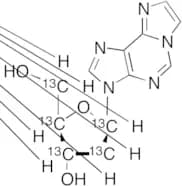
CAS:Prodotto controllato<p>Applications 2-(Hydroxyamino)acetic Acid is a novel lactase inhibitor.<br>References Hattori, M., et al.: J. Insect Physiol., 51, 1359 (2005); Murao, S., et al.: Biosci. Biotech. Biochem., 56, 987 (1992)<br></p>Formula:C2H5NO3Colore e forma:NeatPeso molecolare:91.071, N6-Etheno-2'-deoxyadenosine-13C5
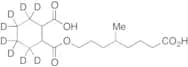
Prodotto controllato<p>Applications 1, N6-Etheno-2’-deoxyadenosine-13C5 is caused by exposure to pollutants. It is an isotopically labeled analog of the 2’-Deoxyguanosine adduct.<br></p>Formula:C713C5H13N5O3Colore e forma:NeatPeso molecolare:280.231,2-Cyclohexanedicarboxylic Acid Mono 4-Methyl-7-carboxy-heptyl Ester-d8
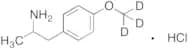
CAS:Prodotto controllato<p>Stability Hygroscopic<br>Applications 1,2-Cyclohexanedicarboxylic Acid Mono 4-Methyl-7-carboxy-heptyl Ester-d8 is labelled 1,2-Cyclohexanedicarboxylic Acid Mono 4-Methyl-7-carboxy-heptyl Ester (C987315) which is a possible metabolite of the di(isononyl)cyclohexane-1,2-dicarboxylate (DINCH) monoester (MINCH).<br>References Koch, H., et al.: Arch. Toxicol., 87, 799 (2013)<br></p>Formula:C17H20D8O6Colore e forma:NeatPeso molecolare:336.454-(Methoxy-d3)-α-methyl-benzeneethanamine Hydrochloride
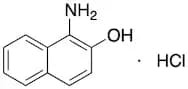
CAS:Prodotto controllato<p>Applications 4-(Methoxy-d3)-α-methyl-(αS)-benzeneethanamine Hydrochloride is the labelled form of 4-Methoxyamphetamine Hydrochloride (M261015), which is the HCl salt of 4-Methoxyamphetamine. 4-Methoxyamphetamine is a designer drug belonging to the amphetamine class and releases 5-hydroxytryptamine in brain tissue.<br> Not a dangerous good if item is equal to or less than 1g/ml and there is less than 100g/ml in the package<br>References Menon, M., et al.: J. Pharmacol. Exp. Ther., 197, 272 (1976);<br></p>Formula:C10H12D3NO·HClColore e forma:Off-WhitePeso molecolare:204.711-Amino-2-naphthol Hydrochloride
CAS:Prodotto controllato<p>Applications 1-Amino-2-naphthol Hydrochloride can be used as novel yellow pigment for making color filter.<br>References Kaichi, H., et.al.: Jpn. Kokai Tokkyo Koho JP 2018123190 A, 14, (2018);<br></p>Formula:C10H9NO·HClColore e forma:NeatPeso molecolare:159.18 + (36.46)Oxindole-3-acetic Acid-13C6
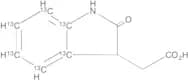
CAS:Prodotto controllato<p>Applications Oxindole-3-acetic Acid-13C6 is labelled derivative of Indoleacetic Acid (I577342) which has the potential to be used in anti-cancer therapy in conjunction with horseradish peroxidase.<br>References Kawano, T. et al.: Gen. Hypo. 60, 664 (2003)<br></p>Formula:C6C4H9NO3Colore e forma:NeatPeso molecolare:197.139L-Asparagine-13C4, 15N2 Hydrate
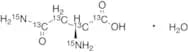
CAS:Prodotto controllatoFormula:C4H815N2O3H2OColore e forma:NeatPeso molecolare:138.0818023,5-Bis(1,1-dimethylethyl)-4-hydroxy-benzenepropanoic Acid C7-9-Branched Alkyl Esters
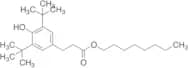
CAS:<p>Applications Octyl-3,5-di-tert-butyl-4-hydroxyhydrocinnamate (cas# 125643-61-0) is an intermediate in synthesizing 7,9-Di-tert-butyl-1-oxaspiro[4.5]deca-6,9-diene-2,8-dione (D493755), an antioxidant naturally found in aerial parts of Gmelina asiatica Linn (Verbenaceae). It is also found in essential oils of some Stachys species from Mediterranean area. It is an impurity of Irganox used in the food packaging.<br>References Merlin, N., et al.: Pharmacogn. Res., 1, 152 (2009); Conforti, F., et al.: Food Chem., 116, 898 (2009), Riquet, A. et al.: Food Chem., 199, 59 (2016);<br></p>Formula:C25H42O3Colore e forma:ColourlessPeso molecolare:390.61Benzoic Acid
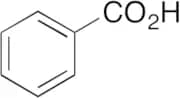
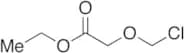
CAS:Prodotto controllato<p>Impurity Mefenamic Acid EP Impurity D<br>Applications Benzoic Acid is used in the synthesis of 1,3,4-oxadiazoles with pharmaceutical activity. Also used in the synthesis of selective human A3 adenosine receptor antagonists.<br>References Rouhani, M. et al.: Ultrason. Biochem., 21, 262 (2014); Squarcialupi, L. et al.: J. Medic. Chem., 56, 2256 (2013);<br></p>Formula:C7H6O2Colore e forma:WhitePeso molecolare:122.122-(Chloromethoxy)acetic Acid Ethyl Ester
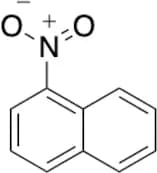
CAS:Prodotto controllato<p>Applications 2-(Chloromethoxy)acetic Acid Ethyl Ester is used in the preparation of antiviral acyclonucleosides and their metabolites.<br> Not a dangerous good if item is equal to or less than 1g/ml and there is less than 100g/ml in the package<br>References Kutsuma, T. et al.: Heterocycles, 65, 1967 (2005); Hu, L. et al.: Guiy. Yix. Xueb., 33, 546 (2008);<br></p>Formula:C5H9ClO3Colore e forma:NeatPeso molecolare:152.581-Nitronaphthalene
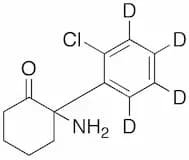
CAS:Prodotto controllato<p>Applications 1-Nitronaphthalene as a nitroaromatic compound is studied for mutagenicity, as nitroaromatics are used in everyday products from polmers, dyes to drugs.<br>References Tawari, N., et al.: Int J Pharm Pharm Sci., 6, 149-157 (2014)<br></p>Formula:C10H7NO2Colore e forma:NeatPeso molecolare:173.17Norketamine-d4 (1 mg/ml in Acetonitrile)
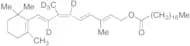
CAS:Prodotto controllatoFormula:C12H10D4ClNOColore e forma:Colourless To Light YellowPeso molecolare:227.729-cis-Retinyl Stearate-d5
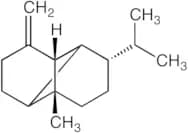
CAS:Prodotto controllato<p>Applications 9-cis-Retinyl Stearate-d5, is the labeled analogue of 9-cis-Retinyl Stearate (R275600), a fatty acid ester of Retinol isomer, found mainly in the retina.<br>References Bridges, C.D.B., et al.: Methods Enzymol., 81, 463 (1982),<br></p>Formula:C38D5H59O2Colore e forma:NeatPeso molecolare:557.944(-)-β-Copaene
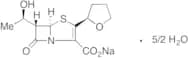
CAS:Prodotto controllato<p>Applications (-)-β-Copaene is a natural product, present in very small quantities in numerous plants and trees. It is used in the investigations of acid catalyzed, photochemical and thermally induced rearrangements of Germacrene D (G367765).<br>References Bulow, N., Konig, A.: Phytochemistry, 55, 141 (2000);<br></p>Formula:C15H24Colore e forma:NeatPeso molecolare:204.351Faropenem Sodium Salt Hemipentahydrate
CAS:Prodotto controllatoFormula:C12H14NO5SNaH2OColore e forma:NeatPeso molecolare:704.67N-Nitrosodimethylamine-d6 (1 mg/mL in Methanol)
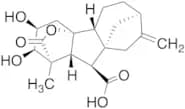
CAS:Prodotto controllato<p>Applications N-Nitrosodimethylamine-d6 (1.0 mg/mL in Methanol) is a highly toxic semi-volatile organic compound and a suspected human carcinogen. It induces liver tumors in rats after chronic exposure to low doses (1,2). Drinking water contaminant candidate list 3 (CCL 3) compound as per United States Environmental Protection Agency (EPA). Environmental contaminants; Food contaminants.<br>References Chem. and Eng. News, p.5, Feb. 25, 2019<br></p>Formula:C2D6N2OColore e forma:Single SolutionPeso molecolare:80.12Gibberellin A34 (>90%)
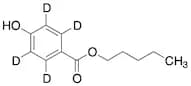
CAS:Formula:C19H24O6Purezza:>90%Colore e forma:Light Yellow SolidPeso molecolare:348.39n-Pentyl 4-Hydroxybenzoate-2,3,5,6-d4
CAS:Prodotto controllato<p>Applications n-Pentyl 4-Hydroxybenzoate-2,3,5,6-d4 (CAS# 1219798-66-9) is a useful isotopically labeled research compound.<br></p>Formula:C12H12D4O3Colore e forma:NeatPeso molecolare:212.28Cholesterol oleate
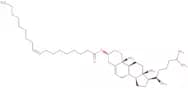
CAS:Prodotto controllato<p>Cholesterol oleate is a mixture of cholesterol and the fatty acid oleic acid. It is used as a pharmaceutical ingredient in the production of tablets for hyperproliferative diseases. Cholesterol oleate is enzymatically inactivated by esterase enzymes, which convert it to cholesteryl erucate. This product has been shown to be effective at inhibiting lipolysis and reducing body weight gain in rats with induced hyperlipidemia. Cholesterol oleate has been shown to have a neutral pH, making it suitable for use as an excipient with acidic or basic drugs. The phase transition temperature of cholesterol oleate is -30 °C, making it suitable for storage at room temperature. Cholesterol oleate has been used as a phase transfer agent in the manufacture of pharmaceutical preparations with high lipid content such as biologicals and vaccines.</p>Formula:C45H78O2Purezza:Min. 85%Colore e forma:PowderPeso molecolare:651.1 g/molSn(IV) mesoporphyrin IX dichloride
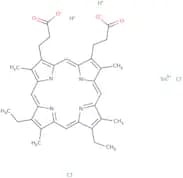
CAS:<p>Sn(IV) mesoporphyrin IX dichloride is a synthetic porphyrin derivative, which is a metalloporphyrin complex formed by the incorporation of tin into the porphyrin structure. This compound originates from the modification of mesoporphyrin IX, a naturally occurring tetrapyrrole, and is further functionalized with chloride ligands. The mode of action of Sn(IV) mesoporphyrin IX dichloride primarily involves the inhibition of heme oxygenase, an enzyme responsible for the catabolism of heme into biliverdin, carbon monoxide, and free iron. This inhibition results in the modulation of heme metabolism, which can have broad implications in various physiological and pathological processes.</p>Formula:C34H36Cl2N4O4SnPurezza:Min. 95%Colore e forma:PowderPeso molecolare:754.29 g/mol3,3',5-Triiodo thyroacetic acid
CAS:<p>3,3',5-Triiodo thyroacetic acid is a synthetic thyroid hormone that acts as a thyroid hormone receptor agonist. It binds to the thyroid hormone receptor, leading to the activation of other transcription factors and increased synthesis of proteins. 3,3',5-Triiodo thyroacetic acid has been shown to increase the metabolic rate in rats by increasing the expression of epidermal growth factor in skin cells and signal transduction in nerve cells. This drug also causes an increase in transcriptional regulation and protein synthesis. 3,3',5-Triiodo thyroacetic acid does not have any known side effects or toxicity.</p>Formula:C14H9I3O4Purezza:Min. 95%Colore e forma:White Off-White PowderPeso molecolare:621.93 g/mol2,4,6-Trimethoxycinnamic acid
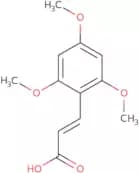
CAS:<p>2,4,6-Trimethoxycinnamic acid is a cinnamoyl compound that can be isolated from the seeds of Garcinia gummi-guta. This compound has been synthesised and optimised for use as an antioxidant in food and cosmetic products. 2,4,6-Trimethoxycinnamic acid has a high product yield under isothermal conditions using β-cyclodextrin as a solvent. It also shows good stability in the presence of light. 2,4,6-Trimethoxycinnamic acid has been shown to be efficient in preventing oxidation reactions by acting as a scavenger of singlet oxygen and peroxyl radicals. The analytical data obtained from this study suggests that 2,4,6-Trimethoxycinnamic acid will not produce any moieties or photostability problems when used in these applications.</p>Formula:C12H14O5Purezza:Min. 95%Colore e forma:PowderPeso molecolare:238.24 g/mol1,8-Bis(bromomethyl)naphthalene
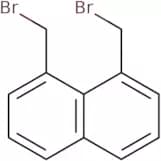
CAS:<p>1,8-Bis(bromomethyl)naphthalene is a naphthalene compound that has been shown to be a monoradical. It is synthesized by the replacement of two hydrogen atoms with bromine in the molecule. This reaction produces an alkylating agent and a molecule with a β-unsaturated aldehyde group. The compound has been studied using X-ray diffraction, where it has been found to have reactivity similar to other molecules with carbonyl groups. 1,8-Bis(bromomethyl)naphthalene has also been synthesized and studied by functional theory calculations. These calculations show that the bond lengths for this molecule are closer to those of benzene than those of naphthalene, which may account for its unusual reactivity.</p>Formula:C12H10Br2Purezza:Min. 95%Colore e forma:PowderPeso molecolare:314.02 g/molParoxetine HCl (hemihydrate)
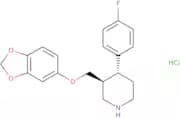
CAS:Prodotto controllato<p>A serotonin reuptake inhibitor with anticholinergic activity and mild inhibitory activity on noradrenaline reuptake. Paroxetine has been used for the treatment of depression, anxiety disorders, post-traumatic stress disorder, premenstrual dysphoric disorder and obsessive-compulsive disorder. Also inhibits nitric oxide synthase and cytochrome isoenzyme P450 2D6.</p>Formula:C19H20FNO3•HCl•(H2O)0Purezza:Min. 98 Area-%Colore e forma:White PowderPeso molecolare:374.83 g/mol4'-Butoxyacetophenone
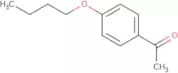
CAS:<p>4'-Butoxyacetophenone is a white crystalline solid. It has been synthesized in two steps from piperidine hydrochloride, pyridine, and benzyl chloride. The first step involved the acetylation of 4'-butoxyacetophenone with acetic anhydride and pyridine in order to introduce the phenolic group. The second step involved the transfer of the paraformaldehyde group from paraformaldehyde to 4'-butoxyacetophenone with sodium cyanoborohydride and sodium bicarbonate. The reaction was completed by adding acetonitrile to remove traces of water.</p>Formula:C12H16O2Purezza:Min. 95%Peso molecolare:192.25 g/mol2-Hydroxy-6-methylbenzoic acid methyl ester
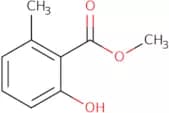
CAS:<p>Methyl anthranilate is a bioactive molecule that belongs to the group of methyl 2-hydroxybenzoates. It has been shown to be effective against formicidae and other insects in bioassays. The chemical composition of methyl anthranilate includes a hydroxyl group and an aromatic ring, which may allow for a diverse range of chemical structures. Methyl anthranilate is synthesized by the non-enzymatic condensation of formaldehyde with 2-hydroxybenzoic acid. This molecule has been used as an insecticide in model organisms such as Drosophila melanogaster and Caenorhabditis elegans.</p>Formula:C9H10O3Purezza:Min. 95%Colore e forma:PowderPeso molecolare:166.17 g/mol(4-N-Propoxyphenyl)-2-nitropropene
CAS:<p>4-N-Propoxyphenyl)-2-nitropropene is a high quality chemical that is a versatile building block in organic synthesis. It can be used as a reagent, reaction component, or useful intermediate. 4-N-Propoxyphenyl)-2-nitropropene is an excellent choice for research and development of new compounds because it has high purity and versatility. This chemical is also a fine chemical with CAS No. 1251483-63-2.</p>Formula:C12H15NO3Purezza:Min. 95%Colore e forma:PowderPeso molecolare:221.25 g/molAndrosin
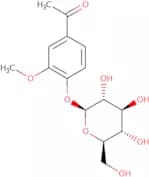
CAS:<p>Androsin is a natural product that has been isolated from the bark of the Andropogon muricatus plant. It is used to treat chronic bronchitis, inflammatory diseases, and degenerative diseases. Androsin inhibits the growth of cancer cells in vitro by binding to human polymorphonuclear leukocytes (PMNLs) and inhibiting their ability to produce superoxide radicals. This compound also inhibits the production of p-hydroxybenzoic acid (PHBA) in PMNLs, leading to suppression of inflammation. Androsin is an inhibitor that binds to enzyme molecules and prevents them from functioning properly. It does not have any direct effect on the structure or function of DNA or RNA, but it does inhibit protein synthesis at the ribosomes.</p>Formula:C15H20O8Purezza:Min. 95%Colore e forma:White PowderPeso molecolare:328.31 g/mol(4-Hydroxymethylphenyl)acetic acid methyl ester
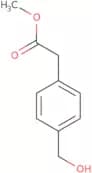
CAS:<p>(4-Hydroxymethylphenyl)acetic acid methyl ester is a fine chemical, useful building block, research chemicals and reagent. It is also a speciality chemical with CAS No. 155380-11-3. This compound can be used as a versatile building block for chemical synthesis, or as a reaction component for the synthesis of complex compounds. The high quality of this compound makes it suitable for use as an intermediate in the synthesis of other chemical compounds. (4-Hydroxymethylphenyl)acetic acid methyl ester is also a useful scaffold for the formation of new molecules or materials such as polymers.</p>Formula:C10H12O3Purezza:Min. 95%Peso molecolare:180.2 g/moldecahydro(trifluoromethyl)naphthalene
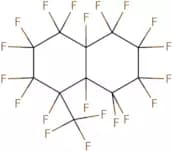
CAS:Prodotto controllato<p>Decahydro-trifluoromethyl-naphthalene is a fluid that can be used to create polymeric matrices. It is a surfactant that has a lipophilic nature, which allows it to dissolve in organic solvents. Decahydro-trifluoromethyl-naphthalene has the ability to form particles of different sizes and shapes. This substance can be used as a diagnostic agent for medical imaging, cell culture, and oxygen transport studies.</p>Formula:C11H17F3Purezza:Min. 95%Peso molecolare:206.25 g/molAcetylsalicylic acid
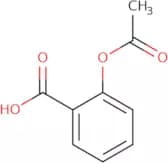
CAS:<p>Acetylsalicylic acid is a nonsteroidal anti-inflammatory drug that inhibits the production of prostaglandins, which are involved in the inflammatory response. Acetylsalicylic acid is used to prevent heart attacks or strokes. It has been shown to inhibit the migration of neutrophils and monocytes, with minimal toxicity. Acetylsalicylic acid also inhibits the binding of integrin receptors to their ligands on endothelial cells, which prevents platelet aggregation. The drug can cause drug interactions with other drugs such as clopidogrel and acetylsalicylic acid, which may lead to increased bleeding. Acetylsalicylic acid is a natural compound found in plants such as willow bark and meadowsweet. It has been shown to have analgesic and anti-inflammatory properties in mice studies, but there is not enough evidence for its effectiveness in humans.</p>Formula:C9H8O4Purezza:Min. 95%Colore e forma:White PowderPeso molecolare:180.16 g/mol5-Amino-2-hydroxyacetophenone
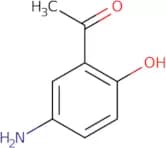
CAS:<p>5-Amino-2-hydroxyacetophenone is a chemical compound that belongs to the class of active substances. It is an intermediate in Friedel-Crafts acylation reactions, which are used to form alkyl esters by reaction with chloroformates. In these reactions, 5-Amino-2-hydroxyacetophenone is converted into a chloroformate in the presence of an acid catalyst. The reactions proceed rapidly, with the acetone or ester as the solvent. The frequency of 5-amino-2-hydroxyacetophenone can be correlated to its deformation energy and various chemical parameters such as electron density and force constants. 5-Amino-2-hydroxyacetophenone is uniquely characterized by intramolecularly hydrogen bonding organic solvents such as acetone and nitrobenzene.</p>Formula:C8H9NO2Purezza:Min. 95%Peso molecolare:151.16 g/mol2-(2-Thiazolylazo)-p-cresol
CAS:<p>2-(2-Thiazolylazo)-p-cresol structure enables it to form complexes with certain metal ions, changing color in the process. This color change is highly useful in titrimetric analyses (quantitative chemical analysis method) to determine the concentration of metal ions in a solution. The substrates are colored orange-yellow (absorbance maximum= 375 nm). After the enzymatic conversion, the resulting TAC shows an intense, soluble red-violet color (544 nm) in an alkaline medium (pH = 10.3).</p>Formula:C10H9N3OSPurezza:Min. 96 Area-%Colore e forma:Yellow To Orange Brown SolidPeso molecolare:219.26 g/molDL-a-Tocopherol acetate - powder
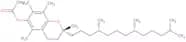
CAS:<p>DL-a-Tocopherol acetate is a synthetic vitamin E compound that is used in the treatment of eye disorders and other conditions. It is an antioxidant that inhibits lipid peroxidation by scavenging free radicals. DL-a-Tocopherol acetate has been shown to inhibit the activity of protein kinase C, which plays a role in cancer, inflammation and apoptosis. This compound also inhibits the activity of toll-like receptor 4, which may be useful in treating infectious diseases, and scavenges anion radicals.</p>Formula:C31H52O3Purezza:Min. 50 Area-%Colore e forma:Clear LiquidPeso molecolare:472.74 g/molFmoc-3-nitro-L-tyrosine
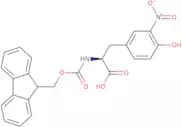
CAS:<p>Fmoc-3-nitro-L-tyrosine is an intermediate in the synthesis of a fluorogenic substrate for the determination of tyrosine residues in peptides by reverse phase high performance liquid chromatography (RP-HPLC). The product is synthesized by solid phase methods. Fmoc-3-nitro-L-tyrosine is prepared by reacting 3,4,5,6-tetrafluoroacetophenone with L-tyrosine in piperidine. The product can be cleaved to yield the residues and hydroxyl groups. The fluorogenic nature of Fmoc-3-nitro-L-tyrosine enables it to be used as a quenching reagent for the fluorescence of other compounds. This product can also be modified to become fluorescent or enzymatically active.</p>Formula:C24H20N2O7Purezza:Min. 95%Colore e forma:PowderPeso molecolare:448.42 g/molVitamin D2
CAS:<p>Vitamin D2 is a fat-soluble vitamin that is required for the absorption of calcium and phosphate. It can be obtained through dietary supplements or by exposure to sunlight. Vitamin D2 is a prohormone that needs to undergo two hydroxylation reactions in the liver and kidney before it becomes the active form, calcitriol. Vitamin D2 has been shown to have beneficial effects on bone mineralization and phosphatase activity, as well as an inhibitory effect on the production of parathyroid hormone. Hydroxyapatite, a component of bone tissue, has been shown to react with vitamin D2 in vitro, which may be due to its ability to act as an additive or stabilizer.END>></p>Formula:C28H44OPurezza:Min. 97 Area-%Colore e forma:PowderPeso molecolare:396.65 g/mol3-Keto cholesterol
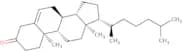
CAS:Prodotto controllato<p>3-Keto cholesterol is a substance that is naturally found in the body. It is an intermediate in the production of bile acids and cholesterol, which are necessary for digestion. 3-Keto cholesterol is also involved in the synthesis of other substances, including vitamin D and steroid hormones. 3-Keto cholesterol has been shown to play a role in the prevention of coronary heart disease, as it has antioxidant properties and can prevent oxidation of low-density lipoprotein (LDL). 3-Keto cholesterol can also inhibit viral life by blocking toll-like receptor 4 (TLR4) signaling pathways. This prevents inflammatory responses caused by TLR4 activation, which may be related to atherosclerosis.</p>Formula:C27H44OPurezza:Min. 95%Colore e forma:White PowderPeso molecolare:384.64 g/molBiotin-PEG4-NHS-propionate
CAS:<p>Biotin-PEG4-NHS-propionate is a PEG compound with two different functional groups (also known as heterobifunctional). Unlike homobifunctional PEG compounds (same functional group on both ends), this type of compounds are more versatile as have two different anchor points. Biotin-PEG4-NHS-propionate is used as a linker and spacer to add a PEG moiety, via pegylation (a bioconjugation technique) to proteins, peptides, oligonucleotides, small molecules and nanoparticles.</p>Formula:C25H40N4SO10Purezza:Min. 95%Colore e forma:PowderPeso molecolare:588.67 g/mol2-Chloro-N-(2-nitrophenyl)acetamide
CAS:<p>2-Chloro-N-(2-nitrophenyl)acetamide is an antimicrobial agent that is a ligand for thionyl chloride. It has efficient methods of production and can be used as a bioactive molecule in the synthesis of aminosulfonyl chlorides, amide chlorides, or transfer chlorides. This compound reacts with gram-negative bacteria by hydrolyzing chloride ions to produce nitrosyl chloride and releasing hydrogen gas. The reaction time and functional groups are determined by the parameters chosen for the reaction. 2-Chloro-N-(2-nitrophenyl)acetamide has luminescence properties that can be exploited to detect the presence of chloride ions at low concentrations.</p>Formula:C8H7ClN2O3Purezza:Min. 95%Peso molecolare:214.61 g/mol3,4-Dibenzyloxycinnamic acid
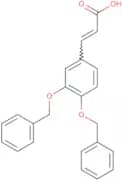
CAS:<p>3,4-Dibenzyloxycinnamic acid is a reagent that is used in the synthesis of complex compounds. It can be used as a useful intermediate in the production of fine chemicals and has been shown to be a useful scaffold or building block for research chemicals. This compound is versatile and can be utilized as a reaction component in the manufacture of speciality chemicals. 3,4-Dibenzyloxycinnamic acid is also classified as a speciality chemical because it has not been widely used commercially but is still highly sought after by researchers.</p>Formula:C23H20O4Purezza:Min. 95%Colore e forma:PowderPeso molecolare:360.4 g/molAluminiumHydroxybis[2,2'-methylen-bis(4,6-di-tert-butylphenyl)phosphate]
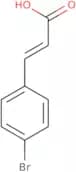
CAS:<p>Please enquire for more information about AluminiumHydroxybis[2,2'-methylen-bis(4,6-di-tert-butylphenyl)phosphate] including the price, delivery time and more detailed product information at the technical inquiry form on this page</p>Formula:C58H85AlO9P2Purezza:Min. 95%Colore e forma:PowderPeso molecolare:1,015.22 g/mol4-Bromocinnamic acid
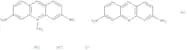
CAS:<p>4-Bromocinnamic acid is a plant metabolite that is found in the leaves of plants belonging to the family Capparaceae. It can be extracted from these leaves using methanol as a solvent and then purified by column chromatography. 4-Bromocinnamic acid has been shown to have antitumor properties and has been studied in a model system for prostate cancer cells. This molecule also has the ability to hydrogen bond with other molecules, including dopamine, which is important for its anti-cancer activity.</p>Formula:C9H7BrO2Purezza:Min. 95%Colore e forma:PowderPeso molecolare:227.05 g/molAcriflavine hydrochloride
CAS:<p>Acriflavine hydrochloride is a drug that belongs to the class of acridines, which are used as antiseptics and disinfectants. Acriflavine has been shown to have significant cytotoxic effects on mammalian cells, with a high degree of DNA binding activity. It binds to DNA in the nucleus and interferes with replication and transcription. Acriflavine hydrochloride inhibits cell division by binding to the kinetoplast (a region of mitochondrial DNA) during mitosis. This drug also has an effect on cell metabolism, decreasing ATP production and increasing lactate production in mitochondria. Acriflavine hydrochloride also prevents the formation of reactive oxygen species, which can lead to cellular damage.</p>Formula:C27H28Cl4N6Purezza:Min. 95%Colore e forma:Yellow PowderPeso molecolare:578.36 g/mol

![[Leu5]-Enkephalin Acetate](/_next/image/?url=https%3A%2Fstatic.cymitquimica.com%2Fproducts%2FTR%2Fthumb-webp%2FL330340.webp&w=3840&q=75)









![AluminiumHydroxybis[2,2'-methylen-bis(4,6-di-tert-butylphenyl)phosphate]](/_next/image/?url=https%3A%2Fstatic.cymitquimica.com%2Fproducts%2F3D%2Fthumb-webp%2FFA150593.webp&w=3840&q=75)