


Standard farmaceutici
Sottocategorie di "Standard farmaceutici"
- APIs per la ricerca e le impurità(277.537 prodotti)
- Attivatori e inibitori enzimatici(2.827 prodotti)
- Nitrosamine(2.677 prodotti)
- Composti e metaboliti farmaceutici e veterinari(2.891 prodotti)
- Tossicologia(13.294 prodotti)
Trovati 8194 prodotti di "Standard farmaceutici"
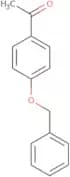
4'-Benzyloxyacetophenone
CAS:4'-Benzyloxyacetophenone is a synthetic chemical that can be used in the synthesis of natural products. It has a chiral center and can be synthesized in an asymmetric manner. This compound reacts with primary amines to form acrylates, which are useful for the synthesis of polyesters. 4'-Benzyloxyacetophenone can also react with halides to form alkylating agents, which are useful for the synthesis of amines or other functional groups. The structure of this chemical is similar to estrogen, which may explain its hormonal effects.Formula:C15H14O2Purezza:Min. 95%Colore e forma:PowderPeso molecolare:226.27 g/molD-a-Tocopherol
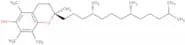
CAS:D-alpha-tocopherol, most commonly known as vitamin E, is a natural compound with antioxidant properties. It protects the API against oxidation and side reactions with oxidative species. Moreover, when used as excipient, vitamin E is a good solubilizing agent that greatly improves the solubility of poorly water-soluble drugs.
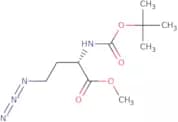
Formula:C29H50O2Purezza:Min. 97 Area-%Colore e forma:Clear LiquidPeso molecolare:430.71 g/mol(2S)-N-Boc-2-amino-4-azido-butanoic acid methyl ester
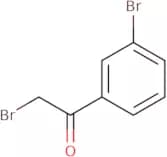
CAS:(2S)-N-Boc-2-amino-4-azido-butanoic acid methyl ester is a high quality, reagent, complex compound, useful intermediate, fine chemical that is used as a building block in the synthesis of speciality chemicals.Formula:C10H18N4O4Purezza:Min. 95%Colore e forma:PowderPeso molecolare:258.27 g/mol2-Bromo-3'-bromoacetophenone
CAS:2-Bromo-3'-bromoacetophenone is a chemical compound that can be used as an oxidant in organic synthesis. It is a brominated phenol derivative, which undergoes bond cleavage to produce benzoylbenzene and acetone. The reaction is mediated by potassium permanganate in the presence of oxygen. X-ray crystallography and crystallography have been used to identify the molecular structure of 2-bromo-3'-bromoacetophenone. The yield for this reaction is high and can be increased by using solvents such as ethanol or tetrahydrofuran and a reaction time of 1 hour at 100°C.Formula:C8H6Br2OPurezza:Min. 90%Peso molecolare:277.94 g/molThymosin α1
CAS:Please enquire for more information about Thymosin α1 including the price, delivery time and more detailed product information at the technical inquiry form on this page
Formula:C129H215N33O55Purezza:Min. 95%Colore e forma:PowderPeso molecolare:3,108.28 g/mol3-Chloro-4-hydroxycinnamic acid
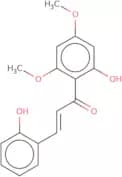
CAS:3-Chloro-4-hydroxycinnamic acid is a coelicolor biosynthetic precursor that is synthesized from 4-hydroxycinnamic acid and chlorinated. It can be used for the synthesis of aminocoumarin moieties and other prenylated molecules. 3-Chloro-4-hydroxycinnamic acid has been shown to be an effective inhibitor of streptomyces coelicolor, which is a type of bacterium that produces antibiotics. The gene responsible for the biosynthesis of 3-chloro-4-hydroxycinnamic acid has also been identified in streptomyces clorobiocin, which is another type of bacterium that produces antibiotics.Formula:C9H7ClO3Purezza:Min. 95%Colore e forma:PowderPeso molecolare:198.6 g/mol2,2'-Dihydroxy-4',6'-dimethoxychalcone
CAS:2,2'-Dihydroxy-4',6'-dimethoxychalcone (DDMC) is a naturally occurring chalcone with antitumor activity. DDMC inhibits the expression of NF-κB and suppresses tumor growth in animal models. In vitro studies have shown that DDMC inhibited the proliferation of human glioma cells without affecting normal brain cells. It has also been shown to inhibit the proliferation of malignant human glioblastoma cells in a dose-dependent manner, while only minimally affecting normal human astrocytes. DDMC has been found to be non-toxic and safe for use in humans and other mammals. The following are some descriptions for products: 6-Fluoro-3-indoxyl-beta-D-galactopyranoside Rifapentine is an anti-tuberculosis drug that belongs to the class of rifamycins. It is theFormula:C17H16O5Purezza:Min. 95%Colore e forma:PowderPeso molecolare:300.31 g/molThioflavin T
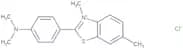
CAS:Amyloid dye; membrane potential reporter
Formula:C17H19N2SClPurezza:Min. 95%Colore e forma:PowderPeso molecolare:318.86 g/molL-Ethionine
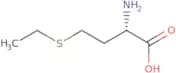
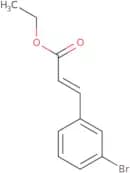
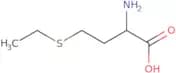
CAS:L-Ethionine is an amino acid that can be synthesized by the body through the transsulfuration pathway. It has been shown to inhibit the growth of Aeromonas hydrophilia, a bacterium that is resistant to many antibiotics. L-Ethionine has also been shown to have effects on DNA replication and repair, protein synthesis, cell lysis, and energy metabolism in vitro. In vivo studies have demonstrated its efficacy against Methicillin-resistant Staphylococcus aureus (MRSA). L-Ethionine may be used as a potential therapeutic agent for MRSA infections.Formula:C6H13NO2SPurezza:Min. 95%Colore e forma:White PowderPeso molecolare:163.24 g/mol3-Bromocinnamic acid ethyl ester
CAS:3-Bromocinnamic acid ethyl ester is a chemical that is useful as a building block for the synthesis of more complex compounds. It is an intermediate in the synthesis of organic compounds and can be used as a reaction component. 3-Bromocinnamic acid ethyl ester has CAS No. 24398-80-9 and is a reagent that can be used to synthesize other chemicals. 3-Bromocinnamic acid ethyl ester is also useful as a scaffold in the development of new drugs, because it has an amide bond, which may lead to new types of drug molecules with different properties.Formula:C11H11BrO2Purezza:Min. 95%Peso molecolare:255.11 g/mol1-(4-Cyanophenyl)-2-nitropropene
Please enquire for more information about 1-(4-Cyanophenyl)-2-nitropropene including the price, delivery time and more detailed product information at the technical inquiry form on this page
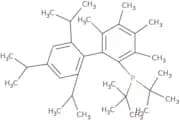
Formula:C10H8N2O2Purezza:Min. 95%Peso molecolare:188.18 g/mol2-Di-tert-butylphosphino-3,4,5,6-tetramethyl-2',4',6'-triisopropyl-1,1'-biphenyl
CAS:2-Di-tert-butylphosphino-3,4,5,6-tetramethyl-2',4',6'-triisopropyl-1,1'-biphenyl is a fine chemical that is useful in research and development as a versatile building block. It is used as an intermediate in the synthesis of other compounds and can serve as a reaction component or reagent. This compound has high purity and can be used in the synthesis of pharmaceuticals and other organic compounds.Formula:C33H53PPurezza:Min. 95%Colore e forma:White To Off-White SolidPeso molecolare:480.75 g/mol2,4,5-Trimethylcinnamic acid
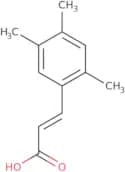
CAS:2,4,5-Trimethylcinnamic acid is a useful scaffold for the synthesis of complex compounds. It is also used as a reagent and reaction component in organic synthesis. This chemical has a CAS number of 205748-06-7 and is classified as a speciality chemical.Formula:C12H14O2Purezza:Min. 95%Colore e forma:PowderPeso molecolare:190.24 g/mol4'-Chloro-4-methoxychalcone
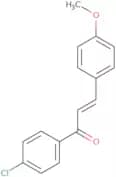
CAS:4'-Chloro-4-methoxychalcone is a dihedral molecule that has been studied by laser spectroscopy. The wavelength and efficiency of the laser have been shown to be dependent on the chalcone's dipole moment. Chalcones are also used in the synthesis of other compounds, such as benzene, which is an aromatic hydrocarbon. Chalcones are used as optical brighteners in detergents and soaps and can also be used to induce evaporation of organic solvents. 4'-Chloro-4-methoxychalcone is used as an intermediate in crystal x-ray diffraction studies.Formula:C16H13ClO2Purezza:Min. 95%Colore e forma:PowderPeso molecolare:272.73 g/mol7a-Hydroxy cholesterol
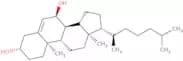
CAS:Prodotto controllato7a-Hydroxycholesterol is a cholesterol metabolite that has been shown to inhibit the proliferation of 3T3-L1 preadipocytes and HL-60 cells. This compound also inhibits the growth of tumor cells by inhibiting the enzyme activities necessary for cell division and synthesis. 7a-Hydoxycholesterol has been found to be a potent inducer of cholesterol biosynthesis in cultured liver cells, which may be due to its ability to inhibit the conversion of cholesterol into bile acids. 7a-hydroxycholesterol has also been shown to inhibit viral replication in vitro. It binds to mitochondrial DNA and inhibits ATP production, leading to inhibition of mitochondrial membrane potential and cell death. 7a-hydroxycholesterol is also known as an oxysterol because it can be made from 25(OH)D3 or 2,5(OH)2D3. A high level of this metabolite is associated with atherosclerosis or formation of cholesterol deposits on artery wallsFormula:C27H46O2Purezza:Min. 95%Colore e forma:White PowderPeso molecolare:402.65 g/molO-Benzyl-L-tyrosine benzyl ester 4-toluenesulfonate
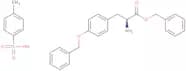
CAS:O-Benzyl-L-tyrosine benzyl ester 4-toluenesulfonate salt is a fine chemical that belongs to the category of useful scaffolds and versatile building blocks. It is a high quality reagent that can be used as a reaction component in the preparation of complex compounds. This compound has shown to be useful in research on various types of drugs, including analgesics, antibiotics, antihistamines, antidepressants, antipsychotics and others.
Formula:C23H23NO3•C7H8O3SPurezza:Min. 95%Colore e forma:White solid.Peso molecolare:533.64 g/mol4'-Chloro-2'-hydroxyacetophenone
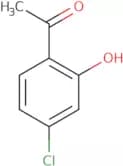
CAS:4'-Chloro-2'-hydroxyacetophenone is a hydrazone compound that has been shown to have an inhibitory effect on the growth of cancer cells. The crystal structure was determined using X-ray diffraction data and the parameters were refined using a program called WITWIG. Hydrazones are classified as orthorhombic with space group Pbcn. The compound has been shown to be magnetic and it is soluble in organic solvents. 4'-Chloro-2'-hydroxyacetophenone has a molecular weight of 206.079 g/mol, which indicates that it is an organic molecule. It also contains a hydroxyl group and two chlorine atoms, one of which is attached to the acetophenone nucleus. This molecule can coordinate with metal ions to form complexes, such as mononuclear complexes, or polynuclear complexes with more than one metal ion.Formula:C8H7ClO2Purezza:Min. 95%Colore e forma:Clear LiquidPeso molecolare:170.59 g/molLopinavir metabolite M-3/M-4
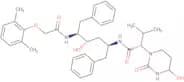
CAS:Lopinavir is an antiviral drug that inhibits HIV protease, an enzyme involved in the replication of the virus. It is metabolized to form M-3 and M-4, which are active against HIV protease. Lopinavir has been shown to have antiviral activities against HIV-1 and HIV-2. The activity of lopinavir against HIV protease may be due to its ability to bind to the active site of this enzyme and inhibit its catalytic activity.Formula:C37H48N4O6Purezza:Min. 95%Peso molecolare:644.8 g/mol4-Ethoxy-3-methoxycinnamic acid
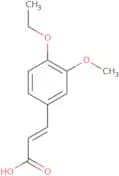
CAS:4-Ethoxy-3-methoxycinnamic acid (4EMC) is a metabolite of propionic acid. It is produced by the fungus Phanerochaete chrysosporium when it is grown on lignocellulose. 4EMC can be cleaved from its ester bond with benzyl alcohol and vanillyl alcohol to produce vanillyl, benzyl, and ethanol. These products are then further metabolized to produce other compounds such as acetaldehyde, acetic acid, and butanol. 4EMC also inhibits the enzyme catalysed that converts propanol to butanol in cultures of P. chrysosporium
Formula:C12H14O4Purezza:Min. 95%Colore e forma:PowderPeso molecolare:222.24 g/mol2'-Hydroxy-5'-nitrohexadecanamide
CAS:2'-Hydroxy-5'-nitrohexadecanamide is a synthetic fatty acid derivative that inhibits lysosomal hydrolase, which is an enzyme that breaks down cellular lipids. This compound can be used as a diagnostic agent for the detection of certain types of cancer. 2'-Hydroxy-5'-nitrohexadecanamide reacts with the magnesium ion in the lysosome to form an insoluble precipitate, which then settles to the bottom of the test tube, allowing for easy detection of cells with high levels of lysosomal hydrolase.Formula:C22H36N2O4Purezza:Min. 95%Colore e forma:PowderPeso molecolare:392.53 g/moltrans-3-Nitrocinnamic acid
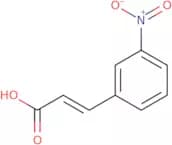
CAS:Trans-3-Nitrocinnamic acid is a white solid that can be obtained by the nitration of cinnamic acid. Trans-3-Nitrocinnamic acid is an isoenzyme as it has different chemical properties than cis-3-nitrocinnamic acid. The intermolecular hydrogen bonding and vibrational frequencies are different in trans-3-nitrocinnamic acid, which causes the dipole to change and increases the solubility in water. The genotoxic activity of trans-3-nitrocinnamic acid was evaluated using the Ames test, which showed that it is not mutagenic. However, there were some genotoxic effects observed in rats after applying trans-3-nitrocinnamic acid on skin.Formula:C9H7NO4Purezza:Min. 95%Colore e forma:PowderPeso molecolare:193.16 g/mol(±)-a-Tocopherol phosphate disodium salt
CAS:(±)-a-Tocopherol phosphate disodium salt is a synthetic form of vitamin E and is used in skin care products and supplements. Like vitamin E it has antioxidant properties.Formula:C29H49Na2O5PPurezza:Min 97%Colore e forma:PowderPeso molecolare:554.66 g/molrec Glial Cell Line-Derived Neurotrophic Factor (human)
Please enquire for more information about rec Glial Cell Line-Derived Neurotrophic Factor (human) including the price, delivery time and more detailed product information at the technical inquiry form on this pagePurezza:Min. 95%6-Bromovanillin
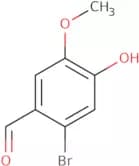
CAS:6-Bromovanillin is a hydroxymethyl derivative of vanillin that has been shown to react with a number of aldehydes in organic reactions. 6-Bromovanillin can be used as a precursor for the synthesis of piperonal and haplophyllum. In addition, 6-bromovanillin can be decarboxylated to form 4-hydroxybenzoic acid.Formula:C8H7BrO3Purezza:Min. 95%Peso molecolare:231.04 g/mol3’,5’-Di-O-acetyl-2’-azido-2’-deoxy-5-methyluridine
CAS:Please enquire for more information about 3’,5’-Di-O-acetyl-2’-azido-2’-deoxy-5-methyluridine including the price, delivery time and more detailed product information at the technical inquiry form on this pagePurezza:Min. 95%2,3-Dihydroxy-4-methoxycinnamic acid ethyl ester
Please enquire for more information about 2,3-Dihydroxy-4-methoxycinnamic acid ethyl ester including the price, delivery time and more detailed product information at the technical inquiry form on this pagePurezza:Min. 95%4'-Methoxy-5,6-benzoflavone
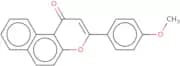
CAS:4'-Methoxy-5,6-benzoflavone is a versatile chemical building block that can be used in the synthesis of complex compounds. It is a high quality reagent for research and has been used as a speciality chemical due to its ability to react with other chemicals. This compound is also useful in the synthesis of pharmaceuticals and agrochemicals. 4'-Methoxy-5,6-benzoflavone can be used as an intermediate for the synthesis of polycyclic aromatic hydrocarbons or it can be used as a scaffold in organic chemistry.Formula:C20H14O3Purezza:Min. 95%Colore e forma:White Off-White PowderPeso molecolare:302.32 g/molPropionic acid 2-naphthyl ester
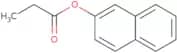
CAS:Propionic acid 2-naphthyl ester is an antibiotic that is produced by Rhodobacter sphaeroides and belongs to the class of carboxylate phosphatase inhibitors. It is a potent inhibitor of acid phosphatases, which are enzymes found in many bacteria, fungi, and plants. It has been shown to inhibit the growth of various types of cancer cells, including melanoma and lung cancer cells. Propionic acid 2-naphthyl ester also binds to antigen-presenting cells and induces the production of cytokines such as IL-6, IL-8, IL-10, and TNF-α. This compound also inhibits cholinesterases in the blood plasma and brain tissue.Formula:C13H12O2Purezza:Min. 90%Colore e forma:PowderPeso molecolare:200.23 g/mol2-Chloro-5-nitroacetophenone
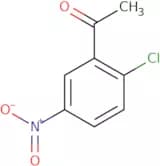
CAS:2-Chloro-5-nitroacetophenone is a synthetic chemical that is used in the synthesis of vismodegib. It has been shown to have pharmacokinetic properties, such as a low clearance and high volume of distribution. A number of impurities are found in this chemical, including halide ions, amines, and benzofuran derivatives. 2-Chloro-5-nitroacetophenone is genotoxic and can cause cancer. This chemical should not be exposed to radiation or chlorine gas.Formula:C8H6ClNO3Purezza:Min. 95%Colore e forma:PowderPeso molecolare:199.59 g/molPyronin Y
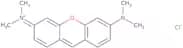
CAS:Pyronin Y is a fluorescent dye that binds to DNA in the presence of a polymerase chain reaction. It is used as a model system for studying the effects of drugs on cells and their response to chemotherapy. Pyronin Y has been shown to be an efflux pump inhibitor and has demonstrated multidrug resistance in cancer cells. It can be used to study drug resistance mechanisms, such as the efflux pumps, by using optical sensors or chemiluminescent reaction. Pyronin Y is also used in biological samples such as blood and tissue cultures for research purposes.
Formula:C17H19N2OClPurezza:Min. 95%Colore e forma:Green PowderPeso molecolare:302.8 g/molFluoxetine hydrochloride
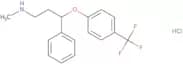
CAS:Prodotto controllatoFluoxetine is a selective serotonin reuptake inhibitor (SSRI) that is used in the treatment of depression, obsessive-compulsive disorder, and other disorders. It is also used to reduce the symptoms of premenstrual dysphoric disorder. Fluoxetine inhibits the reabsorption of serotonin by neurons, which increases the levels of this neurotransmitter in the synaptic space. Fluoxetine hydrochloride binds to serotonergic receptors in the brain that are believed to be involved in mood control and depression. SSRIs act as an active inhibitor of serotonin synthesis, thereby increasing its availability. Studies have shown that fluoxetine can inhibit the proliferation of cancer cells by inhibiting bcl-2 protein expression and promoting apoptosis.
Formula:C17H19ClF3NOPurezza:Min. 98 Area-%Colore e forma:White PowderPeso molecolare:345.79 g/mol1,4,5,8-Tetramethylnaphthalene
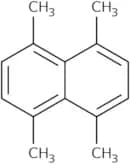
CAS:1,4,5,8-Tetramethylnaphthalene is a colorless liquid that is synthesized from naphthalene and trifluoroacetic acid. It has been used as a photolytic substrate in the rationalized synthesis of 1,4-benzoquinones. Tetramethylnaphthalene also reacts with diacetate to form tetraacetates. The compound is stable at low temperatures but undergoes thermal decomposition above 120 degrees Celsius. Tetramethylnaphthalene can be oxidized by air or oxygen to form aniline. This reaction can occur through either orientation of the molecule. Tetramethylnaphthalene has been used as an acceptor in hydrodynamic studies and as a strain in solid state studies.
Formula:C14H16Purezza:Min. 95%Colore e forma:PowderPeso molecolare:184.28 g/mol3-Amino-2-pyrazinecarboxylic acid methyl ester
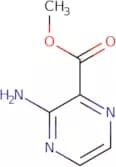
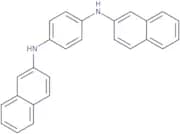
CAS:3-Amino-2-pyrazinecarboxylic acid methyl ester (3APCME) is a potent anti-mycobacterial agent that inhibits the growth of Mycobacterium tuberculosis by inhibiting the synthesis of amines, which are necessary for its survival. 3APCME has also been shown to have an inhibitory effect on other bacteria that require amines for their survival, such as Escherichia coli. This agent binds to the receptor and inhibits the enzyme pyrazinase in the reaction of phenoxy with dimethylformamide. The molecular modeling studies show that 3APCME is able to bind to a hydrophobic region on the enzyme's surface and form a covalent bond through nucleophilic attack. The asymmetric synthesis results in the production of one enantiomer of 3APCME and allows for greater efficacy against mycobacteria than other agents.Formula:C6H7N3O2Purezza:Min. 95%Colore e forma:PowderPeso molecolare:153.14 g/molN,N'-Di-2-naphthyl-1,4-phenylenediamine
CAS:N,N'-Di-2-naphthyl-1,4-phenylenediamine is a chemical compound that is used in the production of polyvinyl chloride (PVC). It can be used as an antimicrobial agent to prevent the growth of bacteria and fungi. It is also used as a crosslinking agent in the production of PVC. The reaction solution consists of hydrochloric acid and methyl ethyl chloride. The monochloride is then reacted with 2-naphthol, followed by reaction with benzalkonium chloride. The final product is N,N'-di-(2-naphthyl)-1,4-(phenylene) diamine monochloride.
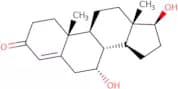
Formula:C26H20N2Purezza:Min. 95 Area-%Colore e forma:PowderPeso molecolare:360.45 g/mol7a-Hydroxytestosterone
CAS:Prodotto controllatoPlease enquire for more information about 7a-Hydroxytestosterone including the price, delivery time and more detailed product information at the technical inquiry form on this page
Formula:C19H28O3Purezza:Min. 95%Peso molecolare:304.42 g/molPigment Red 38;Diethyl 4,4'-[(3,3'-dichlOrO[1,1'-biphenyl]-4,4'-diyl)bis(azO)]bis[4,5-dihydrO-5-OxO-1-phenyl-1H-pyrazOle-3-carbOxyla te]
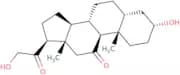
CAS:Pigment Red 38 is a red dye that is used in the production of magnetic particles, cross-linking agents, and fluorescent dyes. Pigment Red 38 has a hydroxyl group at the 4 position and a methyl ethyl group at the 2 position. It can be synthesized from diethyl 4,4'-(3,3'-dichlorobiphenyl)-4,4'-diylbisazolate. Pigment Red 38 is thermoreversible because it can be converted to its anhydrous form when heated or dissolved in water and then reconverted back to its original form when cooled or dried. The pigment was named for its ability to produce light emission when exposed to ultraviolet radiation. Pigment Red 38 has a diameter of 6 nm and reacts with coordination complexes to form particle clusters with diameters ranging from 10-200 nm.Purezza:Min. 95%5beta-Pregnan-3alpha,21-diol-11,20-dione
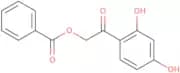
CAS:Prodotto controllato5beta-Pregnan-3alpha,21-diol-11,20-dione (5beta-pregnan) is a fine chemical used in research and development as a building block or intermediate. It has many uses, including as a useful scaffold for complex compounds. This chemical is also an excellent reagent for the synthesis of new organic compounds. It is a versatile building block that can be used in the production of high quality speciality chemicals. 5beta-pregnan may be used to synthesize many different types of building blocks and intermediates that are useful for the synthesis of other compounds.Formula:C21H32O4Purezza:(Tlc) Min. 95.0%Colore e forma:PowderPeso molecolare:348.48 g/molω-Benzoyloxy resacetophenone
CAS:Omega-benzoyloxy resacetophenone (OBOP) is a high quality reagent that is used as a building block for the synthesis of complex compounds. OBOP can be used as an intermediate for the production of fine chemicals and research chemicals. It is also a versatile building block that can be used in reactions to produce speciality chemicals. OBOP is soluble in most organic solvents and has a melting point of 140-142 degrees Celsius. The chemical formula for OBOP is C14H14O3.
Formula:C15H12O5Purezza:Min. 95%Colore e forma:PowderPeso molecolare:272.25 g/mol2-Nitrophenylhydrazine
CAS:2-Nitrophenylhydrazine is a drug that is used as an anti-inflammatory agent. It is a nonsteroidal anti-inflammatory drug (NSAID) that acts by blocking the production of prostaglandins in the body, preventing inflammation and pain. 2-Nitrophenylhydrazine can be used to treat conditions such as arthritis, gout, and rheumatoid arthritis. This drug also has the ability to remove organic contaminants from water. 2-Nitrophenylhydrazine binds with fatty acids in wastewater treatment plants, forming an insoluble complex that precipitates out of solution. The compound inhibits the activity of hydrogen bond and methyl ethyl groups, which are needed for the biosynthesis of polyunsaturated fatty acids like phytanic acid and diphenyl ether.
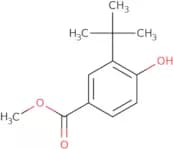
Formula:C6H7N3O2Purezza:Min. 95%Colore e forma:PowderPeso molecolare:153.14 g/mol3-tert-Butyl-4-hydroxybenzoic acid methyl ester
CAS:3-tert-Butyl-4-hydroxybenzoic acid methyl ester is a chemical compound with the molecular formula CHCOOCH. It is a versatile building block that can be used in research and as a useful intermediate. 3-tert-Butyl-4-hydroxybenzoic acid methyl ester can be used to synthesize complex compounds, such as pharmaceuticals and pesticides. The high quality of this product makes it suitable for use as a reagent or reaction component. !-- --> !-- --> !-- -->Formula:C12H16O3Purezza:Min. 98 Area-%Colore e forma:PowderPeso molecolare:208.25 g/mol2-(2,2-dimethyl(3-oxaindan-4-yloxy))-5-nitropyridine
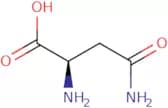
CAS:Please enquire for more information about 2-(2,2-dimethyl(3-oxaindan-4-yloxy))-5-nitropyridine including the price, delivery time and more detailed product information at the technical inquiry form on this pagePurezza:Min. 95%D-Asparagine
CAS:D-Asparagine is a hydroxamic acid that has shown to have antioxidative activity in vitro. D-Asparagine can be used as an analytical method for the determination of fatty acids. It also has been shown to have protective effects on tissue culture cells and human blood samples, which may be due to its antioxidant activity. The deuterium isotope effect is observed when the hydrogen atoms are replaced with deuterium atoms. This change leads to a decrease in the number of protons that are released during metabolism, which can affect cell viability.
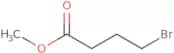
Formula:C4H8N2O3Purezza:(Titration) Min. 98%Colore e forma:PowderPeso molecolare:132.12 g/mol4-Bromobutyric acid methyl ester
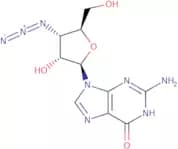
CAS:4-Bromobutyric acid methyl ester is a synthetic compound that can be used to inhibit the activity of the G1 phase cyclin-dependent kinases. It has been shown to inhibit protein synthesis by alkylating the amino groups of proteins and fatty acids. 4-Bromobutyric acid methyl ester also inhibits the growth of cancer cell lines, such as renal carcinoma cells. The mechanism of action for this drug is not well understood, but it may be due to its ability to bind with monoclonal antibodies and enter kidney cells by passive diffusion.Formula:C5H9BrO2Purezza:Min. 95%Colore e forma:Clear LiquidPeso molecolare:181.03 g/mol3’-Azido-3’-deoxyguanosine
CAS:Please enquire for more information about 3’-Azido-3’-deoxyguanosine including the price, delivery time and more detailed product information at the technical inquiry form on this page
Formula:C10H12N8O4Purezza:Min. 95%Peso molecolare:308.09815DL-Ethionine
CAS:DL-Ethionine is a compound that is formed when the amino acid methionine is converted to ethionine. It has been shown to induce the formation of acid in the liver and pancreas, which can lead to pancreatitis. Experimental models have shown that DL-ethionine causes liver injury by inhibiting tissue repair mechanisms, such as the polymerase chain reaction. This inhibition prevents DNA synthesis, leading to cell death. The mechanism of DL-ethionine induced toxicity is currently being investigated.Formula:C6H13NO2SColore e forma:PowderPeso molecolare:163.24 g/molPigment YellOw 5;2-[(2-NitrOphenyl)azO]-3-OxO-N-phenylbutanamide
CAS:Please enquire for more information about Pigment YellOw 5;2-[(2-NitrOphenyl)azO]-3-OxO-N-phenylbutanamide including the price, delivery time and more detailed product information at the technical inquiry form on this pagePurezza:Min. 95%4-Bromo-2-chlorocinnamic acid
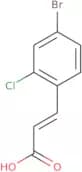
CAS:4-Bromo-2-chlorocinnamic acid is a useful chemical in the synthesis of organic compounds. It is an intermediate in the production of pharmaceuticals and other organic compounds. The compound has been used as a research chemical and as a building block for the production of complex chemicals. 4-Bromo-2-chlorocinnamic acid has also been used as a building block for the production of fine chemicals, such as dyes, perfumes, and pesticides.
Formula:C9H6BrClO2Purezza:Min. 95%Colore e forma:PowderPeso molecolare:261.5 g/molL-Leucine 4-nitrophenyl ester hydrochloride
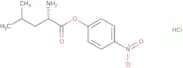
CAS:L-Leucine 4-nitrophenyl ester hydrochloride is a reaction component, reagent, and useful scaffold that is used in the synthesis of complex compounds. It is a versatile building block and useful intermediate that can be used to synthesize fine chemicals such as pharmaceuticals, agrochemicals, or dyes. L-Leucine 4-nitrophenyl ester hydrochloride has CAS number 75691-76-8.Formula:C12H16N2O4•HClPurezza:Min. 95%Peso molecolare:288.73 g/molErythropoietin
CAS:Erythropoietin is a glycoprotein hormone, which is primarily produced by interstitial fibroblasts in the kidney in response to hypoxia. Its main mode of action involves binding to erythropoietin receptors on the surface of erythroid progenitor cells in the bone marrow, thereby initiating a signaling cascade that results in the proliferation and differentiation of these progenitors into mature red blood cells.Purezza:(Capillary Zone Electrophoresis) Min. 98.0%Colore e forma:Powder3-Ethoxycinnamic acid
CAS:3-Ethoxycinnamic acid is a polyhydric alcohol that has been shown to inhibit the growth of various microorganisms. 3-Ethoxycinnamic acid inhibits the growth of microorganisms by binding to the alkenyl groups in the cell membrane, thereby preventing them from synthesizing their own fatty acids. The binding of 3-ethoxycinnamic acid to alkali metal ions also prevents their uptake into the cell, which leads to an accumulation of these ions outside the cell and eventually results in cell death. 3-Ethoxycinnamic acid is soluble in water and may be used as a stain or quaternary ammonium compound.Formula:C11H12O3Purezza:Min. 95%Colore e forma:SolidPeso molecolare:192.21 g/mol2-Bromo-4-chlorobenzoic acid methyl ester
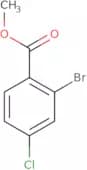
CAS:2-Bromo-4-chlorobenzoic acid methyl ester is a versatile chemical that can be used as a building block in the synthesis of many complex chemical compounds. It is also a useful reagent, and can be used to synthesize speciality chemicals. 2-Bromo-4-chlorobenzoic acid methyl ester has a high quality that makes it useful for research purposes. It is also an important intermediate in the synthesis of other compounds and has been found to be an effective scaffold for drug discovery. This compound is also commercially available under CAS No. 57381-62-1.Formula:C8H6BrClO2Purezza:Min. 95%Colore e forma:Clear LiquidPeso molecolare:249.49 g/molKinetin-9-glucoside
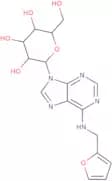
CAS:Kinetin-9-glucoside is a conjugate of kinetin and glucose. It has been shown to inhibit the growth of several types of bacteria, including Pseudomonas aeruginosa, Staphylococcus aureus, and Streptococcus pyogenes. Kinetin-9-glucoside also has anti-inflammatory properties that may be due to its ability to inhibit prostaglandin synthesis. Kinetin-9-glucoside is used in tissue culture for the induction of plant regeneration from callus tissue or from excised root tissues. Kinetin-9-glucoside has been shown to stimulate the formation of apical roots in plantlets and promote cell division in neuronal cells.Formula:C16H19N5O6Purezza:Min. 95 Area-%Colore e forma:PowderPeso molecolare:377.35 g/mol2'-Hydroxyacetophenone
CAS:2'-Hydroxyacetophenone is a hydroxylated acetophenone derivative. It is used in the synthesis of coumarin derivatives, which are used as pharmaceuticals and natural compounds. 2'-Hydroxyacetophenone has been found to be cytotoxic against HL-60 cells, which is a line of leukemia cells in humans. It also has anti-cancer properties that may be due to its ability to inhibit water vapor and nitrogen gas release from cervical cancer cells. The structural analysis of 2'-hydroxyacetophenone has shown that it contains an intramolecular hydrogen bond with the proton on the oxygen atom. This bond is responsible for stabilizing the molecule's structure and maintaining its 3D geometry.
Formula:C8H8O2Purezza:Min. 95%Colore e forma:Clear LiquidPeso molecolare:136.15 g/mol(R)-(-)-Ibuprofen
CAS:Ibuprofen is a nonsteroidal anti-inflammatory drug (NSAID) that is used to treat pain and inflammation. It belongs to the group of fatty acid derivatives, which are drugs that block the production of prostaglandins. Ibuprofen has been shown to have contraceptive effects in humans and experimental models, as well as an effect on human serum lipoproteins. Ibuprofen has also been shown to inhibit the synthesis of prostaglandins in rat liver microsomes and asymmetric synthesis in wastewater treatment. Its pharmacokinetic properties are determined by its absorption rate, distribution volume, and metabolism rate. The kinetic behavior of ibuprofen is affected by matrix effect and the kinetic behavior of ibuprofen is also affected by its pharmacokinetic properties such as isooctane, carcinoma cell lines, etc.
Formula:C13H18O2Purezza:Min. 95%Colore e forma:White PowderPeso molecolare:206.28 g/mol3,5-Diisopropylsalicylic acid
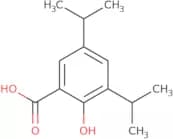
CAS:3,5-Diisopropylsalicylic acid is a reactive chemical substance that has been shown to be an effective anti-inflammatory agent. The compound is active against wild-type viruses and copper complexes. 3,5-Diisopropylsalicylic acid also has been shown to inhibit the growth of human cancer cells in vitro. This drug can be used as an analytical reagent for the detection of water vapor in gas chromatography and other techniques. The acute toxicities associated with 3,5-diisopropylsalicylic acid are not well understood, but it has been shown to have a negative effect on body mass index. It also may affect pluripotent cells and radiation therapy. There are reports of drug interactions when used with certain medications such as acetaminophen or ibuprofen.Formula:C13H18O3Purezza:Min. 95%Colore e forma:PowderPeso molecolare:222.28 g/mol3-(Trifluoromethyl)Phenylurea
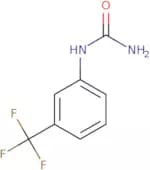
CAS:3-(Trifluoromethyl)phenylurea is a chemotherapeutic agent that is used to treat leukemia and other cancers. It has been shown to be effective in the regression of tumors in mice, when given at a concentration of 1-2 mg/kg. 3-(Trifluoromethyl)phenylurea inhibits cell growth by binding to DNA and inhibiting RNA synthesis. The optimal concentrations for 3-(trifluoromethyl)phenylurea are determined using an equation that includes coefficients obtained from stepwise regression analysis. The coefficient values are also optimized using topological descriptors and genetic algorithms.
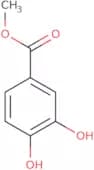
Formula:C8H7F3N2OPurezza:Min. 95%Peso molecolare:204.15 g/mol3,4-Dihydroxybenzoic acid methyl ester
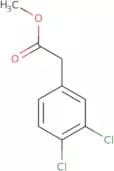
CAS:3,4-Dihydroxybenzoic acid methyl ester is a natural compound that has been isolated from Linteus. This compound has been shown to have antiinflammatory activity and to inhibit the production of pro-inflammatory cytokines, such as tumor necrosis factor-alpha (TNF-α) and interleukin 1β (IL-1β). It also inhibits toll-like receptor 4 (TLR4), which is a protein that can bind to lipopolysaccharides on the surface of bacteria. 3,4-Dihydroxybenzoic acid methyl ester has been found to decrease mitochondrial membrane potential in cells treated with hydrogen fluoride. This agent is used in organic synthesis for the preparation of derivatives with high purity. The extract from Etoac can be used as a model organism for the study of its structure and function.Formula:C8H8O4Purezza:Min. 95%Colore e forma:PowderPeso molecolare:168.15 g/mol(3,4-Dichlorophenyl)acetic acid methyl ester
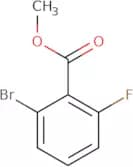
CAS:(3,4-Dichlorophenyl)acetic acid methyl ester is a versatile building block and reagent that can be used in the synthesis of complex compounds. It is also a useful intermediate and reaction component for the synthesis of high-quality chemical products. This compound has been shown to be useful in the production of speciality chemicals, including research chemicals and fine chemicals.Formula:C9H8Cl2O2Purezza:Min. 95%Colore e forma:PowderPeso molecolare:219.06 g/mol2-Bromo-6-fluorobenzoic acid methyl ester
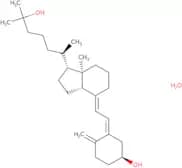
CAS:2-Bromo-6-fluorobenzoic acid methyl ester is a fine chemical that belongs to the family of brominated compounds. It is a useful building block in the synthesis of diverse organic molecules, as well as a reagent for research and speciality chemicals. 2-Bromo-6-fluorobenzoic acid methyl ester is used as a versatile building block in the synthesis of complex compounds, as well as an intermediate or scaffold in organic chemistry. This product can be used to synthesize many diverse products while maintaining high quality and purity.Formula:C8H6BrFO2Purezza:Min. 95%Colore e forma:PowderPeso molecolare:233.03 g/mol25-Hydroxyvitamin D3 monohydrate
CAS:25-Hydroxyvitamin D3 monohydrate is a vitamin D analog that has been shown to reduce elevated levels of parathyroid hormone and improve bone mineral density. It is used for the treatment of chronic kidney disease, hyperparathyroidism, and osteoporosis. 25-Hydroxyvitamin D3 monohydrate has been found to be effective in the treatment of these conditions because it increases the body's production of calcitriol, the active form of vitamin D. Calcitriol promotes calcium absorption in the gut and reduces renal excretion of calcium by inhibiting parathyroid hormone synthesis. This drug also inhibits pro-inflammatory cytokines such as IL-1β, IL-6, and TNF-α.Formula:C27H44O2·H2OPurezza:Min. 97 Area-%Colore e forma:White PowderPeso molecolare:418.65 g/mol1-Naphthylacetic acid
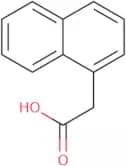
CAS:1-Naphthylacetic acid is a fluorescent compound that can be used as a chemical marker for the identification of sodium salts. It has an optimum concentration of 0.1 mg/L and a maximum concentration of 1 mg/L in water. The fluorescence detector is set to measure the synchronous fluorescence at a wavelength of 515 nm. 1-Naphthylacetic acid is soluble in water and organic solvents, but insoluble in nonpolar solvents such as ether, chloroform, or benzene. This compound can be used for the detection of pesticides with a chemical structure similar to that of 1-naphthylacetic acid, such as 2-chloro-4-(trifluoromethoxy)phenol and 2-chloro-5-(trifluoromethoxy)phenol, using dispersive solid phase extraction (DSPE). The product description should include:Formula:C12H10O2Purezza:Min. 98 Area-%Colore e forma:White PowderPeso molecolare:186.21 g/mol2,2'-Dimethylbibenzyl
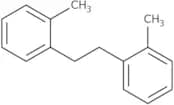
CAS:2,2'-Dimethylbibenzyl is a chemical compound that has been used as a precursor for the synthesis of other chemicals. It can be synthesized by reacting dodecyl chloride with an aryl halide, then reacting the product with anhydrous hydroxyl group in the presence of a radical coupling agent. The reaction products are chlorosulfonic acid and 2,2'-dimethylbibenzyl. This chemical compound is a strong electron acceptor and can help to produce radical coupling reactions. It also reacts with protonated water to form sulfoxide and trifluoroacetic acid.
Formula:C16H18Purezza:Min. 95%Colore e forma:PowderPeso molecolare:210.31 g/molethyl 2-cyano-3-(4-nitrophenyl)prop-2-enoate
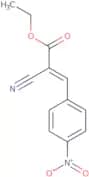
CAS:Ethyl 2-cyano-3-(4-nitrophenyl)prop-2-enoate is a functionalized molecule that contains a dipole. It has high selectivity for 1,3-dipolar cycloadditions because the electron density of the methylene group is greater than that of the aldehyde group. The mechanistic theory for this reaction is that the electron density on the methylene group in ethyl 2-cyano-3-(4-nitrophenyl)prop-2-enoate will cause it to become more reactive than the aldehyde group. The dipoles in this molecule are oriented such that they can react with each other to form an intermediate and then an adduct. This isomerization occurs through either dipolarophilic or electrocyclic mechanisms.Purezza:Min. 95%6-Hydroxy-2,3,4-trimethoxyacetophenone
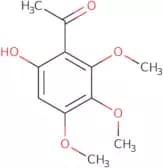
CAS:6-Hydroxy-2,3,4-trimethoxyacetophenone (6HTMA) is a natural product that has been shown to have potent inhibitory activities against PC12 cells. This compound also possesses neuroprotective and antioxidative properties. 6HTMA was able to inhibit acetylation of proteins, which may be responsible for its neuroprotective activity. Furthermore, 6HTMA has been shown to possess anti-oxidant and anti-tuberculous activities.Formula:C11H14O5Purezza:Min. 95%Colore e forma:PowderPeso molecolare:226.23 g/molLovastatin
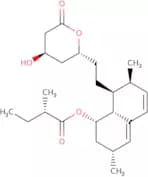
CAS:HMG-CoA reductase inhibitor; mevalonic acid synthesis inhibitorFormula:C24H36O5Purezza:Min. 98 Area-%Colore e forma:White PowderPeso molecolare:404.54 g/mol5-Hydroxy-1,4-naphthalenedione
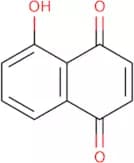
CAS:Blocks RNA polymerases I, II, and III; inhibits PPlasesFormula:C10H6O3Purezza:Min. 98 Area-%Colore e forma:PowderPeso molecolare:174.15 g/molL-Adrenaline
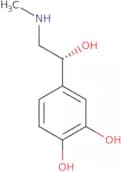
CAS:Prodotto controllatoL-Adrenaline is a hormone that belongs to the group of nonsteroidal anti-inflammatory drugs. It is used in combination therapy for the treatment of asthma, chronic obstructive pulmonary disease and other respiratory diseases. L-Adrenaline has also been shown to increase blood pressure and heart rate. L-Adrenaline may interact with other medication such as cardiac glycosides and calcium channel blockers, so it is important to consult with a doctor before taking this drug. L-Adrenaline is a potent vasoconstrictor that can cause primary pulmonary hypertension, which can lead to heart failure. The epinephrine in this drug binds to receptors on cells in the lungs, increasing bronchial secretions, which reduces the symptoms of anaphylaxis.Formula:C9H13NO3Purezza:Min. 95%Colore e forma:PowderPeso molecolare:183.2 g/molL-Aspartic acid β-naphthylamide
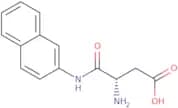
CAS:L-Aspartic acid beta-naphthylamide is a dietary amino acid that is metabolized to oxaloacetate in the liver. This metabolite is then converted to aspartate and glutamate, which are both important for brain functions. L-Aspartic acid beta-naphthylamide has been shown to have regulatory effects on peptide hormones, such as inhibiting the synthesis of angiotensin II and vasopressin in rats. L-Aspartic acid beta-naphthylamide also has anti-cancer properties, which may be due to its ability to inhibit the growth of cancer cells by hydrolyzing proteins and enzymes involved in fatty acid synthesis.Formula:C14H14N2O3Purezza:Min. 95%Peso molecolare:258.27 g/mol2-Amino-5-iodobenzoic acid methyl ester
CAS:2-Amino-5-iodobenzoic acid methyl ester (2AIBA) is a molecule that can be used as an activatable probe for imaging cancer. It has a profile suitable for radionuclide therapy and is also senescent. 2AIBA binds to DNA and inhibits the synthesis of proteins, leading to cell death. 2AIBA has potent inhibitory activity against murine melanoma cells and synergistic effects when combined with acridone. The section of tumour cells was shown to be reduced by 42% in mice when treated with 2AIBA, acridone, and radiation compared to mice treated with radiation alone.Formula:C8H8INO2Purezza:Min. 95%Colore e forma:PowderPeso molecolare:277.06 g/molAtorvastatin calcium
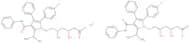
CAS:HMG-CoA reductase inhibitor; anti-hypercholesterolemia agent
Formula:C66H68CaF2N4O10Purezza:Min. 97 Area-%Colore e forma:White PowderPeso molecolare:1,155.34 g/mol1,5-Dibenzoylnaphthalene
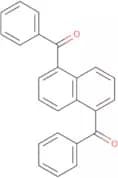
CAS:1,5-Dibenzoylnaphthalene (1,5-DBN) is a reactive anion radical that can be used to synthesize flavonoids. It can be used in the preparation of dyestuffs and reacts quickly with aldehydes in Friedel-Crafts reactions. 1,5-DBN is also antibacterial and has been shown to inhibit the growth of Staphylococcus aureus and Clostridium perfringens. It is toxic to humans when ingested and should be handled with care.
Formula:C24H16O2Purezza:Min. 95%Colore e forma:PowderPeso molecolare:336.38 g/mol1,2,3,4-Tetrahydro-1-naphthylamine hydrochloride
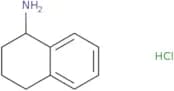
CAS:1,2,3,4-Tetrahydro-1-naphthylamine hydrochloride is a high quality reagent that can be used as an intermediate in the synthesis of various organic compounds. It has been shown to be a useful building block for the synthesis of complex compounds and speciality chemicals. Tetrahydro-1-naphthylamine hydrochloride is also a versatile building block for reactions involving amines or other nucleophiles. Tetrahydro-1-naphthylamine hydrochloride is an interesting scaffold for research chemicals due to its ability to react with various functional groups.Formula:C10H13N•HClPurezza:Min. 95%Colore e forma:PowderPeso molecolare:183.68 g/mol3-Fluoro-L-tyrosine
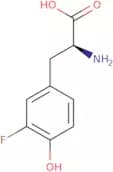
CAS:3-Fluoro-L-tyrosine is a hydroxylated amino acid that is used as a pharmacological agent. 3-Fluoro-L-tyrosine has been shown to be a substrate for the enzyme tyrosinase, which catalyzes the conversion of L-tyrosine into 3,4 dihydroxyphenylalanine (DOPA). 3-Fluoro-L-tyrosine also reacts with bacterial enzymes and may have antibacterial properties.Formula:C9H10FNO3Purezza:Min. 95%Colore e forma:PowderPeso molecolare:199.18 g/mol3,4-Dichlorocinnamic acid
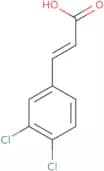
CAS:3,4-Dichlorocinnamic acid is a pentane that has a molecular weight of 144.2 g/mol and melting point of -12 °C. It is soluble in organic solvents such as ethanol and acetone, but insoluble in water. 3,4-Dichlorocinnamic acid is an intermediate in the synthesis of cinnamates from phenylacetic acid and chloroform via methyl esterification with methanol followed by alkylation with chlorine. The reaction rate for this conversion is slow, making it difficult to produce at commercial scale. 3,4-Dichlorocinnamic acid can be obtained by irradiation of 3-chloro-1,2-propanediol with ultraviolet light or by heating hydrotalcite at high temperatures. Hydrotalcite is heated to 600°C where it reacts with air to form 3,4-dichlorocinnamic acid and
Formula:C9H6Cl2O2Purezza:Min. 95%Colore e forma:PowderPeso molecolare:217.05 g/mol2-Methoxy-5-nitropyridine
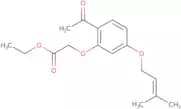
CAS:2-Methoxy-5-nitropyridine is an experimental model for the study of nucleophilic substitution reactions. It has been shown to catalyze a variety of nucleophilic substitutions, such as the reaction between dimethylformamide and methoxide. The uptake of 2-methoxy-5-nitropyridine in human cells has been studied using the mitochondrial cytochrome P450 (mt2) receptors, where it has been found that this compound binds to mt2 receptors with high affinity. The optical properties of 2-methoxy-5-nitropyridine have been determined by spectroscopic analysis and found to be similar to those of nitro compounds. Toxicity studies have also demonstrated that 2-methoxy-5-nitropyridine can cause liver damage at high doses, but there is no evidence that it causes cancer or causes reproductive toxicity.Formula:C6H6N2O3Purezza:Min. 95%Colore e forma:PowderPeso molecolare:154.12 g/mol2'-Ethoxycarbonylmethoxy-4'-(3-methyl-2-butenyloxy)acetophenone
CAS:2'-Ethoxycarbonylmethoxy-4'-(3-methyl-2-butenyloxy)acetophenone is a centrosymmetric molecule with a crystal structure. It has been shown to form dimers in the solid state.Formula:C17H22O5Purezza:Min. 95%Colore e forma:PowderPeso molecolare:306.35 g/molβ-(4-Hydroxy-3-methoxyphenyl)propionic acid methyl ester
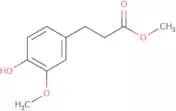
CAS:β-(4-Hydroxy-3-methoxyphenyl)propionic acid methyl ester is a fine chemical used as a building block in the synthesis of pharmaceuticals, agrochemicals, and other chemicals. It is also used as a reagent for the detection of alkaloids and for the preparation of valuable speciality chemicals. β-(4-Hydroxy-3-methoxyphenyl)propionic acid methyl ester is an intermediate in organic reactions or can be used to synthesize complex compounds such as antibiotics. It is also an important scaffold that can be modified to produce new drugs with different properties.Formula:C11H14O4Purezza:Min. 95%Colore e forma:Clear LiquidPeso molecolare:210.23 g/mol4-Amino-1,8-naphthalimide
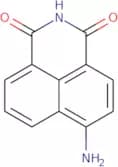
CAS:4-Amino-1,8-naphthalimide is a fluorescent derivative that is used as a probe to detect hydrogen bonds in molecular models. It can be used to study the interactions of molecules with hydrogen bonding partners. 4-Amino-1,8-naphthalimide has been shown to have broad spectrum antimicrobial activity against Gram-positive and Gram-negative bacteria. This compound also enhances the fluorescence of certain compounds by forming an intermolecular hydrogen bond.Formula:C12H8N2O2Purezza:Min. 95%Colore e forma:Orange PowderPeso molecolare:212.2 g/molRetinylaldehyde
CAS:Retinylaldehyde is a derivative of vitamin A that is important for visual health. It is an inhibitor of the chloride channel, which may be due to its ability to inhibit alcohol dehydrogenase and polymerase chain reaction (PCR). Retinylaldehyde has been shown to have a high affinity for nuclear DNA and can bind to guanine nucleotide-binding protein (G protein) in neural cells. This activity leads to chronic cough in mice. Retinylaldehyde also has been shown as having significant up-regulation in human monocytes when exposed to toll-like receptor ligands. The role of retinylaldehyde in the immune system is not fully understood, but it may play a role in modulating the response to bacterial infection by altering the production of cytokines such as interleukin-1β (IL-1β) and tumor necrosis factor alpha (TNFα).Formula:C20H28OPurezza:Min. 98 Area-%Colore e forma:PowderPeso molecolare:284.44 g/moltrans-2,3,4-Trimethoxycinnamic acid
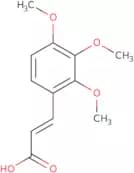
CAS:Trans-2,3,4-trimethoxycinnamic acid is a bioactive chemical that has been shown to have significant antioxidant activity. This compound is a hydrogen peroxide scavenger and can be used in devices to remove hydrogen peroxide from water. Trans-2,3,4-trimethoxycinnamic acid has also been shown to inhibit the production of campesterol and paromomycin in bacteria. Furfural is an inhibitor of trans-2,3,4-trimethoxycinnamic acid and its oxidation products. Trans-2,3,4-trimethoxycinnamic acid can be oxidised by furfural to produce glycerin and formic acid. It also inhibits the formation rate of amides from cinnamyl alcohol.Formula:C12H14O5Purezza:Min. 98 Area-%Colore e forma:PowderPeso molecolare:238.24 g/mol2,4,5-Trimethoxycinnamic acid
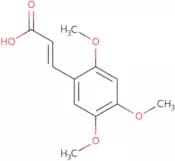
CAS:2,4,5-Trimethoxycinnamic acid is a phenolic acid that is found in plants. It is a precursor to many other compounds that are biologically active, such as the caffeic acids and their derivatives. 2,4,5-Trimethoxycinnamic acid has been shown to have anti-cancer effects on cervical cancer cells. It also exhibits biological properties and has been used as an ingredient in traditional Chinese medicine.Formula:C12H14O5Purezza:Min. 95%Colore e forma:PowderPeso molecolare:238.24 g/molN-Acetyl-L-aspartic acid
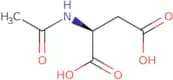
CAS:N-Acetyl-L-aspartic acid is a molecule that has been shown to be a potential biomarker for neuronal death, with activity index levels inversely correlating with the number of granule neurons. The chemical stability of N-acetyl-L-aspartic acid was tested using various in vitro methods and found to be stable at a wide range of pHs and temperatures. This compound has also been shown to have a role in brain function, axonal growth, and metabolic disorders. This compound is found naturally in vivo in humans.Formula:C6H9NO5Colore e forma:White PowderPeso molecolare:175.14 g/mol3,3',4,4'-Benzophenonetetracarboxylic dianhydride
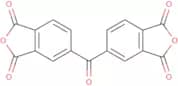
CAS:3,3',4,4'-Benzophenonetetracarboxylic dianhydride (BPTA) is a reactive dianhydride that contains a hydroxyl group and is a nitrogen-containing compound. It has good transport properties and chemical stability. It can be used to synthesize polyimides with high resistance, color, and thermal expansion. BPTA is used as the starting material for the synthesis of diphenyl ethers. In addition, it can be used to produce polymers with good thermal stability by reacting it with diphenylmethane diisocyanate. The reaction mechanism of BPTA is similar to that of benzophenone tetracarboxylic acid (BPTCA).Formula:C17H6O7Purezza:Min. 95%Colore e forma:PowderPeso molecolare:322.23 g/mol3-Bromophenylurea
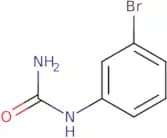
CAS:3-Bromophenylurea is an organic compound that has been synthesized for use as a catalyst in the production of silver ions. The product can be used in scalable synthesis and amines are the nucleophilic component. 3-Bromophenylurea is an advance in the field of bioassay and has been shown to be efficient when used at an optimum concentration. 3-Bromophenylurea is a substructural analogue to urea, which can be prepared from inexpensive materials and reused many times.
Purezza:Min. 95%(3R,5S)-Fluvastatin-3,5-acetonide tert-butyl ester
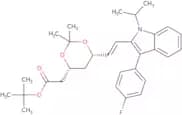
CAS:Fluvastatin-3,5-acetonide tert-butyl ester is a chemical compound that is used as a reaction component in the synthesis of other compounds. It can be used as a reagent or as a useful scaffold for research. Fluvastatin-3,5-acetonide tert-butyl ester is high quality and has versatile applications.Formula:C31H38FNO4Purezza:Min. 98 Area-%Colore e forma:White to pale yellow solid.Peso molecolare:507.64 g/mol4-Hydroxy-3-nitropyridine
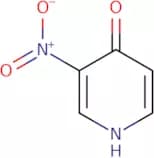
CAS:4-Hydroxy-3-nitropyridine is an organic chemical compound with the molecular formula CHNO. It has a structure that is composed of a nitro group bonded to a pyridine ring. 4-Hydroxy-3-nitropyridine can be found in wastewater and as a byproduct of the production of dyes, drugs, and explosives. It has been shown to react with primary amines to form nitrosamines. In its tautomeric form, 4-hydroxy-3-nitropyridine is more reactive and will react with chloride ions to form hydroxylamine. This reaction is used commercially for the synthesis of hydrazine and other products.Formula:C5H4N2O3Purezza:Min. 95%Colore e forma:PowderPeso molecolare:140.1 g/mol2-Bromo-6-nitrophenol
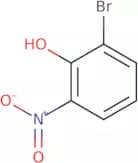
CAS:2-Bromo-6-nitrophenol is a synthetic chemical that is used as an intermediate in the synthesis of other chemicals. It can be prepared by reacting ammonium formate with hydroxyl group of 2-bromo-6-nitropyridine. The reaction yield can be improved by activating the hydroxyl group and removing impurities through a dehydration reaction. The time required for the reaction to occur can be shortened by using acetonitrile as a solvent instead of water. This chemical is also synthesized by coupling metal salts with nitro groups or amines, which are called Suzuki coupling reactions.Formula:C6H4BrNO3Colore e forma:PowderPeso molecolare:218 g/molVanillic acid methyl ester
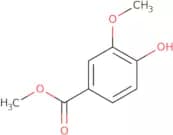
CAS:Vanillic acid methyl ester is a chemical compound that can be used as an antioxidant and antimicrobial agent. It is synthesized by the reaction of vanillin with methanol in the presence of hydrochloric acid. Vanillic acid methyl ester has been shown to have antioxidative properties and inhibit the activities of various enzymes, such as eugenol oxidase, lipid peroxidase, and cyclooxygenase-1. This product also has shown anti-inflammatory effects in animal models of bowel disease and coronary heart diseases. Vanillic acid methyl ester converts to benzoic acid when it is metabolized by cytochrome P450 2E1, which can then be conjugated with glutathione or glucuronic acid.
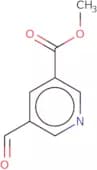
Formula:C9H10O4Purezza:Min. 95%Colore e forma:White Off-White PowderPeso molecolare:182.17 g/mol5-Formyl nicotinic acid methyl ester
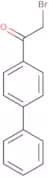
CAS:5-Formyl nicotinic acid methyl ester (5-FNA) is a derivative of nicotinic acid that is used in research to measure the level of nicotine in urine. The affinity of 5-FNA for nicotine is much stronger than the affinity of acetone. 5-FNA is detectable in urine samples from humans and animals, and it can be used to study the health effects of tobacco use. It has also been used for toxicology research on animals and detection methods for tobacco use among humans. 5-FNA binds to nicotine receptors on cells and antibodies are produced against these receptors. The antibodies can be detected by an immunosorbant assay or radioimmunoassay, which are two techniques that are often used in 5-FNA studies.Formula:C8H7NO3Purezza:(%) Min. 98%Colore e forma:PowderPeso molecolare:165.15 g/mol2-Bromo-4'-phenylacetophenone
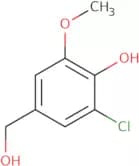
CAS:2-Bromo-4'-phenylacetophenone is a methanol solvent that is used as an intermediate in the synthesis of phenacyl. It is also used as a reagent for the titration of fatty acids and for the determination of terminal alkynes. 2-Bromo-4'-phenylacetophenone has been shown to have antibacterial activity against Mycobacterium tuberculosis, which may be due to its ability to inhibit protein biosynthesis. This compound can also be used as an analytical tool for determining the mass of organic acids. The solubility properties of 2-bromo-4'-phenylacetophenone are similar to those of ethyl acetate and ethanol, making it useful as a solvent in analytical methods.Formula:C14H11BrOPurezza:Min. 95%Colore e forma:PowderPeso molecolare:275.14 g/mol5-Chlorovanillyl alcohol
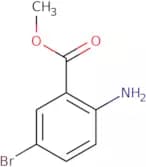
CAS:5-Chlorovanillyl alcohol is a useful building block. It is a fine chemical that can be used as a research chemical, reagent, or speciality chemical. This compound is versatile and can be used as a reaction component or scaffold for complex compounds. 5-Chlorovanillyl alcohol has CAS number 20624-92-4.Formula:C8H9ClO3Purezza:Min. 95%Colore e forma:PowderPeso molecolare:188.61 g/mol2-Amino-5-bromobenzoic acid methyl ester
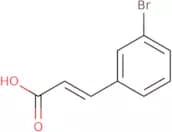
CAS:2-Amino-5-bromobenzoic acid methyl ester is a small molecule with antiviral potency. It has a dipole moment and can form hydrogen bonds. 2-Amino-5-bromobenzoic acid methyl ester inhibits the PDE5 enzyme, which is an enzyme that breaks down cGMP. This inhibition of PDE5 leads to the increase in cGMP, which causes blood vessels to relax and widen. As a result, 2-amino-5-bromobenzoic acid methyl ester has been shown to decrease high blood pressure and improve heart function.Formula:C8H8BrNO2Purezza:Min. 95%Colore e forma:PowderPeso molecolare:230.06 g/mol3-Bromocinnamic acid
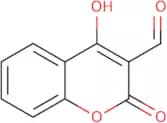
CAS:3-Bromocinnamic acid is a long-term treatment that inhibits the adenosine receptor, which is an important component of the central nervous system. It has been shown to have biological properties such as cell growth inhibition, depressant effect, and inhibitory effects on HIV replication. 3-Bromocinnamic acid also inhibits the action of sodium salts in vitro and in vivo, suggesting that this drug may be useful for the treatment of epilepsy. 3-Bromocinnamic acid can be used to study the mechanisms by which sirt1 inhibitors act as anticancer drugs. In addition, 3-bromocinnamic acid has been shown to have therapeutic potential for treating Alzheimer's disease and Parkinson's disease.Formula:C9H7BrO2Purezza:Min. 95%Colore e forma:PowderPeso molecolare:227.05 g/mol4-Hydroxy-3-formylcoumarin
CAS:4-Hydroxy-3-formylcoumarin is a coumarin derivative that has been shown to have antitumor activity in vivo against the L1210 murine leukemia. It has also been shown to be effective against the tetranuclear form of the cancer cells. 4-Hydroxy-3-formylcoumarin is also an important molecule for testing, as it is able to inhibit the growth of other types of tumor cells. This molecule has been found to be stable at neutral pH and in anhydrous sodium chloride solution. 4-Hydroxy-3-formylcoumarin can exist as two tautomeric forms: the erythro and threo isomers. The erythro form is more stable, with a higher activation energy than the threo form, which makes it more reactive for biological purposes.Formula:C10H6O4Purezza:Min. 95%Colore e forma:PowderPeso molecolare:190.15 g/mol6(R)-[2-(8(S)-Hydroxy]-2(S),6(R)-dimethyl-1,2,6,7,8,8a(R)-hexahydro-1(S)-naphthyl]ethyl-4(R)-hydroxy-3,4,5,6-tetrahydro-2H-pyran-2-o ne
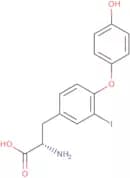
CAS:6(R)-[2-(8(S)-Hydroxy]-2(S),6(R)-dimethyl-1,2,6,7,8,8a(R)-hexahydro-1(S)-naphthyl]ethyl-4(R)-hydroxy-3,4,5,6-tetrahydro-2H-pyran-2-o ne is a useful scaffold that can be used as a building block for the synthesis of numerous chemical compounds. It is a versatile intermediate used in the synthesis of research chemicals and speciality chemicals. This compound has been shown to have high purity. The CAS number for this compound is 79952-42-4.Formula:C19H28O4Purezza:Min. 95%Colore e forma:White PowderPeso molecolare:320.42 g/mol3-Iodo-L-thyronine
CAS:3-Iodo-L-thyronine is a thyroid hormone that is synthesized from thyroxine. It has a high maximal response in humans and it may be useful for the treatment of hypothyroidism. 3-Iodo-L-thyronine is not active against rat liver microsomes because it is a noncompetitive inhibitor. The clinical relevance of this drug needs to be evaluated before it can be used as a therapeutic agent, but its analytical methods are similar to those used for other thyroid hormones, such as T3, T4, and 3,5,3'-triiodothyronine. This molecule has been successfully detected in human serum and tissues by using an analytical method based on iodoacetic acid.Formula:C15H14INO4Purezza:Min. 95%Colore e forma:PowderPeso molecolare:399.18 g/mol3-Methoxy-4-nitroacetophenone
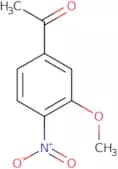
CAS:3-Methoxy-4-nitroacetophenone is an enamine that can be used in the synthesis of a variety of organic compounds. It is a good reducing agent and can be used to synthesize nitrophenols and nitrosamines. Catalytic hydrogenation, transfer hydrogenation, and reductive condensation reactions all use 3-methoxy-4-nitroacetophenone as a starting material. It has been shown to react with a range of alcohols to form acetals, which are stable compounds with a protective group on the alcohol. Cyclization reactions using 3-methoxy-4-nitroacetophenone have also been reported. This compound has been crystallized in pure form.Formula:C9H9NO4Purezza:Min. 95%Colore e forma:PowderPeso molecolare:195.17 g/mol4-Acetoxycinnamic acid
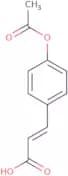
CAS:4-Acetoxycinnamic acid is a staphylococcal bactericide that inhibits bacterial growth and is active against many gram-positive bacteria, including Staphylococcus aureus. It is also active against many gram-negative bacteria, such as Escherichia coli and Pseudomonas aeruginosa. 4-Acetoxycinnamic acid has been shown to inhibit the growth of Staphylococcus aureus in an in vitro experiment by interfering with membrane permeability and inhibiting lipid synthesis. 4-Acetoxycinnamic acid has been shown to have antimicrobial activity against gram-positive and gram-negative bacteria, including methicillin resistant S. aureus (MRSA).Formula:C11H10O4Purezza:Min. 97 Area-%Colore e forma:PowderPeso molecolare:206.19 g/molFmoc-3-nitro-L-tyrosine
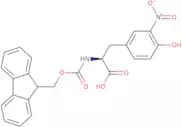
CAS:Fmoc-3-nitro-L-tyrosine is an intermediate in the synthesis of a fluorogenic substrate for the determination of tyrosine residues in peptides by reverse phase high performance liquid chromatography (RP-HPLC). The product is synthesized by solid phase methods. Fmoc-3-nitro-L-tyrosine is prepared by reacting 3,4,5,6-tetrafluoroacetophenone with L-tyrosine in piperidine. The product can be cleaved to yield the residues and hydroxyl groups. The fluorogenic nature of Fmoc-3-nitro-L-tyrosine enables it to be used as a quenching reagent for the fluorescence of other compounds. This product can also be modified to become fluorescent or enzymatically active.Formula:C24H20N2O7Purezza:Min. 95%Colore e forma:PowderPeso molecolare:448.42 g/mol3-(4'-Bromo[1,1'-biphenyl]-4-yl)-1,2,3,4-tetrahydro-1-naphthalenol
CAS:3-(4'-Bromo[1,1'-biphenyl]-4-yl)-1,2,3,4-tetrahydro-1-naphthalenol is a chemical compound that belongs to the group of bromonaphthalenes. It has been used as a reaction component in organic synthesis and as a reagent for detection of DNA binding. 3-(4'-Bromo[1,1'-biphenyl]-4-yl)-1,2,3,4-tetrahydro-1-naphthalenol can be used as a building block for complex compounds with speciality applications. The compound is an intermediate in the production of pharmaceuticals such as selective estrogen receptor modulators.Formula:C22H19BrOPurezza:Min. 95%Colore e forma:PowderPeso molecolare:379.29 g/mol






![Pigment Red 38;Diethyl 4,4'-[(3,3'-dichlOrO[1,1'-biphenyl]-4,4'-diyl)bis(azO)]bis[4,5-dihydrO-5-Ox…](/_next/image/?url=https%3A%2Fstatic.cymitquimica.com%2Fproducts%2F3D%2Fthumb-webp%2FFP43985.webp&w=3840&q=75)


![Pigment YellOw 5;2-[(2-NitrOphenyl)azO]-3-OxO-N-phenylbutanamide](/_next/image/?url=https%3A%2Fstatic.cymitquimica.com%2Fproducts%2F3D%2Fthumb-webp%2FFP40385.webp&w=3840&q=75)






![6(R)-[2-(8(S)-Hydroxy]-2(S),6(R)-dimethyl-1,2,6,7,8,8a(R)-hexahydro-1(S)-naphthyl]ethyl-4(R)-hydro…](/_next/image/?url=https%3A%2Fstatic.cymitquimica.com%2Fproducts%2F3D%2Fthumb-webp%2FFH24175.webp&w=3840&q=75)
![3-(4'-Bromo[1,1'-biphenyl]-4-yl)-1,2,3,4-tetrahydro-1-naphthalenol](/_next/image/?url=https%3A%2Fstatic.cymitquimica.com%2Fproducts%2F3D%2Fthumb-webp%2FFB164965.webp&w=3840&q=75)