Standard farmaceutici
Sottocategorie di "Standard farmaceutici"
- APIs per la ricerca e le impurità(277.208 prodotti)
- Attivatori e inibitori enzimatici(2.829 prodotti)
- Nitrosamine(2.649 prodotti)
- Composti e metaboliti farmaceutici e veterinari(2.894 prodotti)
- Tossicologia(13.378 prodotti)
Trovati 8108 prodotti di "Standard farmaceutici"
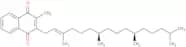
Vitamin K1
CAS:Fat-soluble vitamin; Involved in blood coagulation; anti-tumoral
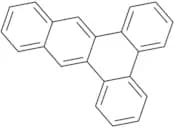
Formula:C31H46O2Purezza:Min. 98 Area-%Colore e forma:Yellow Clear Viscous LiquidPeso molecolare:450.7 g/mol1,2,3,4-Dibenzanthracene
CAS:1,2,3,4-Dibenzanthracene is a polycyclic aromatic hydrocarbon that is used as a fluorescent probe in fluorescence spectrometry. 1,2,3,4-Dibenzanthracene is a substrate for cytochrome P450 enzymes. The rate of metabolism is dependent on the enzyme concentration and the pH. 1,2,3,4-dibenzanthracene has been shown to inhibit protein synthesis in rat liver microsomes and hamster V79 cells. It also binds to hematopoietic cells through receptor binding and inhibits DNA synthesis by interacting with nitrogen atoms.
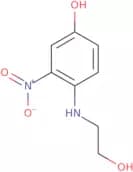
Formula:C22H14Purezza:Min. 95%Colore e forma:PowderPeso molecolare:278.35 g/mol4-(2-Hydroxyethylamino)-3-nitrophenol
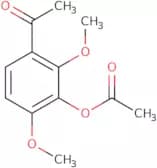
CAS:4-(2-Hydroxyethylamino)-3-nitrophenol is a nitrophenol that can cause toxicity in humans. It has been investigated for its potential use as a treatment for erectile dysfunction. The compound was found to have a long half-life of over 24 hours, which may be due to its slow metabolism by esterases and glucuronidases. 4-(2-Hydroxyethylamino)-3-nitrophenol has been shown to be an allergen and is toxic to the skin, lungs, and muscles. This chemical can cause cancer when it is irradiated or mixed with other chemicals such as 4-amino-2-nitrophenol (ANP).Formula:C8H10N2O4Purezza:Min. 95%Colore e forma:PowderPeso molecolare:198.18 g/mol3-Acetoxy-2,4-dimethoxyacetophenone
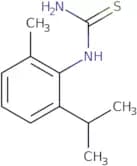
CAS:3-Acetoxy-2,4-dimethoxyacetophenone is a chemical building block that has been shown to be useful in the synthesis of complex compounds. This compound can be used as a reaction component and reagent in organic synthesis. 3-Acetoxy-2,4-dimethoxyacetophenone can be used as a versatile building block for the synthesis of high quality research chemicals and speciality chemicals. It is also a useful intermediate for the preparation of fine chemicals such as pharmaceuticals, agrochemicals, and dyestuffs. 3-Acetoxy-2,4-dimethoxyacetophenone has CAS number 63604-86-4.Formula:C12H14O5Purezza:Min. 95%Peso molecolare:238.24 g/mol1-(2-Isopropyl-6-methylphenyl)thiourea
CAS:Please enquire for more information about 1-(2-Isopropyl-6-methylphenyl)thiourea including the price, delivery time and more detailed product information at the technical inquiry form on this pageFormula:C11H16N2SPurezza:Min. 95%Colore e forma:PowderPeso molecolare:208.32 g/mol4'-Benzyloxyacetophenone
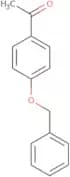
CAS:4'-Benzyloxyacetophenone is a synthetic chemical that can be used in the synthesis of natural products. It has a chiral center and can be synthesized in an asymmetric manner. This compound reacts with primary amines to form acrylates, which are useful for the synthesis of polyesters. 4'-Benzyloxyacetophenone can also react with halides to form alkylating agents, which are useful for the synthesis of amines or other functional groups. The structure of this chemical is similar to estrogen, which may explain its hormonal effects.Formula:C15H14O2Purezza:Min. 95%Colore e forma:PowderPeso molecolare:226.27 g/molCytisine
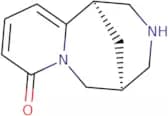
CAS:Cytisine is an alkaloid found in plants of the Cytisus genus of the family Fabaceae. It is a partial agonist to α4β2 nicotinic acetylcholine receptors, which are implicated in the nicotine dependence. In Eastern Europe, it has been used for 50 years to aid smoking cessation.Formula:C11H14N2OPurezza:Min. 95%Colore e forma:White PowderPeso molecolare:190.24 g/molDihydro ferulic acid 4-O-sulfate sodium salt
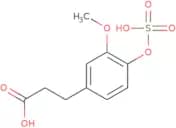
CAS:Dihydroferulic acid is a chlorogenic acid that has been shown to have anti-inflammatory properties in vitro and in vivo. Dihydroferulic acid has been shown to inhibit the production of pro-inflammatory cytokines, such as tumor necrosis factor alpha (TNF-α) and interleukin 10 (IL-10), in monocytic cells. This compound also inhibits the activation of toll-like receptor 4 (TLR4) and TLR2, which are receptors on immune cells that bind to bacterial lipopolysaccharides. Dihydroferulic acid has been found to be present in human urine samples, suggesting it is absorbed from dietary sources. It can also be found in wine and tea, where it may contribute to the positive health effects seen with these beverages. Protocatechuic acid is a phenolic compound with similar activity as dihydroferulic acid.Formula:C10H10Na2O7SPurezza:Min. 95%Colore e forma:PowderPeso molecolare:320.23 g/molDirect Red 16
CAS:Direct Red 16 is a dye that reacts with acids to form an intensely red compound. It is used in research and as a reagent for the production of other dyes. Direct Red 16 is also used as a building block in the synthesis of complex molecules, such as pharmaceuticals and dyes.Formula:C26H17N5Na2O8S2Purezza:Min. 95%Peso molecolare:639.57 g/mol4-Iodo-3-nitrophenol
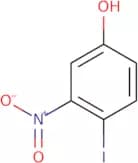
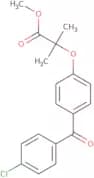
CAS:4-Iodo-3-nitrophenol is a chemical compound that is used in the synthesis of decanoic acid, an ester. It also has pharmacological properties and can be used as a cataleptic or neuroleptic agent. 4-Iodo-3-nitrophenol has been shown to have stimulant effects on the central nervous system, which may be due to its ability to inhibit the metabolism of acetylcholine by blocking cholinesterase enzymes. 4-Iodo-3-nitrophenol is also used in the preparation of analogues and it has been tested for use as a treatment for Parkinson's disease.Formula:C6H4INO3Purezza:90%Colore e forma:Brown Yellow PowderPeso molecolare:265.01 g/molFenofibric acid methyl ester
CAS:Fenofibric acid methyl ester is a chemical that has been used as a reference standard for the calibration of HPLC. It is an acidic compound that can be used to measure the flow rate of liquids. Fenofibric acid methyl ester has a particle size between 2 and 4 micrometers in diameter, which has been shown to be consistent with the use of dihedrals and diameters. This product has been found to be suitable for chromatographic methods such as calibration and validation. The purity of this chemical has been validated by regression analysis using chromatograms.
Formula:C18H17ClO4Purezza:Min. 95%Colore e forma:PowderPeso molecolare:332.78 g/molN-Butyroyl phytosphingosine
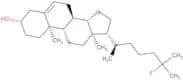
CAS:N-Butyroyl phytosphingosine is a versatile building block that is used in fine chemicals, cosmetics, and research. It is a complex compound with a variety of applications. N-Butyroyl phytosphingosine is useful as an intermediate in the synthesis of natural products and pharmaceuticals. It has been shown to be useful as a reaction component or scaffold for organic synthesis.Formula:C22H45NO4Purezza:Min. 95%Colore e forma:White PowderPeso molecolare:387.6 g/mol25-Fluorocholesterol
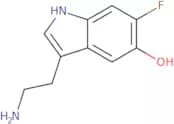
CAS:Prodotto controllato25-Fluorocholesterol is a hydroxylated form of cholesterol that was originally synthesized in vitro. It has been found to inhibit cholesterol synthesis and is used to study the role of cholesterol in mitochondrial function. 25-Fluorocholesterol has also been shown to possess anti-carcinogenic properties, as it inhibits adrenocortical carcinoma cells by inhibiting the production of desmosterol, which is required for their growth. This compound is also able to inhibit cho-k1 cells by side-chain cleavage. 25-Fluorocholesterol has the ability to cross cell membranes and can be detected in non-steroidal anti-inflammatory drug studies using chromatography.Formula:C27H45FOPurezza:Min. 95%Peso molecolare:404.64 g/mol6-Fluoroserotonin
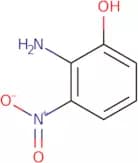
CAS:Prodotto controllatoThe 6-Fluoroserotonin is a selective serotonin uptake inhibitor that has been used to study the serotonin transporter. It has been shown to inhibit the uptake of 5-hydroxyindoleacetic acid and 5-hydroxytryptamine, which is mediated by the serotonin transporter. The 6-Fluoroserotonin is also able to bind to clomipramine and zimelidine with high affinity. Analysis of the chromatographic profile of this compound revealed two peaks, one at 3.2 minutes and another at 4.7 minutes, corresponding to the two diastereoisomers of 6-fluoroserotonin.Formula:C10H11FN2OPurezza:Min. 95%Peso molecolare:194.21 g/mol2-Amino-3-nitrophenol
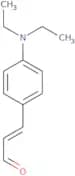
CAS:2-Amino-3-nitrophenol is an inhibitor of matrix metalloproteinases that is active against a broad spectrum of pro-inflammatory and destructive enzymes. It has been used to inhibit the activity of matrix metalloproteinases in vitro and in vivo, with a wide range of applications in the fields of biochemistry, cell biology, and medicine. This compound has been shown to be effective against type strain C. albicans and C. glabrata strains, as well as other fungi such as Aspergillus niger, A. fumigatus, A. terreus, and A. flavus. 2-Amino-3-nitrophenol may have antifungal activity due to its ability to inhibit the synthesis of hyaluronic acid by these fungi.Formula:C6H6N2O3Purezza:Min. 95%Colore e forma:PowderPeso molecolare:154.12 g/moltrans-4-(Diethylamino)cinnamaldehyde
CAS:Trans-4-(Diethylamino)cinnamaldehyde is a molecule that has been systematically studied with several techniques, such as x-ray crystallography. It has been shown to be a fluorophore and can be used as a fluorescent probe. Trans-4-(Diethylamino)cinnamaldehyde can be used in the fluorescence method in which it reacts with other molecules and emits light. This reaction scheme is based on the principle of irradiation by UV light or visible light to produce an excited state. Fluorescence is detected at various wavelengths depending on the dye used. Trans-4-(Diethylamino)cinnamaldehyde also emits fluorescence when irradiated with ultraviolet light, which is often referred to as "violet" fluorescence. The wavelength of this emission is 365 nm and it can be detected using high yield techniques, such as fluorometers.Formula:C13H17NOPurezza:Min. 95%Colore e forma:PowderPeso molecolare:203.28 g/mol2,5-Dimethylbenzoic acid methyl ester
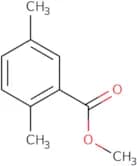
CAS:2,5-Dimethylbenzoic acid methyl ester is an organic compound that belongs to the class of diketones. It is a crystalline solid with a melting point of about 120 °C. The compound is used for the synthesis of other chemicals and as a precursor to pharmaceuticals. 2,5-Dimethylbenzoic acid methyl ester can be produced by photocycloaddition, which involves uv irradiation and heat. This reaction produces two isomers: trans-2,5-dimethylbenzoic acid methyl ester and cis-2,5-dimethylbenzoic acid methyl ester. Trans-2,5-dimethylbenzoic acid methyl ester has been shown to undergo conformational change when heated to 120 °C, while cis-2,5-dimethylbenzoic acid methyl ester does not show this effect.Formula:C10H12O2Purezza:Min. 95 Area-%Colore e forma:PowderPeso molecolare:164.2 g/molL-Aspartic acid sodium salt monohydrate
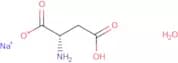
CAS:L-Aspartic acid sodium salt monohydrate is a sodium carbonate salt of L-aspartic acid that has been shown to inhibit the growth of leishmania in vitro. It may also be effective against other protozoa and amoeba, including Entamoeba histolytica and Naegleria fowleri. L-Aspartic acid sodium salt monohydrate inhibits acid formation by inhibiting the enzyme carbonate synthetase. This compound also has potential as a drug target for infantile lysosomal storage disease due to its ability to activate glutamate, which is an amino acid that is deficient in this condition. The surface methodology used for this study was titration calorimetry, which can be used to measure the thermodynamic properties of activated carboxylates.
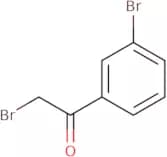
Formula:C4H6NO4Na·H2OColore e forma:White Off-White Clear LiquidPeso molecolare:173.1 g/mol2-Bromo-3'-bromoacetophenone
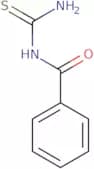
CAS:2-Bromo-3'-bromoacetophenone is a chemical compound that can be used as an oxidant in organic synthesis. It is a brominated phenol derivative, which undergoes bond cleavage to produce benzoylbenzene and acetone. The reaction is mediated by potassium permanganate in the presence of oxygen. X-ray crystallography and crystallography have been used to identify the molecular structure of 2-bromo-3'-bromoacetophenone. The yield for this reaction is high and can be increased by using solvents such as ethanol or tetrahydrofuran and a reaction time of 1 hour at 100°C.Formula:C8H6Br2OPurezza:Min. 90%Peso molecolare:277.94 g/molN-Benzoylthiourea
CAS:N-Benzoylthiourea (NBTA) is a fluorescent compound that has been used as an optical sensor for the detection of hydrogen. In addition, NBTA acts as an antimicrobial agent and can be used to treat autoimmune diseases. It has been shown to bind to human serum proteins and nucleic acids in sublethal doses, which may lead to its use in wastewater treatment. NBTA also has a stable complex with dyes such as fluorescein and rhodamine, making it a good choice for surface methodology applications. Pharmacokinetic properties of this drug have not been studied in humans.Formula:C8H8N2OSPurezza:Min. 95%Colore e forma:PowderPeso molecolare:180.23 g/mol3-Chloro-4-hydroxycinnamic acid
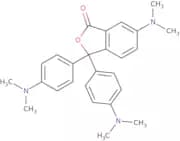
CAS:3-Chloro-4-hydroxycinnamic acid is a coelicolor biosynthetic precursor that is synthesized from 4-hydroxycinnamic acid and chlorinated. It can be used for the synthesis of aminocoumarin moieties and other prenylated molecules. 3-Chloro-4-hydroxycinnamic acid has been shown to be an effective inhibitor of streptomyces coelicolor, which is a type of bacterium that produces antibiotics. The gene responsible for the biosynthesis of 3-chloro-4-hydroxycinnamic acid has also been identified in streptomyces clorobiocin, which is another type of bacterium that produces antibiotics.Formula:C9H7ClO3Purezza:Min. 95%Colore e forma:PowderPeso molecolare:198.6 g/molCrystal violet lactone
CAS:Crystal violet lactone is a hydroxylated derivative of crystal violet that has been shown to exist as a stable complex with metal chelates. The chemical stability of this compound is related to the presence of the hydroxyl group, which can be used to form hydrogen bonding interactions. Crystal violet lactone has been shown to react with p-hydroxybenzoic acid in an electron transfer reaction, resulting in the formation of stable complexes. This chemical property makes it useful for flow assays, such as those used for the detection of glucose in blood plasma.Formula:C26H29N3O2Purezza:Min. 95%Colore e forma:Yellow PowderPeso molecolare:415.53 g/mol(E)-3-[3'-(4''-fluorophenyl)-1'-(1''-methylethyl)-1H-indol-2''-yl]-2-propnal
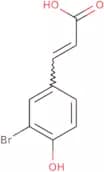
CAS:(E)-3-[3'-(4''-Fluorophenyl)-1'-(1''-methylethyl)-1H-indol-2''-yl]-2-propnal is an amoebicidal agent that belongs to the class of indole derivatives. It has been shown to inhibit tumor growth in animal models, and thus may be a potential anti-cancer drug. The activity index of (E)-3-[3'-(4''-fluorophenyl)-1'-(1''-methylethyl)-1H-indol-2''-yl]-2-propnal was significantly lower than those of fenoldopam, a well known antihypertensive agent, for the treatment of liver cancer. The compound also inhibits the growth of bacteria by inhibiting protein synthesis in organisms such as amoeba.Formula:C20H18FNOPurezza:Min. 95%Colore e forma:Yellow PowderPeso molecolare:307.36 g/mol3-Bromo-4-hydroxycinnamic acid
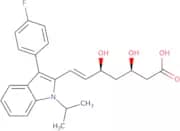
CAS:3-Bromo-4-hydroxycinnamic acid is a useful building block that is obtained from cinnamic acid by substitution of the hydroxyl group with a bromine atom. It has been used in research as a reagent, speciality chemical, and reaction component. 3-Bromo-4-hydroxycinnamic acid is also an important intermediate for the synthesis of various organic compounds. This compound can be used as a scaffold for the synthesis of complex compounds.Formula:C9H7BrO3Colore e forma:PowderPeso molecolare:243.05 g/molFluvastatin
CAS:Fluvastatin is a statin that lowers blood cholesterol and triglycerides by inhibiting HMG-CoA reductase, an enzyme that plays a critical role in the synthesis of cholesterol. Fluvastatin has also been shown to reduce the incidence of myocardial infarction, and to reduce atherosclerotic lesions in animal models, reducing the incidence of cardiovascular disease. Fluvastatin also has been shown to inhibit the activation of toll-like receptor 4 (TLR4) by lipopolysaccharide (LPS), which may be related to its anti-inflammatory effects. Furthermore, through lowering blood cholesterol, Fluvastatin also inhibits tubulointerstitial injury and prevents renal damage caused by high concentrations of the lipid.
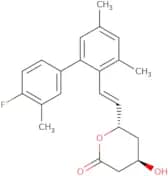
Formula:C24H26FNO4Purezza:Min. 95%Colore e forma:PowderPeso molecolare:411.47 g/mol(4α,6β(E))-DL-6-(2-(4'-Fluoro-3,3',5-trimethyl(1,1'-biphenyl)-2-Yl)ethenyl)tetrahydro-4-hydroxy-2H-pyran-2-one
CAS:Prodotto controllato(4alpha,6beta(E))-DL-6-(2-(4'-Fluoro-3,3',5-trimethyl(1,1'-biphenyl)-2-Yl)ethenyl)tetrahydro-4-hydroxy-2H-pyran-2-one is a pharmacological agent that binds to and inhibits the HMG CoA reductase enzyme. This enzyme plays a role in the production of cholesterol, which is used to form bile acids and steroid hormones. The ring structure of (4alpha,6beta(E))-DL-6-(2-(4'-Fluoro-3,3',5-trimethyl(1,1'-biphenyl)-2--Yl)ethenyl)tetrahydro -4hydroxy -2H pyran 2 one allows for it to bind to the active site of the reductase enzymeFormula:C22H23FO3Purezza:Min. 95%Peso molecolare:354.41 g/mol3,5-Diiodo-L-thyronine
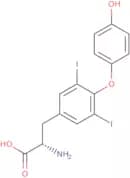
CAS:3,5-Diiodo-L-thyronine (3,5DIT) is a thyroid hormone that has been shown to have a number of physiological effects. It is capable of altering the activity of target enzymes, such as growth factor β1 and 3,5-diiodo-L-thyronine 5'-deiodinase (DID). 3,5DIT can stimulate cardiac effects by binding to the nuclear receptor TRβ1. It also stimulates weight loss by regulating fat metabolism through its effect on adipose tissue. 3,5DIT has been shown to alter mitochondrial functions and mitochondrial energy metabolism. This hormone may be used as an analytical tool for measuring mitochondrial functions in living cells.
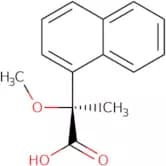
Formula:C15H13I2NO4Purezza:Min. 98 Area-%Colore e forma:White Off-White PowderPeso molecolare:525.08 g/mol(S)-2-Methoxy-2-(1-naphthyl)propanoic acid
CAS:(S)-2-Methoxy-2-(1-naphthyl)propanoic acid is a chiral molecule that can exist in two different forms, each of which has the same physical and chemical properties. The two enantiomers are not optically active, meaning they have the same degree of rotation when passed through a polarizing filter. It is an organic compound that is used as a flavoring agent in food chemistry and as a bioactive compound. (S)-2-Methoxy-2-(1-naphthyl)propanoic acid also has been shown to function as an attractant for hemipteran insects such as mosquitoes, although it is not clear if this property is due to its aromatic or enantiomeric structure.Formula:C14H14O3Purezza:Min. 95%Colore e forma:PowderPeso molecolare:230.26 g/molL-Fucono-gamma-lactone
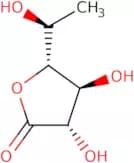
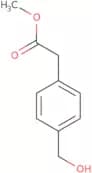
CAS:L-Fucono-gamma-lactone is a compound that has been identified as a possible antibiotic for the treatment of multidrug resistant bacteria. L-Fucono-gamma-lactone inhibits the growth of bacterial cells by binding to the enzyme 4-deoxy-L-fucose dehydrogenase, which catalyzes the conversion of 4-deoxy-L-fucose to L-fuconate. This binding prevents the formation of L-fuconate, which is required for cell growth. The structural biology and bioinformatics analysis have shown that L-Fucono gamma lactone may be an effective inhibitor of bacterial enzymes, such as dehydrogenases and hexokinases. These enzymes are important for maintaining cellular energy levels and preventing cell death.Formula:C6H10O5Purezza:Min. 95%Colore e forma:White PowderPeso molecolare:162.14 g/mol(4-Hydroxymethylphenyl)acetic acid methyl ester
CAS:(4-Hydroxymethylphenyl)acetic acid methyl ester is a fine chemical, useful building block, research chemicals and reagent. It is also a speciality chemical with CAS No. 155380-11-3. This compound can be used as a versatile building block for chemical synthesis, or as a reaction component for the synthesis of complex compounds. The high quality of this compound makes it suitable for use as an intermediate in the synthesis of other chemical compounds. (4-Hydroxymethylphenyl)acetic acid methyl ester is also a useful scaffold for the formation of new molecules or materials such as polymers.Formula:C10H12O3Purezza:Min. 95%Peso molecolare:180.2 g/molDL-Aspartic acid
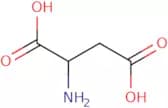
CAS:Aspartic acid is an amino acid that belongs to the group of aspartates. It is synthesized in the human body and used in biochemical reactions. Aspartic acid has been shown to play a role in cancer, bowel disease, and fibrosis. The chemical properties of aspartic acid have been studied using various model systems such as polymerase chain reaction (PCR) and p-nitrophenyl phosphate assay. Aspartic acid is a substrate for the enzyme asparaginase, which converts it into asparagine, another amino acid that can be used by the body.
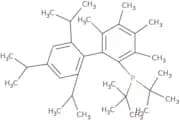
Formula:C4H7NO4Colore e forma:White Off-White PowderPeso molecolare:133.1 g/mol2-Di-tert-butylphosphino-3,4,5,6-tetramethyl-2',4',6'-triisopropyl-1,1'-biphenyl
CAS:2-Di-tert-butylphosphino-3,4,5,6-tetramethyl-2',4',6'-triisopropyl-1,1'-biphenyl is a fine chemical that is useful in research and development as a versatile building block. It is used as an intermediate in the synthesis of other compounds and can serve as a reaction component or reagent. This compound has high purity and can be used in the synthesis of pharmaceuticals and other organic compounds.Formula:C33H53PPurezza:Min. 95%Colore e forma:White To Off-White SolidPeso molecolare:480.75 g/mol3-Bromo-4-methoxycinnamic acid
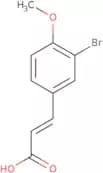
CAS:3-Bromo-4-methoxycinnamic acid is an organic compound that is used as a reagent, a useful scaffold, and a useful intermediate. It has been shown to be an excellent building block for the synthesis of complex compounds. 3-Bromo-4-methoxycinnamic acid can be used in the production of fine chemicals.
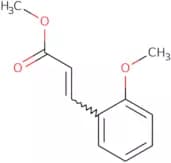
Formula:C10H9BrO3Purezza:Min. 95%Colore e forma:PowderPeso molecolare:257.08 g/mol2-Methoxycinnamic acid methyl ester
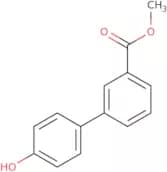
CAS:2-Methoxycinnamic acid methyl ester is a monomer that can be used in the synthesis of magnetic nanoparticles. It has been shown to have high activity and can be used at temperatures between 20°C and 40°C. This reagent is also soluble in organic solvents, making it easy to purify. The size of the particles can be controlled by changing the diameter of the monomer, which can be determined using various techniques such as magnetic separation, filtration, or centrifugation. 2-Methoxycinnamic acid methyl ester was found to have a mesoporous structure when synthesized using an organometallic technique. This reagent is suitable for use in analytical methods such as gas chromatography-mass spectrometry (GC-MS) or liquid chromatography-mass spectrometry (LC-MS).Formula:C11H12O3Purezza:Min. 95%Colore e forma:PowderPeso molecolare:192.21 g/molMethyl 3-(4-hydroxyphenyl)benzoate
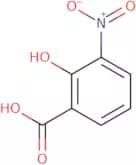
CAS:Please enquire for more information about Methyl 3-(4-hydroxyphenyl)benzoate including the price, delivery time and more detailed product information at the technical inquiry form on this pageFormula:C14H12O3Purezza:Min. 95%Colore e forma:PowderPeso molecolare:228.24 g/mol3-Nitrosalicylic acid
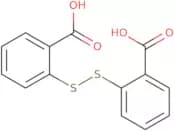
CAS:3-Nitrosalicylic acid is a chemical that is used as an inhibitor for corrosion. It can be used to prevent corrosion in wastewater systems, and it is also used as a protective coating for metals. 3-Nitrosalicylic acid has been shown to be effective against a variety of particle sizes, including fine particles at low concentrations. 3-Nitrosalicylic acid can be synthesized by reacting 5-nitrosalicylic acid with ammonia, hydrogen chloride, and zinc oxide in water. The reaction solution should be neutralized with sodium hydroxide and then hydrogenated using sodium dithionite or sodium sulfite. 3-Nitrosalicylic acid has been shown to inhibit the corrosion of metal surfaces and to function as an effective dose in the synthetic pathway for polymers. 3-Nitrosalicylic acid has high concentrations around pH 9.5, which can be reduced by electrochemical impedance spectroscopy (EIS).Formula:C7H5NO5Purezza:Min. 95%Colore e forma:PowderPeso molecolare:183.12 g/mol2,2'-Dithiobisbenzoic acid
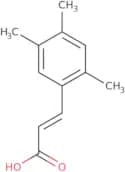
CAS:2,2'-Dithiobisbenzoic acid (DTBA) is a chemical compound that has been used as a cross-linking agent for proteins and nucleic acids. DTBA is an aromatic hydrocarbon that can be synthesized from the reaction of sodium carbonate and hydrogen chloride. DTBA's stability in organic solvents makes it a useful reagent for protein cross-linking studies. It can also be used to measure hydrogen bond strengths between two molecules.Formula:C14H10O4S2Purezza:Min. 95%Peso molecolare:306.36 g/mol2,4,5-Trimethylcinnamic acid
CAS:2,4,5-Trimethylcinnamic acid is a useful scaffold for the synthesis of complex compounds. It is also used as a reagent and reaction component in organic synthesis. This chemical has a CAS number of 205748-06-7 and is classified as a speciality chemical.Formula:C12H14O2Purezza:Min. 95%Colore e forma:PowderPeso molecolare:190.24 g/molValeric acid sodium
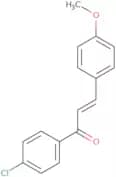
CAS:Valeric acid sodium salt is a fatty acid that has been shown to inhibit bacterial growth in the presence of epidermal growth factor and sodium salts. Valeric acid sodium salt is used as an antiseptic in topical formulations and as a preservative for pharmaceuticals. Valeric acid sodium salt also inhibits HIV infection by inhibiting the binding of HIV to its receptor, which prevents the virus from entering cells.Formula:C5H10O2•NaPurezza:Min. 95%Colore e forma:PowderPeso molecolare:125.12 g/mol4'-Chloro-4-methoxychalcone
CAS:4'-Chloro-4-methoxychalcone is a dihedral molecule that has been studied by laser spectroscopy. The wavelength and efficiency of the laser have been shown to be dependent on the chalcone's dipole moment. Chalcones are also used in the synthesis of other compounds, such as benzene, which is an aromatic hydrocarbon. Chalcones are used as optical brighteners in detergents and soaps and can also be used to induce evaporation of organic solvents. 4'-Chloro-4-methoxychalcone is used as an intermediate in crystal x-ray diffraction studies.Formula:C16H13ClO2Purezza:Min. 95%Colore e forma:PowderPeso molecolare:272.73 g/molCholesterol formate
CAS:Prodotto controllatoCholesterol formate is a chemical that belongs to the group of organic compounds and is classified as an ester. It can be used in research, where it is a reagent for the synthesis of other chemicals. Cholesterol formate can be used in the production of pharmaceuticals, pesticides, fragrances, and other products. Cholesterol formate is also used as a building block in complex chemical reactions because it can act as a versatile scaffold.Formula:C28H46O2Purezza:Min. 95%Colore e forma:White PowderPeso molecolare:414.66 g/mol4,5-Dimethoxy-2-nitrocinnamic acid
CAS:4,5-Dimethoxy-2-nitrocinnamic acid is a versatile building block that can be used as a reagent or speciality chemical. It is useful for the synthesis of complex compounds, and can be used as a reaction component or scaffold in organic chemistry. 4,5-Dimethoxy-2-nitrocinnamic acid is a high quality intermediate with CAS No. 20567-38-8.
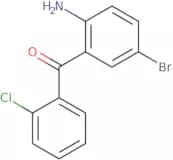
Formula:C11H11NO6Purezza:Min. 95%Peso molecolare:253.21 g/mol2-Amino-5-bromo-2'-chlorobenzophenone
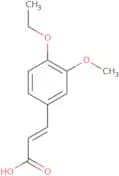
CAS:2-Amino-5-bromo-2'-chlorobenzophenone (2ABPC) is an aniline derivative that induces a reversible inhibition of the NMDA receptor. This agent has been shown to inhibit glutamate binding and to have a high affinity for the NMDA receptor. 2ABPC is also able to inhibit cancer growth by binding and neutralizing the receptors that allow for ligand-mediated activation of the NMDA receptor. 2ABPC has been shown to be effective in preventing dorsal root ganglia from developing into cancerous cells, which may be due to its ability to bind receptors that are involved in cell proliferation.Formula:C13H9BrClNOPurezza:Min. 95%Colore e forma:SolidPeso molecolare:310.57 g/mol4-Ethoxy-3-methoxycinnamic acid
CAS:4-Ethoxy-3-methoxycinnamic acid (4EMC) is a metabolite of propionic acid. It is produced by the fungus Phanerochaete chrysosporium when it is grown on lignocellulose. 4EMC can be cleaved from its ester bond with benzyl alcohol and vanillyl alcohol to produce vanillyl, benzyl, and ethanol. These products are then further metabolized to produce other compounds such as acetaldehyde, acetic acid, and butanol. 4EMC also inhibits the enzyme catalysed that converts propanol to butanol in cultures of P. chrysosporium
Formula:C12H14O4Purezza:Min. 95%Colore e forma:PowderPeso molecolare:222.24 g/mol2'-Hydroxy-5'-nitrohexadecanamide
CAS:2'-Hydroxy-5'-nitrohexadecanamide is a synthetic fatty acid derivative that inhibits lysosomal hydrolase, which is an enzyme that breaks down cellular lipids. This compound can be used as a diagnostic agent for the detection of certain types of cancer. 2'-Hydroxy-5'-nitrohexadecanamide reacts with the magnesium ion in the lysosome to form an insoluble precipitate, which then settles to the bottom of the test tube, allowing for easy detection of cells with high levels of lysosomal hydrolase.Formula:C22H36N2O4Purezza:Min. 95%Colore e forma:PowderPeso molecolare:392.53 g/mol3'-Hydroxyquinophthalone
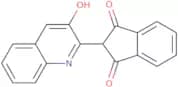
CAS:3'-Hydroxyquinophthalone is a fatty acid that is found in the seed oil of the African tree Acokanthera schimperi. It has shown to be reactive with alcohols and other organic chemicals and has been found to be an antimicrobial agent. 3'-Hydroxyquinophthalone is also a photosynthetic pigment, which means it will absorb light and use it to produce energy. This compound was observed to have a constant pressure of 0.5 atm (5 psi) when exposed to sunlight. The chemical structure of 3'-hydroxyquinophthalone consists of two long chains of alkanoic acid molecules that are linked together by polymeric matrixes. When this compound reacts with water, it forms hydrogen ions and hydroxide ions, which are absorbed by the alkanoic acid chains in the chemical structure, resulting in adsorption onto the surface of water droplets or onto other surfaces such as soil particles or clothing fibers.Formula:C18H11NO3Purezza:90%Colore e forma:Brown SolidPeso molecolare:289.29 g/mol5-Bromo-2-cyano-3-nitropyridine
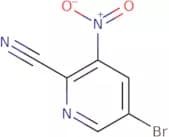
CAS:5-Bromo-2-cyano-3-nitropyridine is a medication that has been shown to be an effective inhibitor of the RET tyrosine kinase. It has been used in clinical studies to treat chronic kidney disease and has been shown to inhibit the growth of cancer cells. The molecular electrostatic potential (MEP) simulations have shown that 5-bromo-2-cyano-3-nitropyridine interacts with the reactive site of RET, inhibiting its function by binding to the nucleophilic substitutions. 5-Bromo-2-cyano-3-nitropyridine is synthesized from 2,5 dibromopyridine and 3 nitrobenzene at high yield. The molecule is chromatographically separated from impurities such as 4 bromo pyridine.Formula:C6H2BrN3O2Purezza:Min. 95%Colore e forma:PowderPeso molecolare:228 g/mol2-Hydroxy-4-methoxyacetophenone
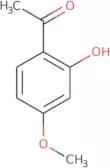
CAS:2-Hydroxy-4-methoxyacetophenone is a compound that has been shown to have a minimal toxicity profile and a wide range of pharmacological activities. It inhibits the activity of NF-κB, which is an inflammatory signaling protein, and also has antioxidant properties. 2-Hydroxy-4-methoxyacetophenone has been shown to reduce the severity of cardiovascular disease by inhibiting oxidative injury in the mitochondria and reducing oxidative stress. This drug also reduces atherosclerotic lesions and prevents hypoglycemia by increasing glucose uptake in tissues. Moreover, it can be used to treat leukemia inhibitory factor in patients with chronic myeloid leukemia (CML).Formula:C9H10O3Purezza:Min. 95%Colore e forma:PowderPeso molecolare:166.17 g/molAlfuzosin
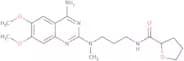
CAS:?-adrenoceptor antagonist; treatment for benign prostatic hyperplasiaFormula:C19H27N5O4Purezza:Min. 95%Colore e forma:White PowderPeso molecolare:389.45 g/molFmoc-L-homotyrosine
CAS:Fmoc-L-homotyrosine is a tyrosine kinase inhibitor. Tyrosine kinases are enzymes that catalyze the transfer of phosphate groups from ATP to tyrosine residues in proteins, which play a role in many cellular processes. Fmoc-L-homotyrosine binds to the ATP binding site in the active site of these enzymes, preventing phosphorylation and thus preventing protein function. This compound has been shown to inhibit neurotensin receptors in vitro and has also been shown to be an endogenous ligand for this receptor. Fmoc-L-homotyrosine binds to allosteric sites on the neurotensin receptor, causing conformational changes that activate transduction pathways and increase signaling. The mechanism of inhibition is not yet fully understood but is thought to be due to steric hindrance or allosteric binding.
Formula:C25H23NO5Purezza:Min. 95%Peso molecolare:417.45 g/molUreaformaldehyde
CAS:Ureaformaldehyde is a synthetic slow-release fertilizer that contains urea and formaldehyde. It has been shown to be highly active as a slow-release fertilizer in Langmuir adsorption isotherm studies. Ureaformaldehyde also has the ability to mineralize chloride and hydrogen bond to soil particles, increasing the availability of these ions for plant uptake. Ureaformaldehyde is also used in analytical methods such as chromatographic determination of fatty acids, which are an important component of animal and vegetable oils. !--
Formula:(CH4N2O•CH2O)xPurezza:Min. 95%Colore e forma:Clear LiquidPeso molecolare:90.08 g/molTropine
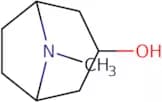
CAS:Tropine is a natural alkaloid that is derived from plants in the Solanaceae family including Atropa belladonna and Hyoscyamus niger. Tropine has been shown to have a number of physiological effects, including receptor binding, enzyme activities, and physiological effects. It has been used as an analytical method for determining sodium citrate, nitrogen atoms, and ester linkages. Tropine also has a ph optimum of 9-10 which means it should be dissolved in acidic solutions or diluted with a buffer solution before use. The reaction mechanism of tropine is not yet known, but it has been shown to contain fatty acid groups that are intramolecularly hydrogenated.Formula:C8H15NOPurezza:Min. 95%Colore e forma:White PowderPeso molecolare:141.21 g/molN-Acetyl-L-methionine
CAS:N-Acetyl-L-methionine is a form of the amino acid methionine. It is an intermediate in the conversion of L-methionine to S-adenosylmethionine, which is involved in methylation reactions in cells. N-Acetyl-L-methionine has been shown to be effective against nitrite ion, a reactive nitrogen species that causes oxidative stress and damage to DNA, RNA, and proteins. It also has been shown to have biological properties for the prevention of ischemia reperfusion injury following cardiac arrest and liver transplantation. N-acetyl-L-methionine may also have benefits for individuals with high body mass index or rats with liver microsomes.Formula:C7H13NO3SPurezza:Min. 95%Colore e forma:White PowderPeso molecolare:191.25 g/mol4-Nitrocinnamaldehyde
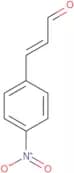
CAS:4-Nitrocinnamaldehyde is a diazonium salt that is used as an efficient method for the synthesis of nitro compounds. Nitro compounds are used in the production of explosives, insecticides, and herbicides. 4-Nitrocinnamaldehyde reacts with hydrochloric acid to produce trifluoroacetic acid, which is then reacted with an organic compound to produce a nitro compound. This reaction has been shown to be irreversible and not sensitive to functional groups. 4-Nitrocinnamaldehyde binds to the enzyme cytochrome P450 reductase, inhibiting its function. The binding of 4-nitrocinnamaldehyde to enzymes such as pyruvate kinase and acetylcholinesterase has also been observed in binding experiments.
Formula:C9H7NO3Purezza:Min. 95%Colore e forma:PowderPeso molecolare:177.16 g/molLopinavir
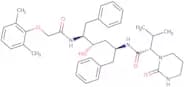
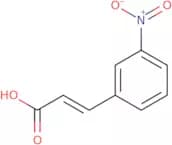
CAS:Anti-viral; HIV protease inhibitorFormula:C37H48N4O5Purezza:Min. 97.5 Area-%Colore e forma:White Off-White PowderPeso molecolare:628.8 g/moltrans-3-Nitrocinnamic acid
CAS:Trans-3-Nitrocinnamic acid is a white solid that can be obtained by the nitration of cinnamic acid. Trans-3-Nitrocinnamic acid is an isoenzyme as it has different chemical properties than cis-3-nitrocinnamic acid. The intermolecular hydrogen bonding and vibrational frequencies are different in trans-3-nitrocinnamic acid, which causes the dipole to change and increases the solubility in water. The genotoxic activity of trans-3-nitrocinnamic acid was evaluated using the Ames test, which showed that it is not mutagenic. However, there were some genotoxic effects observed in rats after applying trans-3-nitrocinnamic acid on skin.Formula:C9H7NO4Purezza:Min. 95%Colore e forma:PowderPeso molecolare:193.16 g/molrec Glial Cell Line-Derived Neurotrophic Factor (human)
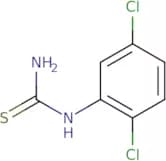
Please enquire for more information about rec Glial Cell Line-Derived Neurotrophic Factor (human) including the price, delivery time and more detailed product information at the technical inquiry form on this pagePurezza:Min. 95%2,5-Dichlorophenylthiourea
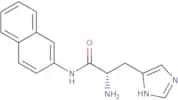
CAS:Please enquire for more information about 2,5-Dichlorophenylthiourea including the price, delivery time and more detailed product information at the technical inquiry form on this pagePurezza:Min. 95%L-Histidine β-naphthylamide
CAS:L-Histidine beta-naphthylamide is an allosteric activator of the imidazole group of histidine. It has been shown to regulate sequences and functional groups in subtilisin. L-Histidine beta-naphthylamide binds to the benzyl ester and regulatory allosteric site on the enzyme, which is located between the active site and the substrate binding site. The binding of this molecule stabilizes a transition state intermediate that would otherwise be too reactive to form products.Formula:C16H16N4OPurezza:Min. 95%Colore e forma:PowderPeso molecolare:280.32 g/mol3’,5’-Di-O-acetyl-2’-azido-2’-deoxy-5-methyluridine
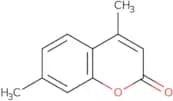
CAS:Please enquire for more information about 3’,5’-Di-O-acetyl-2’-azido-2’-deoxy-5-methyluridine including the price, delivery time and more detailed product information at the technical inquiry form on this pagePurezza:Min. 95%4,7-Dimethylcoumarin
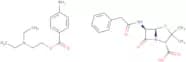
CAS:4,7-Dimethylcoumarin is an alkylating agent that can be used to synthesize coumarin derivatives. It has been shown to have potent antagonistic effects on the serotonin 5-HT1A receptor and the d2 receptor. 4,7-Dimethylcoumarin has been shown to bind to these receptors and block their activation by other ligands. This leads to a decrease in receptor affinity for ethylenamine (5-HT1A) or dopamine (d2). The alkylation process of 4,7-dimethylcoumarin with bovine serum albumin (BSA) can be used as an analytical method to determine the concentration of this compound in biological samples.Formula:C11H10O2Purezza:Min. 95%Colore e forma:PowderPeso molecolare:174.2 g/molPenicillin G procaine
CAS:Prodotto controllatoPenicillin G procaine is a form of penicillin that is commonly used to treat bacterial infections. It is a prodrug that undergoes hydrolysis in the body to release penicillin, its active form. Penicillin G procaine has been shown to be effective against Streptococcus pyogenes, which causes streptococcal pharyngitis, and other bacteria that are sensitive to penicillin. Penicillin G procaine is less toxic than other forms of penicillin and has minimal side effects. The pharmacological effects of the drug are due primarily to the inhibition of bacterial cell wall synthesis by binding to peptidoglycan precursors and blocking their cross-linking. The concentration–time curve for penicillin G procaine shows that it has a long half-life in humans, making it suitable for continuous treatment in patients with chronic infections.Formula:C16H18N2O4S·C13H20N2O2Purezza:Min. 95%Peso molecolare:570.7 g/mol2,3-Dihydroxy-4-methoxycinnamic acid ethyl ester
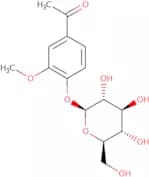
Please enquire for more information about 2,3-Dihydroxy-4-methoxycinnamic acid ethyl ester including the price, delivery time and more detailed product information at the technical inquiry form on this pagePurezza:Min. 95%Androsin
CAS:Androsin is a natural product that has been isolated from the bark of the Andropogon muricatus plant. It is used to treat chronic bronchitis, inflammatory diseases, and degenerative diseases. Androsin inhibits the growth of cancer cells in vitro by binding to human polymorphonuclear leukocytes (PMNLs) and inhibiting their ability to produce superoxide radicals. This compound also inhibits the production of p-hydroxybenzoic acid (PHBA) in PMNLs, leading to suppression of inflammation. Androsin is an inhibitor that binds to enzyme molecules and prevents them from functioning properly. It does not have any direct effect on the structure or function of DNA or RNA, but it does inhibit protein synthesis at the ribosomes.Formula:C15H20O8Purezza:Min. 95%Colore e forma:White PowderPeso molecolare:328.31 g/mol(4-N-Propoxyphenyl)-2-nitropropene
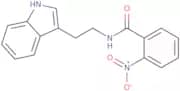
CAS:4-N-Propoxyphenyl)-2-nitropropene is a high quality chemical that is a versatile building block in organic synthesis. It can be used as a reagent, reaction component, or useful intermediate. 4-N-Propoxyphenyl)-2-nitropropene is an excellent choice for research and development of new compounds because it has high purity and versatility. This chemical is also a fine chemical with CAS No. 1251483-63-2.Formula:C12H15NO3Purezza:Min. 95%Colore e forma:PowderPeso molecolare:221.25 g/molN-(2-Indol-3-ylethyl)(2-nitrophenyl)formamide
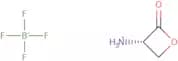
CAS:Please enquire for more information about N-(2-Indol-3-ylethyl)(2-nitrophenyl)formamide including the price, delivery time and more detailed product information at the technical inquiry form on this pageFormula:C17H15N3O3Purezza:Min. 95%Colore e forma:PowderPeso molecolare:309.32 g/molL-Serine β-lactone tetrafluoroborate
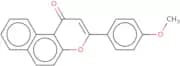
CAS:L-Serine beta-lactone tetrafluoroborate salt is a fine chemical that is used as a reagent, complex compound and building block in the synthesis of other compounds. It is also an important intermediate for the production of pharmaceuticals and agrochemicals. L-Serine beta-lactone tetrafluoroborate salt has been shown to be a versatile building block in organic synthesis. This product may react with acids to produce hydrogen fluoride gas, which can cause injury or death through inhalation or contact with skin, eyes or clothing.Formula:C3H5NO2•BF4•HPurezza:Min. 95%Colore e forma:White/Off-White SolidPeso molecolare:174.89 g/mol4'-Methoxy-5,6-benzoflavone
CAS:4'-Methoxy-5,6-benzoflavone is a versatile chemical building block that can be used in the synthesis of complex compounds. It is a high quality reagent for research and has been used as a speciality chemical due to its ability to react with other chemicals. This compound is also useful in the synthesis of pharmaceuticals and agrochemicals. 4'-Methoxy-5,6-benzoflavone can be used as an intermediate for the synthesis of polycyclic aromatic hydrocarbons or it can be used as a scaffold in organic chemistry.Formula:C20H14O3Purezza:Min. 95%Colore e forma:White Off-White PowderPeso molecolare:302.32 g/molTaraxasterol acetate
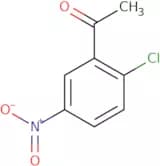
CAS:Prodotto controllatoTaraxasterol acetate is a sesquiterpene lactone that has shown anti-inflammatory activity and inhibits the production of inflammatory cytokines. It also possesses antifungal activity against various fungi, such as Candida albicans and Aspergillus niger. Taraxasterol acetate can be used for the treatment of infectious diseases, as well as for the prevention of inflammation. This compound has been found to work by binding to specific enzymes that are involved in the inflammatory response. These enzyme interactions prevent the production of pro-inflammatory molecules and cytokines, which are substances that trigger an immune response. The structure of taraxasterol acetate is similar to 3-o-caffeoylquinic acid, a natural compound found in plants such as Angelica Dahurica. Taraxasterol acetate is a component of several species of plants, including some medicinal herbs such as Angelicae Dahuricae. This compound can be purifiedFormula:C32H52O2Purezza:Min. 95%Colore e forma:PowderPeso molecolare:468.75 g/mol2-Chloro-5-nitroacetophenone
CAS:2-Chloro-5-nitroacetophenone is a synthetic chemical that is used in the synthesis of vismodegib. It has been shown to have pharmacokinetic properties, such as a low clearance and high volume of distribution. A number of impurities are found in this chemical, including halide ions, amines, and benzofuran derivatives. 2-Chloro-5-nitroacetophenone is genotoxic and can cause cancer. This chemical should not be exposed to radiation or chlorine gas.Formula:C8H6ClNO3Purezza:Min. 95%Colore e forma:PowderPeso molecolare:199.59 g/molFluoxetine hydrochloride
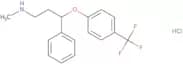
CAS:Prodotto controllatoFluoxetine is a selective serotonin reuptake inhibitor (SSRI) that is used in the treatment of depression, obsessive-compulsive disorder, and other disorders. It is also used to reduce the symptoms of premenstrual dysphoric disorder. Fluoxetine inhibits the reabsorption of serotonin by neurons, which increases the levels of this neurotransmitter in the synaptic space. Fluoxetine hydrochloride binds to serotonergic receptors in the brain that are believed to be involved in mood control and depression. SSRIs act as an active inhibitor of serotonin synthesis, thereby increasing its availability. Studies have shown that fluoxetine can inhibit the proliferation of cancer cells by inhibiting bcl-2 protein expression and promoting apoptosis.
Formula:C17H19ClF3NOPurezza:Min. 98 Area-%Colore e forma:White PowderPeso molecolare:345.79 g/mol4-Isopropyl-4'-methylchalcone
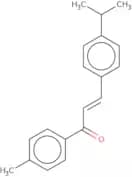
CAS:4-Isopropyl-4'-methylchalcone (4'MCH) is a versatile building block that can be used for the synthesis of complex compounds. 4'MCH is an intermediate in the synthesis of various pharmaceuticals and research chemicals, such as cholesterol esters, sterols, and steroids. It also has been used to produce speciality chemicals including herbicides, pesticides, and fungicides. 4-Isopropyl-4'-methylchalcone is a high quality chemical with CAS No. 205688-50-2 that has a wide range of applications.Formula:C19H20OPurezza:Min. 95%Colore e forma:PowderPeso molecolare:264.36 g/mol4-(Benzyloxyphenyl)acetic acid methyl ester
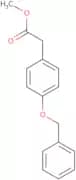
CAS:4-(Benzyloxyphenyl)acetic acid methyl ester is a synthetic, phenolic, tetronic, enolates, hydrophobic, tetrahydrofuran. It is used as a precursor to a variety of chemicals including pharmaceuticals and polymerase inhibitors. 4-(Benzyloxyphenyl)acetic acid methyl ester can be synthesized by reacting benzaldehyde with 4-nitrophenol in the presence of lithium enolates. It has been shown to have acidic properties and inhibits polymerase activity.Formula:C16H16O3Purezza:Min. 95%Colore e forma:PowderPeso molecolare:256.3 g/mol(6S)-5,6,7,8-Tetrahydro-6-[propyl[2-(2-thienyl)ethyl]amino]-1-naphthalenol hydrochloride
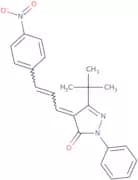
CAS:Prodotto controllato(6S)-5,6,7,8-Tetrahydro-6-[propyl[2-(2-thienyl)ethyl]amino]-1-naphthalenol hydrochloride is a reagent that can be used as an intermediate for the synthesis of many complex compounds. It is a useful building block for the synthesis of pharmaceuticals with speciality chemicals and research chemicals. This compound has been shown to be a versatile building block in the synthesis of natural products, pharmaceuticals and other organic molecules. (6S)-5,6,7,8-Tetrahydro-6-[propyl[2-(2-thienyl)ethyl]amino]-1-naphthalenol hydrochloride is also a reaction component that can be used to synthesize many chemical substances with different functional groups.Formula:C19H26ClNOSPurezza:Min. 95%Colore e forma:White PowderPeso molecolare:351.93 g/mol3-(tert-butyl)-4-(3-(4-nitrophenyl)prop-2-enylidene)-1-phenyl-2-pyrazolin-5-one
CAS:Please enquire for more information about 3-(tert-butyl)-4-(3-(4-nitrophenyl)prop-2-enylidene)-1-phenyl-2-pyrazolin-5-one including the price, delivery time and more detailed product information at the technical inquiry form on this pagePurezza:Min. 95%5,5'-Dehydrodivanillate
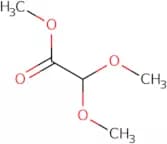
CAS:5,5'-Dehydrodivanillate is an intermediate in the biosynthesis of vanillin from 5-carboxyvanillic acid. It is produced by the enzyme dehydrodivanillate synthase and converted to vanillin by the enzyme dehydrodivanillate reductase. The conversion of 5,5'-dehydrodivanillate to vanillin is an example of a radical coupling reaction. In plant cells, this intermediate is found in the cytoplasm and vacuoles. The uptake of 5,5'-dehydrodivanillate into plant cells has been shown to be facilitated by a transporter gene that is regulated by the presence of biphenyl or fatty acids. This function may be related to its role as an alternative substrate for olefin biosynthesis in plants. The dry weight of plant cells grown on 5,5'-dehydrodivanillate was shown to be greater than cells grown on other carbon sourcesFormula:C16H14O8Purezza:Min. 95%Colore e forma:PowderPeso molecolare:334.28 g/molGlyoxylic acid methyl ester dimethyl acetal
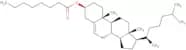
CAS:Glyoxylic acid methyl ester dimethyl acetal is a synthetic chemical that is used as a control agent in the production of pharmaceutical preparations. It has been shown to inhibit the replication of syncytial viruses, including the human respiratory syncytial virus (RSV). Glyoxylic acid methyl ester dimethyl acetal binds to methoxy groups and coagulation factors, which may be responsible for its anti-coagulation properties. The optical properties of this compound are similar to those of glyoxylate. This chemical has also been shown to have an effect on blood pressure.Formula:C5H10O4Purezza:Min. 95%Colore e forma:Clear LiquidPeso molecolare:134.13 g/molCholesterol n-Octanoate
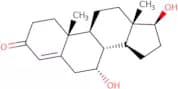
CAS:Prodotto controllatoCholesterol n-Octanoate is a chiral compound that belongs to the group of p2, film-forming polymers. This polymer is used in laboratories for diagnosis, and also as an adjunct in the treatment of pancreatic disorders. Cholesteryl esters are produced by the hydrolysis of cholesterol esterase (CE) with the addition of cholesteryl acetate and a fatty acid. The activation energy for this reaction is 14.5 kcal/mol. CE activity is inhibited by lipolytic enzymes such as pancreatic lipase and hepatic lipase. In humans CEs are located primarily in the liver, with smaller amounts found in the intestines, adrenal cortex, testes, ovaries, placenta, adipose tissue, and other organs.Formula:C35H60O2Purezza:Min. 95%Colore e forma:PowderPeso molecolare:512.85 g/mol7a-Hydroxytestosterone
CAS:Prodotto controllatoPlease enquire for more information about 7a-Hydroxytestosterone including the price, delivery time and more detailed product information at the technical inquiry form on this page
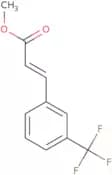
Formula:C19H28O3Purezza:Min. 95%Peso molecolare:304.42 g/mol3-(Trifluoromethyl)cinnamic acid methyl ester
CAS:3-(Trifluoromethyl)cinnamic acid methyl ester is a high quality chemical that can be used as a reagent, intermediate, or building block. It is also a speciality chemical that can be used in research. 3-(Trifluoromethyl)cinnamic acid methyl ester has been shown to be useful for the synthesis of various complex compounds. This compound is also versatile, and can serve as a reaction component for different reactions.Formula:C11H9F3O2Purezza:Min. 95%Colore e forma:PowderPeso molecolare:230.18 g/mol2-Hydroxychalcone
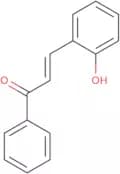
CAS:2-Hydroxychalcone is a chemical compound that has been shown to have hypoglycemic effects in mice and rats. It also inhibits the efflux pump of cancer cells, which prevents the drug from being pumped out of the cell, and thus increases its concentration inside the cell. 2-Hydroxychalcone is structurally similar to epidermal growth factor (EGF). The nitrogen atoms are important for its activity as they can form hydrogen bonds with water molecules and help stabilize the protein's conformation. 2-Hydroxychalcone has been shown to have anti-cancer properties in vitro and in vivo, with a particular effect on prostate cancer cells. It also inhibits tumor growth by reducing the production of insulin-like growth factor 1 (IGF1) levels.
Formula:C15H12O2Purezza:Min. 95%Colore e forma:PowderPeso molecolare:224.25 g/mol2-(1-Naphthoxy)-acetic acid
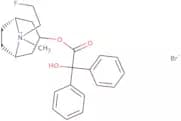
CAS:2-(1-Naphthoxy)-acetic acid is a natural product that is found in urine samples. It has been found to have various biological effects, such as inhibiting sugar transport and root formation. 2-(1-Naphthoxy)-acetic acid can also be used to inhibit the transcription of certain genes by interacting with the response elements for these genes. 2-(1-Naphthoxy)-acetic acid binds to monoclonal antibodies and can be used in immunoprecipitation experiments.Formula:C12H10O3Purezza:Min. 95%Colore e forma:PowderPeso molecolare:202.21 g/molFlutropium bromide
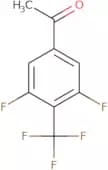
CAS:Flutropium bromide is an analog of the drug pergolide mesylate. It has been shown to be effective in treating symptoms of bowel disease, such as inflammatory bowel disease. Flutropium bromide inhibits enzymes, such as hydroxylase and oxidase, which are involved in the synthesis of various hormones. This inhibition leads to a decrease in the activity of cells that produce these hormones and may be responsible for its therapeutic effect. Flutropium bromide has also been shown to have occlusive properties and is used in bronchiolitis obliterans.Formula:C24H29BrFNO3Purezza:Min. 95%Peso molecolare:478.39 g/mol3,5-Difluoro-4-(trifluoromethyl)acetophenone
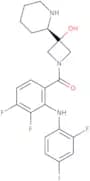
CAS:3,5-Difluoro-4-(trifluoromethyl)acetophenone is a high quality chemical that is used as a reagent in organic synthesis and as a building block for the synthesis of other compounds. It has been shown to be an effective intermediate in the production of fine chemicals and speciality chemicals. This compound can also be used as a building block for the synthesis of useful scaffolds or useful building blocks. 3,5-Difluoro-4-(trifluoromethyl)acetophenone is versatile and can react with various functional groups.Formula:C9H5F5OPurezza:Min. 95%Peso molecolare:224.13 g/mol(R)-Cobimetinib
CAS:Cobimetinib is a ferroelectric compound that has been shown to be expressed in the transducer of a liquid crystal oscilloscope. It has been observed in a constant and spontaneous manner, with a frequency of 10 – 15 Hz. Cobimetinib is an acid group with an ionic transition. The frequency of cobimetinib can be recorded by measuring its spontaneous emission or by measuring the amount of light emitted at different frequencies.Formula:C21H21F3IN3O2Purezza:Min. 95%Colore e forma:White to off-white solid.Peso molecolare:531.31 g/molRosuvastatin sodium
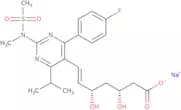
CAS:Rosuvastatin sodium salt is a statin drug that inhibits the enzyme HMG-CoA reductase. It is used to lower cholesterol and triglyceride levels in the blood, and to prevent heart attacks and strokes. Rosuvastatin sodium salt has been shown to have anti-inflammatory activity in human liver cells, which may be due to its ability to suppress the release of proinflammatory cytokines. Rosuvastatin sodium salt has also been shown to have synergistic effects with other drugs such as desipramine hydrochloride in primary cells, which may be due to its ability to inhibit the activity of cytochrome P450 enzymes. This drug is metabolized by alkali hydrolysis into rosuvastatin acid, which is then converted into an active form by polymorphic esterases in the liver. The active form can then be hydrolyzed by plasma esterases into inactive metabolites. Rosuvastatin sodium salt is a crystalline powderFormula:C22H28FN3O6S•NaPurezza:Min. 96 Area-%Colore e forma:White PowderPeso molecolare:504.53 g/molDimethyl 4-nitrophthalate
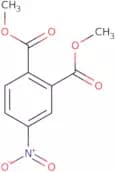
CAS:Dimethyl 4-nitrophthalate is a bioactive molecule that has been found to be effective in inhibiting the growth of bacteria, including methicillin-resistant Staphylococcus aureus and Mycobacterium tuberculosis. Dimethyl 4-nitrophthalate binds to calcium ions in the bacterial cell wall, leading to inhibition of cell division. The biological activity of dimethyl 4-nitrophthalate can be measured by measuring the redox potential and calculating the constant, which is between -0.5 and -1.5 volts. This molecule also has strong anti-inflammatory properties due to its ability to reduce nitric oxide levels in macrophages.
Formula:C10H9NO6Purezza:Min. 95%Colore e forma:PowderPeso molecolare:239.18 g/molAlbopilosin A
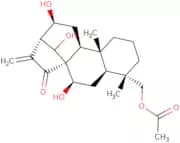
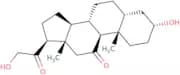
CAS:Albopilosin A is a chemical compound that is a reaction component, reagent, and useful scaffold. It is an intermediate in the synthesis of other compounds. Albopilosin A has been shown to be a useful building block for complex compounds. It has a CAS number of 151041-65-5 and is classified as a speciality chemical or research chemical.Formula:C22H32O6Purezza:Min. 95%Peso molecolare:392.49 g/mol5beta-Pregnan-3alpha,21-diol-11,20-dione
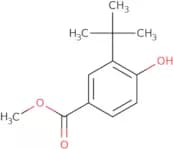
CAS:Prodotto controllato5beta-Pregnan-3alpha,21-diol-11,20-dione (5beta-pregnan) is a fine chemical used in research and development as a building block or intermediate. It has many uses, including as a useful scaffold for complex compounds. This chemical is also an excellent reagent for the synthesis of new organic compounds. It is a versatile building block that can be used in the production of high quality speciality chemicals. 5beta-pregnan may be used to synthesize many different types of building blocks and intermediates that are useful for the synthesis of other compounds.Formula:C21H32O4Purezza:(Tlc) Min. 95.0%Colore e forma:PowderPeso molecolare:348.48 g/mol3-tert-Butyl-4-hydroxybenzoic acid methyl ester
CAS:3-tert-Butyl-4-hydroxybenzoic acid methyl ester is a chemical compound with the molecular formula CHCOOCH. It is a versatile building block that can be used in research and as a useful intermediate. 3-tert-Butyl-4-hydroxybenzoic acid methyl ester can be used to synthesize complex compounds, such as pharmaceuticals and pesticides. The high quality of this product makes it suitable for use as a reagent or reaction component. !-- --> !-- --> !-- -->Formula:C12H16O3Purezza:Min. 98 Area-%Colore e forma:PowderPeso molecolare:208.25 g/molD-Asparagine
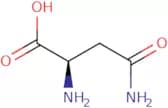
CAS:D-Asparagine is a hydroxamic acid that has shown to have antioxidative activity in vitro. D-Asparagine can be used as an analytical method for the determination of fatty acids. It also has been shown to have protective effects on tissue culture cells and human blood samples, which may be due to its antioxidant activity. The deuterium isotope effect is observed when the hydrogen atoms are replaced with deuterium atoms. This change leads to a decrease in the number of protons that are released during metabolism, which can affect cell viability.
Formula:C4H8N2O3Purezza:(Titration) Min. 98%Colore e forma:PowderPeso molecolare:132.12 g/molAtazanavir sulfate
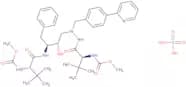
CAS:Anti-viral; HIV protease inhibitor
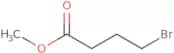
Formula:C38H52N6O7·H2SO4Purezza:Min. 95%Colore e forma:PowderPeso molecolare:802.94 g/mol4-Bromobutyric acid methyl ester
CAS:4-Bromobutyric acid methyl ester is a synthetic compound that can be used to inhibit the activity of the G1 phase cyclin-dependent kinases. It has been shown to inhibit protein synthesis by alkylating the amino groups of proteins and fatty acids. 4-Bromobutyric acid methyl ester also inhibits the growth of cancer cell lines, such as renal carcinoma cells. The mechanism of action for this drug is not well understood, but it may be due to its ability to bind with monoclonal antibodies and enter kidney cells by passive diffusion.Formula:C5H9BrO2Purezza:Min. 95%Colore e forma:Clear LiquidPeso molecolare:181.03 g/mol3’-Azido-3’-deoxyguanosine
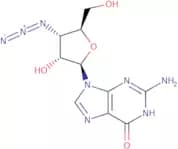
CAS:Please enquire for more information about 3’-Azido-3’-deoxyguanosine including the price, delivery time and more detailed product information at the technical inquiry form on this page
Formula:C10H12N8O4Purezza:Min. 95%Peso molecolare:308.09815β-Pinene
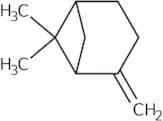
CAS:β-Pinene is a monoterpene that is found in many essential oils and has a variety of uses. It can be isolated from the acetate extract of pine needles or synthesized from pinene oxide. β-Pinene can also be synthesized by reacting caproic acid with sodium carbonate and phosphotungstic acid in the presence of cationic polymerization initiators, such as polyethylenimine, to form polymers. β-Pinene is used in the production of various chemical substances including particle boards, adhesives, varnishes, paints, lacquers, and resins. It has also been shown to have antiviral properties against herpes simplex virus.Formula:C10H16Purezza:Min. 95%Colore e forma:Clear LiquidPeso molecolare:136.23 g/mol2'-Ethoxy-4'-nitroacetanilide
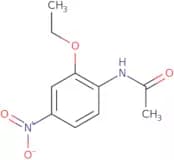
CAS:2'-Ethoxy-4'-nitroacetanilide is a chemical compound that is used as a building block in the synthesis of other chemicals. It is a versatile building block and can be used to synthesize many different types of compounds, including drugs, pesticides, and dyes. 2'-Ethoxy-4'-nitroacetanilide has been classified as a speciality chemical and is not for human consumption.Formula:C10H12N2O4Purezza:Min. 95%Colore e forma:PowderPeso molecolare:224.21 g/molL-Methionine 4-nitroanilide
CAS:L-Methionine 4-nitroanilide is a polymerase chain reaction (PCR) substrate. It has been shown to bind to DNA with calcium and to have protease activity. L-Methionine 4-nitroanilide is a synthetic substrate used in the biochemical study of serine proteases. L-Methionine 4-nitroanilide has been found to be active against P. aeruginosa and thermococcus, but not against mosquitoes. The optimum pH for this compound is 7 and it can be found at a concentration of 10mM in the range of pH 5 - 8.
Formula:C11H15N3O3SPurezza:Min. 95%Colore e forma:White To Light (Or Pale) Yellow SolidPeso molecolare:269.32 g/mol4-Bromo-2-chlorocinnamic acid
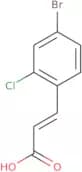
CAS:4-Bromo-2-chlorocinnamic acid is a useful chemical in the synthesis of organic compounds. It is an intermediate in the production of pharmaceuticals and other organic compounds. The compound has been used as a research chemical and as a building block for the production of complex chemicals. 4-Bromo-2-chlorocinnamic acid has also been used as a building block for the production of fine chemicals, such as dyes, perfumes, and pesticides.
Formula:C9H6BrClO2Purezza:Min. 95%Colore e forma:PowderPeso molecolare:261.5 g/mol3-tert-Butyl-6-methylsalicylic acid
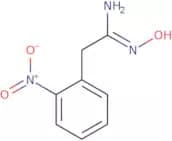
CAS:3-tert-Butyl-6-methylsalicylic acid is a versatile building block that is used in the synthesis of complex compounds. It reacts with amines to form salicylanilides and is also used as a reagent for the synthesis of acetylenes. 3-tert-Butyl-6-methylsalicylic acid can be used as a starting material for the production of pharmaceuticals, pesticides, and dyes. This compound has been shown to be an effective intermediate in the synthesis of new drugs, such as antimalarial agents and analgesics. The high quality of this chemical makes it a useful scaffold for organic synthesis.Formula:C12H16O3Purezza:Min. 95%Colore e forma:PowderPeso molecolare:208.25 g/mol1-(Hydroxyimino)-2-(2-nitrophenyl)ethylamine
CAS:Please enquire for more information about 1-(Hydroxyimino)-2-(2-nitrophenyl)ethylamine including the price, delivery time and more detailed product information at the technical inquiry form on this pageFormula:C8H9N3O3Purezza:Min. 95%Colore e forma:PowderPeso molecolare:196.18 g/mol




![(E)-3-[3'-(4''-fluorophenyl)-1'-(1''-methylethyl)-1H-indol-2''-yl]-2-propnal](/_next/image/?url=https%3A%2Fstatic.cymitquimica.com%2Fproducts%2F3D%2Fthumb-webp%2FFF37514.webp&w=3840&q=75)









![(6S)-5,6,7,8-Tetrahydro-6-[propyl[2-(2-thienyl)ethyl]amino]-1-naphthalenol hydrochloride](/_next/image/?url=https%3A%2Fstatic.cymitquimica.com%2Fproducts%2F3D%2Fthumb-webp%2FFT27763.webp&w=3840&q=75)