Standard farmaceutici
Gli standard farmaceutici sono un insieme completo di materiali di riferimento essenziali per garantire la sicurezza, l'efficacia e la qualità dei prodotti farmaceutici. Questa categoria include standard per ingredienti farmaceutici attivi (API), che sono i componenti principali responsabili degli effetti terapeutici. Inoltre, copre composti e metaboliti rilevanti sia per l'industria farmaceutica che veterinaria, fornendo punti di riferimento per la misurazione e l'analisi precisa di queste sostanze. Gli standard di controllo delle nitrosammine sono cruciali per rilevare e mitigare le nitrosammine potenzialmente dannose nelle formulazioni di farmaci. Gli standard di tossicologia aiutano a valutare la sicurezza e i potenziali effetti avversi dei composti farmaceutici. Inoltre, gli standard per attivatori e inibitori enzimatici sono vitali per la ricerca e lo sviluppo, consentendo studi precisi delle vie biochimiche e dei meccanismi d'azione dei farmaci. Questi standard farmaceutici sono strumenti indispensabili per la conformità normativa, il controllo di qualità e la ricerca, garantendo che i prodotti farmaceutici soddisfino rigorosi criteri di sicurezza ed efficacia.
Sottocategorie di "Standard farmaceutici"
- APIs per la ricerca e le impurità(274.995 prodotti)
- Attivatori e inibitori enzimatici(2.827 prodotti)
- Nitrosamine(2.606 prodotti)
- Composti e metaboliti farmaceutici e veterinari(2.880 prodotti)
- Tossicologia(13.652 prodotti)
Trovati 7836 prodotti di "Standard farmaceutici"
Ordinare per
Purezza (%)
0
100
|
0
|
50
|
90
|
95
|
100
Cinnamoyl chloride
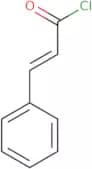
CAS:Cinnamoyl chloride is an organic compound that can be synthesized in an asymmetric fashion. It is a metabolite of cinnamoyl-CoA and has been shown to have photochemical properties. Cinnamoyl chloride has also been shown to inhibit the growth of cervical cancer cells. This compound also has hydroxyl groups, which may act as an amide or receptor activator. Cinnamoyl chloride may be used for the treatment of infectious diseases such as chlamydia and mycoplasma.Formula:C9H7ClOPurezza:Min. 95%Colore e forma:Slightly Yellow PowderPeso molecolare:166.6 g/mol7-Hydroxynaphthalene-1-sulfonic acid
CAS:7-Hydroxynaphthalene-1-sulfonic acid is a chemical compound with the formula HNSO. It is an organic compound and a proton acceptor. The conjugate base of 7-hydroxynaphthalene-1-sulfonic acid has a strong absorption band in the ultraviolet region. In DMF solution, the reaction of 7-hydroxynaphthalene-1-sulfonic acid with formamide, hydroxy, and nitrogen atoms produces a product that has been characterized by photoexcitation and kinetic studies. The proton transfer process from formamide to 7-hydroxynaphthalene-1-sulfonic acid was found to be exponential and followed first order kinetics. The protonation constant for this process was determined to be 8.4 x 10 M/equivalent. 7HNSO can also act as an electron acceptor in dimethylsulphoxide (DMSO) solutionPurezza:Min. 95%3-Hydroxy-2-nitropyridine
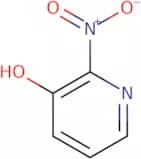
CAS:3-Hydroxy-2-nitropyridine is a chemical compound that has been shown to be an inhibitor of nicotinic acetylcholine receptor. The compound has been found to have luminescence properties and can be used as a fluorescent probe in the study of molecular recognition processes. 3-Hydroxy-2-nitropyridine is also an effective antimicrobial agent and has been shown to have clinical potential for the treatment of neurodegenerative diseases such as Parkinson's disease, Alzheimer's disease, and Huntington's disease. It binds to the nicotinic acetylcholine receptor by forming hydrogen bonds with functional groups on the receptor surface. This binding prevents the agonist from binding and activating the ion channel that leads to depolarization of nerve cells. 3-Hydroxy-2-nitropyridine also reacts with chloride ions in order to form hydrochloric acid, which then inhibits microbial growth by altering their cell membrane permeability. The reaction yield is determinedFormula:C5H4N2O3Purezza:Min. 95%Peso molecolare:140.1 g/molCholesterol butyrate
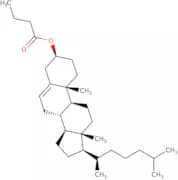
CAS:Prodotto controllatoCholesterol butyrate is a fatty acid that has been shown to have antimicrobial activity against Lactobacillus acidophilus. It is also used as a treatment for trigeminal neuralgia and bowel disease. Cholesterol butyrate has been shown to inhibit the growth of cancer cells in vitro by inducing apoptosis. This compound may be effective in the treatment of cancer due to its photostability and ability to bind with lipoproteins and other compounds, which leads to an increased concentration of cholesterol butyrate at the site of inflammation. Cholesterol butyrate has also been shown to be effective in preventing inflammatory bowel disease by inhibiting prostaglandin synthesis.Formula:C31H52O2Purezza:Min. 95%Colore e forma:PowderPeso molecolare:456.74 g/molAc-Tyr-Val-Lys(biotinyl)-Asp-2,6-dimethylbenzoyloxymethylketone
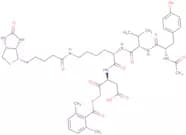
CAS:Ac-Tyr-Val-Lys(biotinyl)-Asp-2,6-dimethylbenzoyloxymethylketone belongs to a group of active compounds and is a cleavage product of the caspase family. It has been shown to induce apoptosis in kidney cells by cleaving the polymeric form of the protein caspase 3, which is induced by viral infection or bacterial infection. This compound is used for coinfection with HIV and HCV. Ac-Tyr-Val-Lys(biotinyl)-Asp-2,6-dimethylbenzoyloxymethylketone can also be used for detecting apoptosis in other types of cells such as erythrocytes and neutrophils.Formula:C46H63N7O12SPurezza:Min. 95%Peso molecolare:938.1 g/mol(7-Diethylaminocoumarin-3-yl)carbonyl-Amyloid b-Protein (1-40) trifluoroacetate salt
CAS:<p>Please enquire for more information about (7-Diethylaminocoumarin-3-yl)carbonyl-Amyloid b-Protein (1-40) trifluoroacetate salt including the price, delivery time and more detailed product information at the technical inquiry form on this page</p>Formula:C208H308N54O61SPurezza:Min. 95%Peso molecolare:4,573.06 g/molBiotinyl-Tyr-Val-Ala-Asp-chloromethylketone
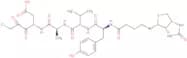
CAS:Please enquire for more information about Biotinyl-Tyr-Val-Ala-Asp-chloromethylketone including the price, delivery time and more detailed product information at the technical inquiry form on this pageFormula:C32H45ClN6O9SPurezza:Min. 95%Peso molecolare:725.25 g/molTricresyl phosphate (mixture of isomers)
CAS:Tricresyl phosphate is a mixture of three isomers that are used as corrosion inhibitors. It has been shown to inhibit the activity of a number of enzymes, including those that metabolize xenobiotics, such as p-hydroxybenzoic acid esterase and phospholipase A2. Tricresyl phosphate also decreases the mitochondrial membrane potential and induces mitochondrial dysfunction in neurons. Tricresyl phosphate is used in wastewater treatment to prevent corrosion, due to its high resistance to water vapor. It also acts as an inhibitor for metal hydroxides, zirconium oxide, or copper chloride at temperatures below 100°C. This compound has been shown to have synergistic effects with other materials, such as copper chloride and trichloroethylene (TCE).Formula:C21H21O4PPurezza:Min. 95%Colore e forma:Colorless Clear LiquidPeso molecolare:368.36 g/molEnterostatin (human, mouse, rat) acetate salt
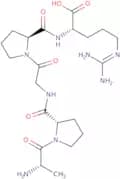
CAS:Enterostatin is a peptide hormone that inhibits the release of insulin, gastric acid and pancreatic juices. Enterostatin has been shown to have a number of biological properties, including an anti-obesity effect in humans. In mice, enterostatin has been shown to decrease food intake, increase energy expenditure and weight loss. Enterostatin also decreases the levels of serum cholesterol and triglycerides in rats. This drug has a number of pharmacological activities including inhibition of platelet aggregation and vasodilation. Enterostatin is related to peptide hormones such as ghrelin, which stimulates appetite, and cholecystokinin (CCK), which reduces appetite. It may be used as an alternative treatment for obesity or metabolic disorders like diabetes mellitus type 2 or hyperlipidaemia.Formula:C21H36N8O6Purezza:Min. 95%Peso molecolare:496.56 g/molFmoc-L-aspartic acid β-allyl ester
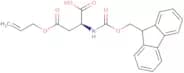
CAS:Fmoc-L-aspartic acid beta-allyl ester is a specific interaction between an amide and an enzyme target. It has been shown to have anti-inflammatory properties by inhibiting the activity of COX-2, which inhibits the production of prostaglandins. Fmoc-L-aspartic acid beta-allyl ester is a cyclic peptide with a lactam ring system that has been synthesized in a stepwise manner on a solid phase. This molecule interacts with cell line A549 and blocks the proliferation of cancer cells. Fmoc-L-aspartic acid beta-allyl ester also contains a disulfide bond that stabilizes its structure.Formula:C22H21NO6Purezza:Min. 95%Peso molecolare:395.41 g/mol2,4'-Dichlorochalcone
CAS:<p>2',4'-Dichlorochalcone is a chalcone that has been stabilized by the attachment of two chlorine atoms. The crystal structure of 2',4'-Dichlorochalcone contains intermolecular hydrogen bonds and dihedral angles. The molecule also has intramolecular hydrogen bonds and dihedral angles, which are formed by the propenone and benzene groups. 2',4'-Dichlorochalcone can be used to create new drugs for antifungal, anti-inflammatory, or anti-cancer treatments.</p>Formula:C15H10Cl2OPurezza:Min. 95%Colore e forma:PowderPeso molecolare:277.14 g/molType A Allatostatin I
CAS:Type A Allatostatin I is a fatty acid that is synthesized in the liver and binds to the G protein-coupled receptor, alpha-MSH. Allatostatin I inhibits fatty acid synthesis and has been shown to have a protective effect on hepatic steatosis caused by methanol solvent exposure. It also has insecticidal properties which may be due to its ability to inhibit chitin synthesis in insects. Moreover, Type A Allatostatin I has shown ecological effects as an inhibitor of polymerase chain reactions (PCRs) for DNA replication. This compound also inhibits RNA synthesis in vitro at physiological levels. Type A Allatostatin I has been shown to be an endogenous factor that plays a role in obesity and diabetes, as well as its pathogenic mechanism.Formula:C61H94N18O16Purezza:Min. 95%Peso molecolare:1,335.51 g/molEndotrophin (mouse) trifluoroacetate salt
CAS:A carboxyl-terminal cleavage product of collagen 6 alpha-3 chain which is produced and released by adipocytes and massively upregulated in malignant tumors of breast, liver colon and pancreas. Endotrophin provides a link between obesity and aggressive tumor growth and may serve as sensitive diagnostic marker and valid therapeutic target for designing better strategies to treat cancer and ameliorate obesity-induced insulin resistance.Formula:C345H520N92O106S7Purezza:Min. 95%Peso molecolare:7,876.84 g/molo-Cresol-4-sulphonic acid
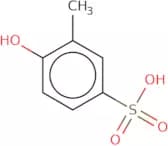
CAS:o-Cresol-4-sulphonic acid is a fine chemical with the CAS number 7134-04-5. It is a versatile building block that can be used as a reagent in research, as a speciality chemical and as an intermediate in the production of other compounds. o-Cresol-4-sulphonic acid has been used to synthesize pharmaceuticals, agrochemicals, dyes, perfumes and many more products. This compound has also been used as a reaction component in organic synthesis to form new compounds and scaffolds.Formula:C7H8O4SPurezza:Min. 95%Colore e forma:PowderPeso molecolare:188.2 g/mol6-Hydroxytropinone
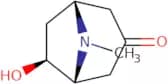
CAS:<p>6-Hydroxytropinone is a synthetic compound that is used in the synthesis of anisodamine and nicotinic acetylcholine. It has been shown to have a high activation energy, and can be synthesized from camphor and sodium carbonate. 6-Hydroxytropinone reacts with hydrochloric acid and gel chromatography to produce tropone, which is then reacted with chloride to produce the desired product. This chemical has been studied clinically for its effects on nicotinic acetylcholine, but it has not been fully studied for toxicity.</p>Formula:C8H13NO2Purezza:Min. 95%Peso molecolare:155.19 g/molThymosin β4 (16-38)
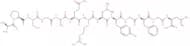
CAS:Thymosin beta4 (16-38) is a synthetic peptide that has been deprotected with trifluoroacetic acid. This peptide has impaired potency and is not suitable for blastogenic activity. It is synthesized by the removal of the C-terminal amino acid, which is an N-acetylated lysine, from the native protein thymosin beta4.Formula:C118H204N32O41Purezza:Min. 95%Peso molecolare:2,727.07 g/mol4-(2',4'-Dimethoxyphenyl-Fmoc-aminomethyl)-phenoxymethyl-polystyrene resin (200-400 mesh)
Please enquire for more information about 4-(2',4'-Dimethoxyphenyl-Fmoc-aminomethyl)-phenoxymethyl-polystyrene resin (200-400 mesh) including the price, delivery time and more detailed product information at the technical inquiry form on this pagePurezza:Min. 95%Thiogeraniol
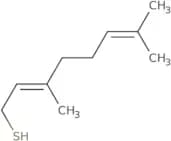
CAS:<p>Thiogeraniol is a dibutyl, caproic acid and fatty acid that belongs to the group of terpenes. It has antioxidative properties, which have been shown to prevent cavities in rats. Thiogeraniol also has an acidic pH of 2.5, which may be due to its hydroxyl group and structural formula. This compound may also have antioxidant properties due to its hydroxyl group and structural formula. Thiogeraniol has been shown to inhibit oxidative DNA damage in rats by increasing glutathione levels and inhibiting lipid peroxidation.</p>Formula:C10H18SColore e forma:Clear LiquidPeso molecolare:170.32 g/molBiotinyl-Somatostatin-14
CAS:Please enquire for more information about Biotinyl-Somatostatin-14 including the price, delivery time and more detailed product information at the technical inquiry form on this pageFormula:C86H118N20O21S3Purezza:Min. 95%Peso molecolare:1,864.18 g/mol4-Chloro-3-nitrophenacylbromide
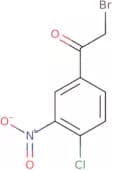
CAS:<p>4-Chloro-3-nitrophenacylbromide is a synthetic compound that has been shown to be effective against cancer cells in vitro. In the presence of light, this substance emits a bright green fluorescence, which is useful for imaging. The synthesis of 4-Chloro-3-nitrophenacylbromide can be achieved by solid phase methods and chemosynthesis. Spirocyclic amines are used as building blocks for the synthesis of this product. This process leads to functionalization strategies with high levels of chirality and drug development.</p>Formula:C8H5BrClNO3Purezza:Min. 95%Colore e forma:PowderPeso molecolare:278.49 g/mol