Standard farmaceutici
Sottocategorie di "Standard farmaceutici"
- APIs per la ricerca e le impurità(277.372 prodotti)
- Attivatori e inibitori enzimatici(2.829 prodotti)
- Nitrosamine(2.663 prodotti)
- Composti e metaboliti farmaceutici e veterinari(2.891 prodotti)
- Tossicologia(13.353 prodotti)
Trovati 8146 prodotti di "Standard farmaceutici"
L-Methionine-S-methyl sulfonium chloride
CAS:Methionine-S-methyl sulfonium chloride is a methionine analog that is used as a dietary supplement. It has been shown to inhibit the synthesis of prostaglandins in animals, which may be due to its inhibition of arachidonic acid release. Methionine-S-methyl sulfonium chloride also inhibits UVB-induced erythema and uvb-induced reactions in animals. This drug is metabolized by the enzyme methionine adenosyltransferase, which converts it into S-adenosylmethionine (SAM). SAM is a methyl donor for DNA methylation and other methylation reactions. Methionine-S-methyl sulfonium chloride may have a physiological effect on plants through its effects on their metabolism, especially with respect to their growth rate and nutrient uptake.Formula:C6H14ClNO2SPurezza:Min. 95 Area-%Colore e forma:White PowderPeso molecolare:199.7 g/mol5-Bromothiophene-2-carboxylic acid methyl ester
CAS:5-Bromothiophene-2-carboxylic acid methyl ester is an alkene that is used in the synthesis of molybdenum trioxide and other polyhalogenated compounds. It can be prepared by alkylation of 5-bromothiophene with ethyl bromoacetate in the presence of carbon tetrachloride and a halide, such as bromine. The use of photophysical optimization has been shown to significantly improve the yield of this reaction. The reactive nature of 5-bromothiophene-2-carboxylic acid methyl ester makes it suitable for use in organic synthesis. This compound has been shown to have a positive effect on bone mass, which may be due to its ability to inhibit osteoclasts, reducing the activity of these cells that break down bone tissue.Formula:C6H5BrO2SPurezza:Min. 95%Colore e forma:PowderPeso molecolare:221.07 g/molDimethyl 3,3'-thiodipropanoate
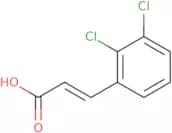
CAS:Dimethyl 3,3'-thiodipropanoate is a crystalline compound that belongs to the group of carboxylic acid. It has a molecular formula of C6H12O2S and a molecular weight of 154.16 g/mol. Dimethyl 3,3'-thiodipropanoate is soluble in hydrochloric acid, monocarboxylic acid, polybasic acids and particle radiation. The type species of this compound is Dimethyl 3-methyl-1-phenylpropane-1,3-dione. This substance has been shown to have inhibitory effects on cancer cells and can be used as an anti-cancer drug. The mechanism of action for this compound is not fully understood but it may be due to its ability to inhibit fatty acid synthesis by binding to the enzyme enoyl coenzyme A (CoA) reductase.Formula:C8H14O4SPurezza:Min. 95%Colore e forma:Colorless Clear LiquidPeso molecolare:206.26 g/mol2,3-Dichlorocinnamic acid
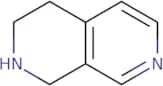
CAS:2,3-Dichlorocinnamic acid is an organic compound that can be synthesized in a multistep process involving the reaction of pyridine with sulfuryl chloride. This reaction forms 2,3-dichloropropiophenone and 2,3-dichloroacetophenone. The latter compound is converted to the desired product by reacting it with thionyl chloride. The final step involves hydrolysis of the ester group to form 2,3-dichlorocinnamic acid. 2,3-Dichlorocinnamic acid can also be synthesized from phenylpropiolic acid and chlorosulfuric acid or from methyl propiolate and chlorosulfuric acid. 2,3-Dichlorocinnamic acid is a white crystalline solid that melts at 155°C and boils at 287°C. It is soluble in water and has a low yield due toFormula:C9H6Cl2O2Purezza:Min. 95%Peso molecolare:217.05 g/mol1,2,3,4-Tetrahydro-2,7-naphthyridine
CAS:1,2,3,4-Tetrahydro-2,7-naphthyridine (1,2,3,4-THN) is a synthetic compound that can be made by the cross-coupling of an aryl halide with an organometallic reagent. It is used in the synthesis of polymers and as a precursor for pharmaceuticals. The reaction proceeds in two steps; first, deprotonation of the imine to form an enamine intermediate followed by intramolecular cyclization to produce 1,2,3,4-THN. This compound is hydrolyzed under acidic conditions to release methyl iodide and ammonia.
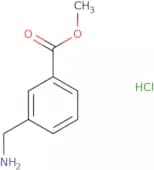
Formula:C8H10N2Purezza:Min. 95.0 Area-%Colore e forma:Clear LiquidPeso molecolare:134.18 g/mol(3-Aminomethyl)benzoic acid methyl ester HCl
CAS:3-Aminomethylbenzoic acid methyl ester HCl is a fine chemical that is used as a reagent for the synthesis of other compounds. It is also a versatile building block, which can be used to make many different compounds. 3-Aminomethylbenzoic acid methyl ester HCl has been demonstrated to be a useful intermediate in the synthesis of various pharmaceuticals, such as metoclopramide and clozapine. 3-Aminomethylbenzoic acid methyl ester HCl is also a useful scaffold for research chemicals, such as 4-amino-N-(2-hydroxyethyl)benzenesulfonamide or N-[3-(aminomethyl)phenyl]acetamide.Formula:C9H11NO2·HClPurezza:Min. 95%Colore e forma:PowderPeso molecolare:201.65 g/mol3,3'-Diindolyl
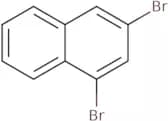
CAS:3,3'-Diindolyl is a molecule that belongs to the class of oxindoles. Oxindoles are bioactive molecules that are formed by the reduction of 3,3'-dihydroxyindole (oxindole). The borohydride reduction of 3,3'-dihydroxyindole yields 3,3'-diindolyl. It has been shown to have anti-inflammatory properties and can be used for the treatment of inflammatory diseases such as congestive heart failure. 3,3'-Diindolyl is also an acidic compound and therefore can be used as an acidic buffer in pharmacopeia. It reacts with peroxide to form an aldehyde after oxidation. This reaction is catalyzed by sodium borohydride reduction or hydrogen peroxide. The borohydride reduction of 3,3'-diindolyl yields 2-hydroxy-1-(2-hydroxyethyl) indole (oxindole).Formula:C16H12N2Purezza:Min. 95%Colore e forma:PowderPeso molecolare:232.28 g/mol1,3-Dibromonaphthalene
CAS:1,3-Dibromonaphthalene is a brominated derivative of naphthalene. It can be synthesized by reacting methoxy with chloride in the presence of a base (e.g., sodium hydroxide) and brominating the resulting 1,2-dibromoethane with bromine. The compound has been used as an analytical standard for natural gas and has been shown to have good trackability. 1,3-Dibromonaphthalene is used in research, primarily as a precursor to other compounds that are more reactive or less toxic. This molecule has been shown to undergo elimination reactions with alcohols and phenols, which can be useful for synthesis of other molecules. Synopses are available for this molecule at the following links: a) https://pubchem.ncbi.nlm.nih.gov/compound/1,3-Dibromonaphthalene#section=SynonymsFormula:C10H6Br2Purezza:Min. 95%Colore e forma:PowderPeso molecolare:285.96 g/mol3-Fluoro-DL-tyrosine
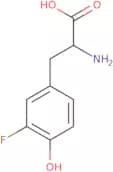
CAS:3-Fluoro-DL-tyrosine is a model system for the study of tyrosine transfer reactions. It is used to study the reaction mechanism and kinetics of tyrosine transfer from a donor molecule to an acceptor molecule. 3-Fluoro-DL-tyrosine reacts with trifluoroacetic acid to form 3,4-dihydroxybenzoic acid, which is a chemical analog of tyrosine. The hydroxyl group on this molecule can react with the proton on the amino acid side chain, forming a covalent bond that does not break down under normal conditions. This reaction is reversible and has been shown to be catalyzed by polymerase chain reactions (PCR).
Formula:C9H10FNO3Purezza:Min. 95%Colore e forma:PowderPeso molecolare:199.18 g/molEthyl 2,4,6-trimethoxycinnamate
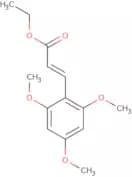
CAS:Ethyl 2,4,6-trimethoxycinnamate is a fine chemical that is a useful scaffold for the synthesis of other compounds. It is used as a versatile building block in the synthesis of research chemicals and as an intermediate in the production of speciality chemicals. This compound has been shown to be highly reactive. Ethyl 2,4,6-trimethoxycinnamate can be used as an effective reagent or reaction component in organic chemistry.Formula:C14H18O5Purezza:90%Colore e forma:PowderPeso molecolare:266.29 g/mol7-Cyano-7-deaza-2’-deoxyguanosine
CAS:7-Cyano-7-deaza-2’-deoxyguanosine is a pyrrole nucleoside analog that has been shown to inhibit the replication of herpes simplex virus type 1 and 2 in human cell lines. 7-Cyano-7-deaza-2’-deoxyguanosine is a synthetic nucleoside analog that is structurally similar to deoxyadenosine, but with a cyanide group instead of an oxygen atom. This compound has been shown to have the same biochemical properties as deoxyadenosine, including inhibiting the incorporation of uridine into RNA and DNA. In addition, 7-Cyano-7-deaza-2’-deoxyguanosine inhibits the synthesis of proteins from amino acids by competitive inhibition of ribonucleotide reductase, which catalyzes the conversion of ribonucleotides to deoxyribonucleotides. The enzyme's functionFormula:C12H13N5O4Purezza:Min. 95%Colore e forma:PowderPeso molecolare:291.26 g/mol(-)-α-Bisabolol
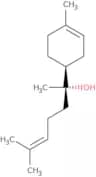
CAS:(-)-α-Bisabolol is a natural compound that can be found in chamomile, which is used as an herbal tea. This compound has been shown to have apoptosis-inducing effects in Candida glabrata, which may be due to its ability to reduce the mitochondrial membrane potential and inhibit protein synthesis. (-)-α-Bisabolol also has anti-inflammatory properties and can inhibit amoeba growth by inhibiting farnesol production.
Formula:C15H26OPurezza:Min. 93 Area-%Colore e forma:Colorless Clear LiquidPeso molecolare:222.37 g/mol3’,5’-Bis-O-benzoyl-2’-deoxy-2’-fluoro-β-D-arabino-6-azidouridine
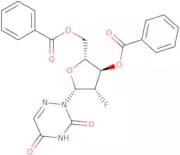
CAS:Please enquire for more information about 3’,5’-Bis-O-benzoyl-2’-deoxy-2’-fluoro-beta-D-arabino-6-azidouridine including the price, delivery time and more detailed product information at the technical inquiry form on this pagePurezza:Min. 95%2,2'-Thenoin
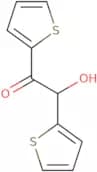
CAS:2,2'-Thenoin is a potent inhibitor of the enzyme thiophene 2,3-dioxygenase (TDO) and also inhibits other enzymes related to the benzoin condensation. It has been shown to be a potent inhibitor of TDO in both in vitro and in vivo studies. 2,2'-Thenoin was found to inhibit the formation of ATP by inhibiting the activity of ATP synthase. This drug also inhibits other enzymes related to the benzoin condensation and can be used for treating cancer. The 2,2'-thenoin analogs have shown potential as anti-cancer drugs that target DNA synthesis.
Formula:C10H8O2S2Purezza:Min. 95%Colore e forma:PowderPeso molecolare:224.3 g/mol1-(4-Bromophenyl)ethanone
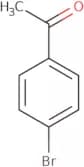
CAS:4'-Bromoacetophenone is an organic molecule with the chemical formula C6H4BrO. It can be synthesized by a variety of methods, including the reaction of benzene and trifluoroacetic acid in the presence of palladium catalysts, or by coupling acetophenone with phosphorus pentachloride. This compound has a high melting point (87-88 °C) and boiling point (280 °F). 4'-Bromoacetophenone has been shown to react with hydrogen fluoride to produce 4-bromoaniline. The molecular structure of this compound consists of a phenyl ring attached to two carbon atoms and one bromine atom. The molecular formula for 4'-bromoacetophenone is C6H3BrO. The nmr spectrum shows that this molecule contains three different types of protons: methyl, methoxy, and hydroxyl groups.Formula:C8H7BrOPurezza:Min. 95%Colore e forma:PowderPeso molecolare:199.04 g/molL-Aspartic acid b-benzyl ester
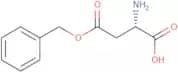
CAS:L-Aspartic acid b-benzyl ester (L-ABE) is a cytostatic drug that is biodegradable and can be used in a variety of animal species. It has been shown to inhibit the growth of cancer cells in vitro and in vivo, as well as micelles. L-ABE inhibits the action of dehydroascorbic acid reductase, an enzyme that reduces dehydroascorbic acid to ascorbic acid. This inhibition leads to an increase in the concentration of dehydroascorbic acid, which may cause cell death by damaging DNA. L-ABE also has been shown to inhibit P-glycoprotein (Pgp), leading to increased accumulation of anticancer drugs such as doxorubicin, which can lead to cell death.Formula:C11H13NO4Purezza:Min. 95%Colore e forma:White PowderPeso molecolare:223.23 g/molBis(4-Nitrophenyl)phosphoric acid sodium
CAS:Bis(4-nitrophenyl)phosphoric acid sodium is a synthetic compound that has been used as an antibiotic. It is a nitro group donor and may be oxidized to p-nitrophenol phosphate. Bis(4-nitrophenyl)phosphoric acid sodium inhibits bacterial growth by binding to the 30S ribosomal subunit, which prevents protein synthesis and cell division. The rate constant of this reaction has been determined using x-ray diffraction data obtained on crystals of the product with signal peptide. Bis(4-nitrophenyl)phosphoric acid sodium also has biochemical properties, such as pyrazinoic acid formation and polymerase chain reactions, which have been reported in recombinant cytochrome P450s from rat liver microsomes. The disulfide bond coordination geometry and mechanism of the reaction are still unknown but it is thought that the reaction proceeds through a single electron transfer mechanism.Formula:C12H9N2O8P·NaPurezza:Min. 95%Colore e forma:White PowderPeso molecolare:363.17 g/mol4,4'-Diethyl-2,2'-bipyridine
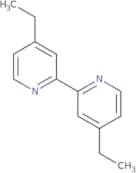
CAS:Please enquire for more information about 4,4'-Diethyl-2,2'-bipyridine including the price, delivery time and more detailed product information at the technical inquiry form on this pageFormula:C14H16N2Purezza:Min. 95%Colore e forma:PowderPeso molecolare:212.29 g/molFmoc-L-threoninol
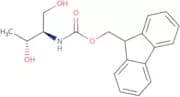
CAS:Fmoc-L-threoninol is a conjugate of L-threoninol with a protecting group, Fmoc. It is synthesized by the solid-phase method on an activated resin and then cleaved from the resin to give the desired product. The linker used in this synthesis is succinic acid diacetate. This compound has been shown to have anti-inflammatory effects in human serum, which may be due to its ability to inhibit prostaglandin synthesis.Formula:C19H21NO4Purezza:Min. 95%Colore e forma:PowderPeso molecolare:327.37 g/mol4,4'-Dinitro-2,2'-bipyridine-N,N'-dioxide - crude
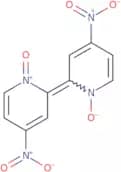
CAS:4,4'-Dinitro-2,2'-bipyridine-N,N'-dioxide is a fine chemical with a high quality. It is a versatile building block with a wide range of applications in research and as a reagent. The compound is used in the synthesis of organic compounds and many other products. This product can be used as an intermediate for the production of more complex compounds or scaffolds. 4,4'-Dinitro-2,2'-bipyridine-N,N'-dioxide has been shown to be useful in the synthesis of pharmaceuticals and agrochemicals.Formula:C10H6N4O6Purezza:Min. 95%Colore e forma:Yellow PowderPeso molecolare:278.18 g/molFmoc-3-nitro-L-tyrosine
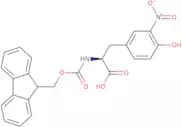
CAS:Fmoc-3-nitro-L-tyrosine is an intermediate in the synthesis of a fluorogenic substrate for the determination of tyrosine residues in peptides by reverse phase high performance liquid chromatography (RP-HPLC). The product is synthesized by solid phase methods. Fmoc-3-nitro-L-tyrosine is prepared by reacting 3,4,5,6-tetrafluoroacetophenone with L-tyrosine in piperidine. The product can be cleaved to yield the residues and hydroxyl groups. The fluorogenic nature of Fmoc-3-nitro-L-tyrosine enables it to be used as a quenching reagent for the fluorescence of other compounds. This product can also be modified to become fluorescent or enzymatically active.Formula:C24H20N2O7Purezza:Min. 95%Colore e forma:PowderPeso molecolare:448.42 g/molPenicillin G procaine
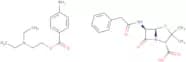
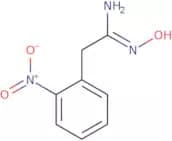
CAS:Prodotto controllatoPenicillin G procaine is a form of penicillin that is commonly used to treat bacterial infections. It is a prodrug that undergoes hydrolysis in the body to release penicillin, its active form. Penicillin G procaine has been shown to be effective against Streptococcus pyogenes, which causes streptococcal pharyngitis, and other bacteria that are sensitive to penicillin. Penicillin G procaine is less toxic than other forms of penicillin and has minimal side effects. The pharmacological effects of the drug are due primarily to the inhibition of bacterial cell wall synthesis by binding to peptidoglycan precursors and blocking their cross-linking. The concentration–time curve for penicillin G procaine shows that it has a long half-life in humans, making it suitable for continuous treatment in patients with chronic infections.Formula:C16H18N2O4S·C13H20N2O2Purezza:Min. 95%Peso molecolare:570.7 g/mol1-(Hydroxyimino)-2-(2-nitrophenyl)ethylamine
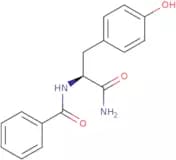
CAS:Please enquire for more information about 1-(Hydroxyimino)-2-(2-nitrophenyl)ethylamine including the price, delivery time and more detailed product information at the technical inquiry form on this pageFormula:C8H9N3O3Purezza:Min. 95%Colore e forma:PowderPeso molecolare:196.18 g/molBenzoyl-L-tyrosine amide
CAS:Benzoyl-L-tyrosine amide is a reaction intermediate that is a competitive inhibitor of serine proteases. It binds to the active site of the enzyme and inhibits the breakdown of proteins by blocking the access of other reactants. Benzoyl-L-tyrosine amide has been shown to inhibit proteolytic activity in subtilis, an enzyme isolated from Bacillus licheniformis. The amino acid composition and binding properties are similar to those found in natural substrates. Benzoyl-L-tyrosine amide has been synthesized and its binding affinity towards histidine residues has been determined by titration calorimetry and fluorophosphate assay.Formula:C16H16N2O3Purezza:Min. 95%Colore e forma:PowderPeso molecolare:284.31 g/mol2,2'-Azino-bis(3-ethylbenzothiazoline-6-sulfonic acid) diammonium salt
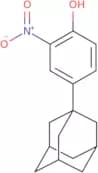
CAS:ABTS can be used as a peroxidase substrate that gives a metastable cation when in the presence of H2O2. 2,2'-Azino-bis (3-ethylbenzothiazoline-6-sulfonic acid) or ABTS is commonly used in the enzyme-linked immunosorbent assay (ELISA). ABTS is chosen because the enzyme facilitates the reaction to give a green end-product with an absorbance maximum of 420nm and can therefore be detected with a spectrophotometer.Formula:C18H24N6O6S4Purezza:Min. 98.0 Area-%Colore e forma:PowderPeso molecolare:548.68 g/mol4-(1-Adamantyl)-2-nitrophenol
CAS:4-(1-Adamantyl)-2-nitrophenol is a versatile building block that can be used to construct complex compounds. It is a research chemical that can be used as a reagent, as well as in the synthesis of pharmaceuticals and other chemicals. 4-(1-Adamantyl)-2-nitrophenol is soluble in water and ethanol, and has an odorless and colorless appearance. This chemical can be found under the CAS number 32599-84-1.
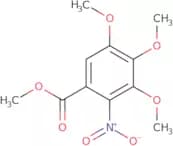
Formula:C16H19NO3Purezza:Min. 95%Peso molecolare:273.33 g/mol2-Nitro-3,4,5-trimethoxybenzoic acid methyl ester
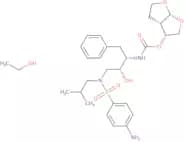
CAS:2-Nitro-3,4,5-trimethoxybenzoic acid methyl ester is a potential anticancer agent. It has been shown to inhibit the growth of cancer cells in vitro and demonstrates anticancer activity against human tumor xenografts in mice. This compound binds to the epidermal growth factor receptor (EGFR) and inhibits its activity. This binding causes downstream signalling pathways to be suppressed, which ultimately prevents tumor cells from proliferating. 2-Nitro-3,4,5-trimethoxybenzoic acid methyl ester also has directional properties that may allow for selective targeting of cancerous cells. 2-Nitro-3,4,5-trimethoxybenzoic acid methyl ester is a white crystalline powder with an orthorhombic crystal system and an amine group on each end of the molecule.Formula:C11H13NO7Purezza:Min. 95%Colore e forma:PowderPeso molecolare:271.22 g/molDarunavir Ethanolate
CAS:Darunavir is a HIV-1 protease inhibitor used orally in the treatment of patients with multi-drug resistant HIV-1 infection (Ghosh, 2007). It has also been shown to be effective against other infectious diseases such as hepatitis C virus and SARS coronavirus. Metabolized by cytochrome P450 3A (CYP3A) isoenzymes, darunavir is often administered together with ritonavir that prolongs its bioavaiability, giving a terminal elimination half-life (t1/2) of 15 hours (Back, 2008). The effect of darunavir on natural compounds such as matrix proteins and toll-like receptor activity has also been studied via high performance liquid chromatography (HPLC) experiments.
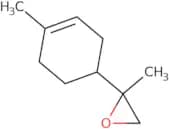
Formula:C27H37N3O7S·C2H6OPurezza:Min. 95%Colore e forma:White PowderPeso molecolare:593.73 g/mol(4R,8RS)-Limonene-8,9-epoxide
CAS:The compound (4R, 8RS)-limonene-8,9-epoxide is an epoxide of the monoterpene limonene. It has been shown to be an effective insecticide that attacks the cycle at the abietane stage. It can also be used as a precursor for other chemicals such as neoabietic acid. The biosynthesis of this compound is unknown, but it is thought to be generated by a cytochrome P450 monooxygenase and may involve the epoxidation of dendroctonus or cytochromes. This compound is not found in plants and is only found in insects, where it functions as an insecticide.Formula:C10H16OPurezza:Min. 95%Colore e forma:Colorless Clear LiquidPeso molecolare:152.23 g/molD-Methionine
CAS:D-methionine is a form of the amino acid methionine that is synthesized in plants. It has been studied for its potential to help with various metabolic disorders, including osteoarthritis and primary sclerosing cholangitis. D-methionine provides methionine to the body, which is essential for the formation of collagen and elastin. In addition, it has been shown to have a protective effect against neuronal death in a model system. D-methionine may be beneficial for people with liver disease, but more research is needed.
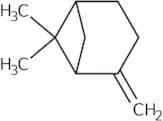
Formula:C5H11NO2SPurezza:Min. 95%Colore e forma:White Off-White PowderPeso molecolare:149.21 g/molβ-Pinene
CAS:β-Pinene is a monoterpene that is found in many essential oils and has a variety of uses. It can be isolated from the acetate extract of pine needles or synthesized from pinene oxide. β-Pinene can also be synthesized by reacting caproic acid with sodium carbonate and phosphotungstic acid in the presence of cationic polymerization initiators, such as polyethylenimine, to form polymers. β-Pinene is used in the production of various chemical substances including particle boards, adhesives, varnishes, paints, lacquers, and resins. It has also been shown to have antiviral properties against herpes simplex virus.Formula:C10H16Purezza:Min. 95%Colore e forma:Clear LiquidPeso molecolare:136.23 g/molVitamin D2
CAS:Vitamin D2 is a fat-soluble vitamin that is required for the absorption of calcium and phosphate. It can be obtained through dietary supplements or by exposure to sunlight. Vitamin D2 is a prohormone that needs to undergo two hydroxylation reactions in the liver and kidney before it becomes the active form, calcitriol. Vitamin D2 has been shown to have beneficial effects on bone mineralization and phosphatase activity, as well as an inhibitory effect on the production of parathyroid hormone. Hydroxyapatite, a component of bone tissue, has been shown to react with vitamin D2 in vitro, which may be due to its ability to act as an additive or stabilizer.END>>
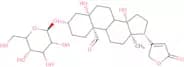
Formula:C28H44OPurezza:Min. 97 Area-%Colore e forma:PowderPeso molecolare:396.65 g/molGlucostrophanthidin
CAS:Glucostrophanthidin is a cardiac glycoside, which is derived from natural plant sources, specifically from species in the Apocynaceae family. This compound exerts its effects primarily through inhibition of the sodium-potassium ATPase enzyme, leading to an increase in intracellular sodium concentration. The downstream effect of this process involves an increase in intracellular calcium via the sodium-calcium exchange mechanism, ultimately enhancing the contractility of cardiac muscle fibers.
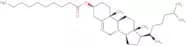
Formula:C29H42O11Purezza:Min. 95%Peso molecolare:566.64 g/molCholesterol decanoate
CAS:Prodotto controllatoCholesterol decanoate is a chiral chemical compound that is used in the diagnosis of hepatitis. Cholesterol decanoate has been shown to be effective against cholesterol esterase, which is an enzyme that catalyzes the hydrolysis of cholesterol esters and triglycerides. This drug also prevents the formation of fatty acid and fatty esters, which are important for cellular function. In addition, cholesterol decanoate has been found to be beneficial for treating symptoms related to high cholesterol and triglyceride levels.
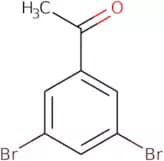
Formula:C37H64O2Purezza:Min. 95%Colore e forma:PowderPeso molecolare:540.9 g/mol3',5'-Dibromoacetophenone
CAS:3',5'-Dibromoacetophenone is a reorienting agent that can be used in the synthesis of organic compounds. It has been shown to be useful in the synthesis of substituted phenols and other aromatic compounds. 3',5'-Dibromoacetophenone is also magnetic and can be used as a ligand in coordination reactions. The compound is often analysed by magnetic resonance spectroscopy, which can provide information about its protonation state.
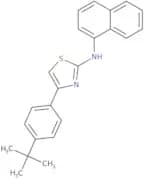
Formula:C8H6Br2OPurezza:Min. 95%Peso molecolare:277.94 g/mol(4-(4-(tert-butyl)phenyl)(2,5-thiazolyl))-1-naphthylamine
CAS:Please enquire for more information about (4-(4-(tert-butyl)phenyl)(2,5-thiazolyl))-1-naphthylamine including the price, delivery time and more detailed product information at the technical inquiry form on this page
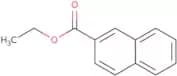
Purezza:Min. 95%β-Naphthoic acid ethyl ester
CAS:β-Naphthoic acid ethyl ester (BNAE) is a synthetic compound that has been used as an intermediate in the synthesis of organic compounds. It is also used to prepare hydroxamic acids, which are active methylene compounds. BNAE reacts with nucleophiles and is susceptible to nucleophilic attack. The reaction mechanism for this type of compound involves a cavity with a constant volume, which increases the reactivity of the molecule. This type of reaction can be explained using the functional theory and the use of organic solvents. BNAE is stable when exposed to carbon tetrachloride and hydroxamic acids, but not when exposed to diethyl succinate or chemical agents such as sodium nitrite.Formula:C13H12O2Purezza:Min. 95%Colore e forma:PowderPeso molecolare:200.23 g/mol2-Hydroxy atorvastatin lactone
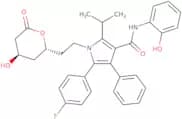
CAS:2-Hydroxyatorvastatin lactone is a prodrug of atorvastatin, which is an HMG-CoA reductase inhibitor. It is used to lower cholesterol and triglycerides in the blood. The drug is administered as a tablet, capsule, or liquid and can be taken with or without food. 2-Hydroxyatorvastatin lactone is metabolized by cytochrome P450 enzymes in the liver to produce active atorvastatin. This metabolism may be inhibited by other drugs that are also metabolized by cytochrome P450 enzymes, such as erythromycin and ketoconazole. 2-Hydroxyatorvastatin lactone has been shown to have an inhibition constant (Ki) of 0.5 μM for human liver microsomes and plasma concentrations of 1 μM or higher are required for therapeutic effect.
Formula:C33H33FN2O5Purezza:Min. 95%Colore e forma:Off-White Slightly Yellow PowderPeso molecolare:556.62 g/molN-(2-Indol-3-ylethyl)(2-nitrophenyl)formamide
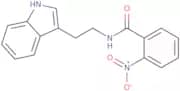
CAS:Please enquire for more information about N-(2-Indol-3-ylethyl)(2-nitrophenyl)formamide including the price, delivery time and more detailed product information at the technical inquiry form on this pageFormula:C17H15N3O3Purezza:Min. 95%Colore e forma:PowderPeso molecolare:309.32 g/mol3'-Iodo-4'-methoxyacetophenone
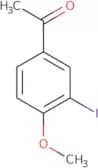
CAS:3'-Iodo-4'-methoxyacetophenone is a chemical compound that is used in the synthesis of other organic compounds. It is a byproduct of the reaction between acetophenone and iodomethane. 3'-Iodo-4'-methoxyacetophenone is soluble in most solvents, such as ethanol, ether, chloroform, and acetone. The compound has a CAS number of 79324-77-9.
Formula:C9H9IO2Purezza:Min. 95%Colore e forma:PowderPeso molecolare:276.07 g/molDL-2-Hydroxyvaleric acid sodium salt
CAS:2-Hydroxyvaleric acid sodium salt is a fine chemical that can be used as a building block for the synthesis of more complex compounds. It is also used as a reagent in research and as a speciality chemical. The CAS number for this compound is 84176-70-5. 2-Hydoxyvaleric acid sodium salt is most commonly used in the synthesis of pharmaceuticals, pesticides, and other chemicals. It has also been shown to be useful in the synthesis of biodegradable polymers and as an intermediate in organic reactions.Formula:C5H9NaO3Purezza:Min. 95%Colore e forma:PowderPeso molecolare:140.11 g/molCholesterol n-Octanoate
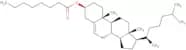
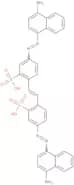
CAS:Prodotto controllatoCholesterol n-Octanoate is a chiral compound that belongs to the group of p2, film-forming polymers. This polymer is used in laboratories for diagnosis, and also as an adjunct in the treatment of pancreatic disorders. Cholesteryl esters are produced by the hydrolysis of cholesterol esterase (CE) with the addition of cholesteryl acetate and a fatty acid. The activation energy for this reaction is 14.5 kcal/mol. CE activity is inhibited by lipolytic enzymes such as pancreatic lipase and hepatic lipase. In humans CEs are located primarily in the liver, with smaller amounts found in the intestines, adrenal cortex, testes, ovaries, placenta, adipose tissue, and other organs.Formula:C35H60O2Purezza:Min. 95%Colore e forma:PowderPeso molecolare:512.85 g/mol4,4'-Bis(4-amino-1-naphthylazo)-2,2'-stilbenedisulfonic acid - 70%
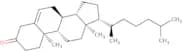
CAS:4,4'-Bis(4-amino-1-naphthylazo)-2,2'-stilbenedisulfonic acid - 70% (DABS) is a chemical compound that has been used in biochemical research. It is an azo dye and was originally synthesized by reacting 1-naphthol with 4-aminodiphenylamine. The color of DABS varies according to the pH. It can be obtained as either a red or blue compound at pH > 7 and as a yellow compound at pH 7. DABS interacts with human recombinant proteins, such as collagen and endoplasmic reticulum, and is capable of binding to the surface of cells. This dye also shows biological properties that are similar to those of phenothiazines when it is used in biochemical experiments involving recombinant human proteins.Formula:C34H26N6O6S2Purezza:Min. 95%Colore e forma:Purple PowderPeso molecolare:678.74 g/mol3-Keto cholesterol
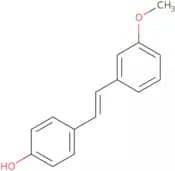
CAS:Prodotto controllato3-Keto cholesterol is a substance that is naturally found in the body. It is an intermediate in the production of bile acids and cholesterol, which are necessary for digestion. 3-Keto cholesterol is also involved in the synthesis of other substances, including vitamin D and steroid hormones. 3-Keto cholesterol has been shown to play a role in the prevention of coronary heart disease, as it has antioxidant properties and can prevent oxidation of low-density lipoprotein (LDL). 3-Keto cholesterol can also inhibit viral life by blocking toll-like receptor 4 (TLR4) signaling pathways. This prevents inflammatory responses caused by TLR4 activation, which may be related to atherosclerosis.Formula:C27H44OPurezza:Min. 95%Colore e forma:White PowderPeso molecolare:384.64 g/mol4-Hydroxy-3'-methoxystilbene
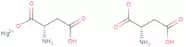
CAS:4-Hydroxy-3'-methoxystilbene is a chemical that is used as a reaction component or reagent in the synthesis of other compounds. It can be used as a building block for the synthesis of complex molecules and fine chemicals. 4-Hydroxy-3'-methoxystilbene is an intermediate for the production of high quality research chemicals. It has been reported to be useful in the synthesis of pharmaceuticals, agrochemicals, and pesticides.Formula:C15H14O2Purezza:Min. 95%Colore e forma:White PowderPeso molecolare:226.27 g/molMagnesium aspartate dihydrate
CAS:Magnesium aspartate dihydrate is a chemical compound that is used to treat high blood pressure and heart disease. It is a salt of magnesium and L-aspartic acid, which are both active substances in the drug. Magnesium aspartate dihydrate has been shown to have a treatment effect on elevated levels of c-reactive protein (CRP) in men with normal kidney function. The drug has also been shown to be effective for the treatment of cavity, although it does not work for everyone. Magnesium aspartate dihydrate is chemically stable and can be used for diagnosis of magnesium deficiency, but it should not be given to women who are pregnant or breast-feeding. This drug may also inhibit the action of proton pumps, which are found in the body's cells that produce stomach acid.Formula:C8H12N2O8Mg·2H2OColore e forma:White PowderPeso molecolare:324.53 g/mol4-Aminosalicylic acid hydrazide
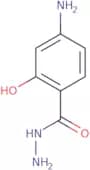
CAS:4-Aminosalicylic acid hydrazide is a reactive functional group that is used as an intermediate in organic synthesis. It has a structural formula of C6H7N3O2 and is a white solid. 4-Aminosalicylic acid hydrazide has been shown to be highly resistant to mycobacterium avium, and can be used for the treatment of tuberculosis. The reactivity of this compound was studied by gravimetric analysis. This reaction is also degradable due to the presence of chloride ions and amido groups.
Formula:C7H9N3O2Purezza:Min. 95%Colore e forma:PowderPeso molecolare:167.17 g/mol4,4'-Diamino-3,3'-dimethyldiphenylmethane
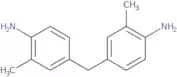
CAS:4,4'-Diamino-3,3'-dimethyldiphenylmethane is a reactive dye that is used in the diagnosis of cervical cancer. It has been shown to suppress the expression of tumor suppressor genes by binding to DNA and interfering with transcription. This dye is also a polyvinyl compound that binds to proteins through an amine group. The bound form of 4,4'-Diamino-3,3'-dimethyldiphenylmethane can be detected using an electrode and hydroxyl group as a diode. Multivariate logistic regression was used to determine the relationship between the bound form of 4,4'-Diamino-3,3'-dimethyldiphenylmethane and women who have not had any symptoms of cervical cancer. A section was taken from each subject's cervix and stained with 4,4'-Diamino-3,3'-dimethyldiphenylmethane
Formula:C15H18N2Purezza:Min. 95%Colore e forma:PowderPeso molecolare:226.32 g/mol4,4'-Diaminostilbene-2,2'-disulfonic acid
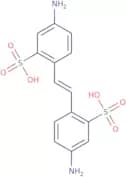
CAS:4,4'-Diaminostilbene-2,2'-disulfonic acid (DAIDS) is a fluorescent dye that can be used to measure the activity of mitochondrial enzymes. It is a substrate for polymerase chain reaction and can be used as a cell viability assay. DAIDS has been shown to cause mitochondrial membrane depolarization and cytosolic calcium release in prostate cancer cells. This compound also inhibits the proliferation of human liver cells and has been proposed as a potential analytical method for wastewater samples. The anhydrous sodium form of DAIDS has been shown to increase the rate of metabolism by up to 30% in rats with body mass index greater than 25 kg/m^2.Formula:C14H14N2O6S2Purezza:Min. 95%Colore e forma:SolidPeso molecolare:370.4 g/mol2-Chloroinosine 3',4',6'-triacetate
CAS:2-Chloroinosine 3',4',6'-triacetate is a reagent, useful intermediate, fine chemical, and speciality chemical. It is used as an important building block in organic synthesis. 2-Chloroinosine 3',4',6'-triacetate can be used as a versatile building block for the synthesis of many other compounds. The high quality and usefulness of this compound make it a good choice for research chemicals.Formula:C16H17ClN4O8Purezza:Min. 95%Colore e forma:White to pale yellow solid.Peso molecolare:428.78 g/mol