Standard farmaceutici
Sottocategorie di "Standard farmaceutici"
- APIs per la ricerca e le impurità(277.120 prodotti)
- Attivatori e inibitori enzimatici(2.829 prodotti)
- Nitrosamine(2.646 prodotti)
- Composti e metaboliti farmaceutici e veterinari(2.894 prodotti)
- Tossicologia(13.388 prodotti)
Trovati 8093 prodotti di "Standard farmaceutici"
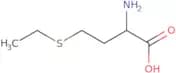
DL-Ethionine
CAS:DL-Ethionine is a compound that is formed when the amino acid methionine is converted to ethionine. It has been shown to induce the formation of acid in the liver and pancreas, which can lead to pancreatitis. Experimental models have shown that DL-ethionine causes liver injury by inhibiting tissue repair mechanisms, such as the polymerase chain reaction. This inhibition prevents DNA synthesis, leading to cell death. The mechanism of DL-ethionine induced toxicity is currently being investigated.Formula:C6H13NO2SColore e forma:PowderPeso molecolare:163.24 g/mol6-Nitrophthalide
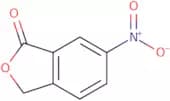
CAS:6-Nitrophthalide is a fluorescent heterocycle that can be used as a probe for specific inhibition. It has been shown to have inhibitory properties against triazole and dipole, which are catalytic asymmetric. 6-Nitrophthalide has also been shown to have the ability to inhibit the oxidation of aldehydes. This compound is synthesized from 2-nitrobenzaldehyde via a two-step process, and then reacted with methyl iodide. 6-Nitrophthalide is homologous to other fluorescent probes such as fluorescein, nitrobenzene, and nitrophenol.Formula:C8H5NO4Purezza:Min. 95%Colore e forma:PowderPeso molecolare:179.13 g/molN-Methylcytisine
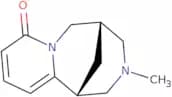
CAS:N-Methylcytisine is a drug that is used to treat bowel disease, locomotor activity, and hypoglycemia. This drug has been shown to have significant cytotoxicity in vitro against squamous carcinoma cells. N-Methylcytisine also inhibits the production of gamma-aminobutyric acid (GABA) and reduces the activity index in anagyroides. This drug has been shown to have a significant effect on colitis and other inflammatory bowel diseases in vivo by reducing inflammation and increasing mucin production.Formula:C12H16N2OPurezza:Min. 98 Area-%Colore e forma:White PowderPeso molecolare:204.27 g/molL-Leucine 4-nitrophenyl ester hydrochloride
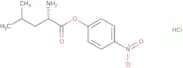
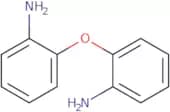
CAS:L-Leucine 4-nitrophenyl ester hydrochloride is a reaction component, reagent, and useful scaffold that is used in the synthesis of complex compounds. It is a versatile building block and useful intermediate that can be used to synthesize fine chemicals such as pharmaceuticals, agrochemicals, or dyes. L-Leucine 4-nitrophenyl ester hydrochloride has CAS number 75691-76-8.Formula:C12H16N2O4•HClPurezza:Min. 95%Peso molecolare:288.73 g/mol2,2'-Oxydianiline
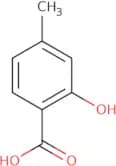
CAS:2,2'-Oxydianiline is a diazonium salt that has been used as a pharmaceutical intermediate for the synthesis of other drugs. It is also used in the manufacture of dyes and pigments. 2,2'-Oxydianiline is an electron-deficient molecule which can react with aromatic residues. The aromatic residue reacts with the electron-deficient molecule to form a covalent bond between them. This process is called electrophilic aromatic substitution reaction. This reaction rate depends on the concentration of the reactants and their relative rates of diffusion (the rate of movement of molecules from high concentrations to low concentrations). 2,2'-Oxydianiline has been shown to have an effect on viscosity by binding to cholesterol in lipoproteins and increasing its solubility in water.Formula:C12H12N2OPurezza:Min. 98 Area-%Colore e forma:PowderPeso molecolare:200.24 g/mol4-Methylsalicylic acid
CAS:4-Methylsalicylic acid is a chemical compound that belongs to the group of salicylates. It is an organic compound with a molecular weight of 96.12 g/mol and the chemical formula C8H8O3. The epoxidation of 4-methylsalicylic acid occurs through the use of catalysts, such as zinc oxide and manganese dioxide, which are not functionalized. The addition of these catalysts causes a reaction between the methyl group and the hydroxyl group in 4-methylsalicylic acid, forming methyl salicylate. This product is also used as a chiral building block for other compounds, such as axial chirality and olefins.Formula:C8H8O3Purezza:Min. 98 Area-%Colore e forma:PowderPeso molecolare:152.15 g/molTaraxasterol acetate
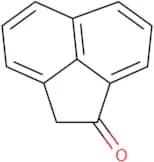
CAS:Prodotto controllatoTaraxasterol acetate is a sesquiterpene lactone that has shown anti-inflammatory activity and inhibits the production of inflammatory cytokines. It also possesses antifungal activity against various fungi, such as Candida albicans and Aspergillus niger. Taraxasterol acetate can be used for the treatment of infectious diseases, as well as for the prevention of inflammation. This compound has been found to work by binding to specific enzymes that are involved in the inflammatory response. These enzyme interactions prevent the production of pro-inflammatory molecules and cytokines, which are substances that trigger an immune response. The structure of taraxasterol acetate is similar to 3-o-caffeoylquinic acid, a natural compound found in plants such as Angelica Dahurica. Taraxasterol acetate is a component of several species of plants, including some medicinal herbs such as Angelicae Dahuricae. This compound can be purifiedFormula:C32H52O2Purezza:Min. 95%Colore e forma:PowderPeso molecolare:468.75 g/mol1-Acenaphthenone
CAS:1-Acenaphthenone is a heterocyclic compound that contains a hydroxyl group, chlorine atom, and two rings. It is used as a catalyst in organic synthesis. 1-Acenaphthenone has been shown to be an efficient dioxygenation catalyst for the production of 1-hydroxy-2-naphthoic acid from malonic acid. It also has been used as a solid catalyst in the oxidation of fatty acids with hydrogen peroxide and as an enzyme activator for rat liver microsomes. This compound also shows synchronous fluorescence with other compounds such as 1-hydroxy-2-naphthoic acid and 2-(2'-oxobiphenyl)acetic acid.
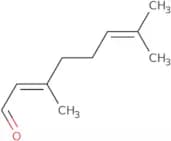
Formula:C12H8OPurezza:Min. 95%Colore e forma:PowderPeso molecolare:168.19 g/molCitral
CAS:Citral is a natural compound that is found in the essential oils of a variety of plants. It has been shown to have antimicrobial activity, and has been investigated for its use as an insect repellent. Citral is also known to bind DNA and inhibit the enzyme activities of c. glabrata. The biological properties of citral are still unclear, but it has been shown to cause a mild increase in water vapor and induce mitochondrial membrane potential in vivo human cells. Citral is also able to inhibit the growth of wild-type strains of C. glabrata and other bacteria through inhibition of their enzyme activities and interaction with cellular membranes.Formula:C10H16OPurezza:Min. 95%Colore e forma:Clear LiquidPeso molecolare:152.23 g/molIbuprofen
CAS:Ibuprofen is a nonsteroidal anti-inflammatory drug (NSAID) used for the treatment of pain, fever and inflammation. Ibuprofen is an inhibitor of cyclooxygenase 1 (COX-1), which blocks the production of prostaglandins that cause pain and inflammation. Ibuprofen has been shown to inhibit the growth of bacteria in cell culture by inhibiting protein synthesis. This drug also has a toxic effect on respiratory system cells, which may be due to its ability to induce apoptosis. Ibuprofen has been shown to inhibit the production of tumour necrosis factor-α (TNF-α) and serum enzymes, such as dismutase activity, in mice with lung cancer.Formula:C13H18O2Purezza:Min. 98 Area-%Colore e forma:White PowderPeso molecolare:206.28 g/mol22-Hydroxy-25-Fluorocholesterol
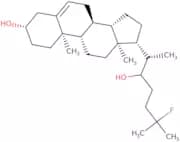
CAS:Prodotto controllato22-Hydroxy-25-fluorocholesterol is a cholesterol acyltransferase inhibitor, which prevents the synthesis of cholesterol in the body. It is also used as a sequestering agent, preventing cholesterol from being absorbed into the body. This drug has been shown to decrease high cholesterol levels and oxysterols in patients with coronary artery disease. 22-Hydoxy-25-fluorocholesterol binds to cellular membranes and blocks the transport of bile acids and acid, thereby inhibiting cholesterol synthesis. It also inhibits inflammation by blocking inflammatory cytokines such as TNF-α and IL-1β. This drug may also be useful for treating inflammatory diseases such as asthma and rheumatoid arthritis due to its inhibition of leukotriene synthesis.Formula:C27H45FO2Purezza:Min. 95%Peso molecolare:420.64 g/mol4,4' -Bis(N,N-dimethylamino)-2,2' -bipyridine
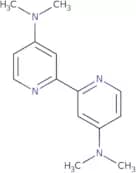
CAS:4,4' -Bis(N,N-dimethylamino)-2,2' -bipyridine (DMAB) is a ligand that is used in electrochemical studies. It has been shown to have ancillary properties, which means that it does not interact directly with the substrate but modifies its environment. DMAB can form a complex with the proton at the electrode surface and x-ray crystal structures have been obtained for this interaction. These structures demonstrate that DMAB binds to the tetrazole ring of pyridine and stabilizes the molecule by increasing its redox potentials.Formula:C14H18N4Purezza:Min. 95%Colore e forma:PowderPeso molecolare:242.32 g/mol3-Hydroxy-7,2',4',5'-tetramethoxychalcone
3-Hydroxy-7,2',4',5'-tetramethoxychalcone is a versatile building block that can be used as a reagent or in the synthesis of fine chemicals. It is an intermediate or reaction component that has been found to be useful in the synthesis of complex compounds. This compound is also of high quality and can be used as a scaffold in the synthesis of new molecules. 3-Hydroxy-7,2',4',5'-tetramethoxychalcone is a speciality chemical, with CAS No. 55006-57-3 and molecular weight of 245.
Purezza:Min. 95%5-Fluorosalicylic acid
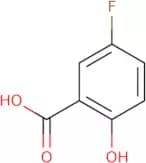
CAS:5-Fluorosalicylic acid is a nonsteroidal anti-inflammatory drug that belongs to the group of 5-substituted salicylates. It has a strong affinity for human serum and can be used as an indicator in the determination of blood glucose. 5-Fluorosalicylic acid also binds to p-nitrophenyl phosphate with high affinity, which is involved in the regulation of cellular energy metabolism and plays a role in the production of ATP. The drug has been shown to form stable complexes with coumarin derivatives, which may have an effect on enzyme activities by modifying their conformational properties. 5-Fluorosalicylic acid has been shown to interact with other drugs, such as acetaminophen or ibuprofen, which may increase the risk of adverse effects.
Formula:C7H5FO3Purezza:Min. 95%Colore e forma:SolidPeso molecolare:156.11 g/mol2,3-Difluoro-6-methoxybenzoic acid methyl ester
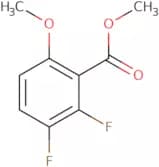
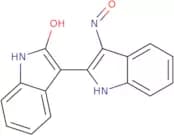
CAS:2,3-Difluoro-6-methoxybenzoic acid methyl ester is a versatile building block that can be used in the production of fine chemicals and research chemicals. It is an intermediate for the synthesis of complex compounds and can be used as a reagent or speciality chemical in research. 2,3-Difluoro-6-methoxybenzoic acid methyl ester is also a useful building block for the synthesis of drugs.Formula:C9H8F2O3Purezza:Min. 95%Peso molecolare:202.15 g/molIndirubin-3'-monoxime
CAS:Inhibitor of YB-1 nuclear translocation; anti-cancerFormula:C16H11N3O2Purezza:Min. 95%Colore e forma:PowderPeso molecolare:277.28 g/mol2'-Hydroxy-2,4,4'-trimethoxychalcone
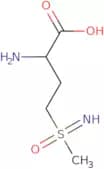
CAS:2'-Hydroxy-2,4,4'-trimethoxychalcone is a fine chemical that is used as a building block in research and development of pharmaceuticals. It is an intermediate for the production of drugs such as antibiotics, antiviral agents, and antifungals. 2'-Hydroxy-2,4,4'-trimethoxychalcone has also been shown to be useful for the synthesis of complex compounds with versatile applications.Formula:C18H18O5Purezza:Min. 95%Colore e forma:PowderPeso molecolare:314.33 g/molDL-Methionine-DL-sulfoximine
CAS:DL-Methionine sulfoximine is a drug that blocks the synthesis of glutathione, an important antioxidant and detoxifying agent. DL-Methionine sulfoximine may be useful in preventing or treating eye disorders, such as age-related macular degeneration and retinitis pigmentosa. It also has been shown to have beneficial effects in animal models of epilepsy, Alzheimer’s disease, Parkinson's disease, and stroke. DL-Methionine sulfoximine has been shown to have beneficial effects in animal models of epilepsy, Alzheimer’s disease, Parkinson's disease, and stroke. This drug is being studied for its potential use in metabolic disorders such as diabetes and obesity.Formula:C5H12N2O3SPurezza:Min. 95%Colore e forma:White PowderPeso molecolare:180.23 g/mol2-Hydroxy-5-nitropyridine
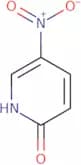
CAS:2-Hydroxy-5-nitropyridine is a chemical compound that is used in the synthesis of other compounds. It can be used to synthesize nicotinic acetylcholine, which is an amine that binds to nicotinic acetylcholine receptors. 2-Hydroxy-5-nitropyridine has been shown to react with halides and hydroxy groups to form new compounds. 2-Hydroxypyridine can also be used to synthesize trifluoroacetic acid from chloroacetic acid and nitrous acid. This chemical has been used in the study of replicon cells, which are cells that contain a circular piece of DNA called a plasmid. Replicon cells are often found in bacteria, such as Trichomonas vaginalis, and viruses such as HPV. 2-Hydroxypyridine has been shown to cause high blood levels in humans when ingested orally or injected intravenously.Formula:C5H4N2O3Purezza:Min. 98 Area-%Colore e forma:Brown PowderPeso molecolare:140.1 g/molMagnesium aspartate dihydrate
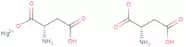
CAS:Magnesium aspartate dihydrate is a chemical compound that is used to treat high blood pressure and heart disease. It is a salt of magnesium and L-aspartic acid, which are both active substances in the drug. Magnesium aspartate dihydrate has been shown to have a treatment effect on elevated levels of c-reactive protein (CRP) in men with normal kidney function. The drug has also been shown to be effective for the treatment of cavity, although it does not work for everyone. Magnesium aspartate dihydrate is chemically stable and can be used for diagnosis of magnesium deficiency, but it should not be given to women who are pregnant or breast-feeding. This drug may also inhibit the action of proton pumps, which are found in the body's cells that produce stomach acid.Formula:C8H12N2O8Mg·2H2OColore e forma:White PowderPeso molecolare:324.53 g/mol4--Methylacetophenone azine
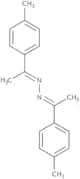
CAS:4-Methylacetophenone azine is a useful chemical with a variety of applications. It is a versatile building block, which can be used as an intermediate for the synthesis of complex compounds and as a reaction component in organic synthesis. 4-Methylacetophenone azine has been shown to be effective in the production of research chemicals and speciality chemicals. This product is high quality and can be used as a reagent in organic synthesis.Formula:C18H20N2Purezza:Min. 95%Colore e forma:PowderPeso molecolare:264.36 g/molDuloxetine hydrochloride
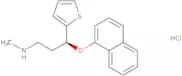
CAS:Prodotto controllatoSerotonin and norepinehrine reuptake inhibitor
Formula:C18H19NOS•HClPurezza:Min. 95%Colore e forma:White PowderPeso molecolare:333.88 g/molN-Methyl mesoporphyrin IX
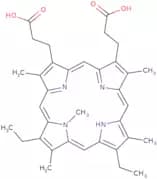
CAS:N-Methyl mesoporphyrin IX is a molecule that inhibits the activity of enzymes such as carboxylesterases, proteases, and aminopeptidases. It binds to the active site of these enzymes and blocks the enzyme's activity. N-Methyl mesoporphyrin IX has been shown to inhibit cancer cells in humans and can be used as an adjunct treatment for cancer. This drug also has anti-inflammatory properties due to its ability to inhibit prostaglandins synthesis. N-Methyl mesoporphyrin IX has been shown to have an effect on plant physiology by inhibiting plant growth and photosynthesis. N-Methyl mesoporphyrin IX is also able to enhance hybridization reactions between dsDNA duplexes, which may be useful in research involving DNA sequencing or gene mapping.Formula:C35H40N4O4Purezza:Min. 95%Colore e forma:PowderPeso molecolare:580.72 g/molBetaine monohydrate
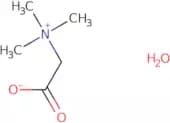
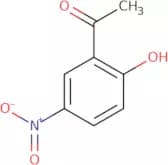
CAS:Betaine is a group P2 compound that is an organic acid. It has been shown to improve the performance of polymerases, which are enzymes in cells that are responsible for synthesizing DNA. Betaine also helps with energy metabolism and in the synthesis of fatty acids. This compound can be found in plants and animals, as well as being manufactured synthetically. The melting point of betaine is between -6°C (21.2°F) and -13°C (8.6°F). When this compound is dissolved in water, it undergoes a phase transition from a solid state to a liquid state at its melting point. The boiling point of betaine is between 148°C (300.4°F) and 149°C (301.2°F). Betaine interacts with other molecules through hydrogen bonding interactions or by forming an acid-complex with sodium carbonate or malonic acid.Formula:C5H11NO2·H2OColore e forma:White PowderPeso molecolare:135.16 g/mol2-Hydroxy-5-nitroacetophenone
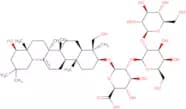
CAS:2-Hydroxy-5-nitroacetophenone is a synthetic molecule that has two functional groups. It is synthesized by reacting morpholine with malonic acid. 2-Hydroxy-5-nitroacetophenone is an electron donor, which means it can accept electrons from other molecules. This compound can be used as a diagnostic tool for cancer cells because it reacts with oxygen to form polyhedra, which are indicative of cancer senescence. In addition, this compound can be used to measure the concentration of plasma mass spectrometers by using electron spin resonance (ESR) and magnetic resonance imaging (MRI). The unpaired electrons on the nitro group of the molecule react with oxygen in the air to form polyhedra and give off characteristic signals in ESR and MRI. These signals are proportional to the concentration of unpaired electrons and therefore provide a quantitative measurement of 2-hydroxy-5 nitroacetophenone in solution.Formula:C8H7NO4Purezza:Min. 95%Colore e forma:PowderPeso molecolare:181.15 g/molSoyasaponin Ba
CAS:Inhibits L-iodose and HNE reduction; aldose reductase inhibitor
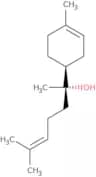
Formula:C48H78O19Purezza:Min. 98 Area-%Colore e forma:PowderPeso molecolare:959.12 g/mol(-)-α-Bisabolol
CAS:(-)-α-Bisabolol is a natural compound that can be found in chamomile, which is used as an herbal tea. This compound has been shown to have apoptosis-inducing effects in Candida glabrata, which may be due to its ability to reduce the mitochondrial membrane potential and inhibit protein synthesis. (-)-α-Bisabolol also has anti-inflammatory properties and can inhibit amoeba growth by inhibiting farnesol production.
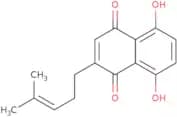
Formula:C15H26OPurezza:Min. 93 Area-%Colore e forma:Colorless Clear LiquidPeso molecolare:222.37 g/molDeoxyshikonin
CAS:Deoxyshikonin is an analytical method for determining the amount of shikonin in a sample. It is used in vitro to determine the biological properties of shikonin. Deoxyshikonin has been shown to have synergic effects with other drugs, such as basic structure, skin cancer, and natural compounds. Deoxyshikonin also has in vitro antifungal activity against Candida glabrata.
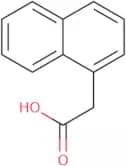
Formula:C16H16O4Purezza:Min. 98 Area-%Colore e forma:PowderPeso molecolare:272.3 g/mol1-Naphthylacetic acid
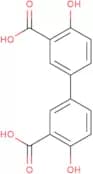
CAS:1-Naphthylacetic acid is a fluorescent compound that can be used as a chemical marker for the identification of sodium salts. It has an optimum concentration of 0.1 mg/L and a maximum concentration of 1 mg/L in water. The fluorescence detector is set to measure the synchronous fluorescence at a wavelength of 515 nm. 1-Naphthylacetic acid is soluble in water and organic solvents, but insoluble in nonpolar solvents such as ether, chloroform, or benzene. This compound can be used for the detection of pesticides with a chemical structure similar to that of 1-naphthylacetic acid, such as 2-chloro-4-(trifluoromethoxy)phenol and 2-chloro-5-(trifluoromethoxy)phenol, using dispersive solid phase extraction (DSPE). The product description should include:Formula:C12H10O2Purezza:Min. 98 Area-%Colore e forma:White PowderPeso molecolare:186.21 g/mol4,4' -Dihydroxy-3,3'-biphenyldicarboxylic acid
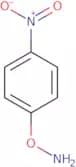
CAS:4,4'-Dihydroxy-3,3'-biphenyldicarboxylic acid is a fine chemical that is used as a building block in the synthesis of pharmaceuticals and other organic compounds. It has been shown to be an effective reagent for the synthesis of 4-hydroxypyridine derivatives. 4,4'-Dihydroxy-3,3'-biphenyldicarboxylic acid can also be used as a reaction component for the preparation of complex compounds such as 2-aminopyridines and 2-aminopyrimidines. This compound is also useful as an intermediate in the synthesis of polymers and other versatile scaffolds. The CAS number for this compound is 13987-45-6.Formula:C14H10O6Purezza:Min. 96 Area-%Colore e forma:PowderPeso molecolare:274.23 g/molO-(4-Nitrophenyl)hydroxylamine
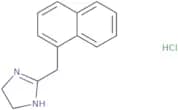
CAS:O-(4-Nitrophenyl)hydroxylamine (OPH) is an enantioselective, catalytic, and thermal stable reagent for the synthesis of chiral methyl groups. OPH can be used as a nucleophile to convert electron-deficient alkenes into α-chloroalkenes. It also reacts with nitroarenes to give nitroalkenes in high yields. OPH has been shown to be effective in the asymmetric hydrolysis of esters and amides through its ability to oxidize the methyl group on the substrate. This reaction does not occur with other groups such as hydroxyl or hydrogen atoms. Methyl groups are important for many biological molecules, including proteins and nucleic acids, which form the backbone of cells that make up living organisms. The OPH reaction is catalyzed by enzymes called methyltransferases, which transfer one atom of methyl from S-adenosylmethionine (SAM)Formula:C6H6N2O3Purezza:Min. 95%Colore e forma:PowderPeso molecolare:154.12 g/mol4,5-Dihydro-2-(1-naphthylmethyl)-1H-imidazole hydrochloride
CAS:4,5-Dihydro-2-(1-naphthylmethyl)-1H-imidazole hydrochloride is a fatty acid that functions as an adrenergic receptor agonist. It has been shown to be effective in the diagnosis of cutaneous squamous cell carcinoma. 4,5-Dihydro-2-(1-naphthylmethyl)-1H-imidazole hydrochloride has also shown to have anti-cancer effects in animal models of cancer. This drug binds to fatty acid esters and can be used as a crosslinking agent for polymers. 4,5-Dihydro-2-(1-naphthylmethyl)-1H-imidazole hydrochloride is available as a sodium citrate solution for injection.Formula:C14H14N2·HClPurezza:Min. 98 Area-%Colore e forma:White PowderPeso molecolare:246.74 g/molLovastatin
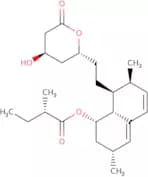
CAS:HMG-CoA reductase inhibitor; mevalonic acid synthesis inhibitorFormula:C24H36O5Purezza:Min. 98 Area-%Colore e forma:White PowderPeso molecolare:404.54 g/mol3-Bromo-4-methoxybenzoic acid methyl ester
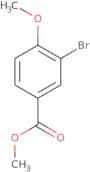
CAS:3-Bromo-4-methoxybenzoic acid methyl ester is an isomer of 4-methoxybenzoic acid. It is a natural product that can be found in dihydroisoquinoline and in the ethyl formate oxidation products. There are two ways to synthesize this compound: by oxidation of diphenyl ethers or by hydrolysis of chloride acetaldehyde. 3-Bromo-4-methoxybenzoic acid methyl ester has been shown to have cellular toxicity against human cells and biphenyl.Formula:C9H9BrO3Purezza:Min. 95%Colore e forma:PowderPeso molecolare:245.07 g/mol1-(2,4,5-Trimethoxyphenyl)-2-nitropropene
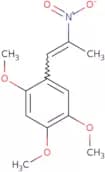
CAS:1-(2,4,5-Trimethoxyphenyl)-2-nitropropene is a fine chemical that can be used as a building block in organic synthesis. It is also an intermediate or scaffold for the preparation of other compounds. 1-(2,4,5-Trimethoxyphenyl)-2-nitropropene has been used in the synthesis of many pharmaceuticals and natural products. The compound has high purity and quality.Formula:C12H15NO5Purezza:Min. 95%Colore e forma:PowderPeso molecolare:253.25 g/mol3'-Acetoxyacetophenone
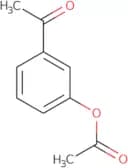
CAS:3'-Acetoxyacetophenone is a chemical compound with the molecular formula C8H10O2. It has a melting point of 129-130°C, and a boiling point of 206°F. The compound is soluble in alcohols and ethers, but insoluble in water. 3'-Acetoxyacetophenone is an organic compound that can be synthesized by reaction of acetone with acetic acid followed by hydrolysis of the ester group.
3'-Acetoxyacetophenone can be used as an intermediate for synthesis, for example to produce amines via nucleophilic attack or ketones via elimination reactions with alcohols. This reactivity is due to the presence of a good leaving group on the oxygen atom (the hydroxyl group). This reactivity allows 3'-acetoxyacetophenone to function as both a catalyst and kinetic reagent.Formula:C10H10O3Purezza:Min. 95%Colore e forma:PowderPeso molecolare:178.18 g/molGlutaric anhydride
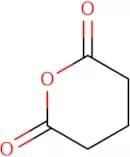
CAS:Glutaric anhydride is a reactive anhydride that can be used to synthesize esters. It is chemically stable and has good thermal stability, so it can be used at elevated temperatures. Glutaric anhydride reacts with the carboxylic acid group of organic compounds to form an ester linkage. This reaction has been shown to take place in biological systems, such as glutaric acid in the human body. Glutaric anhydride is also used for the synthesis of pharmaceuticals and other organic compounds, as well as eye drops for treating eye disorders. The reaction mechanism of glutaric anhydride is not fully understood, but it is believed that it takes place through a radical-based mechanism.
Formula:C5H6O3Purezza:Min. 98 Area-%Colore e forma:White PowderPeso molecolare:114.1 g/molApomorphine
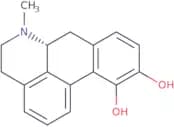
CAS:Prodotto controllatoApomorphine is a chemical compound that can be used as an analytical tool to study the effects of dopamine on physiological processes, and pharmacological agents on pharmacokinetics. It is also used in the treatment of Parkinson's disease. Apomorphine is a potent agonist at dopaminergic receptors in the central nervous system, and has been shown to increase locomotor activity and improve the rotarod test performance in rats. Apomorphine binds to dopamine receptors in the brain, replacing dopamine as it becomes depleted. The drug also blocks reuptake of dopamine by neurons and increases release of dopamine from nerve terminals. Apomorphine has a short half-life of about 2 hours, but may have potential for long-term treatment because its effects can last up to 24 hours.Formula:C17H17NO2Purezza:Min. 95%Colore e forma:PowderPeso molecolare:267.32 g/mol2,4-Dichloro-3-nitrophenol
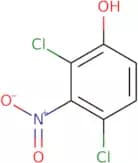
CAS:2,4-Dichloro-3-nitrophenol is a synthetic chemical that is used as an intermediate in the synthesis of chloroamines. It is a derivative of phenol and has a chlorine atom on the 2 position. The alcohol group on the 4 position and the chlorine atom on the 3 position are both substituted with chlorine atoms. 2,4-Dichloro-3-nitrophenol has been shown to be effective for the synthesis of chloroamines resistant to nitro groups. This chemical has been shown to be resistant to amines and thus can be used for immobilization purposes. Furthermore, it can be used as an intermediate for chemists who work with organic chemistry due to its ability to undergo reactions with alcohols and phenols.Formula:C6H3Cl2NO3Purezza:Min. 95%Colore e forma:White Clear LiquidPeso molecolare:208 g/mol5-Bromovaleric acid methyl ester
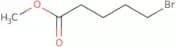
CAS:5-Bromovaleric acid methyl ester is a molecule that can be used as a model system for population growth. It has been shown to activate the CB2 receptor in mice and stimulate the production of polyclonal antibodies. 5-Bromovaleric acid methyl ester may be a potential drug target for treating inflammatory conditions such as psoriasis, Crohn's disease, and ulcerative colitis. The compound has also been shown to inhibit cyclooxygenase enzymes in human platelets. 5-Bromovaleric acid methyl ester can also be used as an analytical tool for determining the concentration of conjugates in urine samples by gas chromatography.Formula:C6H11BrO2Purezza:Min. 95%Colore e forma:Clear LiquidPeso molecolare:195.05 g/mol2,4-Dichlorocinnamic acid
CAS:2,4-Dichlorocinnamic acid is a diphenolase inhibitor that is used in the treatment of lactic acidosis. It inhibits the glyoxylate cycle enzyme, muscle monophenolase activity, and tyrosinase activity. 2,4-Dichlorocinnamic acid also binds to tyrosinase and inhibits the reaction scheme. The binding of this drug to tyrosinase causes irreversible inhibition of the enzyme's catalytic site. 2,4-Dichlorocinnamic acid has been shown to have a low degree of cell toxicity and has a kinetic effect on adsorption kinetics.Formula:C9H6Cl2O2Purezza:Min. 95%Colore e forma:White PowderPeso molecolare:217.05 g/mol4-Nitrophthalic acid
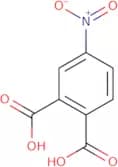
CAS:4-Nitrophthalic acid is a white crystalline solid that has an acid and basic character. It has been shown to be antigenic, with a specific antibody able to bind to the 4-nitro group. The structure of 4-Nitrophthalic acid was determined using X-ray crystallography and NMR spectroscopy. The molecular weight of 4-Nitrophthalic acid is 177.2 g/mol, with a melting point of 174 °C and a boiling point of 341 °C. It is soluble in water and organic solvents such as ethanol, acetone, chloroform, ethyl ether, benzene, hexane, dichloromethane and ethyl acetate.
Formula:C8H5NO6Purezza:Min. 97 Area-%Colore e forma:White PowderPeso molecolare:211.13 g/mol1-(2',3'-Difluorophenyl)-2-nitroethene
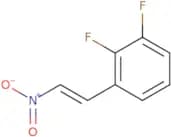
CAS:1-(2',3'-Difluorophenyl)-2-nitroethene (1,2-DFNE) is a speciality chemical that is used as an intermediate for the synthesis of a wide variety of organic compounds. It has been found to be a useful scaffold for the synthesis of complex compounds and can also be used as a building block for the synthesis of fine chemicals, research chemicals, and versatile building blocks. 1,2-DFNE is soluble in many organic solvents and can be handled without special precautions. This reagent is a high quality compound with purity greater than 99%.Formula:C8H5F2NO2Purezza:Min. 95%Colore e forma:PowderPeso molecolare:185.13 g/mol1,2,3,4-Tetrahydro-2,7-naphthyridine
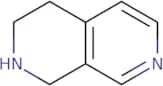
CAS:1,2,3,4-Tetrahydro-2,7-naphthyridine (1,2,3,4-THN) is a synthetic compound that can be made by the cross-coupling of an aryl halide with an organometallic reagent. It is used in the synthesis of polymers and as a precursor for pharmaceuticals. The reaction proceeds in two steps; first, deprotonation of the imine to form an enamine intermediate followed by intramolecular cyclization to produce 1,2,3,4-THN. This compound is hydrolyzed under acidic conditions to release methyl iodide and ammonia.
Formula:C8H10N2Purezza:Min. 95.0 Area-%Colore e forma:Clear LiquidPeso molecolare:134.18 g/molBoc-S-acetamidomethyl-L-cysteine 4-nitrophenyl ester
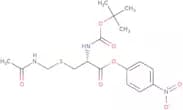
CAS:Please enquire for more information about Boc-S-acetamidomethyl-L-cysteine 4-nitrophenyl ester including the price, delivery time and more detailed product information at the technical inquiry form on this pageFormula:C17H23N3O7SPurezza:Min. 95%Colore e forma:PowderPeso molecolare:413.45 g/molAzithromycin impurity B
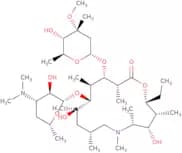
CAS:Azithromycin impurity B is a synthetic heterocycle that can be detected with chromatographic, spectroscopic, and other analytical methods. It is an impurity in the drug azithromycin, which is used to treat bacterial infections. Azithromycin impurity B has been shown to have a detection sensitivity of 1 part per million (ppm) and can be found in the following acetonitrile solvents: benzalkonium chloride, erythrocin, and viscosity-adjusting agents. This compound also has functional groups such as methyl alcohol and chloride.Formula:C38H72N2O11Purezza:Min. 95%Colore e forma:PowderPeso molecolare:732.99 g/mol1-(4,6-dimethylpyrimidin-2-yl)-3-benzoylthiourea
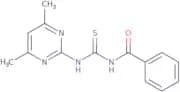
CAS:1-(4,6-dimethylpyrimidin-2-yl)-3-benzoylthiourea is a versatile compound that can be used in various research applications. It is commonly used as a condensation reagent in the synthesis of sulfonamide derivatives. This compound is also utilized in the development of research chemicals and reagents for various purposes.
Purezza:Min. 95%Fmoc-3-(2-naphthyl)-D-alanine
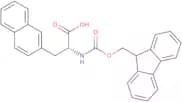
CAS:Fmoc-3-(2-naphthyl)-D-alanine is a fluorescent pressor agent that can be used in supramolecular chemistry. It has an anion form and a cation form, which are both present in the filtrate. The chemical will also form micelles when mixed with water. Fmoc-3-(2-naphthyl)-D-alanine is acetylated and can be used to study the nature of agarose. Fmoc-3-(2-naphthyl)-D-alanine can be used to measure the concentration of sorbitol in chromatography. This chemical has been shown to bind to DNA under microscopy, making it useful for fluorescence microscopy studies.Formula:C28H23NO4Purezza:Min. 95%Colore e forma:PowderPeso molecolare:437.49 g/mol3’,5’-Bis-O-benzoyl-2’-deoxy-2’-fluoro-β-D-arabino-6-azidouridine
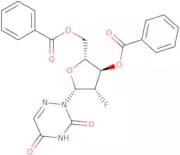
CAS:Please enquire for more information about 3’,5’-Bis-O-benzoyl-2’-deoxy-2’-fluoro-beta-D-arabino-6-azidouridine including the price, delivery time and more detailed product information at the technical inquiry form on this pagePurezza:Min. 95%L-Aspartic acid b-benzyl ester
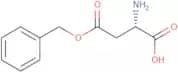
CAS:L-Aspartic acid b-benzyl ester (L-ABE) is a cytostatic drug that is biodegradable and can be used in a variety of animal species. It has been shown to inhibit the growth of cancer cells in vitro and in vivo, as well as micelles. L-ABE inhibits the action of dehydroascorbic acid reductase, an enzyme that reduces dehydroascorbic acid to ascorbic acid. This inhibition leads to an increase in the concentration of dehydroascorbic acid, which may cause cell death by damaging DNA. L-ABE also has been shown to inhibit P-glycoprotein (Pgp), leading to increased accumulation of anticancer drugs such as doxorubicin, which can lead to cell death.Formula:C11H13NO4Purezza:Min. 95%Colore e forma:White PowderPeso molecolare:223.23 g/mol