Standard farmaceutici
Gli standard farmaceutici sono un insieme completo di materiali di riferimento essenziali per garantire la sicurezza, l'efficacia e la qualità dei prodotti farmaceutici. Questa categoria include standard per ingredienti farmaceutici attivi (API), che sono i componenti principali responsabili degli effetti terapeutici. Inoltre, copre composti e metaboliti rilevanti sia per l'industria farmaceutica che veterinaria, fornendo punti di riferimento per la misurazione e l'analisi precisa di queste sostanze. Gli standard di controllo delle nitrosammine sono cruciali per rilevare e mitigare le nitrosammine potenzialmente dannose nelle formulazioni di farmaci. Gli standard di tossicologia aiutano a valutare la sicurezza e i potenziali effetti avversi dei composti farmaceutici. Inoltre, gli standard per attivatori e inibitori enzimatici sono vitali per la ricerca e lo sviluppo, consentendo studi precisi delle vie biochimiche e dei meccanismi d'azione dei farmaci. Questi standard farmaceutici sono strumenti indispensabili per la conformità normativa, il controllo di qualità e la ricerca, garantendo che i prodotti farmaceutici soddisfino rigorosi criteri di sicurezza ed efficacia.
Sottocategorie di "Standard farmaceutici"
- APIs per la ricerca e le impurità(274.845 prodotti)
- Attivatori e inibitori enzimatici(2.827 prodotti)
- Nitrosamine(2.605 prodotti)
- Composti e metaboliti farmaceutici e veterinari(2.869 prodotti)
- Tossicologia(13.652 prodotti)
Trovati 7836 prodotti di "Standard farmaceutici"
Ordinare per
Purezza (%)
0
100
|
0
|
50
|
90
|
95
|
100
3'-[2- Cyanoethyl N, N- bis(1- methylethyl) phosphoramidite]-5'- O- [bis(4- methoxyphenyl) phenylmethyl] - 2'- O- methyl- N- [2- [4- (1- methylethyl) phenoxy] acetyl] -guanosine
CAS:<p>Please enquire for more information about 3'-[2- Cyanoethyl N, N- bis(1- methylethyl) phosphoramidite]-5'- O- [bis(4- methoxyphenyl) phenylmethyl] - 2'- O- methyl- N- [2- [4- (1- methylethyl) phenoxy] acetyl] -guanosine including the price, delivery time and more detailed product information at the technical inquiry form on this page</p>Formula:C52H62N7O10PPurezza:Min. 95%Peso molecolare:976.06 g/mol1,1-Diethylurea
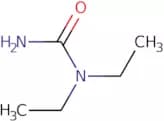
CAS:<p>1,1-Diethylurea is a 5-nitrosalicylic acid amide derivative. It is used as a reagent to synthesize other chemicals, such as 3,5-dinitrosalicylic acid and N-acetyl-2,6-diaminopurine. The reaction intermediates of this compound are chloride and liquid chromatograph with azides and quinoline derivatives. The molecular modeling and reaction products of 1,1-diethylurea are organic solution and pharmaceutical preparations. Fatty acids can be used to manufacture this product.</p>Formula:C5H12N2OPurezza:Min. 95%Peso molecolare:116.16 g/molTerflavin B
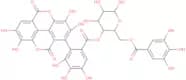
CAS:Prodotto controllato<p>Terflavin B is a natural product that has been shown to have autophagy-inducing properties. Terflavin B induces autophagy by increasing the metabolic rate and inhibiting the synthesis of proteins. This product has been shown to increase the cancer cell's sensitivity to chemotherapy, which may be due to its ability to induce reactive oxygen species. In addition, terflavin B can protect against drug interactions by inhibiting the activity of cytochrome P450 enzymes. It also inhibits the growth of resistant microorganisms such as chronic kidney and bladder infections. Terflavin B contains tannins and ellagitannins, which have antimicrobial activities that are effective against bacteria, yeast, and fungi.</p>Formula:C34H24O22Purezza:Min 90%Colore e forma:PowderPeso molecolare:784.54 g/mol2-(2-Naphthyloxy)propanoic acid
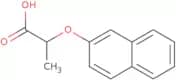
CAS:<p>2-(2-Naphthyloxy)propanoic acid is a naphthalene derivative that is found in the plant species Carthamus tinctorius. It has been shown to have potent antagonist activity against the NMDA receptor, as well as antinociceptive and analgesic properties in vivo. 2-(2-Naphthyloxy)propanoic acid also shows potent anti-inflammatory and cardioprotective effects in vitro and in vivo. 2-(2-Naphthyloxy)propanoic acid can be used for the treatment of bone cancer, congestive heart failure, diabetic neuropathy, or other disorders of the peripheral nervous system.</p>Formula:C13H12O3Purezza:Min. 95%Peso molecolare:216.23 g/mol5-Hydroxy-2,3-dihydronaphthalene-1,4-dione
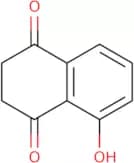
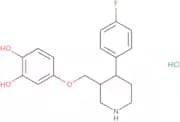
CAS:<p>Please enquire for more information about 5-Hydroxy-2,3-dihydronaphthalene-1,4-dione including the price, delivery time and more detailed product information at the technical inquiry form on this page</p>Formula:C10H8O3Purezza:Min. 95%Peso molecolare:176.17 g/molDesmethylene paroxetine hydrochloride salt
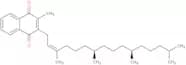
CAS:<p>Please enquire for more information about Desmethylene paroxetine hydrochloride salt including the price, delivery time and more detailed product information at the technical inquiry form on this page</p>Formula:C18H21ClFNO3Purezza:Min. 95%Peso molecolare:353.82 g/molcis-Vitamin K1
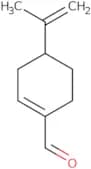
CAS:<p>Vitamin K is a fat-soluble vitamin that is required for blood coagulation. The major form of vitamin K in the body is the chemically similar menaquinone. Vitamin K1, also known as phylloquinone, is synthesized by plants and bacteria and can be found in green leafy vegetables, broccoli, cabbage, Brussels sprouts, kale, spinach, soybean oil and margarine. It has been shown to be an effective supplement for treating hypoprothrombinemia (low levels of prothrombin) in infants and tissues. The terminal half-life of vitamin K1 is about 20 days.</p>Formula:C31H46O2Purezza:Min. 95%Peso molecolare:450.7 g/mol(+/-)-Perillaldehyde
CAS:<p>Perillaldehyde is a natural compound that has been used in food and medicine for centuries. It is an antimicrobial agent with dextran sulfate, which is a sugar polymer that inhibits the growth of fungi and bacteria. Perillaldehyde also has been shown to inhibit the energy metabolism of microorganisms by decreasing ATP production. Perillaldehyde has also been shown to have genotoxic activity, as it can cause DNA strand breaks. This compound also causes oxidative stress in cells by reducing mitochondrial membrane potential and inducing reactive oxygen species (ROS). Perillaldehyde has acute toxicities, as it causes electrochemical impedance spectroscopy changes that indicate cell death.</p>Formula:C10H14OPurezza:Min. 95%Colore e forma:PowderPeso molecolare:150.22 g/mol3'-O-Benzyl-2'-Deoxy-5-Trifluoromethyluridine
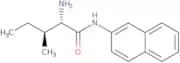
CAS:3'-O-Benzyl-2'-Deoxy-5-Trifluoromethyluridine (BDBMU) is a pyrimidine derivative that can be used as an antiviral drug. It inhibits the synthesis of DNA and RNA by inhibiting viral polymerase. BDBMU is a prodrug of uracil, which is converted to the active compound in tissues. The benzoylation reaction produces a fluorine atom at C5, which increases its potency. This drug has been shown to have minimal toxicity in tumor cells and has been used for the treatment of leukemia and other cancers.Formula:C17H17F3N2O5Purezza:Min. 95%Peso molecolare:386.32 g/molL-Isoleucine β-naphthylamide
CAS:<p>L-Isoleucine beta-naphthylamide is an amide derivative of L-isoleucine and 2-naphthylamine, which are carboxylic acid derivatives. The condensation of these two substances leads to the formation of a new compound with a carboxy group and an amino group.</p>Formula:C16H20N2OPurezza:Min. 95%Peso molecolare:256.34 g/molTriglycerol monolaurate
CAS:<p>Triglycerol monolaurate (GLA) is a fatty acid that can be synthesized by reacting glycerol with lauric acid. It has been shown to have antimicrobial properties, inhibiting the growth of fungi such as flavus and staphylococcus. GLA also inhibits the production of lipase and protease, enzymes that are required for the digestion of dietary fats. GLA has been used in infant formulas to inhibit the growth of bacteria, such as p. aeruginosa, which may cause infantile diarrhea. Triglycerol monolaurate is also used as dietary supplement to treat eczema due to its inhibitory effect on inflammatory cytokines such as tumor necrosis factor-α (TNF-α).</p>Formula:C21H42O8Purezza:Min. 95%Peso molecolare:422.55 g/molCamphorquinone
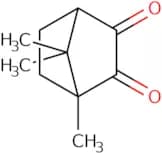
CAS:<p>Camphorquinone is an inorganic acid that is a component of the topical anaesthetic hydrochloride, which is used for the treatment of pain. Camphorquinone has a hydroxyl group, which can be replaced with other groups to produce different compounds. It has been shown to have a kinetic data for the polymerase chain reaction and to inhibit the activity of 4-dimethylaminobenzoic acid. Camphorquinone has also been shown to be effective against dental plaque and rat liver microsomes. The clinical relevance of camphorquinone has not yet been determined, but it may have an effect on hydrochloric acid production by zirconium oxide light emission.</p>Formula:C10H14O2Purezza:Min. 95%Colore e forma:PowderPeso molecolare:166.22 g/mol2-Propyl valeraldehyde
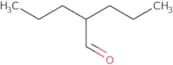
CAS:<p>2-Propyl valeraldehyde is a solvent that is used in pharmaceutical preparations and has been shown to inhibit the activity of aldehyde dehydrogenase, an enzyme that catalyzes the oxidation of alcohols and aldehydes. 2-Propyl valeraldehyde also inhibits the formation of carboxylic acids by competitive inhibition with metal ions such as zinc. The deuterium isotope effect has been used to show that 2-propyl valeraldehyde is metabolized by deuterium exchange. Mass spectrometric detection has shown that this compound contains a carbonyl group (C=O). This compound can be used as an intermediate in organic synthesis reactions, but it also has convulsant effects.</p>Formula:C8H16OPurezza:Min. 95%Peso molecolare:128.21 g/mol4-(2,4-Dinitrophenyl)butanoicacid
CAS:<p>Please enquire for more information about 4-(2,4-Dinitrophenyl)butanoicacid including the price, delivery time and more detailed product information at the technical inquiry form on this page</p>Formula:C10H10N2O6Purezza:Min. 95%Peso molecolare:254.2 g/molEosine-5-isothiocyanate
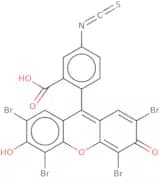
CAS:Eosine-5-isothiocyanate is a fluorescent probe that has affinity for the interstitium of the kidney. This compound inhibits the transport of organic compounds across the renal tubular epithelium, and it is used as a marker for renal function. Eosine-5-isothiocyanate binds to molybdate with high affinity and can be used to measure its concentration in blood plasma. The inhibitory potency of eosine-5-isothiocyanate on carboxylates was tested by perfusing phenolphthalein through a rat's kidneys. Phenoxy dicarboxylates were found to be more potent inhibitors than phenoxy monocarboxylates, but not as potent as eosine-5-isothiocyanate itself. The spectrum of eosine-5-isothiocyanate is in the visible range, so this compound can be detected usingFormula:C21H7Br4NO5SPurezza:85% MinColore e forma:PowderPeso molecolare:704.97 g/mol2-Hydroxy-6-nitronaphthalene
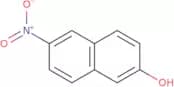
CAS:<p>2-Hydroxy-6-nitronaphthalene is a colourless, crystalline solid that is soluble in water and polar organic solvents. It has been used as a coupling agent for chromium compounds, such as dichromates and chromates. 2-Hydroxy-6-nitronaphthalene can be diazotised to form an orange compound. This reaction occurs under acidic conditions, but the product is stable at alkaline pH levels. The product of this reaction is an asymmetric monoazo dye that has trivalent chromium atoms covalently bonded to it. Hydrogen atoms are present on the nitrogen atoms of the molecule. 2-Hydoxy-6-nitronaphthalene can also be used to produce sulfate esters, which are typically used in organic synthesis reactions involving sulfuric acid or hydrogen sulfate ion donors.</p>Formula:C10H7NO3Purezza:Min. 95%Peso molecolare:189.17 g/molFutalosine
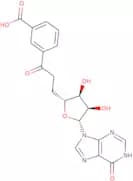
CAS:Futalosine is a fatty acid that inhibits the reaction mechanism of certain enzymes. It binds to the enzyme and prevents its activity by binding to an allosteric site on the enzyme, thereby blocking the active site. This inhibition can be reversed by adding an activator molecule, such as chorismate. Futalosine has been shown to inhibit papilloma virus and human pathogens but not bacterial species. It is also a natural compound that is found in plants and other organisms. The type species for futalosine is Choristoma mexicanum.END>Formula:C19H18N4O7Purezza:Min. 95%Peso molecolare:414.37 g/mol1-Vinylnaphthalene, stab. with 4-tert-butylcatechol
CAS:1-Vinylnaphthalene is a monomer that has been shown to polymerize through cationic polymerization. It is reported to have high resistance, as well as fluorescence properties. The magnetic resonance spectroscopy of 1-vinylnaphthalene showed the presence of a hydroxyl group and a fatty acid side chain. The kinetic data for 1-vinylnaphthalene shows an increase in the dry weight with increasing concentration, which can be attributed to the hydroxyl group and the fatty acid side chain. Patterning experiments have also been conducted on 1-vinylnaphthalene films using hydrogen fluoride, showing that it can be used for patterning purposes.Formula:C12H10Purezza:Min. 95%Colore e forma:Clear Colourless To Yellow LiquidPeso molecolare:154.21 g/molGly-arg-4-methoxy-β-naphthylamide dihydrochloride
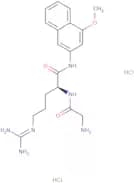
CAS:Please enquire for more information about Gly-arg-4-methoxy-beta-naphthylamide dihydrochloride including the price, delivery time and more detailed product information at the technical inquiry form on this pageFormula:C19H26N6O3·2ClHPurezza:Min. 95%Peso molecolare:459.37 g/molOxychelidonine
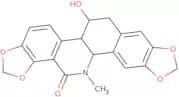
CAS:<p>Oxychelidonine is a chemical compound that is extracted from the leaves of the Oxycoccus vernus plant. Studies have shown that oxychelidonine has significant cytotoxicity against various cancer cells, including those of the breast, prostate, and colon. It is believed to induce apoptotic cell death by inhibiting DNA synthesis and by blocking protein synthesis in cancer cells. Oxychelidonine also inhibits bacterial growth. The extract shows significant cytotoxicity against gram-negative bacteria such as Escherichia coli and Salmonella typhimurium. It has been shown to inhibit the growth of Aspergillus fumigatus, which is a fungus that causes aspergillosis, a type of lung infection. Oxychelidonine can be used in moxibustion treatments for certain conditions such as bronchitis or asthma. Moxibustion involves burning an herb called mugwort (Artemisia vulgaris) on or</p>Formula:C20H17NO6Purezza:Min. 95%Colore e forma:PowderPeso molecolare:367.35 g/mol
![3'-[2- Cyanoethyl N, N- bis(1- methylethyl) phosphoramidite]-5'- O- [bis(4- methoxyphenyl) phenylm…](/_next/image/?url=https%3A%2Fstatic.cymitquimica.com%2Fproducts%2F3D%2Fthumb-webp%2FFC165570.webp&w=3840&q=75)