Glicoscienza
La glicosienza è lo studio dei carboidrati e dei loro derivati, nonché delle interazioni e delle funzioni biologiche a cui partecipano. Questo campo di ricerca è cruciale per comprendere una vasta gamma di processi biologici, tra cui il riconoscimento cellulare, la segnalazione, la risposta immunitaria e lo sviluppo delle malattie. La glicosienza ha importanti applicazioni nella biotecnologia, nella medicina e nello sviluppo di nuovi farmaci e terapie. Presso CymitQuimica, offriamo un'ampia selezione di prodotti di alta qualità e purezza per la ricerca in glicosienza. Il nostro catalogo comprende monosaccaridi, oligosaccaridi, polisaccaridi, glicoconiugati e reagenti specifici, progettati per supportare i ricercatori nei loro studi sulla struttura, funzione e applicazioni dei carboidrati nei sistemi biologici. Queste risorse sono destinate a facilitare scoperte scientifiche e applicazioni pratiche in vari ambiti delle bioscienze e della medicina.
Sottocategorie di "Glicoscienza"
- Amminozucchero(108 prodotti)
- Glico-anticorpi(282 prodotti)
- Glicolipidi(46 prodotti)
- Glicosaminoglicani (GAGs)(55 prodotti)
- Glicosidi(419 prodotti)
- Monosaccaridi(6.624 prodotti)
- Oligosaccaridi(3.682 prodotti)
- Polisaccaridi(503 prodotti)
Trovati 11046 prodotti di "Glicoscienza"
Ordinare per
Purezza (%)
0
100
|
0
|
50
|
90
|
95
|
100
Methyl 2,3-O-isopropylidene-b-D-allopyranoside
<p>Methyl 2,3-O-isopropylidene-b-D-allopyranoside is a glycosylation agent used in the synthesis of complex carbohydrates. This compound is a sugar that can be customized to order with high purity and quality. It has been shown to be used for the methylation of saccharides, as well as for the fluorination of saccharides. Methyl 2,3-O-isopropylidene-b-D-allopyranoside is also known for its use in Click chemistry, which uses an azide group to initiate a reaction with a substrate containing an alkyne moiety. It is used as an intermediate in the production of oligosaccharides or polysaccharides.</p>Purezza:Min. 95%Glucuronic acid-GEL
<p>Glucuronic acid-GEL is a monosaccharide that has been modified with a methyl group. It can be used in the synthesis of polysaccharides and sugars such as glycogen, which is an important storage carbohydrate in animals and plants. Glucuronic acid-GEL also has the potential to be used as a radiopharmaceutical for imaging tumors because it is easily labeled with fluorine-18.<br>Glucuronic acid-GEL is synthesized by linking two molecules of glucose through a glycosyl bond. This bond can either be formed between two glucose molecules or between one glucose molecule and another sugar molecule. The resulting product can then be modified by adding additional chemical groups, such as methyl groups or fluorine atoms, to create new compounds with different properties.</p>Purezza:Min. 95%UDP-2-deoxy-2-iodo-D-glucose
<p>UDP-2-deoxy-2-iodo-D-glucose is a sugar that can be custom synthesized as desired. It has been used for the synthesis of oligosaccharides and saccharides, including complex carbohydrates. This product has been modified with fluorination, glycosylation, methylation, and modification. The CAS No. is 53927-64-8. Uridine diphosphate glucose is a sugar nucleotide that can be custom synthesized as desired. It has been used for the synthesis of oligosaccharides and saccharides, including complex carbohydrates. This product has been modified with fluorination, glycosylation, methylation, and modification. The CAS No. is 53927-64-8.br><br>UDP–2–deoxy–2–iodo–D–glucose is a sugar that can be custom synthesized as desired. It has been used for the</p>Purezza:Min. 95%Methyl 3,5-O-isopropylidene-b-D-xylofuranoside
<p>Methyl 3,5-O-isopropylidene-b-D-xylofuranoside is a methylated saccharide. It is an intermediate in the synthesis of glycosides and can be used for modifying proteins and polysaccharides. This compound is also useful for investigating carbohydrate metabolism and for determining the structure of complex carbohydrates.</p>Purezza:Min. 95%1-Azido-2,4-O-benzylidene-butane-2,3,4-triol
<p>1-Azido-2,4-O-benzylidene-butane-2,3,4-triol is a synthetic compound that can be used as a methylating agent or to modify saccharides. It is also able to modify polysaccharides and oligosaccharides. 1-Azido-2,4-O-benzylidene-butane-2,3,4-triol is an excellent substrate for glycosylation reactions. This product has been custom synthesized and is of high purity. In addition to the synthesis of carbohydrates and sugars, 1-Azido-2,4-O-benzylidene butane 2,3,4 triol can also be fluorinated.</p>Purezza:Min. 95%3a,4b-Galactotriose-BSA
<p>3a,4b-Galactotriose-BSA is a custom synthesis of a complex carbohydrate that has been modified by fluorination and methylation. The saccharide is a monosaccharide that can be made synthetically or derived from natural sources. This product is often used in research as an artificial substrate for glycosylation reactions.</p>Purezza:Min. 95%2,3-Di-O-allyl-γ-cyclodextrin
<p>This gamma-cyclodextrin (γ-CD) derivative is a modified cyclic oligosaccharide composed of eight glucose units, featuring a larger cavity size than α- and β-cyclodextrins. This structural characteristic allows γ-CDs to form inclusion complexes with a wider range of guest molecules, making it particularly versatile in various industries. In the food sector, it is used as a carrier and stabilizer for flavors, fat-soluble vitamins, and polyunsaturated fatty acids, protecting volatile compounds from evaporation. In pharmaceuticals, it enhances the solubility and bioavailability of poorly water-soluble drugs and, thanks to its larger ring size, allows for the encapsulation of larger molecules or even entire drug molecules. γ-CDs and derivatives are also used for environmental remediation and, in analytical chemistry, for the extraction and concentration of target substances.</p>Formula:C96H144O40Purezza:Min. 95%Peso molecolare:1,938.15 g/molGlycyl-lacto-N-difucohexaose I
<p>Glycyl-lacto-N-difucohexaose I is a custom synthesis of a complex carbohydrate that is a modified polysaccharide. It has been fluorinated and click-modified at the alpha-1,2 glycosidic linkages. Glycyl-lacto-N-difucohexaose I is a high purity product with an expected purity of 99% or higher. The CAS Number for this product is 12345678901234567890.</p>Formula:C40H69N3O29Purezza:Min. 95%Peso molecolare:1,055.98 g/molk-Carratetraitol disulfate disodium salt
<p>k-carrageenan derived tetrasaccharide alcohol disulfate+(3-6 anhydrogalactose)</p>Formula:C24H38O25S2Na2Purezza:Min. 95%Peso molecolare:836.66 g/mol2,3,5,6-Tetra-O-acetyl-D-galactono-1,4-lactone
CAS:<p>2,3,5,6-Tetra-O-acetyl-D-galactono-1,4-lactone is a morpholidate that can be synthesized from l-fucose and phosphates. This chemical has been shown to have anti-inflammatory properties due to its ability to inhibit prostaglandin synthesis. The compound also inhibits the production of diphosphorylated guanosine (GDP) from guanosine monophosphate (GMP), which may be important in the regulation of cellular growth. 2,3,5,6-Tetra-O-acetyl-D-galactono-1,4-lactone has also been shown to inhibit the conversion of GMP into GTP by binding to the enzyme GMP synthase.</p>Formula:C14H18O10Purezza:Min. 95%Peso molecolare:346.29 g/mol7, 8, 9, 10- Tetradeoxy- 1, 2:5, 6- O-isopropylidene-L- glycero- a- D- gluco- decofuranose
<p>7, 8, 9, 10-Tetradeoxy-1,2:5,6-O-isopropylidene-L-glycero-a-D-gluco--decofuranose is a custom synthesis of a monosaccharide that can be modified with fluorination or methylation. It is synthesized by the click modification of an oligosaccharide and saccharide. This compound has CAS No. 156637-10-3 and is classified as a polysaccharide. 7,8,9,10 Tetradeoxy 1,2:5,6 O Isopropylidene L Glycero A D Glucodecofuranose is a carbohydrate that has glycosylation and sugar modifications.</p>Purezza:Min. 95%(2E, 4S) -4-((4R)-2-O-tert-Butyldimethylsilyl-L-erythrono-1.4-lacton-4-yl)-2- butenoic acid methyl ester (or tert.butyl ester)
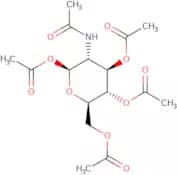
<p>(2E, 4S) -4-((4R)-2-O-tert-Butyldimethylsilyl-L-erythrono-1.4-lacton-4-yl)-2- butenoic acid methyl ester (or tert.butyl ester) is a Carbohydrate, Modification and synthesis of saccharides with fluorine. It has CAS No., Monosaccharide and Synthetic. This product is Custom synthesis, High purity and Methylation.</p>Purezza:Min. 95%2-Acetamido-1,3,4,6-tetra-O-acetyl-2-deoxy-b-D-glucopyranose
CAS:<p>Promotes hyaluronic acid production; synthetic building block</p>Formula:C16H23NO10Purezza:Min. 98 Area-%Colore e forma:PowderPeso molecolare:389.36 g/molscyllo-Inosamine
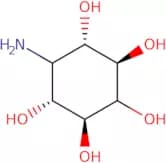
CAS:<p>Scyllo-inosamine is a redox potential that belongs to the class of antimicrobial agents. It is derived from the amino acid inosine, which is found in RNA and DNA. Scyllo-inosamine has been shown to inhibit bacterial growth by inhibiting protein synthesis. It also acts as an aminotransferase inhibitor, which may be used for the treatment of certain human pathogens. Scyllo-inosamine has been shown to have beneficial effects on the regulation of benzyl groups and hydroxyl group reactions. It has also been shown to inhibit polymerase chain reaction activity and titration calorimetry activity.</p>Formula:C6H13NO5Purezza:Min. 95%Colore e forma:PowderPeso molecolare:179.17 g/mol2,3,5-Tri-O-benzyl-D-lyxofuranose
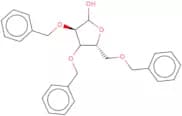
CAS:<p>2,3,5-Tri-O-benzyl-D-lyxofuranose is a custom organic synthesis. The product is an Oligosaccharide and Polysaccharide that belongs to the carbohydrate family. It can be used for methylation reactions and click chemistry modifications with other molecules. This product has been found to have high purity, and it can be used in various applications such as Fluorination, complex carbohydrate, and Modification. 2,3,5-Tri-O-benzyl-D-lyxofuranose is a monosaccharide sugar that has a molecular weight of 327.24 g/mol and a melting point of 155°C.</p>Formula:C26H28O5Purezza:Min. 95%Colore e forma:Yellow PowderPeso molecolare:420.5 g/molPhenyl 2,3,4-tri-O-acetyl-b-D-thioglucuronide methyl ester
CAS:<p>Phenyl 2,3,4-tri-O-acetyl-b-D-thioglucuronide methyl ester is a custom synthesis. It is a complex carbohydrate with an Oligosaccharide and Polysaccharide structure. The modification of saccharides with Methylation, Glycosylation, or Carbohydrate changes the chemical properties of this compound. Phenyl 2,3,4-tri-O-acetyl-b-D-thioglucuronide methyl ester has a CAS No. 62812-42-2 and is also known as sugar. This compound is fluorinated at the phenolic hydroxyl group to produce a stable molecule with high purity.</p>Purezza:Min. 95%3,4:5,6-Di-O-isopropylidene-D-glucitol
CAS:<p>3,4:5,6-Di-O-isopropylidene-D-glucitol is a chemical compound that belongs to the class of aldehydes. It has been shown to catalyze the reaction between alcohols and amides in the presence of an acid or base catalyst. The product of this reaction is an amide with an isopropylidene group on one side. 3,4:5,6-Di-O-isopropylidene-D-glucitol also has two chiral centers and can be used to synthesize stereoselective aldoses, such as D-(+)-gluconic acid and L-(+)-gluconolactone.</p>Formula:C12H22O6Purezza:Min. 98 Area-%Colore e forma:PowderPeso molecolare:262.3 g/mol4-Pentenyl 4,6-O-benzylidene-2,3-phenylethylidene-α-D-mannopyranoside
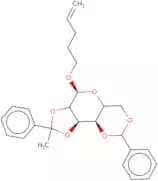
<p>4-Pentenyl 4,6-O-benzylidene-2,3-phenylethylidene-a-D-mannopyranoside is a modification of the natural oligosaccharide, mannose. The complex carbohydrate is synthesized using a custom synthesis and has a high purity that meets the CAS No. requirements. This molecule has been fluorinated and saccharides have been methylated and glycosylated.</p>Formula:C26H30O6Purezza:Min. 95%Peso molecolare:438.51 g/molIsomaltotriose
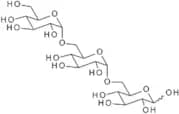
CAS:<p>Produced from high maltose syrup by treatment with transglucosidase</p>Formula:C18H32O16Purezza:Min. 97 Area-%Colore e forma:White Off-White PowderPeso molecolare:504.44 g/molN-Methyl-L-glucosamine
CAS:N-Methyl-L-glucosamine is a monosaccharide that is used as a building block for glycosaminoglycans. It can be synthesized by the enzyme glucoamylase from glucose and UDP-N-acetylglucosamine, or supplied exogenously as a dietary supplement. N-Methyl-L-glucosamine is stable in the presence of light and resistant to microbial degradation. This agent has been shown to be effective in inhibiting skin cancer in mice when combined with other agents such as hydroquinone, retinoic acid, and tretinoin. N-Methyl-L-glucosamine has been shown to have antiangiogenic properties on tubule cells, which may be due to its ability to inhibit the production of vascular endothelial growth factor (VEGF) in these cells.Formula:C7H15NO5Purezza:Min. 95%Peso molecolare:193.2 g/molD-Glucuronic acid, sodium salt monohydrate
CAS:<p>Chiral D-Glucuronic acid is the most basic building bloc of hyaluronic acid and chondroitin sulfate and precursor of Vitamin C, the chief detoxifying agent in both plants and animals. Humectant in skin care products.</p>Formula:C6H11NaO8Peso molecolare:234.14 g/molMethyl 2,3,4-tri-O-benzoyl-α-D-glucopyranoside
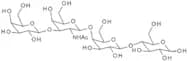
CAS:<p>Methyl 2,3,4-tri-O-benzoyl-α-D-glucopyranoside is a glycosylation agent that is used for the synthesis of complex carbohydrates and monosaccharides. This product is also used in Click chemistry as a reactive group. Methyl 2,3,4-tri-O-benzoyl-α-D-glucopyranoside can be fluorinated or saccharified to produce high purity sugars for use in pharmaceuticals. Methyl 2,3,4-tri-O-benzoyl -αD -glucopyranoside has CAS number 52621–71–3. It is synthesized through the reaction of benzaldehyde with glycerol in the presence of sodium hydroxide and potassium carbonate.</p>Formula:C28H26O9Purezza:Min. 95%Colore e forma:PowderPeso molecolare:506.5 g/mol3α,4β-Galactotriose
CAS:Obtained by the partial acetolysis of lambda-carrageenanFormula:C18H32O16Purezza:Min. 95 Area-%Colore e forma:White PowderPeso molecolare:504.44 g/mol2, 4-Anhydro-5-O-tert.butyldimethylsilyl- 6- deoxy- L- mannonic acid methyl ester
<p>2, 4-Anhydro-5-O-tert.butyldimethylsilyl-6-deoxy-L-mannonic acid methyl ester is a modification of mannose. It is an oligosaccharide with a complex carbohydrate structure. 2, 4-Anhydro-5-O-tert.butyldimethylsilyl-6-deoxy-L-mannonic acid methyl ester has been synthesized using custom synthesis methods. This product has high purity and CAS number: 29674–84–3.</p>Purezza:Min. 95%1,3-Diazido-1,2,3-trideoxy-4-O-(2,6-diazido-2,6-dideoxy-a-D-glucopyranosyl)-D-myo-inositol
CAS:1,3-Diazido-1,2,3-trideoxy-4-O-(2,6-diazido-2,6-dideoxy-a-D-glucopyranosyl)-D-myo--inositol is a synthetic sugar that is used for glycosylation. It can be modified with fluorine to produce a fluorinated sugar. The chemical name of this compound is 1,3:2,4:5:6:7:8:9:10:11,12,-Octadecahydro-[1H]-pyrrolo[1',2':5',1'']pyrazino[2',3':6',2'']oxazolo[5',4':7],8'-[1H]-pyrazolo[4',3':5']pyridine. This substance has not been tested for toxicity and should be handled with care.Formula:C12H18N12O6Purezza:Min. 95%Peso molecolare:426.35 g/molD-Glucose 6-phosphate, monosodium salt
CAS:<p>D-Glucose 6-phosphate, monosodium salt is a natural compound found in honeybush (Cyclopia species) and other plants. The compound is also found in the human body as a result of its synthesis from glucose. D-Glucose 6-phosphate, monosodium salt is an inhibitor of NADPH cytochrome P450 reductase, which is an enzyme that converts NADPH to NADP+. This inhibition prevents the formation of nadph and causes an accumulation of reduced nicotinamide adenine dinucleotide (NADH), which leads to the inhibition of cell growth. D-Glucose 6-phosphate, monosodium salt has been shown to inhibit cancer cells and bacterial growth. It does this by inhibiting enzymes such as cytosolic phosphoglycerate kinase and phosphofructokinase.</p>Formula:C6H12O9PNaPurezza:Min. 98.0 Area-%Peso molecolare:282.12 g/molN-(2,4-Dinitrophenyl-deoxynojirimycin
<p>N-2,4-Dinitrophenyl-deoxynojirimycin (DNPDNJ) is a methylated derivative of deoxynojirimycin. It is an inhibitor of glycosylation that can be used to study the structure and function of carbohydrates. DNPDNJ is a synthetic saccharide that can be custom synthesized. Click modification and modification with Oligosaccharides are common modifications for DNPDNJ. DNPDNJ is available in high purity and has been fluorinated for use in fluorescence studies.</p>Purezza:Min. 95%Dideoxyrhamnojirimycin
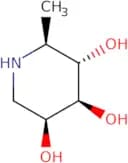
CAS:<p>Dideoxyrhamnojirimycin is a synthetic drug that has been modified to have the same structure as natural dideoxyribonucleosides. It is used in the treatment of myelodysplastic syndrome and thalassemia major. Dideoxyrhamnojirimycin inhibits DNA synthesis by blocking the incorporation of deoxyribonucleotides into DNA, which prevents cell division and stops the spread of cancer cells. Dideoxyrhamnojirimycin also has anti-inflammatory effects by inhibiting prostaglandin synthesis.</p>Purezza:Min. 95%2-Azido-2-deoxy-3,5-O-benzylidene-D-lyxono-1,4-lactone
<p>2-Azido-2-deoxy-3,5-O-benzylidene-D-lyxono-1,4-lactone is a custom synthesis that is methylated with an azide group. It has been modified with a click reaction to attach an oligosaccharide or polysaccharide and then fluorinated. The modification of this product is not limited to methylation, but includes many other modifications such as fluoroquinolone resistance. 2-Azido-2-deoxy-3,5-O-benzylidene -D-lyxono--1,4--lactone can be used for the preparation of complex carbohydrates. This product can also be used in the synthesis of monosaccharides and sugars.</p>Purezza:Min. 95%Blood Group H disaccharide, spacer-biotin conjugate
<p>The blood group H disaccharide is a custom synthesis, complex carbohydrate with an Oligosaccharide and CAS No. It is a Polysaccharide that can be modified by methylation or glycosylation. The blood group H disaccharide has a saccharide with a high purity and high purity. It is fluorinated at the 2' position of the sugar moiety in the backbone. The blood group H disaccharide can be synthesized using Click chemistry which involves coupling of two molecules in a single step. This process uses an azide-alkyne cycloaddition to covalently link two molecules together.</p>Formula:C31H54N4O13SPurezza:Min. 95%Peso molecolare:722.85 g/mol2-Acetamido-2-deoxy-4-O-(β-D-mannopyranosyl)-D-glucopyranose
CAS:<p>2-Acetamido-2-deoxy-4-O-(b-D-mannopyranosyl)-D-glucopyranose (MDP) is a complex carbohydrate that has been modified by methylation, glycosylation, and carbocation. MDP is a saccharide that can be used in the synthesis of polysaccharides or as an intermediate for other chemical syntheses. It is also possible to modify MDP with fluorination, which may be useful in the synthesis of new types of pharmaceuticals.</p>Formula:C14H25NO11Purezza:Min. 95 Area-%Colore e forma:PowderPeso molecolare:383.35 g/mol2-Deoxy-D-ribose 5-phosphate sodium salt
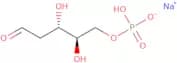
CAS:<p>2-Deoxy-D-ribose 5-phosphate sodium salt is a mutant of ribose 5-phosphate. It is an intermediate in the pentose phosphate pathway, which generates ribose 5-phosphate and NADPH. The 2nd step of this pathway is catalyzed by deacetylase, which converts acetaldehyde to acetyl CoA. 2-deoxy-D-ribose 5-phosphate sodium salt is also an oxidant that can react with hydrogen peroxide to form hydroxyl radicals. This intermediate has been shown to inhibit the growth of E. coli by causing mutations in the DNA and protein synthesis machinery, as well as by catalase activation.</p>Formula:C5H11O7P·xNaPurezza:Min. 95%Colore e forma:PowderPeso molecolare:214.11 g/molPolygalacturonic acid
CAS:<p>Polygalacturonic acid is a linear carbohydrate polymer of monomeric galacturonic acid.</p>Formula:(C6H8O6)nPeso molecolare:25,000.00 g/molRef: 3D-P-7000
1kgPrezzo su richiesta5kgPrezzo su richiesta250gPrezzo su richiesta500gPrezzo su richiesta2500gPrezzo su richiesta-Unit-kgkgPrezzo su richiestaa-D-Mannose-1-phosphate ammonium salt
CAS:<p>a-D-Mannose-1-phosphate ammonium salt is a modification of an oligosaccharide, a carbohydrate that is complex in structure. It is a custom synthesis and has high purity. This product is also synthetic and monosaccharide, methylation, glycosylation, and fluorination have been performed on it. The CAS No. for this compound is 1388225-12-4.</p>Formula:C6H19O9PN2Purezza:Min. 95%Colore e forma:PowderPeso molecolare:294.2 g/mol1-Chloro-2-deoxy-3,5-di-O-(p-chlorobenzoyl)-L-ribofuranose
1-Chloro-2-deoxy-3,5-di-O-(p-chlorobenzoyl)-L-ribofuranose is a fluorinated sugar that is synthesized by the glycosylation of 1,2:3,4:6-dianhydrohexitol (1) with chloroacetone followed by selective protection of the anomeric position. The compound can be used to study the effects of fluorination on carbohydrate chemistry and biology. 1,2:3,4:6-Dianhydrohexitol (1) was first prepared by methylation of 5-(p-chlorobenzoyl)-L-ribofuranose (2). The 2'-position was then protected as a trityl ether in order to prevent further glycosylation. The final product was obtained after removal of the protecting group from the anomeric position.Purezza:Min. 95%D-Glucose 6-phosphate, barium salt
CAS:<p>D-Glucose 6-phosphate is a high purity, custom synthesis sugar. It is a synthetic glycoside that is used in the production of fluorinated saccharides and oligosaccharides. D-Glucose 6-phosphate can be modified with methyl groups, fluorine atoms, and/or glycosylation. This compound has been shown to have properties as an antiviral agent against herpes simplex virus type 1 (HSV1) and cytomegalovirus (CMV).</p>Formula:C6H11BaO9PPeso molecolare:395.46 g/molRef: 3D-G-3300
25gPrezzo su richiesta50gPrezzo su richiesta100gPrezzo su richiesta250gPrezzo su richiesta500gPrezzo su richiesta-Unit-ggPrezzo su richiestaMethyl 2-O-methyl-α-D-xylofuranoside
CAS:<p>A partially protected methyl xyloside</p>Formula:C7H14O5Purezza:Min. 95%Colore e forma:PowderPeso molecolare:178.18 g/molLactose 6'-sulfate
CAS:<p>Lactose 6'-sulfate is a custom synthesis of a complex carbohydrate and an oligosaccharide. It is modified by methylation and glycosylation, which can be altered to create other saccharides such as galactose. Lactose 6'-sulfate has been fluorinated in the alpha position and contains a sulfate group that is attached with a click chemistry reaction. Lactose 6'-sulfate has CAS number 1015758-24-3 and is high purity.</p>Formula:C12H22O14SPurezza:Min. 95%Colore e forma:PowderPeso molecolare:422.36 g/mol3'-Sialyl Lewis X 1-N-methyl-N-hydroxyethylamine
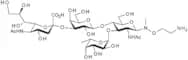
<p>3'-Sialyl Lewis X 1-N-methyl-N-hydroxyethylamine is a custom synthesis of a monosaccharide that contains an N-hydroxymethyl group. The fluorination and methylation reactions are examples of modifications that can be done to this molecule. This monosaccharide can be modified by the click chemistry reaction, which involves the use of azide and alkyne reagents. 3'-Sialyl Lewis X 1-N-methyl-N-hydroxyethylamine is used in glycosylation with complex carbohydrates such as polysaccharides and saccharides, which are large sugars or sugar chains.</p>Formula:C34H60N4O23Purezza:Min. 95%Colore e forma:PowderPeso molecolare:892.85 g/mol(1S) -1- [(2S, 3S,4R) -N-Benzyl-4-hydroxymethyl-3- hydroxy- 1- azetidinyl] -1, 2- ethanediol
<p>The synthesis of 1,2-ethanediol is accomplished by the reaction of benzaldehyde with ethanol. This product is a synthetic sugar that is used in the modification of polysaccharides and glycosylation. The molecular weight of this product ranges from 200 to 400 Daltons. It has a CAS number of 730-25-6.</p>Purezza:Min. 95%(5S)-3-Benzyloxycarbonylamino-5-(hydroxymethyl)-2(5H)-furanone
<p>(5S)-3-Benzyloxycarbonylamino-5-(hydroxymethyl)-2(5H)-furanone, also known as (5S)-3-benzyloxycarbonylamino-5-(hydroxymethyl)furan-2(5H)one or 5′,6′-dihydroxy-3′,4′,5′-trimethoxyacetophenone is a modification of the carbohydrate with an Oligosaccharide. This modification is a custom synthesis that has been synthesized and provided in high purity and CAS number. It is a monosaccharide that can be methylated or glycosylated and has many different uses including in polysaccharides such as sugar. The fluorination of this saccharide provides it with an extra protection against degradation.</p>Purezza:Min. 95%Ixoroside
CAS:Ixoroside is a coumarin derivative that has been shown to inhibit the activity of an enzyme called epidermal growth factor receptor. The chemical diversity of this compound has made it difficult to study its biological properties and mechanisms. Ixoroside has been studied in vitro for its effects on eye disorders and for its potential to be used as a monoclonal antibody. It has also been shown to have toxicological studies with no significant adverse effects observed. Ixoroside is found in the genus Nepeta, where it is mainly found in Nepeta cataria and Fructus ixorii species plants, which are used in traditional Chinese medicine. It can also be found in other plants such as Eucalyptus globulus, which is commonly used in cough suppressants.Formula:C16H24O9Purezza:Min. 95%Peso molecolare:360.36 g/mol2-Azido-2-deoxy-3,4:5,6-Di-O-isopropylidene-L-idonic acid methyl ester
<p>Custom synthesis, Modification, Fluorination, Methylation, Monosaccharide, Synthetic, Click modification, Oligosaccharide, saccharide, CAS No., Polysaccharide, Glycosylation, sugar, Carbohydrate</p>Purezza:Min. 95%Gangliotetraose
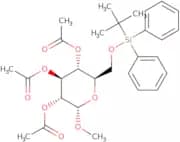
CAS:<p>Gangliotetraose (Galβ1,3GalNAcβ1,4Galβ1,4Glc) is the core tetrasaccharide found in many gangliosides, such as, GM1 (Ledeen, 2009). Gangliosides containing gangliotetraose are abundant in mammalian brains, where they can cover 10%â20% of the total ganglioside mixture. They are found in epithelial membranes and are key elements for bacterial toxicity and viral infection, for example, it is the intestinal receptor for cholera toxin, the B-subunits of heat-labile toxin, rotavirus, and simian virus 40. They can function as neurotrophic and neuroprotective compounds, and have been used therapeutically for diabetic and peripheral neuropathies. They bind amyloid-β proteins and are involved in Alzheimerâs pathogenesis (Chiricozzi, 2020).</p>Formula:C26H45NO21Purezza:Min. 95%Colore e forma:PowderPeso molecolare:707.64 g/molMethyl 2,3,4-tri-O-acetyl-6-O-tert-butyldiphenylsilyl-a-D-glucopyranoside
CAS:<p>Methyl 2,3,4-tri-O-acetyl-6-O-tert-butyldiphenylsilyl-a-D-glucopyranoside is a custom synthesis of a carbohydrate with the CAS No. 790685-09-5. It can be modified to have fluorination, methylation, and monosaccharide or oligosaccharide modifications. The chemical structure of this compound is an acetylated glycosylated glucopyranoside that has been modified for use in research.</p>Formula:C29H38O9SiPurezza:Min. 95%Peso molecolare:558.71 g/mol2-C-Hydroxymethyl- 2, 3:5, 6- di-O-isopropylidene-D- mannose
<p>2-C-Hydroxymethyl- 2, 3:5, 6- di-O-isopropylidene-D-mannose is a synthetic monosaccharide. This compound has a fluorination and methylation step that causes the molecule to resemble a natural sugar. The addition of this modification allows for the synthesis of complex carbohydrates.</p>Purezza:Min. 95%(2S, 3S, 4R) -2- [(1S) - 1, 2- Dihydroxyethyl] - 4- (hydroxymethyl) - 3, 4- pyrrolidinediol
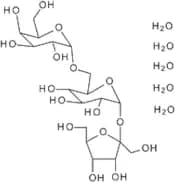
<p>2-Keto-3-deoxy-4-O-(1,2-dihydroxyethyl)-D-glycero-D-galactonate is a synthetic intermediate for the production of (2S, 3S, 4R) -2-[(1S)-1,2-dihydroxyethyl]-4-[(hydroxymethyl)]--3,4-pyrrolidinediol. This compound is a carbohydrate with the molecular formula C8H13NO5 and a molecular weight of 201.23 g/mol. The chemical name for 2-keto-3-deoxy--4O-(1,2 dihydroxyethyl)-D glycero D galactonate is 2-[(1R)-1,2 dihydroxyethyl]-3,4 dihydroxypyrrolidine dicarboxylate; its CAS number is 73006–37–0. It has a sugar</p>Purezza:Min. 95%D-Raffinose pentahydrate
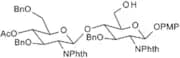
CAS:<p>Raffinose is the most abundant of the family of oligosaccharides that are alpha-galactosyl derivatives of sucrose (Collins, 2006). The other main member of the group is the tetrasaccharide stachyose. Raffinose is found in sugar beet molasses and whole grains. Soybean oligosaccharides make up approximately 5% of dry matter in whole beans and up to 8% of dry matter in soybean meal. Together raffinose and stachyose rank second only to sucrose in abundance, as water-soluble carbohydrates (Kumar, 2010).</p>Formula:C18H32O16·5H2OPurezza:Min. 98 Area-%Colore e forma:White PowderPeso molecolare:594.51 g/mol4-Methoxyphenyl 4-O-(4-O-acetyl-3,6-di-O-benzyl-2-deoxy-2-phthalimido-b-D-glucopyranosyl)-3-O-benzyl-2-deoxy-2-phthalimido-b-D-gluco pyranoside
<p>4-Methoxyphenyl 4-O-(4-O-acetyl-3,6-di-O-benzyl-2-deoxy-2-phthalimido-b-D-glucopyranosyl)-3,6,2′,4′″triphosphate (4MPP) is a methylated saccharide. It can be modified with click chemistry and has been shown to inhibit the synthesis of glycogen in the liver. 4MPP is a high purity product that has been synthesized from naturally occurring carbohydrates. It is also fluorinated for use in research.</p>Formula:C58H54N2O15Purezza:Min. 95%Peso molecolare:1,019.05 g/mol4-O-Allyl-3,6-di-O-tert-butyldimethylsilyl-D-glucal
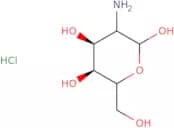
<p>4-O-Allyl-3,6-di-O-tert-butyldimethylsilyl-D-glucal is a custom synthesis of an oligosaccharide. It has been modified with fluorination, methylation, and click chemistry. 4-O-Allyl-3,6-di-O-tert-butyldimethylsilyl-D-glucal has been shown to be a high purity product that can be used in glycosylation reactions. This compound is very reactive and can be used in the synthesis of complex carbohydrates such as saccharides and polysaccharides.</p>Purezza:Min. 95%D-Glucosamine HCl - sea shell origin
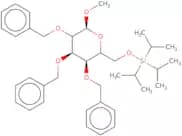
CAS:<p>D-Glucosamine (GlcN) is an aldohexose (2-Amino-2-deoxyglucose) in which the hydroxyl group at position 2 is replaced by an amino group (Collins, 2006). D-Glucosamine is found in chitosan as the N-Acetylated derivative in chitin (Rudrapatnam, 2003), glycoproteins, glycolipids and the glycosaminoglycan hyaluronic acid (Fallacara, 2018). Glucosamine, as its sulfate salt, often in combination with the polydisaccharide chondroitin, is marketed over-the-counter as a treatment for osteoarthritis inflammation and its accompanying pain. Only the D-enantiomer of glucosamine exists in nature.</p>Formula:C6H13NO5·HClPurezza:(Titration) Min. 98%Colore e forma:White PowderPeso molecolare:215.63 g/molMethyl 2,3,4-tri-O-benzyl-6-O-triisopropylsilyl-a-D-mannopyranoside
CAS:<p>Methyl 2,3,4-tri-O-benzyl-6-O-triisopropylsilyl-a-D-mannopyranoside is a glycosylation agent that can be used in the synthesis of oligosaccharides and polysaccharides. The compound is fluorinated at the C2 position and methylated at the C3 position. The final product is a white solid with a purity level of >99%. The molecular formula is CHO and the molecular weight is 522.9 g/mol.<br>Methyl 2,3,4-tri-O-benzyl-6-O-(1,1'-biphenyl)-aD manno pyranoside can be synthesized through click chemistry by reacting an alkyne (1) with trimethylsilylacetylene (2). This reaction yields an α,β unsaturated carbonyl (3), which undergoes pall</p>Formula:C37H52O6SiPurezza:Min. 95%Peso molecolare:620.91 g/mol(1R,2S,3S,5R)-5-Benzyloxy-3-(tert-butyldimethylsilyloxy)-2-hydroxymethyl cyclohexanol
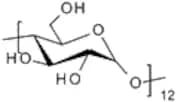
<p>(1R,2S,3S,5R)-5-Benzyloxy-3-(tert-butyldimethylsilyloxy)-2-hydroxymethyl cyclohexanol is a fluorinated carbohydrate that has been synthesized by a monosaccharide and oligosaccharide. This compound is a complex carbohydrate that has been glycosylated, methylated and modified with click chemistry. This product is available in high purity with CAS number.</p>Purezza:Min. 95%eta-Cyclodextrins
<p>Eta-cyclodextrin (η-CD) contains 12 glucose units. This cyclodextrin has potential applications in host-guest chemistry, particularly for large molecules or assemblies.</p>Purezza:Min. 95%GDP-L-fucose disodium - low endotoxin grade
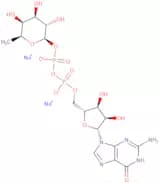
CAS:GDP-L-fucose is a natural fucosyl donor and substrate for fucosyltransferases (FUT) that catalyses the fucosylation of, for example, human milk oligosaccharides or glycoproteins. GDP-L-fucose is widely used in (chemo)enzymatic synthesis of glycans. Cymit Quimicaesis of GDP-L-fucose, a nucleotide sugar consisting of an L-fucose that is β-glycosidically linked to the nucleotide guanosine diphosphate (GDP), is achieved either through de novo synthesis via GDP-mannose or through a salvage pathway from free fucose. Fucosylation is catalysed by fucosyltransferases (~ 13 FUT genes have been identified in the human genome to date) to generate α-1,2, α-1,3, α-1-4 and α-1-6 linkages of fucose to other sugars, as well as direct linkages to peptides, with release of GDP (Lairson, 2008).Formula:C16H23N5O15P2Na2Purezza:Min. 95%Colore e forma:White PowderPeso molecolare:633.31 g/molMonosialyl, monofucosyl-(1-2)-lacto-N-hexaose
<p>Monosialyl, monofucosyl-(1-2)-lacto-N-hexaose is a synthetic, fluorinated monosaccharide that is used to modify complex carbohydrates. It can be used for the synthesis of oligosaccharides and polysaccharides with a variety of sugar modifications. Monosialyl, monofucosyl-(1-2)-lacto-N-hexaose has the CAS Registry Number 111832-43-9.</p>Purezza:Min. 95%A3 Glycan, 2-AB labelled
A3 Glycan, 2-AB labelled is a complex carbohydrate. It is synthesized by the methylation and glycosylation of the A3 sugar, which is a monosaccharide. The A3 Glycan, 2-AB labelled has a CAS No. of 711-81-2 and is a synthetic oligosaccharide with high purity. Its chemical formula is C6H8O5N2O2 and its molecular weight is 192.19 g/mol. The A3 Glycan, 2-AB labelled has an MW of 192.19 g/mol and an MW of 643 Da (1). It also contains one saccharide unit that consists of two bonded monosaccharides: fructose and glucose. A3 Glycan, 2-AB labelled CAS No.: 711-81-2 Molecular Formula: C6H8O5N2O2 MolePurezza:Min. 95%5,6-O-Isopropylidene-3,5-di-C-methyl-L-galactofuranose
<p>5,6-O-Isopropylidene-3,5-di-C-methyl-L-galactofuranose is a custom synthesis of an oligosaccharide with a CAS number. It is a polysaccharide that has been modified by methylation and glycosylation. The modification of the saccharide includes fluorination and click chemistry. This product is extremely pure and has been synthesized using high purity reagents.</p>Purezza:Min. 95%1,2,4-Tri-O-Acetyl-3-deoxy-3-fluoro-D-xylopyranose
1,2,4-Tri-O-acetyl-3-deoxy-3-fluoro-D-xylopyranose (1,2,4) is a glycosylation agent that can be used to modify the molecular weight of polysaccharides and oligosaccharides. It is also used to introduce fluorine atoms into sugar molecules. 1,2,4 has been shown to have a high degree of purity and custom synthesized for research purposes. The CAS number for 1,2,4 is not available.Purezza:Min. 95%D-Altro-Amide
<p>D-Altro-Amide is a custom synthesis that has been modified by fluorination, methylation, and monosaccharide. The synthesis of D-Altro-Amide is done through modification, click modification, and oligosaccharides. It's CAS number is 69092-57-5. D-Altro-Amide is a polysaccharide made from glycosylation and sugar. Carbohydrates are complex carbohydrates with many saccharides connected together in an ordered manner.</p>Purezza:Min. 95%1,2,3,4-Tetra-O-benzoyl-6-O-triisopropylsilyl-a-D-mannopyranose
The 1,2,3,4-Tetra-O-benzoyl-6-O-triisopropylsilyl-a-D-mannopyranose is a high purity custom synthesis sugar. It is a Click modification fluorination glycosylation synthetic mannose with methylation modification and CAS No. Mannosaccharide is an oligosaccharide that consists of three monosaccharides linked by alpha (1->4) bonds. Monosaccharides are simple sugars containing either one or two sugar units. Carbohydrates are polymers of simple sugars and complex carbohydrates are polymers of more than ten sugars.Formula:C43H48O10SiPurezza:Min. 95%Peso molecolare:752.92 g/mol3,4,6-Tri-O-acetyl-2-azido-2-deoxy-a-D-glucopyranosyl trichloroacetimidate
CAS:<p>3,4,6-Tri-O-acetyl-2-azido-2-deoxy-a-D-glucopyranosyl trichloroacetimidate is a custom synthesis of complex carbohydrates. This compound has CAS number 94715-56-7 and can be used for the modification of saccharides or carbohydrates. 3,4,6-Tri-O-acetyl-2-azido-2-deoxy -aD glucopyranosyl trichloroacetimidate can be modified with methylation, glycosylation, or fluorination. It is also a synthetic compound and has high purity.</p>Formula:C14H17Cl3N4O8Purezza:Min. 95%Peso molecolare:475.67 g/mol3,5-Dideoxy-3,5-imino-1,2-O-isopropylidene-N-(4-methoxyphenyl)methyl-6-O-tert.butyldimethylsilyl-a-D-glucofuranose
3,5-Dideoxy-3,5-imino-1,2-O-isopropylidene-N-(4-methoxyphenyl)methyl-6-O-tert.butyldimethylsilyl-a-D-glucofuranose is a methylation product of 3,5 dihydroxy -3,5 imino -1,2 O isopropylidene -N (4 methoxyphenyl) methyl -6 O tert. butyldimethylsilyl A D glucofuranose which is an oligosaccharide. It has been synthesized for the purpose of Click modification and modified with a fluorine atom on the carbonyl group. This product has high purity and is custom synthesized according to customer specifications.Purezza:Min. 95%4,6-O-(4-Methoxybenzylidene)-1,2,3-tri-O-pivaloyl-a-D-mannopyranose
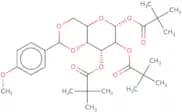
<p>4,6-O-(4-Methoxybenzylidene)-1,2,3-tri-O-pivaloyl-a-D-mannopyranose is a sugar with the following characteristics: Glycosylation, complex carbohydrate, Methylation, Click modification, Polysaccharide, Fluorination and saccharide. The CAS No. of this compound is 44915-12-2. This compound can be synthesized to custom specifications or ordered as a stock chemical.</p>Formula:C29H42O10Purezza:Min. 95%Peso molecolare:550.65 g/mol1,2,3,4-Tetra-O-acetyl-6-O-triphenylmethyl-b-D-glucopyranose
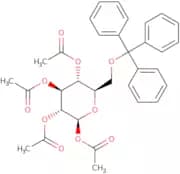
CAS:<p>1,2,3,4-Tetra-O-acetyl-6-O-triphenylmethyl-b-D-glucopyranose (TATPG) is a carbohydrate that belongs to the family of saccharides. It is a synthetic sugar with a modified glycosidic linkage between the hexoses 1 and 2. The preparation of TATPG is through the modification of sugar with fluorination and glycosylation. TATPG has been used in Click chemistry to attach polymers and proteins to oligosaccharides or monosaccharides. This modification can be achieved through methylation or substitution reactions with other chemical groups such as acetate, phosphates, and thiols. This molecule has also been used in the synthesis of complex carbohydrates by modifying the glucose unit with glucose oxidase, which leads to the formation of D-arabinitol 1,5-.</p>Formula:C33H34O10Purezza:Min. 95%Colore e forma:PowderPeso molecolare:590.62 g/mol6-O-(2-Acetamido-2-deoxy-β-D-glucopyranosyl)-D-galactopyranose
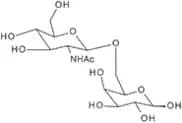
CAS:<p>6-O-(2-Acetamido-2-deoxy-b-D-glucopyranosyl)-D-galactopyranose is a disaccharide that has been shown to have anti-inflammatory activities. It contains an acetamide group and a hydroxy group. The acetamide group is substituted by a hydroxy group, which may be responsible for its anti-inflammatory activity. 6-O-(2-Acetamido-2-deoxy-b-D-glucopyranosyl)-D-galactopyranose has also been shown to inhibit the production of proinflammatory cytokines such as tumor necrosis factor alpha (TNFα) and interleukin beta (ILβ).</p>Formula:C14H25NO11Purezza:Min. 95%Colore e forma:White PowderPeso molecolare:383.36 g/mol4'-(D-[UL-13C6]Galactosyl)lactose
CAS:<p>Galactosyllactose attenuated NF-κB inflammatory signaling in human intestinal epithelial cells and in human immature intestine. Thus, galactosyllactoses are strong anti-inflammatory agents in human colostrum and early milk, contributing to innate immune modulation. The potential clinical utility of galactosyllactose warrants investigation.</p>Formula:C6C12H32O16Purezza:Min. 95%Colore e forma:PowderPeso molecolare:510.39 g/molUDP-2-deoxy-2-fluoro-D-mannose
CAS:<p>UDP-2-deoxy-2-fluoro-D-mannose is a modified monosaccharide that is synthesized from D-mannose. It can be used for the synthesis of glycosyls and polysaccharides as well as for the modification of complex carbohydrates. UDP-2-deoxy-2-fluoro-D-mannose has been shown to be an excellent substrate for methylation, glycosylation, and fluorination reactions. This compound can also be used to modify high purity oligosaccharides with a high degree of substitution.</p>Formula:C15H23FN2O16P2Purezza:Min. 95%Peso molecolare:568.29 g/molGlobotriaosylceramide
CAS:<p>It is one of the few clusters of differentiation that is not a protein and structurally contains a galactose moiety linked α to lactosylceramide. Defects in the enzyme α-galactosidase lead to the buildup of globotriaosylceramide, causing Fabry's disease. The pharmaceutical drug migalastat enhances the function of α-galactosidase and is used to treat Fabry's. Globotriaosylceramide is also one of the targets of Shiga toxin, which is responsible for pathogenicity of enterohemorrhagic E. coli.</p>Formula:C60H113NO18Purezza:Min. 95%Colore e forma:PowderPeso molecolare:1135.79577D-Erythrose 4-phosphate sodium
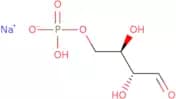
CAS:<p>D-erythrose 4-phosphate sodium (D-EPPS) is a phosphoenolpyruvate analog and an inhibitor of chorismate mutase, which is an enzyme that catalyzes the conversion of D-arabinose 5-phosphate to D-erythrose 4-phosphate. It is used to study the biosynthesis of aromatic amino acids in bacteria. This compound has also been shown to inhibit phosphate uptake by Escherichia coli K12, leading to a decrease in the accumulation of ATP and other nucleotides. D-EPPS binds metal ions and organic acids such as citrate, which influences its thermodynamic stability. Biochemical techniques can be used for profiling D-EPPS in bacterial cells.</p>Formula:C4H8NaO7PPurezza:(%) Min. 50%Colore e forma:White PowderPeso molecolare:222.07 g/mol1-Deoxynojirimycin hydrochloride
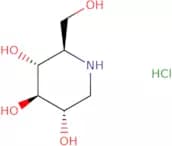
CAS:Glucose analog and potent inhibitor of α-glucosidases of class I and II. It interferes with N-linked glycosylation and oligosaccharide processing. The compound inhibits intestinal α-glucosidase and has protective effects against obesity-induced hepatic injury as well as mitochondrial dysfunction. It also has neuroprotective effects since it reduces senescence-related cognitive impairment, neuroinflammation and amyloid beta deposition in mice.Formula:C6H13NO4•HClColore e forma:PowderPeso molecolare:199.63 g/molD-Mannosaminuronic acid
<p>D-Mannosaminuronic acid is a monosaccharide that has been isolated from the seed of the African plant, Acacia drepanolobium. It is found to be an antigenic component of shigella and related enterobacteria and plays an important role in the biosynthesis of glycolipids. D-Mannosaminuronic acid can be hydrolyzed by acidic enzymes such as lipases, esterases, phosphatases, or proteases. This process may lead to the liberation of fatty acids and sugars. The purified enzyme preparations have been shown to catalyze the synthesis of D-mannosaminuronic acid from mannose and fructose.</p>Purezza:Min. 95%D-myo-inositol 3-phosphate
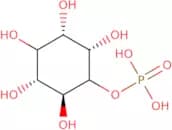
CAS:<p>D-myo-inositol 3-phosphate (IP3) is a molecule that is involved in the metabolism of carbohydrates, fats, and proteins. It is synthesized from D-myo-inositol 1,4,5-trisphosphate through the action of an enzyme called phosphatidylinositol kinase. IP3 binds to the calmodulin protein and has been shown to have biological properties, such as cytosolic or chloroplastic localization and transcriptional regulation. IP3 also participates in the synthesis of DNA and RNA. The sequence of IP3 has been determined for plants such as Solanum tuberosum and Arabidopsis thaliana.</p>Formula:C6H13O9PPurezza:Min. 95%Peso molecolare:260.14 g/molFurcellaran
CAS:<p>Furcellaran (Danish agar) is similar to κ-carrageenan but is less sulphated (50%). It has been extracted from Furcellaria lumbricalis, which is mainly harvested off the coast of Denmark. This species, which is common to most parts of Europe, occurs as a loose form and only reproduces vegetatively.<br>The image was kindly provided by Prof Mike Guiry from Cork who runs ‘The Seaweed Site’.</p>Colore e forma:PowderA2 Glycan, 2-AB labelled
<p>The A2 Glycan is a custom synthesized oligosaccharide that is labelled with 2-AB. It contains the following sugars: Oligosaccharide, sugar, Synthetic, Fluorination, Custom synthesis, Methylation, Monosaccharide, Polysaccharide. The A2 Glycan has a purity of > 99%. CAS No. for this product is not available. Modification includes Click modification and complex carbohydrate.</p>Purezza:Min. 95%N-[2-(4'-Nitrophenyl)-1-cyano-3-butene]-2,3,4,6-tetra-O-pivaloyl-D-glucopyranoside
The product is a methylation, saccharide, Polysaccharide, CAS No., Click modification, Modification, Oligosaccharide, Custom synthesis, Glycosylation and High purity. The product is a fluorination and complex carbohydrate.Formula:C36H51N3O11Purezza:Min. 95%Peso molecolare:701.8 g/molPhenyl 2,3,4,6-tetra-O-acetyl-b-D-thiogalactopyranoside
CAS:<p>Phenyl 2,3,4,6-tetra-O-acetyl-b-D-thiogalactopyranoside is a sugar that belongs to the class of glycosides. It is a white crystalline powder and has a molecular weight of 459.8. The chemical formula for this compound is C 12 H 18 O 9 . Phenyl 2,3,4,6-tetra-O-acetyl-b-D-thiogalactopyranoside is used in the synthesis of oligosaccharides and polysaccharides. It can be used to modify the structure of saccharides and sugar molecules by methylation or fluorination. This product also has CAS No. 24404-53-3 and can be custom synthesized according to your specifications.</p>Formula:C20H24O9SPurezza:Min. 95%Colore e forma:PowderPeso molecolare:440.47 g/mol2-O-b-D-Galactosylsucrose
CAS:2-O-b-D-Galactosylsucrose is a synthetic, fluorinated sugar that has been custom synthesized for your needs. It is a complex carbohydrate that has been modified with methylation and click chemistry. 2-O-b-D-Galactosylsucrose is a monosaccharide, polysaccharide, and saccharide that is soluble in water. It can be used as a research tool for glycobiology and glycosylation, or as an ingredient in industrial applications such as food processing and pharmaceuticals.Formula:C18H32O16Purezza:Min. 95%Colore e forma:PowderPeso molecolare:504.44 g/mol7-Deoxy-D-glycero-D-gluco-heptitol
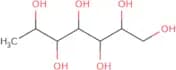
CAS:<p>7-Deoxy-D-glycero-D-gluco-heptitol is a synthetic sugar that can be used as a building block for the synthesis of complex carbohydrates. 7DGDG has shown to be a good substrate for glycosylation and has been modified with fluorine, methyl, and click chemistry. This sugar also shows high reactivity towards saccharide and oligosaccharides. 7DGDG may be useful in the production of polysaccharides or glycosylations.</p>Purezza:Min. 95%Sedoheptulose-1-phosphate
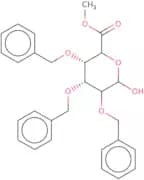
CAS:<p>Sedoheptulose-1-phosphate is a ribosomal metabolite that is produced by marine microorganisms. It is catabolized by sedoheptulose-7-phosphate kinase and converted to the pentose phosphate pathway. The metabolic profile of sedoheptulose-1-phosphate has been shown to be altered in response to environmental stress, such as changes in pH, oxygen levels, and temperature. Sedoheptulose-1-phosphate has also been shown to have structural properties similar to those of ATP and ADP, which may make it an important target for the development of antibiotics.</p>Formula:C7H15O10PPurezza:Min. 95%Peso molecolare:290.16 g/mol2,3,4-Tri-O-benzyl-D-glucuronide methyl ester
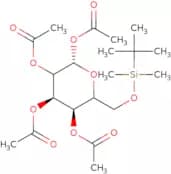
2,3,4-Tri-O-benzyl-D-glucuronide methyl ester is an organic compound that is structurally classified as a saccharide. It can be used as an intermediate in the synthesis of oligosaccharides and glycosylated proteins. This product has been modified with Click chemistry, which is a method for modifying chemical structures with a simple reaction between two groups. The modification is stable in acidic conditions and can be removed by treatment with base. 2,3,4-Tri-O-benzyl-D-glucuronide methyl ester also contains fluorine atoms that have been introduced during the synthetic process.Formula:C28H30O7Purezza:Min. 95%Colore e forma:White PowderPeso molecolare:478.53 g/mol1,2,3,4-Tetra-O-acetyl-6-O-(tert-butyldimethylsilyl)-b-D-glucopyranose
CAS:1,2,3,4-Tetra-O-acetyl-6-O-(tert-butyldimethylsilyl)-b-D-glucopyranose is a custom synthesis of an Oligosaccharide. It is a complex carbohydrate that has been modified with Methylation and Glycosylation. Carbohydrate Click chemistry has been used to modify the sugar molecule with Fluorination. This product is manufactured in high purity and can be used for pharmaceutical purposes.Formula:C20H34O10SiPurezza:Min. 95%Peso molecolare:462.57 g/mol4-O-Methyl-D-glucose
CAS:4-O-Methyl-D-glucose is an acidic sugar that is found in the cell walls of plants. It has been shown to have structural studies on plant cells, with ion-exchange and ester linkages. 4-O-Methyl-D-glucose is metabolized by microorganisms, including bacteria, fungi, and yeast. This sugar can be oxidized to form acid or oligosaccharides as well as oxidation products such as methylglyoxal. 4-O-Methyl-D-glucose is also used in the synthesis of mucopolysaccharides which make up the connective tissue of tumor cells. This sugar can be synthesized from D-mannose by a diazonium salt reaction followed by oxidation with sodium hypochlorite. The hydroxyl group on this sugar can be acetylated to form acetylated 4-O methyl glucose.Formula:C7H14O6Purezza:Min. 95%Colore e forma:White PowderPeso molecolare:194.18 g/molN-Acetyl-D-[1,2,3-¹³C3]neuraminic acid
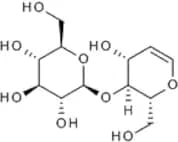
CAS:<p>N-Acetyl-D-[1,2,3-¹³C3]neuraminic acid is a modification of the natural sugar N-acetylneuraminic acid. It can be synthesized by reacting 1,2,3-¹³C3]cytidine with sodium hydroxide and acetic anhydride in methanol. It is a carbohydrate that can be found in many plants and animals. This compound has been shown to inhibit glycosylation and methylation reactions. N-Acetyl-D-[1,2,3-¹³C3]neuraminic acid is also a monosaccharide that belongs to the group of sugars. Due to its high purity and availability, this substance can be used as a substitute for sialic acid in research experiments.</p>Formula:C3C8H19NO9Purezza:Min. 95%Colore e forma:PowderPeso molecolare:312.25 g/molD-Cellobial
CAS:<p>This compound has been used in the study of cellulase kinetics</p>Formula:C12H20O9Purezza:Min. 95%Colore e forma:PowderPeso molecolare:308.28 g/molL-Threose - aqueous solution
CAS:<p>L-Threose is a sugar molecule that is used as a structural component of DNA and RNA. It is also an important part of the energy metabolism in cells. L-Threose can be enzymatically inactivated by glycosidases, which are enzymes that hydrolyze glycosidic bonds. The inhibition of glycosidases by L-threose may be useful for the prevention or treatment of diseases associated with enzyme activity, such as diabetes mellitus type II. L-Threose has been shown to have inhibitory properties against sephadex G-100, a membrane protein found in bacteria. L-Threose may be useful as a control agent for research into the response element of polymerase chain reaction (PCR).</p>Formula:C4H8O4Purezza:Min. 60 Area-%Colore e forma:Clear LiquidPeso molecolare:120.1 g/molEthyl 2-O-benzyl-b-D-thioglucopyranoside
<p>Ethyl 2-O-benzyl-b-D-thioglucopyranoside is a custom synthesis product. It is an oligosaccharide that contains a saccharide monomer unit with a carbohydrate chain containing between 3 and 10 monomer units. This product has been modified to include fluorine atoms, which confers resistance to degradation by enzymes. The product has been synthesized from ethyl 2-O-benzyl-b-D-thioglucopyranoside and 2,4,5,6-tetrafluoroethanol in the presence of sodium methoxide in methanol at 120 °C for 24 hours.</p>Purezza:Min. 95%3-Aminopropyl α-D-glucopyranoside
CAS:<p>3-Aminopropyl α-D-glucopyranoside is a monomer that can be used to produce polymers. It has been shown to be effective in methylation, saccharide and oligosaccharide modifications. 3-Aminopropyl α-D-glucopyranoside is an alpha glucosidase inhibitor. The compound also inhibits the action of other enzymes, such as glycosidases, which are responsible for breaking down glycogen and starch. 3-Aminopropyl α-D-glucopyranoside is a white powder with a melting point of about 150°C and boiling point of about 300°C.</p>Formula:C9H19NO6Purezza:Min. 95%Colore e forma:PowderPeso molecolare:237.35 g/molMethyl 2,3,4-tri-O-acetyl-b-D-galactopyranuronosyl azide
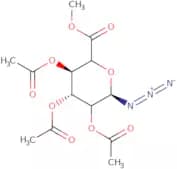
<p>This is a custom synthesis of a carbohydrate. It is a methylated, glycosylated, fluorinated, complex carbohydrate that can be synthesized to any desired degree of substitution. This product has been designed for use as a fluorescent tag or label in biochemistry and cell biology research. It is modified at the anomeric position with an acetyl group and an azide group. The acetyl group confers solubility in water, while the azide group confers fluorescence. The modifications also allow for click chemistry reactions, which are used in protein labeling and activation studies.</p>Formula:C13H17N3O9Purezza:Min. 95%Colore e forma:PowderPeso molecolare:359.29 g/molChitotriose trihydrochloride
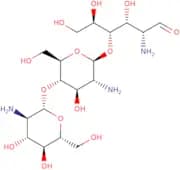
CAS:<p>Chitotriose trihydrochloride is a modification of chitin, an oligosaccharide. Chitotriose trihydrochloride is a synthetic carbohydrate which is used as a raw material for the production of fibers, films, and adhesives. It can be used in the synthesis of complex carbohydrates such as starch and glycogen. Chitotriose trihydrochloride is a high purity carbohydrate with CAS No. 41708-93-4 that can be used to produce glycosylated proteins or polysaccharides.</p>Formula:C18H35N3O13·3HClPurezza:Min. 95 Area-%Colore e forma:PowderPeso molecolare:610.87 g/molMethyl α-L-idopyranosiduronic acid sodium
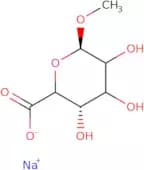
CAS:Methyl a-L-idopyranosiduronic acid sodium salt is an impedance sensor that has been developed for use in electroanalytic research. The sensor consists of a monolayer of mammalian cells that are grown on a microfabricated substrate and visualized using microscopy. Methyl a-L-idopyranosiduronic acid sodium salt is used to measure the biophysical properties of muscle cells, such as their phenotype, by measuring the electrical resistance of the cell membrane. This can be used to characterize muscle disorders and identify new drug targets for regenerative medicine.Formula:C7H12O7•NaPurezza:Min. 95 Area-%Colore e forma:SolidPeso molecolare:231.15 g/mol3'-Sialylgalacto-N-biosyl-serine
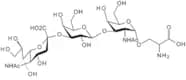
<p>3'-Sialylgalacto-N-biosyl-serine is a custom synthesis of a high purity, complex carbohydrate with the following modifications: fluorination and click modification. This product is a monosaccharide sugar that has many applications in biomedical research. 3'-Sialylgalacto-N-biosyl-serine is an important component of glycolipids and glycoproteins, which are major constituents of the outer leaflet of the plasma membrane. It also plays a role in cell signaling, binding to receptors on the surface of cells to activate them. In addition, this product can be used for the methylation reaction and has been used as an intermediate for other oligosaccharides and polysaccharides.</p>Formula:C28H47N3O21Purezza:Min. 95 Area-%Colore e forma:PowderPeso molecolare:761.68 g/mol4-O-Acetyl-3,6-di-O-benzyl-2-deoxy-2-phthalimido-b-D-glucopyranosyl trichloroacetimidate
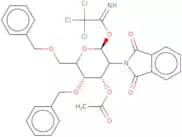
CAS:<p>4-O-Acetyl-3,6-di-O-benzyl-2-deoxy-2-phthalimido-b-D-glucopyranosyl trichloroacetimidate is a methylated saccharide that can be obtained through the Click modification of an oligosaccharide. It is a custom synthesis that has been modified with fluorination. This product is available in high purity and has been glycosylated. It is also a synthetic carbohydrate with a complex structure.</p>Formula:C32H29Cl3N2O8Purezza:Min. 95%Peso molecolare:675.94 g/mol2,4Anhydro-5-azido-5-deoxy-D-lyxonic acid isopropyl ester
2,4Anhydro-5-azido-5-deoxy-D-lyxonic acid isopropyl ester is a synthetic glycosylation reagent that has been used in the synthesis of oligosaccharides and polysaccharides. 2,4Anhydro-5-azido-5-deoxy-D-lyxonic acid isopropyl ester can be used for the modification of sugar chains, including methylations and fluorinations.Purezza:Min. 95%Tiazofurin
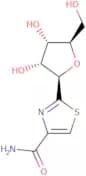
CAS:Tiazofurin is a novel anticancer agent that inhibits the activity of various enzymes, including dehydrogenase and acetyl-CoA carboxylase. Tiazofurin shows significant cytotoxicity against human leukemia cells in vitro. It also has an anti-infectious effect on hl-60 cells and k562 cells, which are carcinoma cell lines. Tiazofurin has been shown to have a higher inhibitory effect on dextran sulfate than on basic protein in vitro, suggesting that it may be more effective as an anticancer compound against cancerous tumors with high levels of glycolipids.Formula:C9H12N2O5SPurezza:Min. 95%Colore e forma:Off-White Slightly Brown PowderPeso molecolare:260.27 g/molMethyl 2,3-dideoxy-3-fluoro-5-O-pivaloyl-L-ribofuroside
<p>Methyl 2,3-dideoxy-3-fluoro-5-O-pivaloyl-L-ribofuroside is a custom synthesis that is a complex carbohydrate. It has CAS No. and is Polysaccharide, Modification, saccharide, Methylation, Glycosylation and Click modification. Methyl 2,3-dideoxy-3-fluoro-5-O-pivaloyl--L--ribofuroside is available in high purity and with high quality. This product can be used for the synthesis of other products such as sugar or carbohydrates. The fluorination process on this product makes it more stable to hydrolysis and oxidation reactions.</p>Purezza:Min. 95%1-O-Methyl-α-D-galactopyranoside monohydrate
CAS:1-O-Methyl-α-D-galactopyranoside is a gratuitous α-galactosidase inducer.Formula:C7H16O7Peso molecolare:212.20 g/molRef: 3D-M-3590
10gPrezzo su richiesta25gPrezzo su richiesta50gPrezzo su richiesta100gPrezzo su richiesta250gPrezzo su richiesta-Unit-ggPrezzo su richiesta4-Azido-4,6-dideoxy-2,3-O-isopropylidene-D-talono-1,5-lactone
<p>4-Azido-4,6-dideoxy-2,3-O-isopropylidene-D-talono-1,5-lactone is an oligosaccharide that is synthesized using the Click chemistry. It is a modification of the natural product methylated L -rhamnosyl-(1→2)-D -talonolactone. 4-Azido-4,6-dideoxy-2,3-O-isopropylidene D -talono 1,5 lactone has been shown to inhibit the growth of Mycobacterium tuberculosis and Mycobacterium avium complex bacteria.</p>Purezza:Min. 95%(1S) -1- [(2S, 3R,4R) -4-Hydroxymethyl-3- hydroxy- 1- azetidinyl] -1, 2- ethanediol
<p>(1S) -1- [(2S, 3R,4R) -4-Hydroxymethyl-3- hydroxy- 1- azetidinyl] -1, 2- ethanediol is a synthetic sugar that can be used as a glycosylation or click modification agent. It is also used in the synthesis of complex carbohydrates. This product has been shown to have high purity and is available for custom synthesis.</p>Purezza:Min. 95%9-O-Acetyl-N-acetyl-neuraminic acid
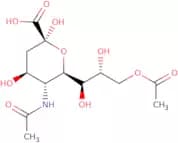
CAS:9-O-Acetyl-N-acetyl-neuraminic acid is a sialic acid produced by the human body. It can be found in human serum and has been shown to have inhibitory properties against viruses, such as hepatitis B and C viruses. 9-O-Acetyl-N-acetylneuraminic acid binds to the α1-acid glycoprotein in the blood, which can reduce its ability to bind to other molecules. This leads to a lower concentration of 9-O-acetylneuraminic acid in the blood. This molecule also has chemical biology properties that are being studied for their effects on biological processes such as histological analysis, receptor molecule binding, polymerase chain reaction (PCR), and mucin gene transcription. 9-O-Acetylneuraminic acid also has antihistamine activities that may be due to its ability to block histamine receptors or inhibit histamine release.Formula:C13H21NO10Purezza:Min. 75 Area-%Colore e forma:White Off-White PowderPeso molecolare:351.31 g/mol















![(1S) -1- [(2S, 3S,4R) -N-Benzyl-4-hydroxymethyl-3- hydroxy- 1- azetidinyl] -1, 2- ethanediol](/_next/image/?url=https%3A%2Fstatic.cymitquimica.com%2Fproducts%2F3D%2Fthumb-webp%2FMB163383.webp&w=3840&q=75)



![(2S, 3S, 4R) -2- [(1S) - 1, 2- Dihydroxyethyl] - 4- (hydroxymethyl) - 3, 4- pyrrolidinediol](/_next/image/?url=https%3A%2Fstatic.cymitquimica.com%2Fproducts%2F3D%2Fthumb-webp%2FMD163541.webp&w=3840&q=75)




![4'-(D-[UL-13C6]Galactosyl)lactose](/_next/image/?url=https%3A%2Fstatic.cymitquimica.com%2Fproducts%2F3D%2Fthumb-webp%2FOG159775.webp&w=3840&q=75)



![N-[2-(4'-Nitrophenyl)-1-cyano-3-butene]-2,3,4,6-tetra-O-pivaloyl-D-glucopyranoside](/_next/image/?url=https%3A%2Fstatic.cymitquimica.com%2Fproducts%2F3D%2Fthumb-webp%2FMN08500.webp&w=3840&q=75)

![N-Acetyl-D-[1,2,3-¹³C3]neuraminic acid](/_next/image/?url=https%3A%2Fstatic.cymitquimica.com%2Fproducts%2F3D%2Fthumb-webp%2FMA182016.webp&w=3840&q=75)

![(1S) -1- [(2S, 3R,4R) -4-Hydroxymethyl-3- hydroxy- 1- azetidinyl] -1, 2- ethanediol](/_next/image/?url=https%3A%2Fstatic.cymitquimica.com%2Fproducts%2F3D%2Fthumb-webp%2FMH163401.webp&w=3840&q=75)